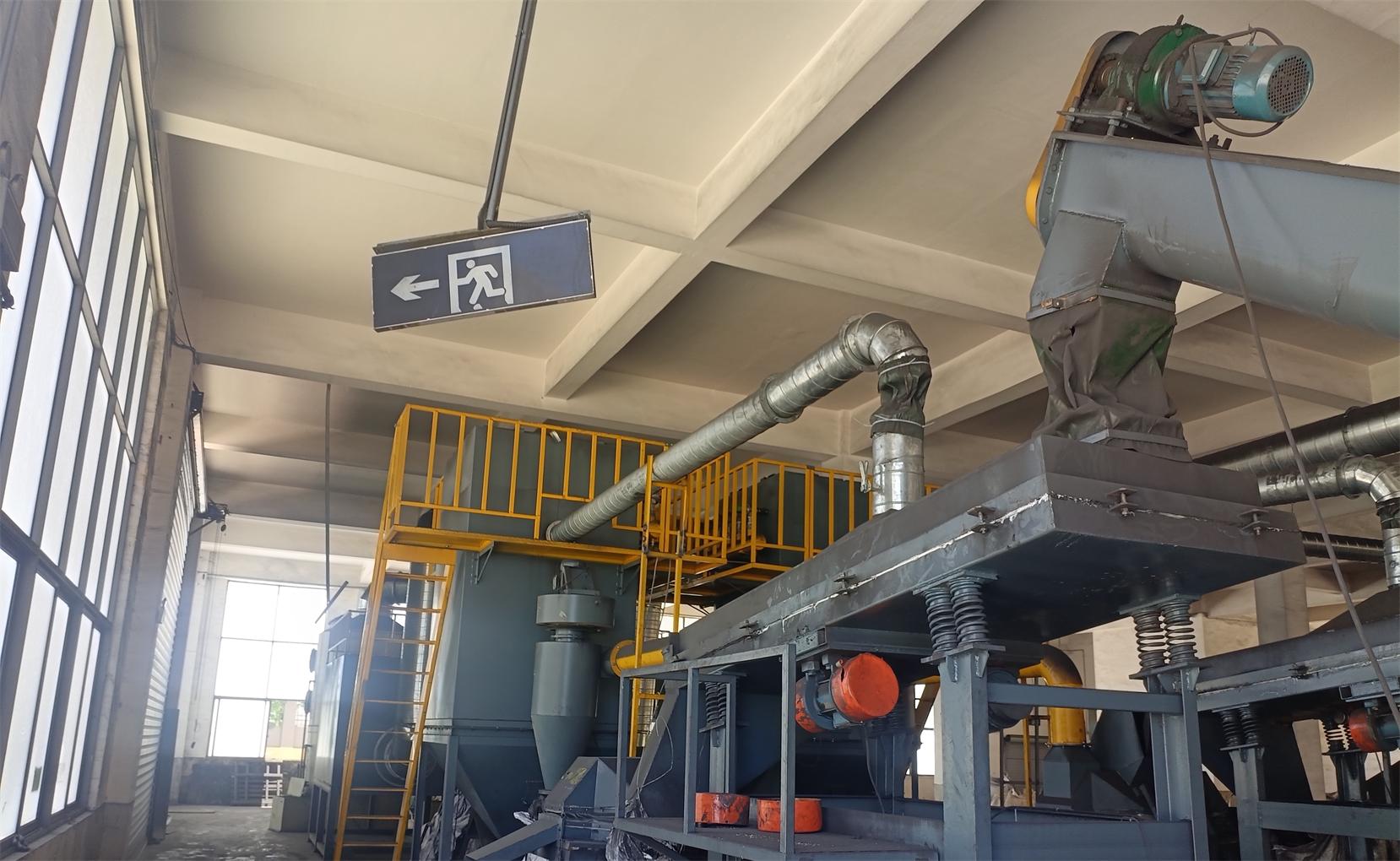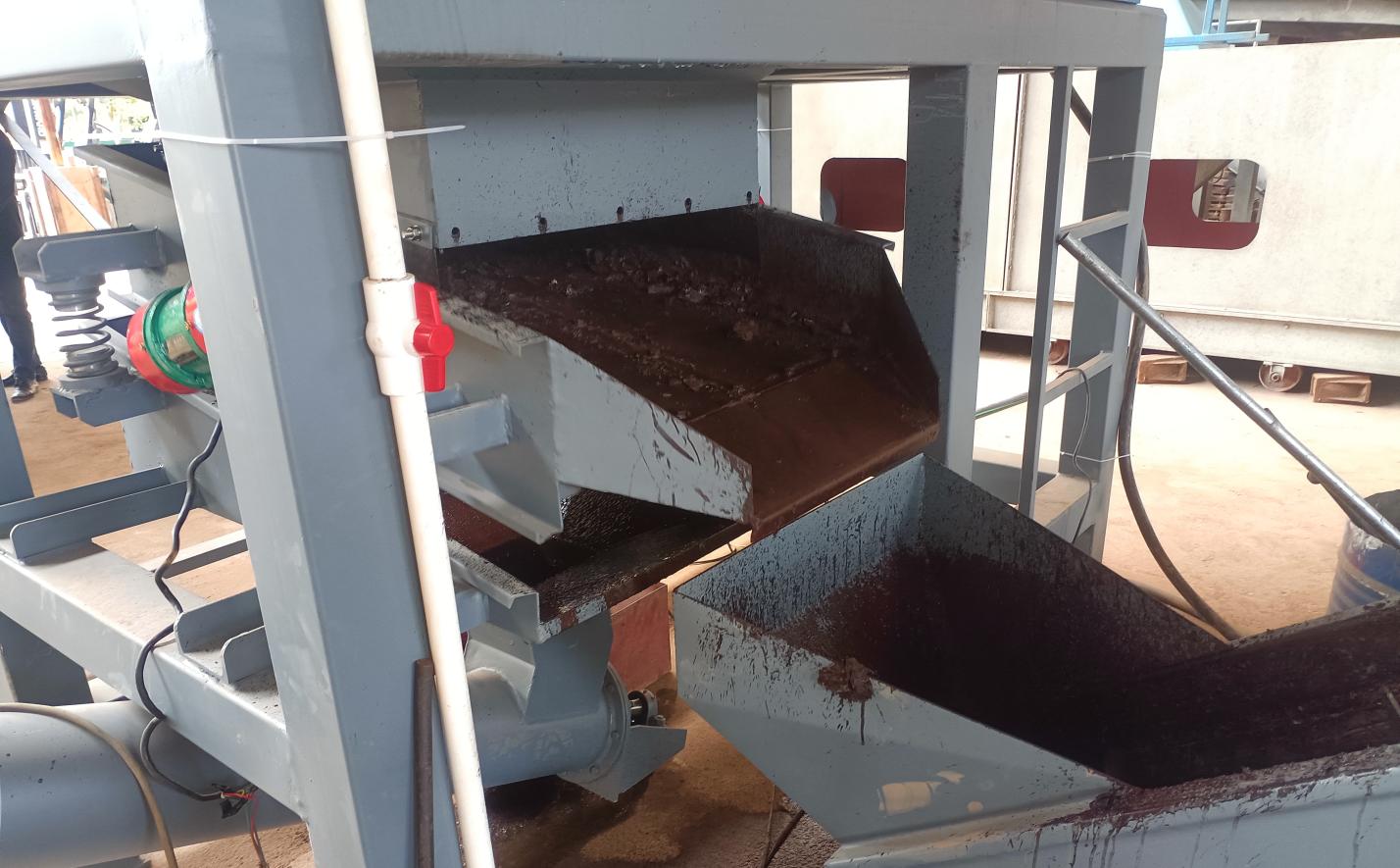
The global electronics industry continues to expand at an unprecedented pace, and with it comes a growing challenge: what to do with end-of-life electronic devices? E-waste has become one of the fastest-growing waste streams worldwide, yet it also represents a tremendous economic opportunity for businesses equipped with the right technology. Valuable materials such as copper, lead, aluminum, lithium, cobalt, and precious metals are present in significant quantities within discarded electronics, making proper recycling not just an environmental imperative but a profitable business venture.
For entrepreneurs and established companies looking to enter or expand in the recycling sector, understanding the available equipment options and selecting the right solutions is critical to operational success. This guide explores the key types of e-waste recycling equipment and how they can transform waste streams into valuable resource flows.
The Business Case for Professional Recycling Equipment
Investing in professional recycling equipment offers multiple advantages over manual or informal recycling methods. Modern recycling machinery employs advanced mechanical separation technologies that achieve recovery rates exceeding 95% for many material categories. This level of efficiency is virtually impossible to attain through manual processing.
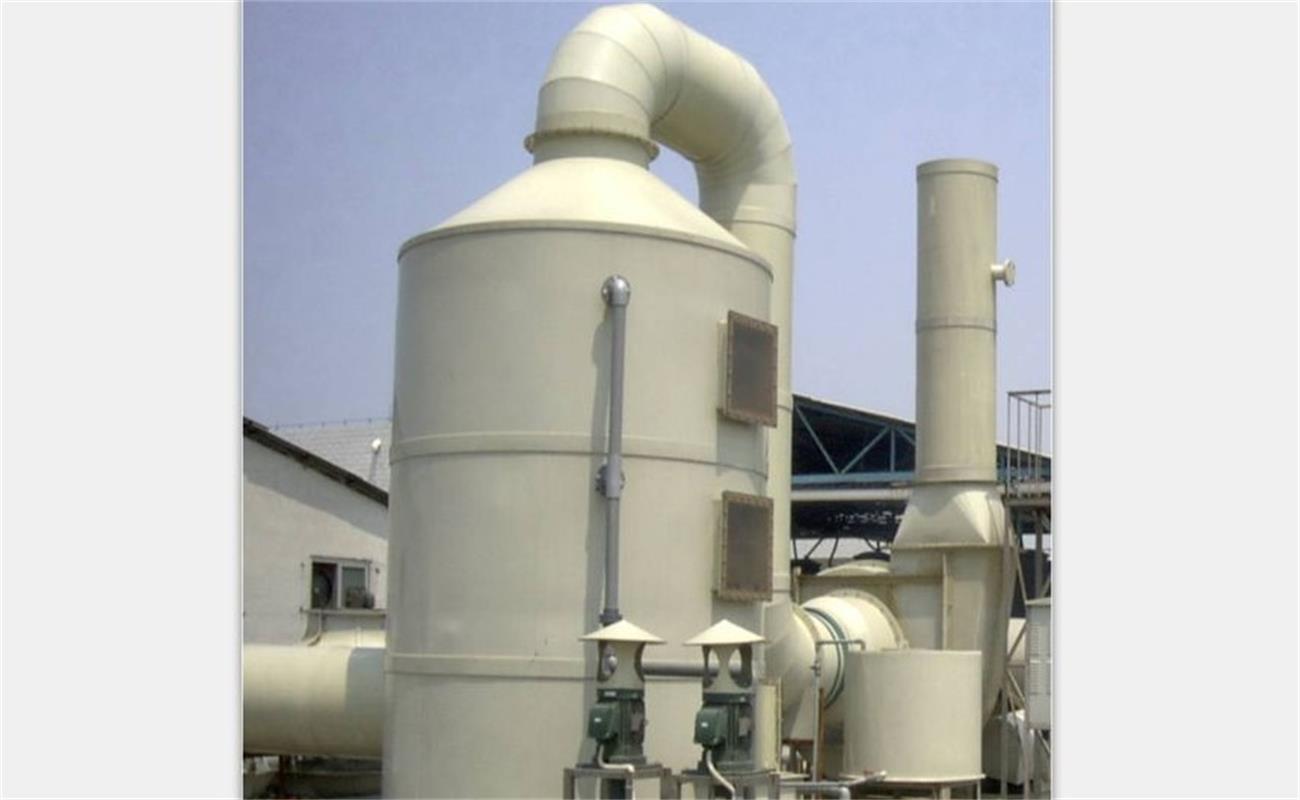
Beyond recovery rates, professional equipment ensures compliance with increasingly stringent environmental regulations. Air pollution control systems, water treatment plants, and dust collection mechanisms are integrated into modern recycling lines, protecting both worker health and the surrounding environment. For businesses, this compliance is not optional; it is essential for maintaining operating licenses and avoiding costly penalties.
Lead-Acid Battery Recycling: A Mature and Profitable Market
Lead-acid batteries remain one of the most recycled consumer products globally, with established collection infrastructure and well-understood recycling economics. A complete lead-acid battery recycling operation requires several integrated components working in harmony.
The process typically begins with a lead acid battery breaking and separating plant, which mechanically crushes the batteries and separates the constituent materials: lead paste, lead grids, plastic shells, and sulfuric acid. Modern systems can process between 1 to 10 metric tons per hour, making them suitable for both medium and large-scale operations.
Key Components of a Lead-Acid Battery Recycling Line:
- Battery breaking and separation system for initial material classification
- De-sulfurization unit to remove sulfur from lead paste, reducing melting temperature and emissions
- Rotary furnace or blast furnace for reducing lead paste to crude metallic lead
- Lead refinery kettle furnace to refine crude lead to 99.999% purity
- Air pollution control system to ensure environmental compliance
- Water treatment plant for managing acidic wastewater
The economics of lead-acid battery recycling are compelling. Recovered lead can be sold back to battery manufacturers, creating a closed-loop supply chain. Plastic components can be pelletized and reused in new battery cases. Even the sulfuric acid can be neutralized or reclaimed. For operators, this means multiple revenue streams from a single waste input.
Lithium Battery Recycling: Capturing the Energy Transition
The explosive growth of electric vehicles, consumer electronics, and energy storage systems has created an urgent need for efficient lithium battery recycling. Unlike lead-acid batteries, lithium-ion batteries contain a complex mixture of materials including lithium, cobalt, nickel, manganese, graphite, copper, and aluminum. Recovering these materials efficiently requires specialized equipment designed specifically for the unique challenges of lithium battery processing.
A modern lithium battery recycling plant typically includes discharge equipment for safely neutralizing residual charge, pre-crushing systems, secondary granulation units, magnetic separation for ferrous metals, and fine separation systems for recovering black mass. Black mass, the mixture of electrode materials, contains valuable nickel, cobalt, and graphite that can be further refined or sold to specialized processors.
Safety is paramount in lithium battery recycling. These batteries can pose fire and explosion risks if not handled properly. Professional recycling lines incorporate multiple safety features including inert atmosphere processing, temperature monitoring, and emergency suppression systems. Air pollution control systems are also essential, as lithium battery crushing can release fluorine compounds and other potentially harmful gases.
Processing capacities for lithium battery recycling plants typically range from 500 to 2500 kg per hour, with modular designs allowing operators to scale capacity according to feedstock availability. The recovered materials, particularly cobalt and nickel, command high market prices, making lithium battery recycling an increasingly attractive business proposition.
Cable Recycling: Unlocking Copper and Aluminum Value
Scrap cables and wires represent one of the most accessible entry points into the recycling business. Copper and aluminum prices have remained strong over the long term, and the separation technology required is well-established and relatively straightforward compared to battery recycling.
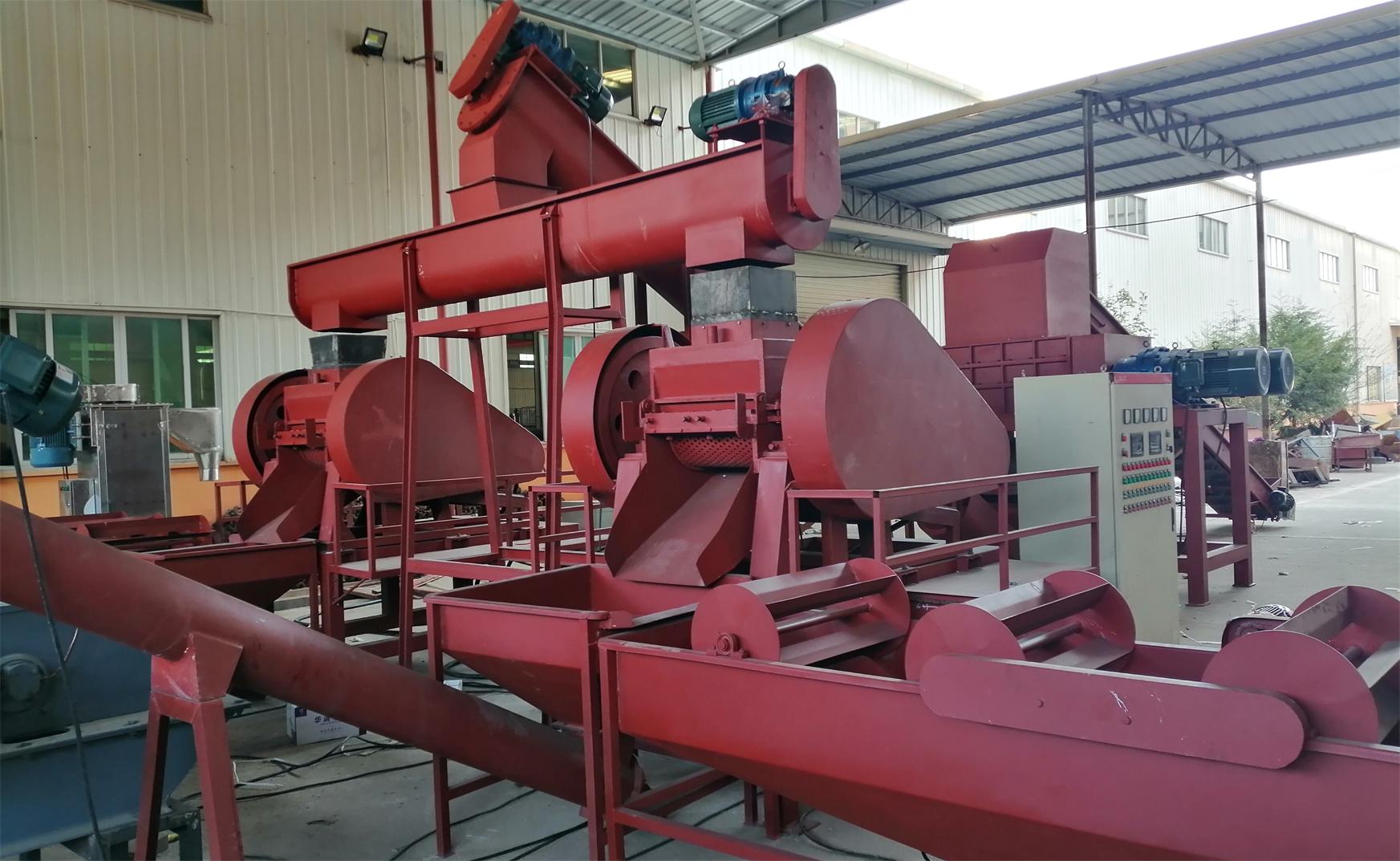
A complete cable recycling plant can handle everything from thin communication wires to thick power cables. The equipment line typically includes scrap cable strippers for larger diameter cables, granulators for processing mixed cable waste, and separation systems that use air classification or water separation to isolate copper or aluminum from plastic insulation.
For smaller operations or those processing predominantly large-diameter cables, hydraulic scrap cable strippers offer a cost-effective starting point. These machines can handle cables from 1.5mm to 150mm in diameter, with processing capacities up to 15,000 kg per 10-hour shift. For operations dealing with mixed cable waste, cable granulators with dry separators are the preferred solution, achieving high purity copper or aluminum fractions suitable for direct sale to smelters.
The purity of recovered metal is crucial for maximizing value. High-quality cable recycling equipment can achieve copper purity levels of 96-98%, commanding premium prices in the scrap metal market. Plastic insulation, once separated, can also be sold to plastic recyclers, creating a second revenue stream.
Circuit Board Recycling: Recovering Precious Metals
Printed circuit boards (PCBs) are among the most complex e-waste materials to recycle, but they also contain the highest concentration of valuable materials including copper, gold, silver, and palladium. Professional PCB recycling equipment employs either wet or dry separation technologies to recover these materials efficiently.
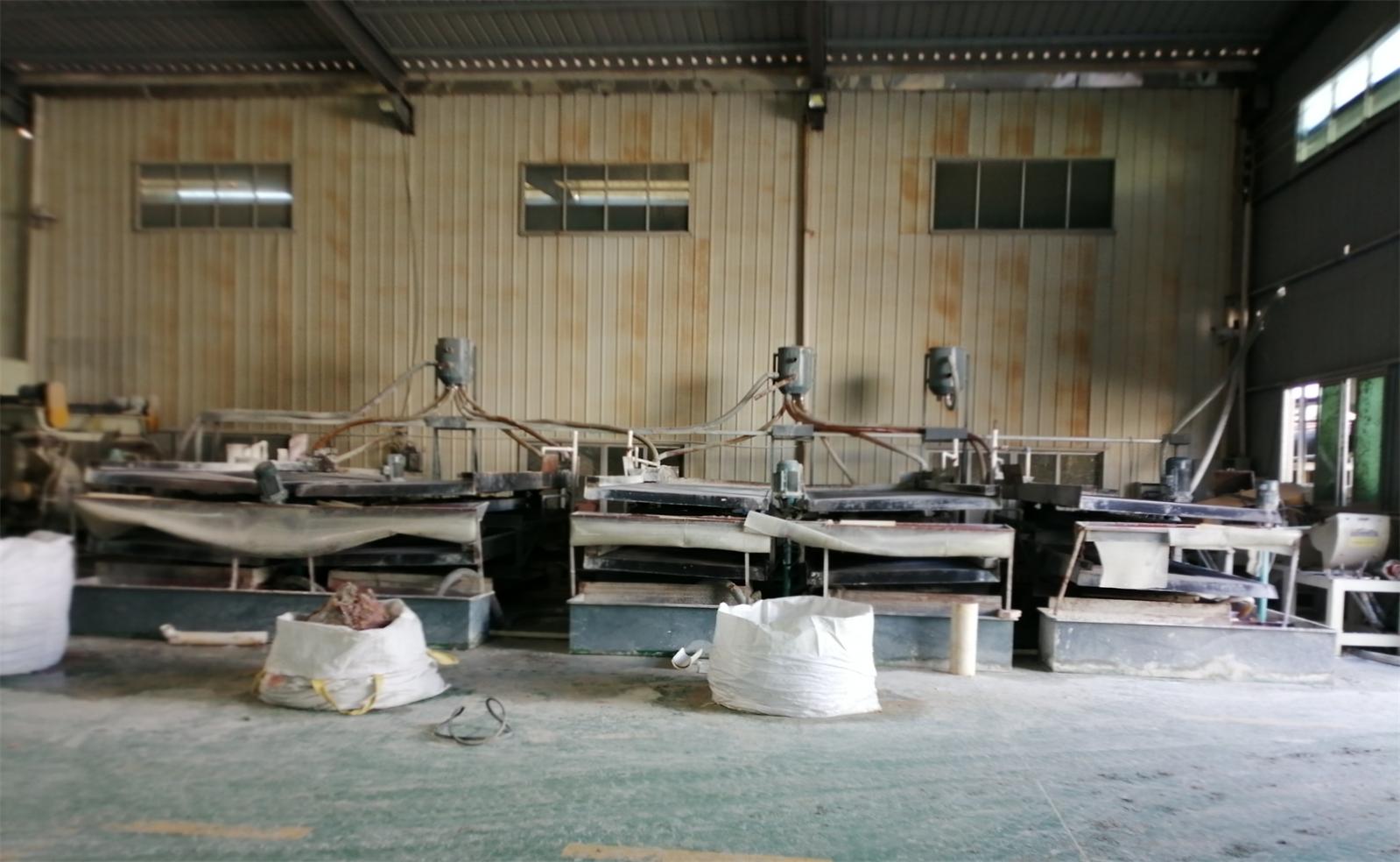
Dry separation systems use a combination of crushing, air classification, electrostatic separation, and pulse dust collection to recover copper powder and precious metal concentrates. Wet separation systems, while requiring water treatment infrastructure, can achieve even higher recovery rates and are particularly suitable for processing PCBs with electronic components still attached.
Capacities for circuit board recycling plants range from 300 kg/hour for entry-level systems to 2000 kg/hour or more for industrial-scale operations. The choice between wet and dry processing depends on local environmental regulations, water availability, and the specific types of circuit boards being processed.
Beyond the Core: Comprehensive Recycling Solutions
While batteries, cables, and circuit boards represent the core e-waste recycling markets, comprehensive recycling operations often expand into related material streams to maximize equipment utilization and revenue stability.
Refrigerator and air conditioner recycling, for example, requires specialized equipment to safely extract refrigerants before mechanical processing. CRT recycling machines address the unique challenges of cathode ray tube disposal, separating glass, funnel components, and phosphor powder. Motor recycling equipment dismantles electric motors to recover copper windings from stator cores. Even lamp recycling machines play a role in capturing mercury from fluorescent tubes for safe disposal.
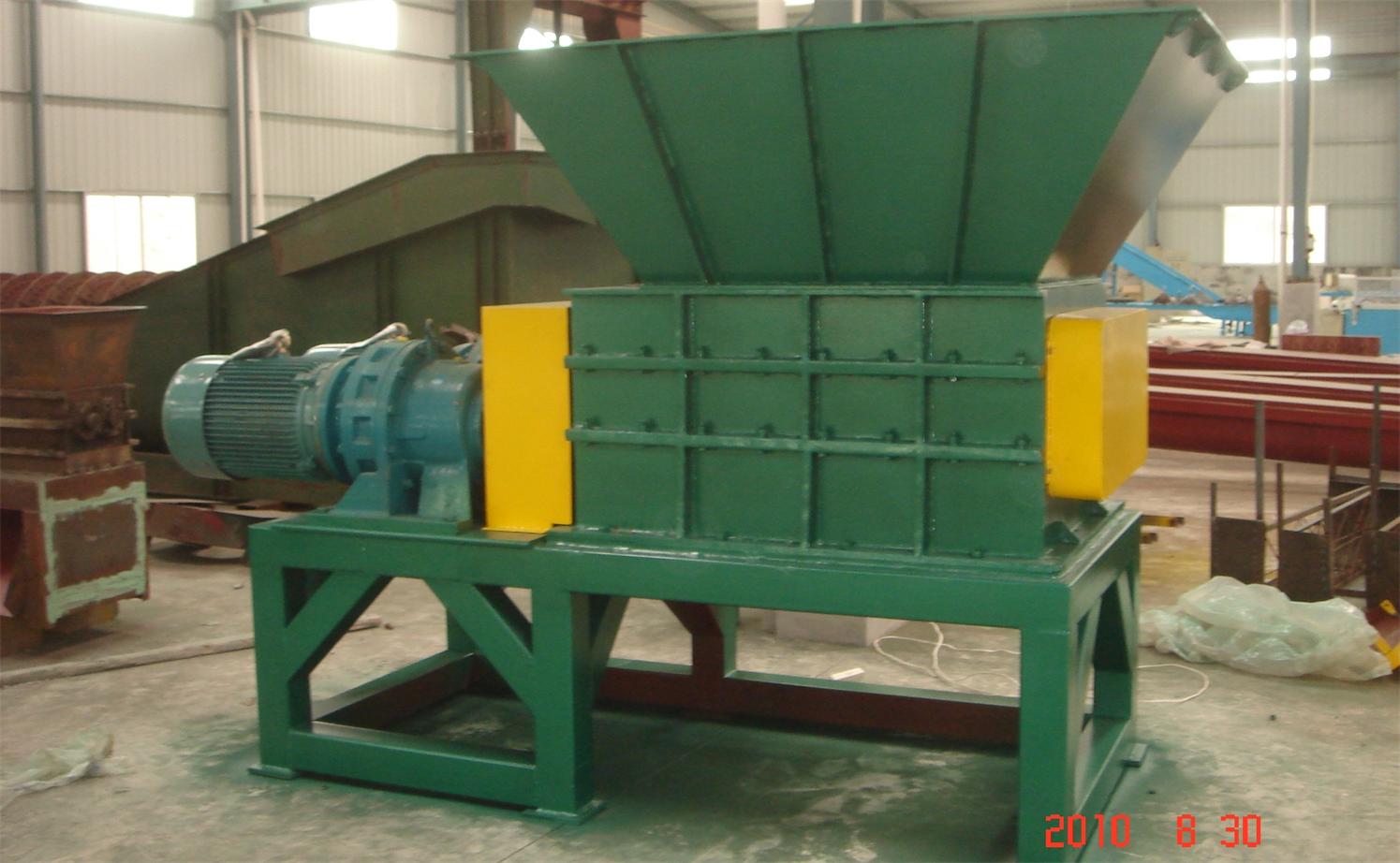
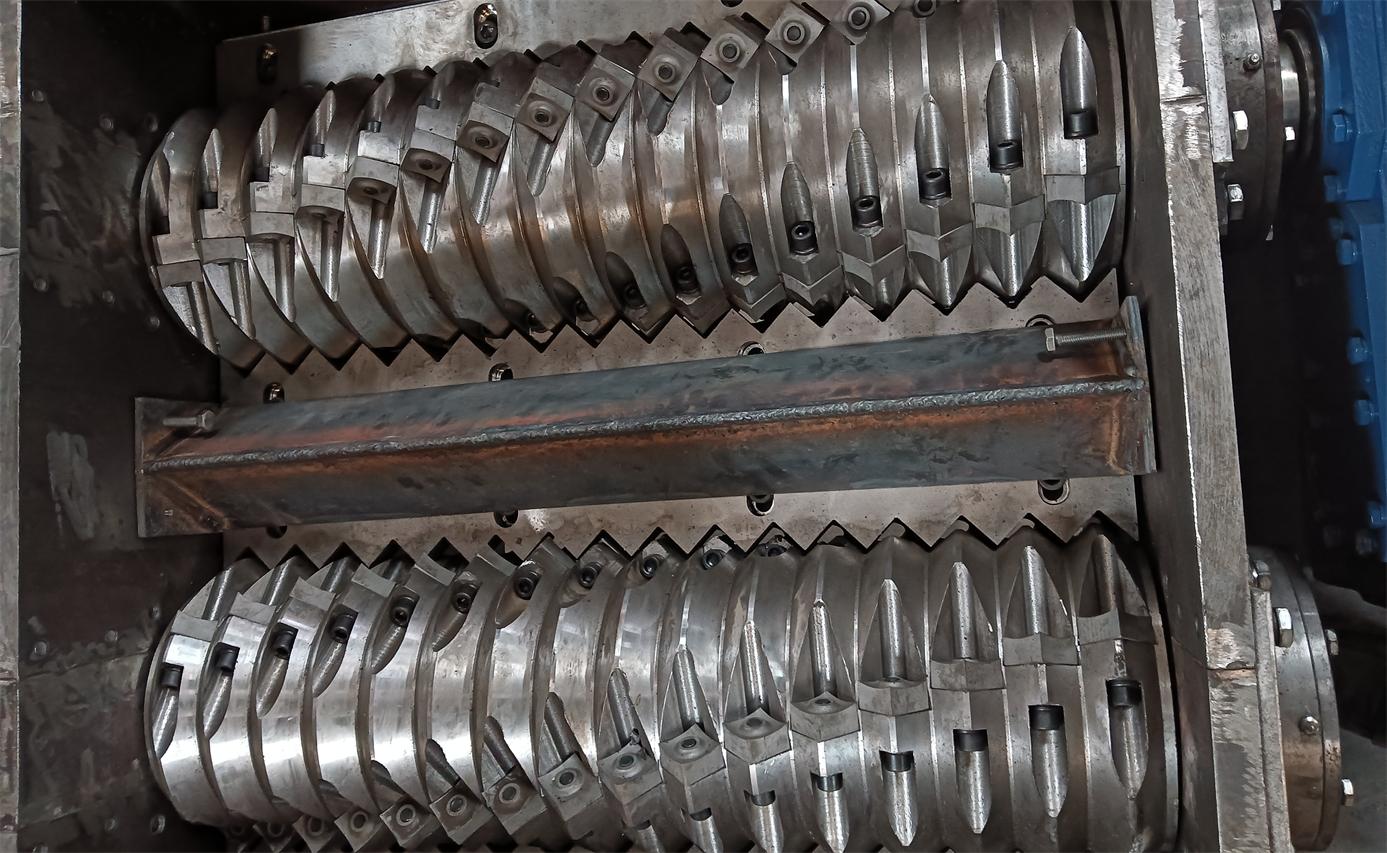
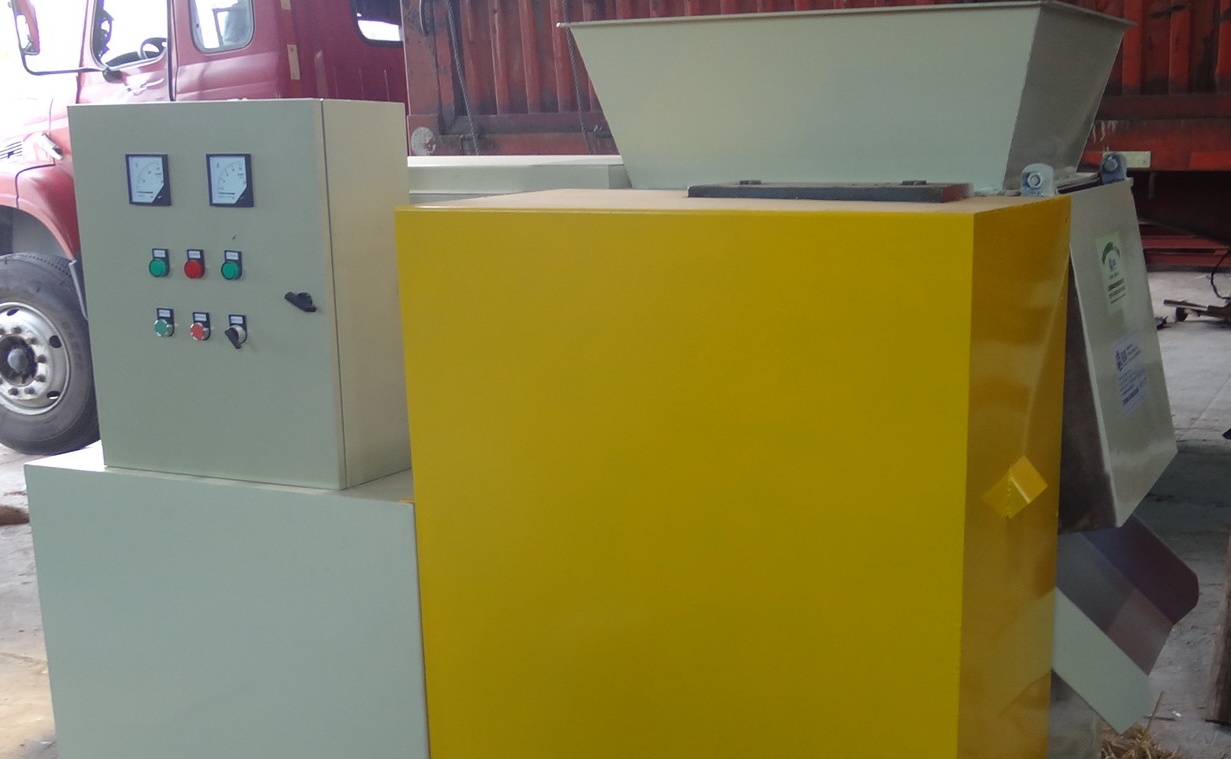
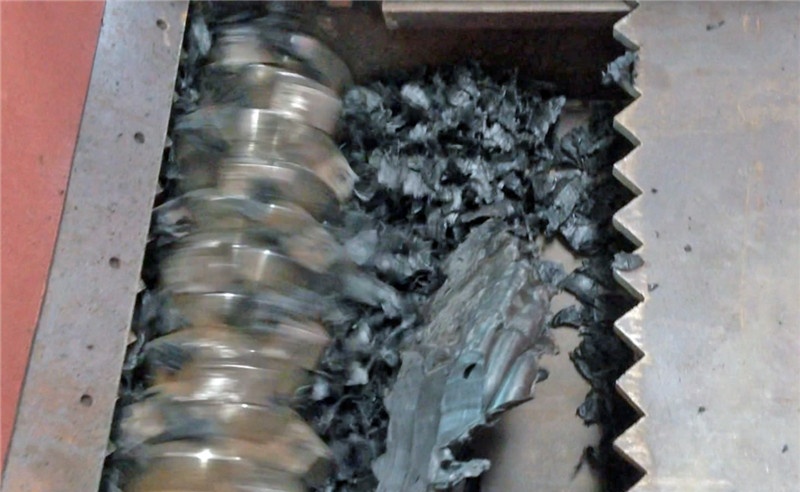
For operations processing diverse material streams, shredders and pre-choppers serve as essential front-end equipment. Multi-purpose four-shaft shredders can handle everything from PCB waste to refrigerators, preparing materials for downstream separation processes. This versatility allows recycling plants to adapt to changing feedstock availability and market conditions.
Selecting the Right Equipment Supplier
The success of any recycling operation depends not just on the equipment itself, but on the expertise and support provided by the equipment supplier. When evaluating potential suppliers, consider the following factors:
- Technical expertise: Look for suppliers with in-house engineering teams and deep understanding of recycling processes
- Manufacturing experience: Established manufacturers with proven track records are more likely to deliver reliable equipment
- EPC capabilities: Suppliers offering Engineering, Procurement, and Construction services can deliver turnkey solutions
- Customization: Every recycling operation is unique; the ability to customize equipment to specific requirements is valuable
- After-sales support: Installation, commissioning, training, and spare parts availability are essential for long-term success
- International experience: Suppliers with global installations understand diverse regulatory environments and operational conditions
Value-added services can also differentiate suppliers. Some manufacturers assist with raw material sourcing, helping new operators establish reliable feedstock supply chains. Others help market recovered materials, connecting operators with smelters, refiners, and other downstream buyers. These services can be invaluable for businesses entering the recycling industry for the first time.
San Lan Technologies: Your Partner in Recycling Success
Founded in 2007 and based in Ganzhou, Jiangxi Province, China, San Lan Technologies Co., Ltd has established itself as a professional manufacturer of WEEE recycling machines and mining equipment. With a customer base spanning more than 21 countries across Asia, Africa, Europe, and the Americas, San Lan has demonstrated its ability to deliver reliable equipment solutions to diverse markets worldwide.
Why Choose San Lan Technologies?
- Technical team with master's degrees in mechanical engineering and over 15 years of experience in e-waste recycling equipment
- Comprehensive EPC project capabilities from customized design through installation and commissioning
- Complete product range covering lead-acid batteries, lithium batteries, cables, circuit boards, refrigerators, CRTs, motors, and more
- Value-added services including waste material sourcing assistance and product sales support
- Bilingual support in English and Chinese for smooth international communication
San Lan's equipment portfolio addresses the full spectrum of e-waste recycling needs. From lead acid battery breaking and separating plant systems capable of processing up to 10 metric tons per hour, to lithium battery recycling plant solutions with capacities from 500 to 2500 kg per hour, to cable recycling plant configurations for every scale of operation, San Lan provides integrated solutions designed for real-world performance.
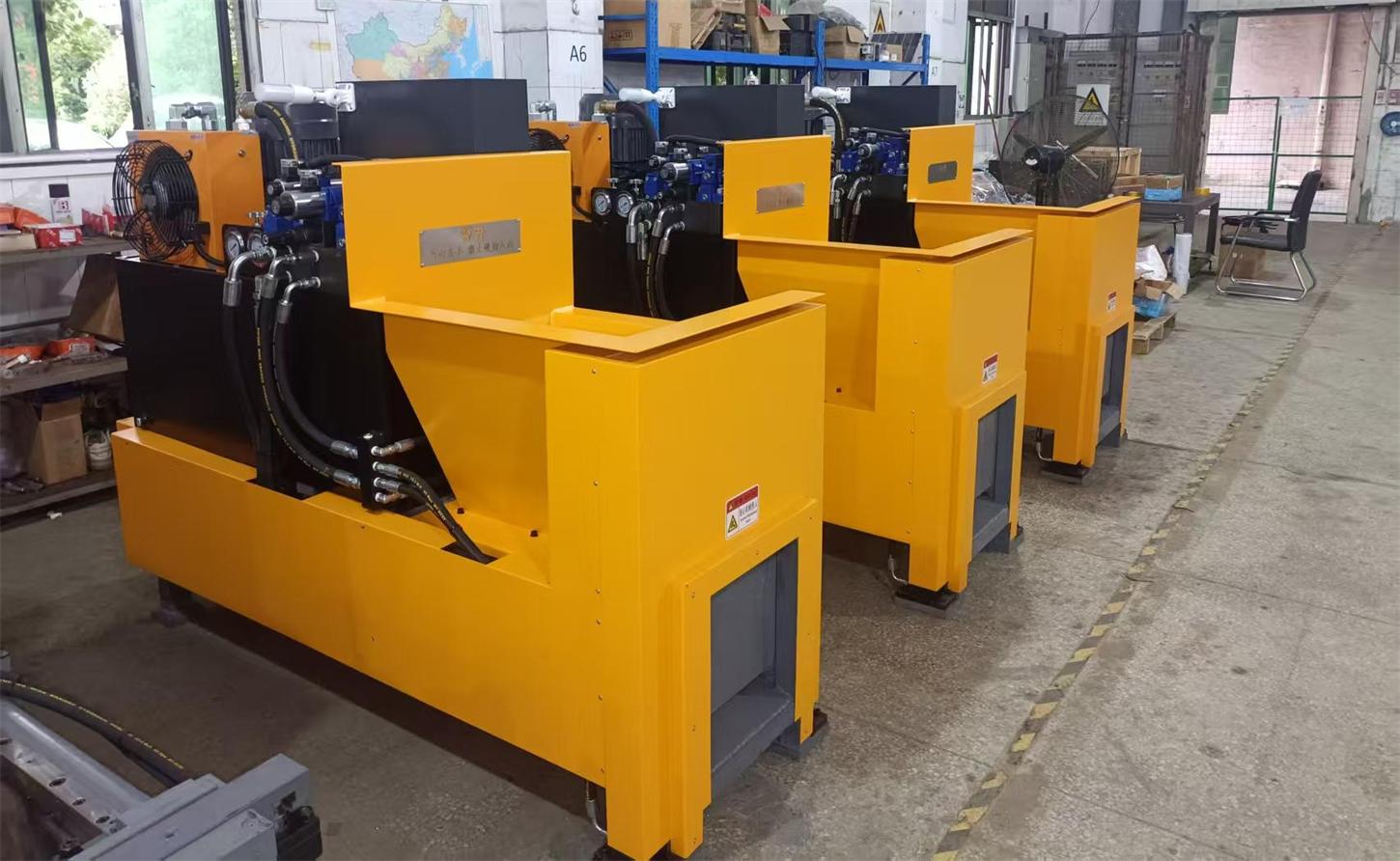
The company also manufactures essential auxiliary equipment including shredders, hydraulic presses, metal melting furnaces, and air pollution control systems, allowing operators to source complete recycling lines from a single supplier. This integration simplifies project management, ensures equipment compatibility, and streamlines after-sales support.
Ready to Start or Expand Your Recycling Operation?
Whether you are planning a new recycling facility or upgrading existing equipment, San Lan Technologies can provide the expertise and machinery you need to succeed. Contact our team today to discuss your specific requirements and discover how our professional recycling solutions can maximize your resource recovery and profitability.
Email: info@san-lan.com | WhatsApp: +86 139 2377 4083
Contact Us Today