Complete E-Waste Recycling Solutions: From Battery Recovery to Metal Refining
The world generates over 60 million tonnes of electronic waste annually, yet less than 20% is formally recycled. This gap represents both an environmental crisis and a massive business opportunity. For entrepreneurs and established recyclers alike, investing in the right recycling infrastructure is the key to turning discarded electronics into recoverable copper, lead, lithium, and precious metals. San Lan Technologies Co., Ltd, with nearly two decades of manufacturing experience, delivers turnkey recycling plants designed for real-world profitability.
The Growing Demand for Professional Recycling Equipment
Governments across Southeast Asia, Africa, Latin America, and the Middle East are tightening regulations on e-waste disposal. Manual dismantling and informal smelting are being phased out due to environmental and safety concerns. Formal recycling facilities need automated, compliant machinery that can process large volumes while meeting emission standards.
This regulatory shift has created sustained global demand for durable recycling equipment. Buyers are no longer looking for single machines; they want integrated production lines that handle everything from shredding and separation to metal refining. Companies that can offer complete engineering, procurement, and construction (EPC) solutions hold a distinct competitive advantage.
Lead Acid Battery Recycling: A Proven Revenue Stream
Used lead acid batteries remain one of the most recycled consumer products globally. The economics are straightforward: batteries contain lead paste, lead grids, plastic shells, and sulfuric acid — all of which can be recovered and resold. A well-designed lead acid battery recycling equipment line can process 1 to 10 metric tons per hour, separating these components with high efficiency.
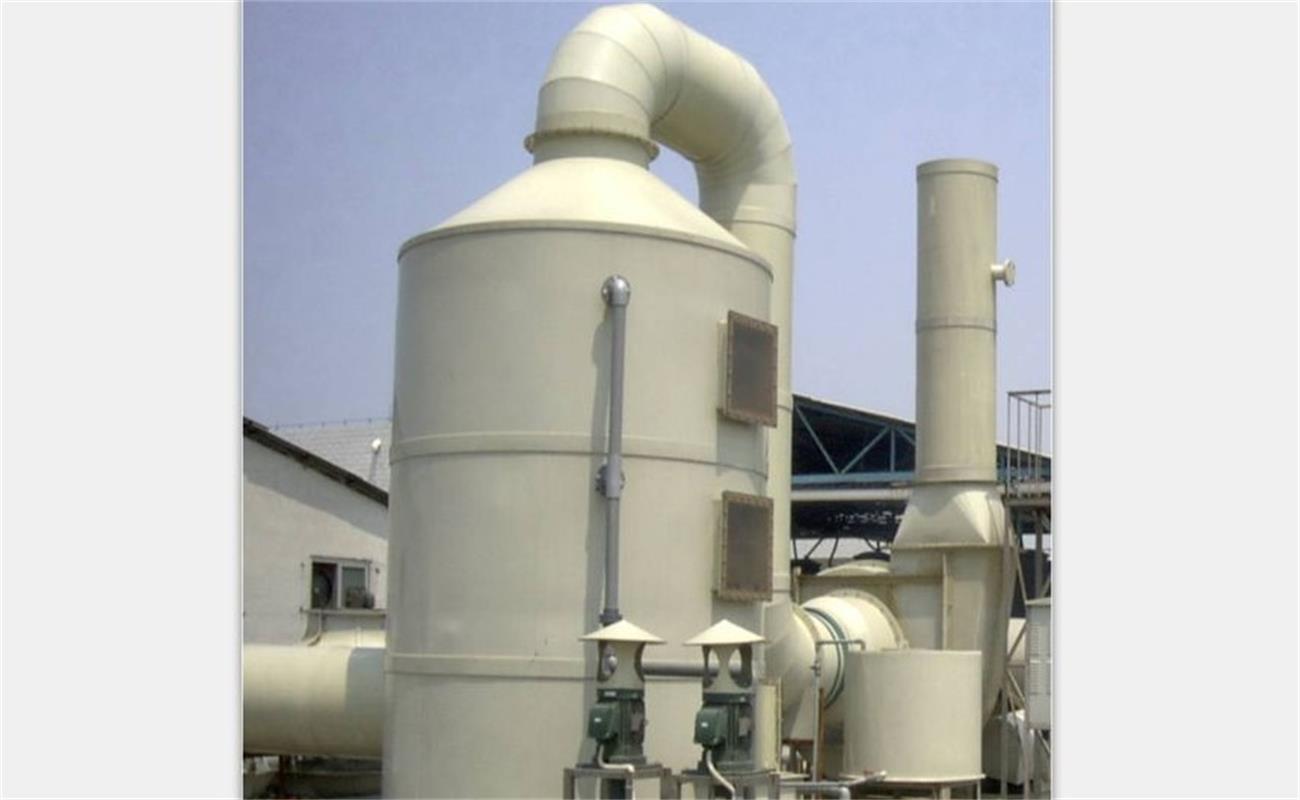
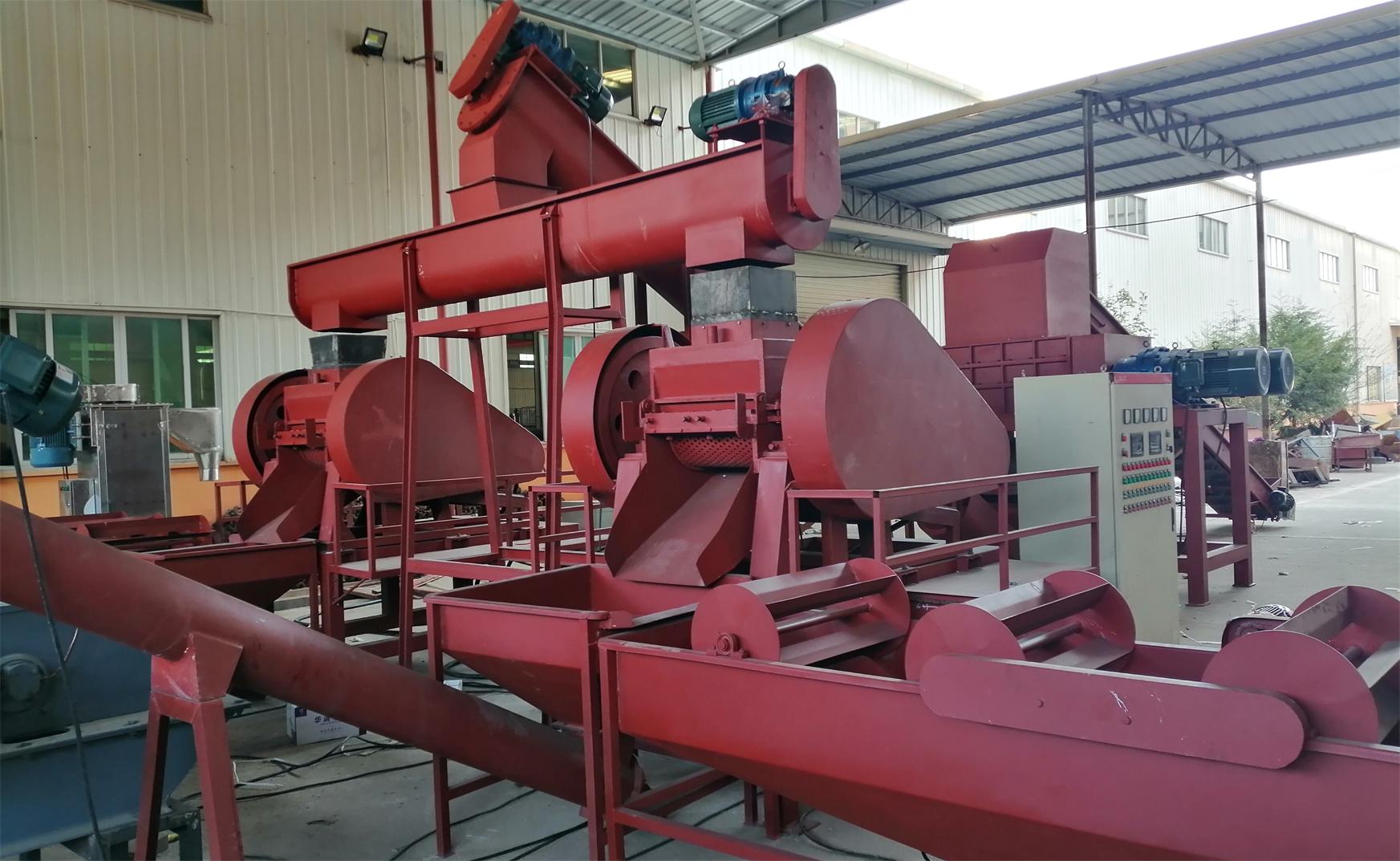
Modern lead acid battery recycling plants typically include breaking and separation systems, de-sulfurization units, rotary furnaces or blast furnaces for smelting, lead refinery kettles, air pollution control systems, and wastewater treatment facilities. The lead recovery rate from advanced rotary furnace systems exceeds that of traditional blast furnaces, while electric refinery kettles with near-infrared heating can reduce energy consumption significantly. For operators, this means lower running costs and higher margins on lead ingot sales.
Lithium Battery Recycling: Capturing the Energy Transition
As electric vehicles and renewable energy storage expand, the volume of end-of-life lithium-ion batteries is climbing rapidly. These batteries contain valuable materials including cobalt, nickel, graphite, copper, and aluminum. A properly configured lithium battery recycling plant can recover black mass, separate plastics, and isolate copper and aluminum with capacity ranging from 500 to 2,500 kg per hour.
Safety is paramount in lithium battery recycling. Batteries must be fully discharged before processing. The crushing and separation stages require sealed environments with dedicated air pollution control systems to neutralize harmful gases. Pneumatic conveying systems and hydraulic briquetters further streamline plastic film collection and compaction. Investing in a complete lithium battery recycling line positions operators at the center of the circular economy for energy storage.
Circuit Board and Cable Recovery: Maximizing Metal Yields
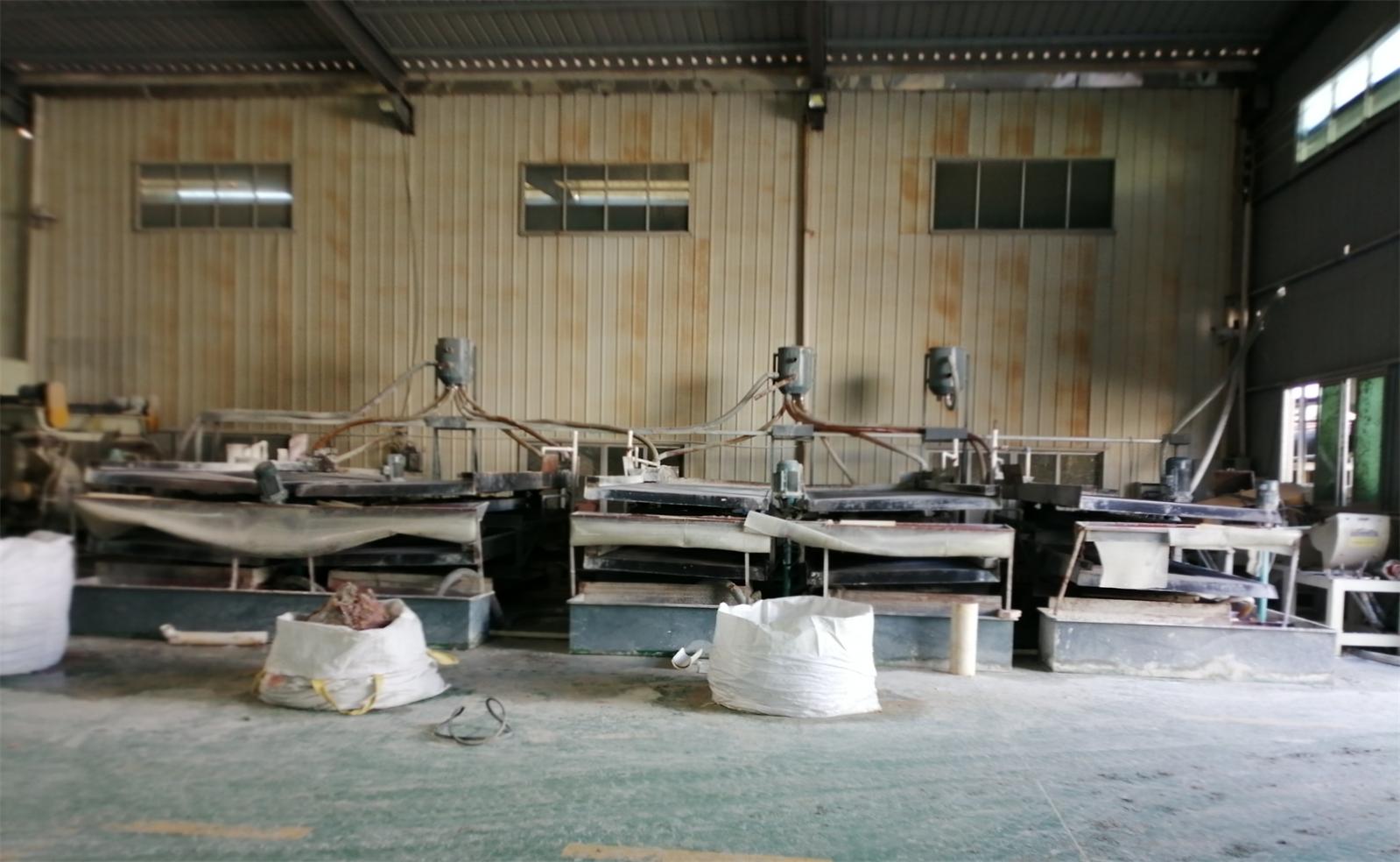
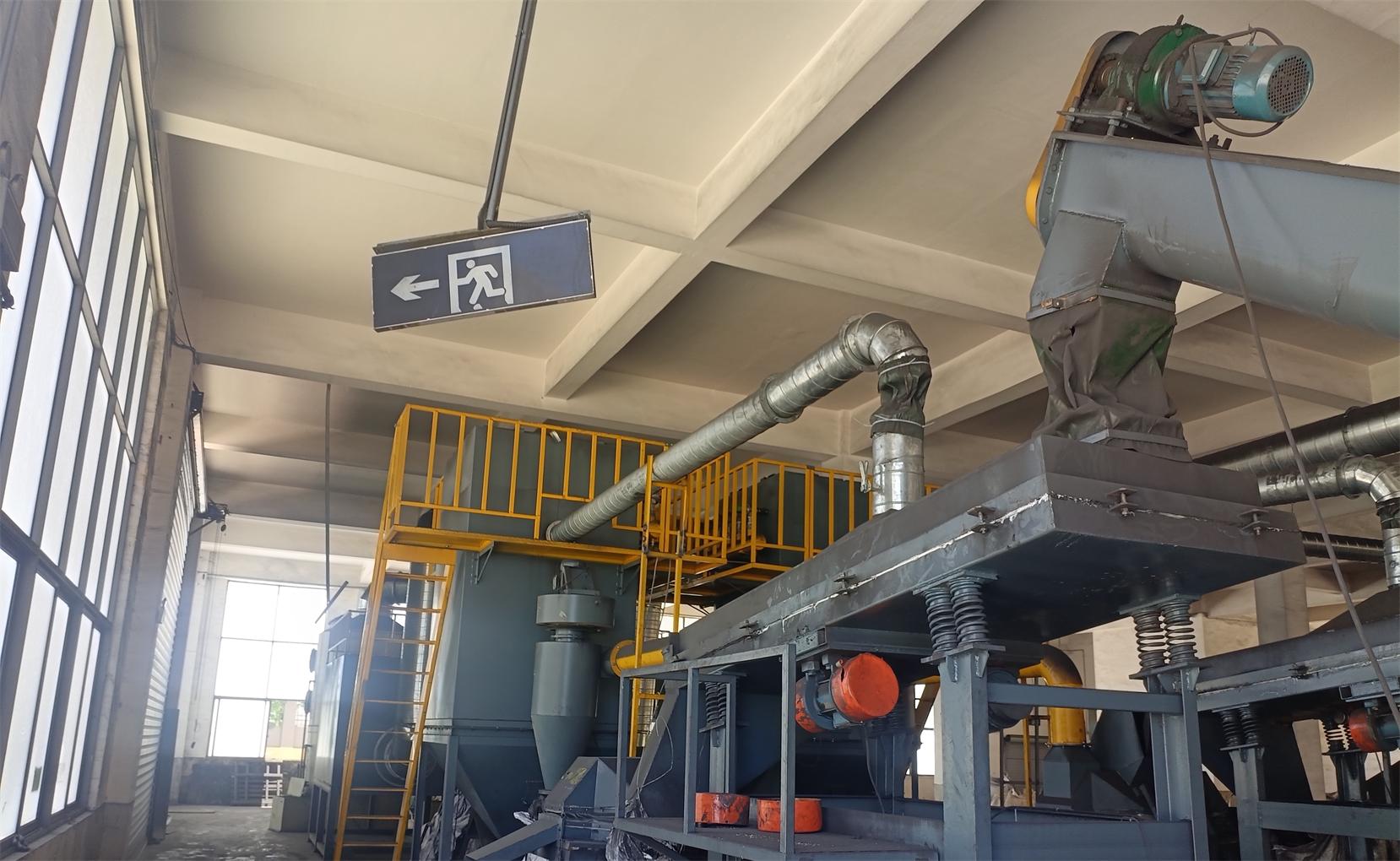
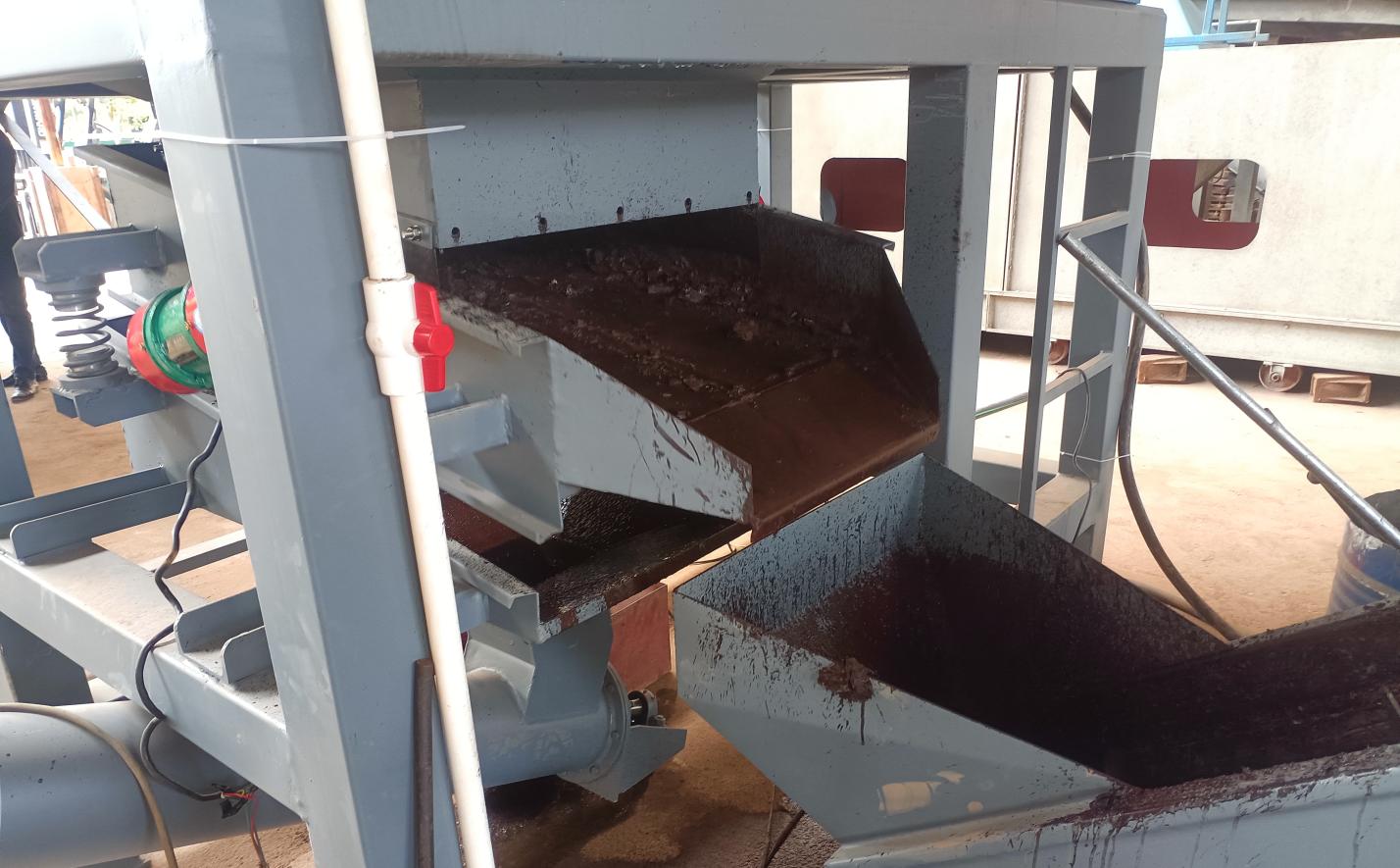
Printed circuit boards and scrap cables are rich in copper and trace precious metals. Circuit board recycling equipment using dry or wet separation technology can achieve copper powder purity of 96% to 98% with recovery rates around 95%. Dry separation lines use air classifiers, vibrating screens, electrostatic separators, and pulse dust collectors to create a pollution-free process.
For cable recyclers, granulators with dry separators effectively separate copper and aluminum from plastic insulation. Pre-processing with scrap cable strippers for large-diameter wires improves overall throughput. Whether processing jelly-filled telecommunications cables or standard copper wire, the right combination of stripping machines and granulators ensures maximum metal recovery with minimal waste.
Beyond the Core: Comprehensive E-Waste Processing
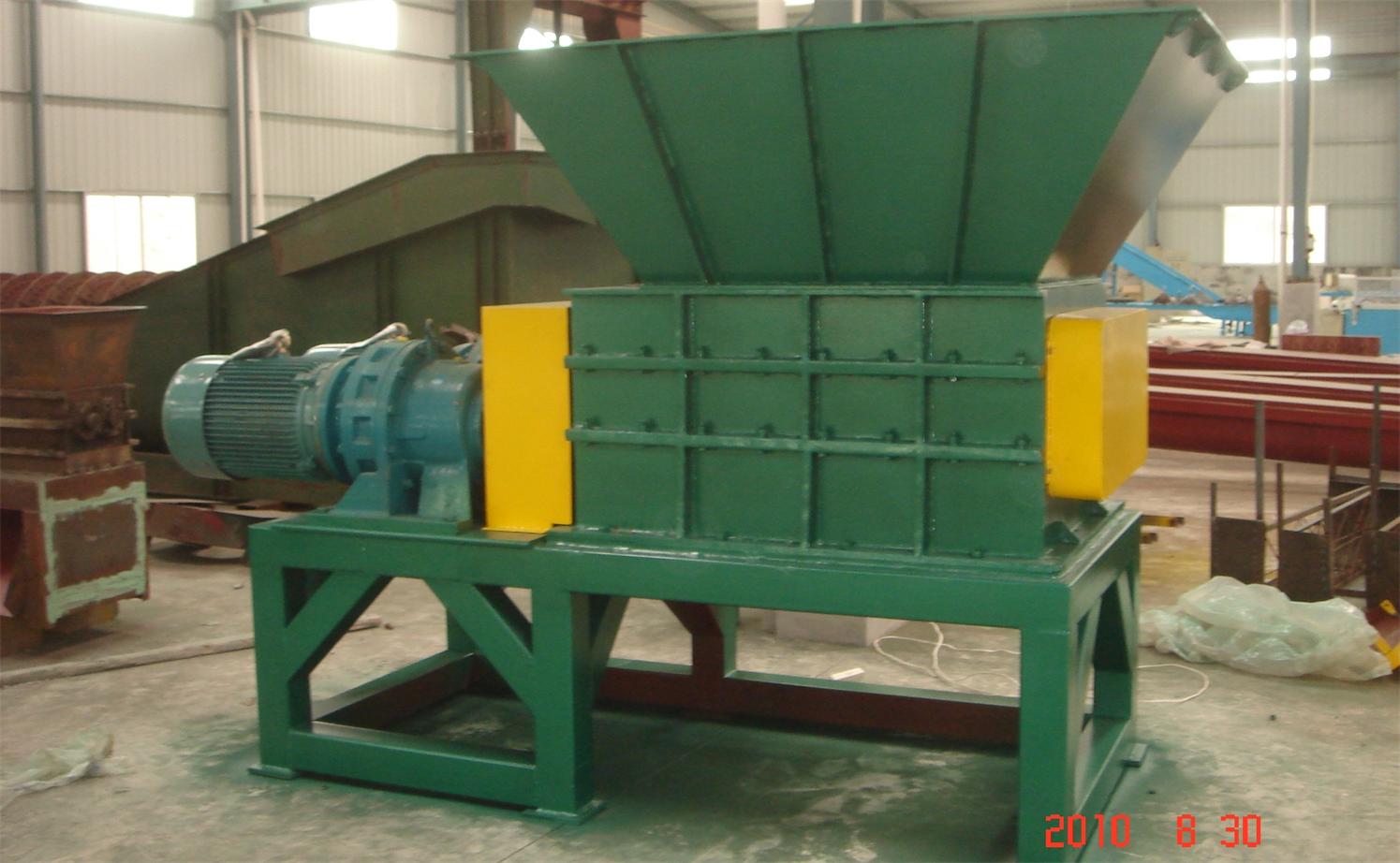
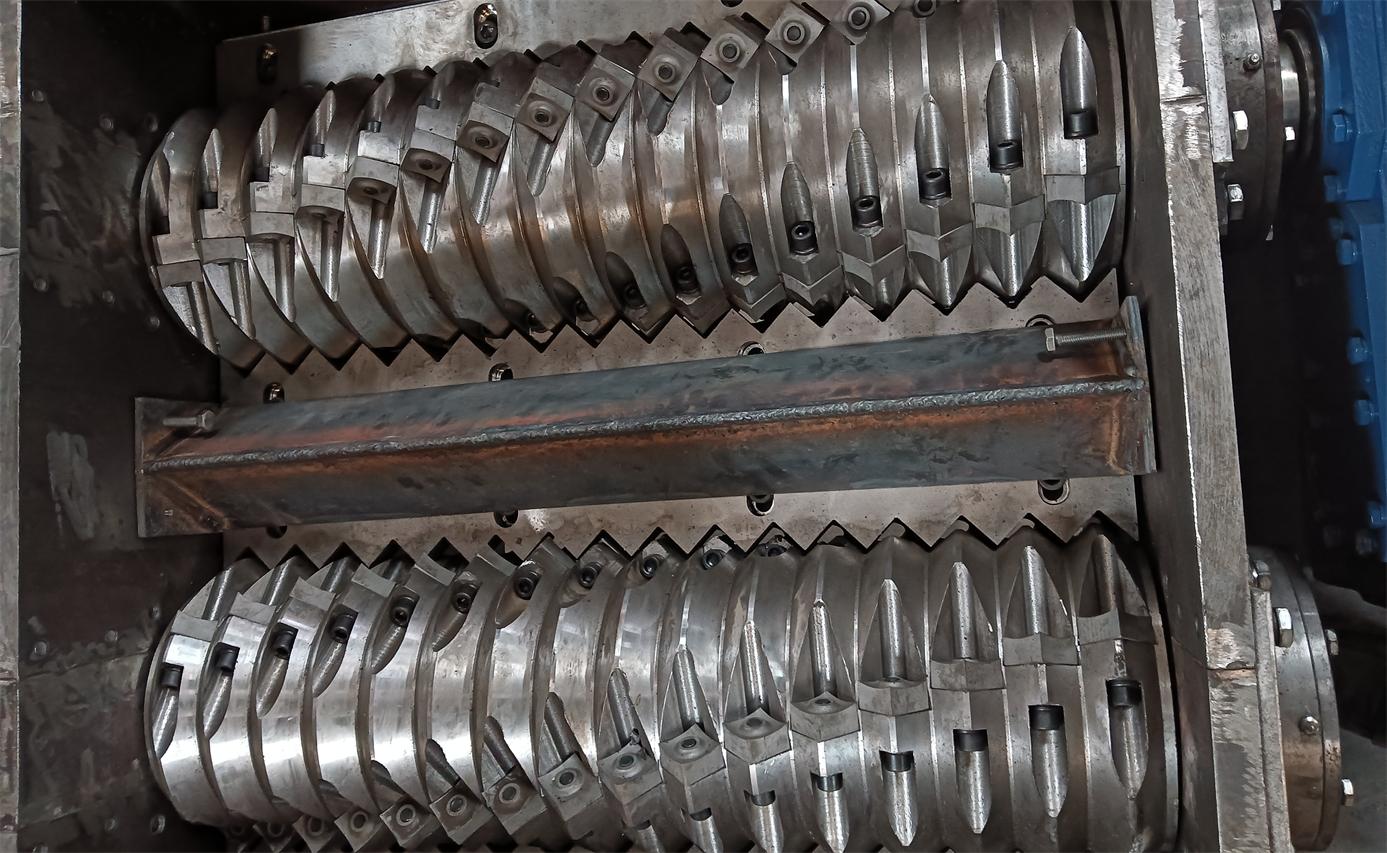
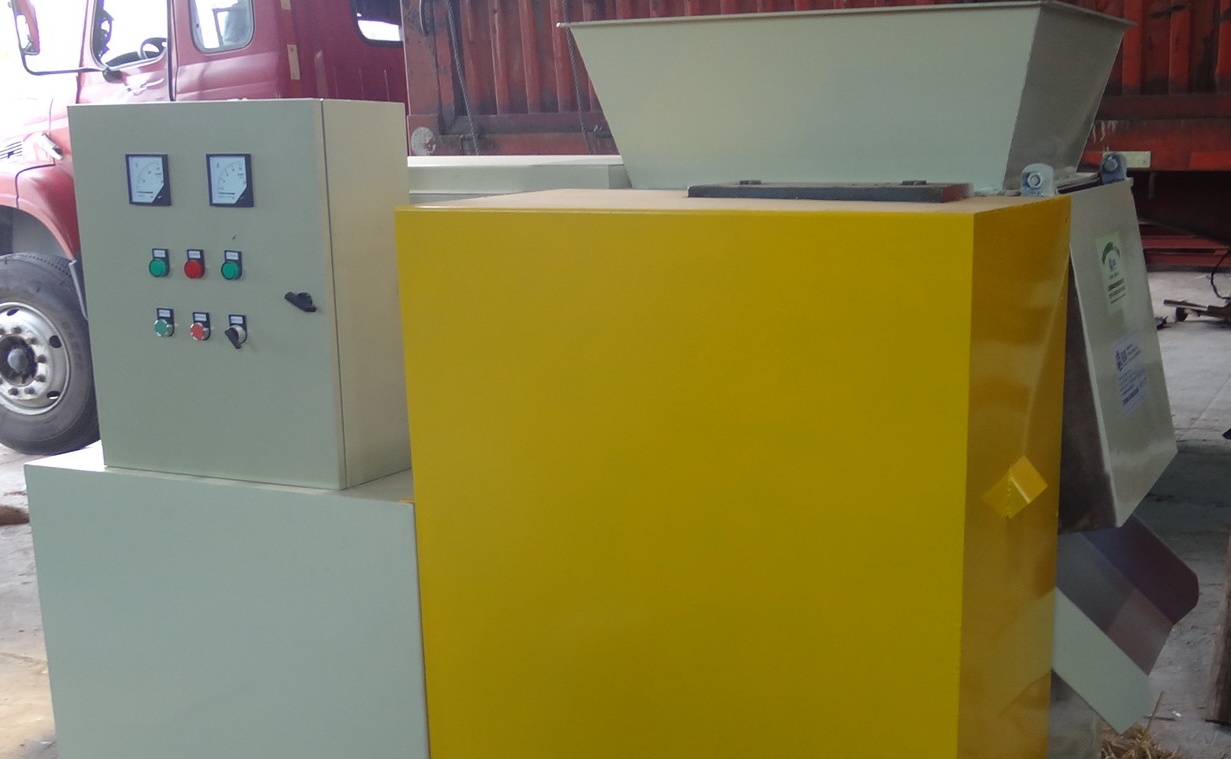
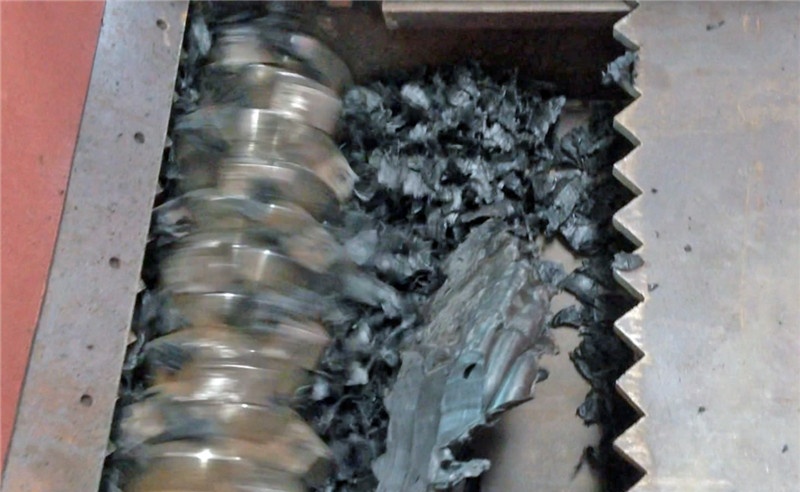
A complete recycling operation often requires additional capabilities. Refrigerator and air conditioner recycling plants extract refrigerants safely before shredding and separating metals, plastics, and polyurethane foam. CRT recycling machines cut and separate monitor glass while collecting phosphor powder. Motor recycling equipment dismantles stators to recover copper windings. Shredders and pre-choppers prepare bulky e-waste for downstream processing. Finally, medium-frequency induction furnaces melt recovered metals into ingots ready for resale.
What Sets San Lan Technologies Apart
- Established in 2007 with a professional technical team holding master's degrees in mechanical engineering and over 15 years of e-waste recycling machine experience
- Full EPC project capability: customized design, one-stop purchasing, installation, and commissioning
- Proven international track record across 21+ countries including Singapore, Colombia, Vietnam, Mexico, Argentina, Korea, Malaysia, and South Africa
- Value-added services including raw material sourcing assistance and finished product sales support
- Bilingual English-Chinese support with deep understanding of intercultural business environments
Making the Right Investment Decision
Choosing recycling equipment is not merely a purchasing decision — it is a long-term strategic investment. The best suppliers offer more than machines; they provide process design, environmental compliance guidance, spare parts availability, and ongoing technical support. Modular plant designs allow businesses to start at a scale appropriate to their capital and raw material supply, then expand capacity as demand grows.
Operators should evaluate equipment based on metal recovery rates, energy efficiency, emission control performance, ease of maintenance, and adaptability to local power and labor conditions. Customization on voltage, control language, and processing capacity ensures that plants perform optimally in diverse global markets.
Ready to build or upgrade your recycling facility? San Lan Technologies Co., Ltd offers complete e-waste recycling plant solutions tailored to your market, budget, and regulatory environment. From lead acid and lithium battery recycling to circuit board recovery and metal refining, our engineering team will help you design a profitable, compliant operation from day one.
Contact us today for a customized proposal and quotation.
Get a Free Quote