Complete E-Waste Recycling Solutions: Battery, Cable, and PCB Recovery Equipment for Modern Recycling Plants
Every year, millions of tons of discarded electronics, used batteries, and scrap cables pile up in landfills, leaking heavy metals and toxic chemicals into soil and water. Yet buried inside that waste stream lies a concentrated source of valuable materials: copper, aluminum, lead, lithium, cobalt, nickel, and precious metals. The difference between an environmental hazard and a profitable resource often comes down to one decision — choosing the right recycling equipment supplier.
For entrepreneurs, investors, and plant operators entering the recycling business, the equipment you install on day one determines your recovery rates, operating costs, and compliance posture for years to come. This guide explains the four most profitable e-waste recycling streams and what to look for in a partner who can deliver a complete, production-ready plant.
Why E-Waste Recycling Is a Growth Industry Worth Entering Now
Global e-waste generation continues to rise as consumer electronics, electric vehicles, and energy storage systems reach end of life. Governments across Asia, Africa, Latin America, and the Middle East are tightening environmental regulations and banning informal recycling practices. These policy shifts create a window for professional recycling plants that can process waste safely, recover materials efficiently, and document compliance.
The economics are straightforward. A lead acid battery contains up to 60% lead by weight. A ton of scrap cable can yield several hundred kilograms of copper. A lithium-ion battery pack holds cobalt, nickel, and copper that command premium prices on global metal exchanges. The challenge is not finding waste material; it is building a facility that can separate these fractions cleanly and at scale.
Four Core Recycling Streams Every Serious Operator Should Understand
1. Lead Acid Battery Recycling
Used lead acid batteries (ULAB) remain one of the most recycled consumer products in the world. A complete lead acid battery recycling equipment line typically includes a battery breaking and separation system, a de-sulfurization unit, a blast furnace or rotary furnace for paste reduction, a lead refinery kettle, and an air pollution control system. The goal is to recover acid, plastic casing, lead grids, and lead paste with minimal emissions.
Capacity ranges from 1 MT to 10 MT per hour depending on feedstock volume. Modern plants also integrate water treatment systems and filter presses to handle slurry and acidic wastewater. Lead recovery rates above 95% are achievable with the right furnace technology and process controls.
2. Lithium Battery Recycling
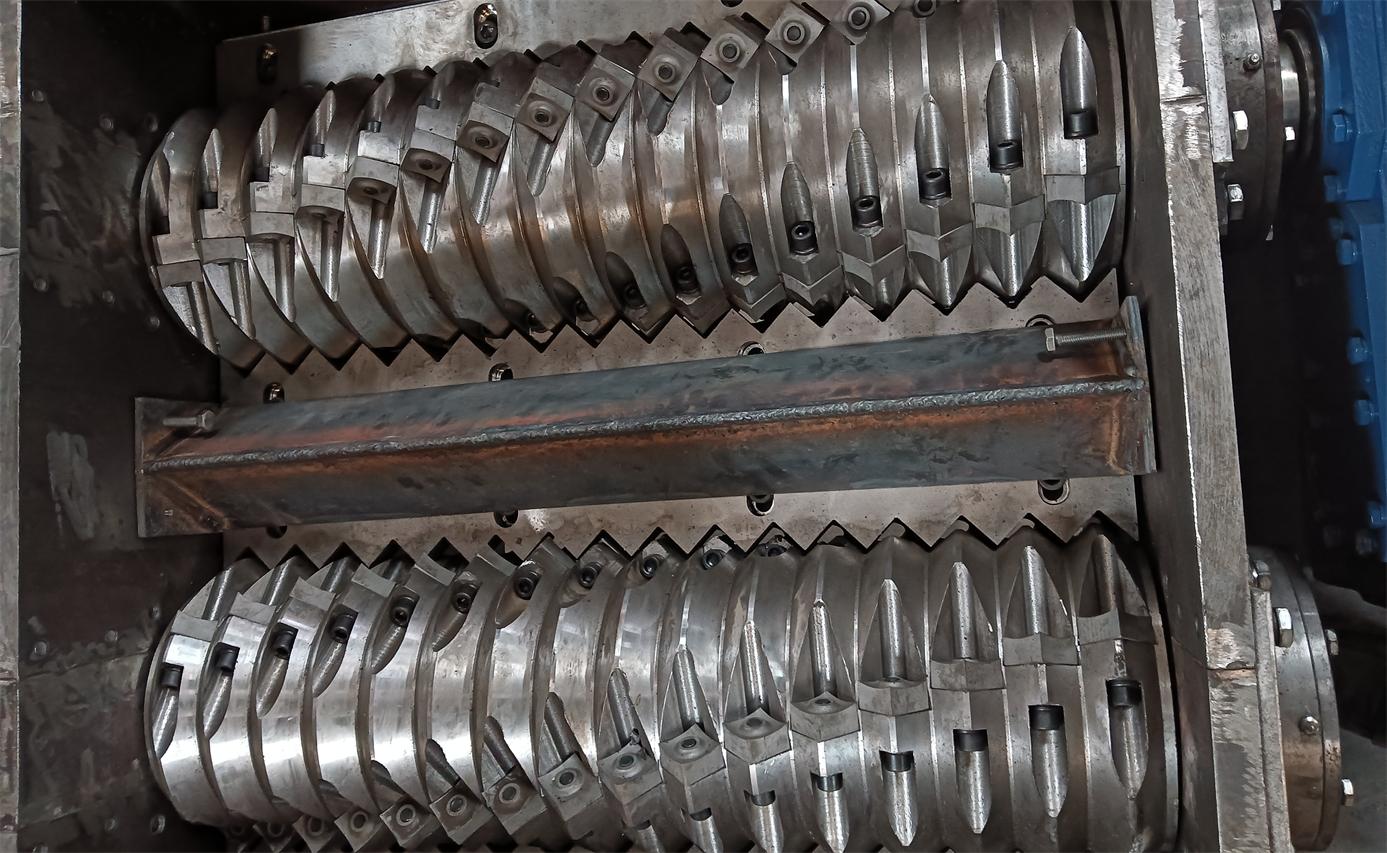
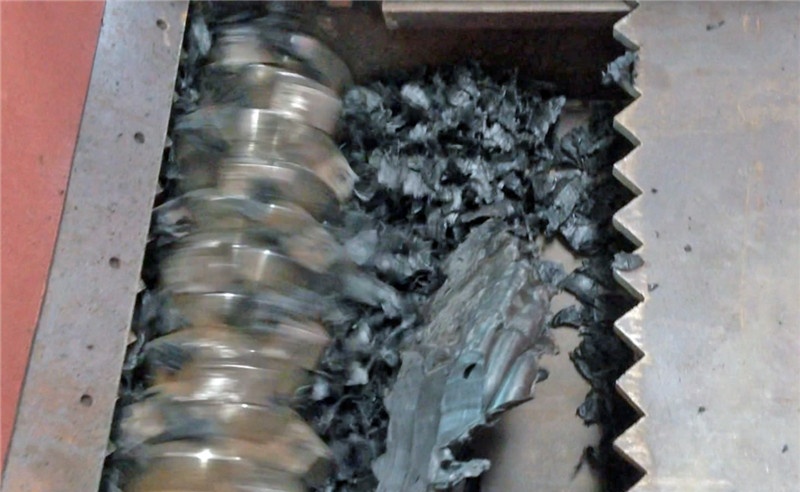
As electric mobility and renewable energy storage expand, spent lithium-ion batteries are becoming the fastest-growing waste stream in the recycling industry. A complete lithium battery recycling plant handles discharging, pre-crushing, secondary granulation, and black powder separation to recover nickel, cobalt, graphite, copper, aluminum, and plastic separator film.
Capacities typically range from 500 kg to 2,500 kg per hour. Because lithium batteries can enter thermal runaway if shredded while charged, safety systems — including inert gas protection and temperature monitoring — are non-negotiable. Air pollution control is equally critical, as electrolyte decomposition releases fluorine-containing gases that must be absorbed and neutralized before emission.
3. Cable and Wire Recycling
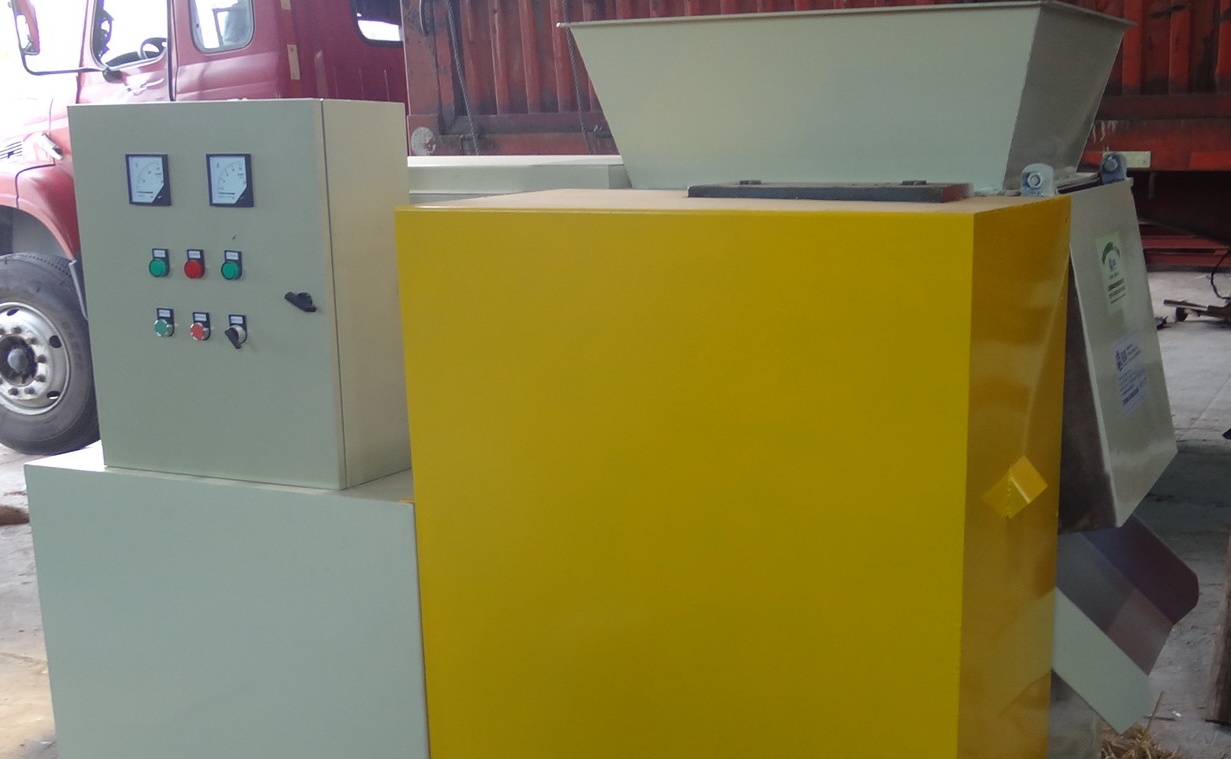
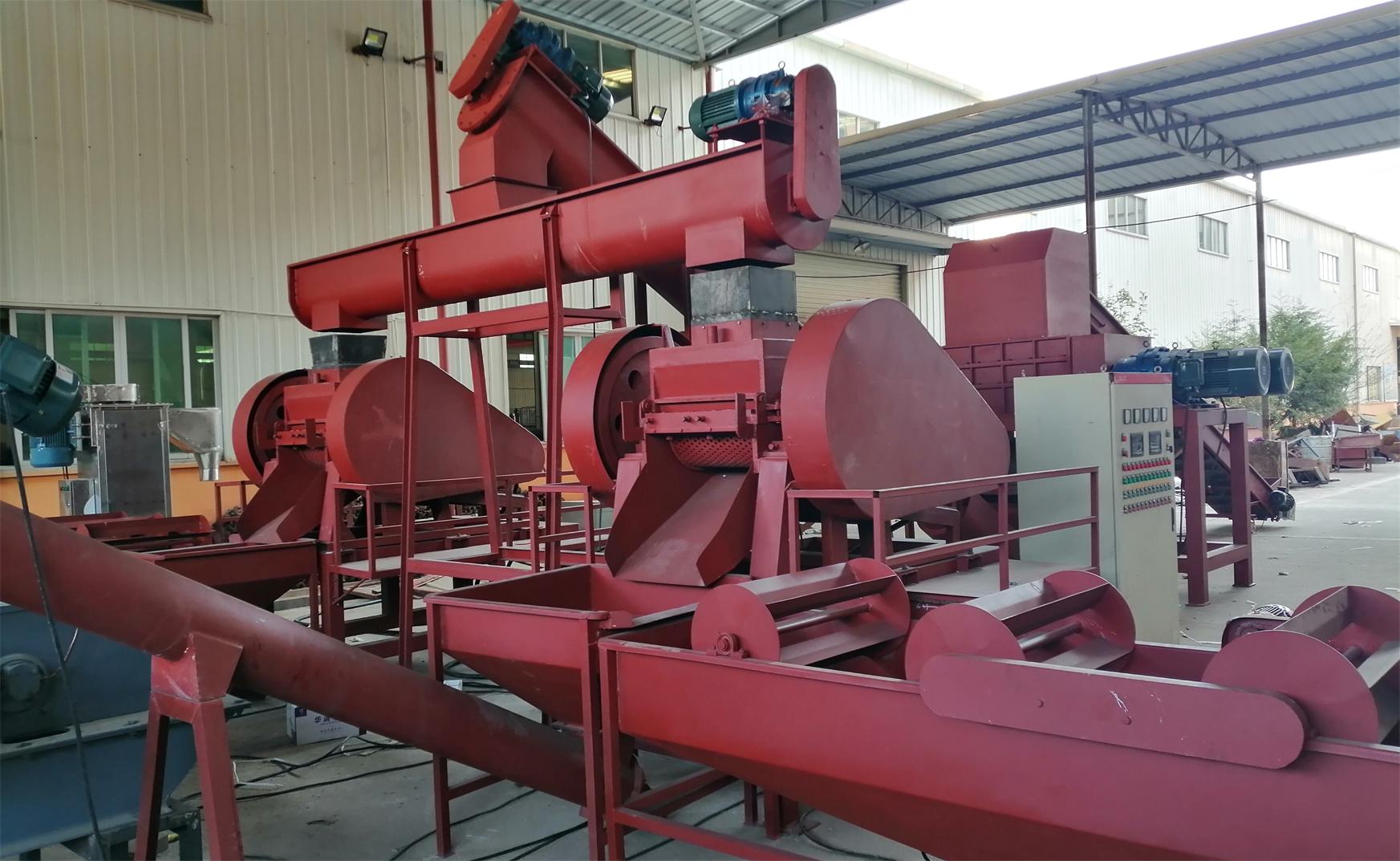
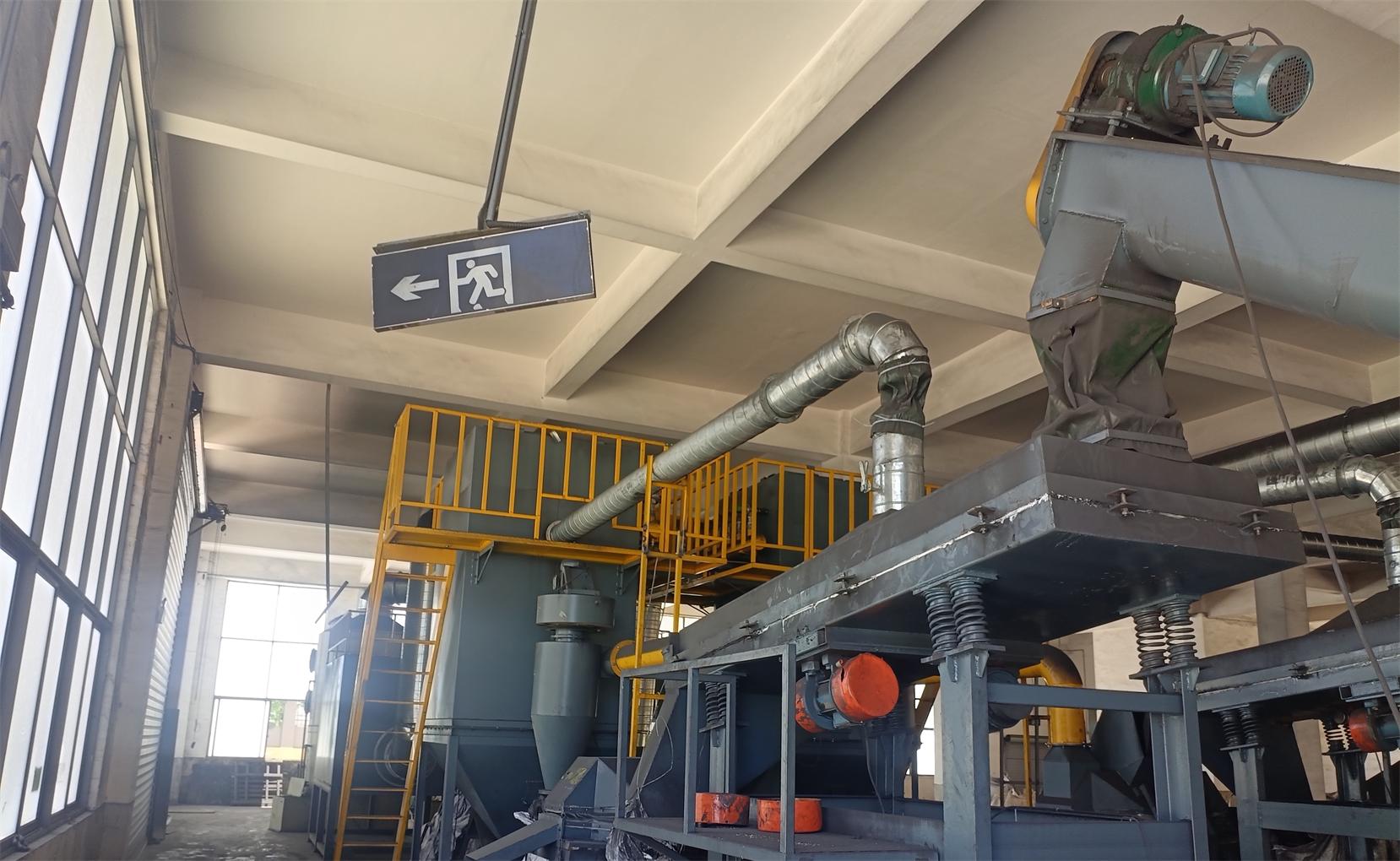
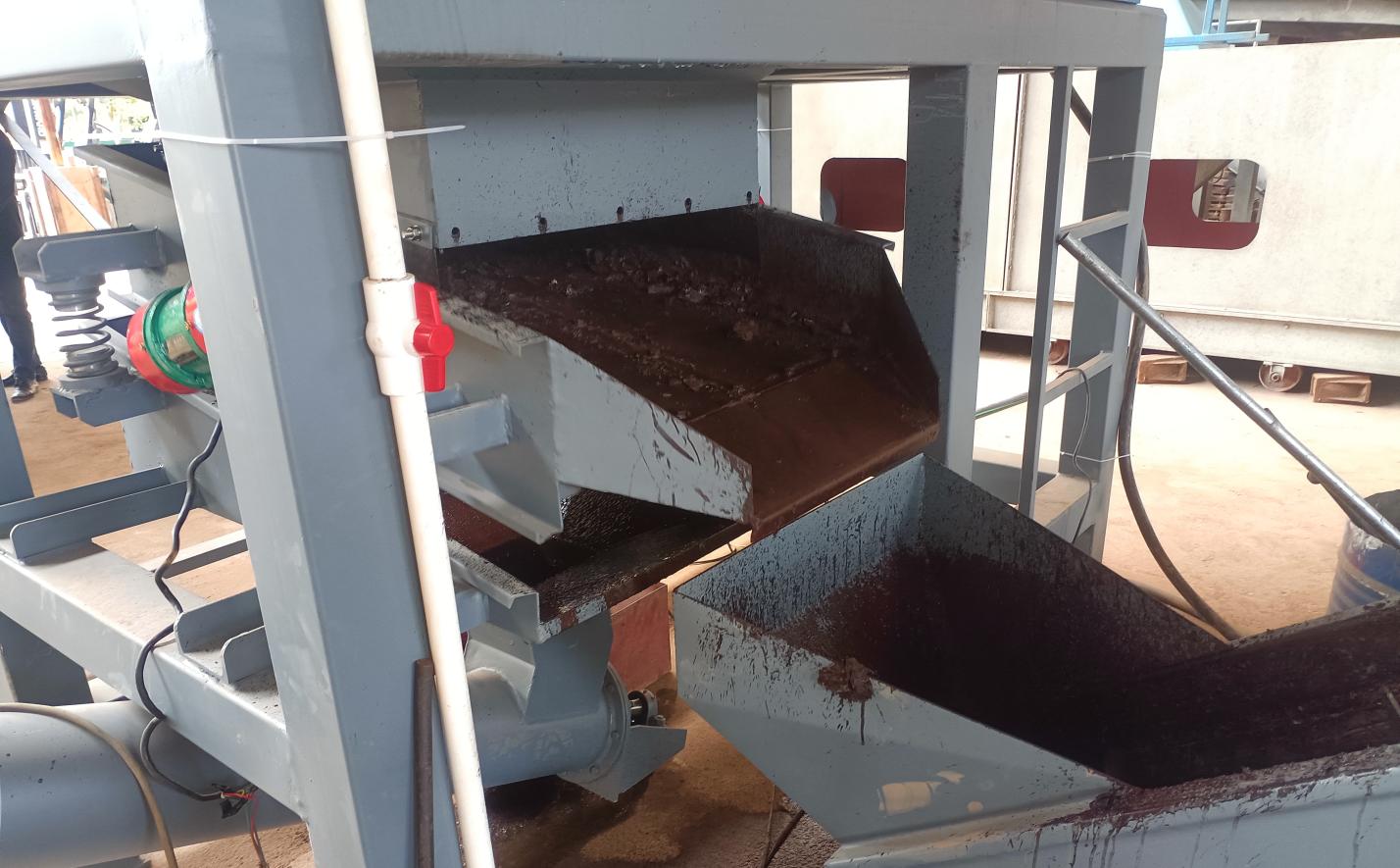
Scrap cable is one of the easiest waste streams to monetize because copper and aluminum prices are transparent on commodity markets. A cable recycling machine line starts with a scrap cable stripper for large-diameter wire, followed by a cable granulator that chops insulation and conductors into small pieces. Dry or wet separation systems then sort copper or aluminum granules from plastic insulation.
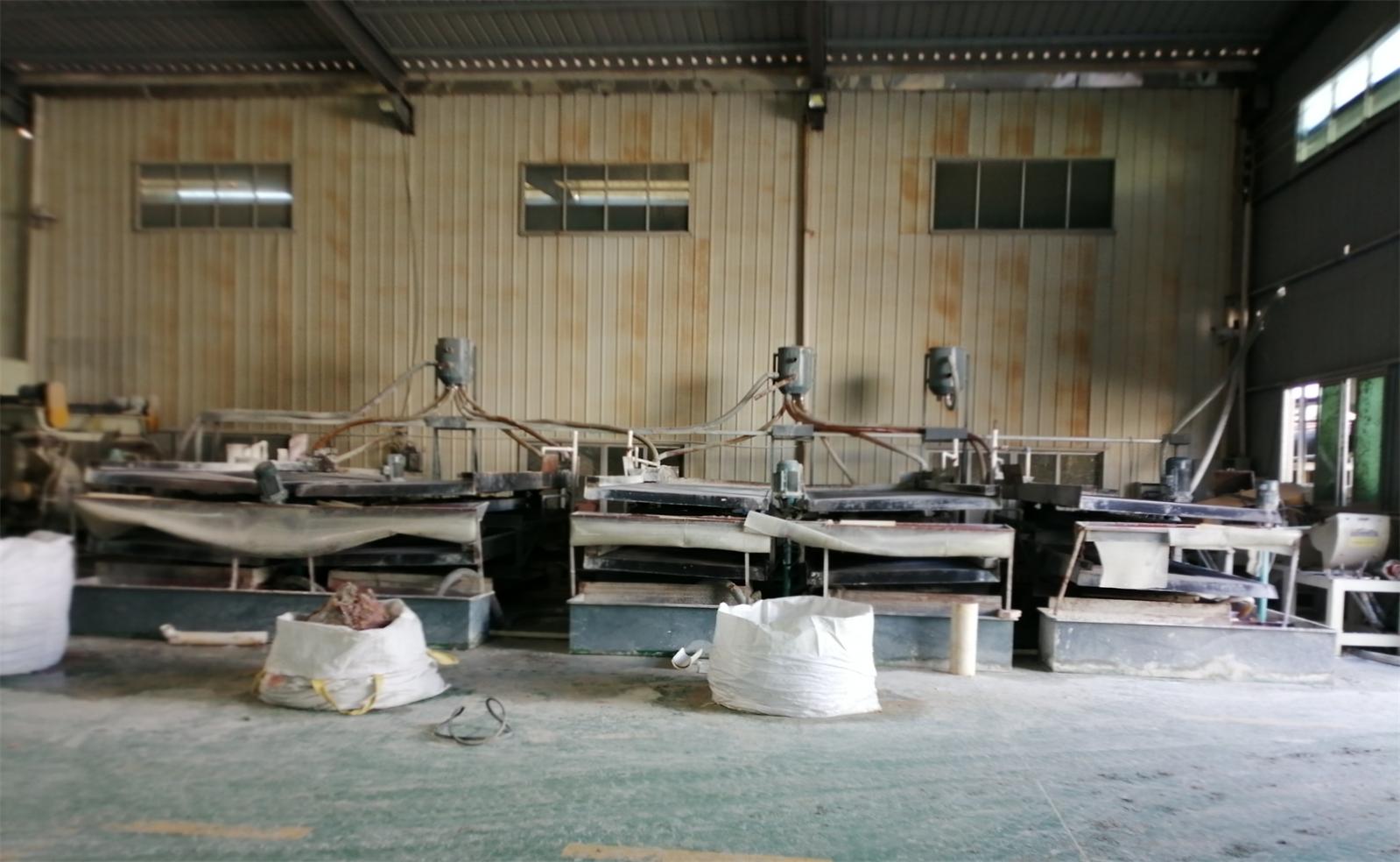
Dry separation plants with air classifiers and electrostatic separators are popular for their lower water consumption and simpler permitting. Wet separation systems, on the other hand, can achieve higher purity — up to 96–98% copper powder — when processing fine or mixed cable grades. Capacity options span from 100 kg per hour for entry-level operations to 2,000 kg per hour for industrial-scale plants.
4. Circuit Board Recycling
Printed circuit boards (PCBs) contain copper, gold, silver, palladium, and other valuable materials, but they also carry hazardous substances such as lead solder and brominated flame retardants. A professional circuit board recycling equipment line uses mechanical crushing, air separation, and sometimes wet metal separation to recover copper powder and precious metal concentrates while containing dust and toxic residues.
Capacities range from 300 kg to 5,000 kg per hour. The key design consideration is maintaining high recovery rates without generating dust pollution. Pulse bag dust collectors, cyclone separators, and enclosed conveying systems are standard on modern plants.
Why Turnkey Solutions Beat Piecemeal Procurement
Buying equipment one machine at a time from different vendors creates integration headaches. Motors may not match electrical standards. Control systems may not communicate. Layout drawings may conflict. Installation teams may blame each other when throughput targets are missed.
A turnkey approach solves these problems by delivering a single point of responsibility for design, equipment supply, installation, commissioning, and training. The engineering team sizes each component — shredders, separators, furnaces, pollution control units — for balanced throughput. The layout is optimized for material flow, worker safety, and maintenance access. And the operator receives training on the complete system, not just one machine.
For first-time plant owners, turnkey delivery also shortens the learning curve. Instead of managing ten vendor relationships, you work with one project manager who coordinates civil works, electrical installation, equipment delivery, and startup testing.
What to Look for in a Recycling Equipment Partner
Not every manufacturer that advertises recycling machines can deliver a production-ready plant. Before signing a contract, verify these capabilities:
Essential Partner Capabilities
- Proven project experience. Ask for references from plants operating in countries with similar regulatory and climatic conditions. A vendor that has installed lead battery recycling lines in Southeast Asia, Africa, and Latin America understands how to adapt designs for tropical humidity, voltage fluctuations, and local emission standards.
- In-house engineering depth. Recycling plants require mechanical, thermal, electrical, and environmental engineering. A vendor with a dedicated technical team — rather than a trading company that outsources design — can customize layouts, troubleshoot performance issues, and upgrade systems as regulations tighten.
- EPC and after-sales support. Equipment installation is only the beginning. Look for a partner that offers supervision during plant erection, commissioning assistance, operator training, and spare parts availability. Downtime in a recycling plant is expensive; responsive after-sales service protects your revenue.
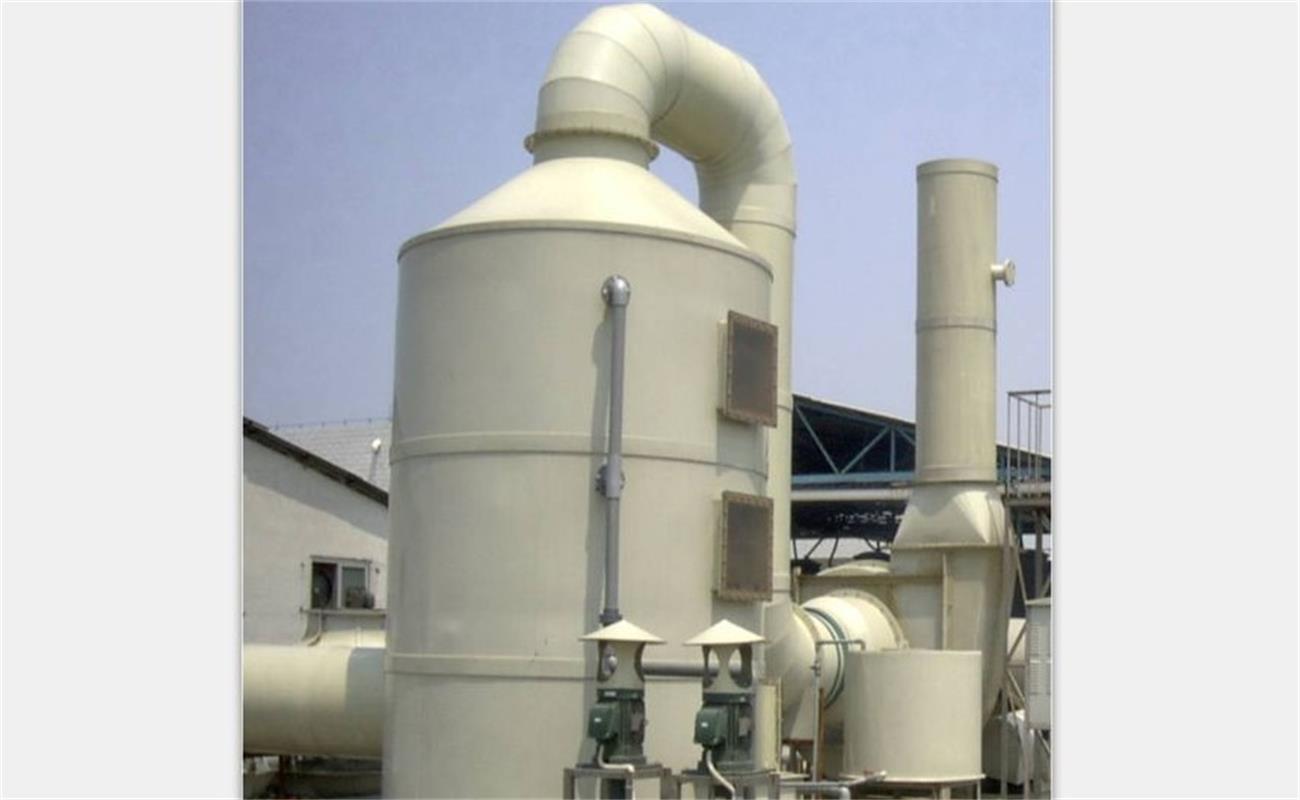
- Pollution control integration. Environmental compliance is not an afterthought. Modern recycling plants must meet local air emission, wastewater, and noise standards from day one. A capable supplier designs pollution control systems — bag filters, scrubbers, water treatment plants — as an integral part of the process, not as optional add-ons.
San Lan Technologies: Engineering E-Waste Recycling Plants Since 2007
San Lan Technologies Co., Ltd. is a professional manufacturer of WEEE recycling machines and mining equipment based in Ganzhou, Jiangxi Province, China. Since 2007, the company has designed, built, and commissioned recycling plants for customers in more than 21 countries, including Singapore, Colombia, Vietnam, Mexico, Argentina, Korea, Malaysia, Indonesia, South Africa, Tunisia, India, Kenya, Saudi Arabia, the Philippines, and Zambia.
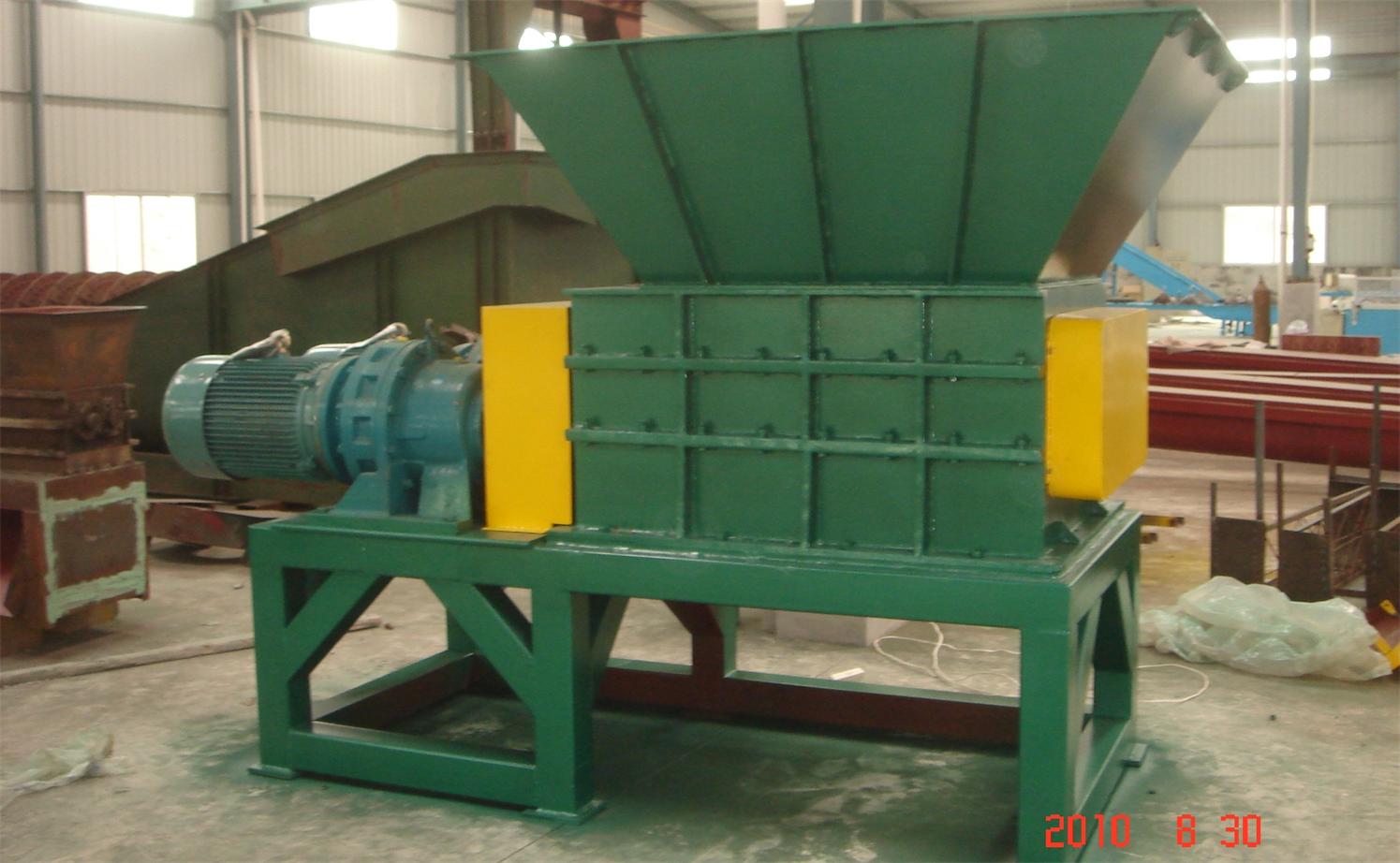
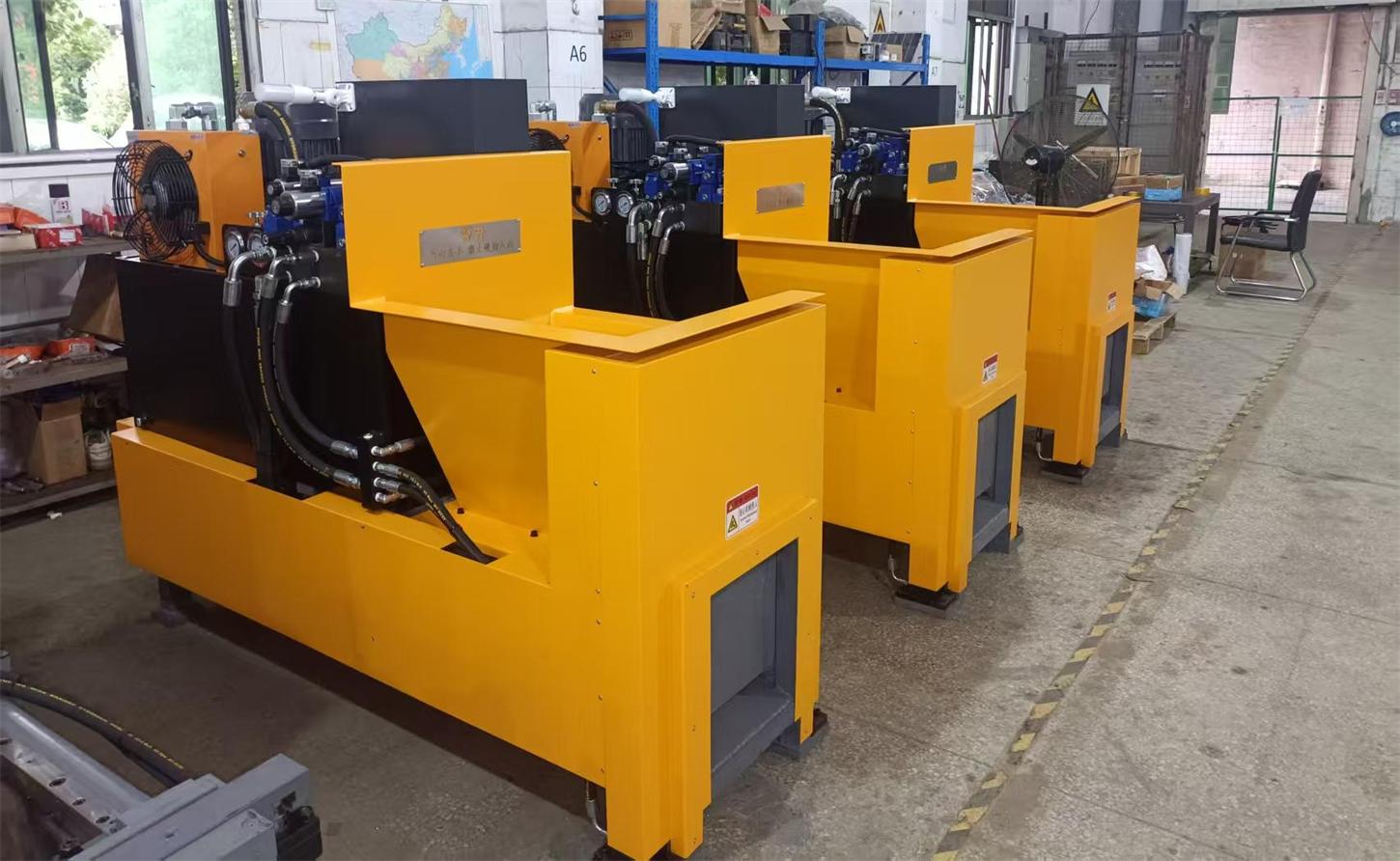
The company manufactures complete plant lines for lead acid battery recycling, lithium battery recycling, cable recycling, circuit board recycling, refrigerator and AC recycling, CRT recycling, motor recycling, and lamp recycling. It also supplies auxiliary equipment including shredders, hydraulic presses, metal melting furnaces, and nano ceramic grinding media for mineral processing.
San Lan's engineering team holds master's degrees in mechanical engineering and brings over 15 years of hands-on experience in e-waste recycling equipment design. The company offers full EPC services — engineering, procurement, and construction — including customized plant design, installation supervision, commissioning, and operator training. It can also assist customers with waste material sourcing, product offtake arrangements, and investor introductions for greenfield projects.
For plant operators who need reliable throughput, consistent recovery rates, and compliant emissions, San Lan Technologies provides a single point of accountability from concept to production.
Take the Next Step
If you are planning a new recycling plant or upgrading an existing facility, start with a clear process design and equipment specification. San Lan Technologies welcomes inquiries from project developers, waste management companies, and investors worldwide. Contact the team via email at info@san-lan.com or WhatsApp at +86 139 2377 4083 to discuss your feedstock, target capacity, and local regulatory requirements.
If you are planning a new recycling plant or upgrading an existing facility, start with a clear process design and equipment specification. San Lan Technologies welcomes inquiries from project developers, waste management companies, and investors worldwide. Contact the team via email at info@san-lan.com or WhatsApp at +86 139 2377 4083 to discuss your feedstock, target capacity, and local regulatory requirements.