You might have noticed how your neighborhood has slowly transitioned from those old warm-glowing bulbs to sleek LEDs over the past decade. But what happens to all those discarded fluorescent tubes and compact bulbs? Turns out, they're creating an environmental time bomb in landfills worldwide, leaking mercury and rare earth elements into our soil and water.
Across the globe, governments are scrambling to implement regulations for safe lamp disposal, creating ripple effects in the recycling industry. While the EU leads with strict Extended Producer Responsibility schemes, developing nations like Brazil struggle to hit 10% recycling targets. This regulatory patchwork creates both challenges and opportunities for recycling technology manufacturers.
What keeps waste management experts up at night? The 15mg of mercury vapor in each fluorescent tube that can contaminate 30,000 liters of water, and the emerging concern about rare earth elements accumulating in our food chain with unknown consequences.
Global Regulatory Landscape
The world's approach to lamp disposal ranges from highly organized systems to virtually non-existent frameworks. The differences reflect economic priorities and environmental awareness:
| Region | Key Legislation | Recycling Rate | Producer Responsibility |
|---|---|---|---|
| Europeanunion | WEEE Directive (2022 revisions) | 65-80% | Full EPR with collection targets |
| United States | State-led (e.g., Calif. SB 20) | 23% | Varies by state |
| China | Waste Electrical Law | ~30% | Partial implementation |
| India | E-Waste Rules | <5% | Developing framework |
| Brazil | National Solid Waste Policy | 7-11% | Theoretical EPR implementation |
Enforcement creates glaring disparities. While Germany achieves near 90% compliance through coordinated municipal collection points, Indonesia sees mercury-laden lamps crushed in open dumps where children play. These regulatory gaps represent market opportunities for equipment manufacturers who can deliver scalable solutions tailored to each region's needs.
Technology Demands Across Markets
The sophisticated automated processing lines humming in German recycling plants feel like alien technology in Lagos, where manual disassembly remains dominant. Each market requires specialized approaches:
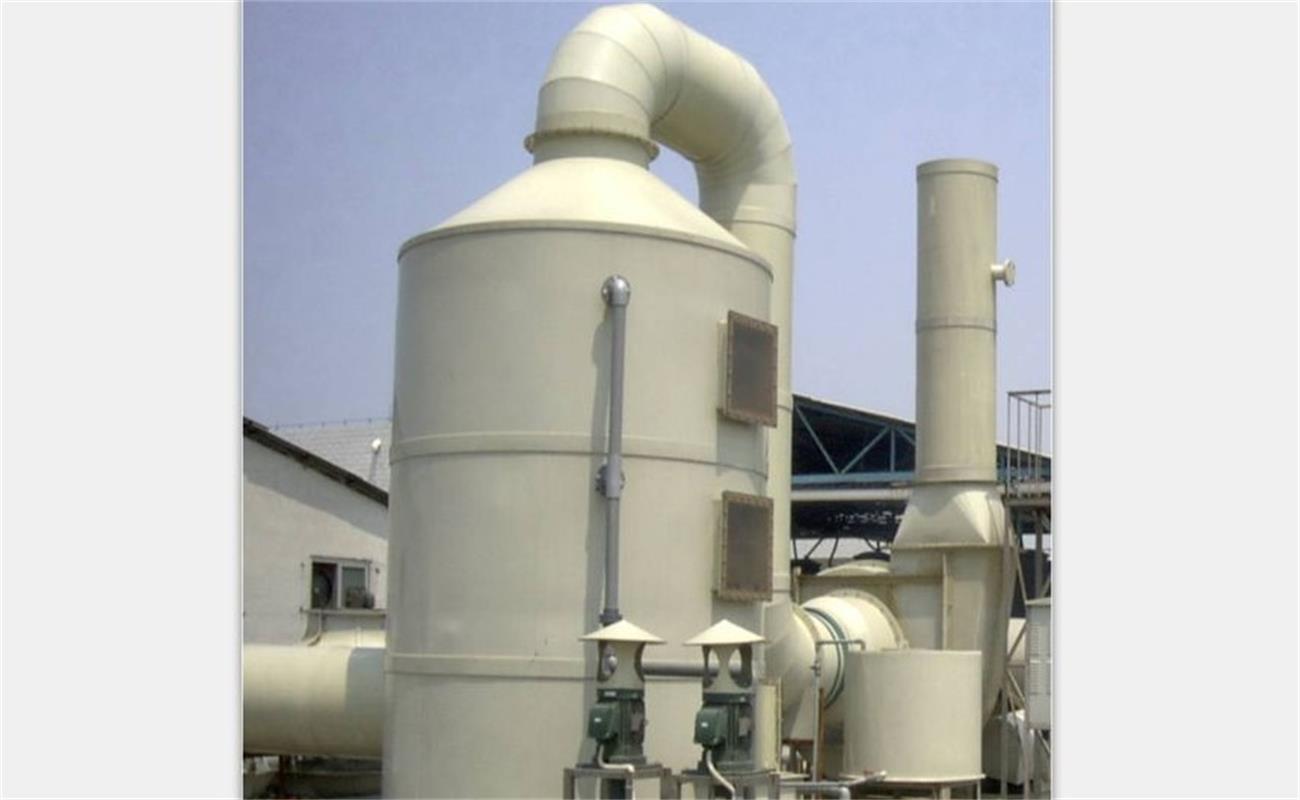
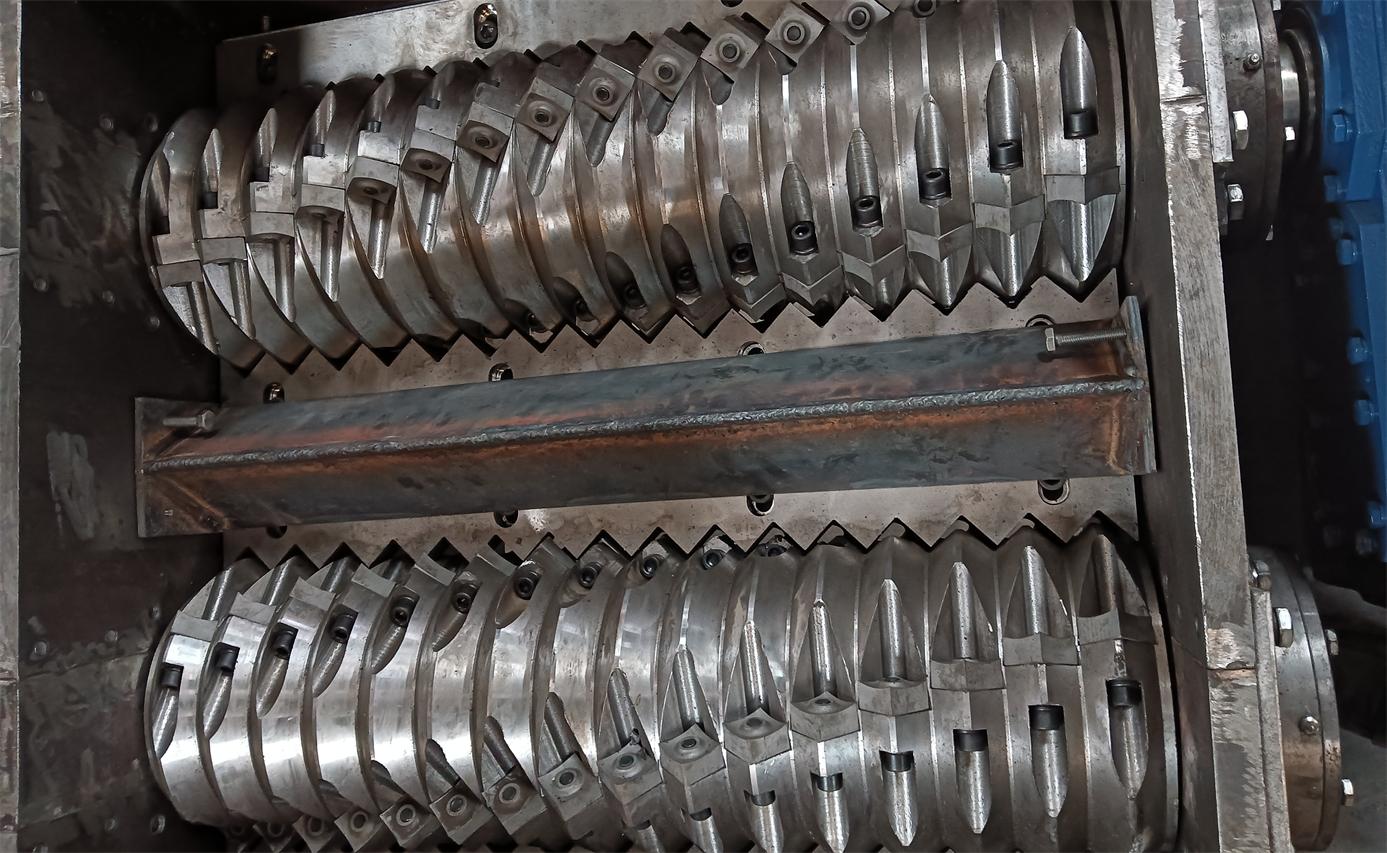
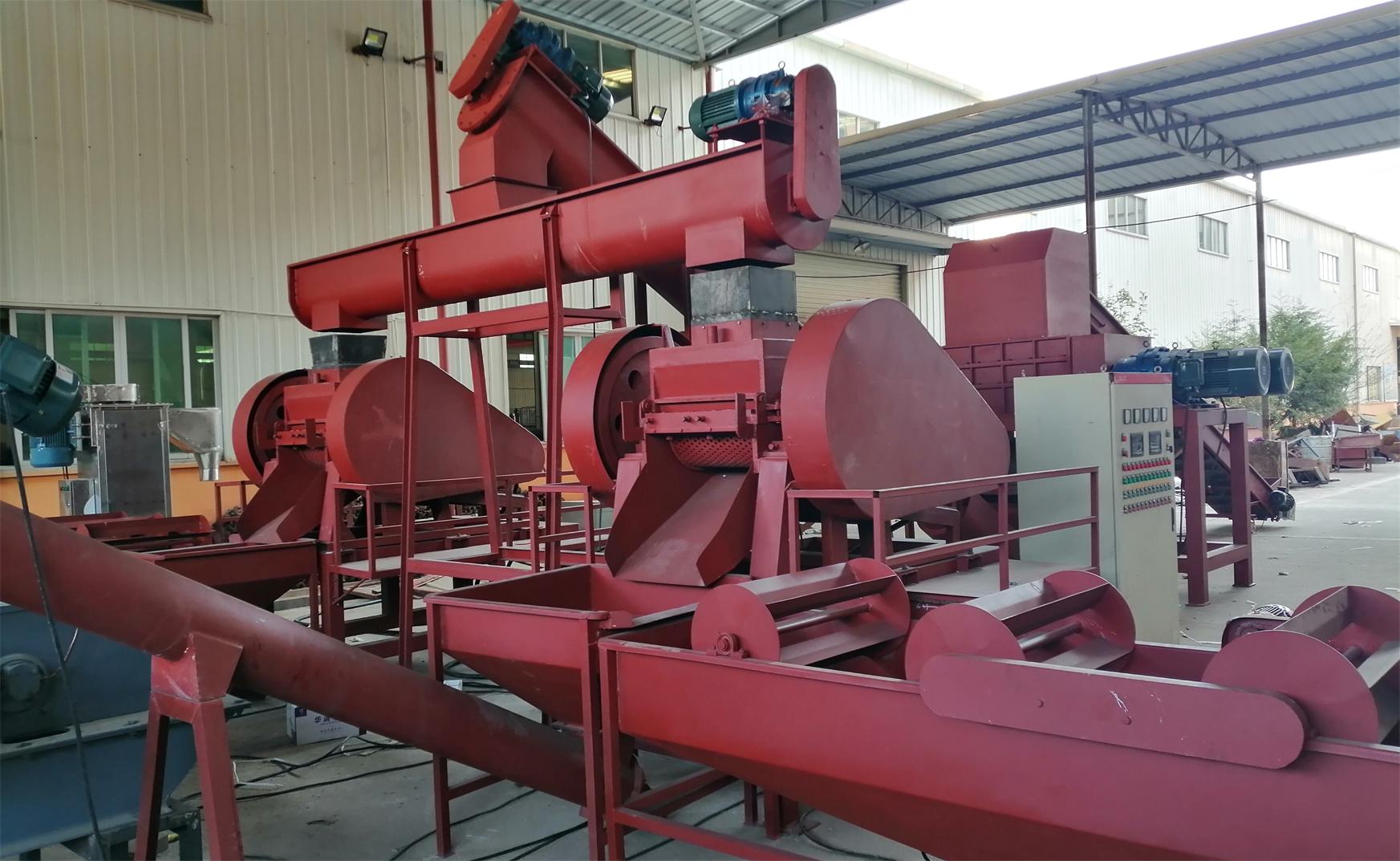
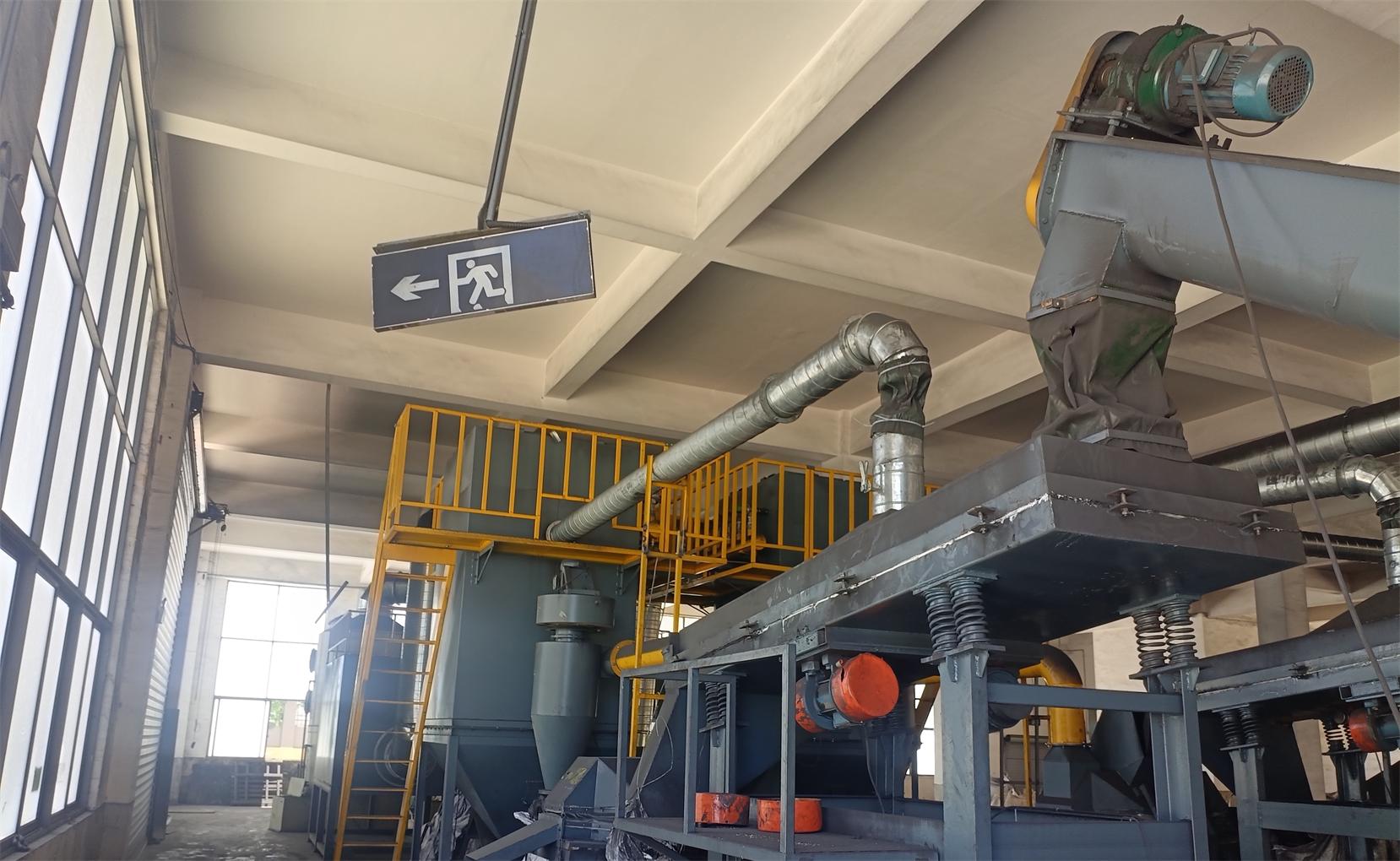
Industrialized economies need high-throughput systems that minimize human contact with mercury, featuring nitrogen-cooled crushing chambers and AI-driven material sorting. A typical European facility processes 30 tons/hour and achieves 99.9% mercury capture.
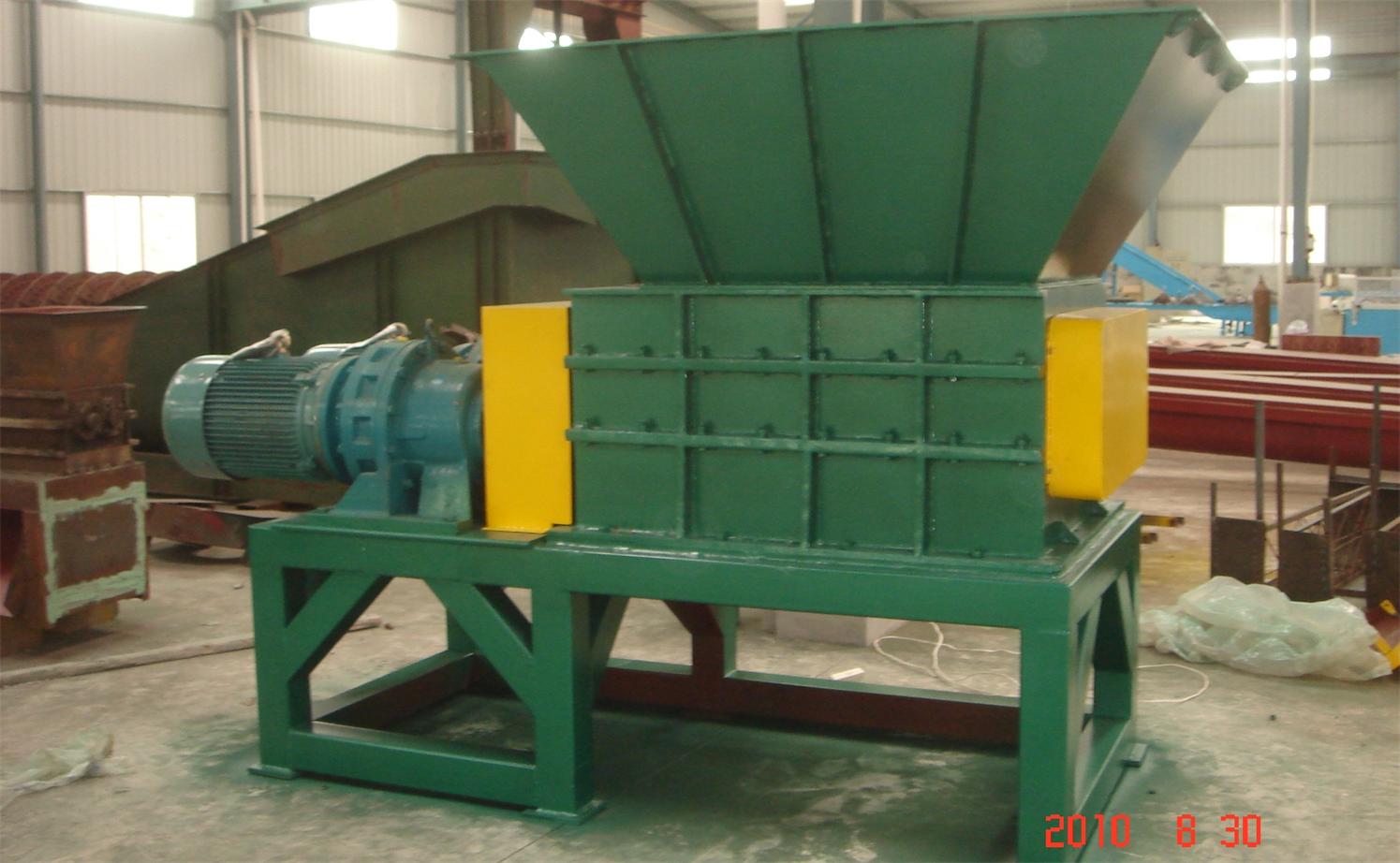
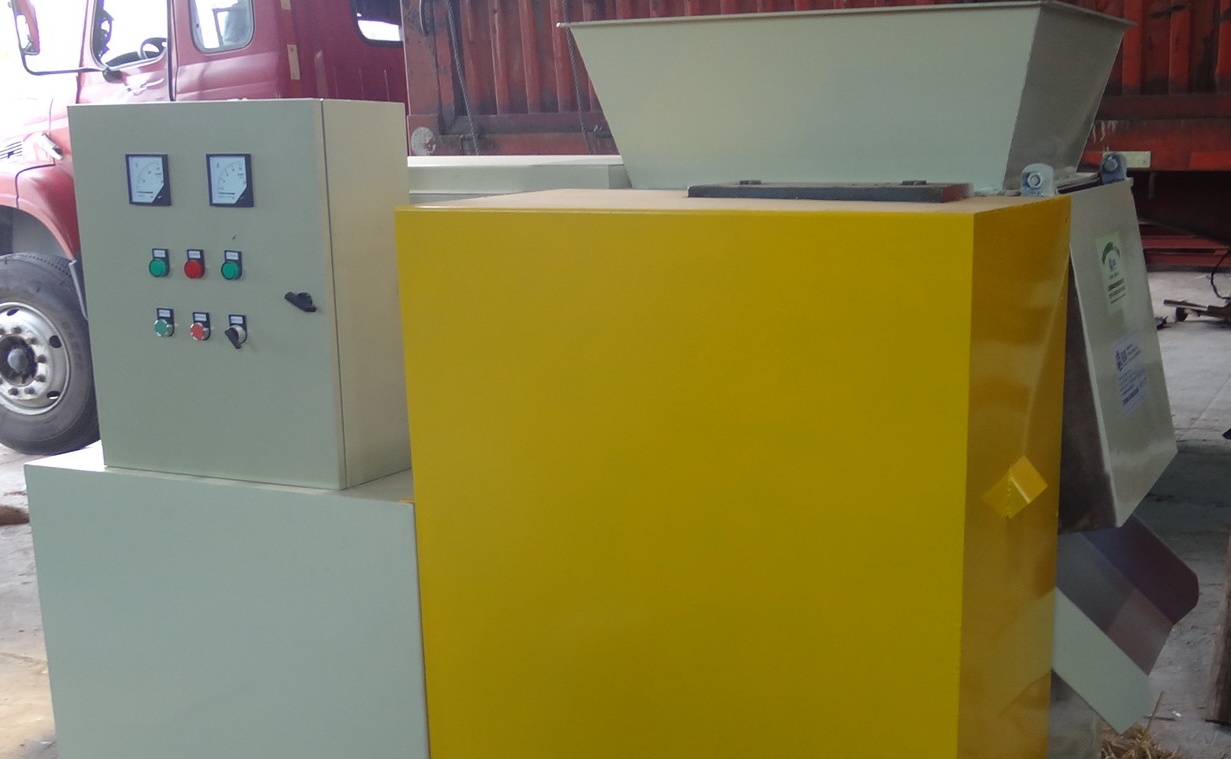
Developing regions require rugged, modular solutions that function with intermittent electricity and minimal technical expertise. Think portable fluorescent lamp recycling machine units with manual feed but automatic mercury containment - costing 80% less than European systems.
The environmental math is compelling: Each recycling machine capable of processing 50,000 lamps annually prevents 45kg of mercury contamination and recovers rare earth compounds worth $12,000 at current market prices.
Mercury vs. Rare Earths Crisis
While mercury dominates regulatory attention, the rare earth elements (REEs) hidden in lamp phosphors present emerging concerns:
"We're trading a known poison for emerging threats," warns Dr. Laís Viana from Rio de Janeiro Federal University. "While we obsess over mercury capture, yttrium and europium concentrations in landfill runoff exceed natural background levels by 450% in São Paulo test sites."
The scale is staggering - China alone discards over 200 million fluorescent bulbs annually containing enough rare earths to fill two Olympic swimming pools. Unlike mercury, these elements lack international regulation despite evidence of bioaccumulation in agricultural soils.
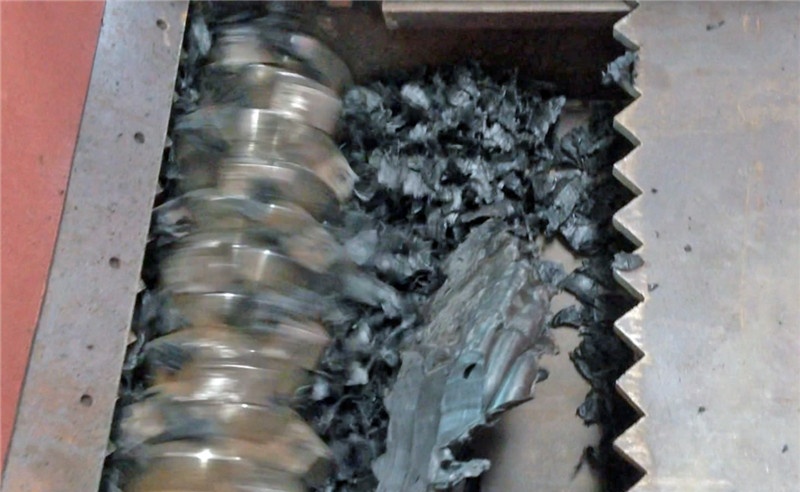
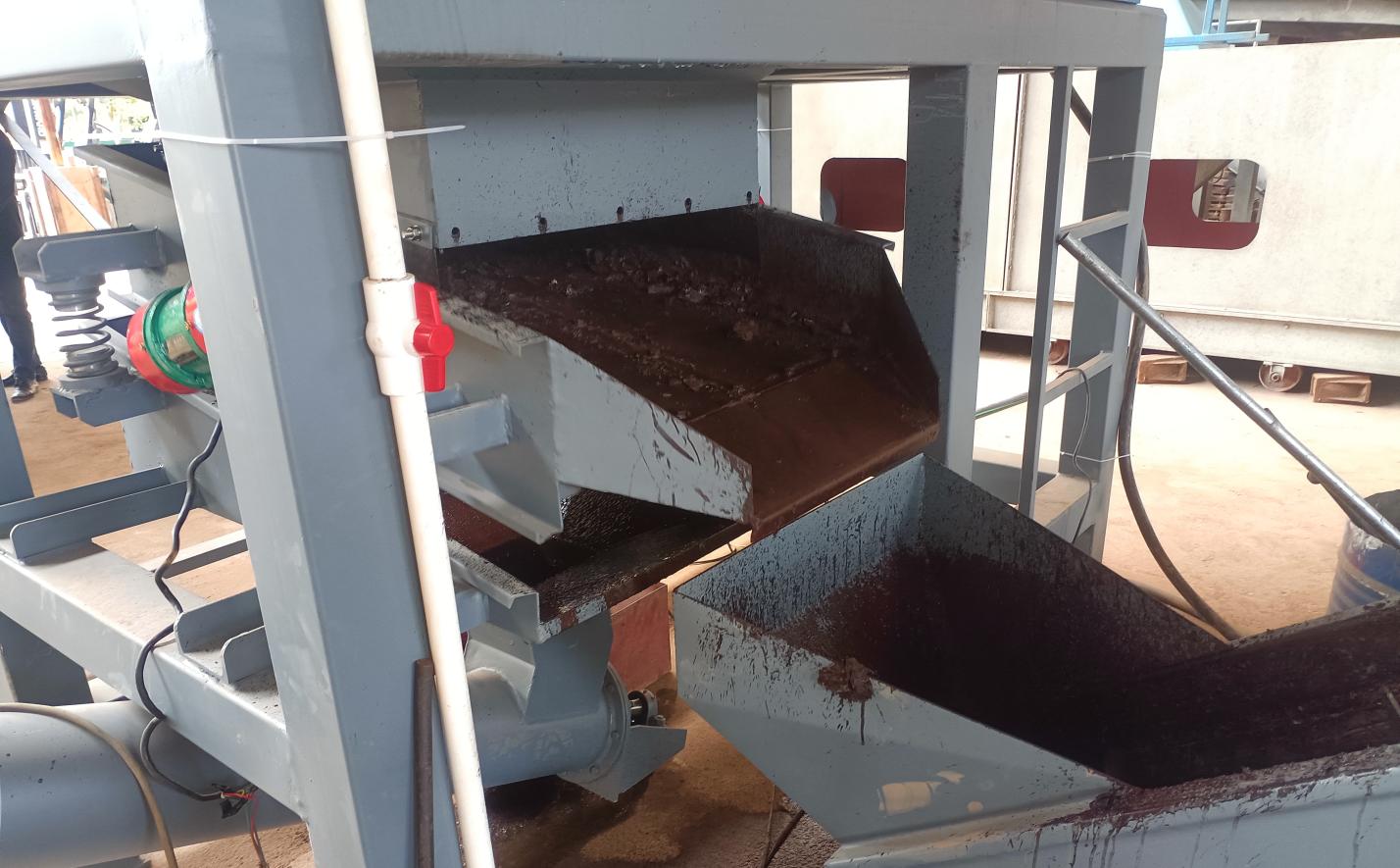
New recycling machines must address both hazards simultaneously. This dual challenge drives innovation like Vietnam's patented cyclone separation process that isolates mercury while concentrating REE powder to 98% purity - a process rapidly being adopted across Southeast Asia.
Economic Drivers
Recycling's dirty secret? It only flourishes when landfill costs exceed recovery values. Recent shifts make the math work:
- Mercury prices tripled since 2020 amid mining restrictions
- Terbium (critical for green energy tech) trades at $1,250/kg
- Penalty fees for improper disposal exceed €0.50/lamp in EU
- Automated recycling machine ROI dropped from 5 to 1.8 years
Manufacturers like EcoRecycle GmbH now build hybrid machines that turn lamp waste into certified secondary raw materials ready for battery production - creating a circular economy loop that justifies premium pricing and regulatory fast-tracking in 15 countries.
Future Outlook
The LED transition might seem like the end of this problem, but the data tells a different story:
Industry projections show 14 million fluorescent units will still be manufactured annually through 2030. Even with LEDs dominating new sales, the disposal wave hasn't peaked - recycling plants won't run out of material this decade.
Regulatory trends point toward harmonization of standards. UNEP's Minamata Convention now lists fluorescent lamps as phase-out candidates, while the EU's Circular Economy Action Plan mandates REE recovery targets by 2025.
For machine manufacturers, these pressures create opportunities: Portable mercury vacuum systems for rural collection points AI vision sorting for rare earth concentration Blockchain material tracing for circular economy certification
As Jakarta startup ReLamp's CEO observed: "The villages don't care about WEEE compliance certificates. They care about whether our machines make their rivers safer and put cash in their pockets." This on-ground reality is driving cheaper, more localized solutions.
The lamp recycling revolution follows the money. Where regulation creates financial incentives through EPR schemes or disposal penalties, recycling infrastructure emerges regardless of national wealth. Brazil's struggling system proves that legislation without enforcement is just paper; California's success shows even fragmented approaches work with strict accountability.
For equipment manufacturers, the message is clear: Build adaptable machines that reduce mercury exposure while capturing the rising value of rare earth elements. The market winners will be those delivering locally relevant solutions - from hyper-automated German systems to the $25,000 portable recycling machines spreading across Indonesian villages.
As we transition toward LEDs, the current lamp waste crisis offers valuable lessons: Technology solutions must be economically sustainable through material recovery or regulatory penalties, environmentally transparent to prevent new pollution, and socially accessible even in resource-limited settings.