Why Shredder Drive Modes Matter More Than You Think
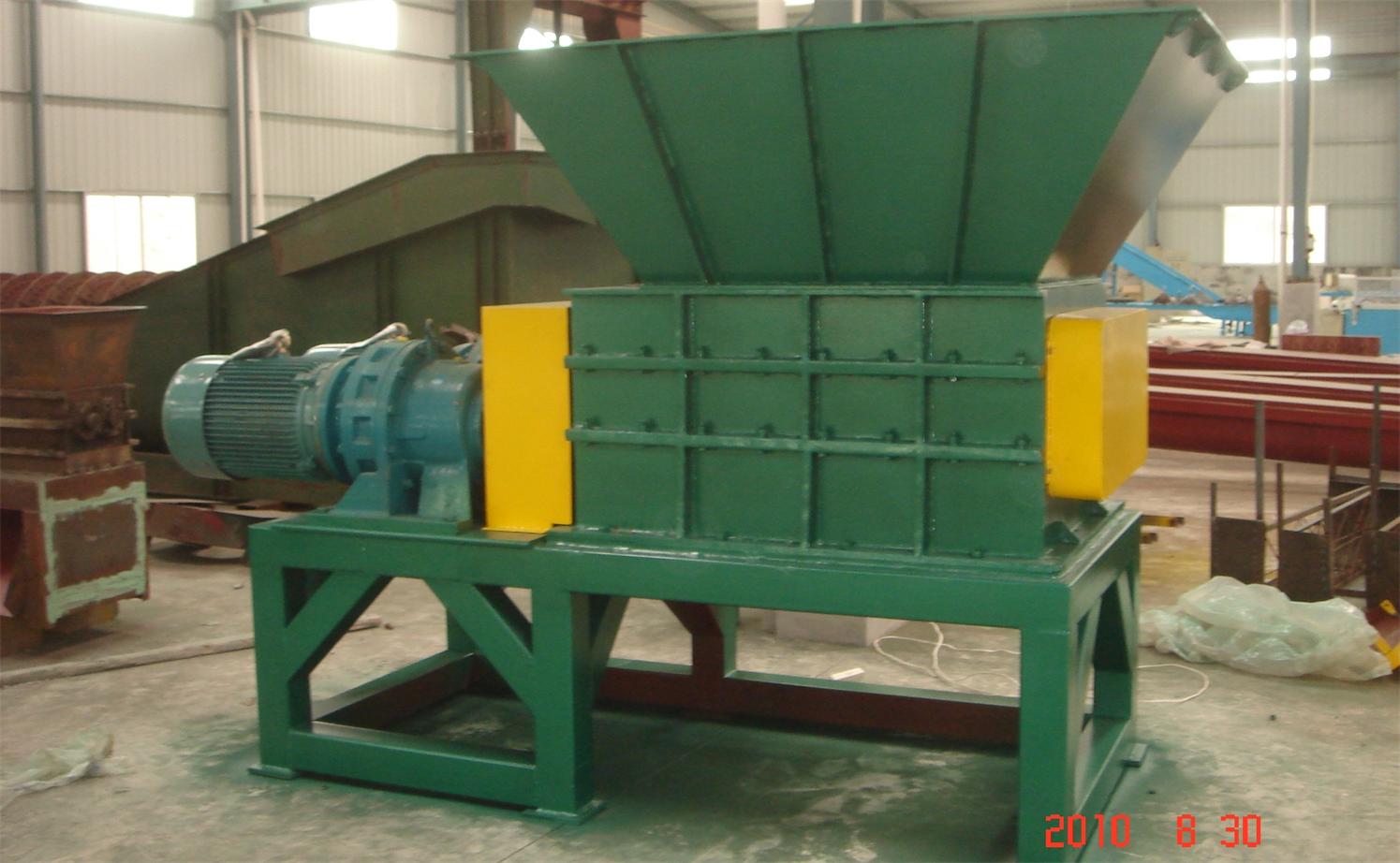
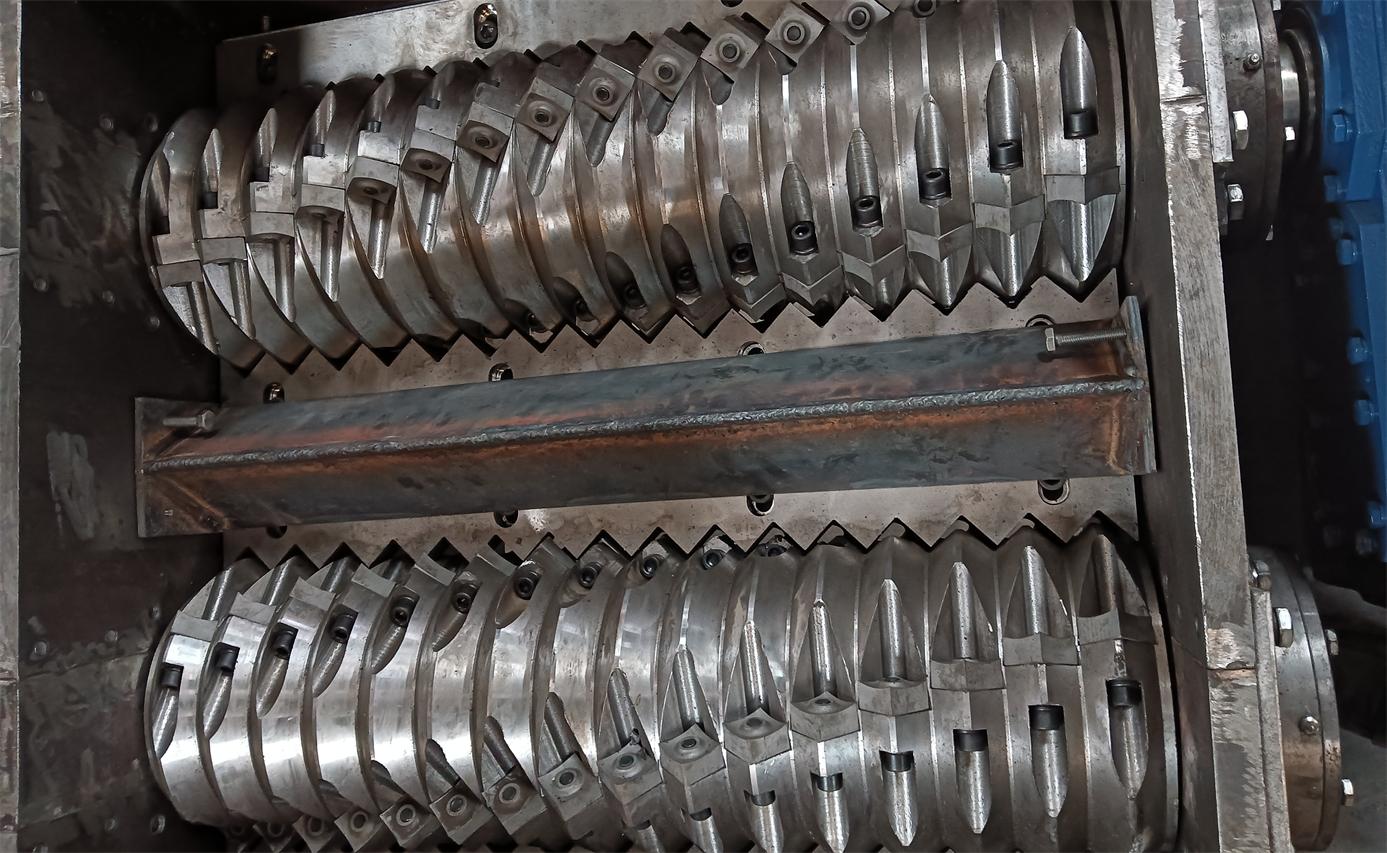
Walking into any modern recycling plant, that low mechanical groan tells you shredders are hard at work – processing mountains of scrap metal into reusable flakes. But here's something few appreciate: the drive mode controlling those shredder shafts dramatically impacts your operational efficiency. While twin-shaft shredders steal the spotlight for heavy-duty work, single-shaft shredders deliver underappreciated value when motor recycling aligns with specific drive systems.
With over 10% energy savings possible just by choosing the right drive configuration, understanding these options isn’t technical jargon – it’s your profit margin talking.
Meet the Contenders: Direct vs Belt vs Hydraulic Drive
Direct Drive: The Muscle Car
Imagine a powerhouse that never hesitates. Direct drive couples the motor straight to the shredder shaft, eliminating any transfer lag:
- Maximum torque on-demand: eats through rigid metals like steel pipes effortlessly
- Compact footprint = factory-space savings
- 95%+ energy efficiency: almost zero power-loss
- Zero shock absorption: jamming risks spike during mixed-material loading
- Costs sting upfront - premiums for high-torque motors
- Tough repairs: entire motor needs dismantling for blade access
Tip: Best for homogenous stainless steel streams where consistency beats flexibility.
Belt Drive: The Marathon Runner
Like a shock-absorbing suspension, rubber belts cushion between motor and shredder:
- Budget-friendly acquisition; ~20% cheaper upfront
- Forgives mistakes: slips harmlessly if unexpected concrete enters the chamber
- Fast maintenance: replace belts without dismantling rotors
- Power leakage: up to 15% energy loss through friction heat
- Frequent tune-ups: belts sag/stretch monthly under heavy loads
- Throughput lag: slower response time than direct equivalents
Tip: Choose this for unpredictable demolition waste where "oops" moments happen.
Hydraulic Drive: The Transformer
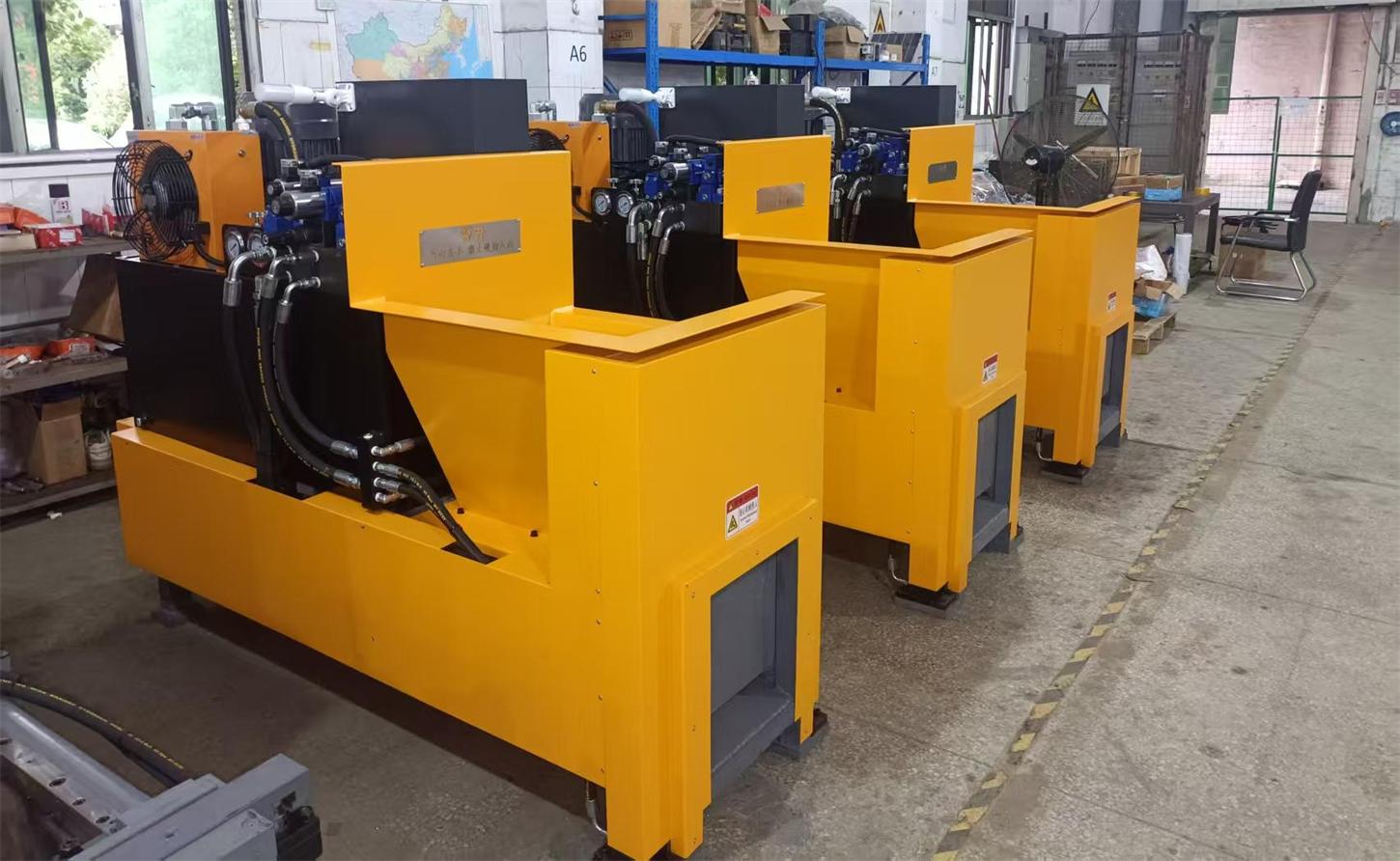
Fluid-powered systems let operators dynamically tweak shred power like a volume knob:
- On-the-fly customization: ramp torque down for aluminum, up for titanium
- Overload immunity: automatically cuts pressure during jams
- Space-flexible: pump/motor can install remotely from shredder
- Initial sticker shock: most expensive setup
- Complex maintenance: hydraulic fluid leaks cause 60% of failures
- Power vampires: energy efficiency dips below 85%
Tip: Essential for facilities processing both foil-thin cans and massive engine blocks.
The Real-World Impact: Drive Modes in Action
Observe any two shredders chewing identical metal quantities:
| Metric | Direct Drive | Belt Drive | Hydraulic Drive |
|---|---|---|---|
| Material Jam Events | 1.2 /day | 0.3 /day | 0.1 /day |
| Maintenance Downtime | 4.7 hrs/month | 7.2 hrs/month | 9.5 hrs/month |
| Energy Cost per Ton | $18.20 | $21.80 | $23.50 |
| Blade Replacement Frequency | Every 6 weeks | Every 4 weeks | Every 8 weeks |
These differences crystallize when processing aviation titanium scraps. Direct drive shreds faster but jams unpredictably on layered composites. Meanwhile, hydraulic units power through gradually at double the operating cost.
Smart Integration: Balancing Costs & Workflows
"It’s not about specs, but matching drive profiles to your scrap personality," explains recycling veteran Linda Zhao. Her plant runs direct-drive units for segregated copper wires while deploying hydraulic systems for automotive hulks. Key integration principles:
- Material profiling first: Hardness variability determines flexibility needs
- Throughput reality-check: Don’t overspend on hydraulic for 5-ton/day operations
- Budget dynamically: Pair costly hydraulic drives with motor recycling to offset expenses
Avoid the "hydraulic everywhere" temptation unless processing highly divergent metal streams daily.
The Next Evolution: Smarter & Sustainable Shredding
As sensor costs plummet, IoT-enabled drive modes emerge as game-changers:
- Predictive torque adjustment: Algorithms pre-empt jams by "feeling" material resistance
- Self-optimizing hydraulics: Systems learn to minimize pressure during low-demand cycles
- Regenerative drive recovery: Capture rotational inertia energy during deceleration
These innovations position single-shaft shredders – once considered light-duty alternatives – as precision instruments for tomorrow’s circular economy.
Ultimately, the "best" drive mode reflects your operational DNA rather than technical specs. Whether prioritizing brutal efficiency, forgiveness, or flexibility, matching mechanics to mission transforms single-shaft shredders from support players into profit centers.