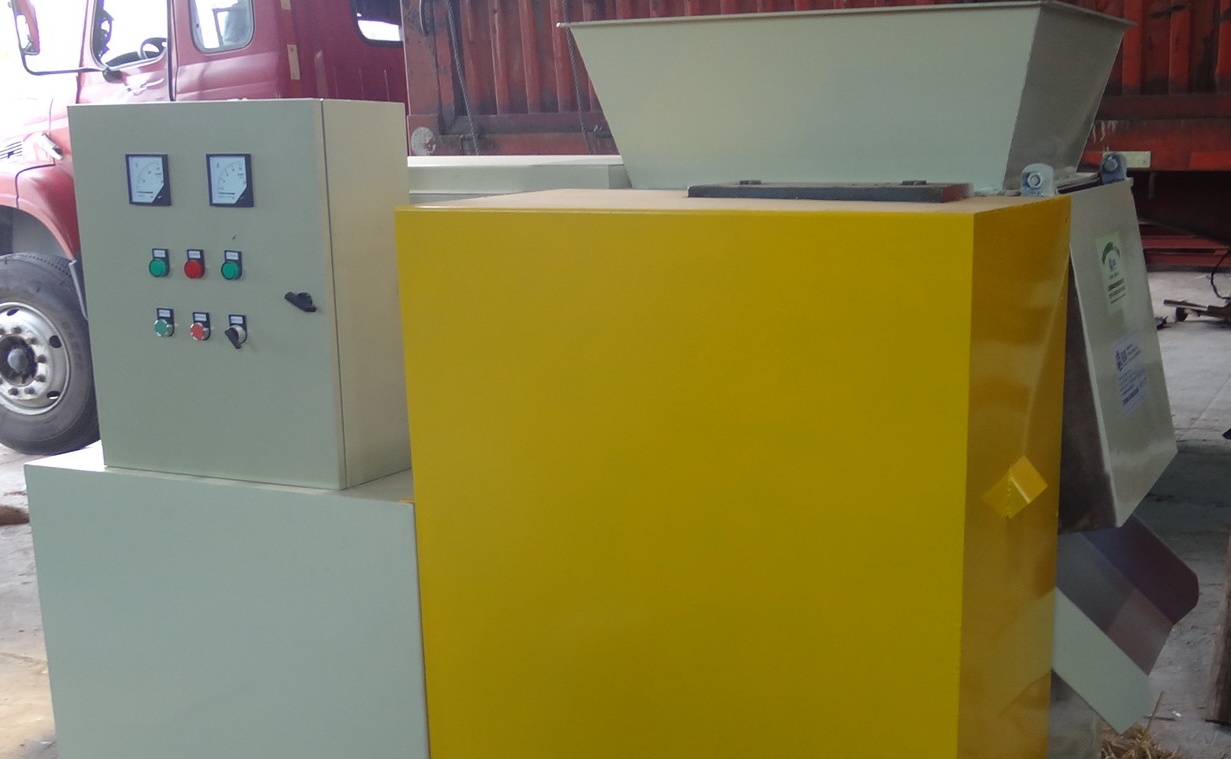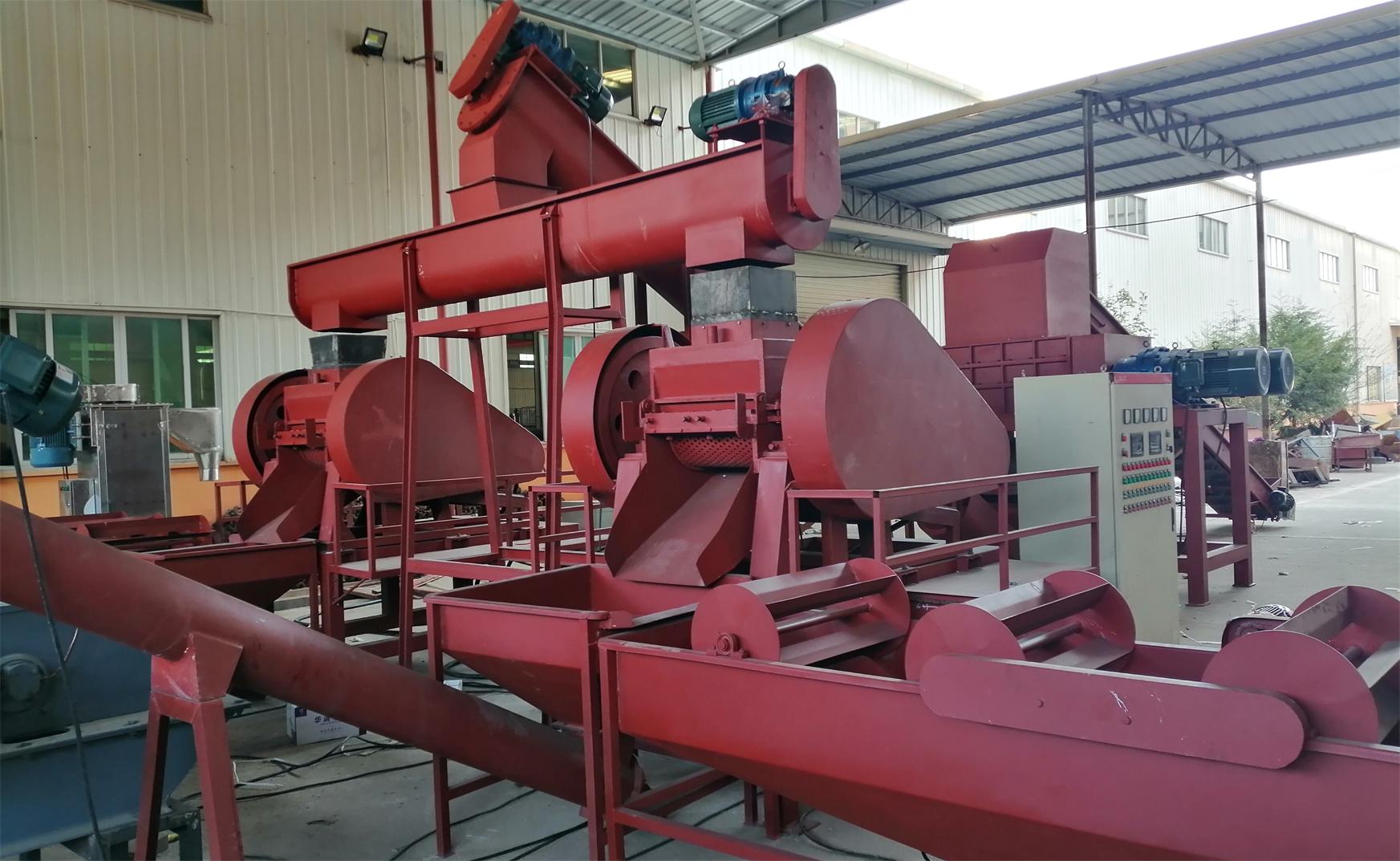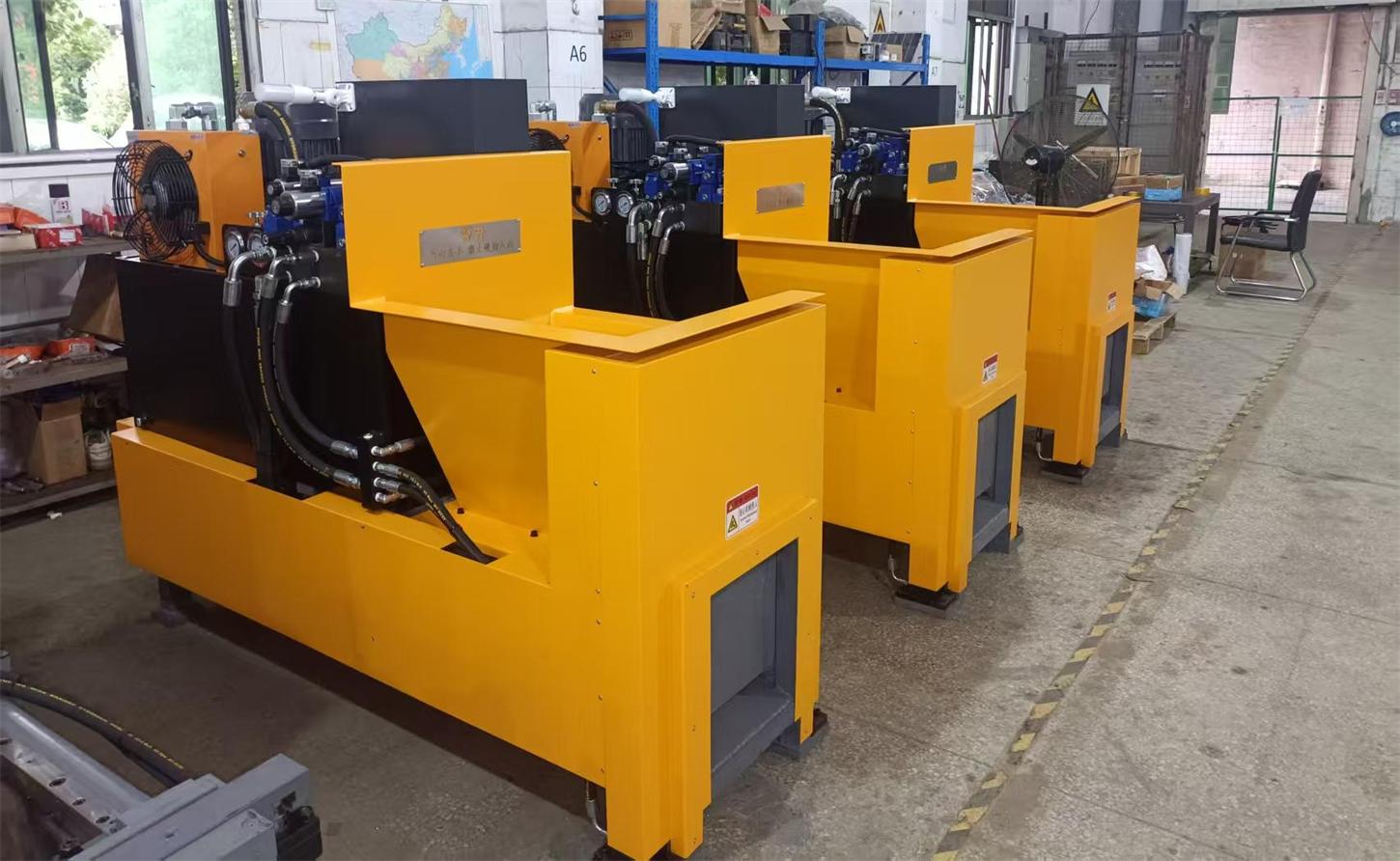
Walk into any bustling recycling facility, and you'll quickly notice the backbone of the operation: shredders. These industrial workhorses turn mountains of scrap—from old cables to discarded appliances—into manageable pieces, making recycling efficient and scalable. But not all shredders are cut from the same cloth. Among the most widely used are single-shaft and double-shaft shredders, each with unique strengths tailored to specific tasks. Whether you're eyeing a compact single shaft shredder equipment for small-scale plastic recycling or a heavy-duty 2 shaft shredder equipment for tearing through metal scrap, understanding their differences is critical. Let's explore the seven core distinctions that set these machines apart, helping you make the right choice for your operation.
1. Shredding Mechanism: The "How" Behind the Grind
At the heart of any shredder lies its mechanism—and this is where single-shaft and double-shaft models diverge dramatically. A single shaft shredder equipment relies on a single, rotating rotor fitted with sharp, rectangular blades. Picture a giant kitchen blender, but instead of liquid, it's tackling solid waste: the rotor spins at high speed, pulling material into the machine and slicing it against a stationary "counter knife" at the bottom. This design creates a shearing action, ideal for breaking down softer or less dense materials.
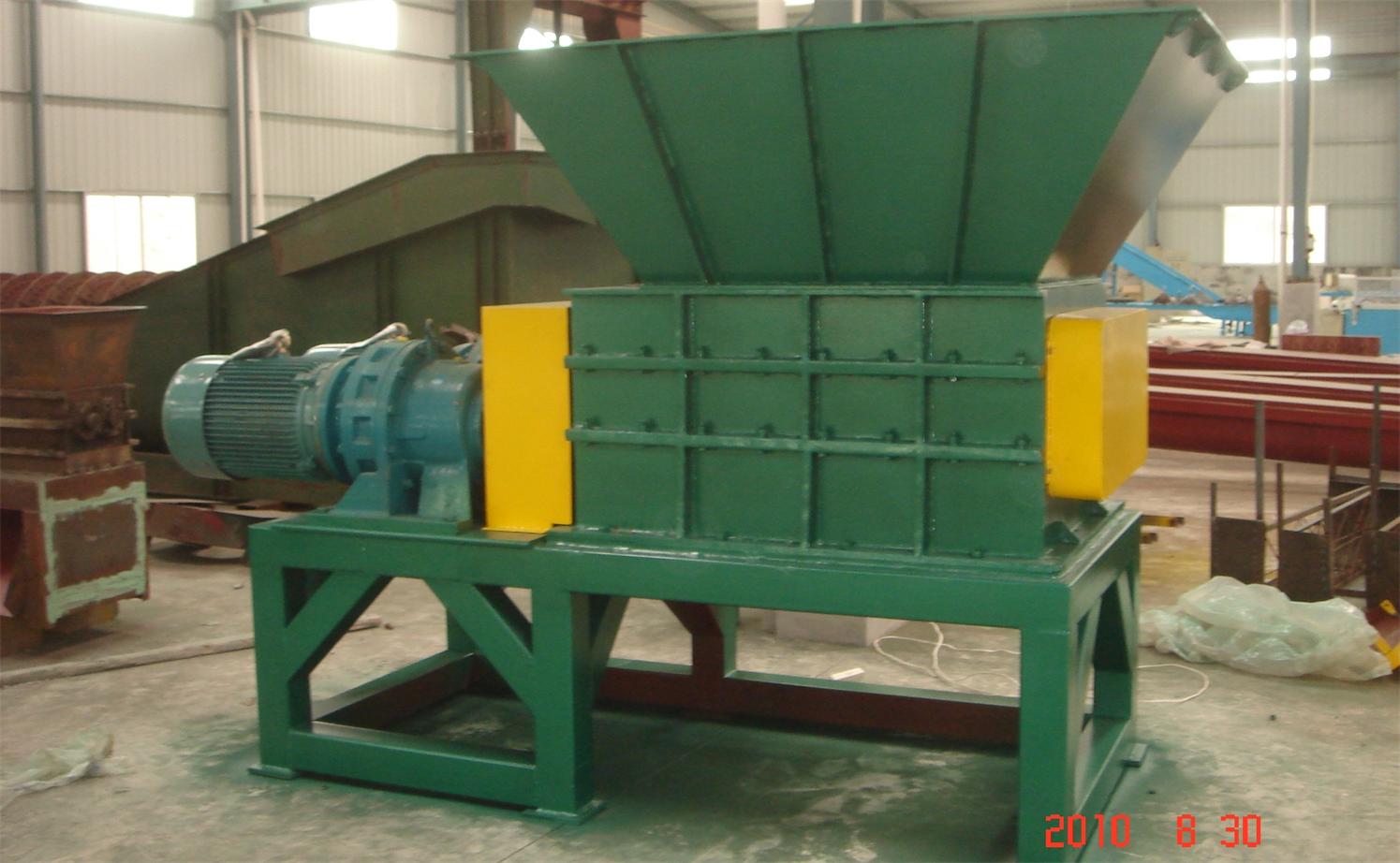
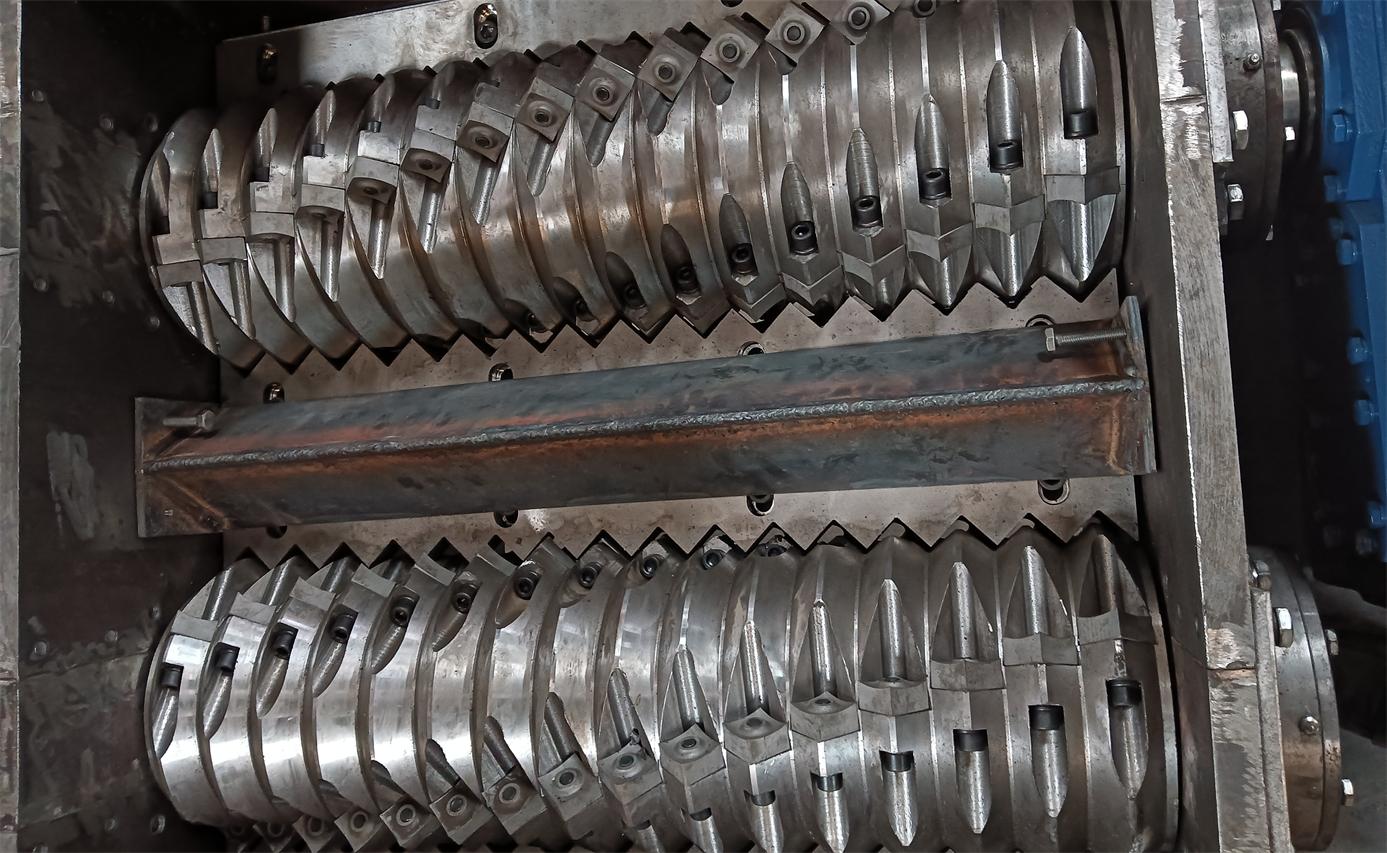
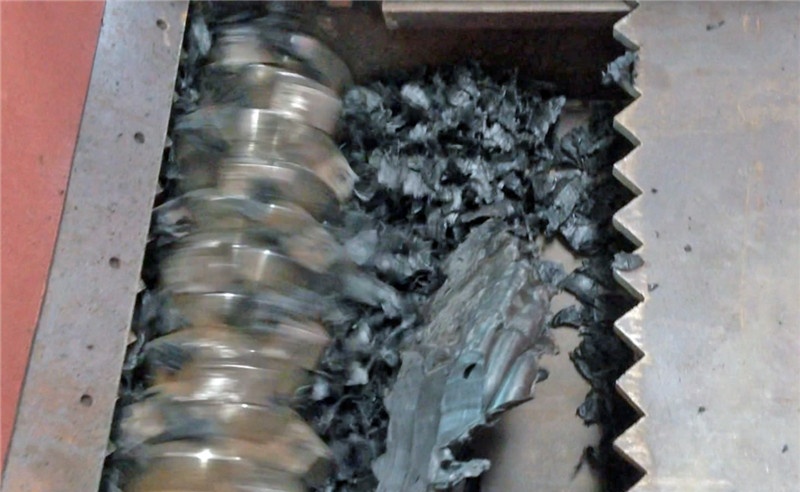
Double-shaft shredders, by contrast, feature two parallel rotors with interlocking blades that turn in opposite directions—think of two pairs of scissors working in perfect harmony. This intermeshing action grabs and crushes material simultaneously, making it far more effective for tough, bulky items. And when we talk about double-shaft models, we often include variants like 2 shaft shredder equipment (the most common) or even 4 shaft shredder equipment for ultra-heavy-duty tasks, where additional rotors enhance grip and reduce strain on individual components.
The key takeaway? Single-shaft shredders excel at "slicing," while double-shaft (and multi-shaft) models specialize in "crushing and tearing." This fundamental difference shapes everything from the materials they process to their energy needs.
2. Material Suitability: What They're Built to Handle
Not all waste is created equal, and neither are shredders. Single shaft shredder equipment is the go-to for materials that are relatively easy to break down: think plastic bottles, cardboard, paper, or thin aluminum. Its high-speed rotor slices through these with minimal resistance, producing uniform chips quickly. However, throw something dense or tough—like a car tire, metal pipe, or thick plastic crate—into a single-shaft shredder, and you'll likely hear a strained whir followed by jamming. The single rotor simply can't generate enough torque to grip and shred such materials without stalling.
Double-shaft shredders, including 2 shaft shredder equipment, thrive where single-shaft models struggle. Their interlocking rotors bite into hard materials—scrap metal, wooden pallets, old refrigerators, even engine blocks—with relentless force. The dual rotors distribute pressure evenly, preventing jams and ensuring consistent processing. For example, a 4 shaft shredder equipment might be used in specialized facilities handling electronic waste (e-waste), where circuit boards and cables demand precise, powerful shredding without damaging valuable components inside.
Pro tip: If your operation deals with mixed waste streams (common in many recycling plants), a hybrid approach works wonders. Pair a single shaft shredder equipment with a shredder and pre-chopper equipment to pre-process softer materials, then feed the tougher stuff into a 2 shaft shredder equipment for final breakdown.
3. Processing Capacity: Speed vs. Consistency
When it comes to throughput—the amount of material a shredder can process per hour—double-shaft models often outpace their single-shaft counterparts, but context matters. A standard single shaft shredder equipment might handle 500–1,000 kg/hour of plastic film or paper, which is more than enough for small to mid-sized facilities. But for industrial operations, that's just not enough. A robust 2 shaft shredder equipment, by comparison, can process 1,500–3,000 kg/hour of metal scrap or 2,000–4,000 kg/hour of wood, thanks to its continuous feeding and efficient crushing action.
Why the gap? Single-shaft shredders rely on gravity and rotor speed to pull material in, which can lead to uneven feeding. Double-shaft models, with their intermeshing rotors, actively "pull" material into the machine, ensuring a steady flow. That said, single-shaft shredders sometimes win in precision : their high-speed slicing produces more uniform particle sizes for materials like plastic, which is critical if you're feeding the output into a granulator for further processing.
4. Energy Efficiency: Power Consumption in Practice
Energy costs can eat into profits, so efficiency matters. Single shaft shredder equipment typically has lower power requirements—think 10–30 kW motors—since it's designed for lighter materials. Run it on plastic or paper, and it's surprisingly energy-efficient, like a compact car zipping through city streets. But here's the catch: if you force it to process dense materials, it'll draw more power, overheat, and wear out faster—turning that "efficient" car into a gas-guzzler stuck in traffic.
Double-shaft shredders, including 2 shaft shredder equipment, demand more power upfront (often 30–100+ kW) due to their dual rotors and higher torque. But this power is used efficiently when processing tough materials. For example, shredding a ton of scrap metal with a 2 shaft shredder equipment might consume less energy overall than struggling to process it with a single-shaft model that stalls and restarts repeatedly. It's like using a truck to haul a heavy load: it burns more fuel than a car, but it gets the job done without breaking a sweat.
5. Particle Size Control: Uniformity Matters
The end goal of shredding is often a specific particle size—whether it's 5mm chips for plastic recycling or 20mm chunks for metal melting. Here, double-shaft shredders have a clear edge. Their intermeshing blades cut material from two directions, resulting in highly uniform output. This consistency is a game-changer for downstream processes like sorting, melting, or pelletizing, where uneven particle sizes can slow down production or reduce quality.
Single shaft shredder equipment, while fast, produces more variable particle sizes. The shearing action can create long, stringy pieces (especially with plastics) or uneven chunks, which may require secondary processing—like a granulator—to refine. This isn't a dealbreaker for all operations, but if your workflow demands tight size control, a double-shaft model (or pairing a single-shaft with a shredder and pre-chopper equipment) is worth considering.
6. Maintenance: Blades, Wear, and Downtime
Any shredder owner will tell you: maintenance is unavoidable. But the frequency and cost vary drastically between single-shaft and double-shaft models. Single shaft shredder equipment places all the cutting stress on its single rotor and counter knife. Over time, this leads to faster blade wear—especially when processing abrasive materials like glass or fiberglass. Operators often replace blades every 2–4 weeks, and downtime for maintenance can add up.
Double-shaft shredders spread the workload across two rotors, reducing strain on individual blades. This extends blade life to 6–12 weeks (or longer for 4 shaft shredder equipment, which distributes wear even further). Additionally, many double-shaft models feature quick-change blade systems, cutting maintenance time from hours to minutes. For busy facilities, this translates to less downtime and lower long-term costs—even if the upfront blade cost is higher.
A final note: lubrication and rotor alignment matter too. Double-shaft shredders require regular checks to ensure rotors are properly meshed, but modern designs often include self-aligning features to simplify upkeep.
7. Cost: Upfront Investment vs. Long-Term Value
Let's talk numbers. Single shaft shredder equipment is generally more affordable upfront, with entry-level models starting around $10,000–$30,000. This makes them attractive for small businesses, startups, or operations with limited budgets and simple waste streams (e.g., a local plastic recycling plant processing bottles). However, lower upfront cost often means higher operating expenses: frequent blade replacements, higher energy bills for tough materials, and potential downtime from jams.
Double-shaft shredders, including 2 shaft shredder equipment, come with a steeper initial price tag—typically $50,000–$200,000 or more for industrial-grade models. But they offer better long-term value for high-volume or heavy-duty operations. Their durability, lower maintenance needs, and higher throughput mean they pay for themselves over time, especially when processing tough materials like metal or e-waste. For example, a facility shredding 10 tons of scrap metal daily would see significantly lower costs with a 2 shaft shredder equipment compared to a single-shaft model struggling to keep up.
It's a classic "buy cheap, pay twice" scenario: single-shaft models save money today, but double-shaft models save more tomorrow.
| Core Difference | Single-Shaft Shredder | Double-Shaft Shredder (e.g., 2 Shaft Shredder Equipment) |
|---|---|---|
| Shredding Mechanism | Single rotor with shearing action against a counter knife | Two intermeshing rotors with crushing/tearing action |
| Best For Materials | Soft, less dense materials (plastics, paper, cardboard) | Tough, bulky materials (metal, wood, tires, e-waste) |
| Throughput | 500–1,000 kg/hour (small to mid-sized) | 1,500–4,000+ kg/hour (industrial volume) |
| Energy Efficiency | Lower power use for soft materials; inefficient for tough loads | Higher power use but efficient for heavy/dense materials |
| Particle Uniformity | Variable; may require secondary processing | Highly uniform output |
| Maintenance | Frequent blade replacements (2–4 weeks); higher downtime | Longer blade life (6–12 weeks); quick-change systems |
| Cost | Lower upfront ($10k–$30k); higher operating costs | Higher upfront ($50k–$200k+); lower long-term expenses |
Choosing between single-shaft and double-shaft shredders isn't about picking "the best" machine—it's about picking the best machine for your needs . If you're processing small batches of soft materials on a tight budget, single shaft shredder equipment is a solid start. But if you're scaling up, tackling tough waste streams, or prioritizing long-term efficiency, double-shaft models (like 2 shaft shredder equipment or 4 shaft shredder equipment) are the way to go.
Remember: the right shredder isn't just a tool—it's an investment in your operation's productivity, profitability, and sustainability. By weighing these seven differences, you'll be well-equipped to make a choice that keeps your recycling line running smoothly, today and for years to come.