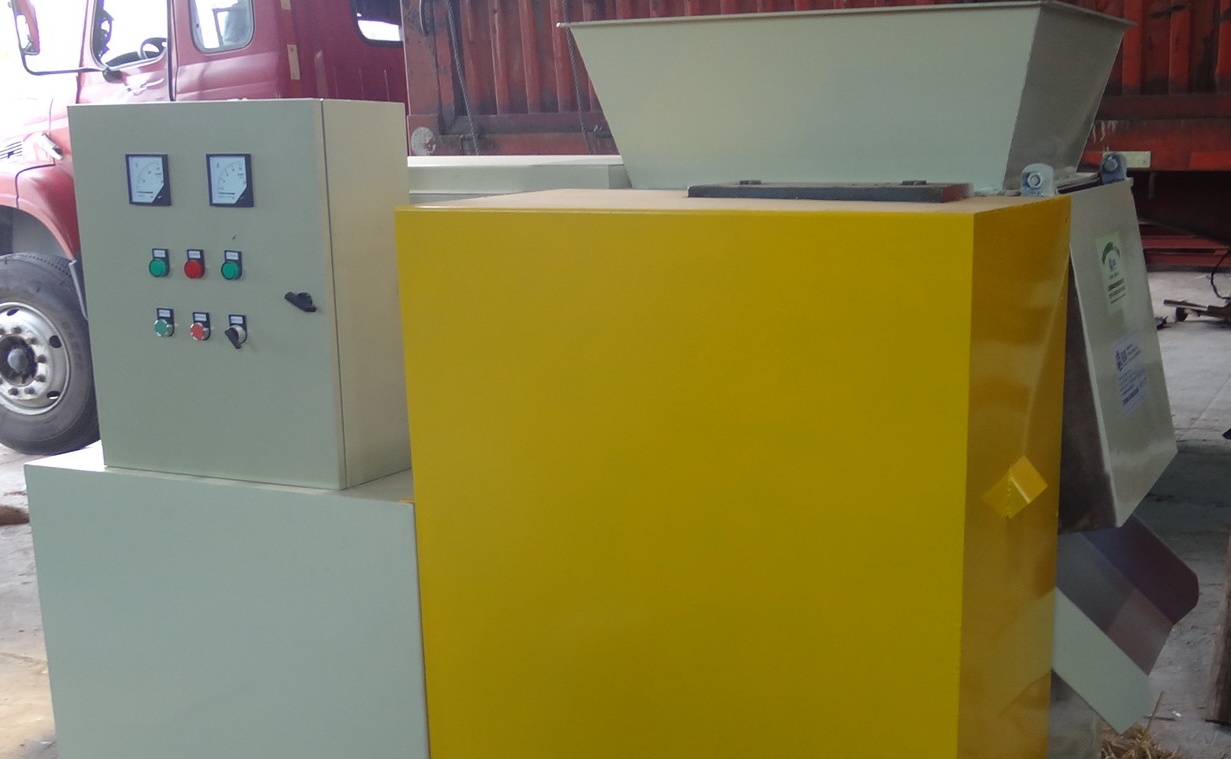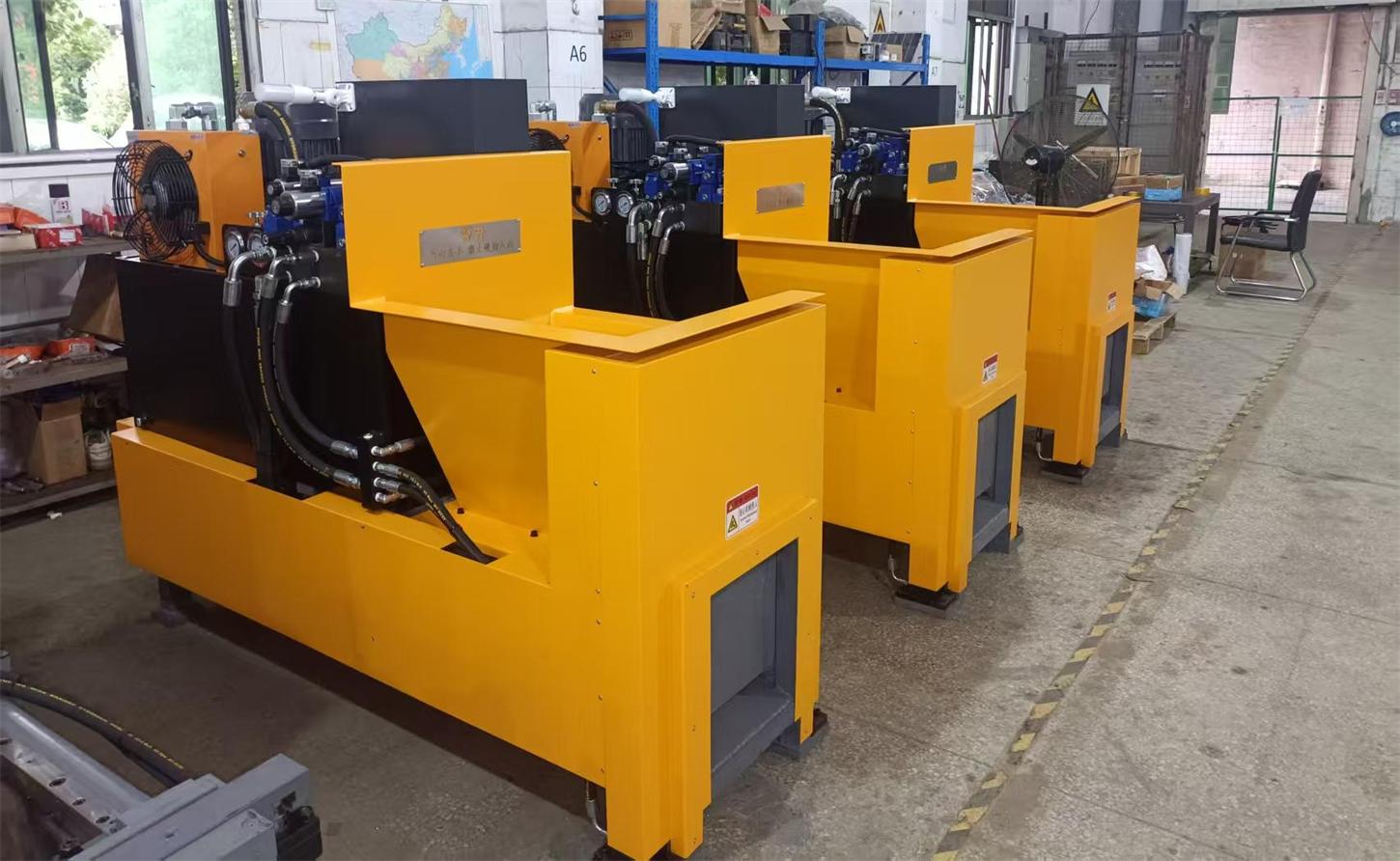
Ever wondered how bulky industrial waste transforms into neatly processed materials? That’s the magic of four-shaft shredders – the silent workhorses revolutionizing recycling and manufacturing. Unlike traditional shredders, these machines combine force, precision, and intelligence to tackle everything from car tires to complex e-waste. Let’s explore how integrated tool systems make this possible.
The Heartbeat: Four-Shaft Mechanics
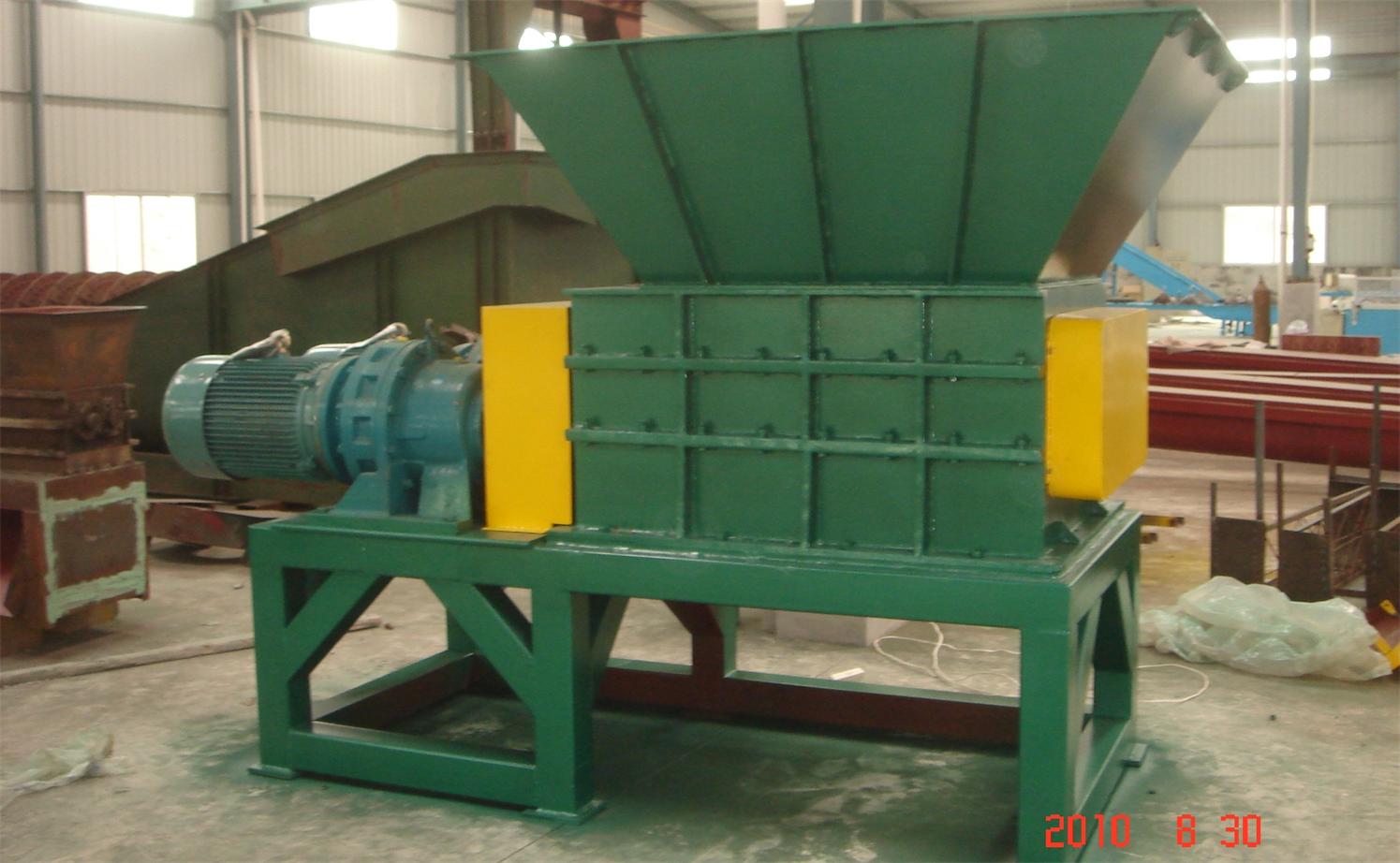
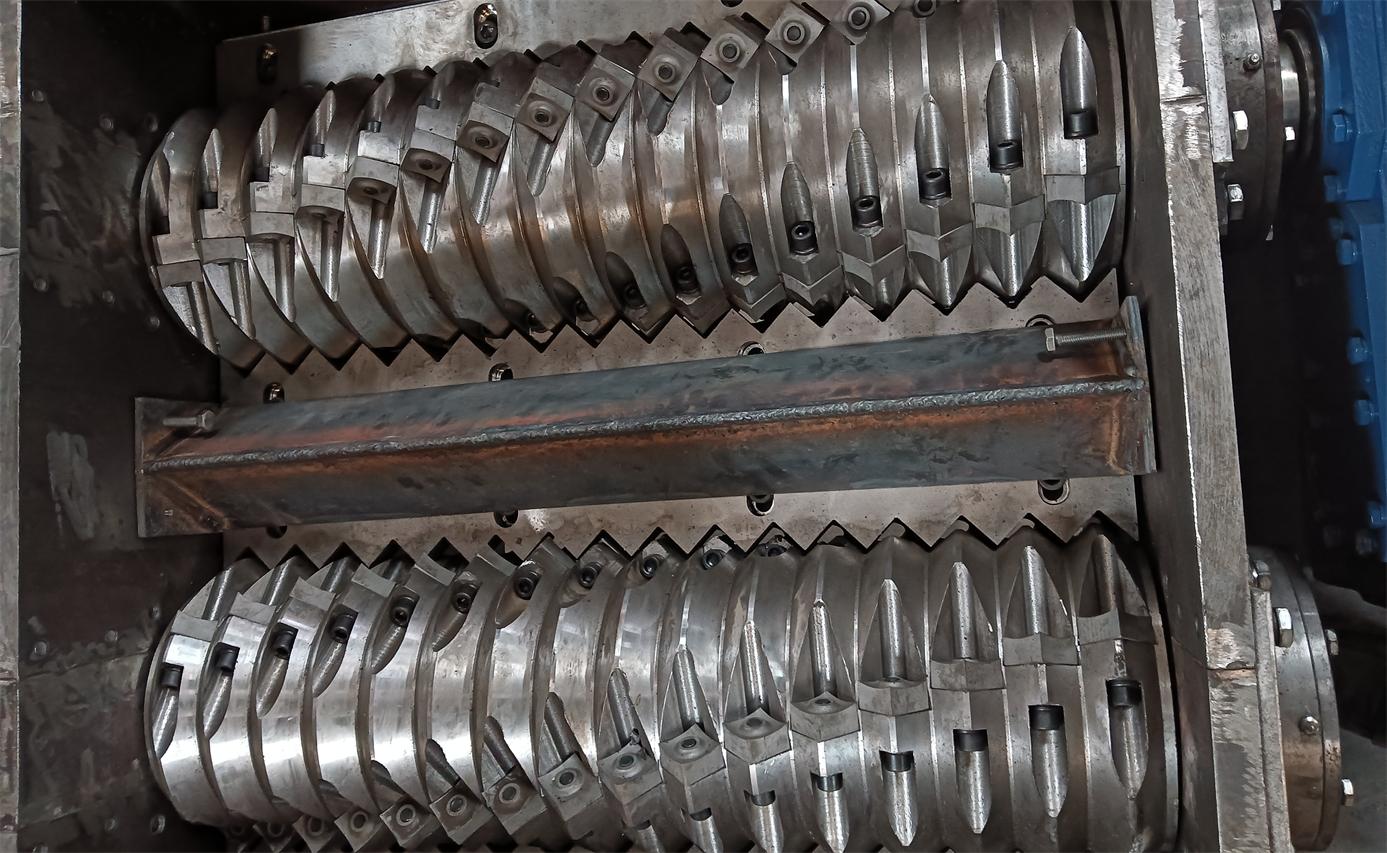
Imagine four coordinated dancers spinning in sync – that’s essentially how these shredders operate. Here’s why this quartet outperforms solo performers:
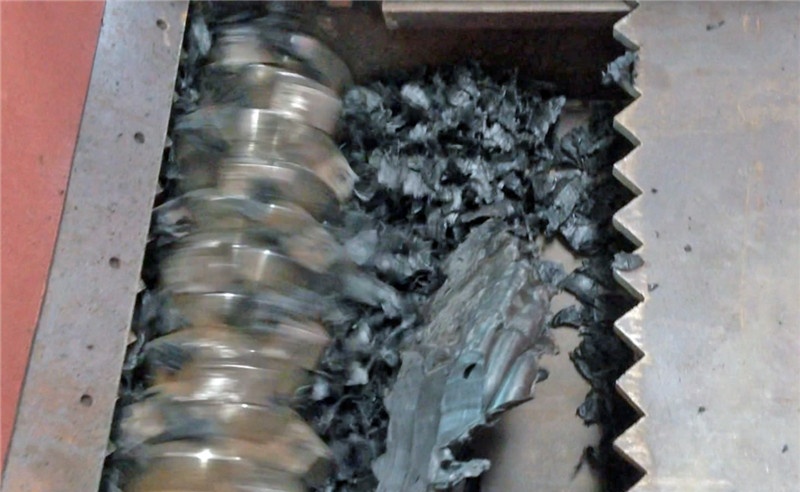
- Counter-rotation power: Like two opposing gears amplifying torque, the shafts interlock to crush materials without jamming.
- Grading screens: Acting like bouncers, they only let correctly-sized particles exit the party.
- Hexagonal shafts: Uniquely shaped for superior grip, ensuring blades stay synced during intense pressure.
This trifecta creates what engineers call the self-cleaning effect – the machine continuously expels debris without manual intervention.
Beyond Shredding: A Symphony of Systems
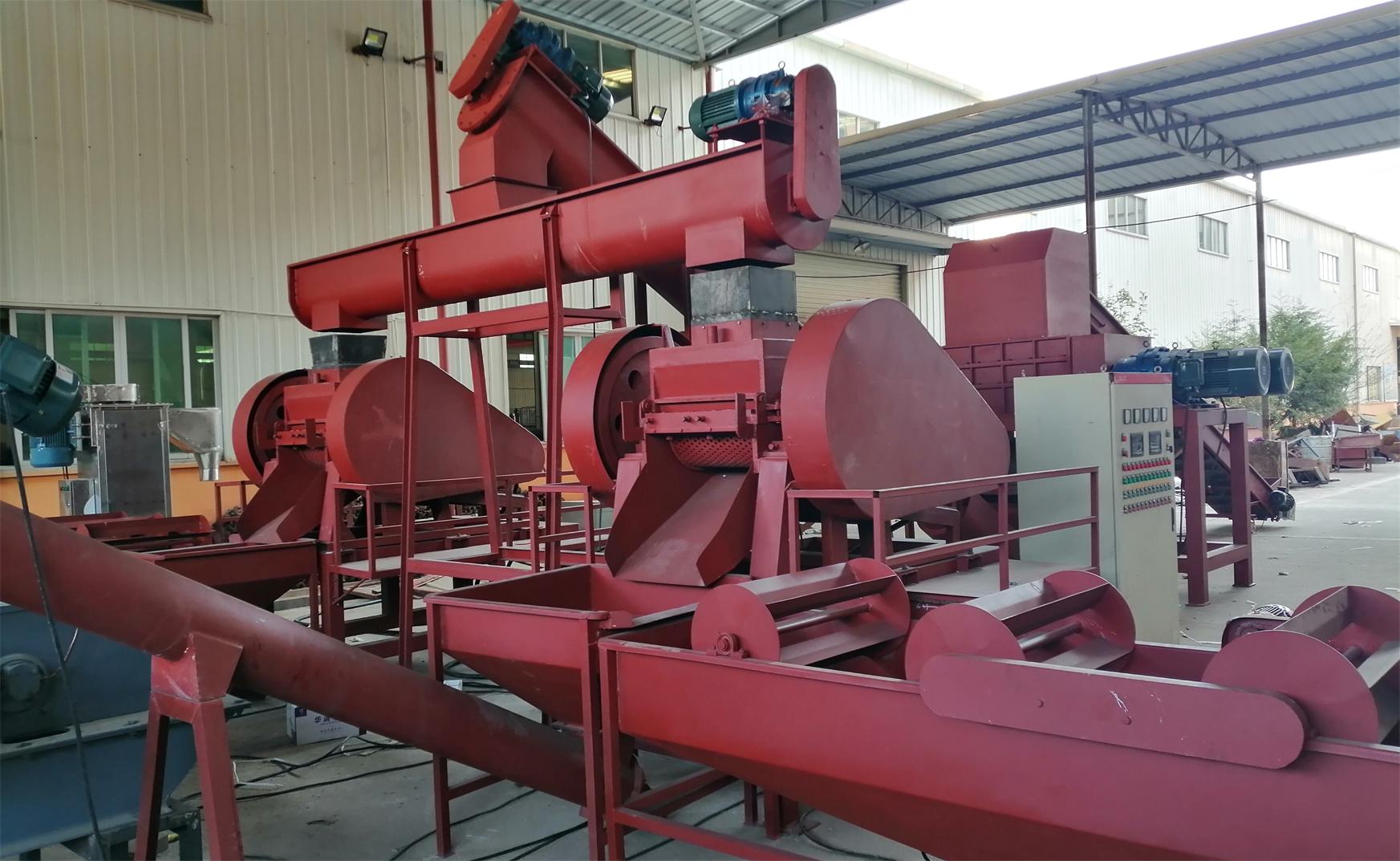
Modern four-axis shredders are never solo acts. They shine brightest when integrated into larger ecosystems:
Conveyor Partnerships
Automated belts hand materials to the shredder like precision relay runners, cutting human handling by 80%.
Magnetic Romance
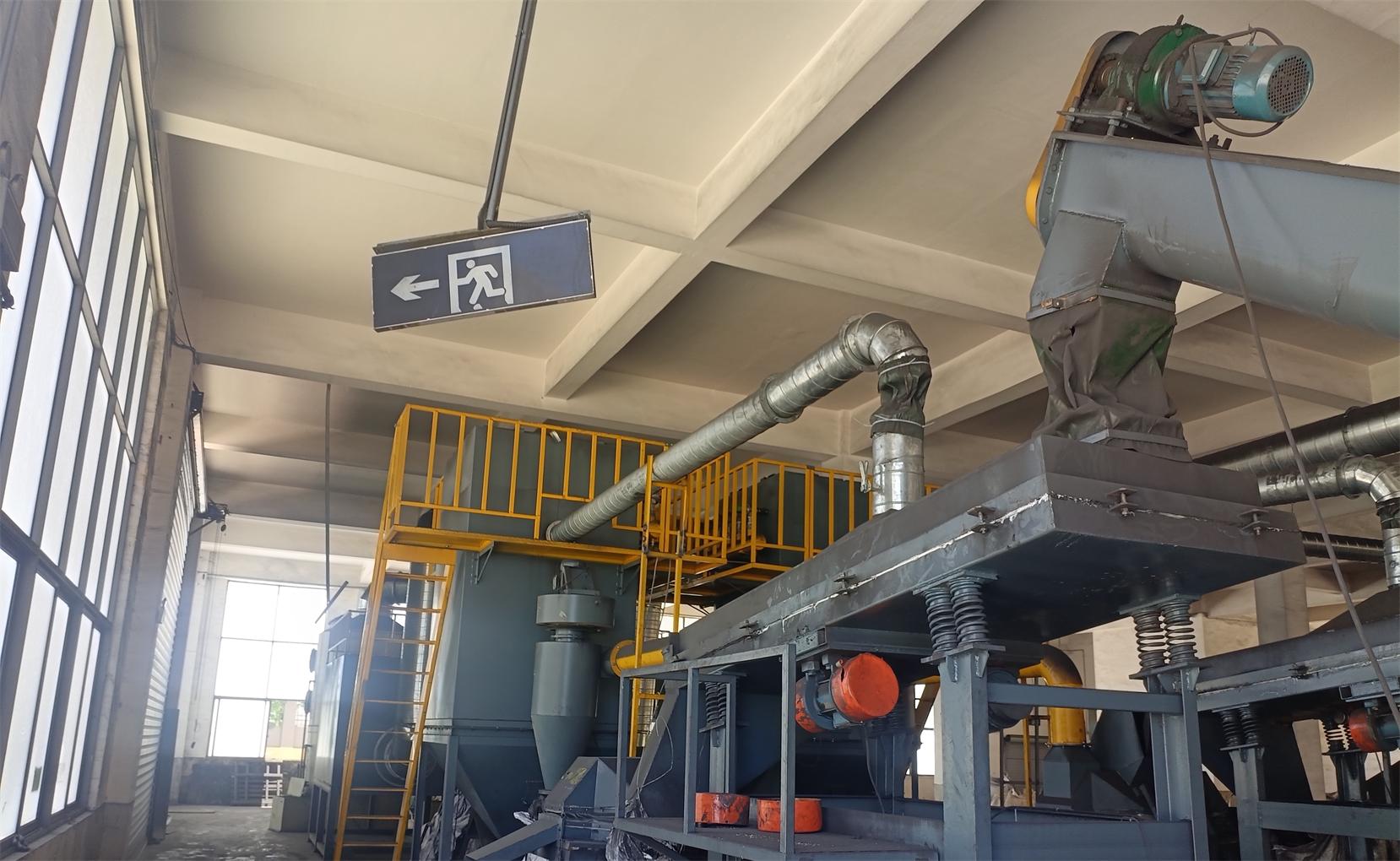
Iron removers pluck ferrous metals mid-process – essential for clean waste-to-energy (WTE) conversion.
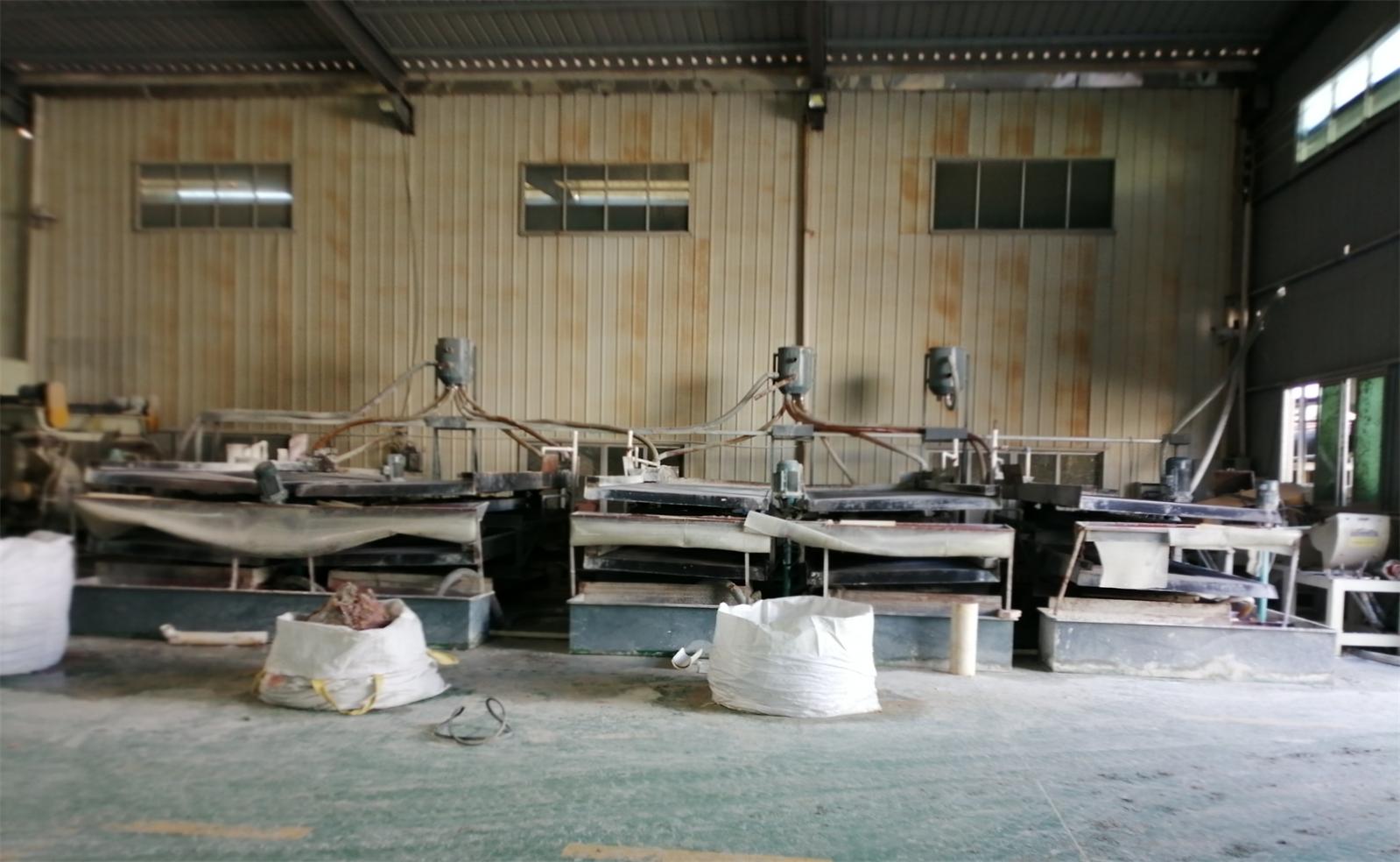
Seismic Separators
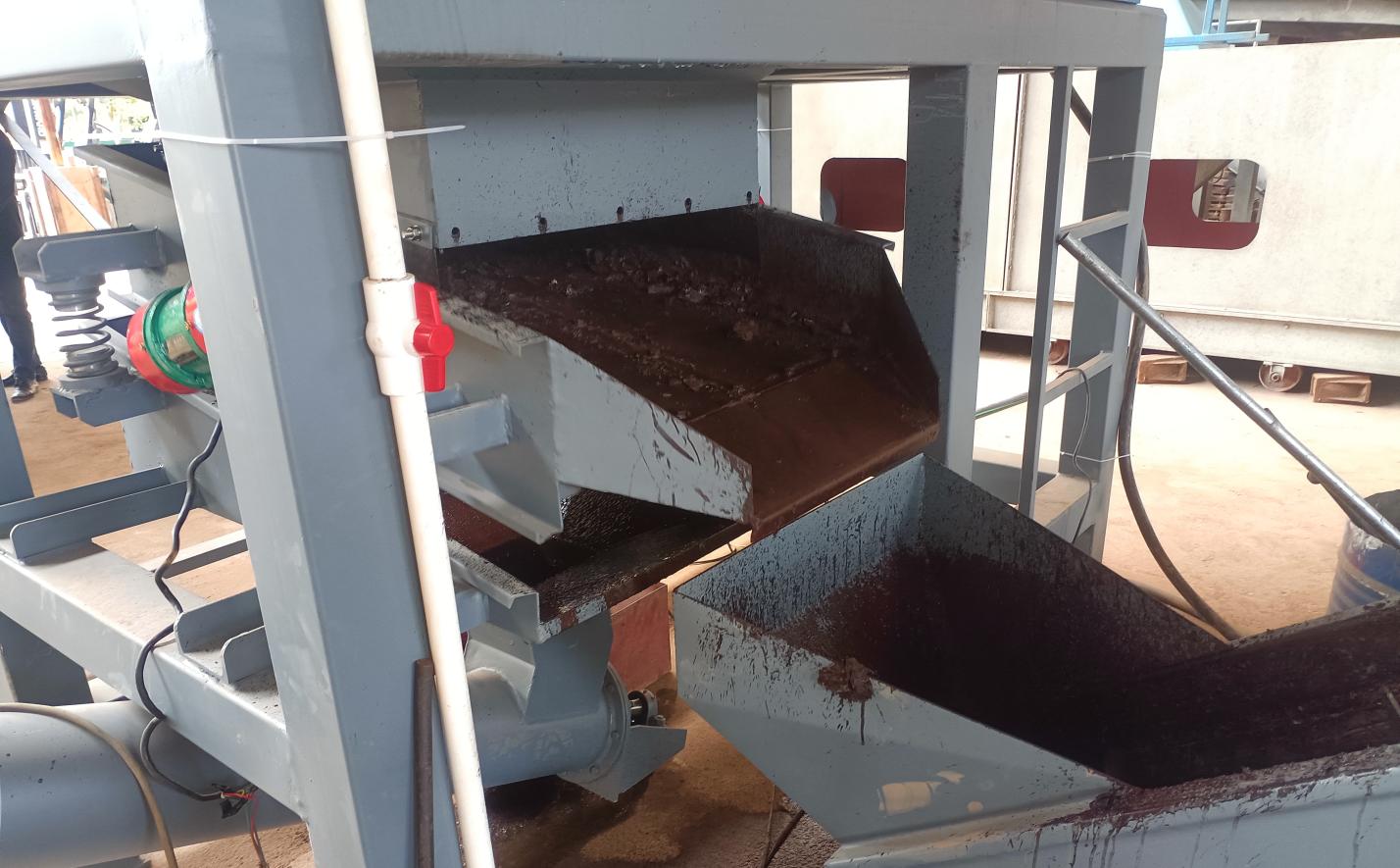
Vibration tables cascade materials like miniature earthquakes, sorting plastics from metals in post-shred chaos.
These integrations transform individual machines into turnkey recycling plants – the true secret behind large-scale operations.
Material Matchmaking: What You Can Feed Them
Versatility defines four-shaft shredders. Here’s what they digest with ease:
| Material | Shredding Approach | Output Size |
|---|---|---|
| E-waste | Precision chip reduction | 8-30mm particles |
| Drum Containers | Compression crushing | Flattened sheets |
| Tire Rubber | Shear-focused tearing | 20mm crumb rubber |
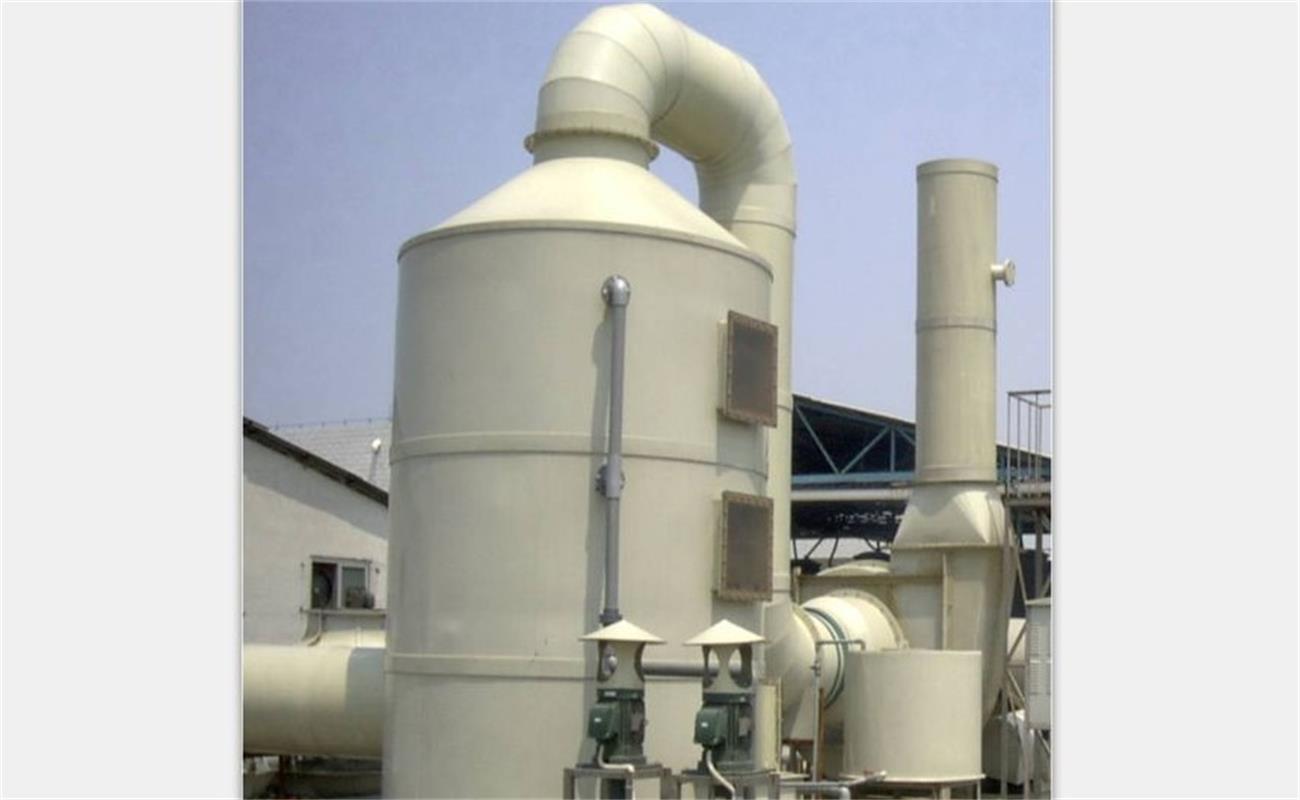
For hazardous waste, sealed chambers prevent leakages – a game-changer for chemical and medical industries prioritizing RDF (refuse-derived fuel) production.
Behind the Curtain: Maintenance Secrets
Longevity comes from smart design choices:
Reversible blades extend life 300% by rotating worn edges automatically.
Central lubrication systems resemble IV drips, steadily oiling bearings during operation.
Remote diagnostics predict failures weeks in advance – like having a shredder therapist on call.
Real-World Impact: Case Studies
XYZ Recycling Solutions slashed processing costs 47% after integrating a QS1016 shredder with metal sorting. Pro tip: They coupled hydraulic motors with mechanical drives for variable shredding – delicate for plastic bottles, beast-mode for engine blocks.
Meanwhile, ABC Metals achieved 99% aluminum purity using screen filters customized to 2mm precision. Their secret? Hard-alloy blades coated with nano-ceramic grinding media for enhanced durability – essential for the intense friction in lithium ore extraction processes.
Future Forward: Next-Gen Innovations
The horizon holds exciting advances:
- AI-driven material identification adjusting shred speed instantly
- Blockchain-tracked particles for certified recycling
- Self-sharpening blades using micro-abrasive surfaces
One thing’s certain: the era of isolated shredders is ending. Tomorrow’s winners will master tool integration.
Bottom line: Four-shaft shredders aren’t just machines – they’re material transformation ecosystems. When combined tools work in concert, they unlock unparalleled efficiency across industries – from scrapping car batteries to processing cathode ray tubes. That’s engineering poetry in motion.