Global electronic waste generation now exceeds 60 million metric tons annually, and discarded printed circuit boards (PCBs) represent one of the most valuable yet challenging fractions to process. A single ton of PCB waste contains more copper than many conventional copper ores, along with trace amounts of gold, silver, palladium, and other precious metals. For recycling entrepreneurs and established waste management companies alike, investing in the right circuit board recycling equipment is the critical first step toward turning this waste stream into a profitable, environmentally responsible operation.
Why Physical Separation Has Replaced Chemical Leaching
Traditional PCB recycling relied heavily on chemical leaching and open burning, methods that release toxic dioxins, lead fumes, and acid runoff. Governments across Europe, Southeast Asia, the Middle East, and Latin America have enacted strict e-waste disposal regulations that ban or heavily penalize these practices. Physical separation technologies have emerged as the industry standard because they recover metals without generating hazardous secondary pollution.
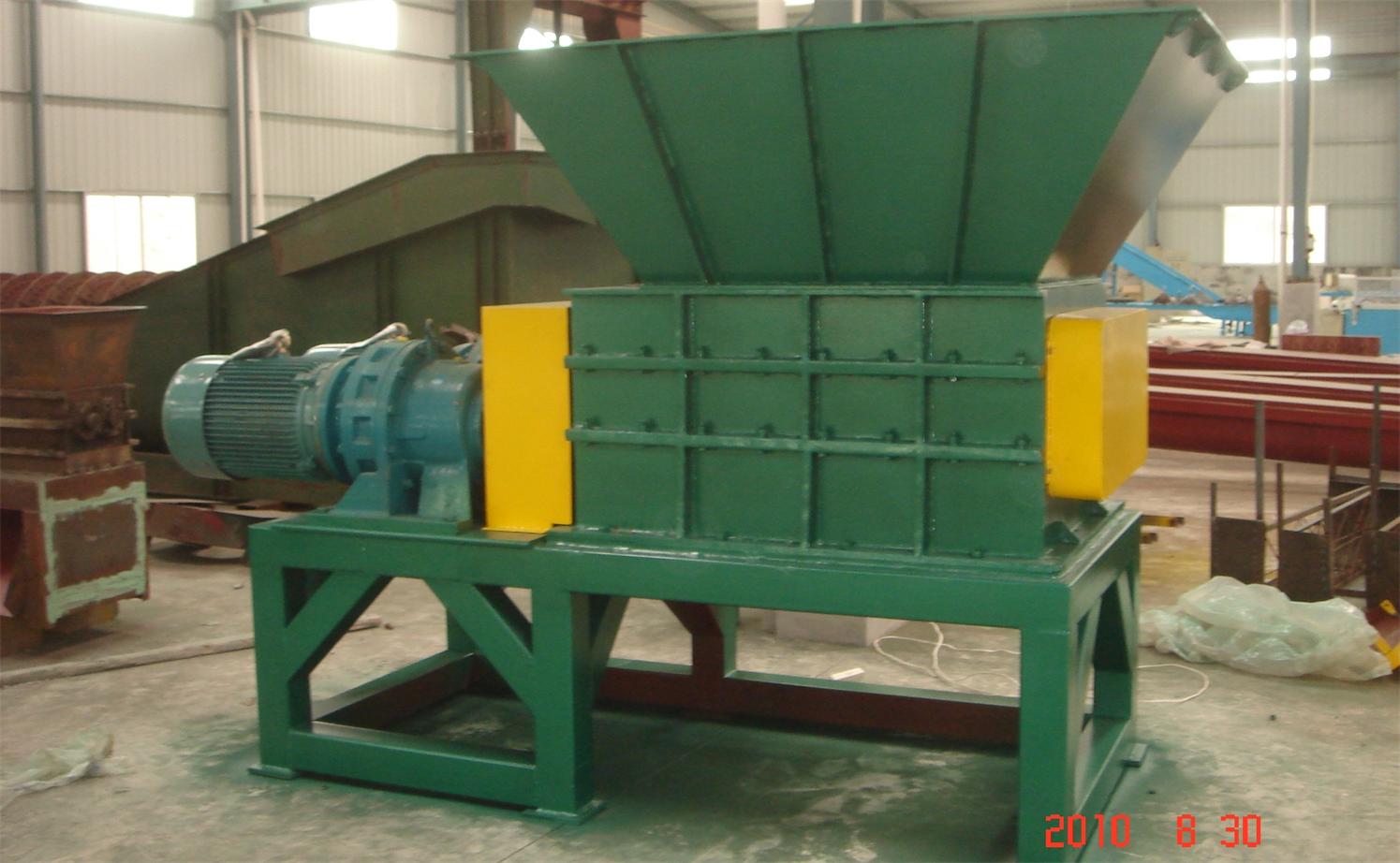
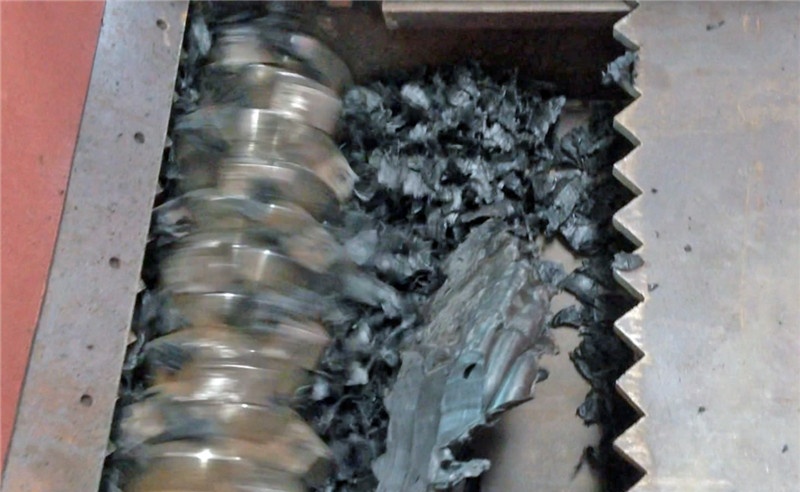
Modern physical separation uses a combination of mechanical crushing, grinding, and multi-stage sorting to isolate metallic fractions from non-metallic resin powder. The two dominant approaches are dry separation (air classification and electrostatic sorting) and wet separation (water-based density separation). Each method offers distinct advantages depending on the scale of operation, local environmental regulations, and the type of PCB feedstock being processed.
Dry vs. Wet Separation: Matching Technology to Your Needs
Understanding the difference between dry and wet process technologies is essential when selecting circuit board recycling equipment for your facility.
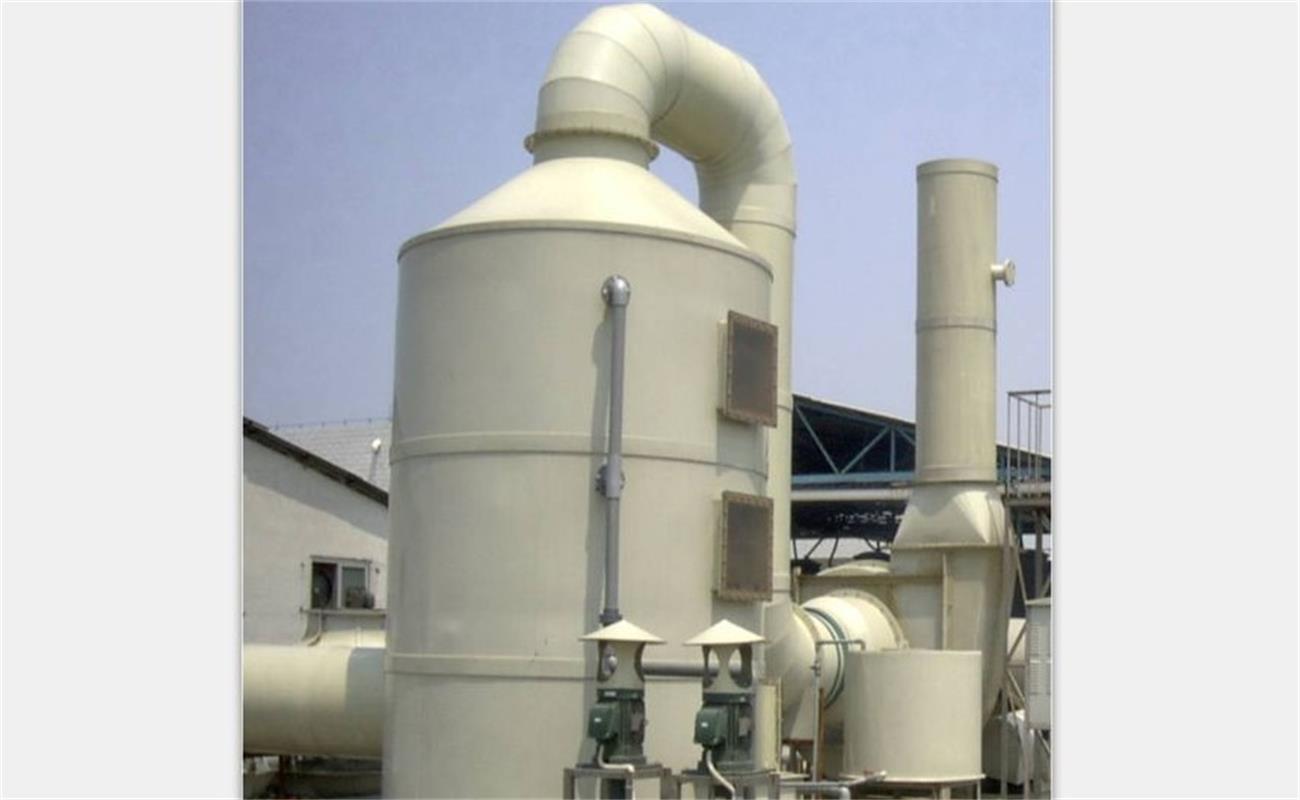
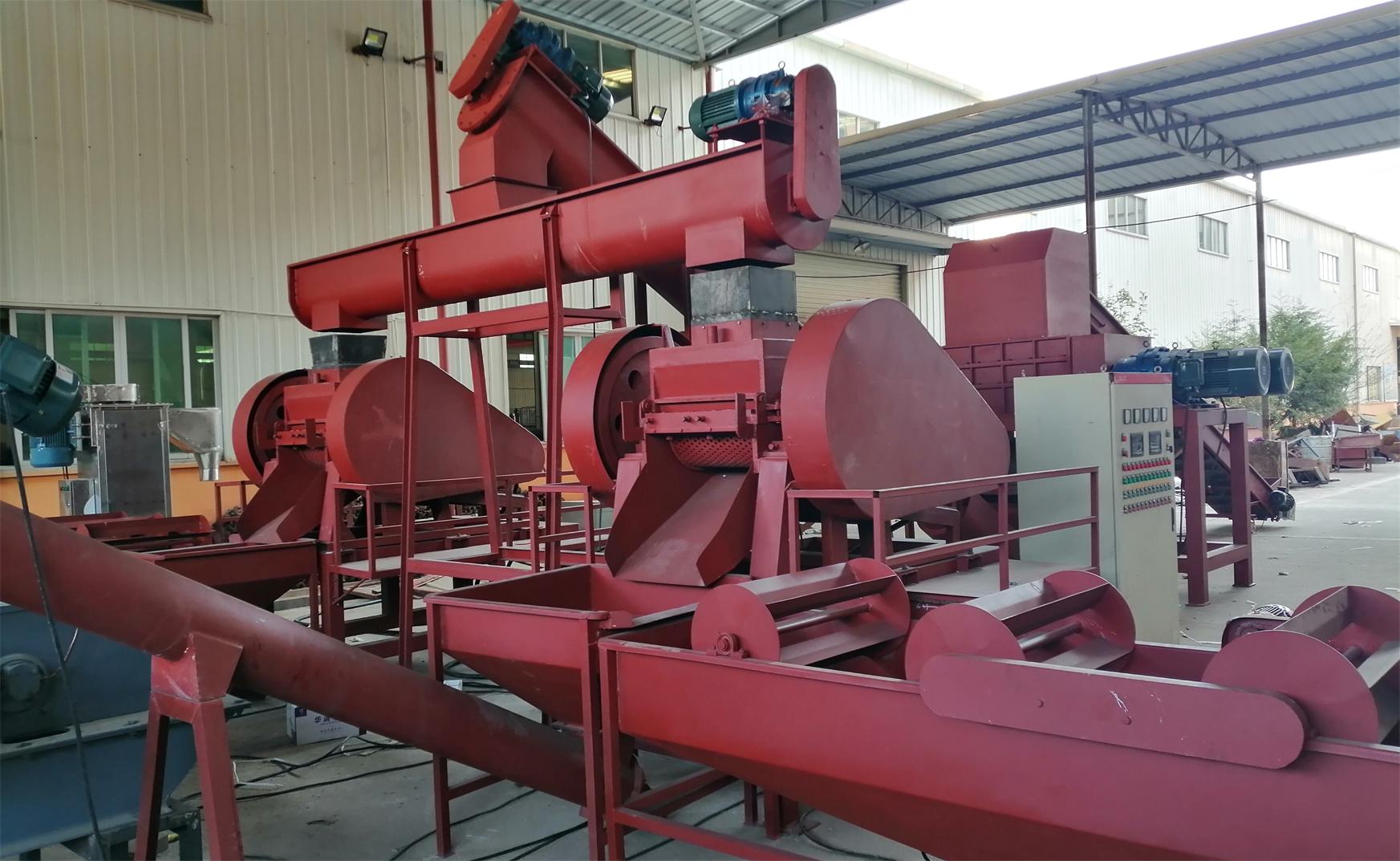
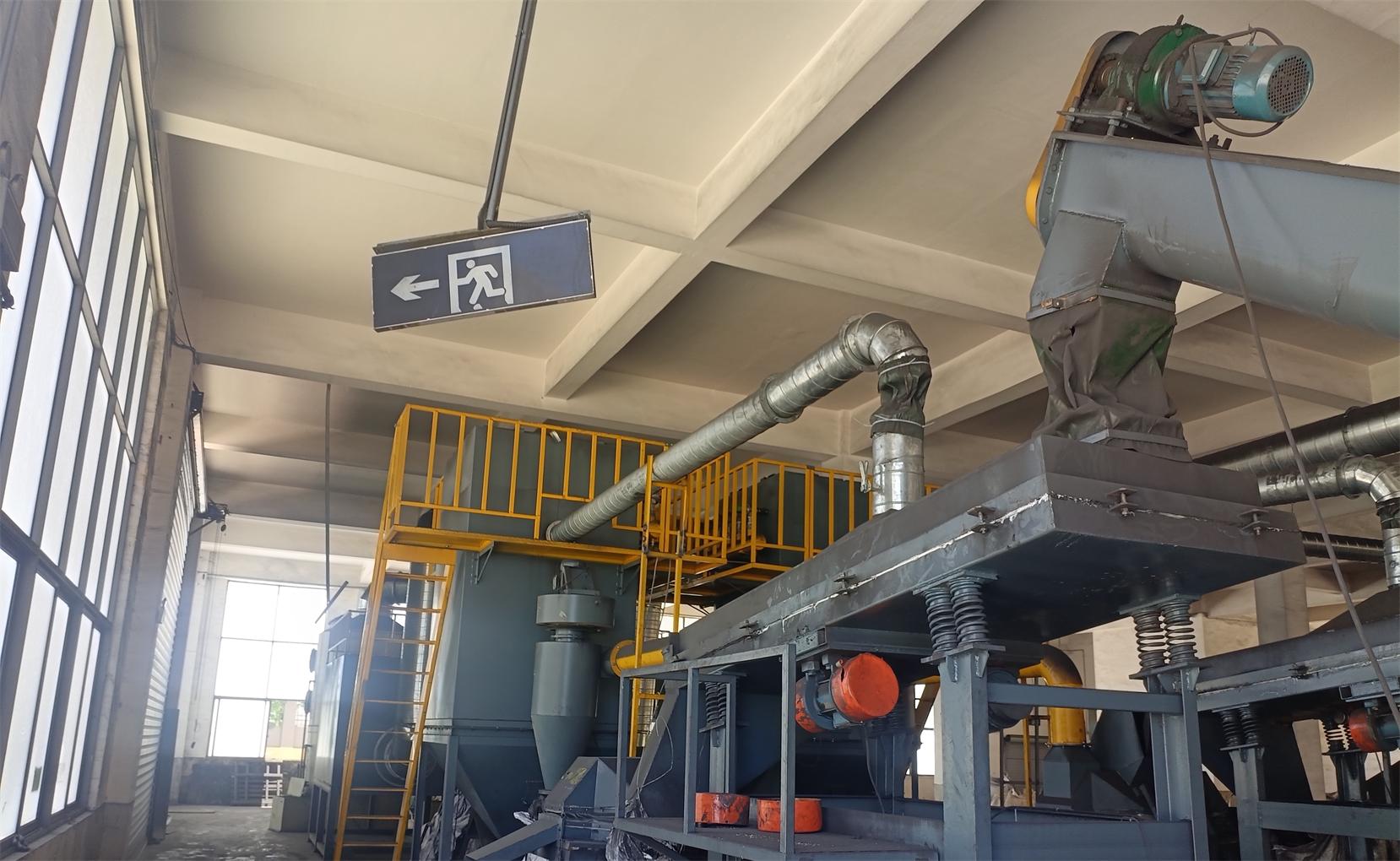
Dry separation uses air classifiers, vibrating screens, cyclone separators, and pulse bag dust collectors to sort crushed PCB material by particle size and density. The key advantage is zero water consumption, making it ideal for regions with water scarcity or strict wastewater discharge rules. Dry process equipment typically achieves copper powder purity of 96-98% with recovery rates around 95%, and the entire line operates as a closed-loop system with no dust emissions.
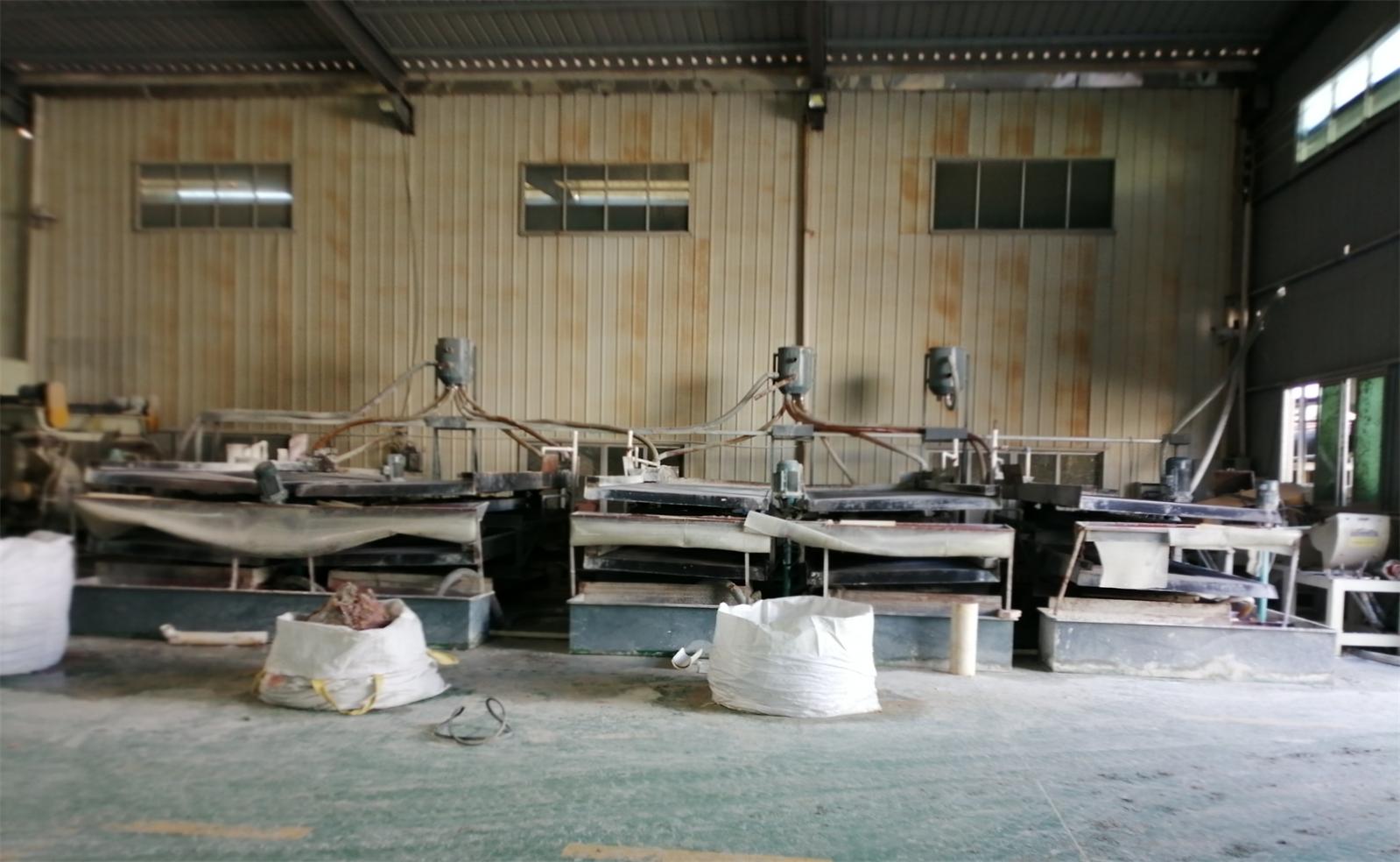
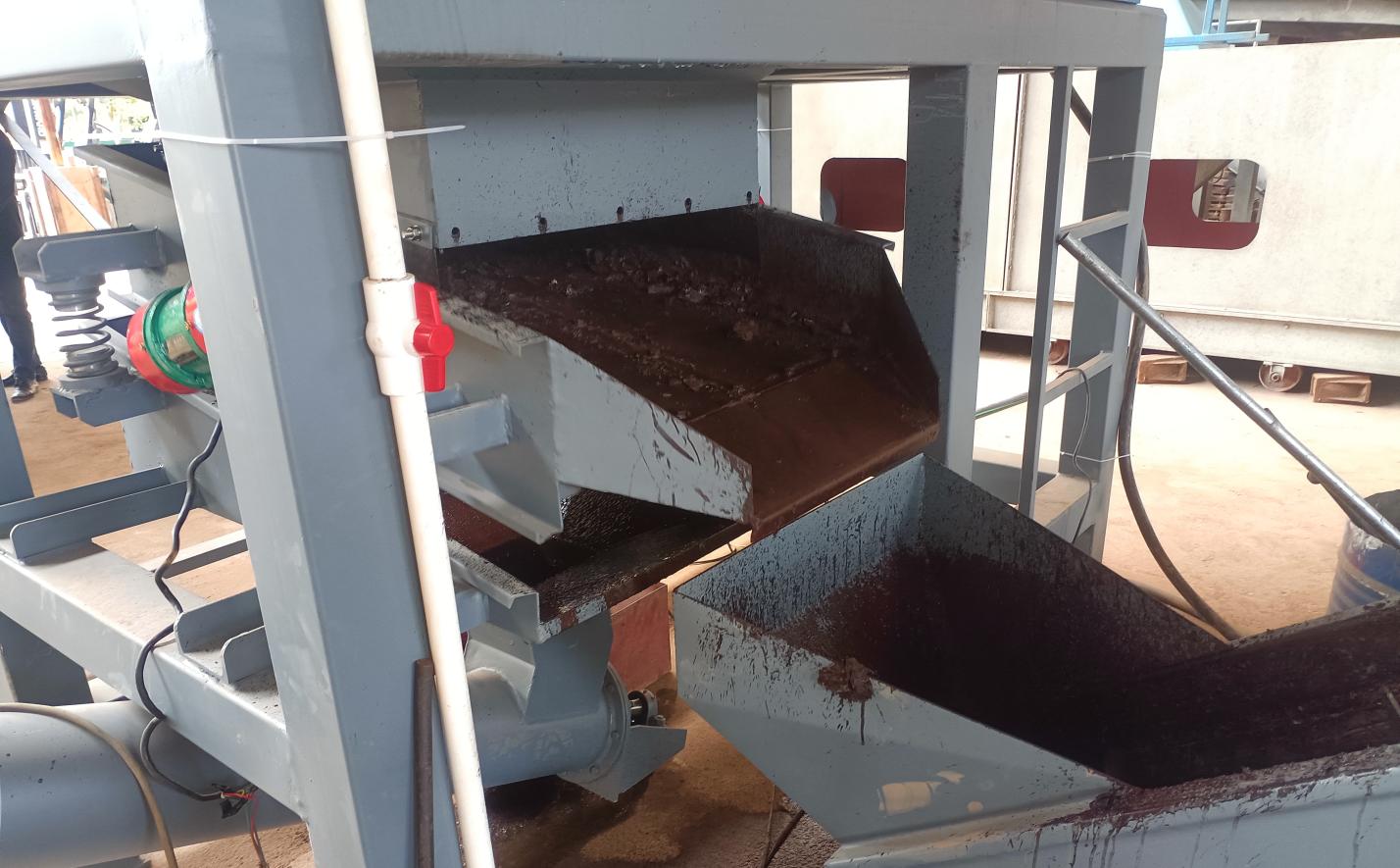
Wet separation relies on water-based density differences to separate metal from non-metal fractions. This method is particularly effective for processing PCBs with electronic components still attached, as the water medium helps dislodge and carry away lighter plastics and ceramics while heavier copper and precious metals settle. Wet process equipment offers stable operation and can handle a broader range of feedstock types, including complex multi-layer boards and populated boards from consumer electronics.
San Lan's Circuit Board Recycling Plant Portfolio
San Lan Technologies Co., Ltd, established in 2007 and headquartered in Jiangxi Province, China, manufactures a comprehensive range of circuit board recycling plants designed for capacities from 300 kg/hour to 2,000 kg/hour. With customers in more than 21 countries across Asia, Africa, Latin America, and the Middle East, San Lan has refined its equipment designs through real-world installation and commissioning experience.
| Model | Capacity | Separation Method | Key Features |
|---|---|---|---|
| WCBD-300A | 300-500 kg/hour | Dry (air + electrostatic) | Compact footprint, ideal for small workshops and startups |
| WCB-005C | 500 kg/hour | Wet (water metal separator) | 4-6 MT/day capacity; handles PCBs with components attached |
| WCBD-1000A | 1,000 kg/hour | Dry (air separator) | 95% recovery rate; copper powder purity 96-98% |
| WCB-1000C | 1,000 kg/hour | Wet separator | Mechanical automated process, stable and easy to operate |
| WCBD-2000A | 2,000 kg/hour | Dry (3rd generation air separation) | Large-scale industrial line with cyclone and pulse dust collector |
| WCB-2000C | 2,000 kg/hour | Wet separator | Customizable from 300-5,000 kg/hour; heavy-duty continuous operation |
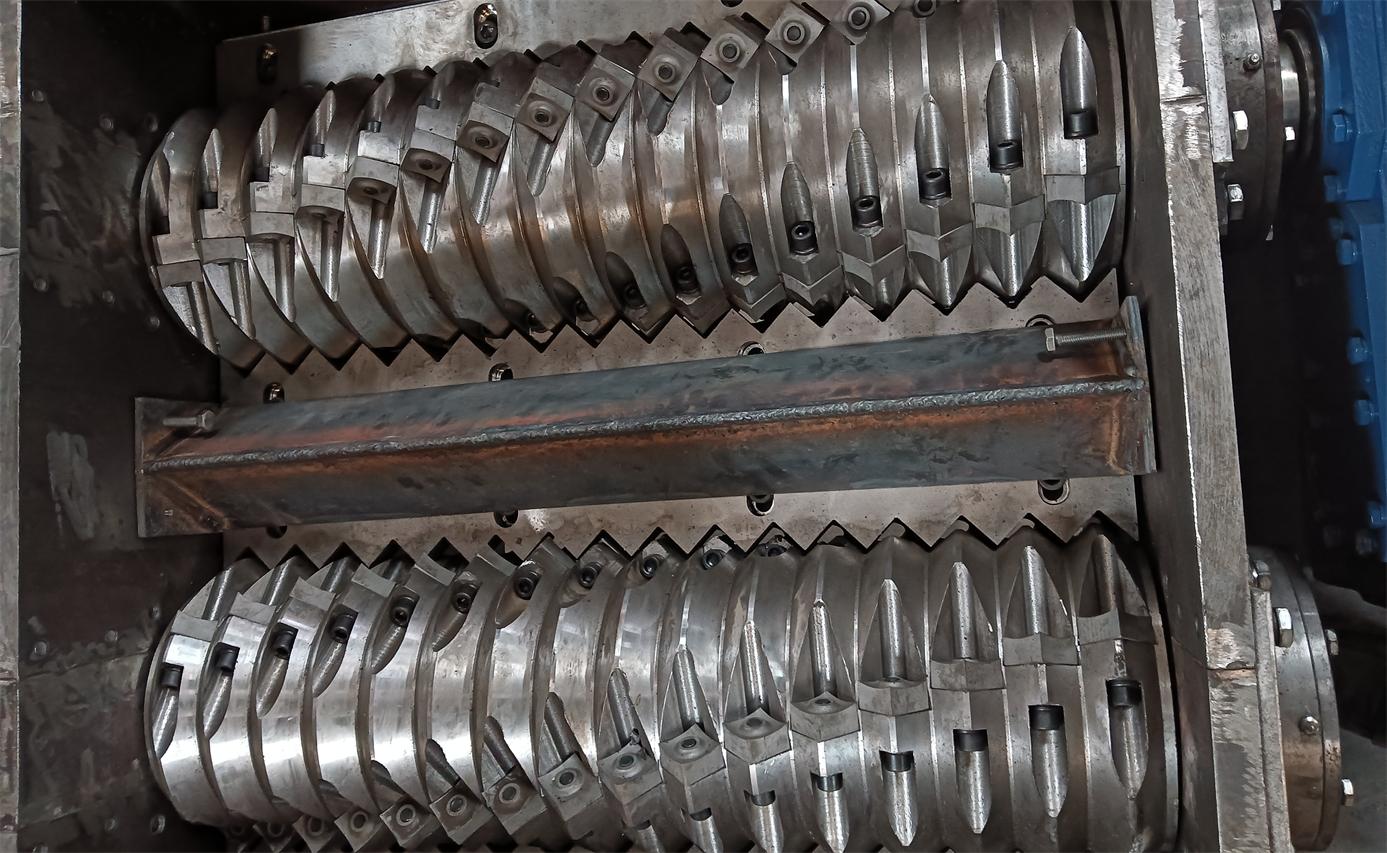
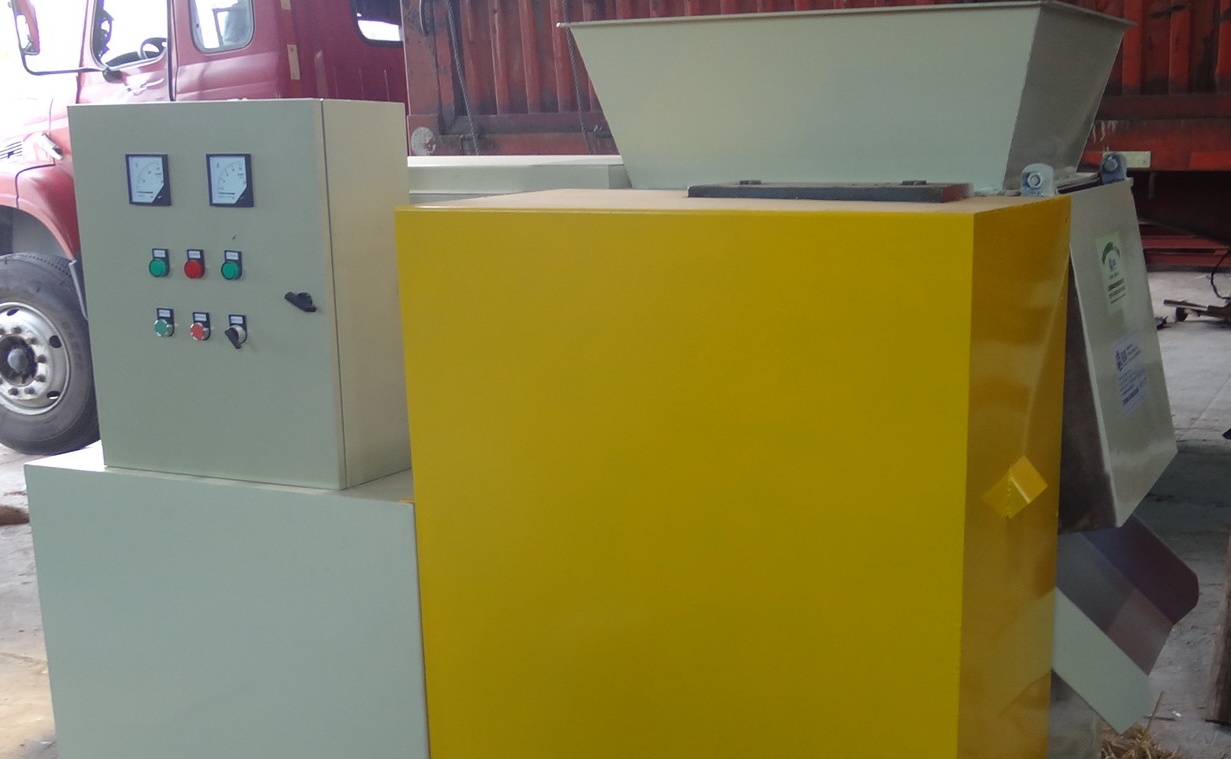
All San Lan circuit board recycling equipment is built with wear-resistant alloy steel crushing blades and high-precision sorting modules. Before delivery, each unit undergoes load testing, dust sealing inspection, and voltage adaptation debugging to match local power standards.
Beyond Equipment: End-to-End Project Support
Purchasing recycling machinery is only one part of building a successful operation. San Lan differentiates itself through comprehensive value-added services that many equipment-only suppliers cannot match. The company's technical team includes mechanical engineers with over 15 years of experience in e-waste recycling machine design and EPC (Engineering, Procurement, Construction) project execution.
For new market entrants, San Lan provides onsite installation and commissioning, operator training, and remote technical support. The company also assists customers in sourcing raw material feedstock such as PCB scrap and cable scrap, and helps market the recovered output products including copper powder, copper rice, and precious metal concentrates. This integrated approach reduces the operational risks that often derail first-time recycling ventures.
What to Look for When Buying Circuit Board Recycling Equipment
When evaluating suppliers, consider the following factors that directly affect long-term profitability:
- Recovery rate and purity: Insist on documented performance data. San Lan's dry separation lines achieve 95% metal recovery with 96-98% copper powder purity.
- Dust and emission control: Ensure the system includes pulse bag dust collectors or equivalent air pollution control to meet local environmental standards.
- Modular scalability: Choose equipment that allows capacity expansion without complete replacement. San Lan designs its plants with modular upstream and downstream components.
- Spare parts availability: Confirm the supplier stocks critical wear parts such as crushing blades, screens, and conveyor belts.
- Voltage and language customization: For international buyers, verify that control panels and electrical systems can be adapted to local voltage and operator language.
With nearly two decades of manufacturing experience and installations across 21 countries, San Lan Technologies Co., Ltd delivers reliable circuit board recycling equipment backed by comprehensive project support. Whether you need a compact 300 kg/hour dry separation line for a startup workshop or a fully automated 2,000 kg/hour wet separation plant for industrial-scale operation, San Lan can customize a solution to match your feedstock, budget, and regulatory environment.
Contact the San Lan team today to discuss your project requirements, request a detailed quotation, or schedule a factory visit.
- Email: curbing888@hotmail.com / info@san-lan.com
- WhatsApp: +86 139 2377 4083
- Mobile: +86 139 2377 4083
- Skype: curbing.jiang
- Website: www.san-lan.com