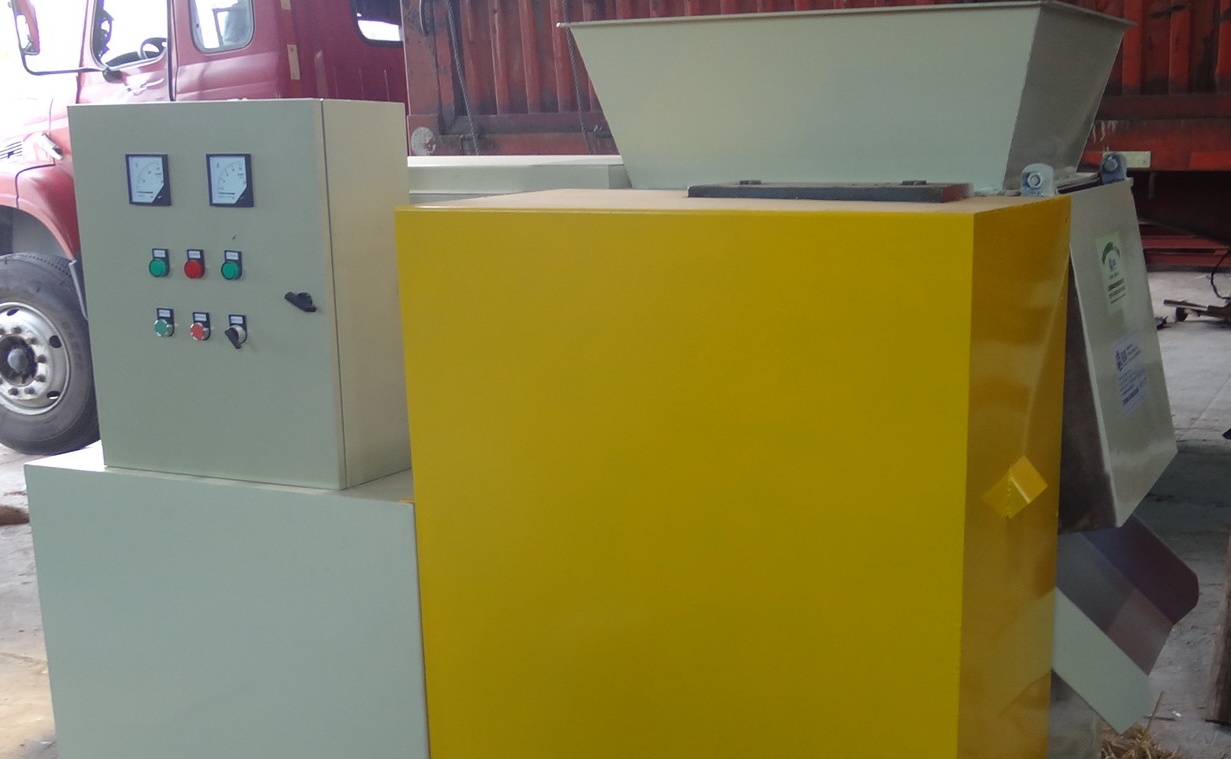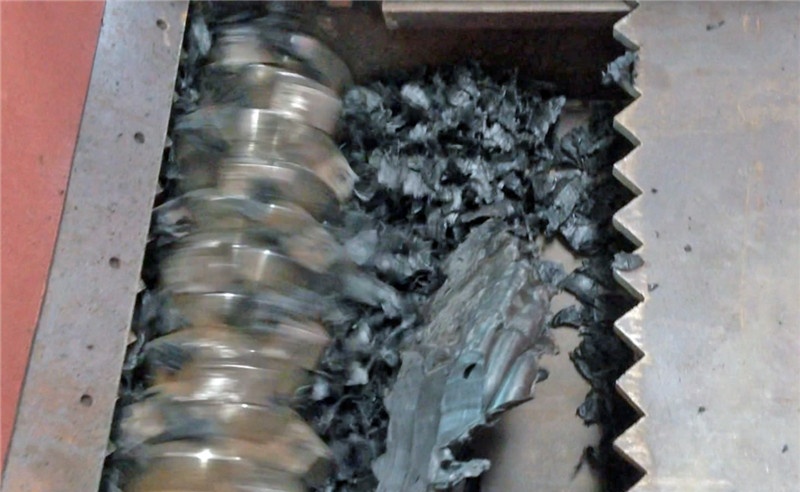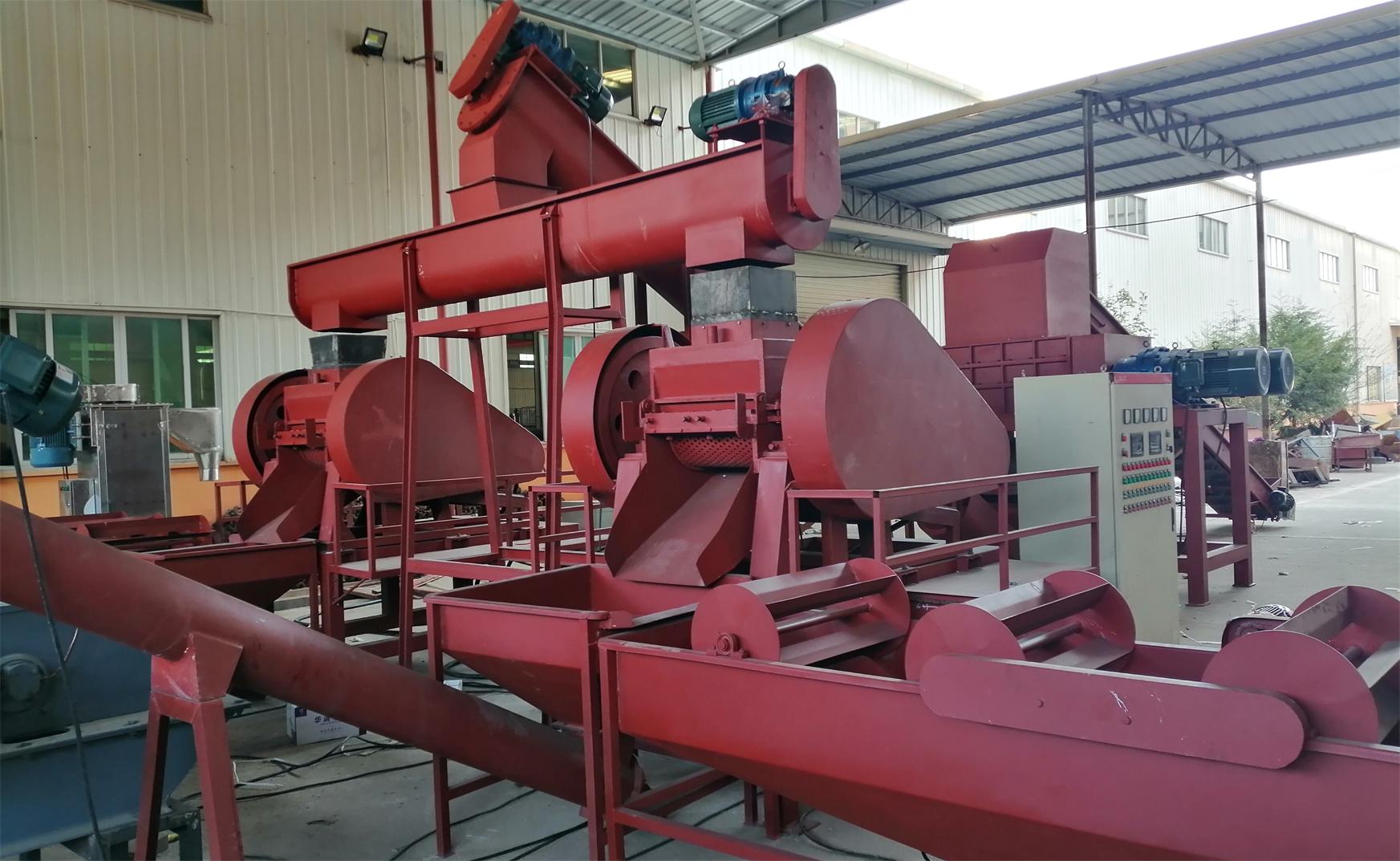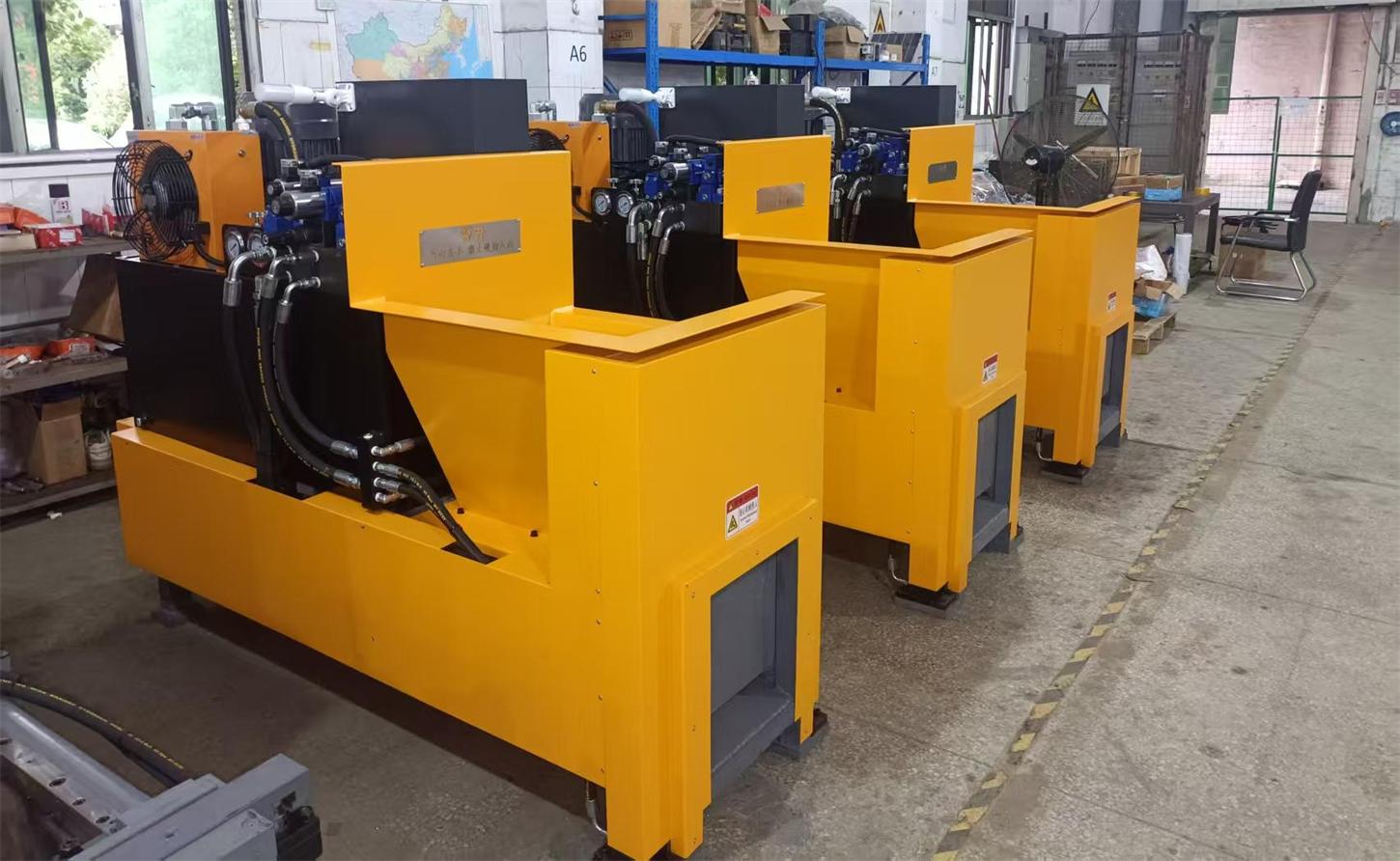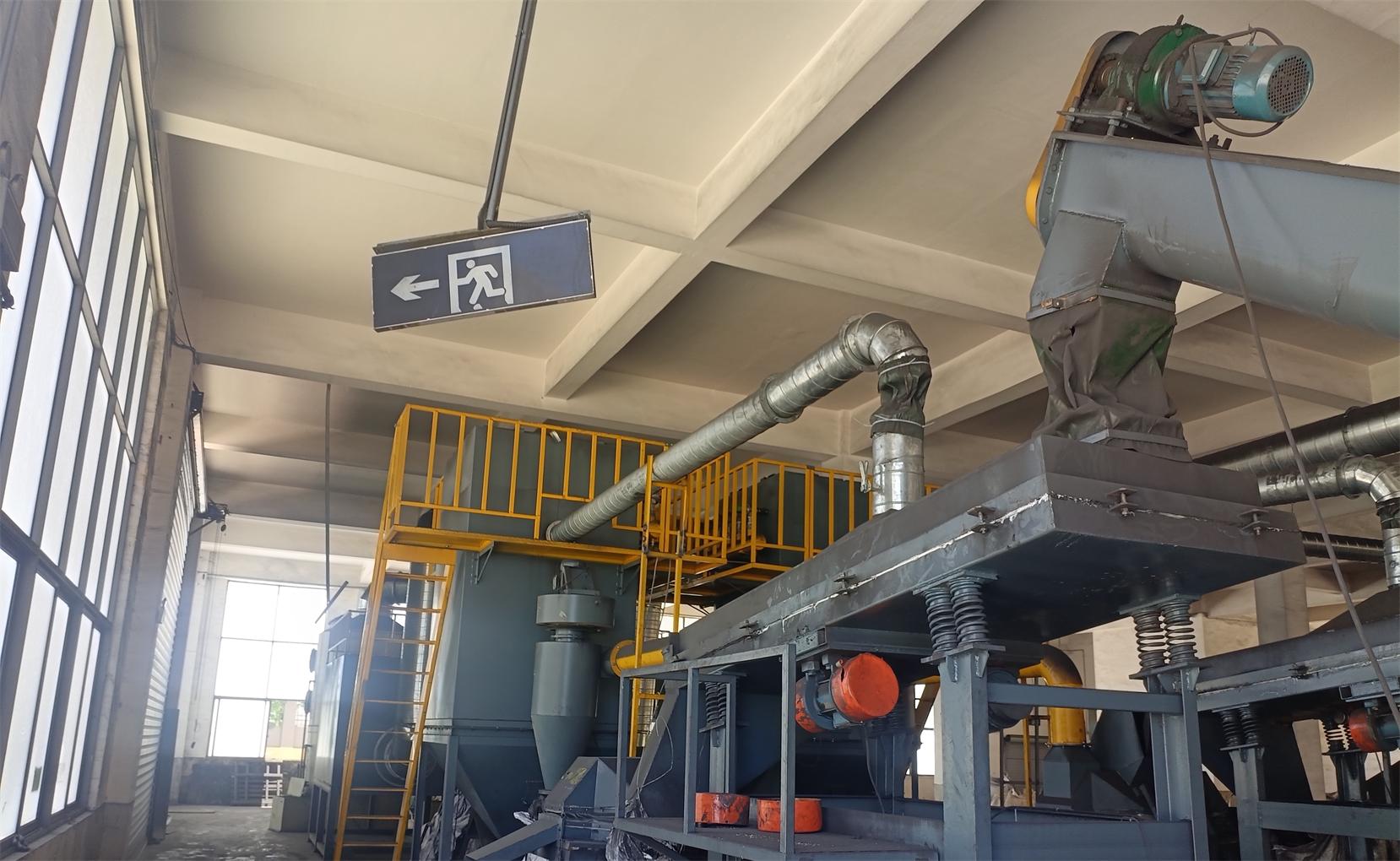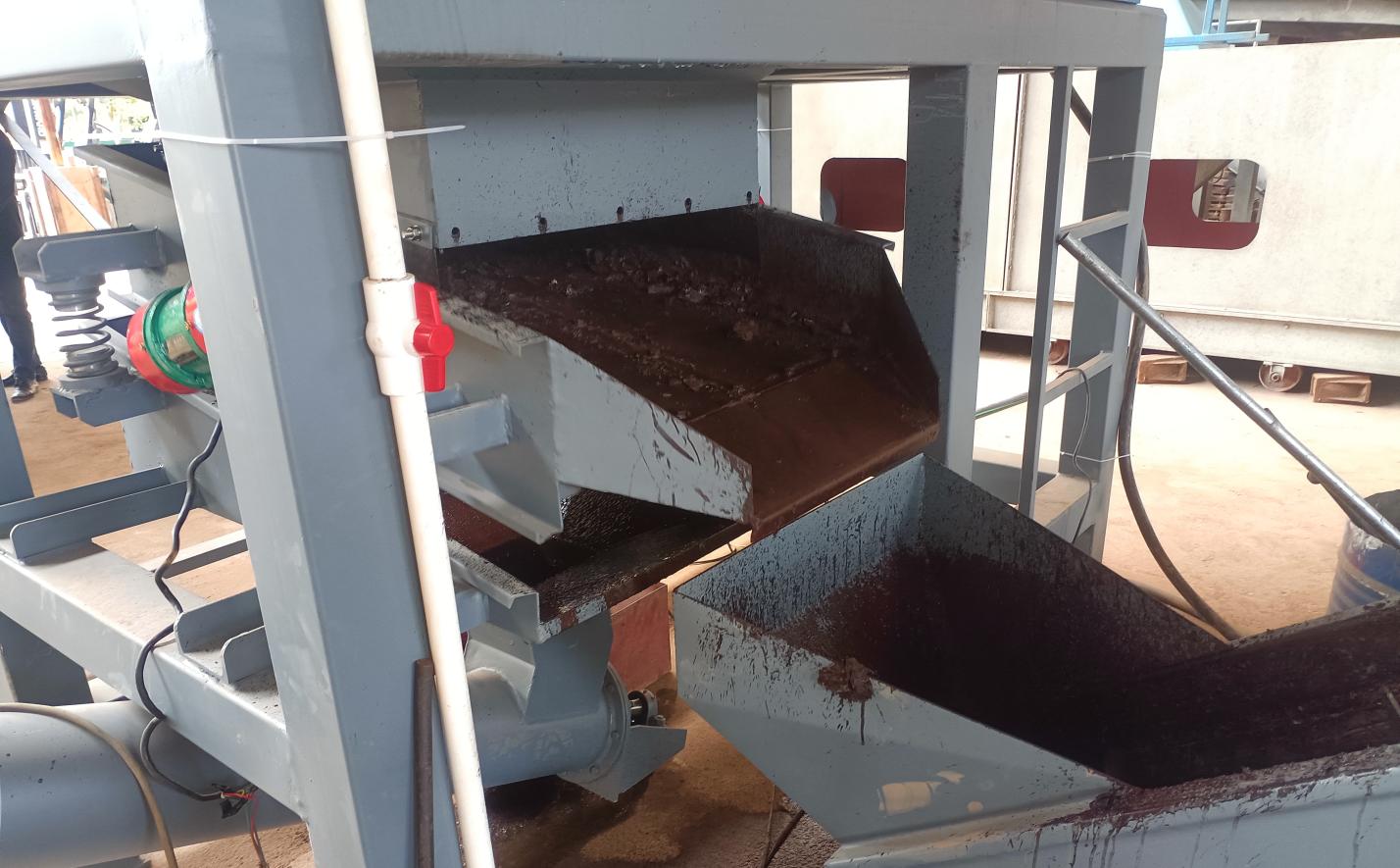
If you’ve ever walked into a metal workshop, recycling yard, or manufacturing plant, you’ve probably seen piles of loose scrap—metal shavings, powder, or small bits of leftover material. They take up space, are messy to handle, and honestly? They’re kind of a hassle. That’s where hydraulic briquetting presses come in. These machines take that loose, unruly scrap and squeeze it into dense, solid briquettes—making storage, transport, and even resale way easier. But with so many options out there, how do you pick the right one? Let’s break this down like we’re chatting over a cup of coffee—no jargon, just real talk about what works for different needs.
First Off: What Even Is a Hydraulic Briquetting Press?
Let’s start with the basics. A hydraulic briquetting press uses hydraulic pressure to compress loose materials into briquettes. Think of it like a super-powered vice: you load the material into a chamber, hit a button (or pull a lever, if it’s manual), and the machine pushes down with tons of force—turning fluffy metal powder into a hard, brick-like block. These briquettes are easier to stack, don’t scatter everywhere, and can even be sold back to foundries or smelters for recycling. They’re not just for metal, either—some models handle plastics, biomass, or even coal dust. But today, we’re focusing on the ones that shine with metal scrap, since that’s where they’re most commonly used.
Quick Example: A small machine shop might generate 50kg of aluminum shavings daily. Left loose, that’s a big bin taking up floor space. With a briquetting press, that 50kg becomes 10-12 compact briquettes—stackable, clean, and ready to sell to a recycler for extra cash. Win-win.
The Big Question: Fixed vs. Portable—Which Fits Your Space?
The first split in the hydraulic briquetter world is between fixed and portable models. Let’s talk about who each is for, because your workshop size and workflow will make this decision pretty clear.
Fixed Hydraulic Briquetting Machines: For the Heavy Hitters
Fixed models are the workhorses. They’re bolted to the floor, plugged into a dedicated power source, and built to run all day, every day. If you’re a medium-to-large factory, a recycling plant, or a shop that generates tons of scrap (literally), this is your crew. They come in bigger sizes, with higher pressure (we’re talking 100 tons up to 500+ tons) and higher production capacities—some can crank out 500kg of briquettes per hour or more. They’re not cheap, but they pay for themselves fast if you’ve got the volume.
Here’s the catch: they need space. We’re talking a dedicated corner (or more) of your shop, with room to load material, unload briquettes, and service the machine. They also usually need 3-phase power, which some smaller shops might not have. But if you’re processing metal powder, scrap chunks, or even aluminum dross in bulk? A fixed hydraulic briquetting machine equipment is non-negotiable.
Portable Briquetting Machines: For the Small Shops & On-the-Go Folks
Now, if your operation is on the smaller side—maybe a home workshop, a garage-based business, or a job site where you need to process scrap right where it’s generated—portable models are where it’s at. These are compact, lightweight (well, “lightweight” for a machine that squishes metal—some weigh 200-500kg), and often run on standard 1-phase electricity. You can wheel them around with a pallet jack, plug them into a regular outlet, and get to work without rearranging your entire shop.
Portable doesn’t mean “weak,” though. Many models still pack a punch—50-100 tons of pressure—and can handle 20-100kg of material per hour. They’re perfect for shops that generate scrap in small, steady amounts, or for folks who need to briquette in multiple locations. Let’s talk about a few specific portable models to make this concrete—because numbers help, right?
Spotlight: Portable Models Worth Considering
Portable briquette machines come in a few flavors, but three models that pop up often are the PHBM-002, PHBM-003, and PHBM-004. Let’s compare them side by side to see what makes each tick.
| Feature | PHBM-002 | PHBM-003 | PHBM-004 |
|---|---|---|---|
| Pressure | 50 tons | 75 tons | 100 tons |
| Capacity (Metal Powder) | 20-30 kg/h | 30-50 kg/h | 50-80 kg/h |
| Power Requirement | 220V, 1-phase | 220V, 1-phase | 380V, 3-phase* |
| Weight | ~250 kg | ~350 kg | ~450 kg |
| Best For | Small shops, low volume (aluminum/bronze powder) | Medium small shops, mixed scrap (steel shavings + powder) | Larger small shops, high-density materials (iron powder, heavy scrap) |
*The PHBM-004 can sometimes be ordered with a 220V conversion, but it’s less common—something to check with suppliers.
So, who would pick which? Let’s say you run a jewelry workshop, dealing with small amounts of gold or silver scrap. The PHBM-002 is probably enough—you don’t need 100 tons of pressure for tiny metal flakes, and 20kg/h is more than enough for your daily output. On the flip side, if you’re a machine shop that mills steel parts all day, generating 40-50kg of steel shavings daily, the PHBM-003 makes sense—it has more pressure to compact the denser steel, and 30-50kg/h means you can process a day’s scrap in an hour. The PHBM-004? That’s for someone like a small recycling yard that handles mixed metal powder—iron, copper, maybe even some nickel. You need the extra pressure to get those briquettes rock-solid, and 50-80kg/h keeps up with your daily intake.
Key Things to Ask Yourself Before Buying
Okay, so we’ve covered the big categories (fixed vs. portable) and even looked at specific models. But before you swipe your card, let’s get personal. Ask yourself these questions—they’ll narrow down your options faster than anything else.
1. What Material Are You Briquetting?
Not all materials are created equal. Aluminum shavings are fluffy and compress easily—you might get away with a lower-pressure machine. Iron powder, though? It’s dense, so you need more force to get a tight briquette. The same goes for copper or brass scrap—they’re heavier, so higher pressure = better results. If you’re mixing materials (like aluminum and steel), go for a machine with adjustable pressure settings—some models let you tweak the force based on what you’re loading.
2. How Much Material Do You Process Daily ?
Let’s do some quick math. Suppose you generate 100kg of metal scrap per day. If you run your press for 2 hours, you need a capacity of at least 50kg/h. If you only have 1 hour a day to dedicate to briquetting, you need 100kg/h. Portable models top out around 80-100kg/h (like the PHBM-004), while fixed models can hit 500kg/h or more. Don’t overbuy—if you only need 30kg/h, a huge fixed machine is just wasted space and money. But don’t undershoot either—waiting hours to process a day’s scrap gets old fast.
3. Where Will This Machine Live?
Space is a big deal. Measure your workshop before you fall in love with a model! A portable machine like the PHBM-002 is about the size of a small fridge—1m x 0.8m x 1.2m (LxWxH). A fixed industrial model? It could be 3m long and 2m tall. Also, think about access: can you easily load material into the hopper? Will the briquettes drop into a bin that’s easy to move? And don’t forget power—if your shop only has 220V single-phase, the PHBM-004 (which often needs 3-phase) is off the table unless you’re willing to upgrade your electrical system (which is pricey).
4. What’s Your Budget?
Let’s be real—these machines aren’t cheap. Portable models start around $5,000-$10,000 (PHBM-002 is on the lower end, PHBM-004 on the higher). Fixed models? $20,000 and up, easy. But think of it as an investment. If you’re paying to haul away scrap, or losing money because loose scrap is hard to sell, a briquetting press can cut those costs. For example, a scrap yard might pay $0.50/kg for loose aluminum shavings, but $0.80/kg for briquettes because they’re easier to melt. If you process 100kg/day, that’s an extra $30/day—over a year, that’s $10,950. Suddenly, that $8,000 portable press pays for itself in 9 months.
Pro Tip: Don’t just look at the sticker price. Ask about maintenance costs—cheaper machines might use lower-quality seals or pumps that need replacing more often. A $7,000 press that needs $2,000 in repairs yearly isn’t better than a $10,000 one that runs smoothly for 5 years.
Real-World Scenarios: Let’s Match Machines to People
Sometimes examples help more than lists. Let’s walk through three different shops and see which press would work best for each.
Scenario 1: The Hobbyist Metalworker
Meet Maria. She runs a small metal art studio out of her garage, making custom sculptures and jewelry. She generates about 10-15kg of copper and bronze shavings weekly. Her space is tight—she has a workbench, a small lathe, and that’s about it. She’s on a home electrical system (220V, single-phase) and doesn’t want to spend a fortune.
Best Pick: PHBM-002. It’s small enough to tuck in the corner, runs on her existing power, and 20-30kg/h is way more than she needs (she’d only run it once a week for 30 minutes). At $5,000-$6,000, it’s affordable, and the briquettes will keep her studio from looking like a copper snow globe.
Scenario 2: The Medium-Sized Machine Shop
Now, meet Raj. He owns a shop with 5 CNC mills, making parts for automotive clients. They generate 80-100kg of steel and aluminum shavings daily. They have a dedicated corner for scrap processing, 3-phase power, and need something that can keep up with daily output. They want to sell the briquettes to a local foundry for extra income.
Best Pick: A mid-range fixed hydraulic briquetting machine. Think 150-200 tons of pressure, 100-150kg/h capacity. It’s bigger, but they have the space, and the higher pressure means denser briquettes (which the foundry will pay more for). Price? $25,000-$35,000, but with 100kg/day at $0.30/kg extra for briquettes, they’ll net $10,950/year—payback in 2-3 years.
Scenario 3: The On-Site Recycling Crew
Finally, meet the team at GreenScrap, a mobile recycling service that goes to construction sites to collect metal scrap. They need a machine they can load onto a truck, set up on-site, and process scrap right there—no hauling loose material back to their yard. They deal with mixed scrap: iron powder, steel cuttings, and aluminum bits, up to 200kg/day.
Best Pick: PHBM-003 or PHBM-004 (if they have a generator with enough power). The PHBM-003 is portable enough to truck around, handles 30-50kg/h, and the 75 tons of pressure works for mixed metals. They can process 200kg in 4-5 hours on-site, load the briquettes into bins, and head home with a clean truck.
Maintenance: Keep It Running Smoothly
No matter which press you choose, it needs a little TLC to last. Here’s the lowdown on keeping it in shape:
- Check the Hydraulic Fluid: Low or dirty fluid causes poor pressure and can damage the pump. Top it up with the manufacturer’s recommended fluid (usually ISO 46 hydraulic oil) and change it every 6-12 months.
- Inspect Seals and Hoses: Leaks are a red flag. If you see fluid dripping, replace the seals ASAP—they’re cheap, but letting leaks go can ruin the pump.
- Clean the Mold: Metal powder and shavings can stick to the mold, making briquettes uneven. Wipe it down with a cloth after each use, and use a mild solvent if there’s buildup.
- Lubricate Moving Parts: The ram (the part that presses down) and hinges need grease. A little squirt every week keeps things moving smoothly.
- Test Briquette Hardness: If your briquettes crumble easily, the pressure might be too low, or the mold is worn. Adjust the pressure first—if that doesn’t work, replace the mold.
Final Thoughts: There’s No “Best” Machine—Only the Best for You
At the end of the day, choosing a hydraulic briquetting press isn’t about picking the most expensive or the most powerful. It’s about matching the machine to your specific needs: what material you’re pressing, how much you generate, where you’ll put it, and how much you can spend. Portable models like the PHBM-002 or PHBM-003 are game-changers for small to medium shops with limited space. Fixed models shine in large-scale operations where volume and speed matter most.
My best advice? Talk to suppliers. Tell them your scenario—“I have a 200 sq ft shop, process 50kg of aluminum shavings daily, and only have 220V power”—and ask what they recommend. If possible, visit a showroom or a nearby shop that uses the model you’re eyeing. See it in action, ask the operator what they like/don’t like. And remember: a briquetting press isn’t just a machine—it’s a tool to make your life easier, cleaner, and maybe even a little more profitable. Choose wisely, and that scrap pile will go from being a headache to being a small, neat stack of cash (or at least, cash-adjacent briquettes).
So, what’s your situation? Small shop, big factory, or something in between? Chances are, there’s a hydraulic briquetter out there that’s perfect for you—you just need to find it.