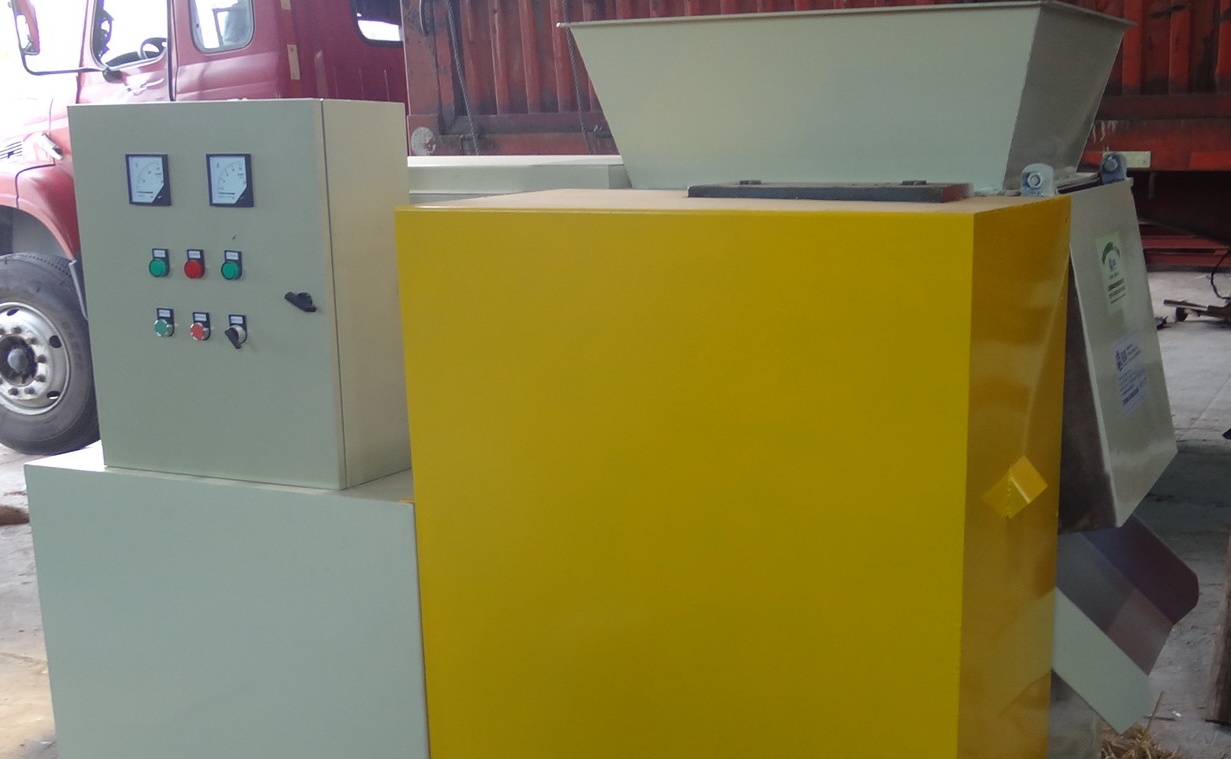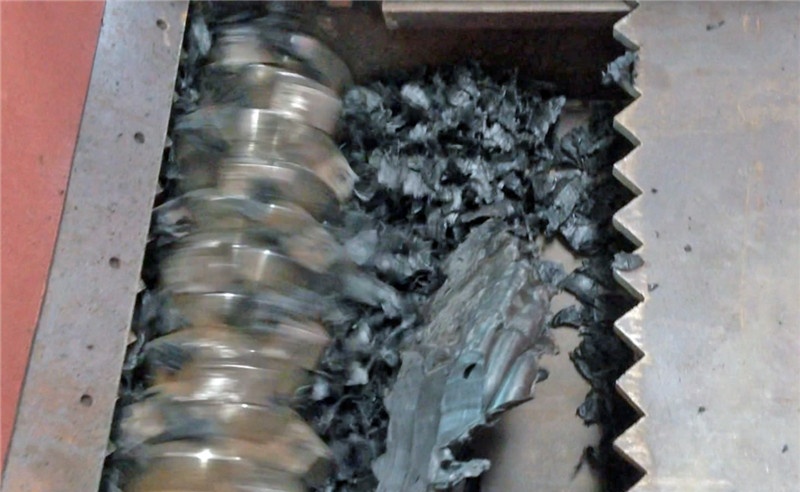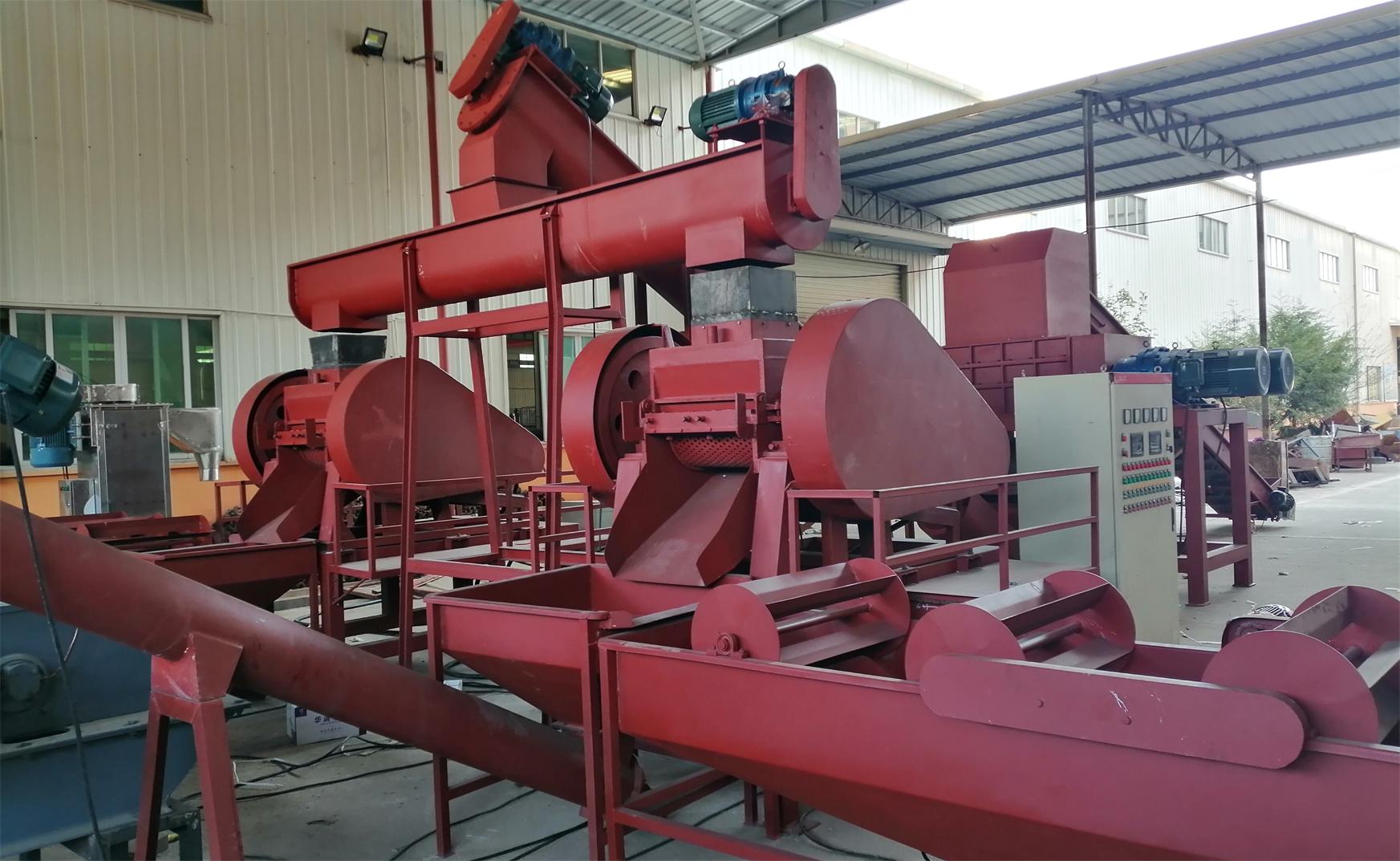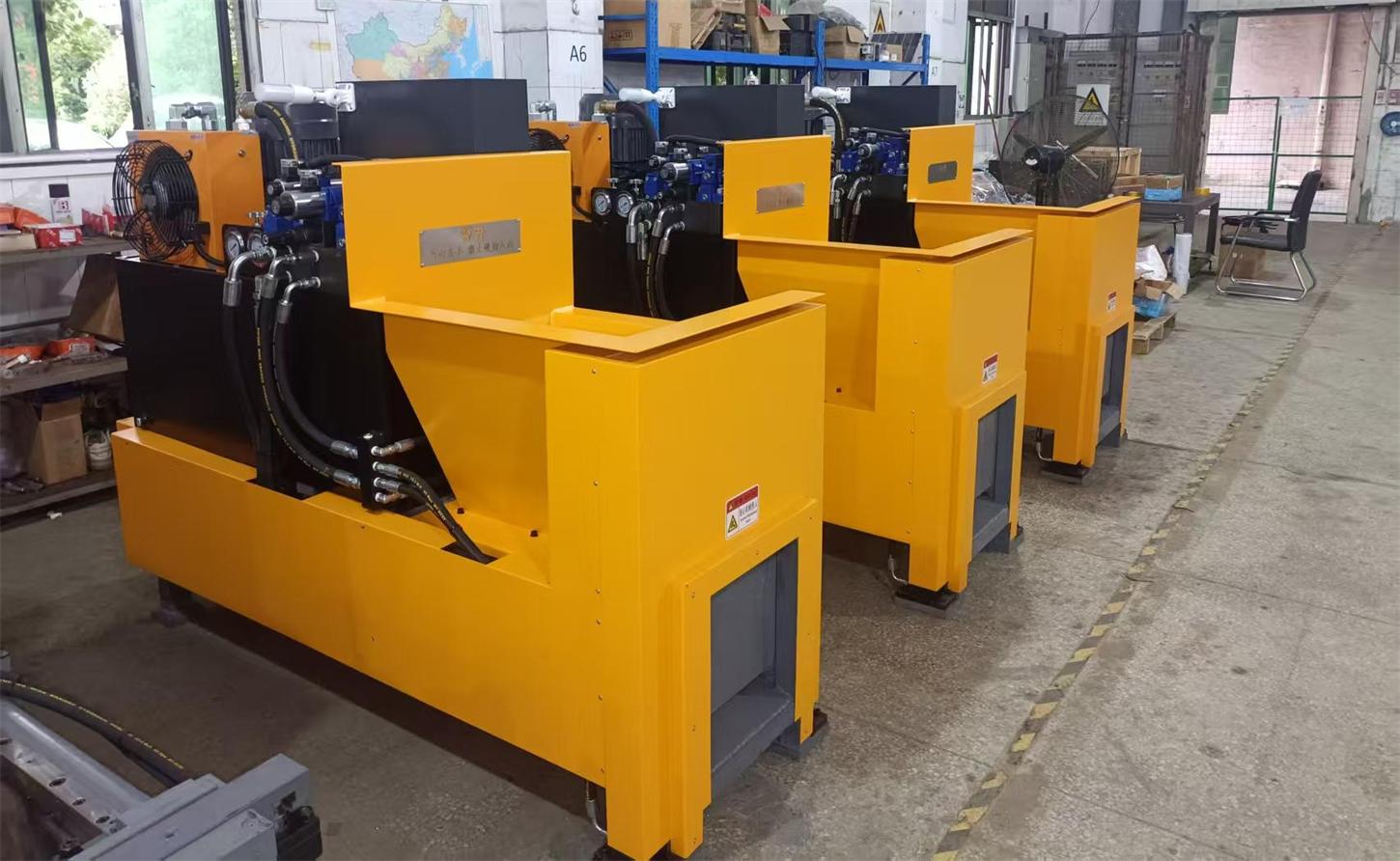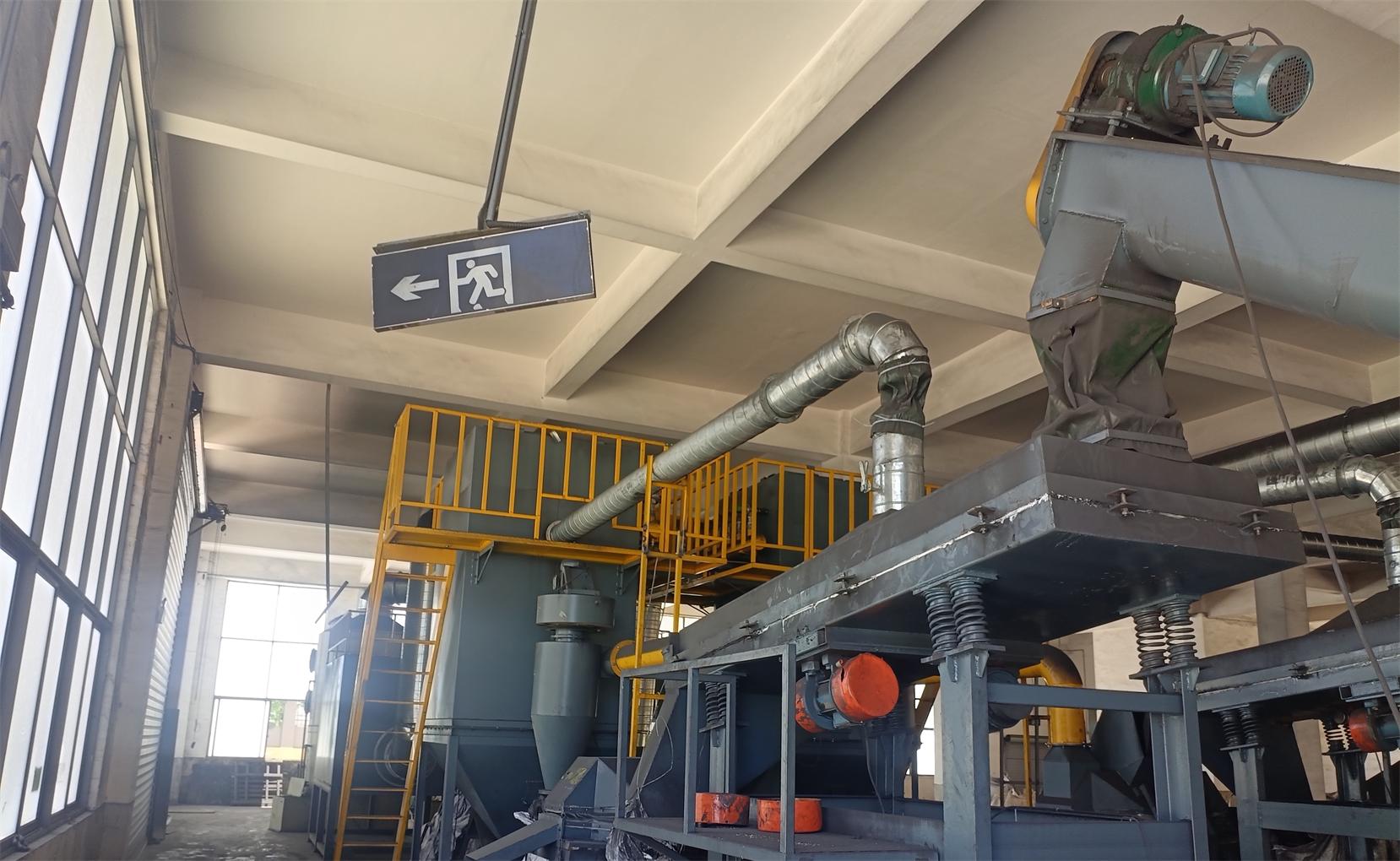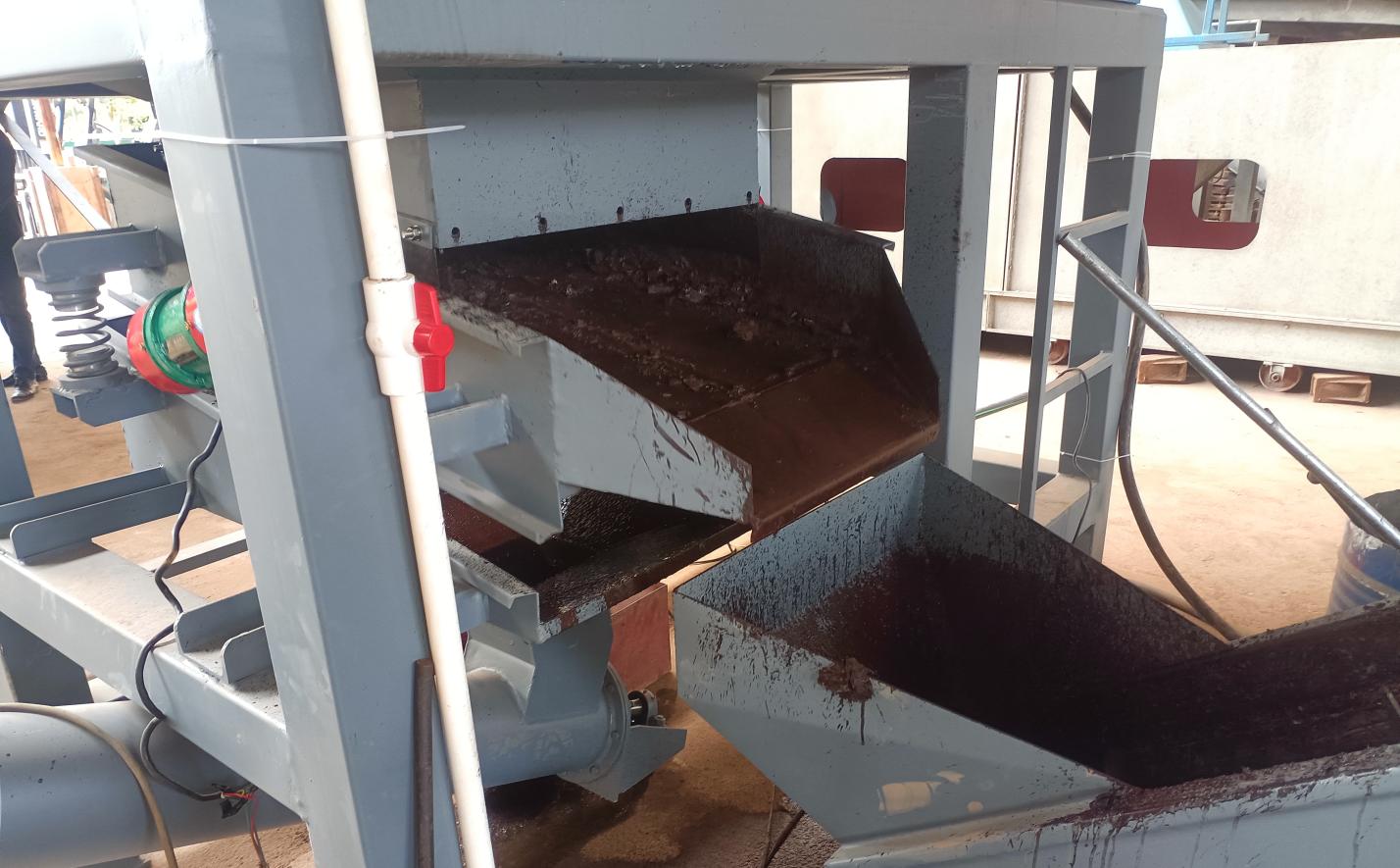
Hey operators! Let's talk about something we all know but sometimes rush through - pre-shredder inspections. I've seen too many avoidable shutdowns simply because someone skipped a step in the morning hustle. That's why I've put together this comprehensive checklist specifically for four shaft shredders that goes beyond the basics.
Drawing from industry best practices and hard-earned field experience, these 12 inspection points could mean the difference between a smooth-running day and costly downtime. Remember: a few minutes now saves hours later!
Stop Before You Start!
Experienced operators only should perform these checks with full PPE gear ! We're dealing with heavy machinery that doesn't forgive mistakes. If anything seems off during inspection? Tag it out and report immediately to your supervisor.
The 12-Point Shredder Startup Checklist
1. Area Safety Sweep
Safety PriorityWe've all done it - kicking aside debris "just this once." Don't. Proper area clearance is step zero:
- Circle your shredder like an eagle scout - look for loose tools, scraps and trip hazards
- Confirm at least 5 ft clearance zones on all sides
- Check for liquid spills that could cause slips (hydraulic oil is sneaky!)
Remember: That wrench you left on the conveyor yesterday becomes a deadly projectile today.
2. Machine Cleanliness Check
Performance IndicatorA dirty machine often hides bigger problems:
- Wipe down surfaces - grime buildup masks leaks
- Inspect for oil/grease weeping around joints
- Examine for compacted debris in rollers
Fun fact: Clean shredders run 12°C cooler on average. Your maintenance crew will thank you!
3. Triple Conveyor System Inspection
Four-Axis CriticalHere's where four shaft shredders earn their keep - check each belt stage like a surgeon:
Feed Conveyor
- Inspect belt edge wear patterns
- Test tension with thumb press
- Verify alignment guides are secure
Mid-Stage Transfer
- Check belt tracking adjustment
- Examine impact zones for cuts/gouges
- Confirm scrap clearance under belt
Exit Conveyor
- Monitor discharge trajectory
- Test emergency stop activation
- Inspect tail pulley clearance
4. Engine Vital Signs
Heartbeat CheckYour shredder needs TLC just like your truck:
- Record generator hours (track patterns!)
- Verify certification tags are current
-
Dipstick readings:
- Fuel : Never below 1/4 tank
- Oil Goldilocks zone - midway between markers
- Hydraulic fluid - clear amber, no milky tint
Pro tip: Keep a sample vial - discolored oil tells failure stories early.
5. Electrical Systems Review
Zap PreventionElectricity bites hard:
- Follow cables like a bloodhound - look for cracked insulation
- Tug test connections (warm outlets signal trouble)
- Test E-stops with actual pressure - don't just eyeball
-
Control panel inspection:
- LED status lights functional
- Button responsiveness test
- Label legibility check
6. Noise & Vibration Baseline
Listen DeeplyStart cold and listen like a musician:
- First 30 seconds reveal most bearing issues
- Hand-test housing vibrations
-
Unusual sounds:
Clunking → Loose componentsGrinding → Metal-on-metal contactScreeching → Lubrication failure
Warning: Any abnormality? Instant shutdown and lockout!
7. Directional Test Cycle
Motion ValidationPut it through its paces:
-
Forward Mode Test:
- Observe acceleration smoothness
- Confirm torque consistency
-
Reverse Mode Test:
- Check reversing speed
- Verify emergency stop functionality
-
Stress Test:
- 90-second high-load observation
- Monitor temperature creep
Remember: Directional failures are top predictors of gearbox issues.
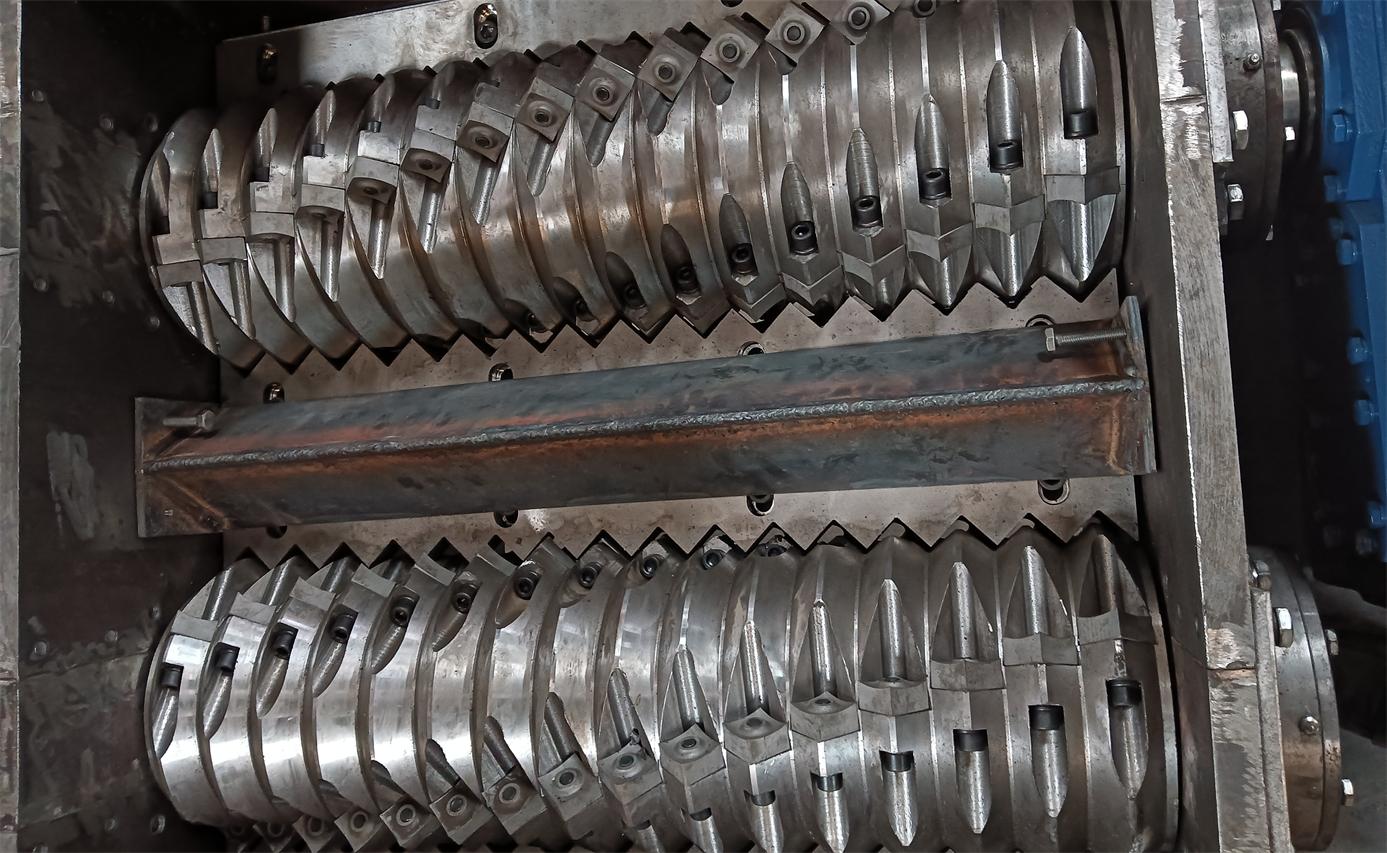
8. Shaft & Blade Integrity
Cutting Edge CheckThe business end demands respect:
- Torque test mounting bolts
- Blade edge inspection (chips = replacements)
-
Shaft alignment verification:
- Laser alignment preferred
- Dial indicator minimum
- Clearance checks between counter-rotating shafts
Field wisdom: Good blades hum - bad blades scream. Learn the difference.
9. Safety Guard Validation
Life ProtectionThose aren't suggestions - they're life-savers:
- Interlock function test
- Physical integrity check (bent = replace!)
- No homemade modifications
- Access point verification before restart
Harsh truth: 92% of shredder accidents involve bypassed guards.
10. Hydraulic System Review
Pressure PointsFluid power makes four-axis shredders dance:
- Check reservoir levels at operating temp
- Inspect hose routing (no kink zones)
-
Cycle pressure tests:
- Peak pressure validation
- Decay rate measurement
- Search for "weepers" at fittings
Golden rule: Small drips today become critical failures tomorrow.
11. Dust Management Check
Air Quality FocusInvisible killers need attention:
- Vacuum test at collection ports
- Filter status indicators
- Duct inspection (check for tears)
- Spark detection system function
Did you know? Combustible dust causes more shutdowns than mechanical failures.
12. Documentation Discipline
Paper Trail Saves CareersIf it's not written, it didn't happen:
- Complete electronic/physical logs
- Note even minor observations
- Include measurements where possible
- Sign-offs with time stamps
- update maintenance request system
Legal fact: Your checklist is your first defense in accident investigations.
The Morning Ritual That Pays Off
Implementing this 12-point inspection might feel tedious initially, but consider Jim's story from Dayton. He caught a hairline shaft fracture during point #8 that the night crew missed. Estimated savings? $37k in parts and 3 weeks downtime.
When operating industrial four shaft shredders , trust but verify. Then verify again. Remember:
- Consistency beats heroic efforts
- Team briefings align expectations
- Checklists save fingers and finances
Stay safe and shred smart!