If you're in the hydraulic press trade, you know the jungle of certifications can feel like navigating through thick fog without a compass. Trust me, I've seen too many businesses stumble when moving presses across borders because they didn't grasp the certification game. Let's cut through the complexity together.
Why Certifications Are Your Silent Business Partners
Think of certifications as your passport in the global marketplace. They're not just paperwork – they're trust signals that shout: "This equipment won't fail catastrophically!" Remember the Southeast Asia factory boom? That explosion of demand came with a caveat: certifications weren't optional decorations but legal gatekeepers.
The Real Cost of Skipping Certifications
Picture this: Your $200,000 hydraulic press gets detained at Jakarta's port because it lacks SNI marking. Daily storage fees pile up while your client's production line halts. Suddenly, that "time-saving" certification shortcut costs you more than compliance ever would. Moral? Certifications aren't expenses; they're insurance policies.
The Global Heavyweight: CE Marking
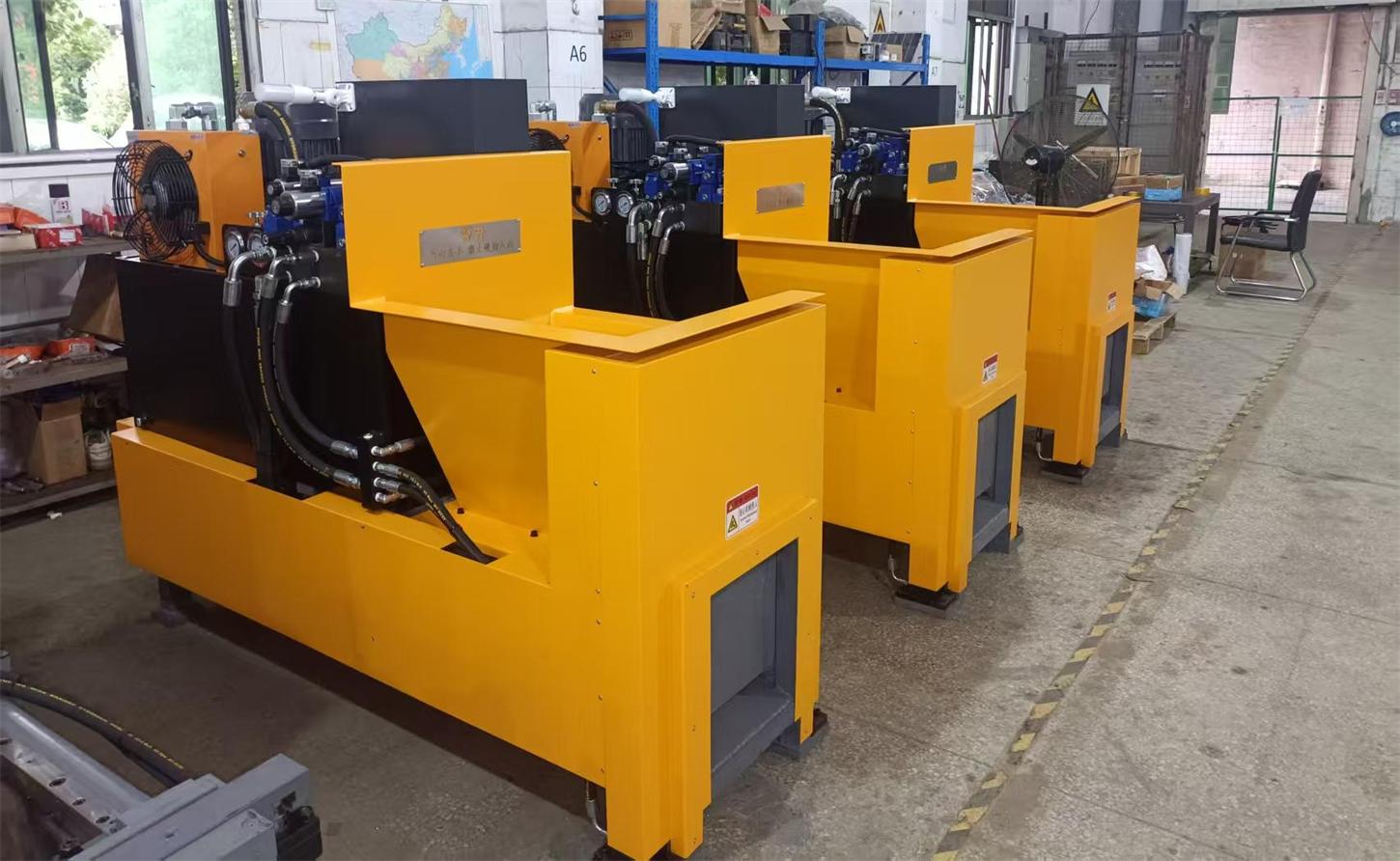
You'll see the CE emblem everywhere – and there's good reason. While born in the EU, this certification has become the industry's common language. Getting it isn't just about slapping a logo on your hydraulic press machine . It's a promise that your equipment:
- Won't turn operators' hands into pancakes (Machinery Directive 2006/42/EC)
- Controls pressure surges like a disciplined orchestra conductor
- Meets electrical safety standards that prevent "zappy surprises"
The process? First, you identify relevant standards like EN 693:2001 for press safety. Then comes the real work – installing physical guards, pressure relief systems, and emergency stops. Final step: Third-party validation with testing reports thicker than your thumb.
Local Champions: When Regional Certifications Rule
Thailand's TISI Mark: Not Just Alphabet Soup
Thai regulators take no prisoners with their TISI certification. Their factory inspectors don't care about your international reputation – they want local compliance. What trips up exporters? Mandatory TISI categories for presses handling food materials or hazardous substances. Tip: Partner with local testing facilities early to handle unique Thai standards.
Indonesia's SNI: Your Golden Ticket to Java
SNI certification separates the serious players from tourists in Indonesia. Unlike the CE's standardized approach, SNI involves surprise factory inspections looking for manufacturing consistency. Their equipment audits test everything from pressure stability to control system failures. Pro move: Keep impeccable production logs – they'll ask for them.
Beyond Certifications: The Unwritten Rules
Ever wonder why some exporters breeze through customs while others face "random inspections"? Relationships matter. The best exporters:
- Join regional industry associations before entering markets
- Translate manuals into local languages (not just Google translate!)
- Adjust voltage standards for local grid peculiarities
The Paperwork Marathon: Don't drop the Baton
Export documentation often feels like assembling IKEA furniture with missing instructions. Beyond the usual suspects (commercial invoices, bills of lading), hydraulic presses need special attention:
- Classification Reports: Using wrong HS codes for high-pressure presses? Hello, customs detention
- Dual-Use Declarations: When presses could make car parts or missile components – the red tape thickens
- Testing Certificates: Not just ISO documents – specific testing protocols matter
Shipping: The Final Frontier
Container shipping heavy presses isn't a "pack and pray" operation. Top shippers use specialized frames to absorb ocean vibrations – salt spray wrecks electronics faster than you imagine. Pro tip: Install remote monitoring to track shocks during transit. I've seen claims settled instantly because the data showed a 5G impact shock at Rotterdam.
Future-Proofing: The Certification Horizon
New sustainability certifications are creeping into specs, especially in Europe. Upcoming rules may require:
- Energy efficiency ratings on par with household appliances
- Carbon footprint audits of your supply chain
- Recyclability reports for end-of-life presses
Certification Checklist: Your Export Toolkit
Before shipping any press:
- Match specifications to destination standards
- Factor certification timelines (+60 days typical)
- Budget $15-50K for testing/paperwork
- Develop relationships with in-country partners
- Maintain certification dashboards for renewals
The Bottom Line: Certification as Competitive Edge
In this business, certifications evolve from compliance headaches to trust signals. While CE opens doors, TISI and SNI build homes in regional markets. Your move – stay reactive to regulations, and you'll keep firefighting; proactively embrace them, and you'll spot opportunities competitors miss. Because in the hydraulic press trade, it's not the strongest that survive, but those most adaptable to the certification landscape.