Two operators received the same shipment of mixed scrap cable on the same Monday morning. One fed it into a granulator he bought at auction for a low price. By Wednesday, the copper fraction was contaminated with plastic dust, the blades were dull, and the downtime had already cost him more than the machine. The other operator ran his cable through a system he had chosen after asking the right questions. By Friday, he had clean copper granules bagged and a buyer lined up.
The difference was not the cable. It was the decision process behind the cable recycling equipment.
What Cable Recycling Machines Actually Do
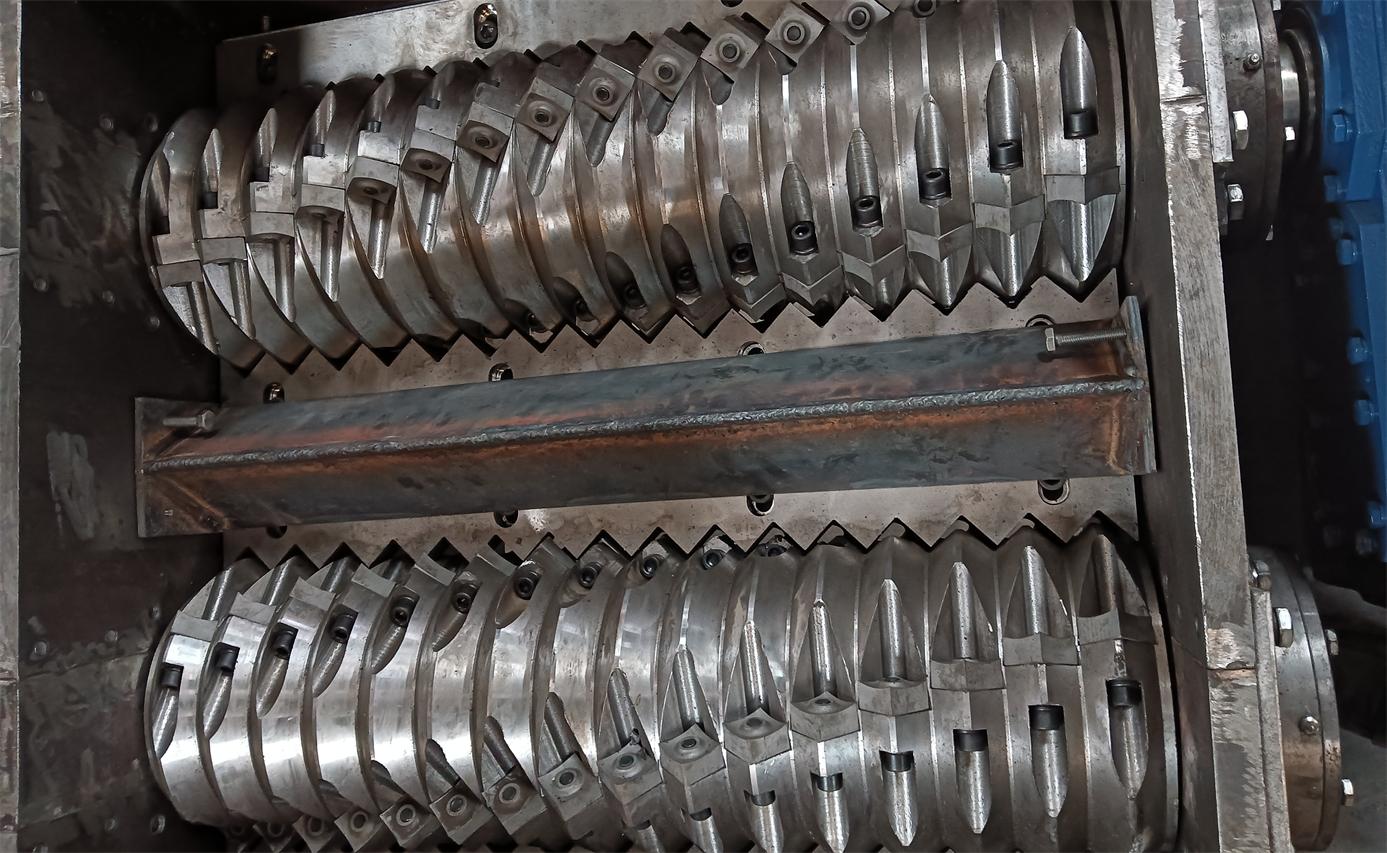
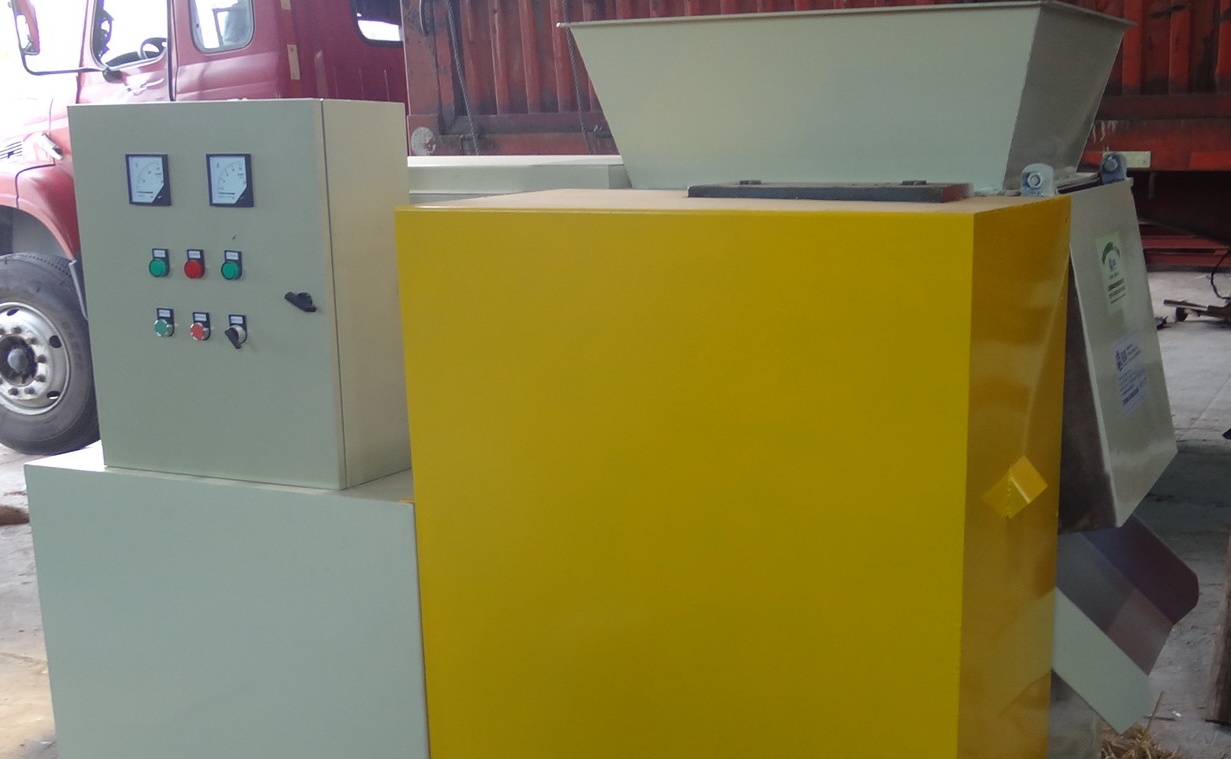
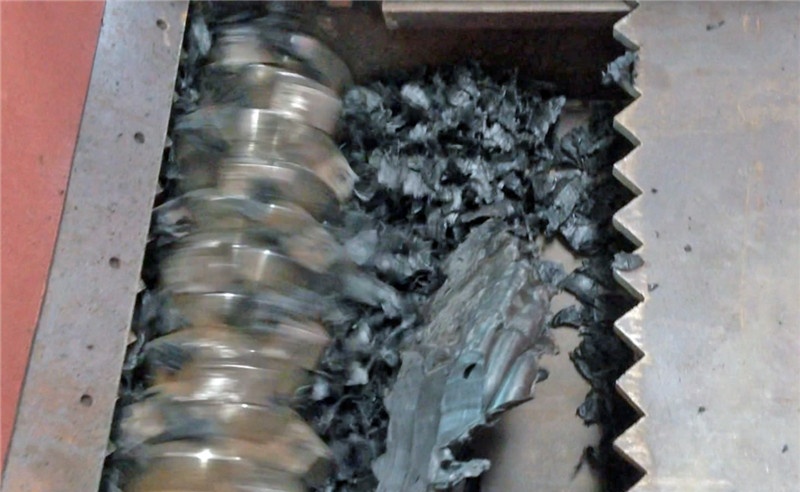
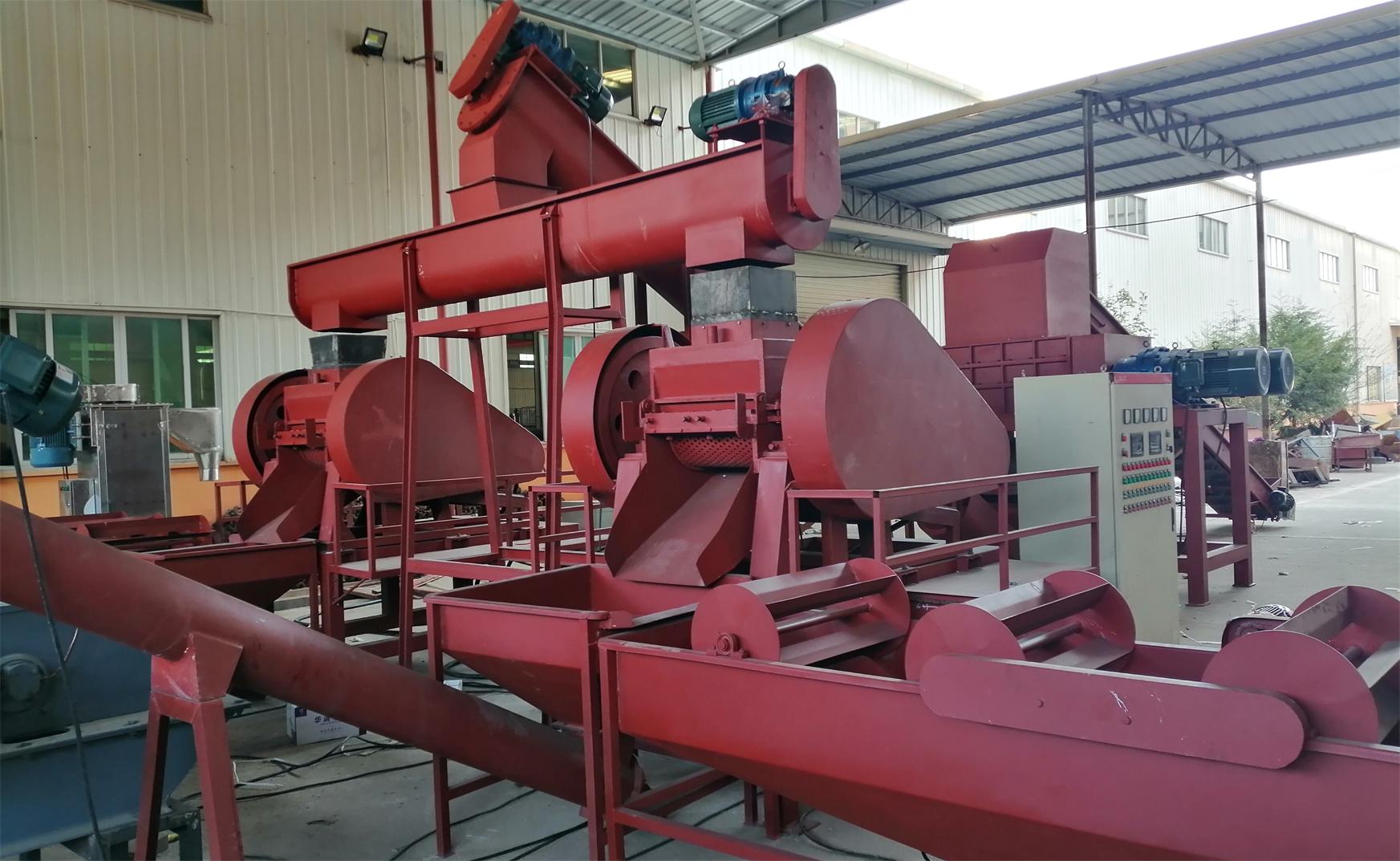
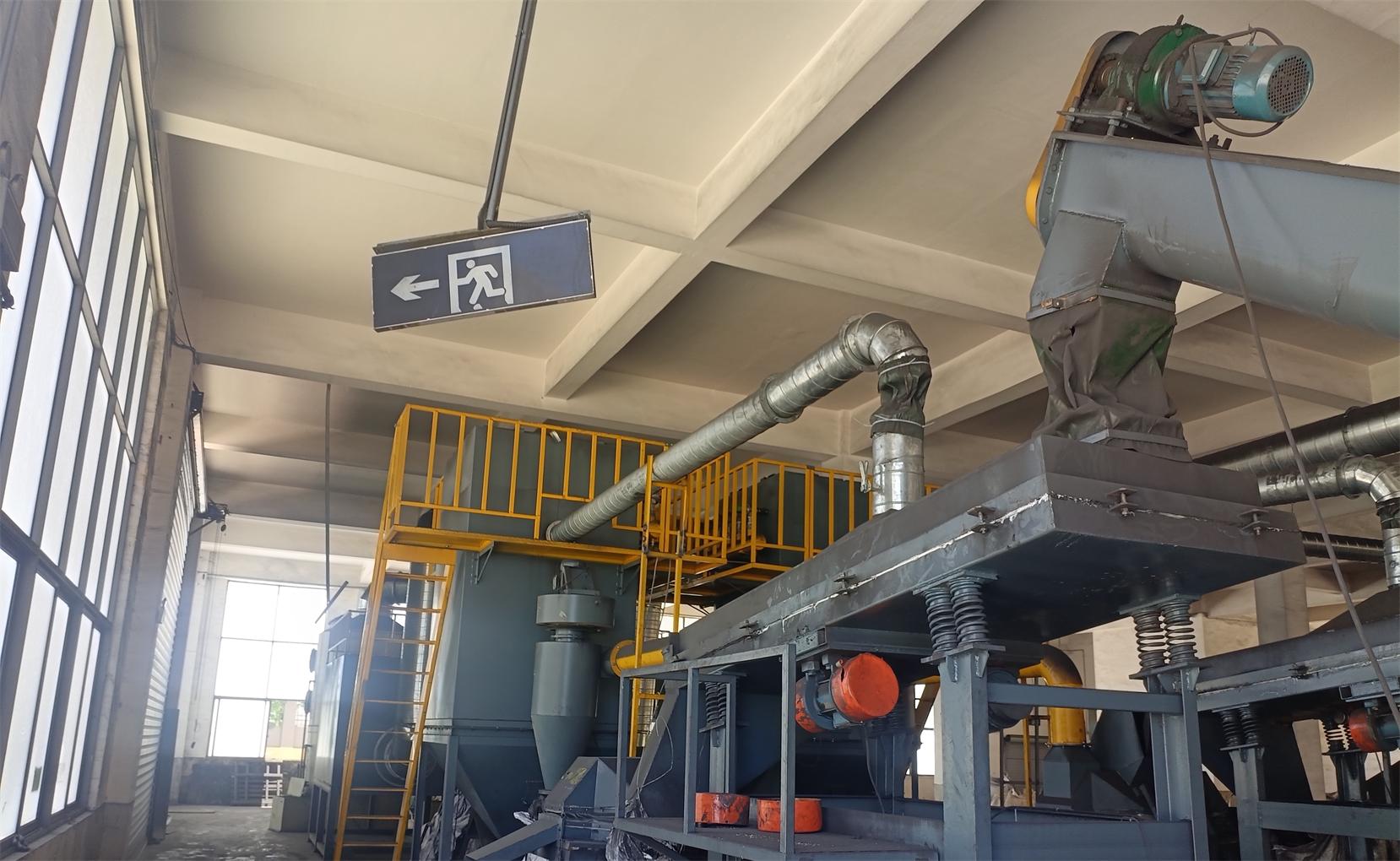
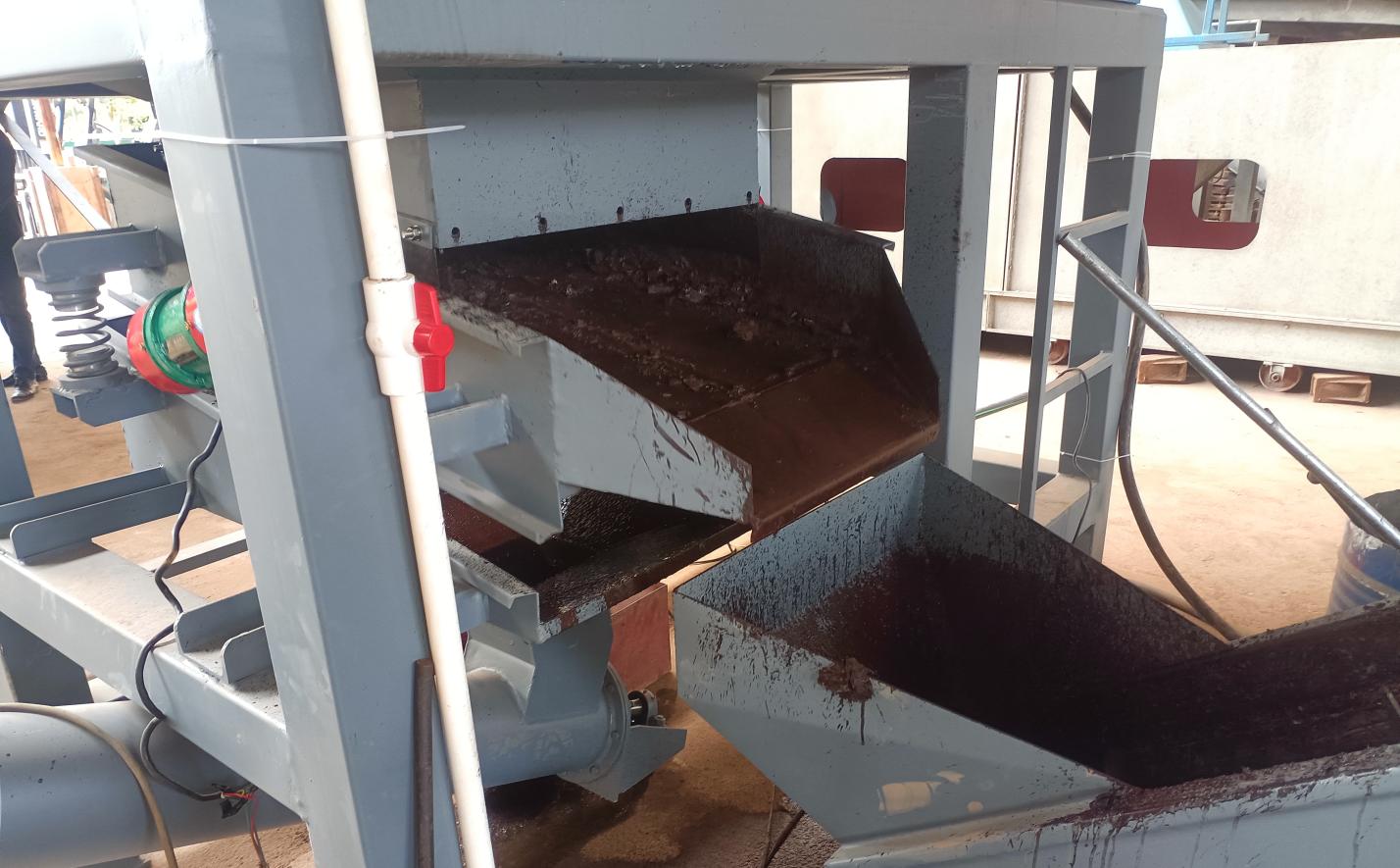
A copper wire recycling machine takes scrap cable and wire and separates the metal conductor from the insulation. The process usually involves pre-shredding or stripping, granulation into small particles, and then separation using air classification, water flotation, or electrostatic methods. The output is clean copper or aluminum granules, plus plastic or rubber granules that can also be sold.
The economics are straightforward: copper trades at a premium, and even the plastic fraction has value as a secondary raw material. But the machinery must be matched to the input material, the desired throughput, and the local environmental rules. A machine that works well for dry household wire may struggle with jelly-filled telecom cable or armored industrial cable.
Dry Separation vs. Wet Separation
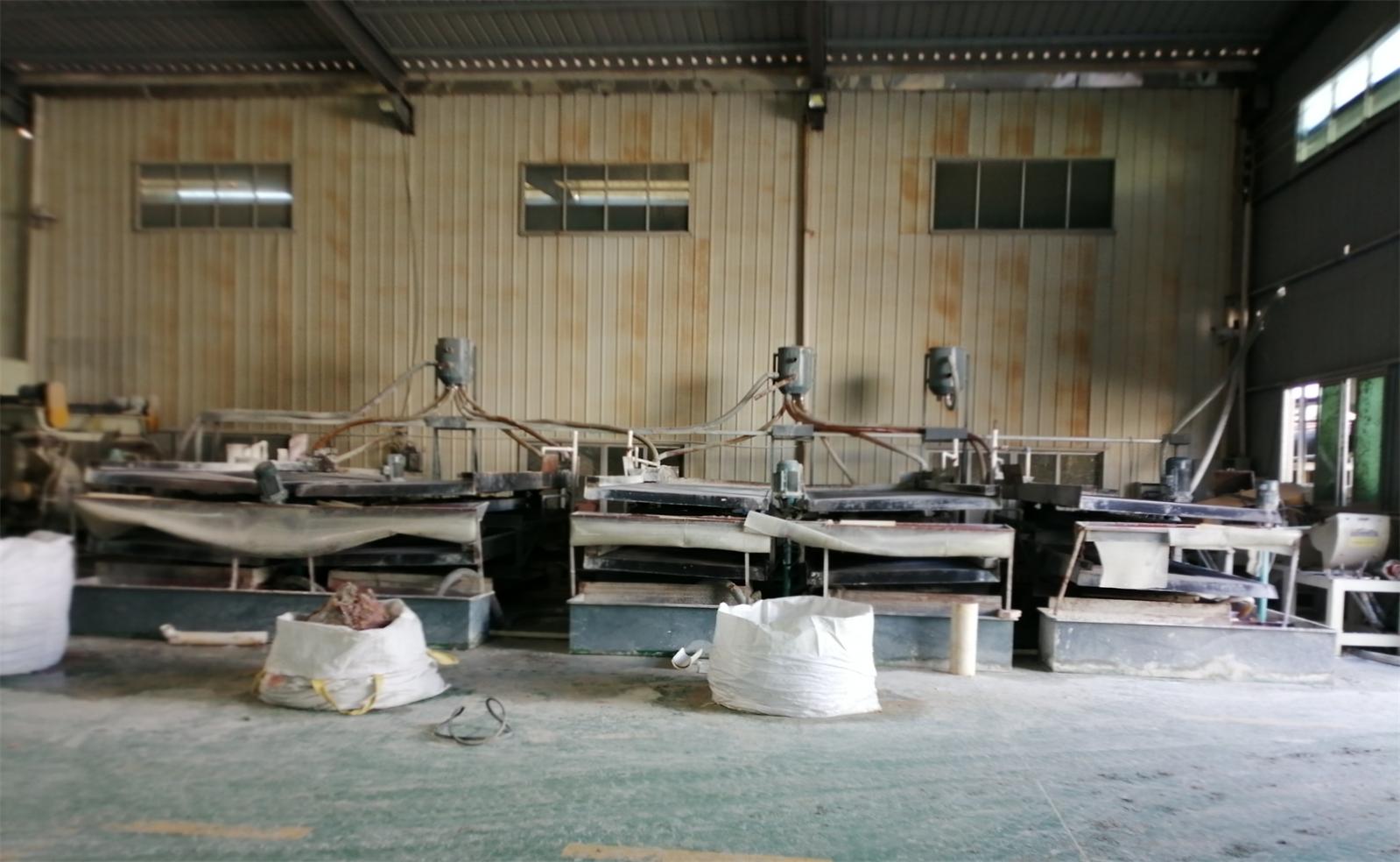
One of the first technical choices is the separation method. Dry systems use air classification and vibrating screens. They are simpler to operate, require no water treatment, and work well for clean, dry cable scrap. Wet systems use water to separate metal from plastic based on density differences. They can handle dirtier or more complex material, including PCB waste with components still attached, but they need a water treatment loop and produce sludge that must be managed.
For a new operator in a region with strict water discharge regulations, a dry separation cable recycling machine is often the lower-risk starting point. For an established yard handling mixed e-waste and cable, a wet system may offer higher recovery rates and broader material flexibility.
Capacity: The Number That Drives Everything
Cable recycling machines are generally grouped by hourly throughput. Compact units handle a few hundred kilograms per hour. Industrial lines process one to two metric tons per hour or more. The right capacity depends on your available feedstock, your shift pattern, and your capital budget.
A common mistake is buying for peak volume rather than average volume. A machine that sits idle most of the week because feedstock is irregular becomes an expensive anchor. Conversely, a machine that runs flat out and cannot keep up leaves money on the loading dock. The sensible approach is to size for your steady-state supply plus a modest buffer, then plan to add capacity as the business grows.
Why Pre-Processing Matters
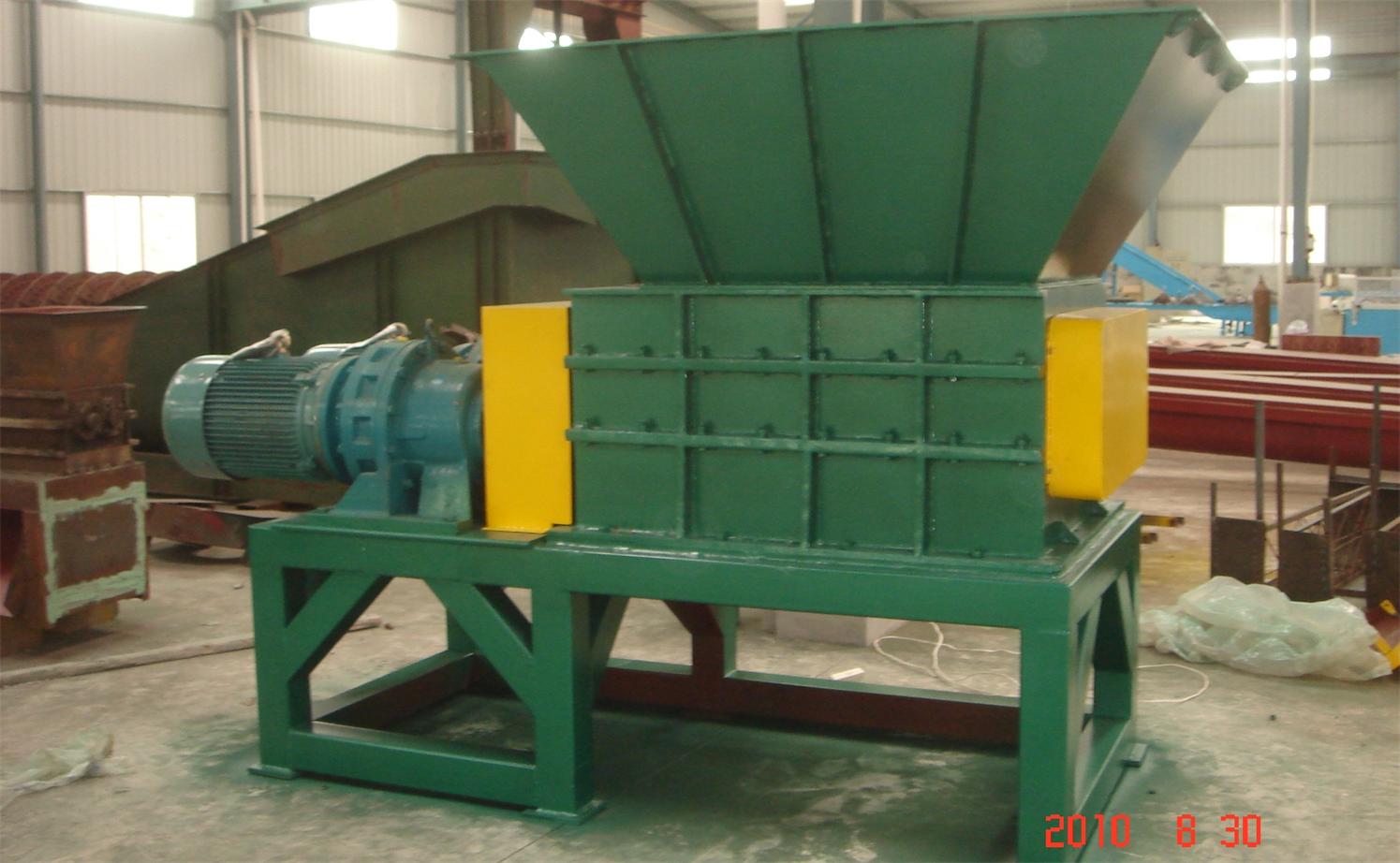
Not all cable arrives ready for the granulator. Thick armored cable, large-diameter industrial wire, and cable reels with steel reinforcement often need stripping or pre-shredding before they enter the main line. A scrap cable stripper can remove the outer jacket and separate the conductor cleanly, reducing wear on the granulator blades and improving overall recovery.
Some operators try to feed everything directly into the granulator to save labor. The result is accelerated blade wear, higher energy consumption, and lower purity in the output. The operators who separate thick cable first and route thin wire straight to the granulator get longer tool life and cleaner fractions.
What to Ask Before You Buy
A supplier who answers in specifications and process detail is different from one who answers in adjectives. Here are the questions that separate the two:
1. What is the recovery rate for copper and aluminum? Ask for a range, not a guarantee. Recovery depends on input material, but an experienced supplier can give you realistic numbers based on similar feedstock.
2. What is the purity of the metal fraction? Copper granules at 96-98% purity command a better price than contaminated material. Ask how the separation system achieves and maintains that purity.
3. What spare parts wear out first, and what do they cost? Blades, screens, and separation components are consumables. A low purchase price with expensive, hard-to-source spares is a trap.
4. Can you show me a running installation with similar material? Video calls and site visits are more valuable than brochures. A supplier with a global installed base should be able to connect you with a reference customer.
5. What happens after the sale? Installation, commissioning, operator training, and technical support are where the real value lies. A machine without support is a sculpture.
The Value of Manufacturing Experience
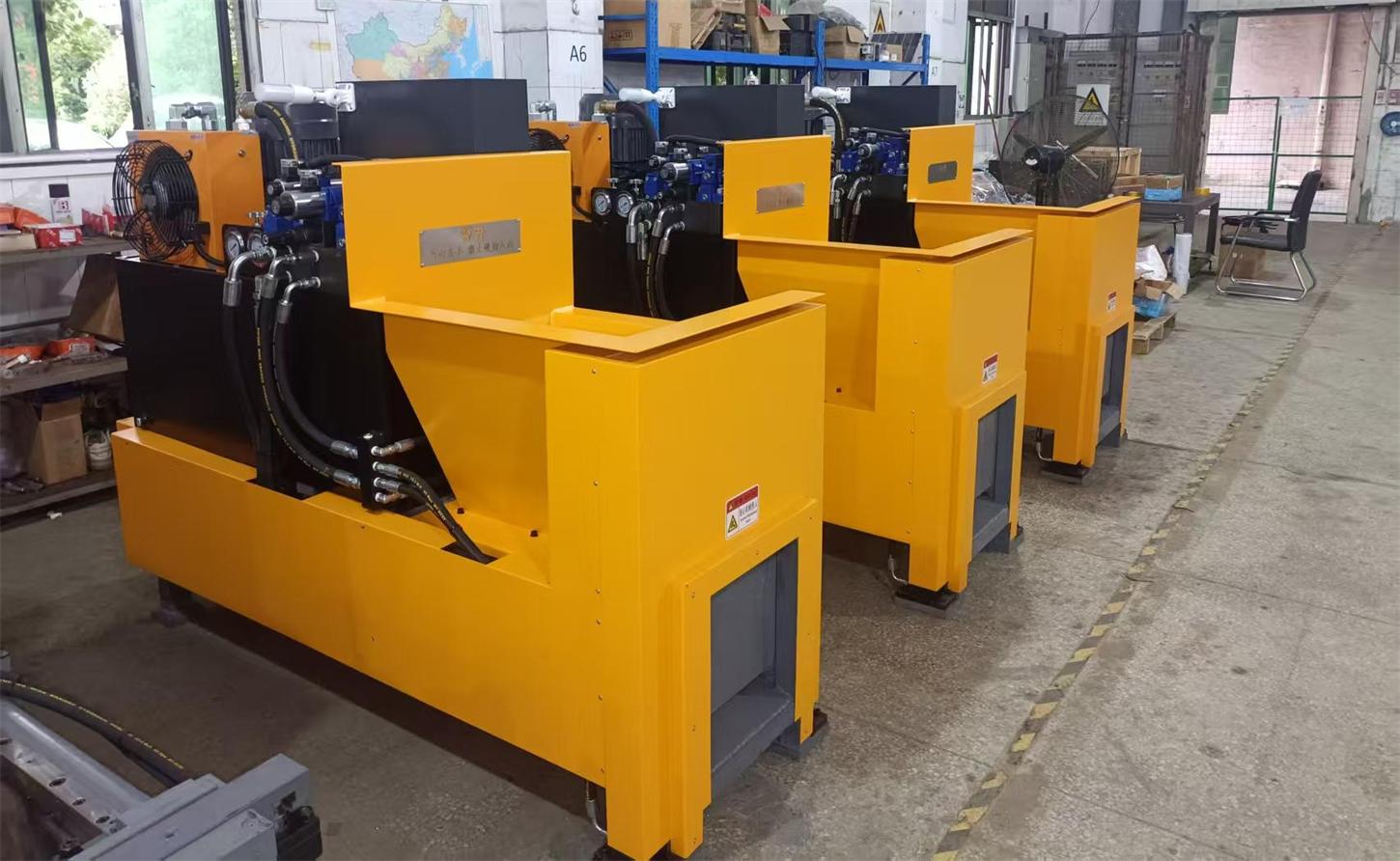
Cable recycling equipment is not a commodity. The metallurgy of the blades, the dynamics of the airflow in the separator, and the layout of the material flow all affect daily performance. A manufacturer with deep experience in e-waste recycling machinery understands these interactions because they have designed, built, and troubleshot them in the field.
San Lan Technologies, established in 2007, manufactures a full range of recycling equipment including cable recycling plants, circuit board recycling lines, battery recycling systems, and shredders. With customers in more than twenty countries, the company has built and commissioned plants handling everything from household wire to jelly-filled telecom cable. Their technical team includes mechanical engineers with over fifteen years of experience in recycling machinery design.
The company also offers EPC project services: engineering, procurement, construction, and commissioning. For an investor entering the recycling business for the first time, this turnkey approach reduces the risk of interface problems between different machines from different suppliers.
Environmental Compliance Is Not Optional
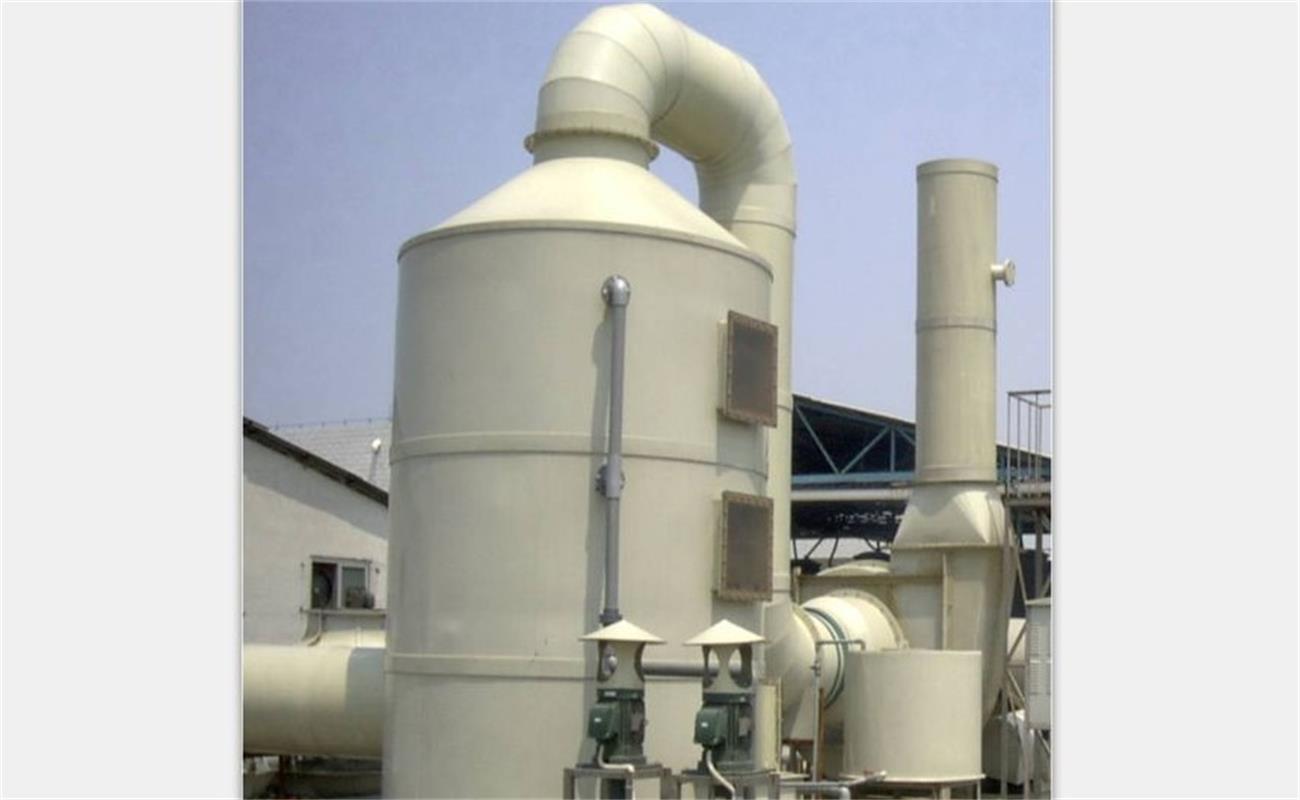
Cable recycling generates dust, noise, and sometimes wastewater. Depending on your jurisdiction, you may need air pollution control, water treatment, or noise abatement. A responsible equipment supplier should be able to advise on the environmental accessories required for your location, not just sell you the core machine and leave the rest to chance.
Look for suppliers who integrate dust collection, water treatment, and effluent handling into the plant design from the start. Retrofitting environmental controls after installation is always more expensive and less effective than building them in from the beginning.
Quick Decision Checklist
- Define your primary feedstock: household wire, industrial cable, mixed scrap, or telecom cable?
- Estimate your steady-state monthly volume, then size capacity with a 20-30% buffer.
- Choose dry or wet separation based on material complexity and local water regulations.
- Ask for reference installations and speak to operating customers if possible.
- Request a complete spare parts list with pricing and lead times.
- Confirm that installation, commissioning, and operator training are included.
- Verify that environmental controls are addressed in the system design.
If you are evaluating cable recycling equipment for a new or expanding operation, the specification sheet is only the beginning. The real question is whether the supplier behind the machine can support your business after the delivery truck leaves. San Lan Technologies builds recycling plants and stays with customers through installation, commissioning, and ongoing operation. Browse the cable recycling product line or contact the team directly to discuss your material and capacity requirements.