The global push for resource efficiency and environmental sustainability has made cable recycling one of the most profitable segments in the waste management industry. Every year, millions of tons of copper and aluminum cables reach end-of-life status through infrastructure upgrades, building demolitions, and electronic device disposal. Without proper cable recycling equipment, these valuable metals end up in landfills, representing both an economic loss and an environmental hazard.
Copper prices have maintained strong levels over the past decade, driven by growing demand from electric vehicle production, renewable energy infrastructure, and construction activities. This market dynamic creates exceptional opportunities for recycling businesses equipped with the right technology. A well-configured cable recycling plant can achieve recovery rates exceeding 99% while producing high-purity copper granules that command premium prices in metal trading markets.
Understanding Cable Recycling Equipment Types
The cable recycling process typically involves three core stages: size reduction, material separation, and collection. Each stage requires specialized equipment designed to handle different cable types and processing volumes. Understanding these equipment categories helps investors make informed purchasing decisions aligned with their specific operational requirements.
Scrap Cable Strippers: For thick industrial cables with substantial diameter, manual or powered stripping remains the most efficient pre-processing method. Scrap cable stripper equipment handles cable diameters ranging from 1.5mm to 150mm, removing plastic or rubber insulation to expose pure copper or aluminum conductors. Modern stripping machines process up to 15,000kg per 10-hour shift, making them indispensable for operations dealing with large volumes of thick industrial cable.
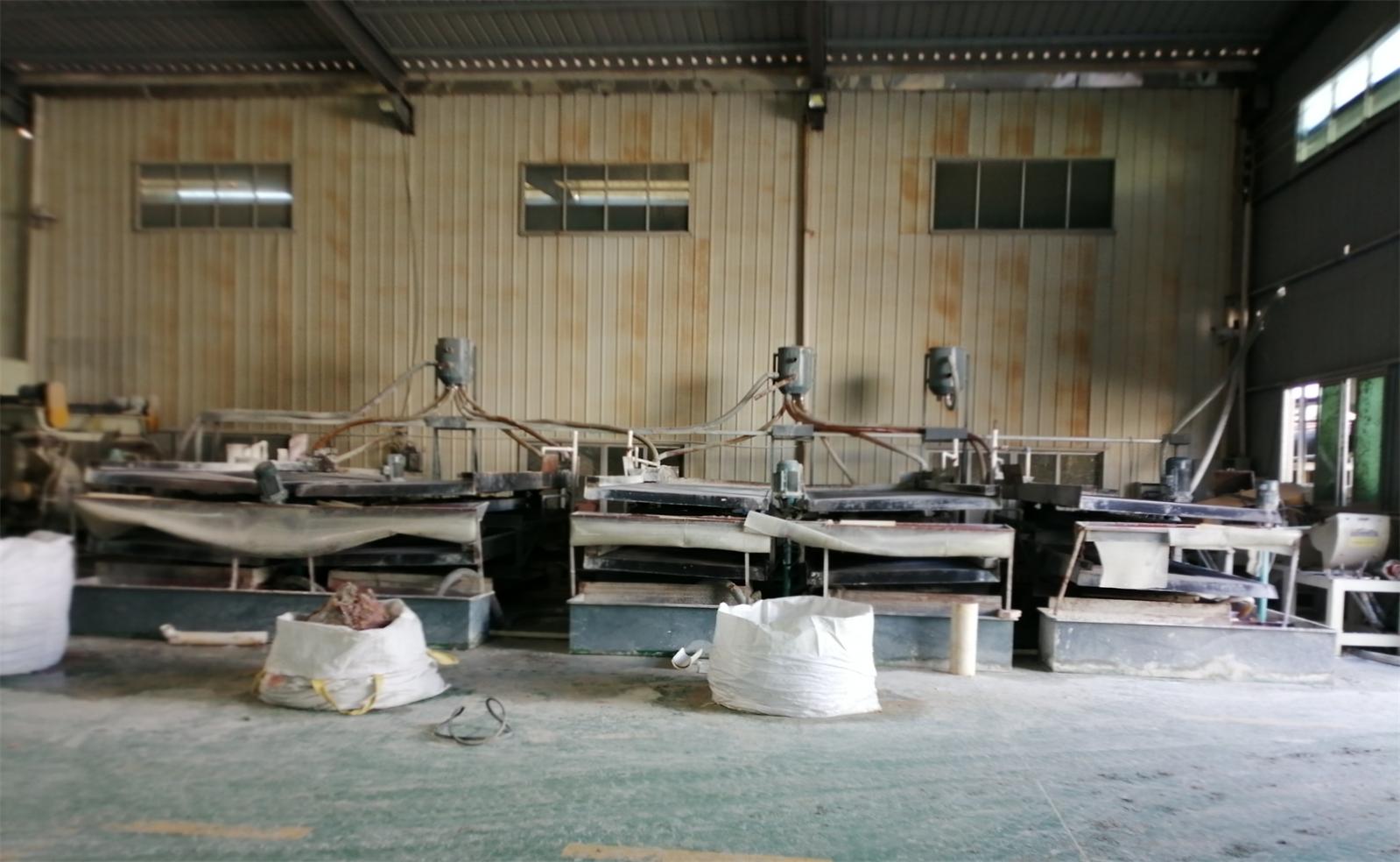
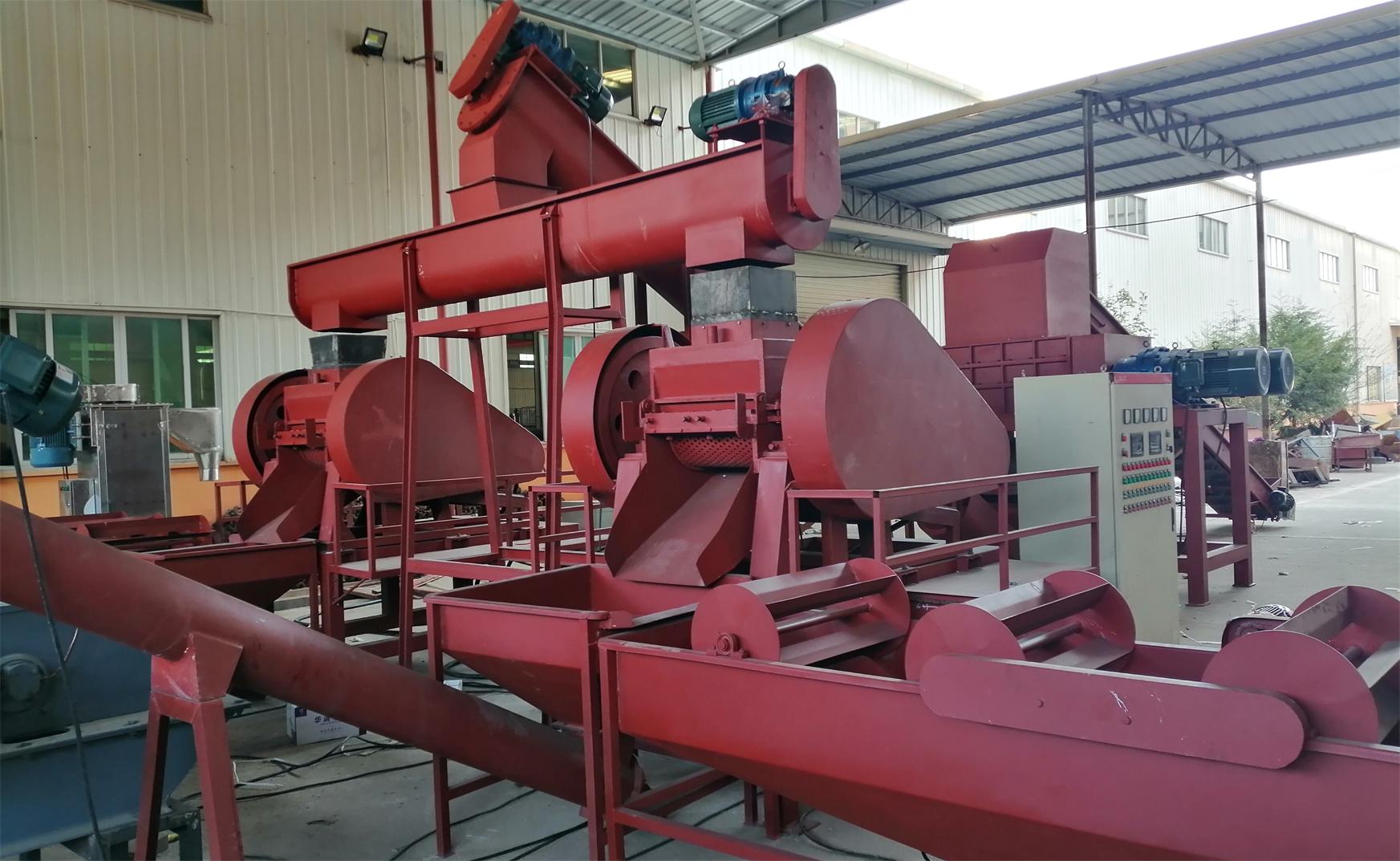
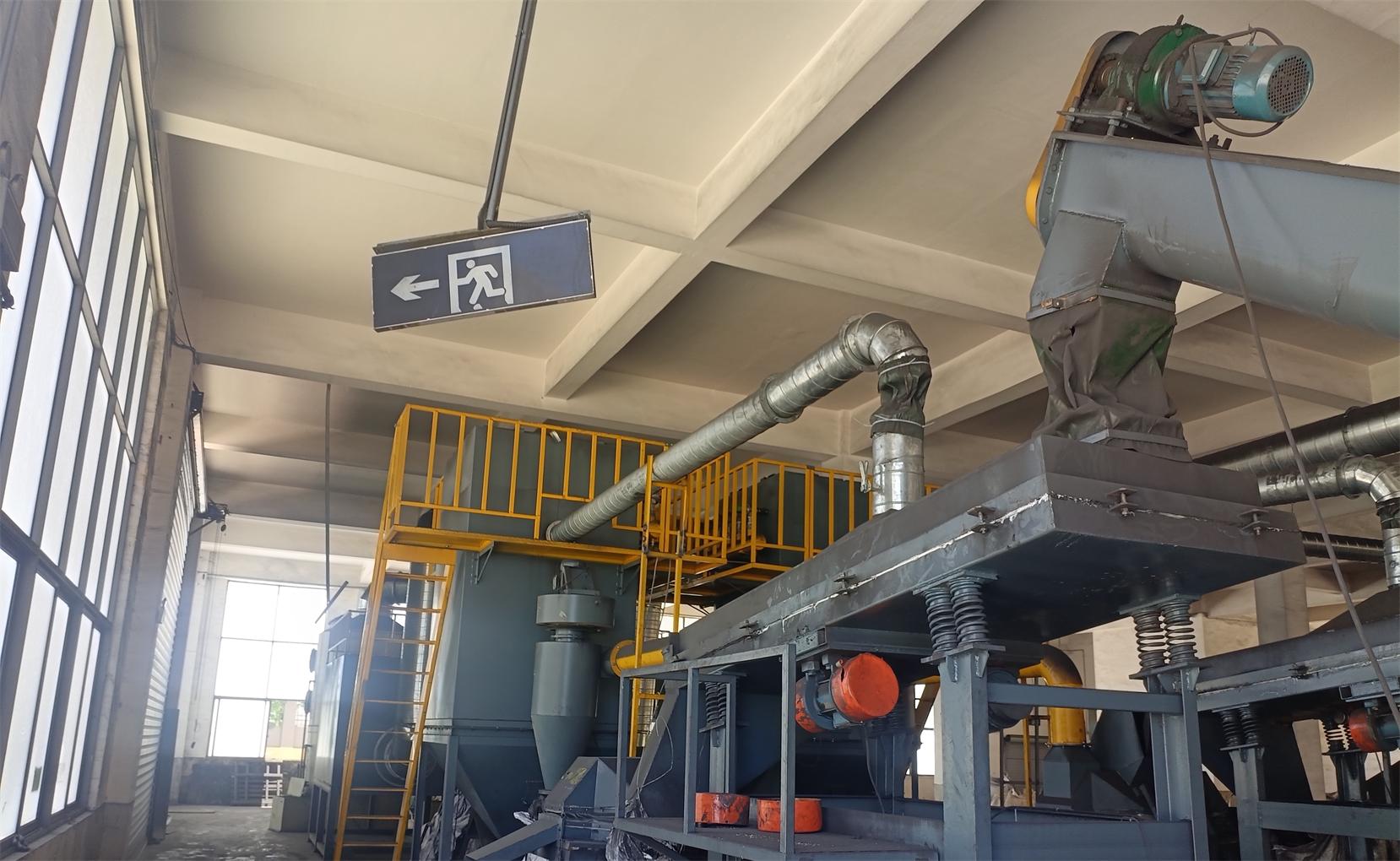
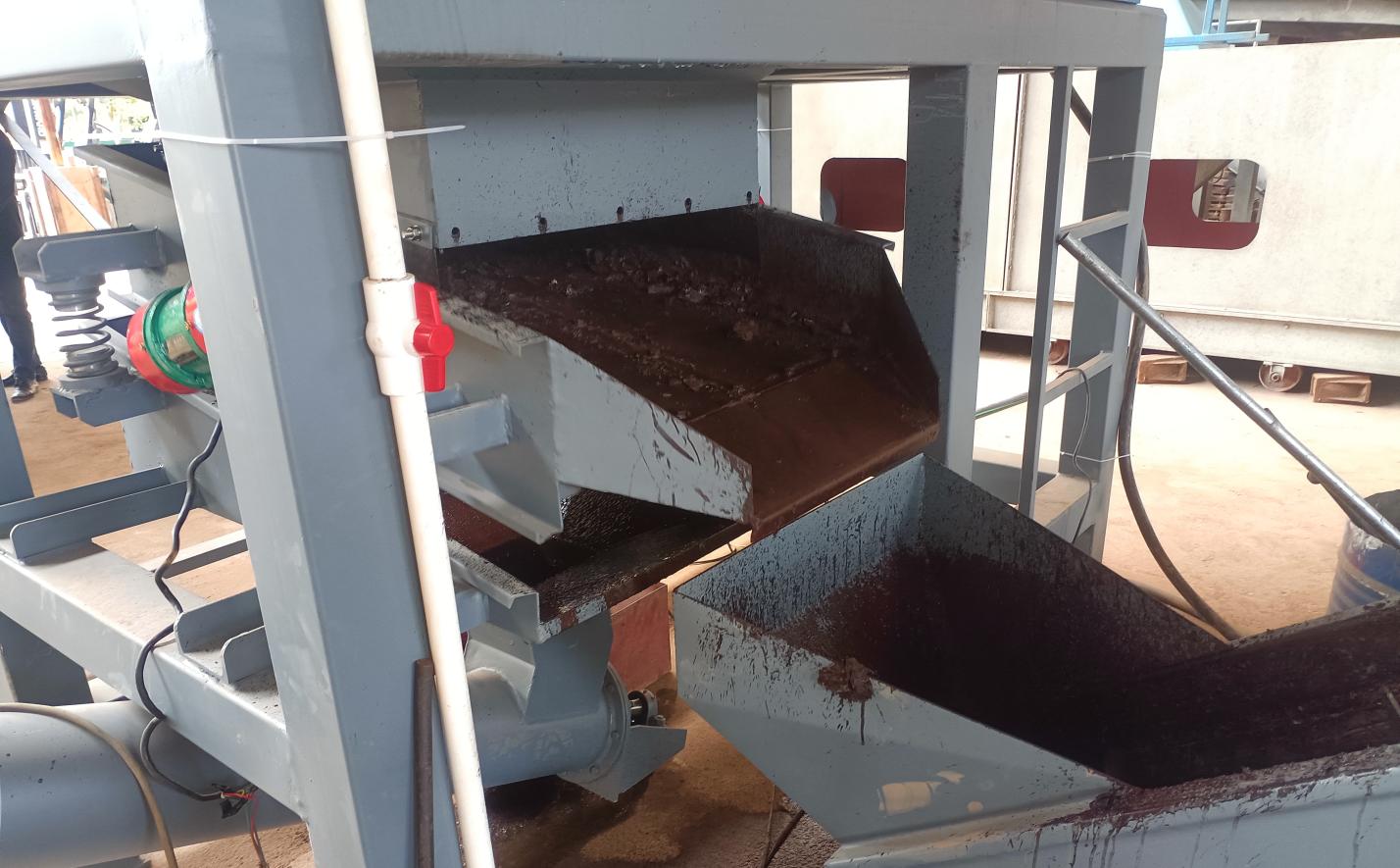
Cable Granulators: These machines crush mixed cables into small particles and then separate metallic content from insulation materials through dry or wet separation technologies. Cable recycling machine systems with dry separators utilize air classification and vibrating screens to achieve copper purity levels of 96-98%. Wet separation systems, while requiring water treatment infrastructure, can achieve even higher purity rates for specialized applications.
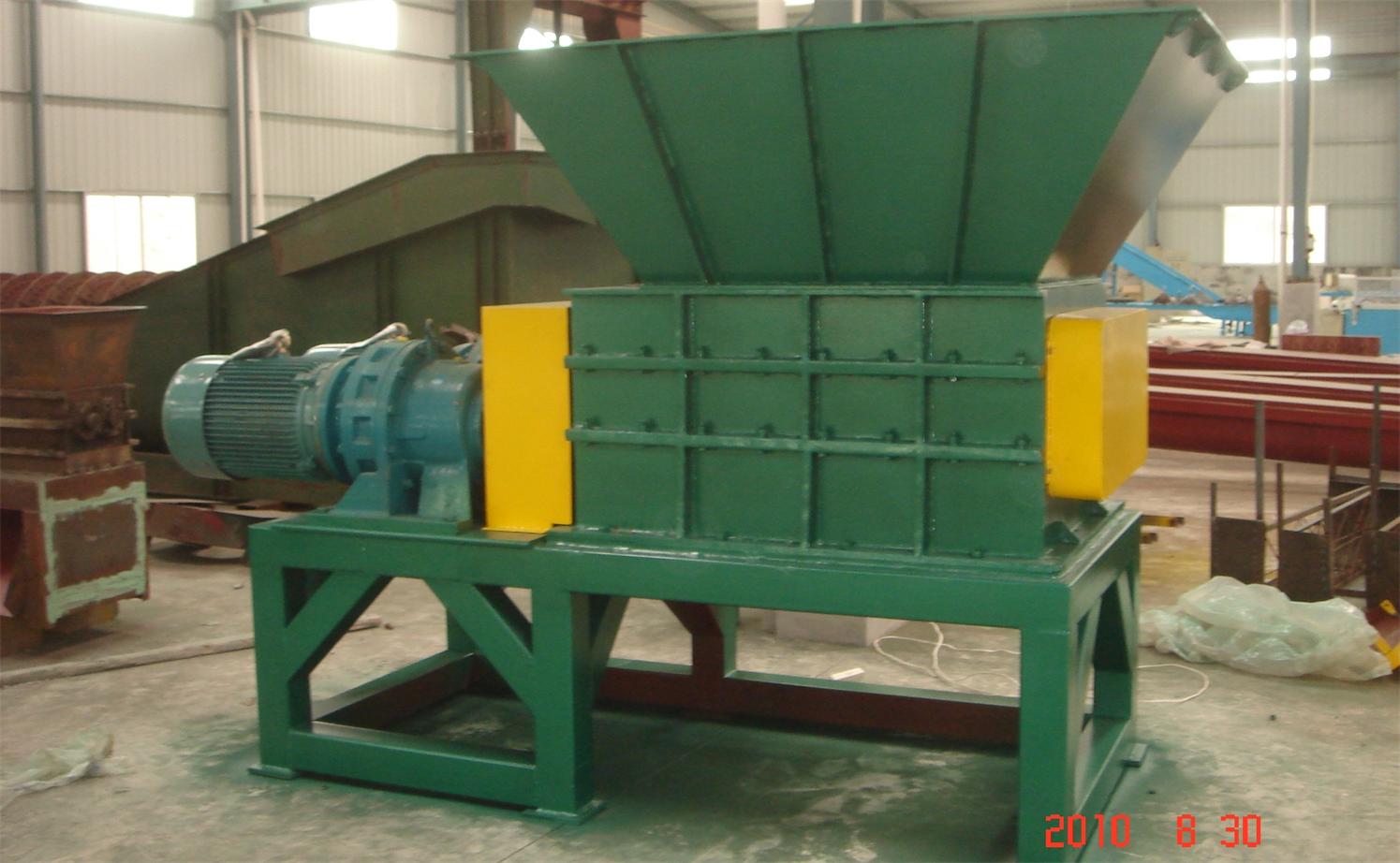
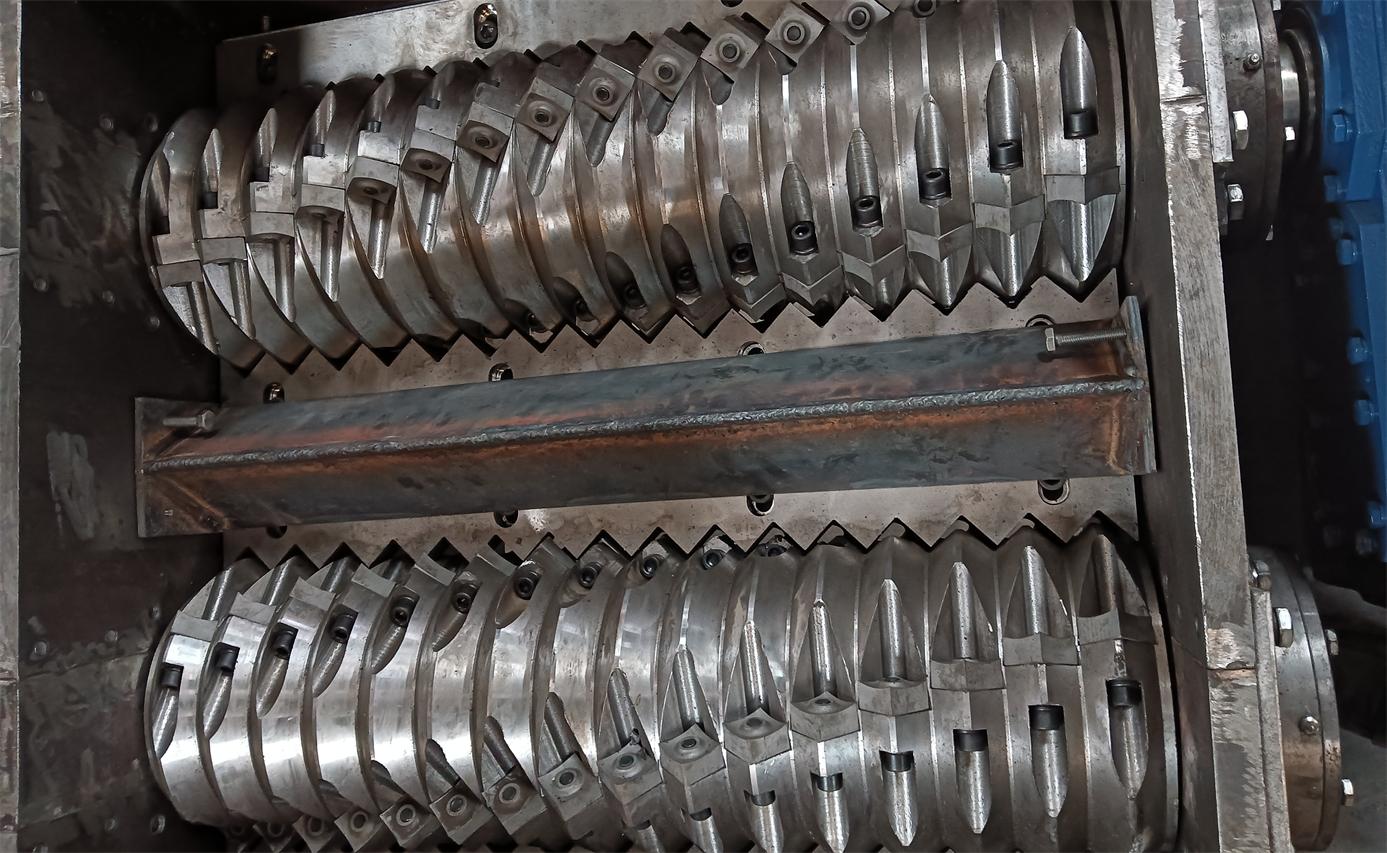
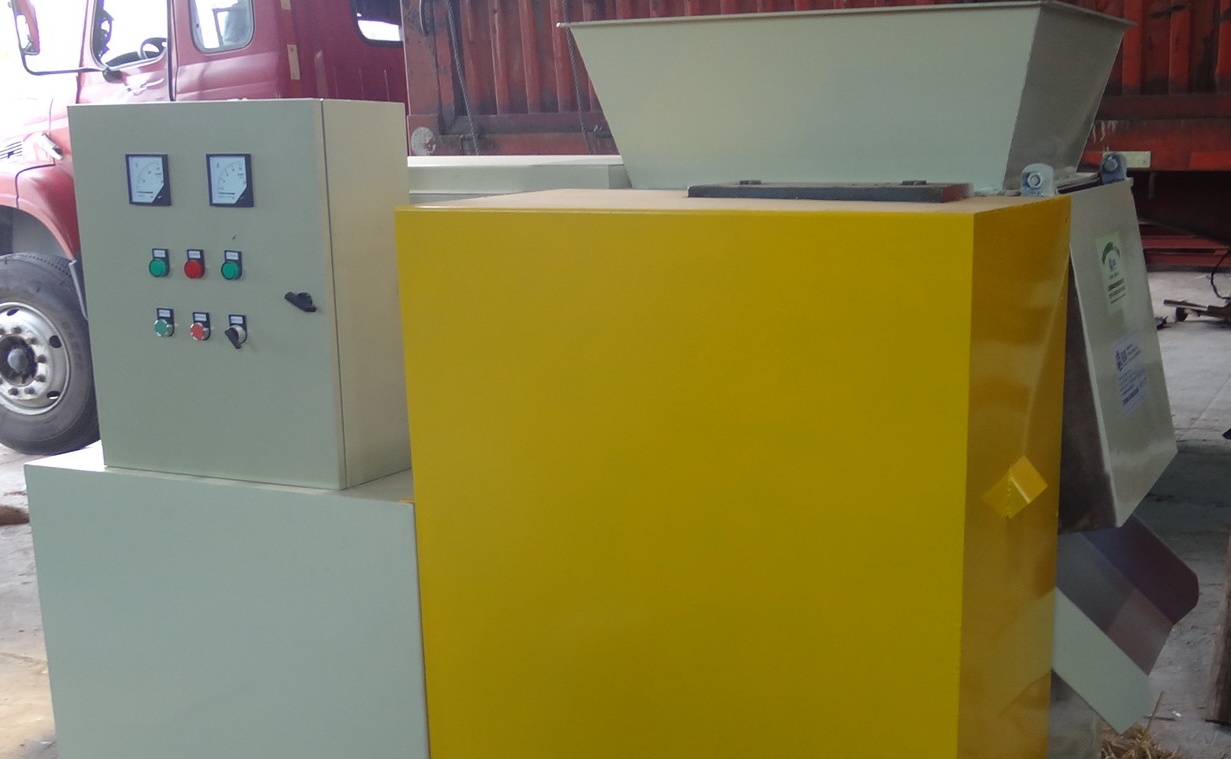
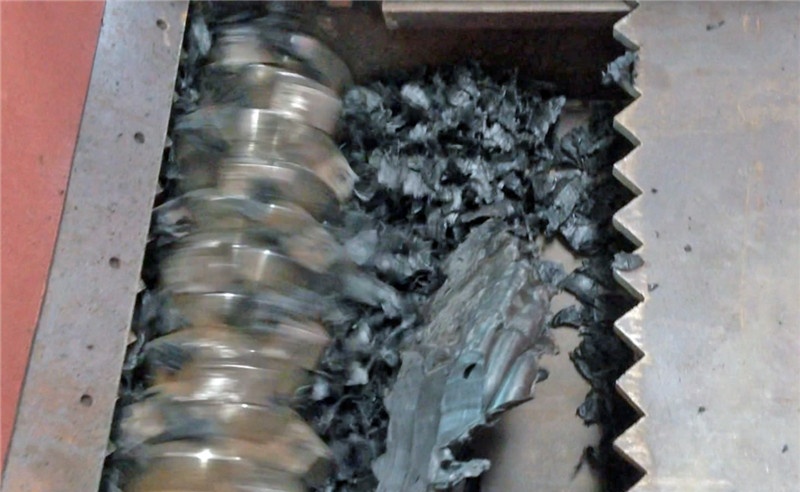
Shredders and Pre-choppers: Large industrial cables, armored cables, and cable bundles often require pre-size reduction before granulation. Multi-shaft shredders with capacities from 200kg/hour to 6 metric tons/hour prepare materials for downstream processing while protecting granulator cutting systems from damage caused by oversized feeds.
Key Selection Criteria for Cable Recycling Equipment
When evaluating cable recycling equipment, several technical parameters directly impact operational efficiency and return on investment. Capacity requirements should match expected feedstock volumes while allowing for future business growth. Equipment rated for 500kg/hour suits small-to-medium recycling workshops, while industrial-scale operations may require systems processing 1,200kg/hour or more.
Separation technology represents another critical decision point. Dry separation systems offer lower operating costs and simpler maintenance requirements, making them popular for standard copper cable recycling. Compact granulator with dry separator equipment provides an excellent entry point for businesses starting in cable recycling, combining crushing, air separation, and dust collection in integrated units that minimize installation complexity.
Power consumption and operational costs significantly affect long-term profitability. Energy-efficient motors, automated feed systems, and optimized cutting geometries reduce per-ton processing expenses. Additionally, dust collection and noise suppression features ensure compliance with workplace safety regulations and environmental standards, preventing costly violations that could interrupt operations.
San Lan Technologies: Proven Solutions for Cable Recycling
With nearly two decades of manufacturing experience since 2007, San Lan Technologies Co., Ltd has established itself as a reliable provider of cable recycling solutions serving customers across 21 countries. The company's product portfolio addresses every stage of cable recycling, from initial stripping through final granulation and separation.
- Scrap Cable Strippers (D01 Series): Multiple models handling cable diameters from 1.5mm to 150mm, with processing capacities from 200kg to 15,000kg per 10-hour shift. Heavy-duty construction with hardened blades (HRC 56-62) ensures extended service life even under continuous operation.
- Cable Granulators (WCD Series): Compact and industrial-scale granulators with dry separation technology, achieving 96-98% copper purity. Models range from 100kg/hour entry-level units to 1,200kg/hour production systems.
- Four-Shaft Shredders (IC Series): Heavy-duty pre-choppers processing 2-6 metric tons/hour, preparing bulky cable bundles and mixed waste for efficient downstream separation.
San Lan's technical team brings master's-level mechanical engineering expertise combined with over 15 years of practical experience in e-waste recycling equipment design. This depth of knowledge enables customized plant configurations that match specific customer requirements, local regulations, and feedstock characteristics.
Economic Analysis and ROI Considerations
Cable recycling presents compelling economics when equipment selection aligns with market conditions. At current copper prices, even small-scale operations processing 500kg of mixed cable daily can generate substantial revenue. A typical copper cable contains 40-60% metallic content by weight, meaning one ton of input material yields 400-600kg of recoverable copper.
Beyond direct metal sales, cable recycling produces plastic insulation residues that additional processing can convert into valuable secondary materials. Some operations achieve zero-waste status by selling separated plastic fractions to specialized recyclers, further improving overall project economics.
Equipment payback periods typically range from 12 to 24 months depending on local copper prices, labor costs, and operational scale. San Lan provides comprehensive project consultation including equipment selection, layout design, installation supervision, and commissioning support to ensure customers achieve projected performance targets from day one.
Environmental Compliance and Sustainability Benefits
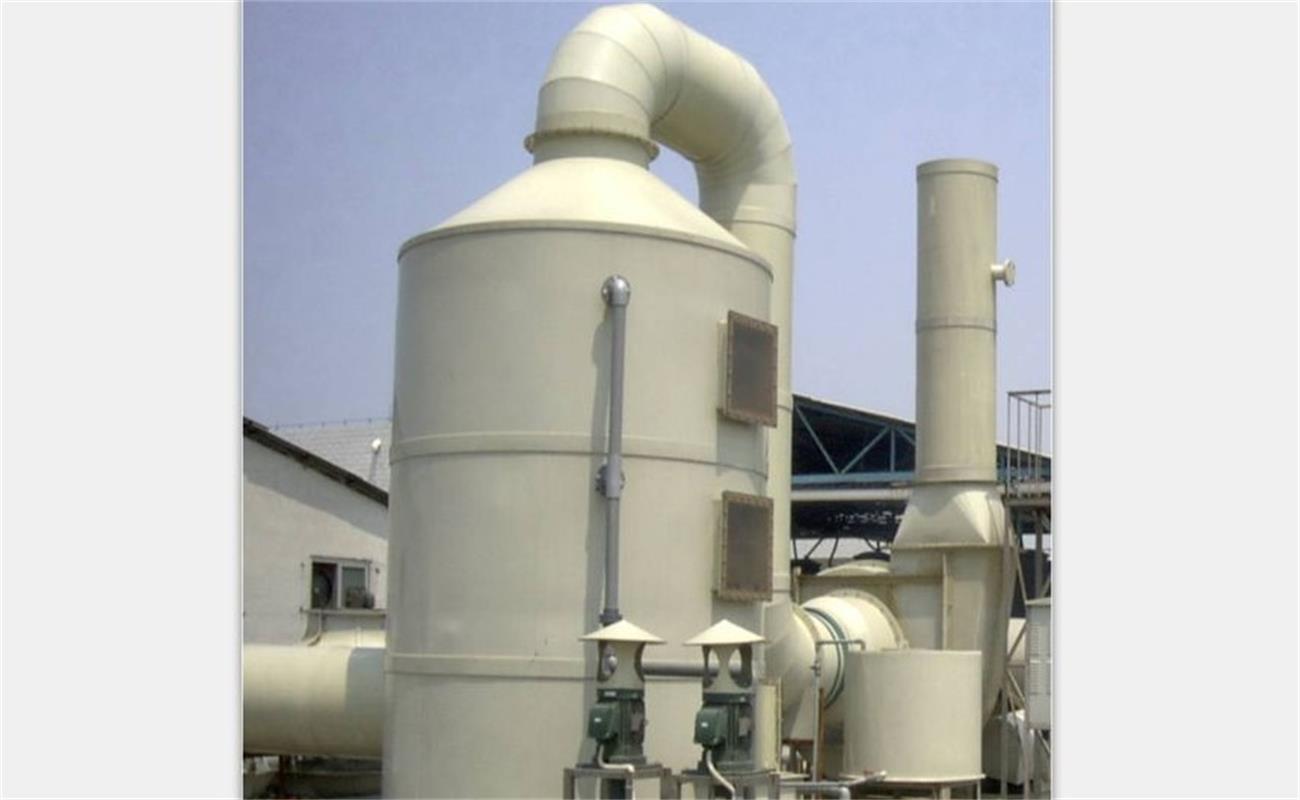
Modern cable recycling operations must satisfy increasingly stringent environmental regulations governing dust emissions, noise levels, and waste disposal. Professional cable recycling equipment incorporates integrated dust collection systems using cyclone separators and pulse bag filters that capture fine particles before atmospheric release.
By diverting copper and aluminum from landfills and reducing demand for virgin metal mining, cable recycling significantly reduces environmental impact. Each ton of recycled copper saves approximately 15,000 kWh of energy compared to primary production while eliminating associated mining waste and pollution.
Start Your Cable Recycling Business Today
Whether you are establishing a new recycling facility or upgrading existing equipment, selecting the right cable recycling technology determines your competitive position in this growing market. San Lan Technologies offers turnkey solutions from single machines to complete processing plants, backed by technical expertise and international project experience.
Contact our team today to discuss your specific requirements and receive a customized equipment proposal. Email: info@san-lan.com | WhatsApp: +86 139 2377 4083 | Website: www.san-lan.com