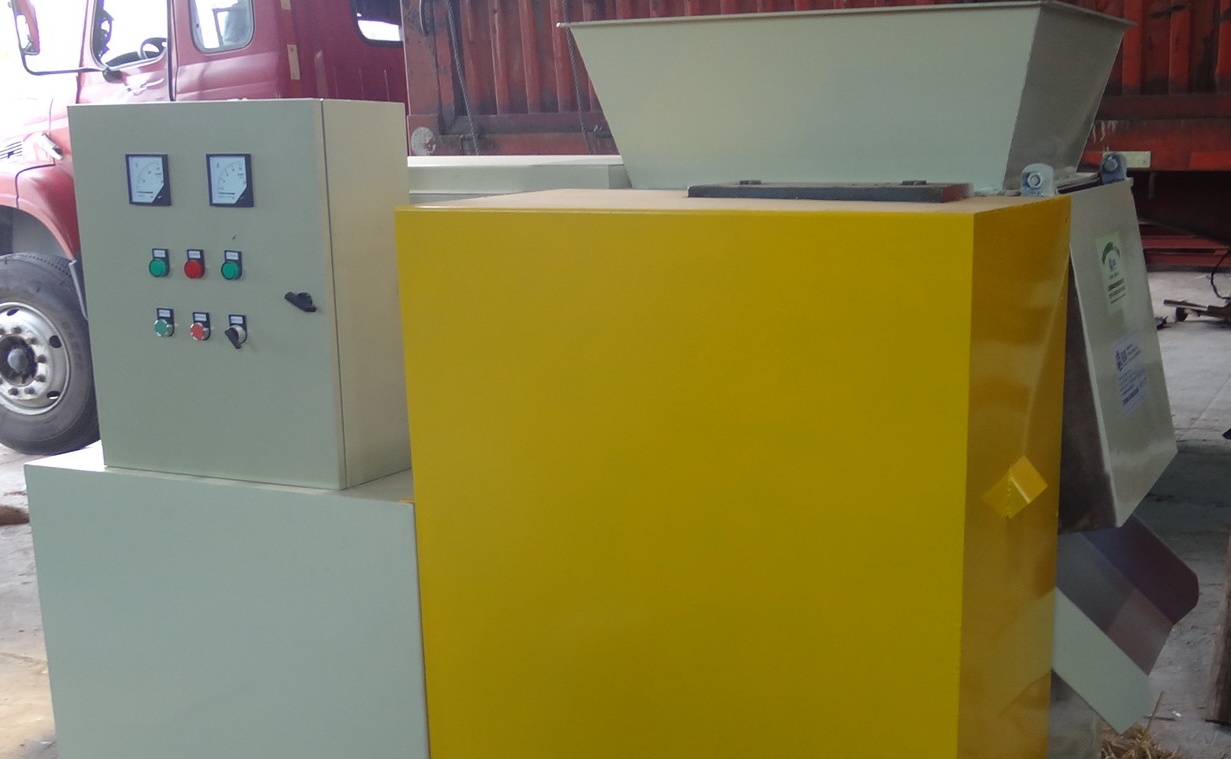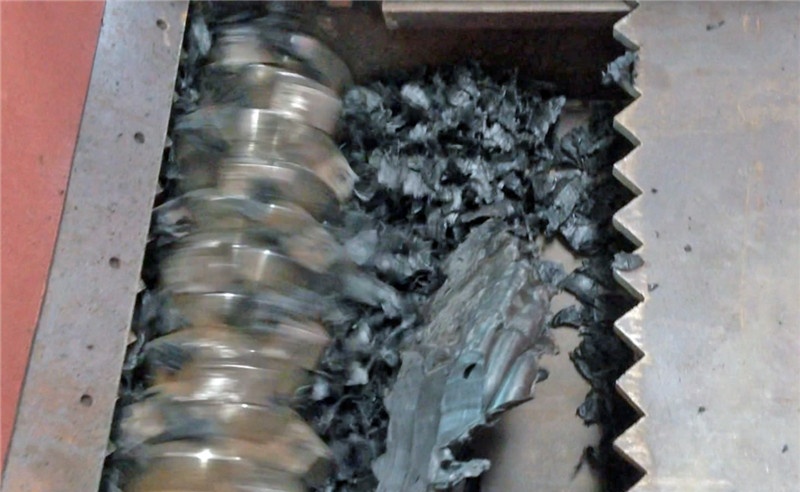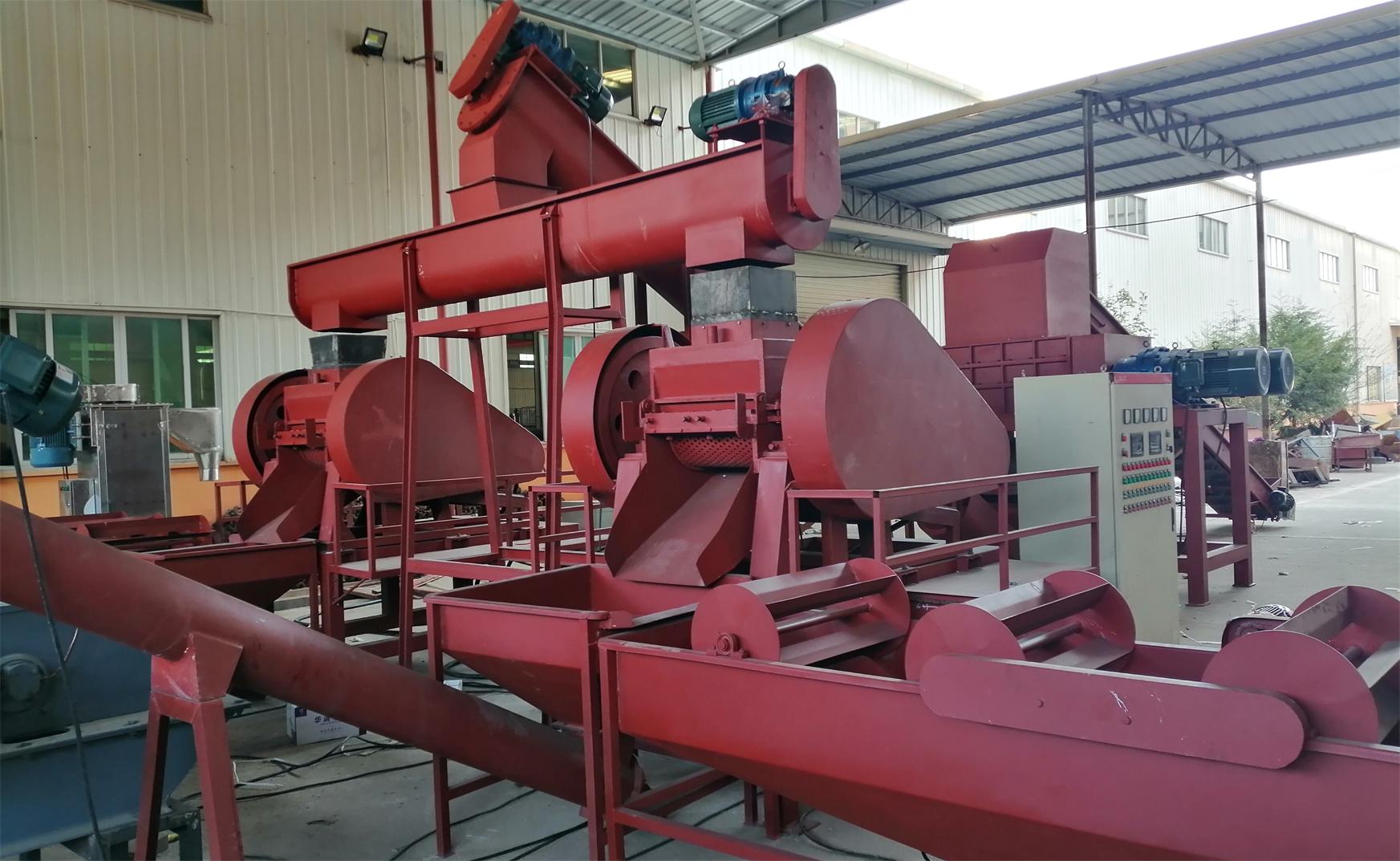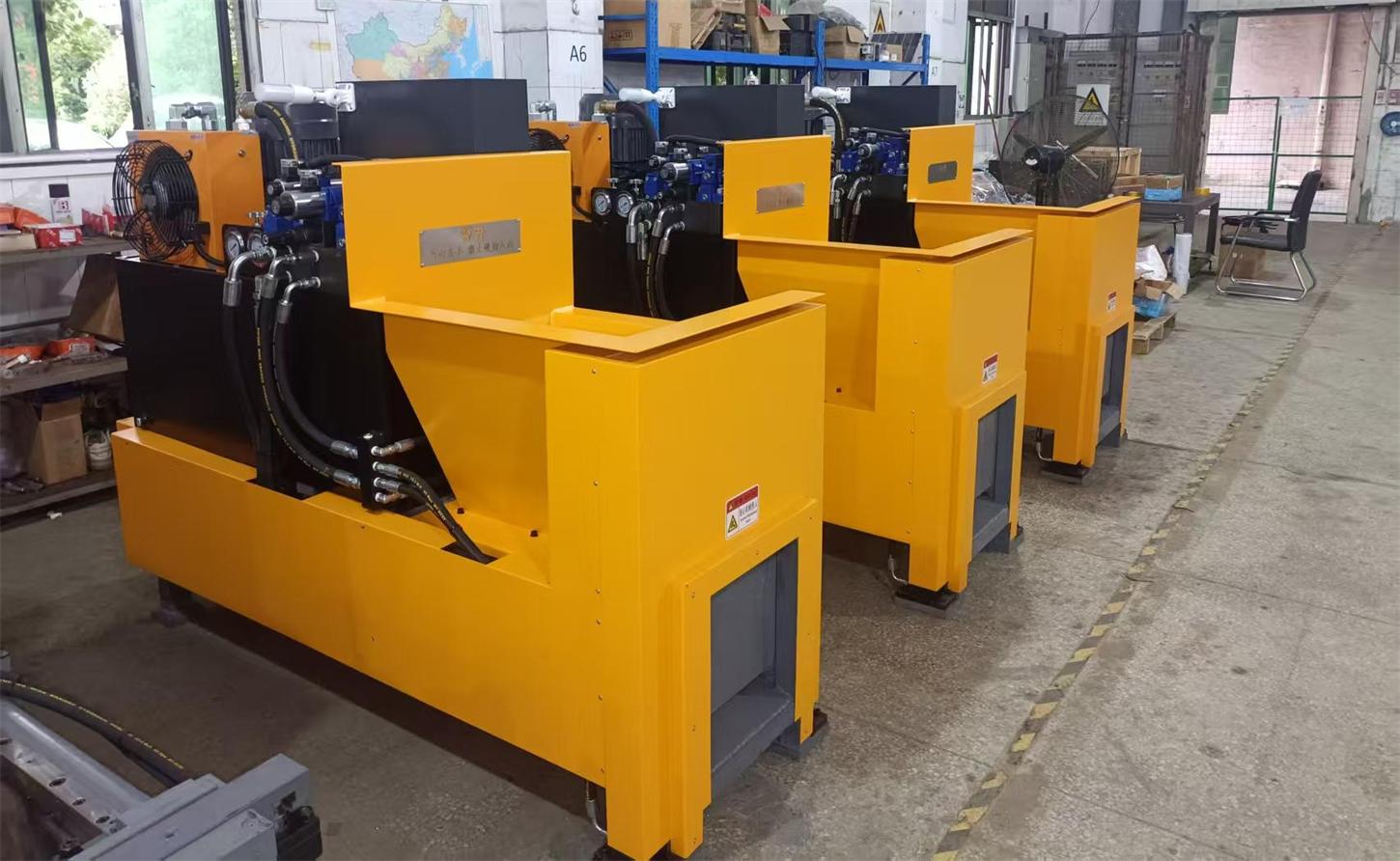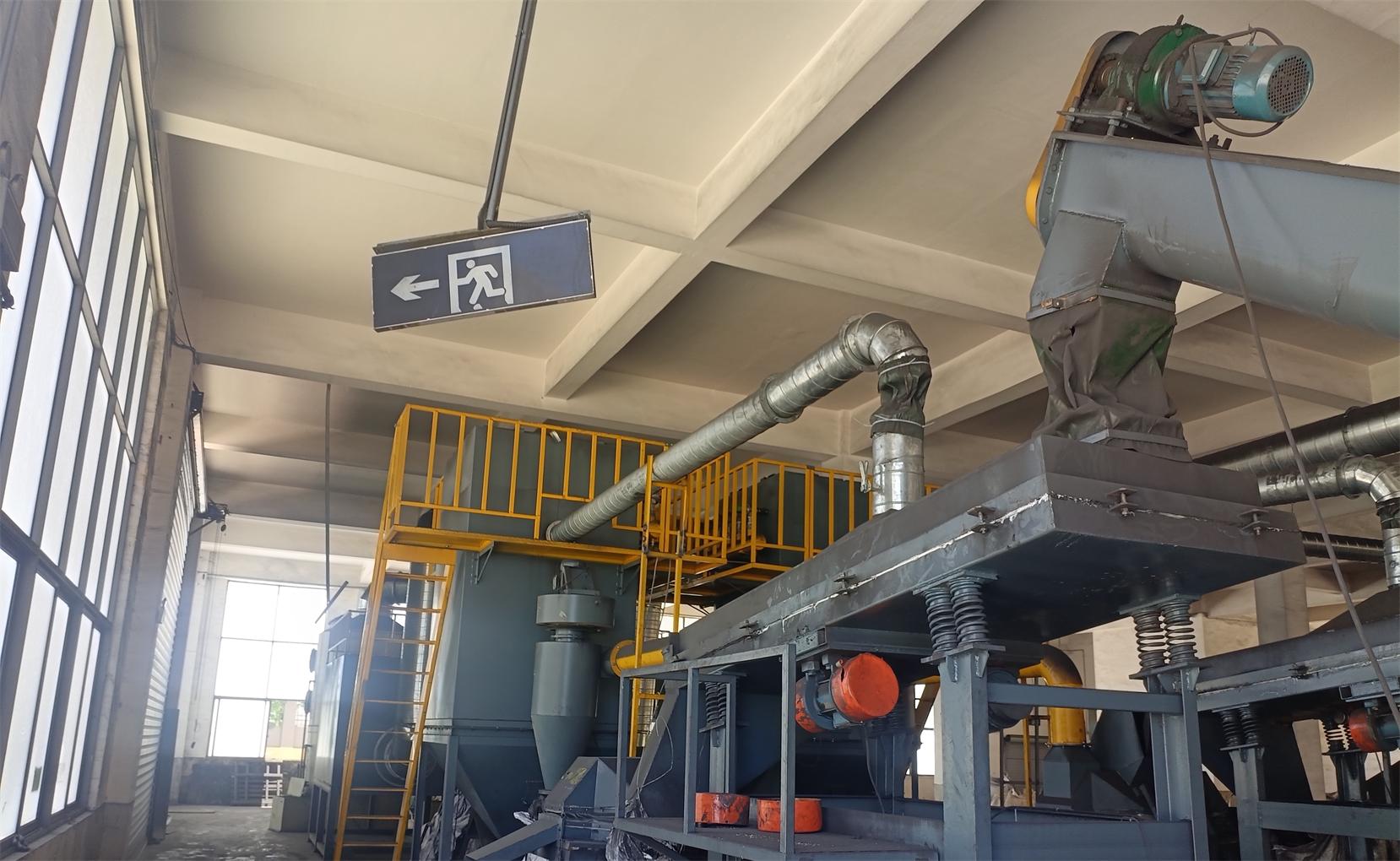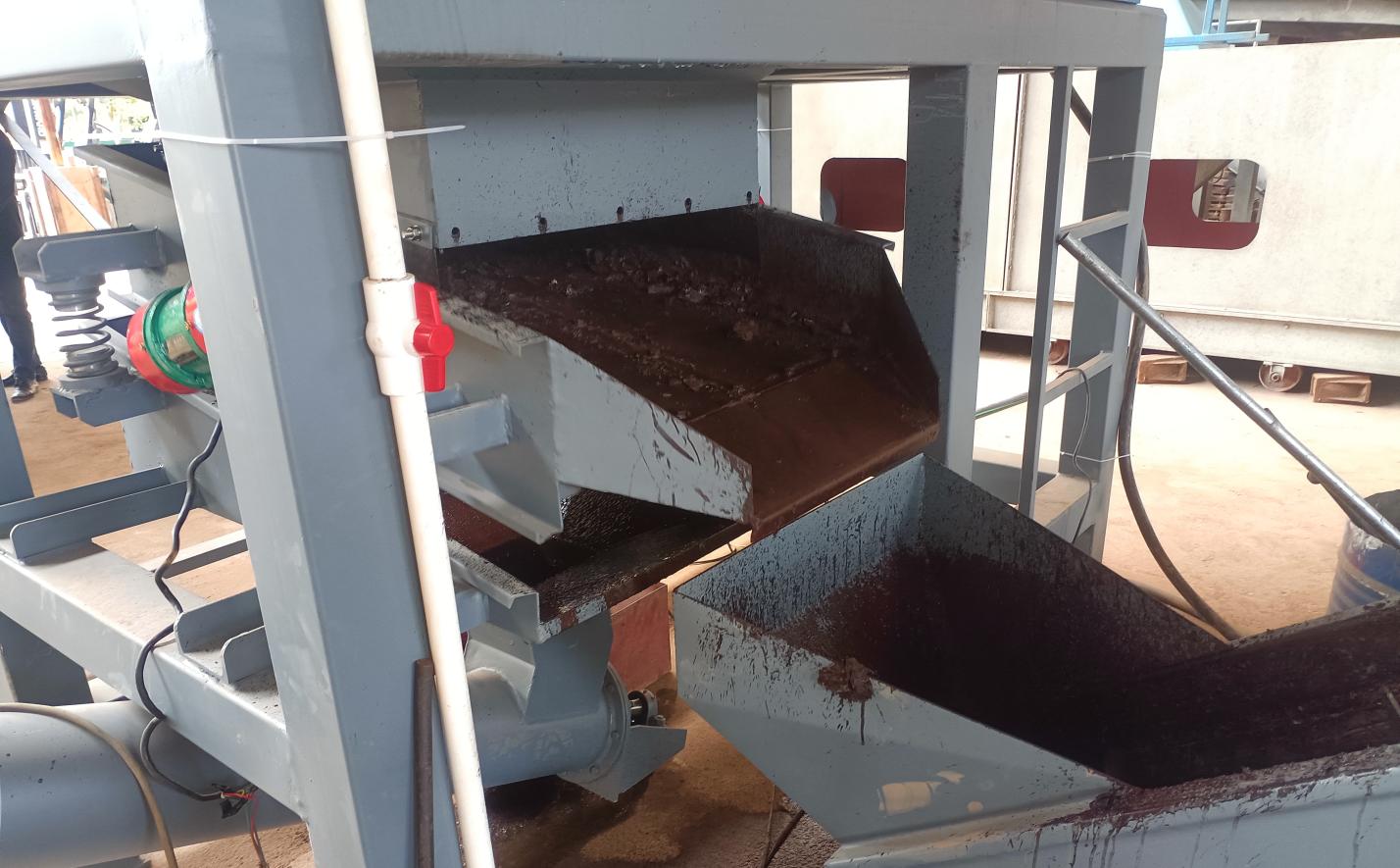
The difference between a profitable recycling operation and a costly mistake often comes down to what you verify before you buy. Whether you are looking for lead acid battery recycling equipment, cable recycling equipment, or circuit board recycling equipment, the supplier you choose will shape your output quality, your compliance record, and your bottom line for years.
This guide is drawn from what experienced plant owners actually verify before committing to a supplier. No generic advice. Just the checks that separate a reliable partner from a vendor who disappears after the invoice is paid.
Check 1: Does the Supplier Understand the Full Process, or Just the Machine?
A machine breaks material into pieces. A process turns waste into sellable product. Anyone can sell you a shredder or a separator. The question is whether your supplier understands what happens before the feed hopper and after the discharge chute.
For lead acid battery recycling, this means understanding acid drainage, plastic separation, lead paste recovery, smelting, and refining. For cable recycling, it means knowing how to handle different insulation types and how to achieve copper purity that buyers will actually pay for. For circuit board recycling, it means controlling dust, recovering precious metals, and meeting environmental standards.
Suppliers who only quote equipment without asking about your raw material composition, your local regulations, or your target product specifications are selling metal, not solutions. Look for a team that asks about your waste stream before they recommend a machine.
Check 2: Can They Deliver a Turnkey Plant, or Just Individual Machines?
Buying machines from three different suppliers and trying to make them work together is one of the fastest ways to turn a capital project into a coordination nightmare. Conveyor speeds mismatch. Control systems do not communicate. Dust collection is undersized because each vendor assumed the other was handling it.
A turnkey provider designs the layout, supplies the equipment, installs it, commissions it, and trains your team. This is not convenience. It is risk management. When one company is responsible for the entire line working together, there is no finger-pointing when something does not integrate.
Ask specifically: Who designs the plant layout? Who provides the electrical and control integration? Who is responsible if the output does not meet the promised recovery rate? If the answer involves multiple companies and vague responsibilities, you are buying risk, not equipment.
Check 3: What Is Their Real Track Record in Your Material?
Every supplier has a photo gallery. What matters is whether they have built plants that process the same material you have, at the scale you need, in conditions similar to yours. A cable granulator that works perfectly in a climate-controlled European facility may overheat in a tropical warehouse with irregular power supply.
Ask for references in your region or in countries with similar operating conditions. Ask how long those plants have been running. Ask what their actual recovery rates are, not what the brochure claims. If a supplier cannot provide specific references with contact details, that is a signal.
Also verify whether they have experience with the full scope of what you need. A supplier who has only built small pilot plants may not understand the logistics of a commercial-scale operation. A supplier who has only worked in developed markets may not design for the maintenance realities of emerging economies.
Check 4: How Do They Handle Environmental Compliance?
Recycling is an environmentally motivated industry. If your plant pollutes the air, contaminates the water, or mishandles hazardous byproducts, you will face shutdowns, fines, and reputational damage that no amount of recovered metal can offset.
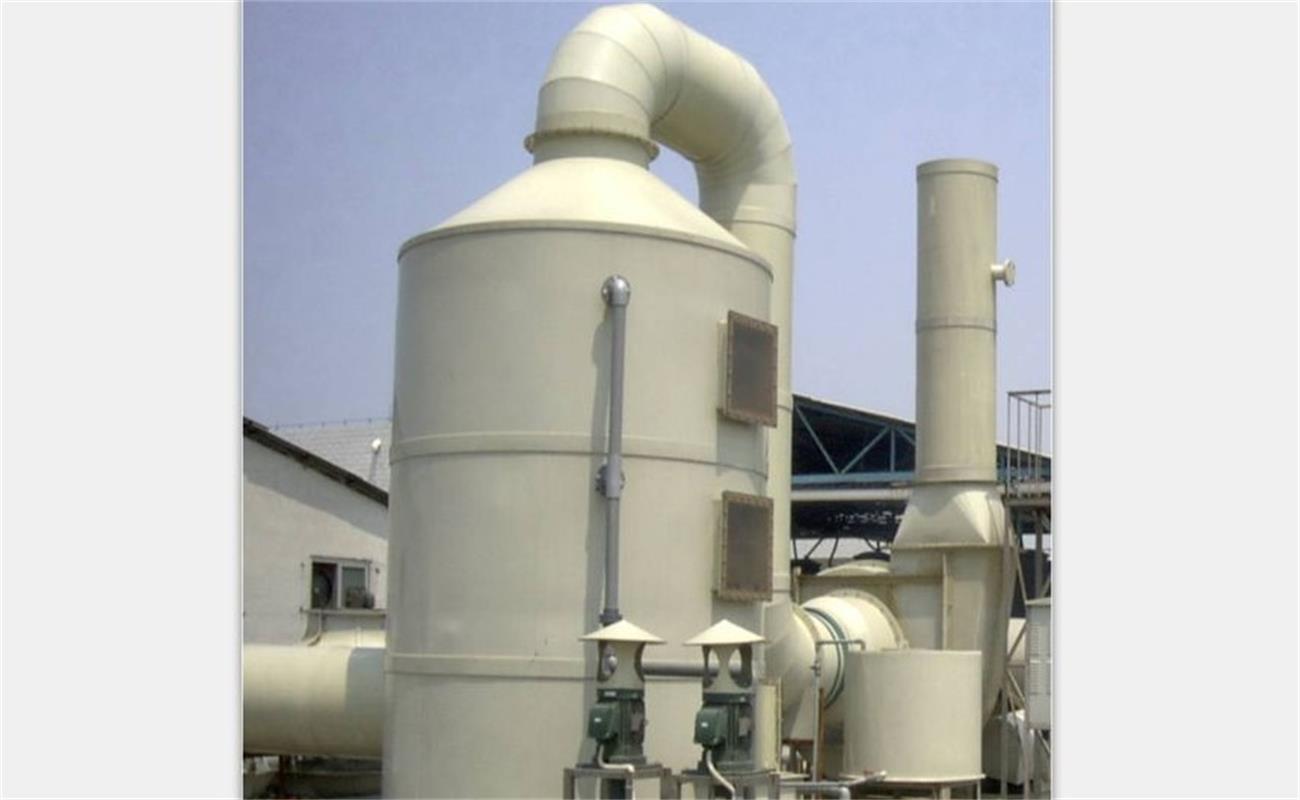
A competent supplier should be able to explain their pollution control approach in detail. For battery recycling, this means acid neutralization, lead dust containment, and SO2 scrubbing. For circuit board recycling, it means dust collection, noise control, and proper handling of toxic residues. For cable recycling, it means managing the plastic dust and any halogenated insulation gases.
Ask what emission levels their systems are designed to meet. Ask whether they have third-party environmental certifications or test reports. Ask if they have experience getting plants permitted in your jurisdiction. Environmental compliance is not an afterthought. It is a design parameter.
Check 5: What Happens After Installation?
The day the equipment arrives is when your relationship with the supplier really begins. Machines need commissioning. Operators need training. Spare parts need stocking. Eventually, something will break at the worst possible moment.
Ask about spare parts availability and lead times. Ask whether they provide on-site training or only manuals. Ask if they offer remote diagnostic support. Ask what their typical response time is for technical issues. A supplier who is easy to reach before the sale but disappears afterward is not a partner.
Also ask about upgrades and expansion. If your business grows, can the line be scaled up? Can additional modules be added? A supplier who designs for future growth saves you from having to replace everything in five years.
What Experienced Buyers Do Differently
The buyers who succeed in recycling do not choose suppliers based on price alone. They evaluate total cost of ownership over five to ten years. They visit reference plants. They talk to operators, not just sales teams. They read the fine print on warranties and performance guarantees.
They also look for suppliers who add value beyond the equipment. Can the supplier help you source raw material? Can they introduce you to buyers for your recovered products? Do they understand the economics of your specific recycling business, or are they just trying to move inventory?
A Supplier That Checks the Boxes
San Lan Technologies Co., Ltd has been manufacturing recycling equipment since 2007. The company delivers complete e-waste recycling plants and mining equipment to customers in over 21 countries, from Singapore and South Korea to Colombia and South Africa.
Their technical team holds master's degrees in mechanical engineering and brings more than 15 years of hands-on experience in e-waste recycling machines. They offer full EPC project delivery, including customized design, installation, and commissioning. They also assist with raw material sourcing, investor introductions, and product offtake for recycling plant operators.
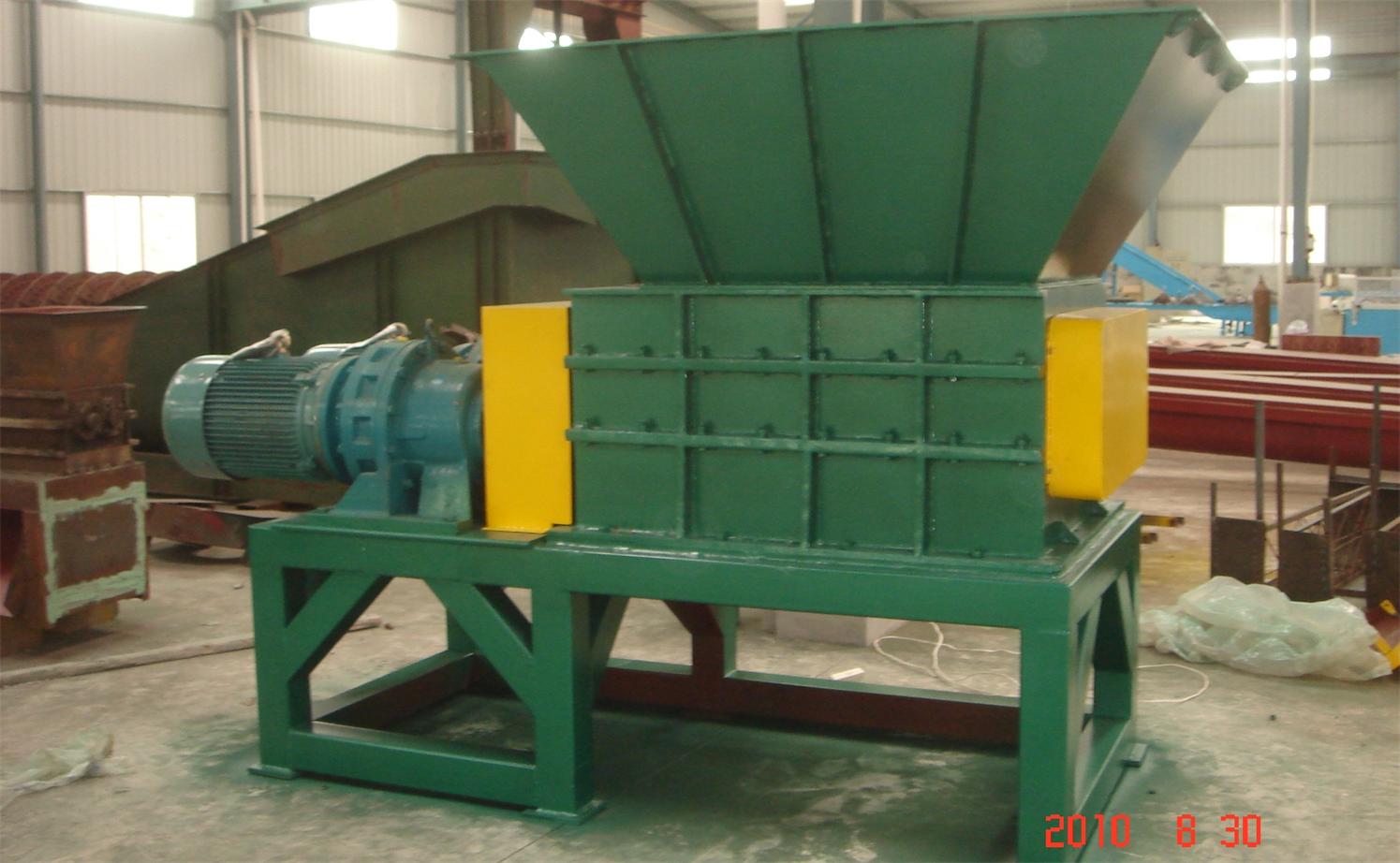
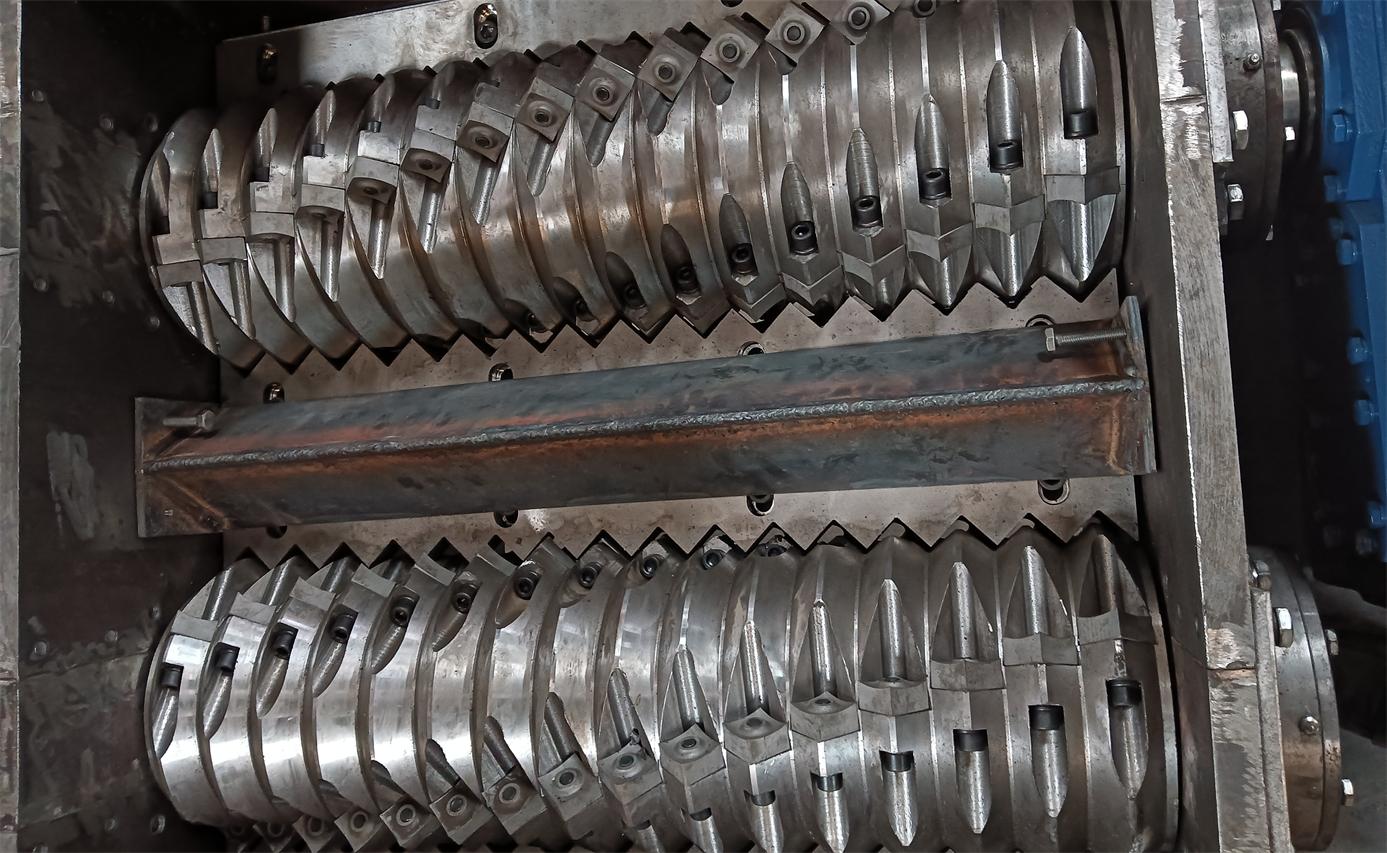
Their product range covers lead acid battery recycling plants, lithium battery recycling plants, circuit board recycling plants, cable recycling plants, refrigerator and AC recycling lines, motor recycling machines, shredders, and auxiliary equipment including pollution control systems and metal melting furnaces. Whether you need a single machine or a complete integrated plant, they design for your material, your scale, and your local conditions.
Ready to evaluate your recycling project? Browse the full product range at san-lan.com, review the project solutions, or contact the team directly with your material specifications and capacity requirements. A technical consultation costs nothing. A wrong supplier choice costs everything.