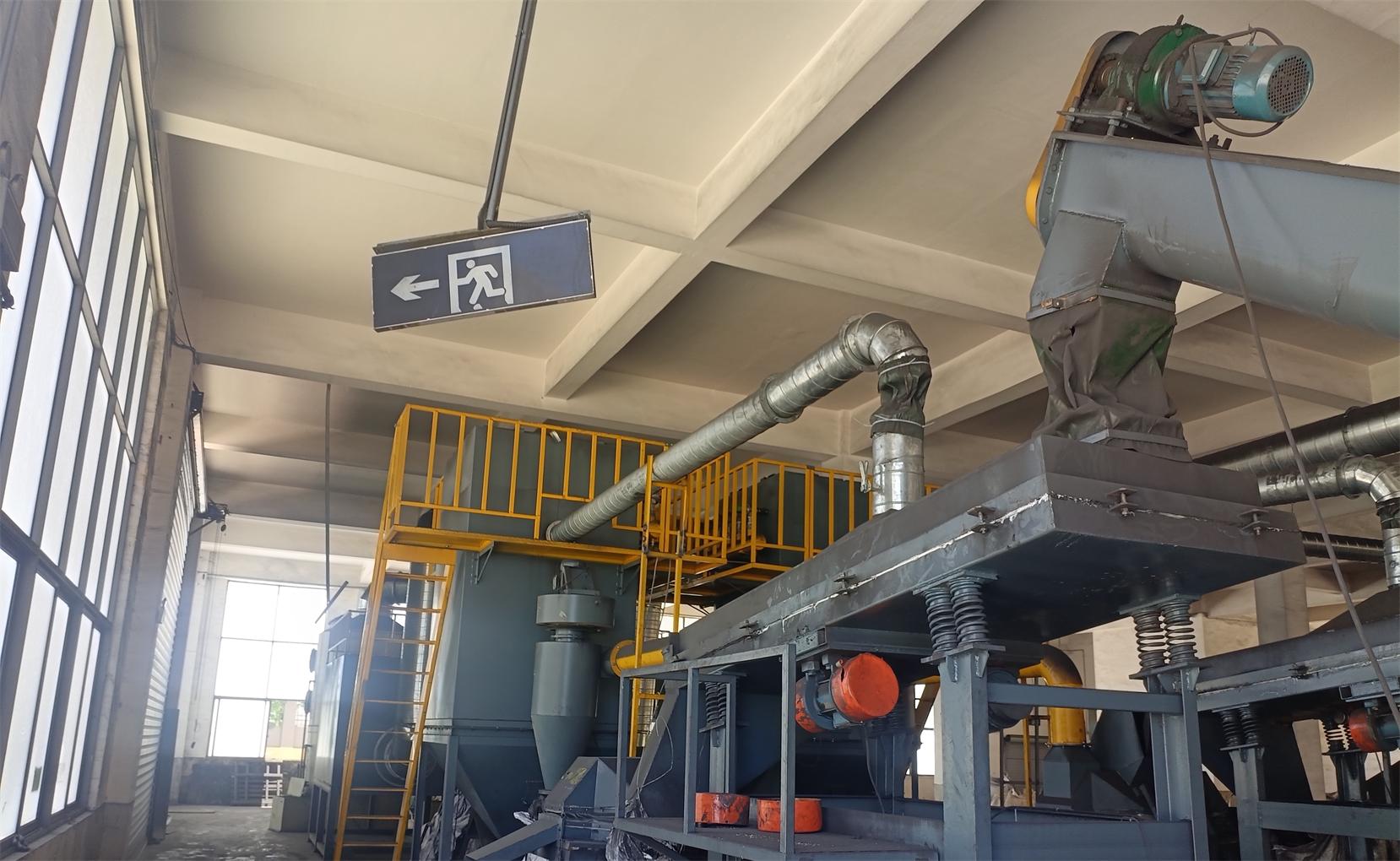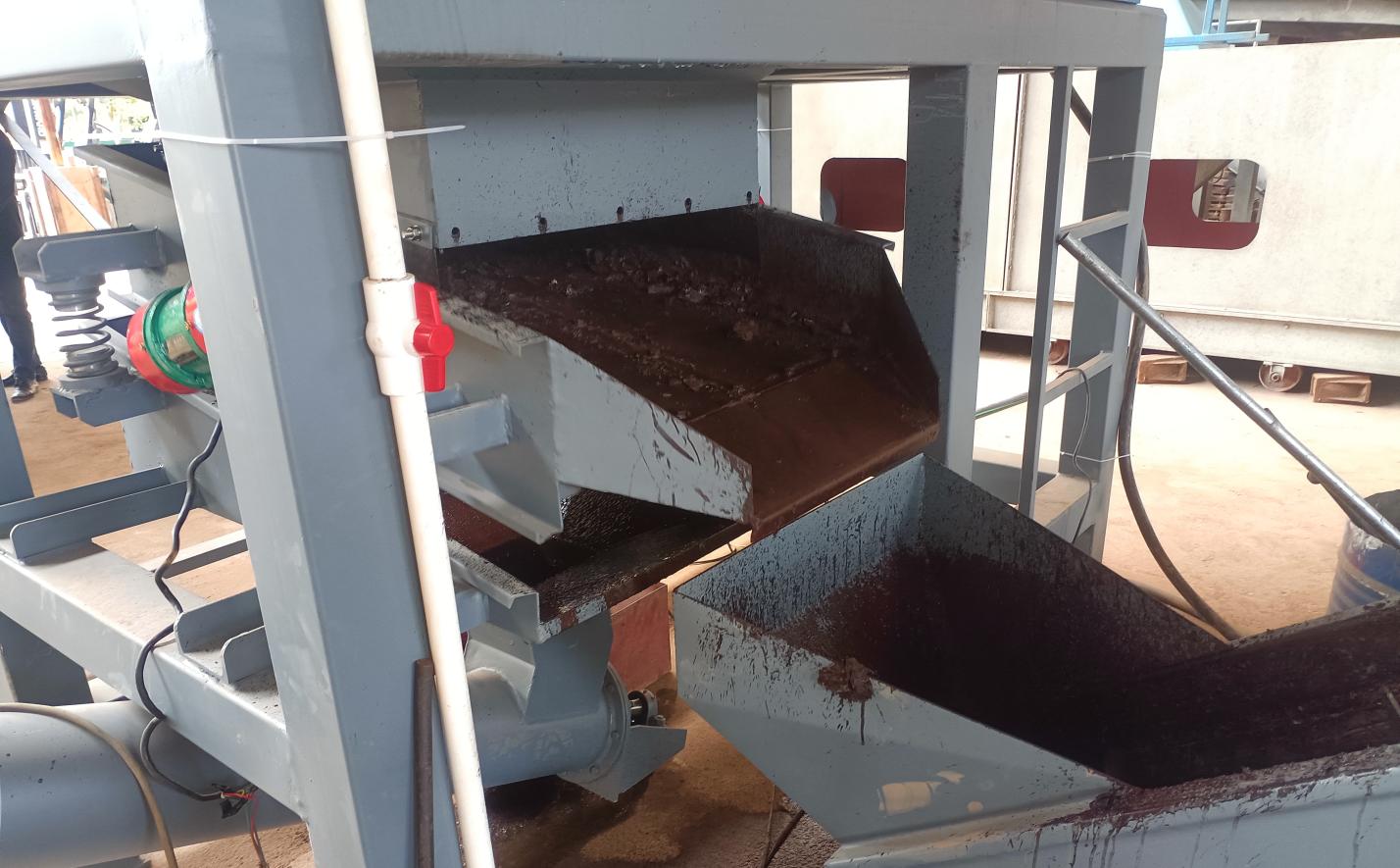
Two entrepreneurs in the same region decide to enter the recycling business. Both have capital. Both see the growing pile of discarded electronics, used batteries, and scrap cable. Five years later, one runs a profitable plant with steady output and expanding capacity. The other is stuck with idle machinery, environmental compliance issues, and a warehouse of unsorted material. The difference was not market timing. It was equipment selection.
Choosing the right machinery for an e-waste or metal recycling plant is not about buying the biggest shredder or the most expensive furnace. It is about matching your equipment to your feedstock, your output goals, and your local regulatory environment. This guide walks through the key decisions every plant builder faces, from raw material assessment to supplier selection.
Start With Your Feedstock, Not Your Budget
The most common mistake in plant planning is starting with a budget and working backward. Smart operators start with the material. Are you primarily processing scrap cable and wire? Used lead acid batteries? Discarded circuit boards? Refrigerators and air conditioners? Each stream demands a different process line.
For example, a facility focused on cable recycling equipment needs granulators and separators that can handle varying diameters and insulation types, from thin communication wire to thick armored industrial cable. A lead acid battery plant, on the other hand, requires breaking and separation systems, paste filtration, desulfurization units, and smelting furnaces. These are entirely different capital investments and skill sets.
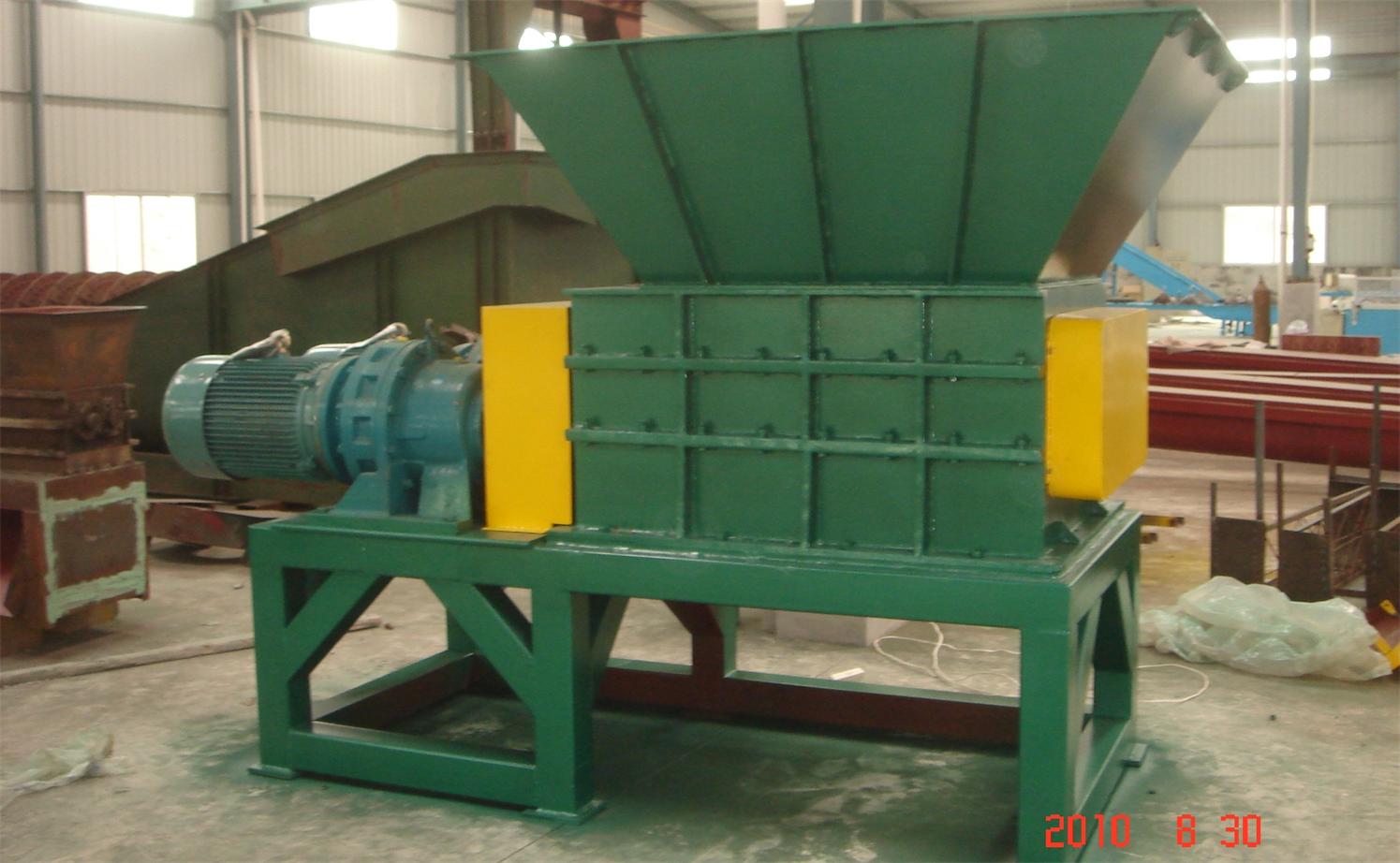
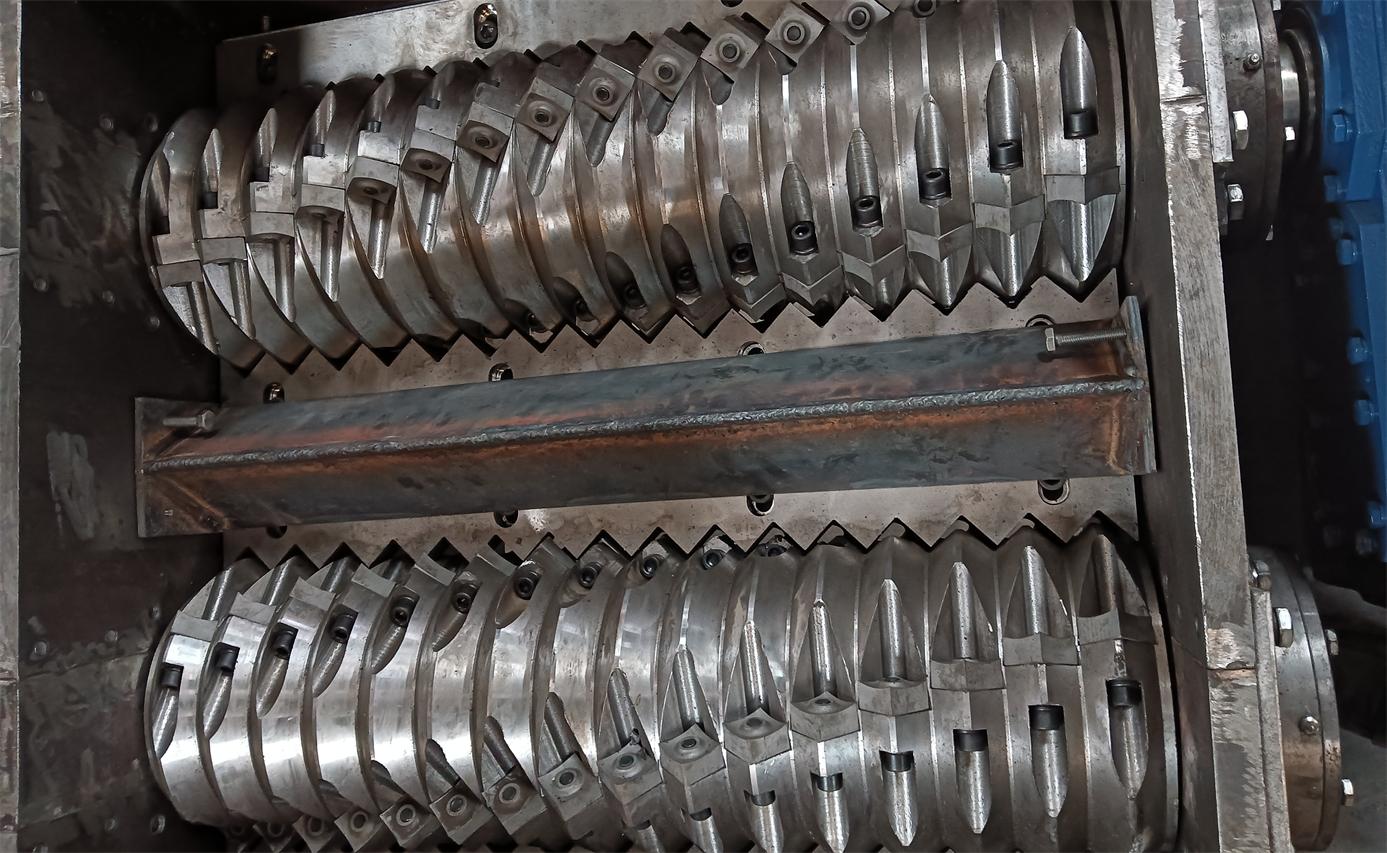
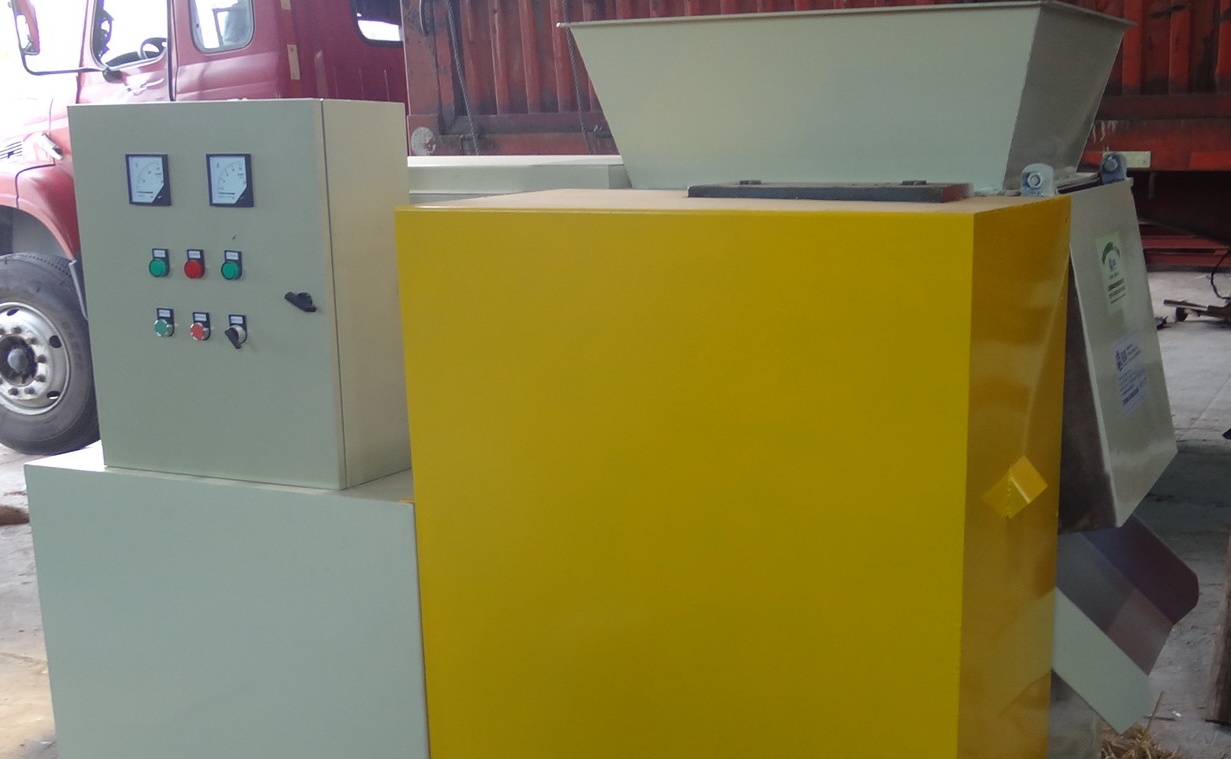
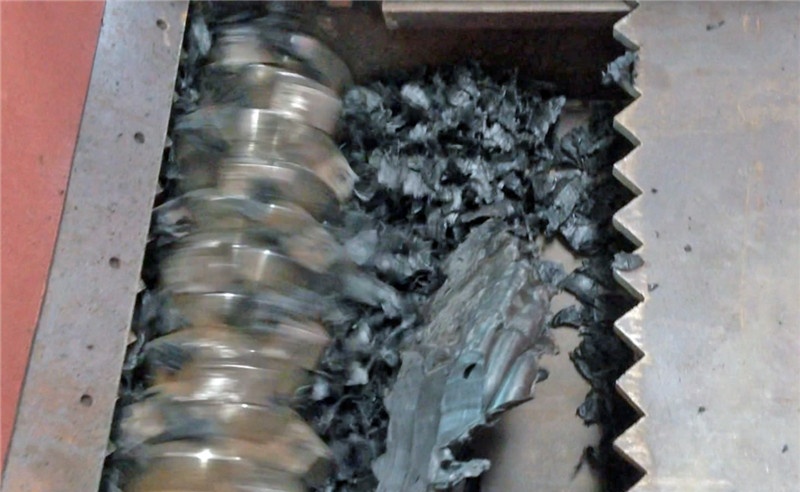
If your supply is mixed, consider a pre-shredding and sorting stage first. A robust shredder can homogenize the inbound material, making downstream separation more efficient and reducing wear on specialized machines.
Understand the Core Process Lines
Most recycling plants fall into one of four categories. Understanding the flow within each helps you ask better questions when speaking with equipment manufacturers.
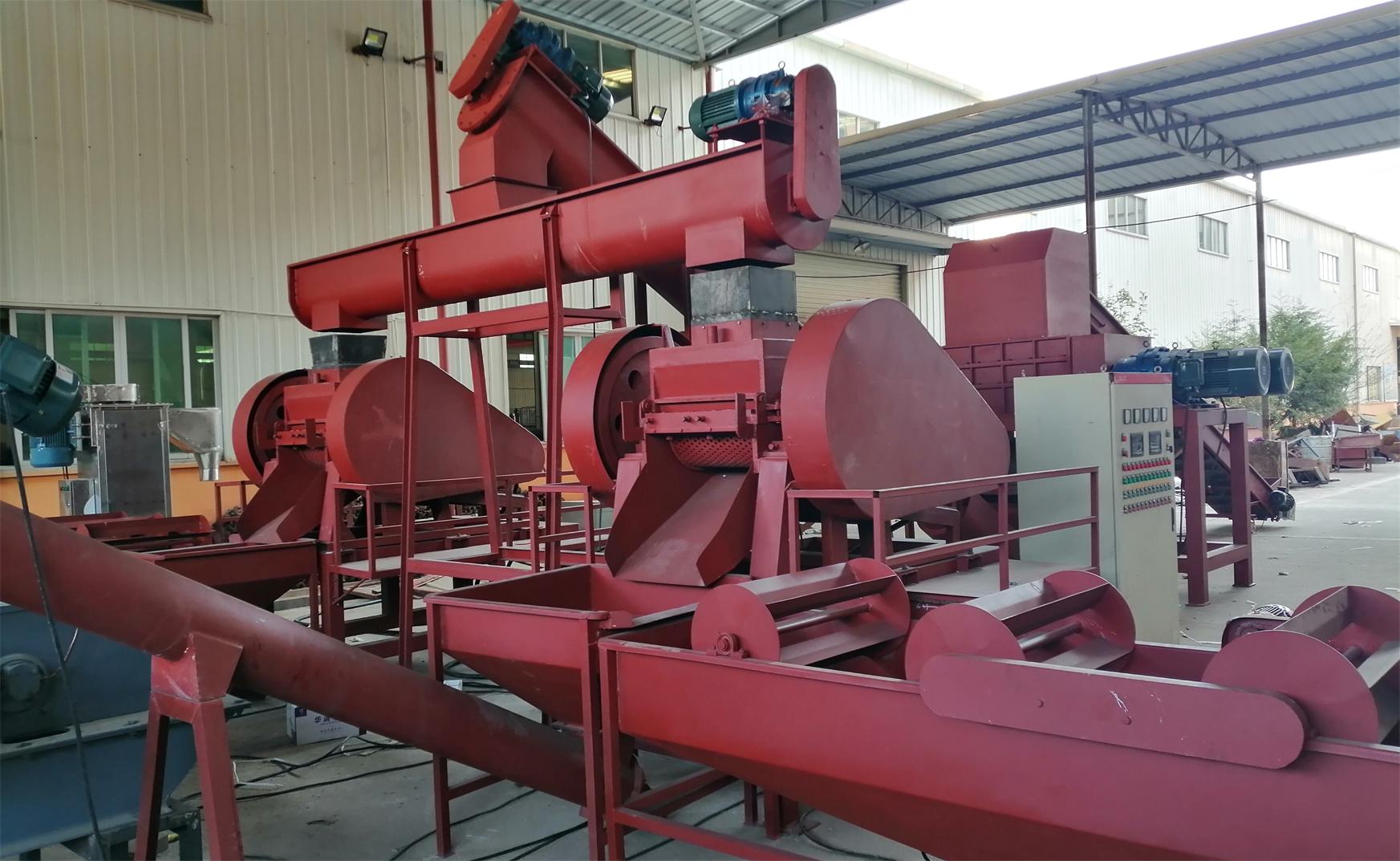
Cable and Wire Recycling: The goal is to separate copper or aluminum from plastic insulation. The typical line includes a stripping machine or granulator, a separation unit (air or water based), and dust collection. Capacity ranges from small benchtop units processing hundreds of kilograms per hour to industrial lines handling multiple tons per hour.
Lead Acid Battery Recycling: This is one of the most established recycling streams. A complete lead acid battery recycling equipment line includes battery cutters, breaking and separation systems, paste filter presses, desulfurization units, blast or rotary furnaces for smelting, refinery kettles, and air pollution control systems. Water treatment is also essential because the breaking process generates acidic wastewater.
Lithium Battery Recycling: Driven by the electric vehicle market, this stream is growing rapidly. The process involves discharging, pre-crushing, secondary granulation, and separation to recover black mass (containing nickel, cobalt, and graphite), copper, aluminum, and plastic film. Because lithium batteries can be reactive, the line must include safety systems for discharge and gas control.
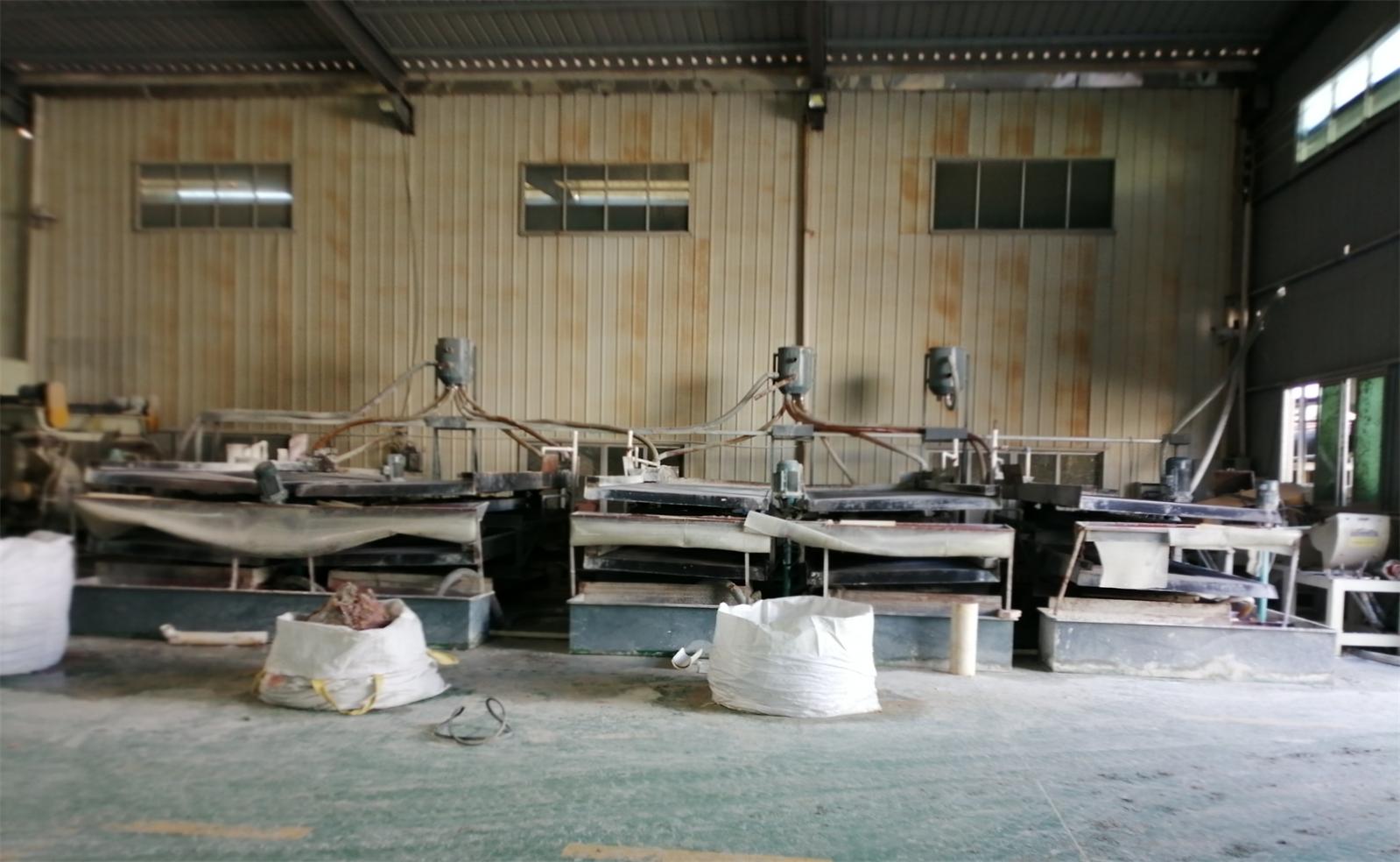
Circuit Board Recycling: Printed circuit boards contain copper, precious metals, and resin. A circuit board recycling equipment line typically uses mechanical crushing followed by air separation, electrostatic separation, or wet separation to isolate metal powder from non-metallic fractions. Purity of the copper powder and recovery rate are the key performance indicators.
Do Not Treat Environmental Compliance as an Afterthought
Recycling saves resources, but the process itself can create dust, acidic gas, and wastewater. Regulators worldwide are tightening emissions standards. Building a plant without integrated pollution control is asking for shutdowns and fines.
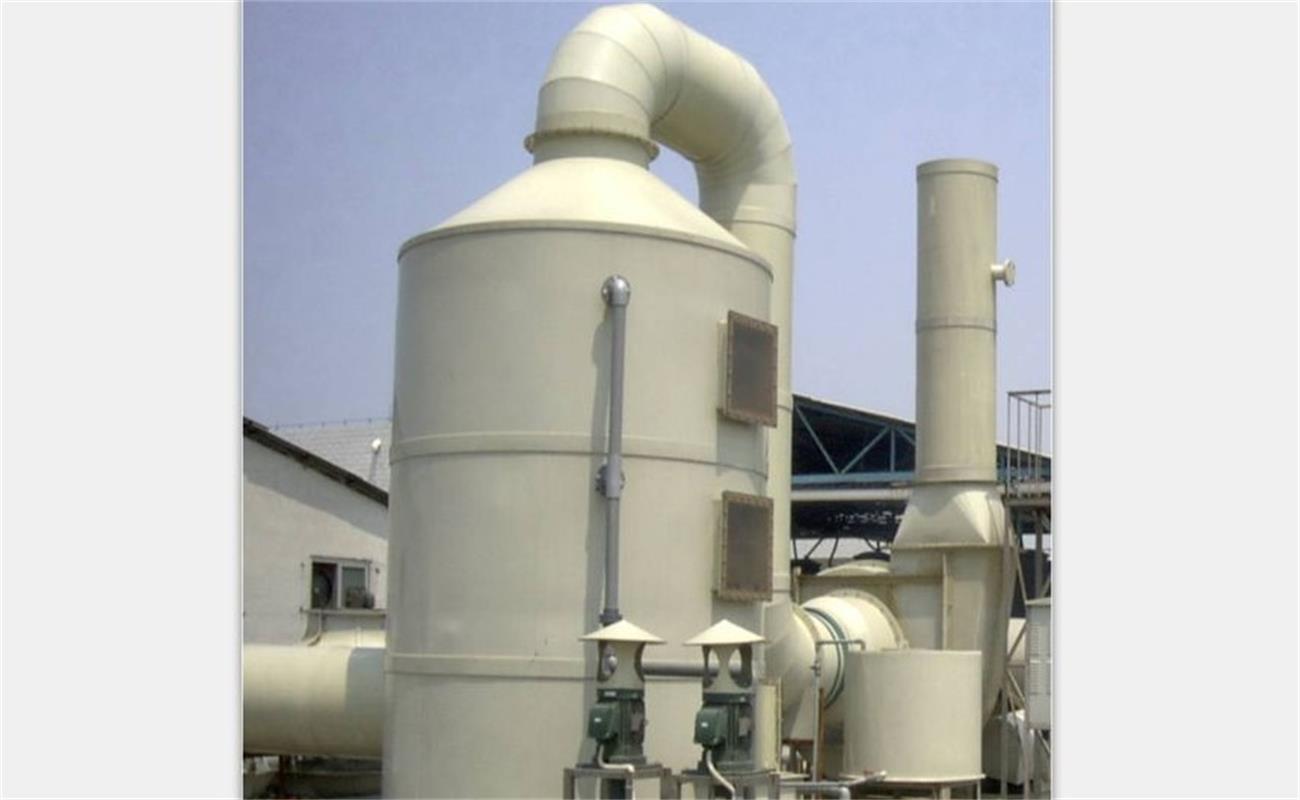
Air pollution control systems should address the specific gases generated by your process. Lead smelting produces sulfur dioxide and lead fumes. Lithium battery crushing can release fluorinated compounds. Circuit board processing creates fine dust. Each requires targeted absorption, filtration, or neutralization.
Water treatment is equally critical for wet separation processes and battery recycling. Closed-loop water systems reduce both environmental risk and operating cost. Ask your equipment supplier whether they provide integrated water treatment plants or only the core machinery.
Capacity Planning: Plan for Growth, Not Just Today
It is tempting to size your plant exactly to your current supply contract. But recycling businesses grow quickly once word spreads that you are buying material. A plant that is too small becomes a bottleneck. A plant that is massively oversized sits idle and burns capital.
A practical approach is to design for your expected volume in year three, with a layout that allows modular expansion. For instance, if you are evaluating recycling equipment supplier options, ask whether their lines can be scaled up by adding parallel units rather than replacing the entire system. Modular design protects your investment and reduces downtime during expansion.
What to Look for in an Equipment Partner
Buying recycling machinery is not a product purchase. It is a partnership. The right supplier does more than ship containers. They help you design the plant layout, train your operators, and troubleshoot when the material behaves differently than expected.
Here are five signals that a manufacturer is built for long-term partnerships:
1. They ask about your material first. A supplier who quotes before asking about your feedstock composition, volume, and contamination level is selling boxes, not solutions.
2. They offer EPC capability. Engineering, procurement, and construction experience means they understand how the machines connect to utilities, foundations, and environmental systems.
3. They have reference installations. A track record of plants running in multiple countries suggests their designs have been tested against different regulations and material qualities.
4. They provide installation and commissioning. Even well-built machines need alignment and calibration on site. Remote support alone is not enough for a first plant.
5. They speak your language. Not just linguistically, but commercially. A partner who understands intercultural business practices and can help with material sourcing or product offtake adds value beyond the machinery.
The Hidden Value of Complete Solutions
Some buyers prefer to source each machine from a different specialist to save money. In practice, this often creates integration headaches. Interfaces between machines do not line up. Control systems speak different languages. When something breaks, each supplier blames the other.
A single-source complete plant provider takes responsibility for the full line. They ensure that the output of one stage matches the input requirements of the next. They provide a unified control panel and a single point of contact for spare parts. For first-time plant operators, this integration risk reduction is often worth more than the marginal cost savings of piecing together equipment from multiple vendors.
Building Your Plant With the Right Partner
San Lan Technologies has been manufacturing e-waste recycling machinery and mining equipment since 2007. The company supplies complete plants for cable recycling, lead acid battery recycling, lithium battery recycling, circuit board recycling, and refrigerator processing, along with the shredders, furnaces, and pollution control systems that tie them together.
With customers in over twenty countries and experience in EPC project delivery, San Lan offers customized design, installation, commissioning, and ongoing technical support. Their team includes mechanical engineers with more than fifteen years of experience in recycling machine design.
If you are planning a recycling plant and want a partner who understands the full process from raw material to final product, contact San Lan Technologies to discuss your project requirements.