Two entrepreneurs in the same city decided to enter the e-waste recycling business in the same year. One chased the lowest quote and spent the next eighteen months rebuilding a conveyor system that could not handle the throughput he had promised his investors. The other asked harder questions upfront, and his plant was separating copper from plastic on schedule within four months. The difference was not capital. It was the supplier they chose.
Why Equipment Selection Defines Your Recycling Business
E-waste is one of the fastest-growing waste streams in the world, and regulations on battery disposal, cable scrap, and printed circuit board handling are tightening across every major market. That pressure creates opportunity. A well-designed recycling plant can recover lead, copper, lithium, and precious metals at margins that compare favorably to primary mining. But the plant is only as good as the machines inside it, and the machines are only as good as the team that designed, built, and installed them.
Choosing a recycling equipment supplier is therefore not a purchasing decision in the ordinary sense. It is a partnership decision. The right supplier does not drop-ship a catalog; it engineers a system around your feedstock, your local regulations, your available space, and your target output quality. The wrong supplier leaves you with a warehouse of mismatched components and a long list of subcontractors to manage.
Five Checks That Separate Reliable Suppliers From Risky Ones
After reviewing dozens of plant installations and talking to operators who have lived with the consequences of both good and bad decisions, the same five criteria keep appearing. Treat them as a non-negotiable checklist before you sign a contract.
1. Depth of Technical Team, Not Just Sales Staff
A glossy brochure proves nothing. Ask who will design your process flow, who will size your shredder and separator, and who will be on site when the first batch runs. A supplier with an in-house engineering team that holds advanced degrees in mechanical engineering and has spent years inside recycling plants will spot problems before steel is cut. A reseller without that depth will spot them only after your downtime starts costing money.
2. Product Breadth and Real Customization
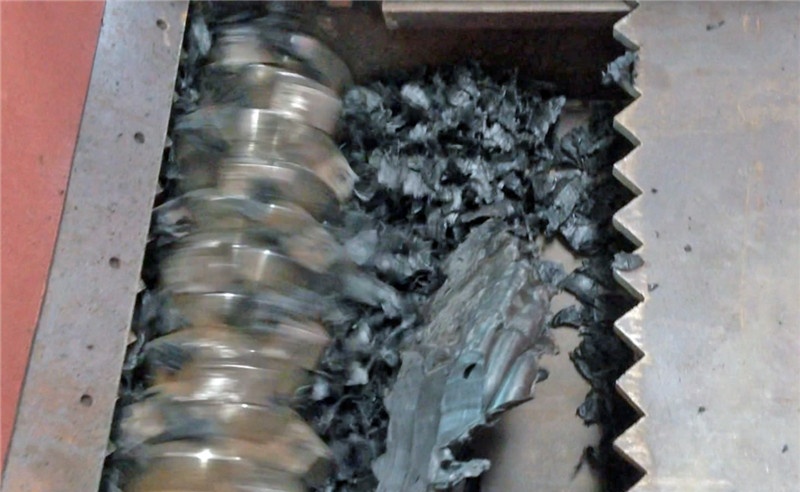
E-waste is not one material. A plant that handles used lead acid batteries needs crushing, separation, desulfurization, smelting, and emission control. A lithium-ion operation needs discharge safety, inert crushing, black-mass separation, and plastic recovery. Cable recycling demands granulation and air or electrostatic separation. Circuit board recovery requires multiple stages to liberate copper powder and precious metals. If your supplier only offers one or two of those lines, you will be integrating someone else’s equipment anyway, and the blame game starts when interfaces fail.
Look for a manufacturer that can deliver the full spectrum: lead acid battery recycling equipment, lithium battery recycling plant systems, cable recycling equipment, and circuit board recycling equipment, all from a single engineering base. That breadth usually means the company has solved interface problems before.
3. EPC Track Record
Engineering, Procurement, and Construction capability matters because a recycling plant is a system, not a shopping list. A supplier that has delivered turnkey plants before understands civil works, utility connections, environmental permits, and commissioning sequences. Ask for references from completed projects, ideally in regions with regulatory standards similar to yours. If the supplier has never managed a full build, you are effectively hiring them as a learning exercise.
4. Environmental Compliance as Standard, Not Optional
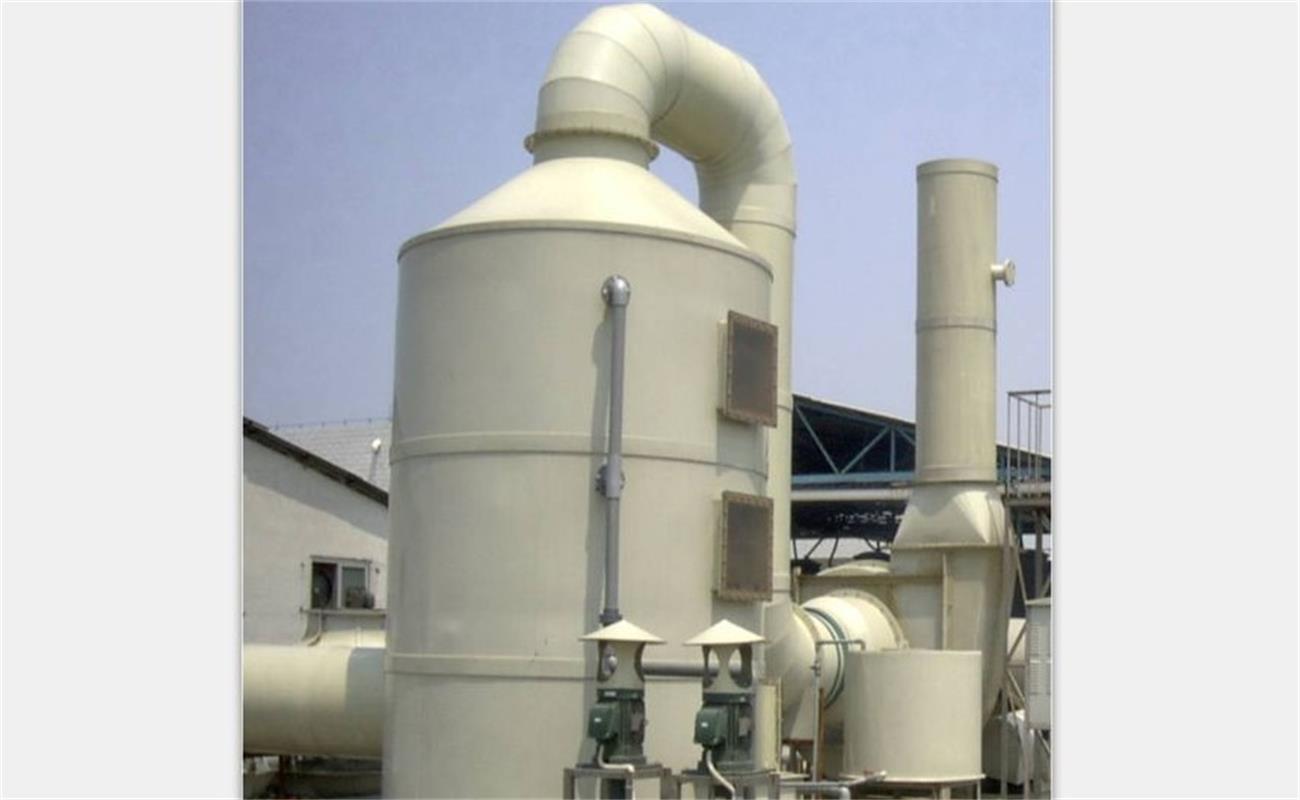
Emission control is not an after-market accessory. Battery breaking releases acid mist and lead dust. Smelting produces SO2 and particulates. Lithium battery crushing can vent electrolyte vapors. A credible supplier should include air pollution control systems, water treatment plants, and effluent handling as integrated parts of the proposal, not line items you discover later. If the supplier treats environmental equipment as an upsell, that is a signal about their priorities.
5. Post-Sale Support and Commercial Ecosystem
Machines break, wear parts need replacement, and process parameters need tuning after the first six months of real operation. Ask what support looks like after the commissioning team leaves. Better yet, ask whether the supplier can help you secure raw material supply and find buyers for your output. A supplier that understands the full value chain, from scrap sourcing to copper-rice or lead-ingot sales, is adding business development value that pure hardware vendors cannot match.
What a One-Stop Partner Looks Like in Practice
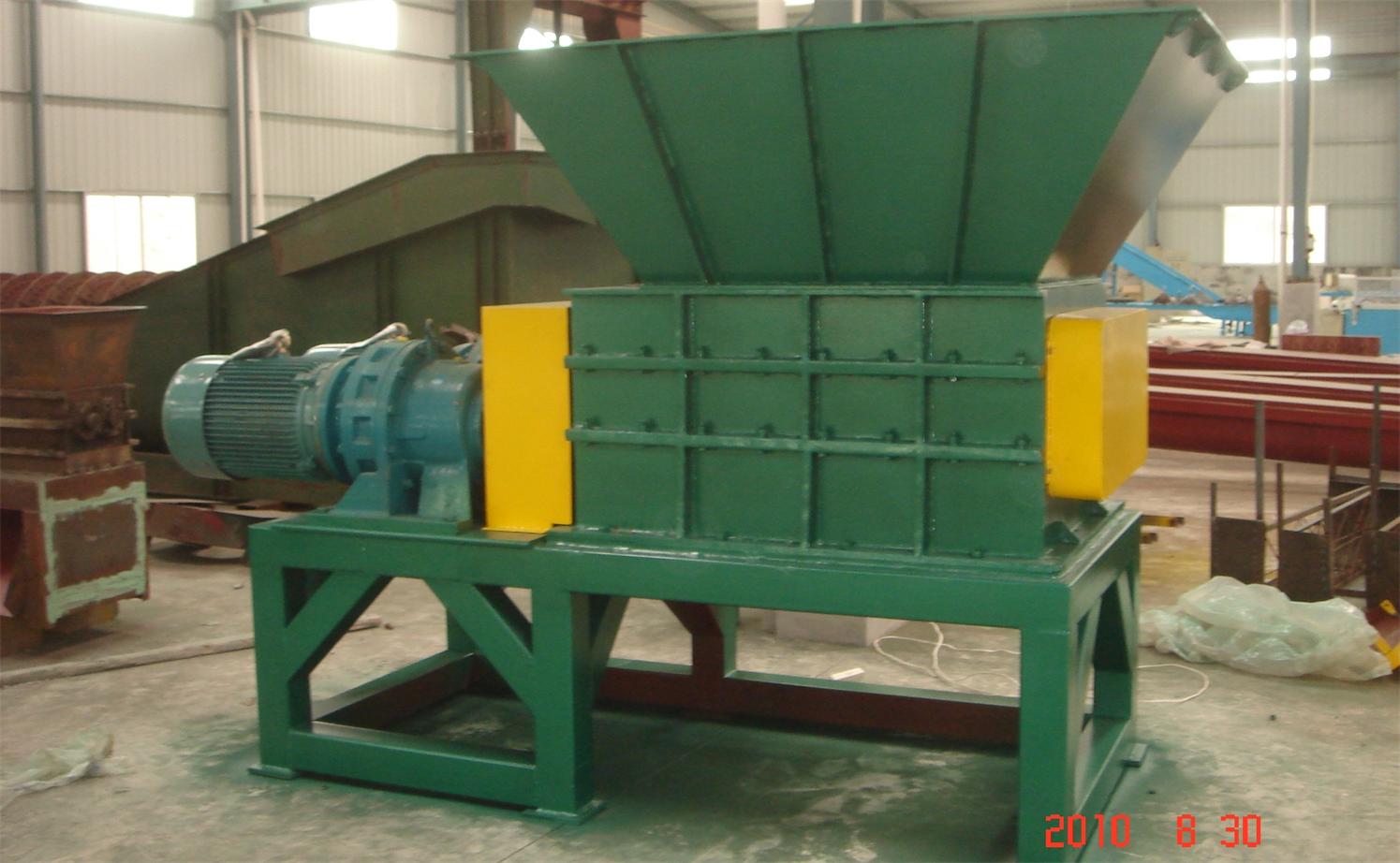
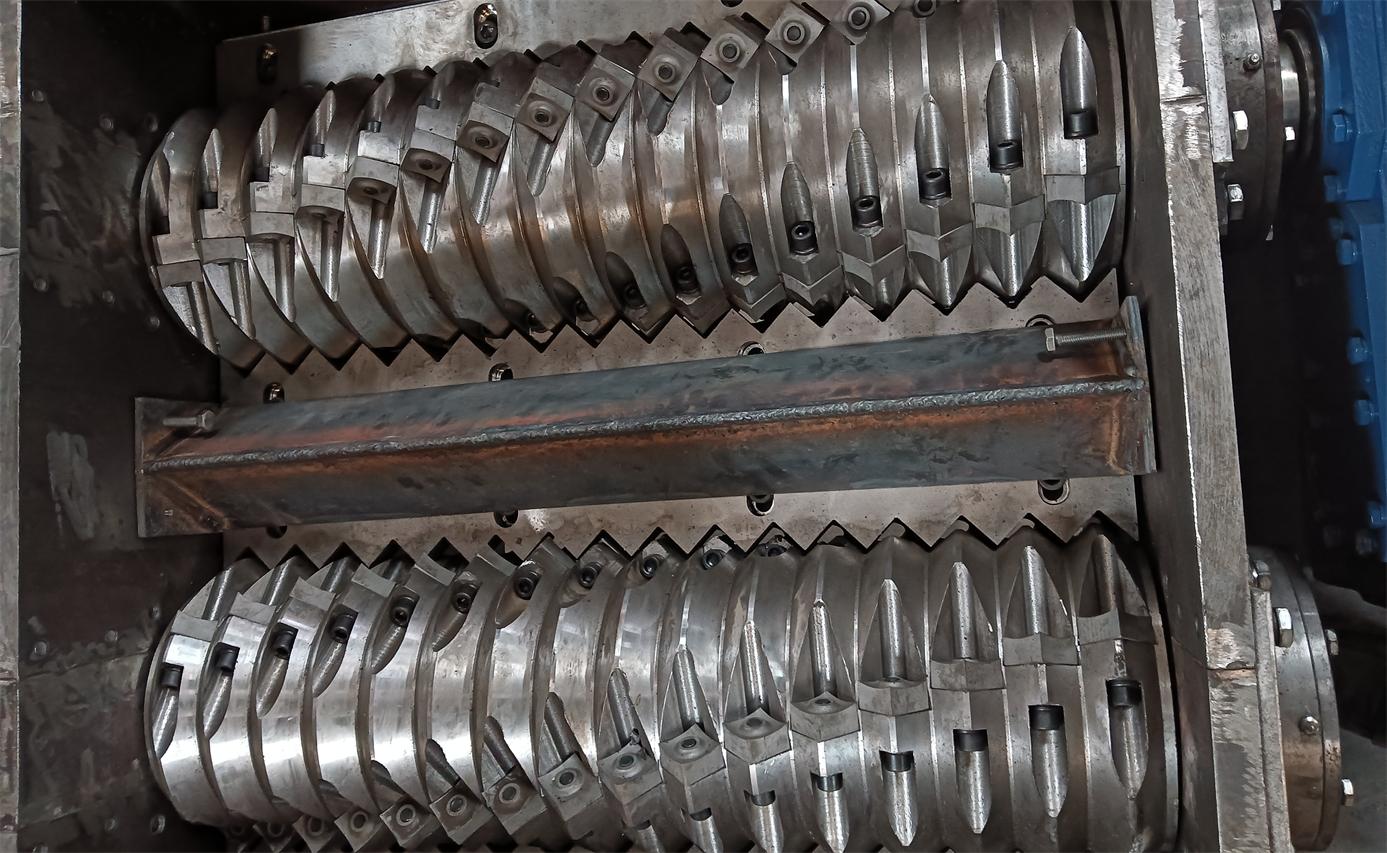
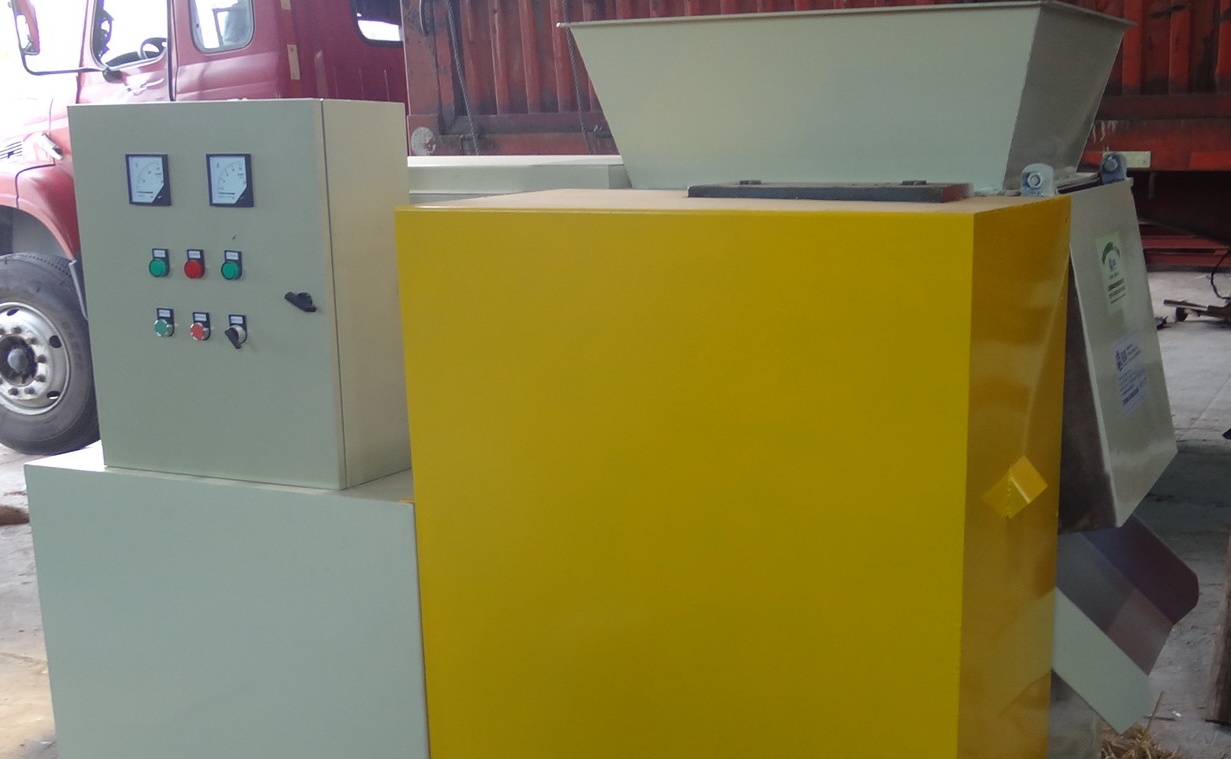
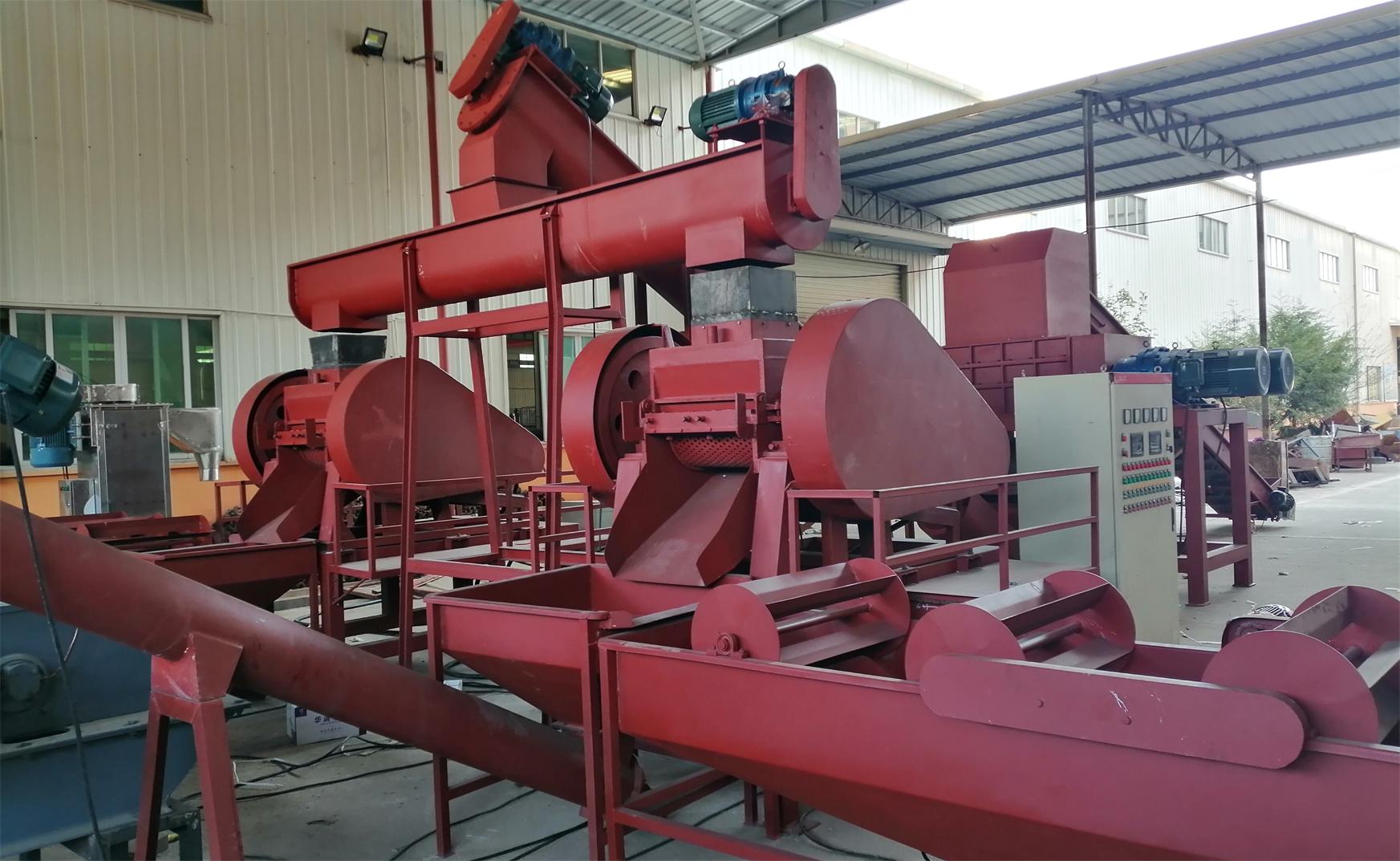
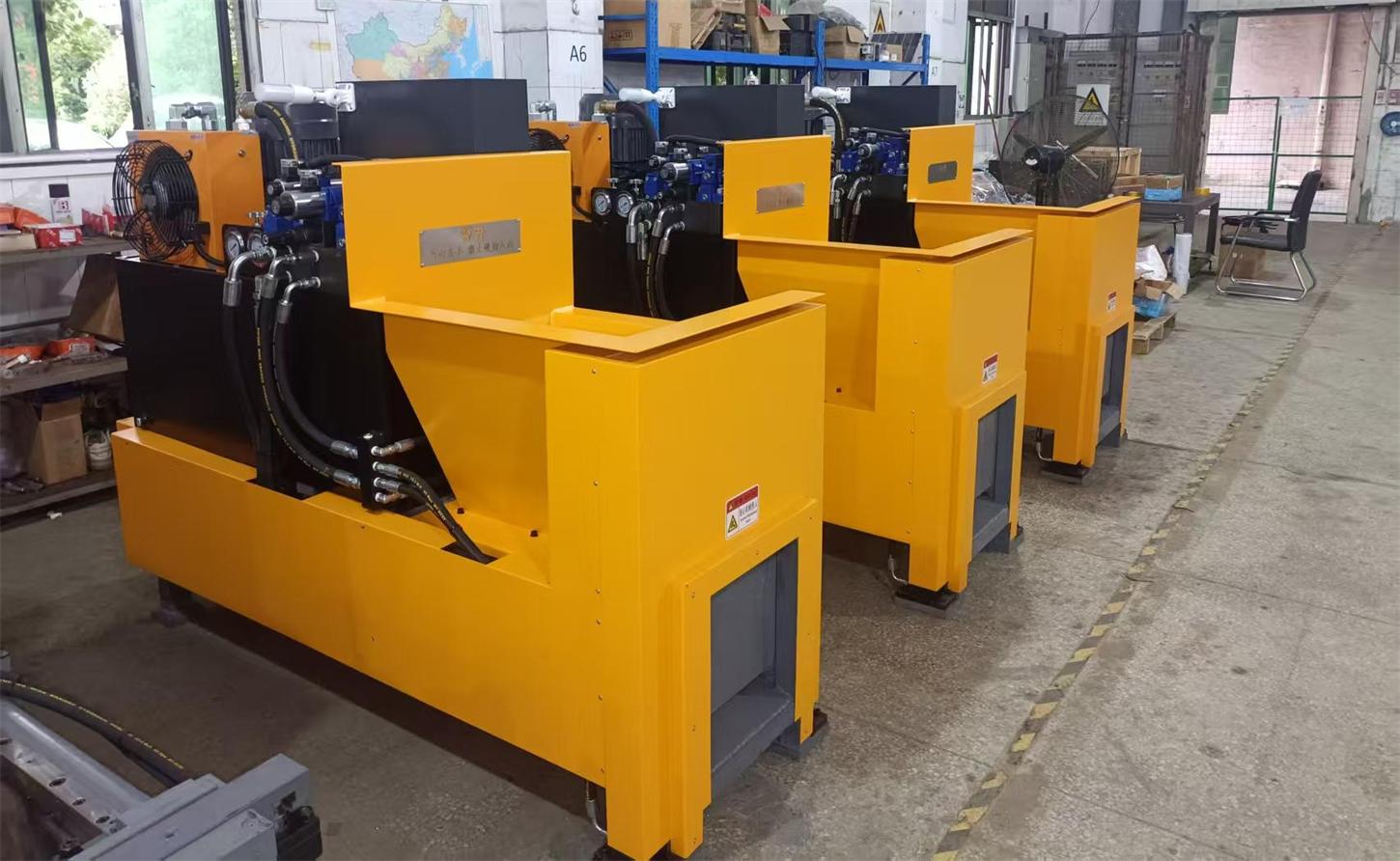
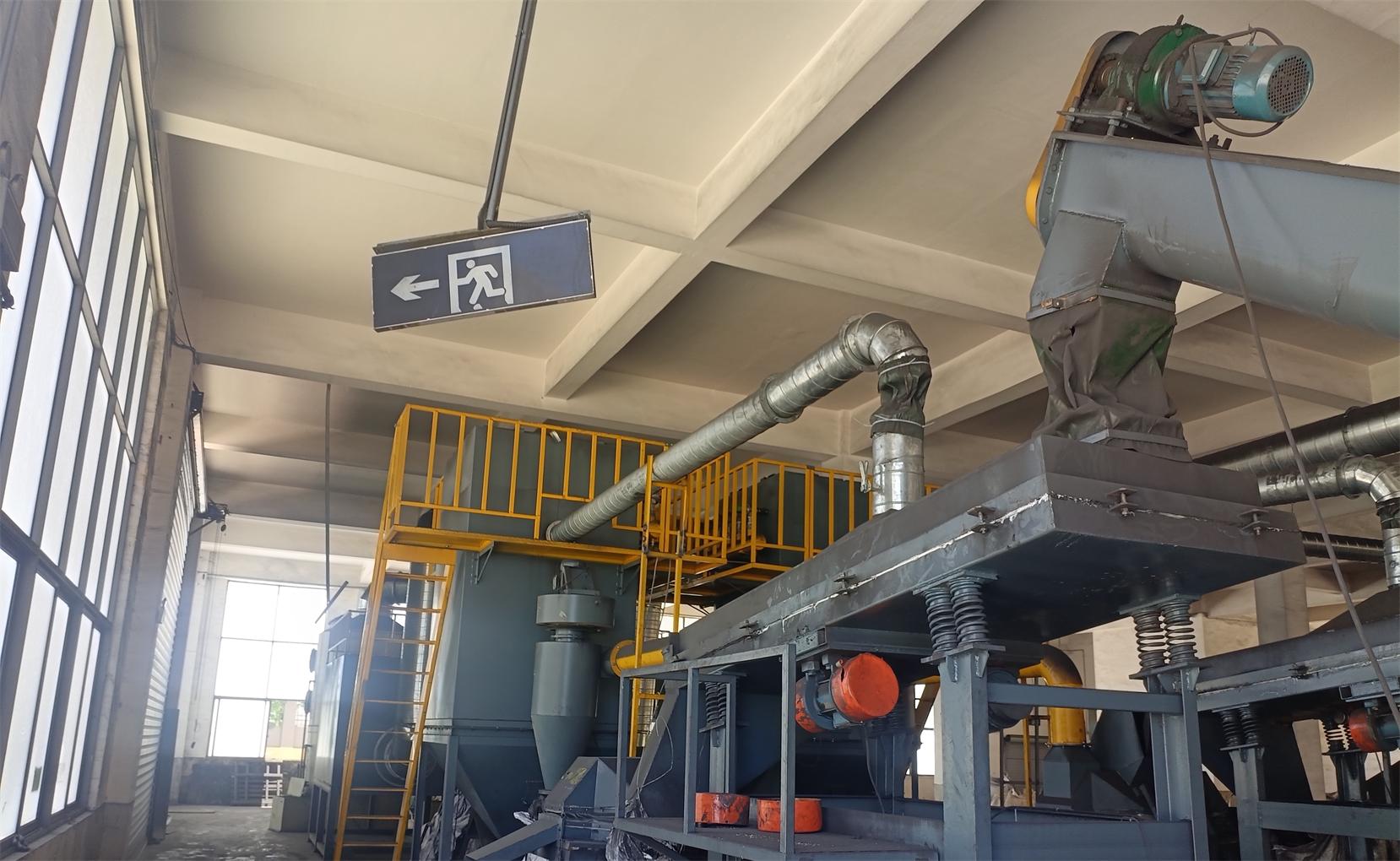
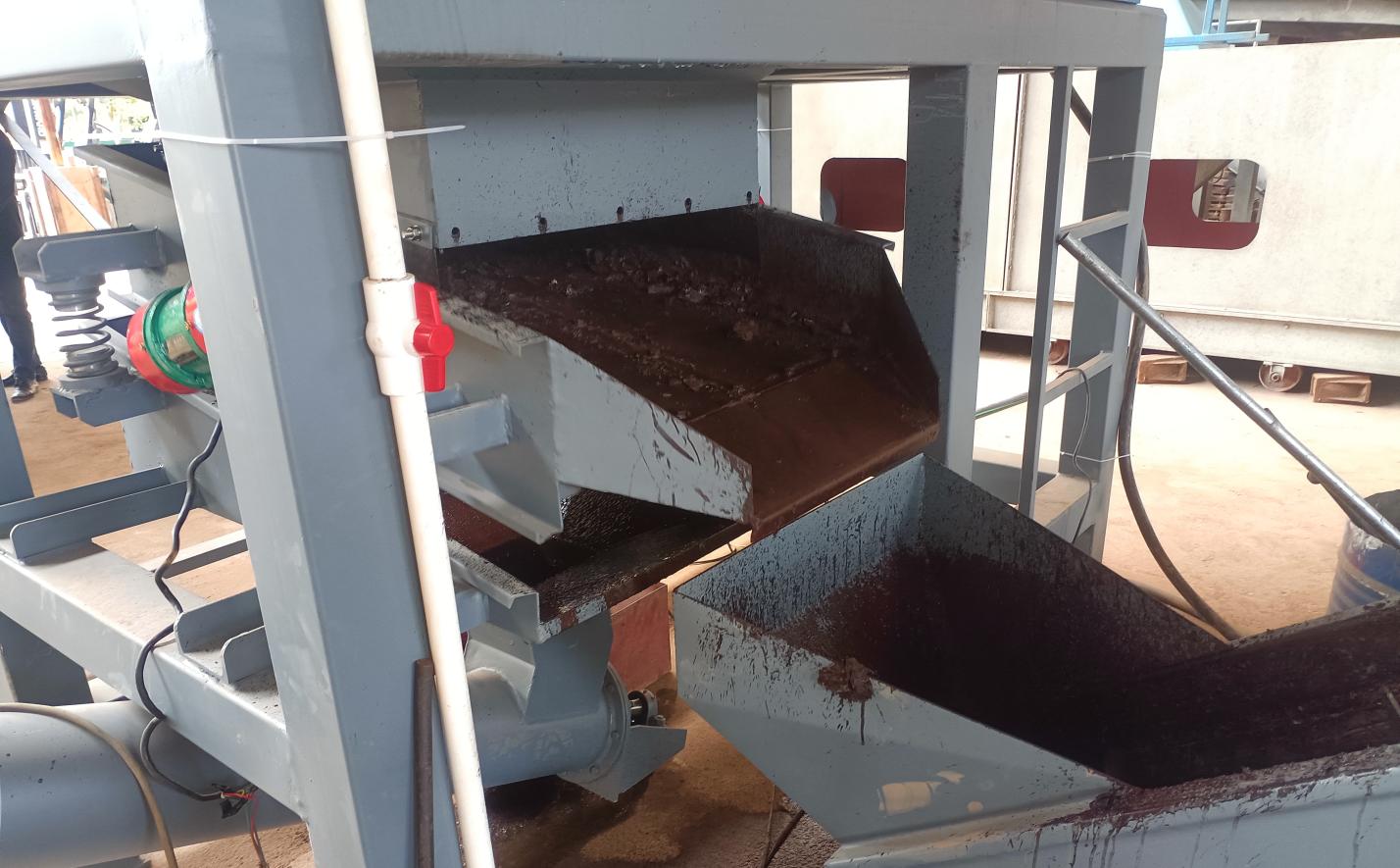
San Lan Technologies Co., Ltd, established in 2007, manufactures a full range of WEEE recycling machines and mining equipment from its base in Jiangxi Province, China. The product portfolio spans thirteen categories and approximately sixty machines, including complete lines for lead acid and lithium battery recycling, cable and circuit board recovery, refrigerator and AC dismantling, CRT cutting, motor recycling, and auxiliary systems such as shredders, hydraulic presses, and melting furnaces.
The engineering team holds master’s degrees in mechanical engineering and brings more than fifteen years of direct experience in e-waste recycling machine design. San Lan has delivered EPC projects to operators in over twenty-one countries, covering Singapore, Colombia, Vietnam, Mexico, Argentina, Korea, Malaysia, Indonesia, South Africa, Tunisia, India, Kenya, Saudi Arabia, the Philippines, Zambia, Israel, and others. That geographic spread means the company has adapted plant designs to different voltages, climates, labor-cost structures, and regulatory regimes.
Beyond equipment supply, San Lan assists customers with waste-material sourcing, investor partnership for plant construction, and product-offtake for recovered materials such as copper rice, copper powder, and lead ingot. The company is essentially bilingual in English and Chinese, which reduces communication risk during long-duration projects.
Red Flags to Walk Away From
If a supplier cannot provide detailed process flow drawings for your specific feedstock, walk away. If they quote a fixed price before understanding your material composition, walk away. If they have no reference installation you can visit or speak with, walk away. If environmental control is missing from their standard scope, walk away. These are not minor concerns; they are the difference between a plant that operates for fifteen years and one that operates for fifteen months.
Ready to scope your recycling plant? Browse the full product range at san-lan.com, review solutions by material type, or contact the team directly via the contact page to discuss your project specifications. A supplier that treats your plant as a system, not a sale, is the supplier that helps you still be in business a decade from now.