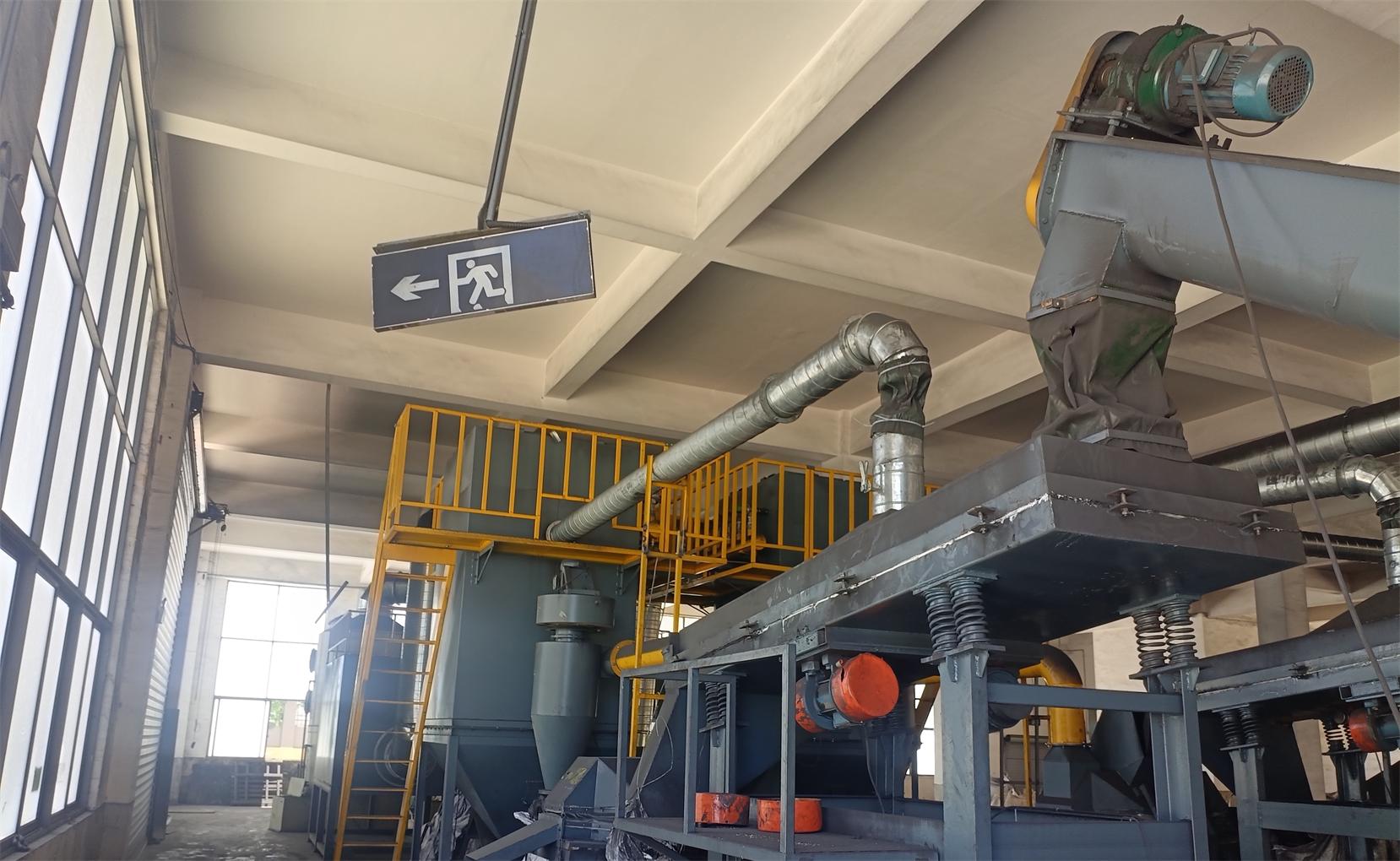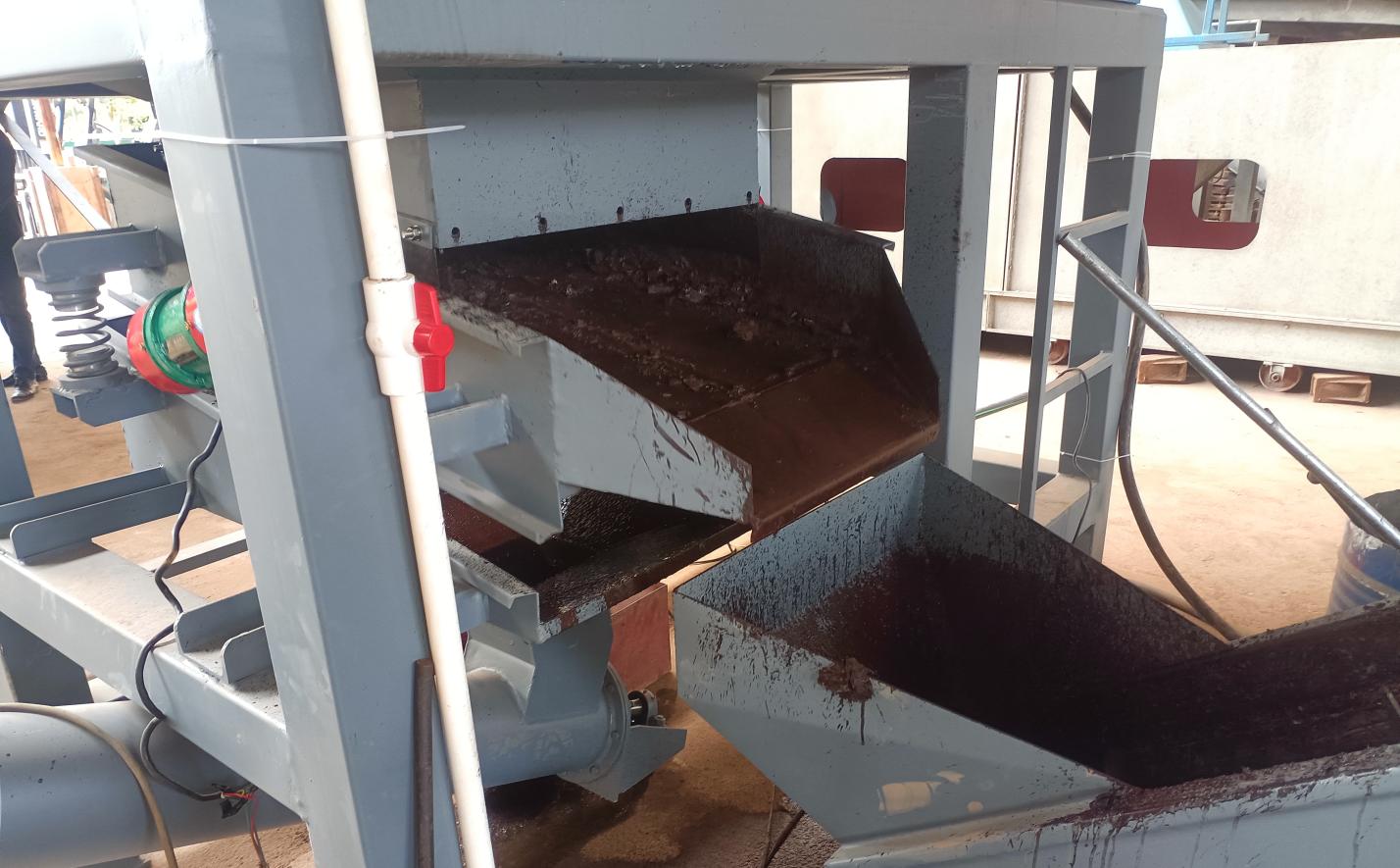
Global e-waste generation is accelerating. Every year, millions of tonnes of discarded electronics, batteries, and cables pile up in landfills, wasting valuable metals and polluting the environment. For entrepreneurs and investors who see the opportunity, the question is not whether recycling is viable — it is how to build an operation that is both profitable and compliant. Getting this right means finding the right recycling equipment supplier from day one.
Why E-Waste Recycling Is a High-Growth Opportunity
Electronic waste is one of the fastest-growing waste streams in the world. Smartphones, laptops, refrigerators, and vehicle batteries all contain recoverable materials — copper, aluminum, lead, lithium, cobalt, and even gold. One tonne of mobile phone circuit boards can contain more gold than a tonne of high-grade mined ore. Yet much of this value is lost because recycling infrastructure remains underdeveloped in many regions.
Governments are tightening regulations. Extended Producer Responsibility (EPR) frameworks now require manufacturers to meet mandatory recycling targets. Subsidies and grants for recycling plant construction are expanding. These policy drivers, combined with rising raw material prices, have created a strong business case for investing in recycling infrastructure.
However, entering this market without the right equipment partner is risky. The machinery you choose determines your recovery rates, operating costs, environmental compliance, and ultimately your profitability.
Essential Equipment Categories for a Modern Recycling Plant
A well-equipped recycling facility typically focuses on one or more feedstock types. Below are the three most commercially viable categories, each requiring specialized machinery.
Lead Acid Battery Recycling
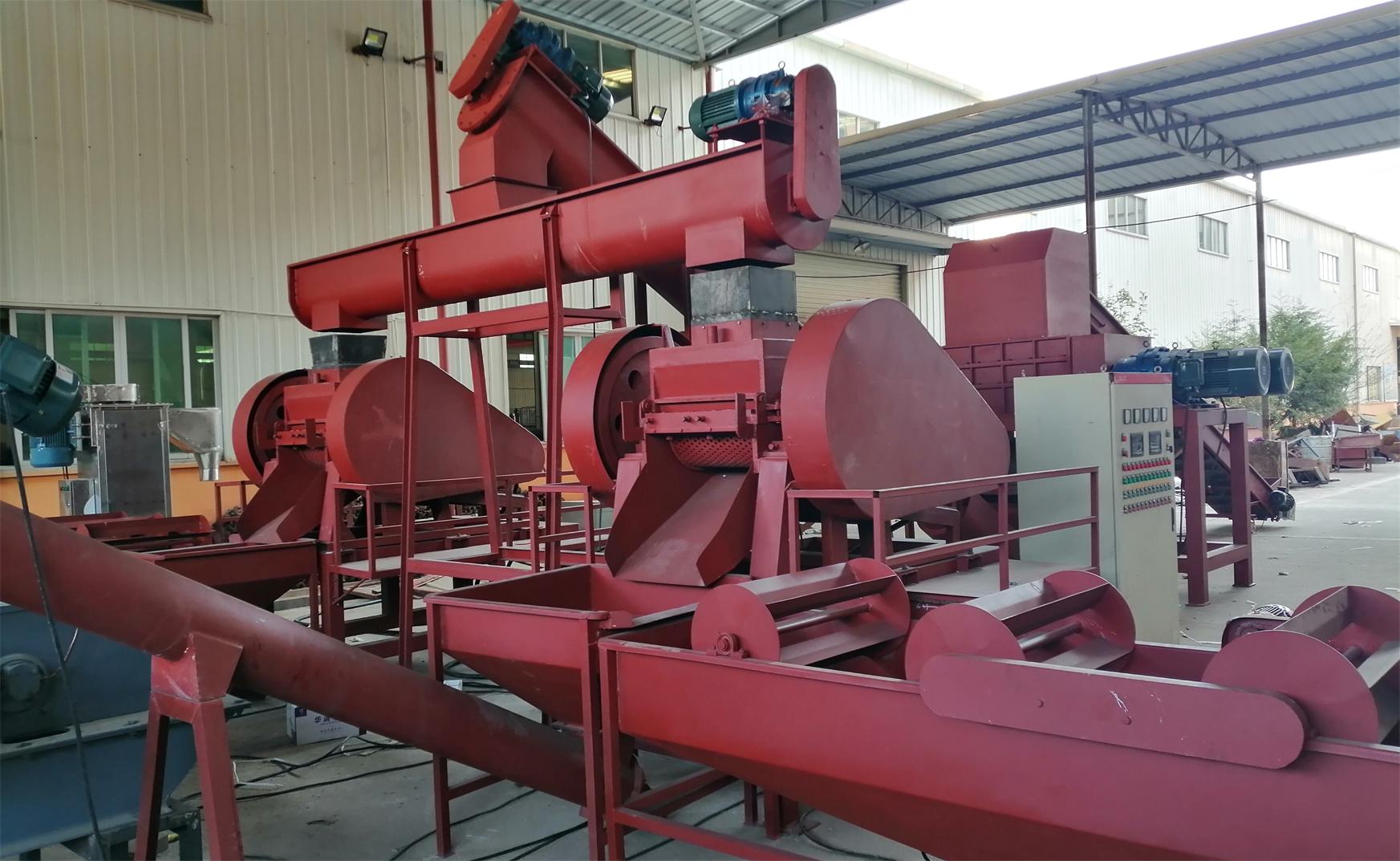
Used lead acid batteries (ULAB) are one of the most recycled consumer products globally. A complete lead acid battery recycling equipment line includes battery cutters, breaking and separation systems, filter presses, de-sulfurization units, rotary furnaces or blast furnaces for paste reduction, lead refinery kettles, air pollution control systems, and wastewater treatment plants. The end products — lead ingots, lead paste, and plastic — command strong market prices when processed to high purity.
Cable and Wire Recycling
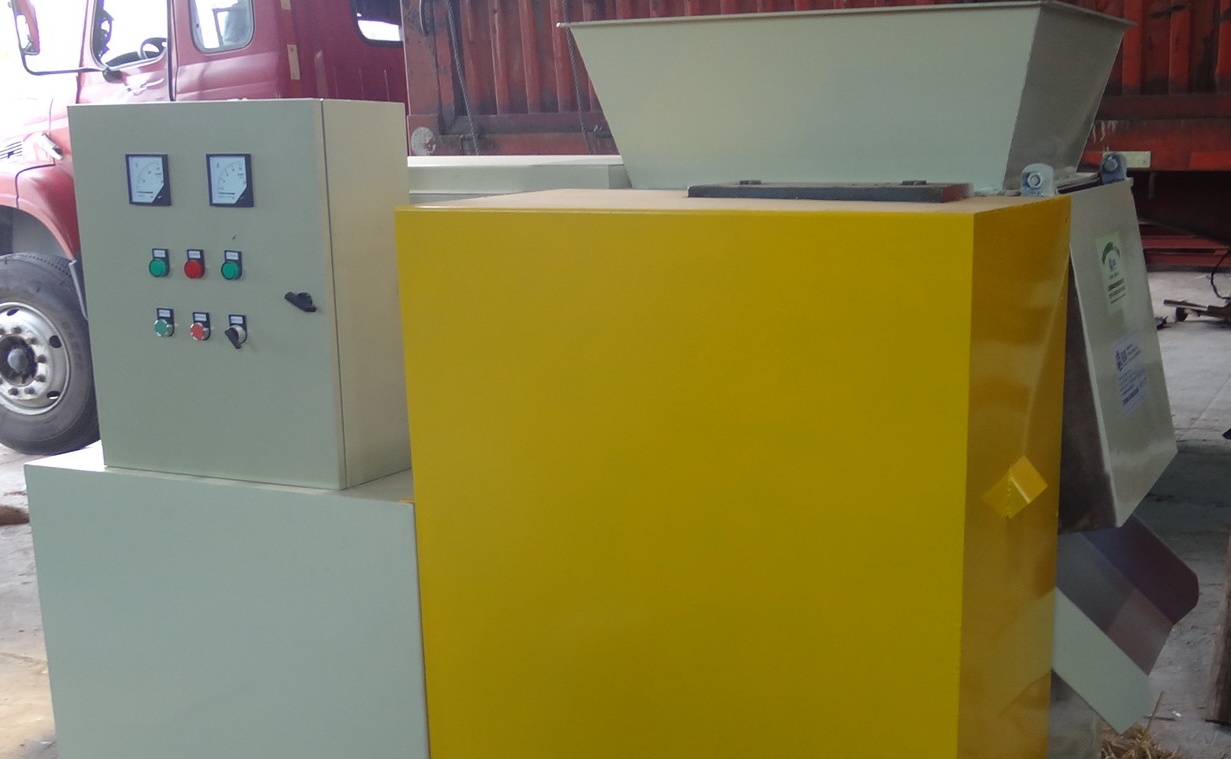
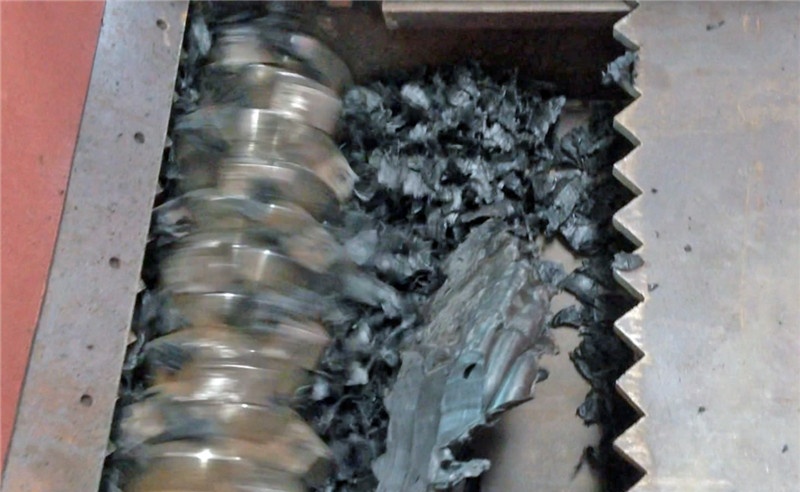
Scrap cables from construction, telecommunications, and automotive sectors contain valuable copper and aluminum. Cable recycling equipment ranges from manual scrap cable strippers for small operations to fully automated cable granulators with dry or wet separators that achieve copper purity of 96–98%. Capacity options span from 100 kg/hour to over 1,200 kg/hour, allowing businesses to scale gradually.
Circuit Board (PCB) Recycling
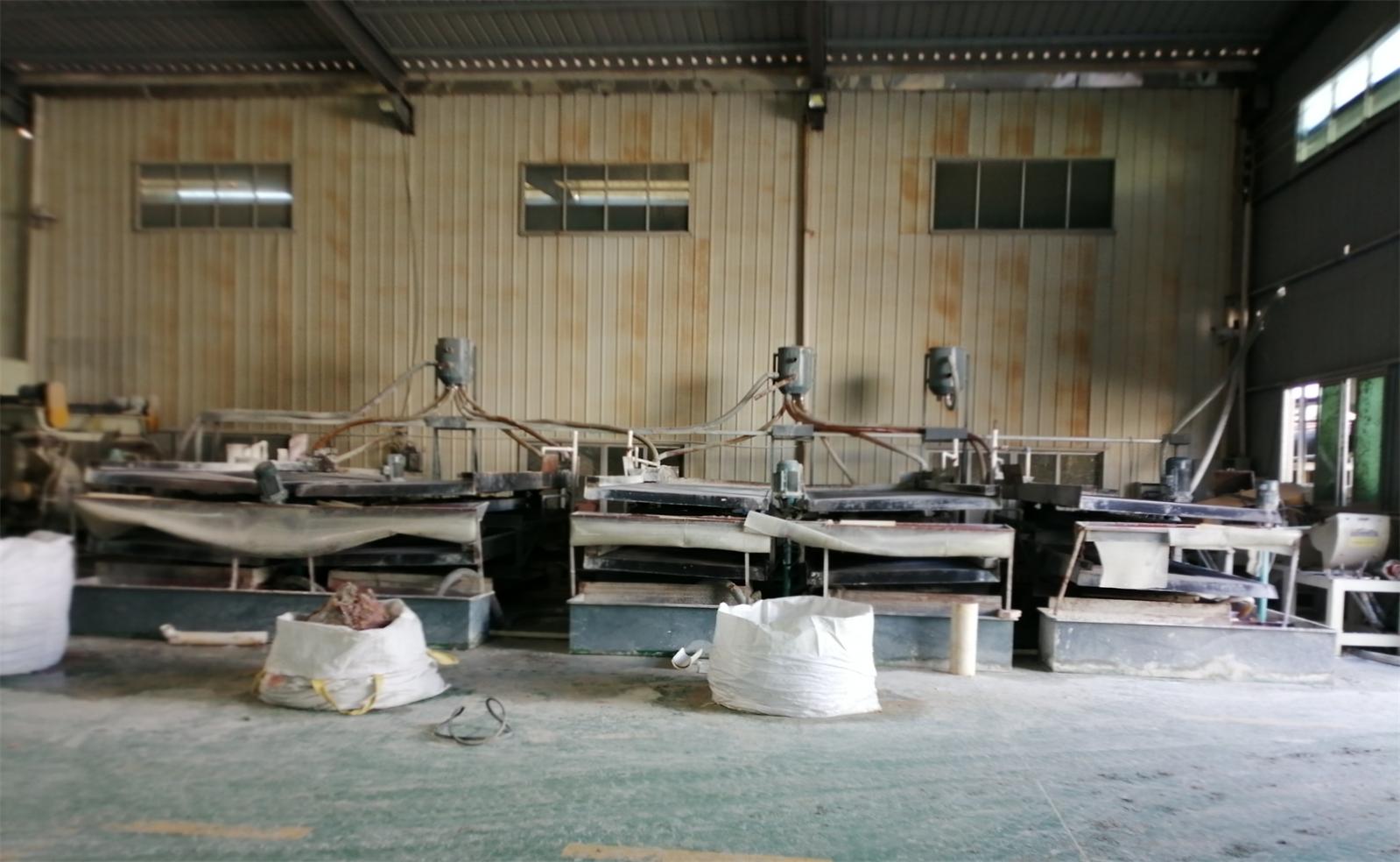
Printed circuit boards from computers, televisions, and mobile devices contain copper powder and trace precious metals. Circuit board recycling equipment uses mechanical separation — air separators, electrostatic separators, or wet separators — to recover copper powder with purity up to 96–98%. Advanced plants can process 300–2,000 kg/hour without dust pollution when equipped with pulse bag dust collectors.
Pro tip: Many successful plants start with one feedstock type and expand. A supplier that offers multiple equipment categories — plus shredders, hydraulic presses, and environmental control systems — makes future expansion far easier.
What to Look for in a Recycling Equipment Supplier
Not all equipment manufacturers deliver the same value. Here are five criteria that separate reliable partners from risky ones:
1. Deep technical expertise. Look for a team with formal mechanical engineering backgrounds and at least 10–15 years of hands-on experience in recycling machinery design. E-waste processing involves complex material flows, wear-resistant components, and precise separation physics. Amateur designs lead to breakdowns, low recovery rates, and regulatory violations.
2. EPC project capability. Engineering, Procurement, and Construction (EPC) experience matters. A supplier that can handle customized plant design, equipment integration, installation, and commissioning saves you from coordinating multiple contractors across time zones.
3. Proven international track record. Export experience to diverse markets indicates that the supplier understands different regulatory standards, voltage requirements, and operational conditions. Ask for a customer reference list spanning multiple continents.
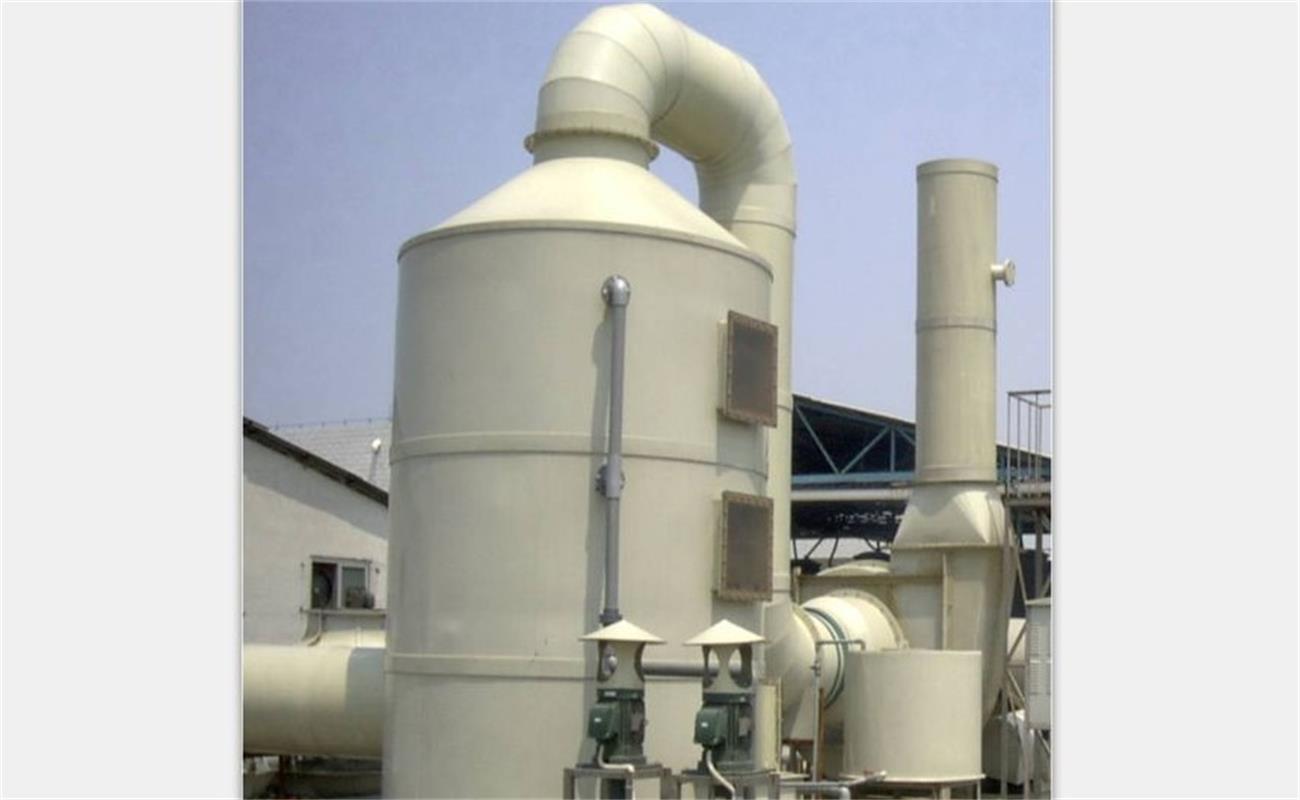
4. Environmental compliance support. Modern recycling plants must meet strict emissions and effluent standards. Your supplier should provide integrated air pollution control systems, wastewater treatment solutions, and guidance on local compliance — not just standalone machines.
5. Post-sale value-added services. The best suppliers help customers source raw material (scrap batteries, cables, PCBs), optimize production processes, and even connect them with buyers for recovered metals. This ecosystem support accelerates your path to profitability.
San Lan Technologies: End-to-End Solutions Since 2007
San Lan Technologies Co., Ltd., established in 2007 and headquartered in Ganzhou, Jiangxi Province, China, is a professional manufacturer of WEEE recycling machines and mining equipment. With customers in over 21 countries — including Singapore, Colombia, Vietnam, Mexico, Argentina, Korea, Malaysia, South Africa, India, and Saudi Arabia — San Lan has built a reputation for durable equipment and responsive service.
The company’s product portfolio covers the full recycling chain:
- Lead acid battery recycling plants (1–10 MT/hour capacity)
- Lithium-ion battery recycling plants (500–2,500 kg/hour)
- Circuit board recycling plants with dry and wet separation
- Cable recycling machines and granulators
- Refrigerator, AC, and CRT recycling lines
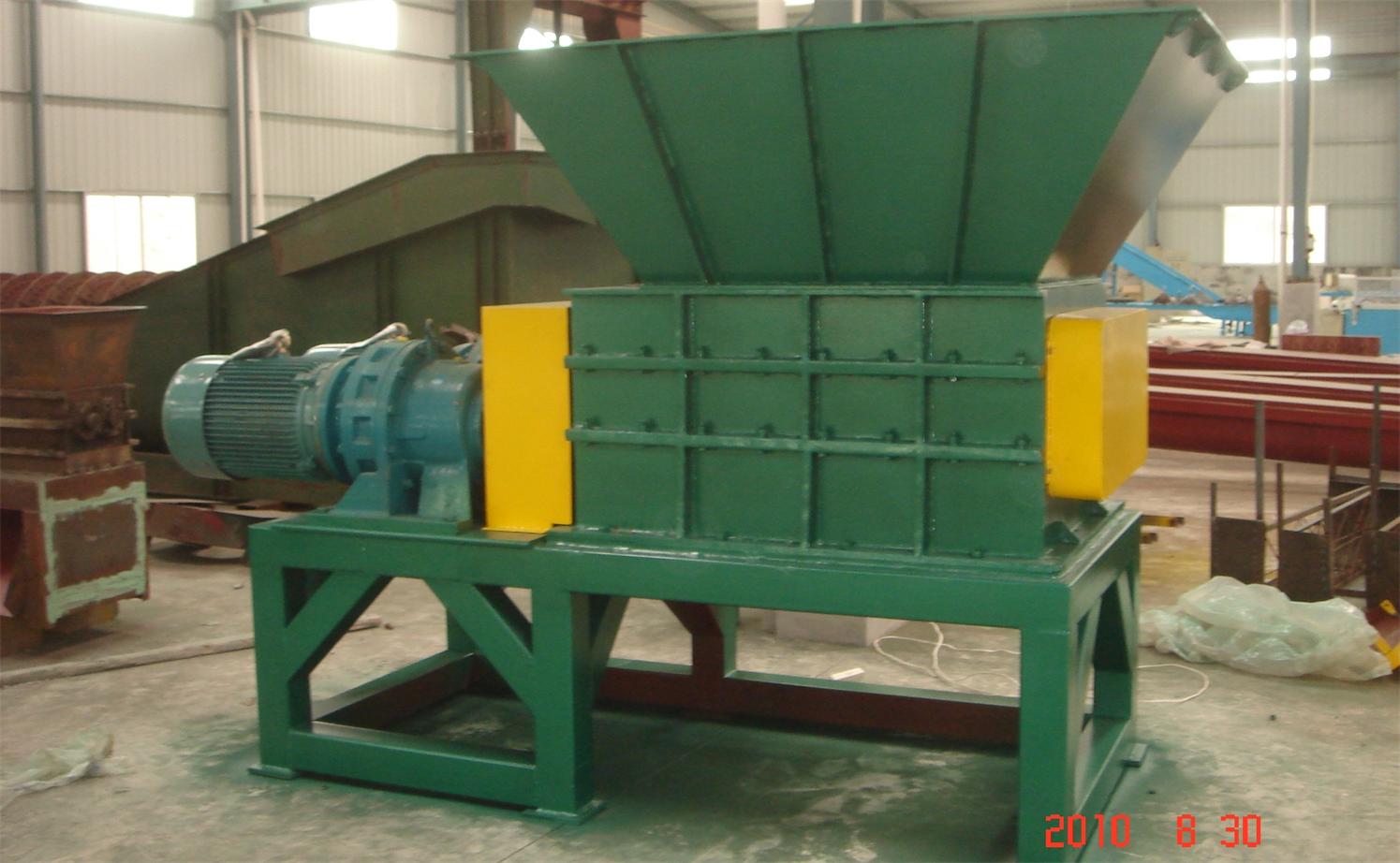
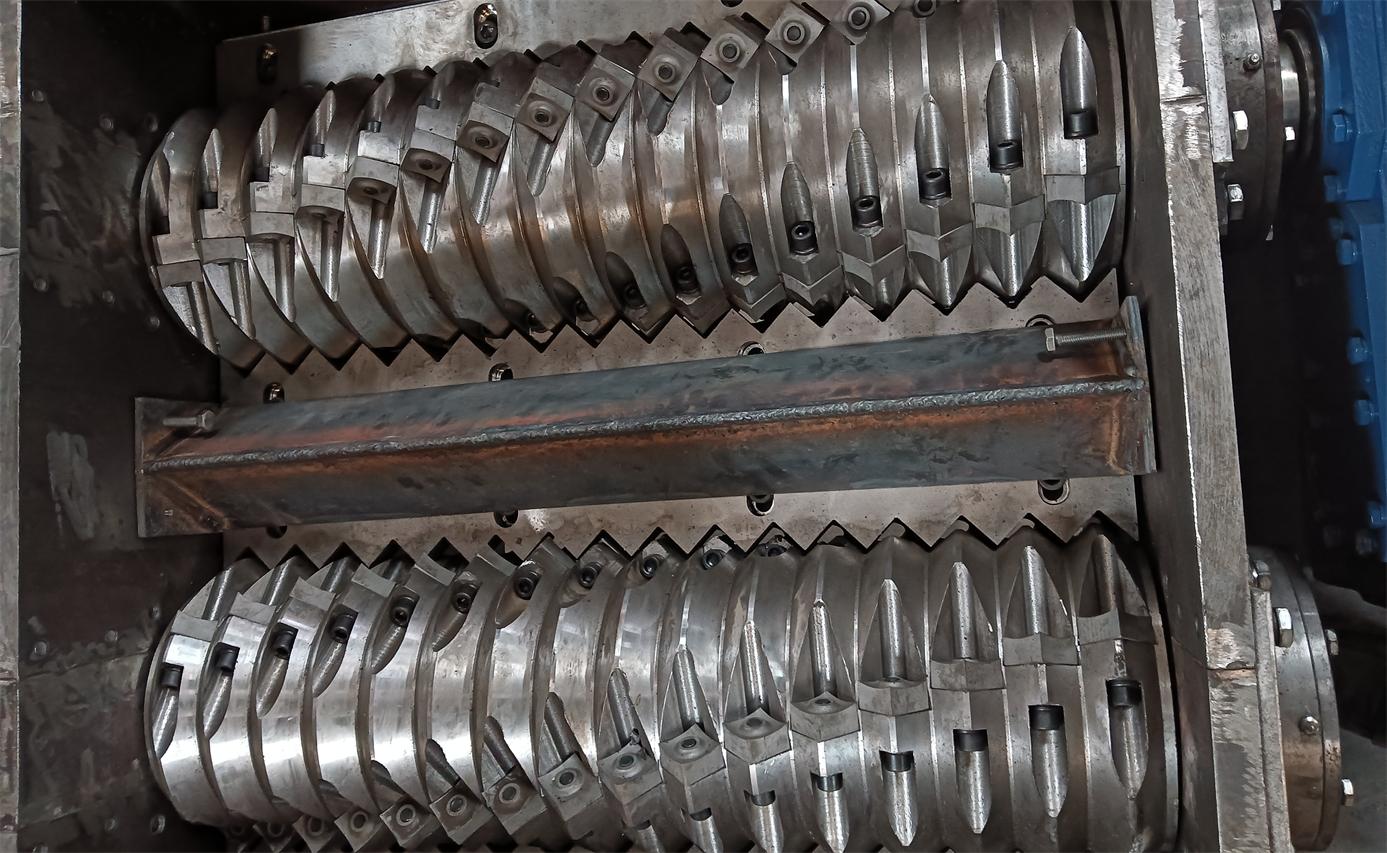
- Motor dismantling equipment and shredders
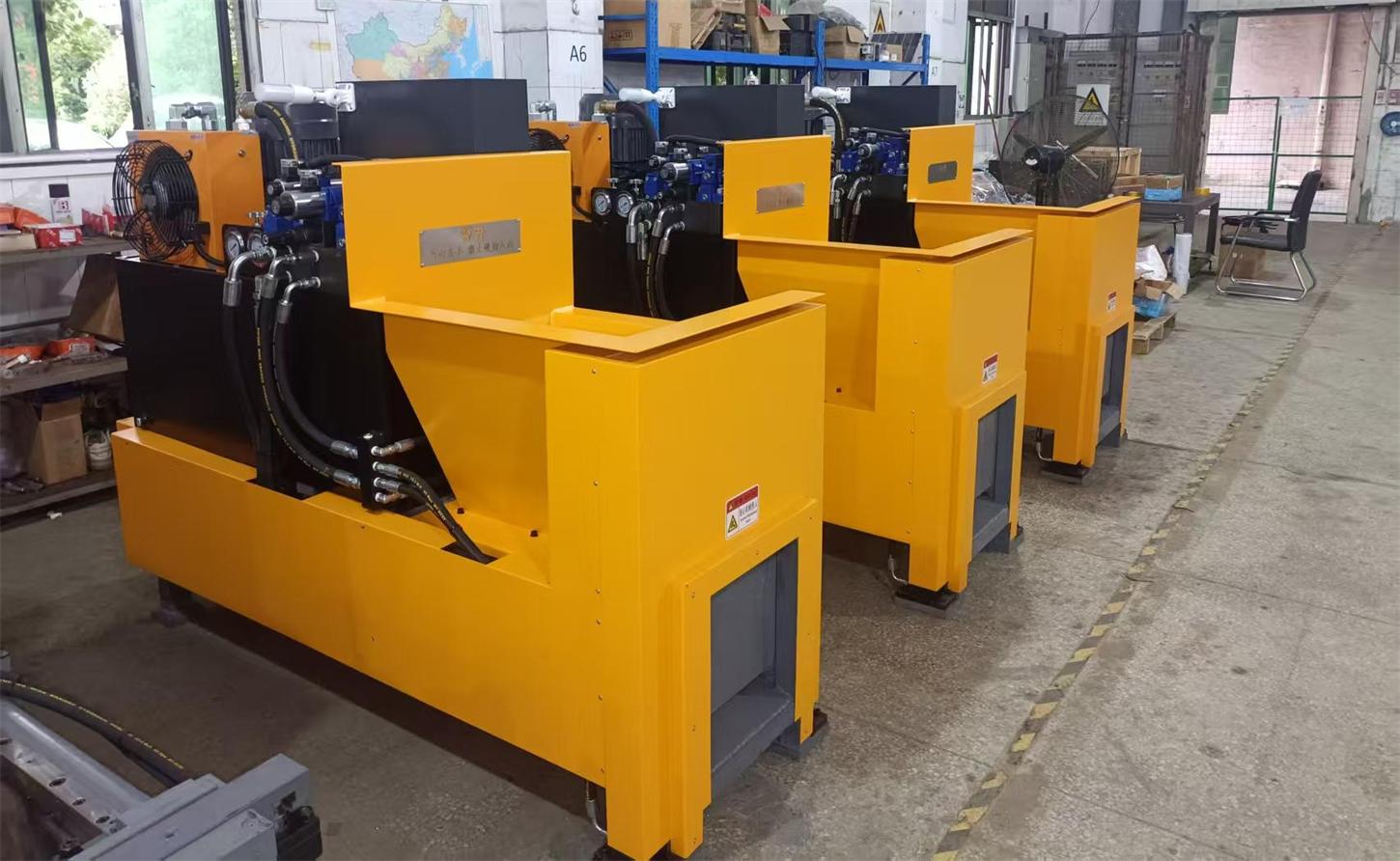
- Hydraulic briquetting machines, balers, and metal melting furnaces
San Lan stands out because it does more than sell machines. The technical team holds master’s degrees in mechanical engineering and brings over 15 years of specialized experience. The company offers customized plant design, one-stop purchasing, installation and commissioning, and even assists with feedstock sourcing and product resale. For investors looking to build recycling infrastructure from scratch, San Lan provides strategic guidance on project development and partnership structures.
Because the team is fluent in both English and Chinese and understands how business works across cultures, communication is straightforward from the first inquiry to after-sales support. This practical combination of technical depth and cross-cultural experience has made San Lan a trusted partner for recycling entrepreneurs worldwide.
Ready to build or upgrade your recycling plant? Whether you need a single machine or a complete turn-key solution, selecting the right recycling equipment supplier is the most important decision you will make. Contact San Lan Technologies today to discuss your feedstock, capacity requirements, and budget. Their team will help you design a profitable, compliant, and scalable recycling operation tailored to your market.