The global surge in electronic consumption has created an unprecedented opportunity in the recycling sector. With millions of tonnes of discarded electronics piling up each year, entrepreneurs and established businesses alike are recognizing that e-waste is not just an environmental challenge — it is a valuable resource stream. Recovering copper, gold, lead, lithium, and other precious materials from end-of-life devices can yield significant returns, provided you have the right equipment and a reliable partner to guide your setup.
Understanding the Core E-Waste Recycling Streams
Before investing in machinery, it is essential to understand which materials you plan to process. Each waste stream demands specialized equipment, and your choice will shape your plant layout, licensing requirements, and revenue potential. The most common and profitable categories include printed circuit boards (PCBs), used lead acid batteries, lithium-ion batteries, and scrap cables.
Printed circuit boards found in computers, smartphones, and household electronics contain high concentrations of copper and trace amounts of precious metals. A well-designed circuit board recycling equipment setup can achieve copper powder purity levels of 96–98% and recovery rates around 95%, turning what was once considered trash into a sellable commodity. Similarly, used lead acid batteries represent one of the most recycled products globally, with established smelting and refining processes that yield pure lead ingots and reusable plastic casings.
Key Equipment for a Modern Recycling Facility
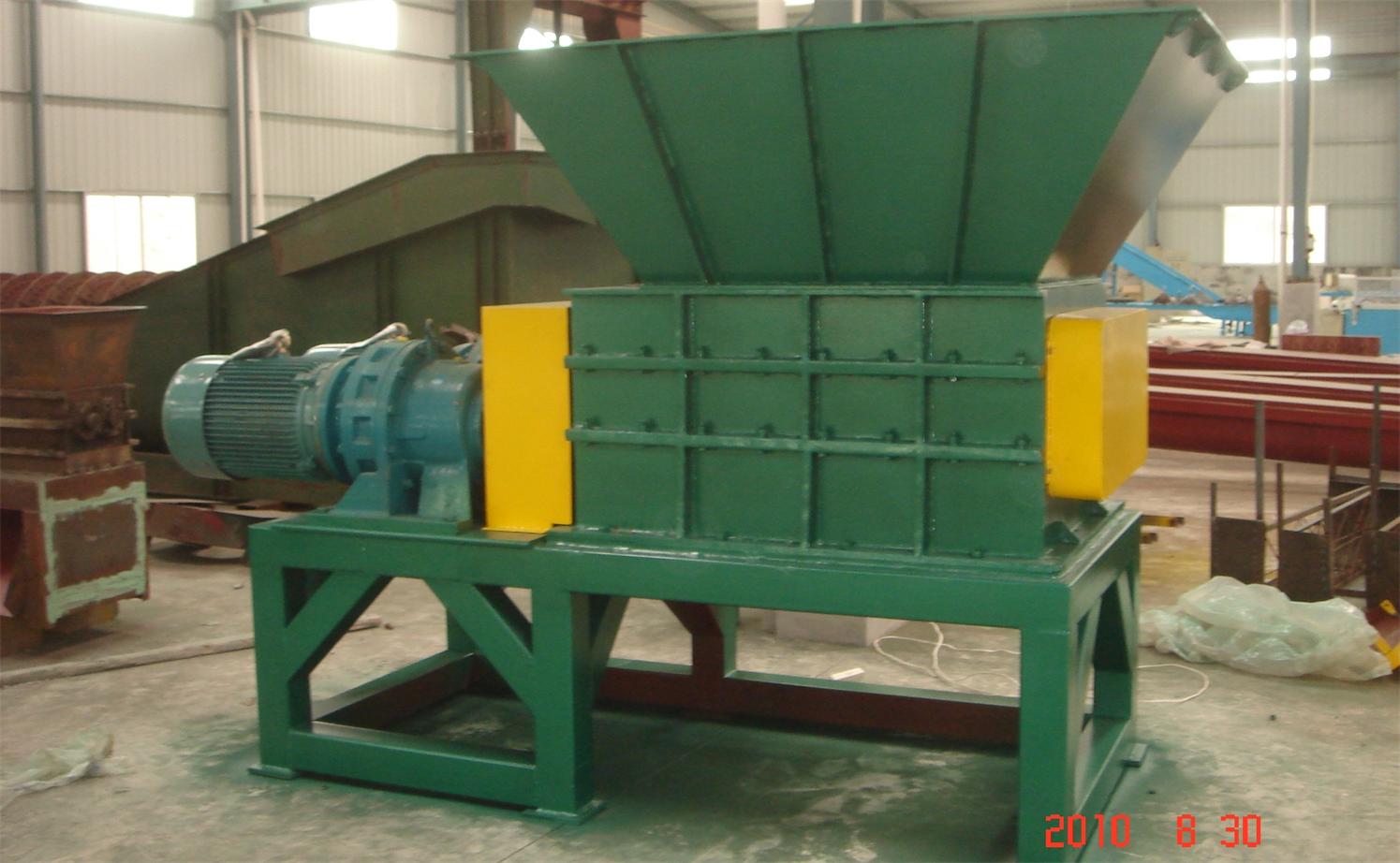
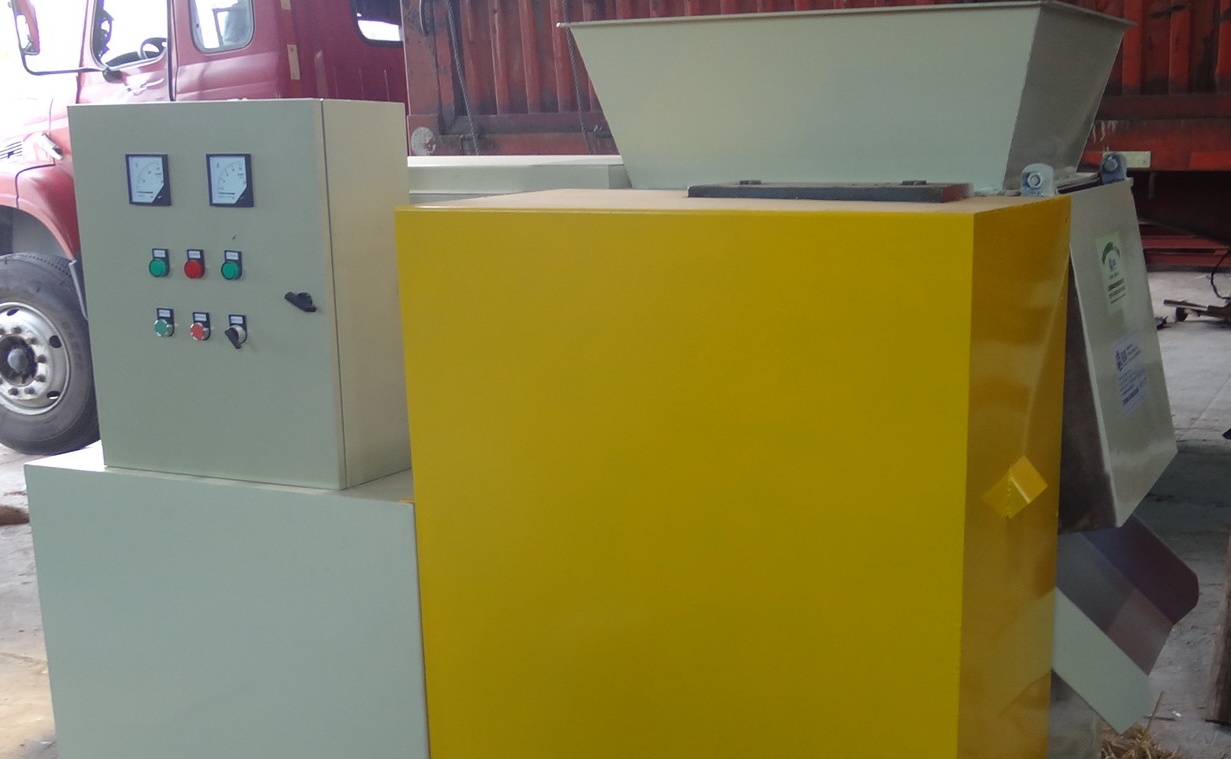
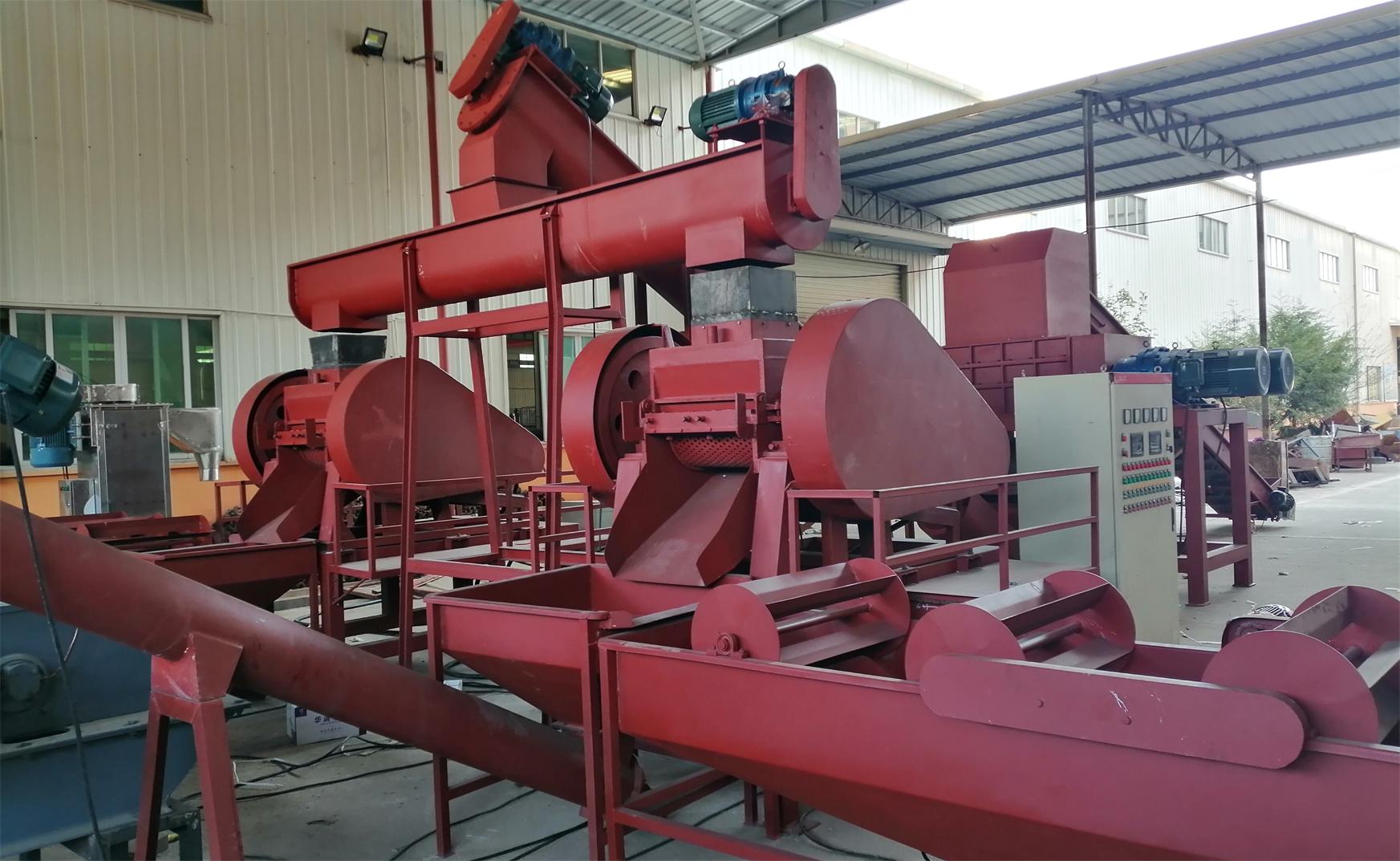
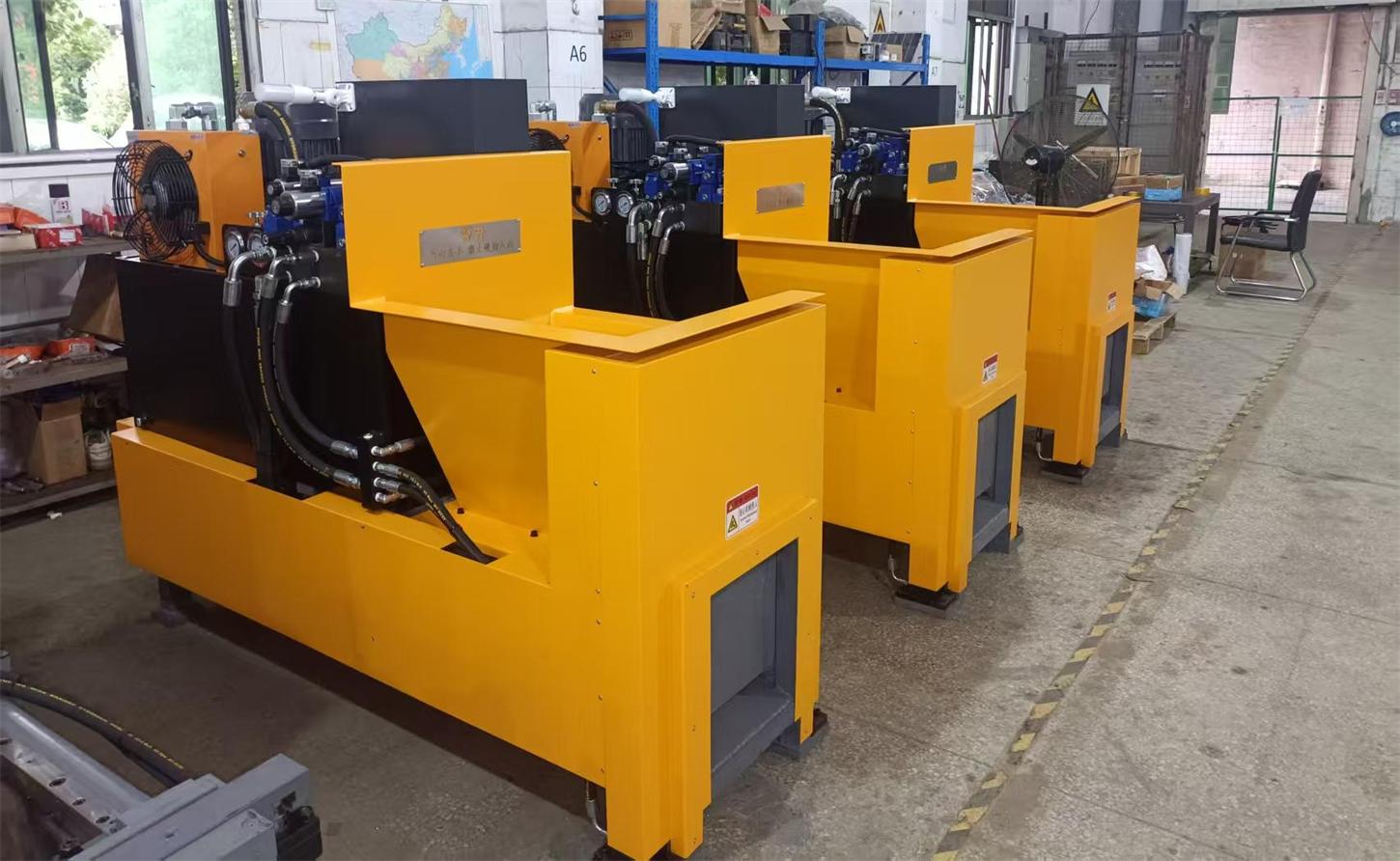
A successful recycling operation relies on a coordinated system of machinery that handles everything from initial breaking and shredding to final separation and refining. Here is a breakdown of the core equipment categories you should consider:
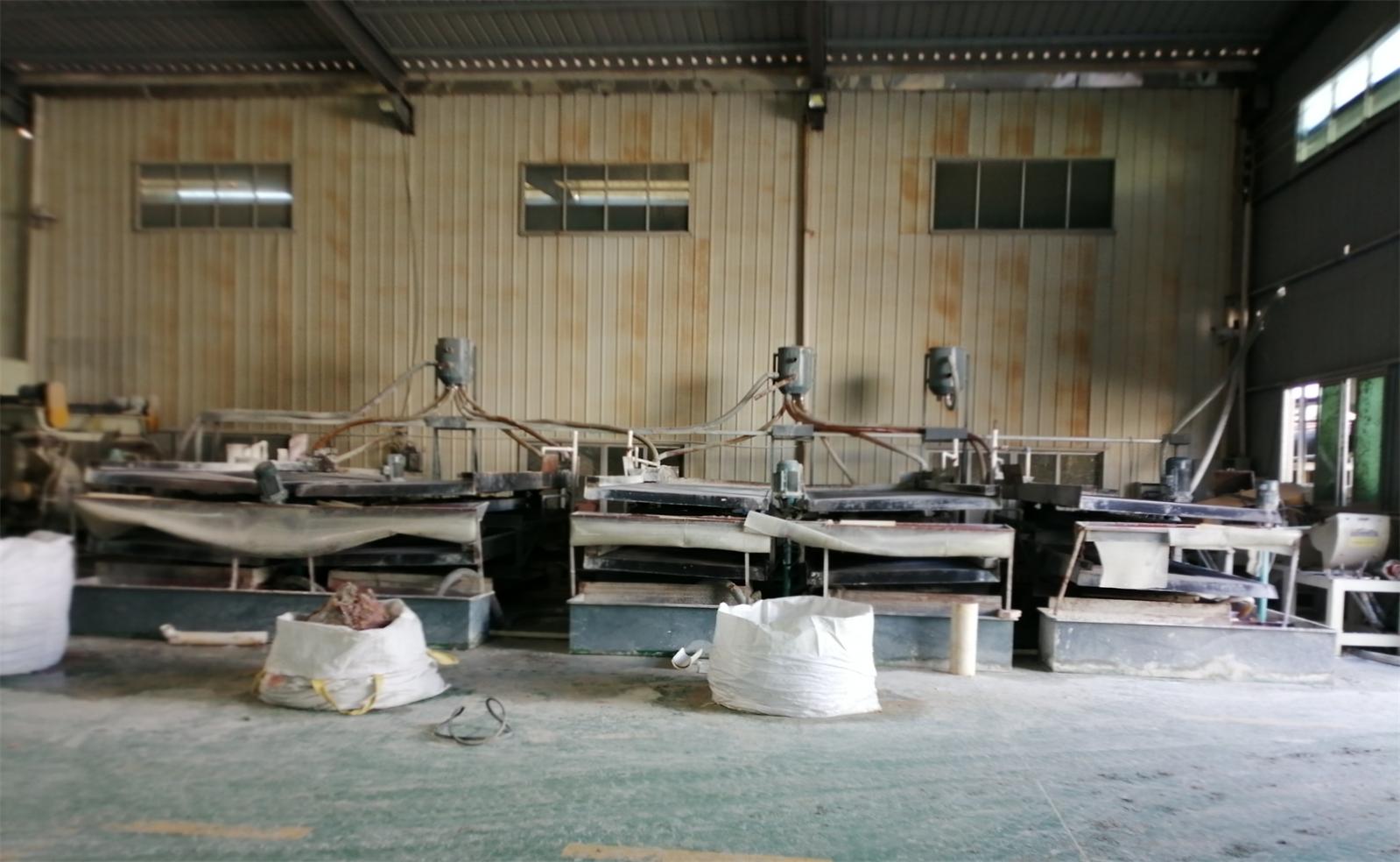
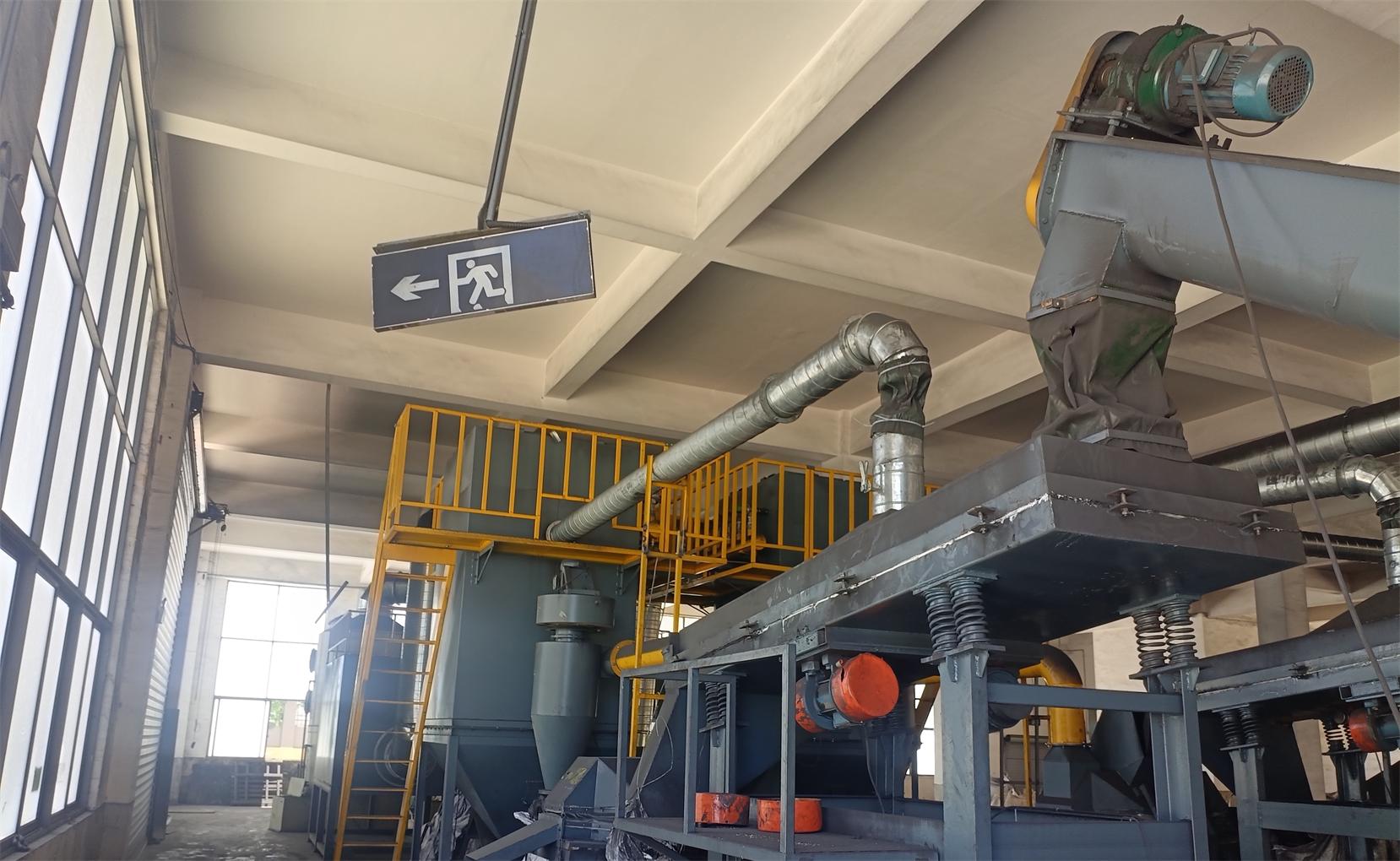
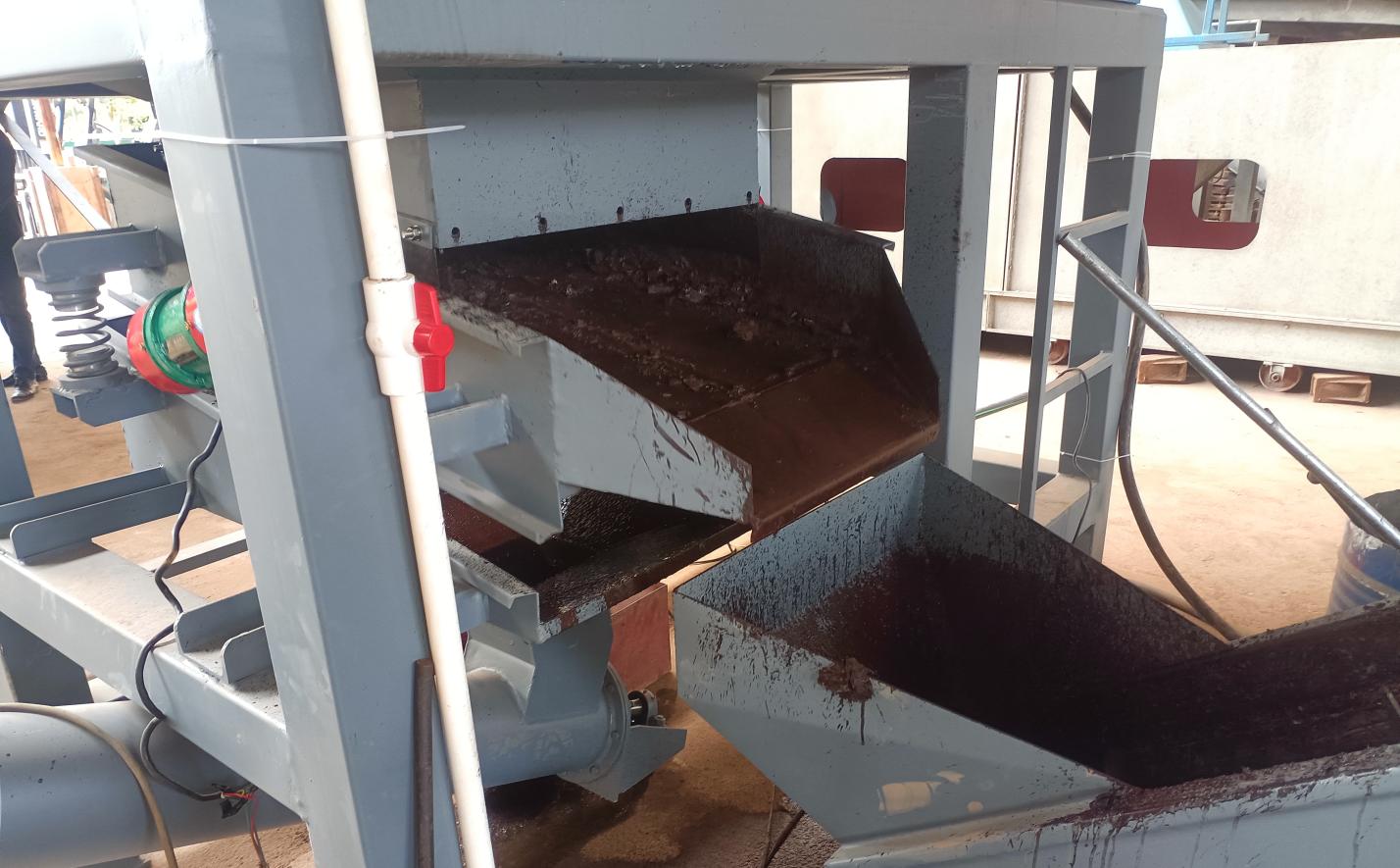
Modern PCB recycling plants typically use either dry separation with air classifiers and electrostatic separators, or wet separation with water-based metal recovery. Capacities range from 300 kg/hour for smaller operations up to 2,000 kg/hour for industrial-scale facilities. The choice between dry and wet processes depends on your local environmental regulations and the types of boards you process.
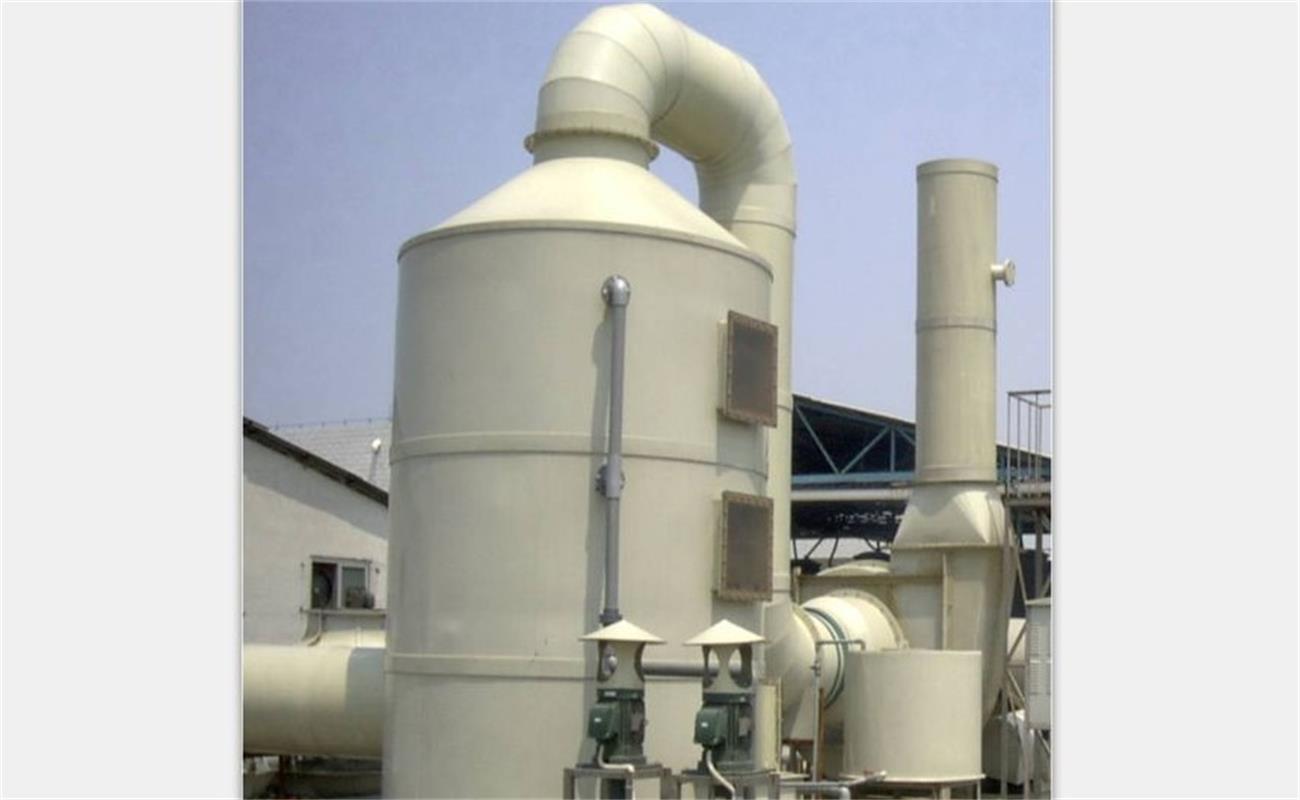
For lead acid batteries, a complete line includes battery cutters, breaking and separation systems, paste desulfurization units, rotary or blast furnaces for smelting, refinery kettles, and air pollution control systems. Capacities typically range from 1 to 10 metric tonnes per hour. For lithium-ion batteries, specialized crushing and separation plants recover black mass containing nickel, cobalt, and graphite, along with separated copper, aluminum, and plastic fractions.
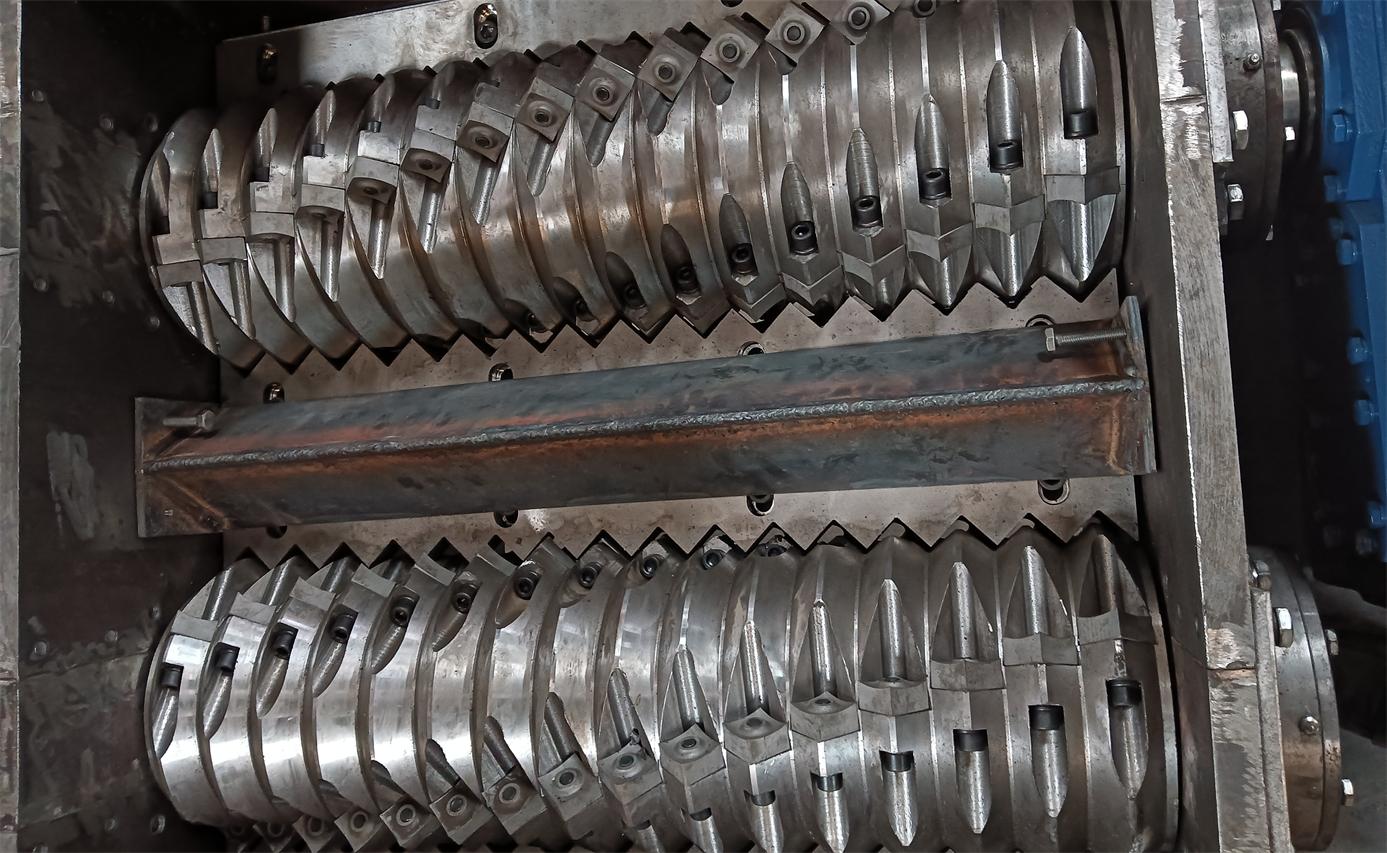
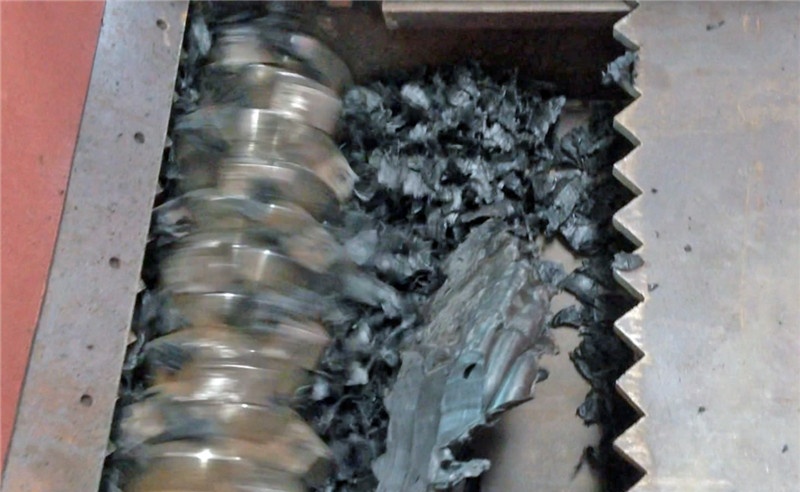
Cable recycling operations generally start with scrap cable strippers for larger diameter wires, followed by granulators with dry separators that shred and separate copper or aluminum from plastic insulation. Compact granulators can process 200–1,200 kg/hour, making them ideal for both entry-level and expanding operations.
What to Look for in an Equipment Supplier
Selecting a machinery partner is just as important as choosing the equipment itself. A trustworthy supplier should offer more than just machines — they should provide end-to-end project support. Look for manufacturers with proven experience in engineering, procurement, and construction (EPC) projects, as well as the ability to customize designs based on your specific feedstock and local conditions.
Technical expertise matters. A supplier with a professional engineering team holding advanced degrees and over 15 years of hands-on experience in e-waste recycling can help you avoid costly mistakes during installation and commissioning. Additionally, consider whether the supplier can assist with sourcing waste materials, training your operators, and even connecting you with buyers for your recovered metals. These value-added services can significantly shorten your path to profitability.
San Lan Technologies: A One-Stop Solution for Recycling Plants
Established in 2007, San Lan Technologies Co., Ltd has built a solid reputation as a professional manufacturer of WEEE recycling machines and mining equipment. With customers in over 21 countries including Singapore, Colombia, Vietnam, Mexico, South Africa, India, and Saudi Arabia, the company understands the diverse regulatory and operational environments recyclers face worldwide.
San Lan offers a comprehensive product portfolio that covers the full recycling spectrum. Whether you need lead acid battery recycling equipment including breaking systems, rotary furnaces, and refinery kettles, or cable recycling equipment ranging from strippers to high-capacity granulators, the company provides integrated solutions tailored to your capacity targets. Their lithium battery recycling plants handle 500–2,500 kg/hour, while circuit board recycling systems deliver industry-leading recovery rates with environmentally friendly processes.
Beyond manufacturing, San Lan distinguishes itself through its commitment to customer success. The company offers customized plant design, one-stop purchasing centers, installation and commissioning services, and ongoing technical support. They can even help customers procure waste feedstock and market recovered materials such as copper rice, lead ingots, and precious metal concentrates. This holistic approach transforms a simple equipment purchase into a long-term business partnership.
Planning Your Investment
Launching a recycling plant requires careful financial planning. Key cost drivers include machinery procurement, facility construction, environmental compliance systems, and working capital for feedstock acquisition. Start by defining your target processing capacity and the specific waste streams you will handle. This will determine your equipment list, footprint, and staffing needs.
It is also wise to evaluate the total cost of ownership rather than just the upfront purchase price. Energy-efficient furnaces, automated separation systems, and robust pollution control equipment may carry higher initial costs but typically deliver lower operating expenses and better regulatory compliance over the plant's lifetime. A reliable supplier will help you model these trade-offs and recommend a configuration that balances capital constraints with long-term profitability.
Ready to turn e-waste into profit? Whether you are planning your first recycling venture or expanding an existing operation, choosing the right equipment partner is the foundation of your success. Explore San Lan Technologies' complete range of recycling solutions and discover how their expertise can accelerate your project from concept to commissioning.
Explore San Lan Recycling Solutions