The global e-waste recycling market is expanding rapidly as governments tighten environmental regulations and businesses recognize the value hidden in discarded electronics. For entrepreneurs and investors looking to enter this sector, selecting the right recycling equipment is the most critical decision that determines profitability, compliance, and long-term success.
Understanding the E-Waste Opportunity
Electronic waste represents one of the fastest-growing waste streams worldwide. Discarded devices contain valuable metals including copper, gold, silver, lead, and lithium. A single tonne of mobile phone circuit boards contains more gold than a tonne of high-grade mined ore. This makes e-waste recycling not just an environmental necessity, but a genuinely profitable business opportunity.
However, success depends entirely on having the right equipment. Without proper machinery, recovering these valuable materials becomes inefficient, unsafe, and economically unviable. The key is matching your equipment selection to the specific types of e-waste you plan to process.
Essential Recycling Equipment Lines
Modern e-waste recycling plants typically focus on one or more of these core material streams. Each requires specialized equipment designed for optimal recovery rates and environmental safety.
Lead Acid Battery Recycling
Used lead acid batteries represent one of the most recycled consumer products globally. A complete lead acid battery recycling equipment line typically includes battery breaking and separation systems, lead smelting rotary furnaces, refinery kettle furnaces, de-sulfurization units, blast furnaces, and air pollution control systems. Capacity generally ranges from 1 to 10 metric tonnes per hour, with lead recovery rates reaching 95% in well-designed systems.
Lithium Battery Recycling
With the electric vehicle and consumer electronics markets booming, lithium-ion battery recycling has become essential. Modern li battery recycling equipment breaks down waste batteries to recover black mass containing nickel, cobalt, and graphite, plus separated copper, aluminum, and plastic. Systems typically handle 500 to 2,500 kg per hour and include discharging stations, pre-crushers, secondary granulators, magnetic separators, and dedicated air pollution control systems.
Circuit Board Recycling
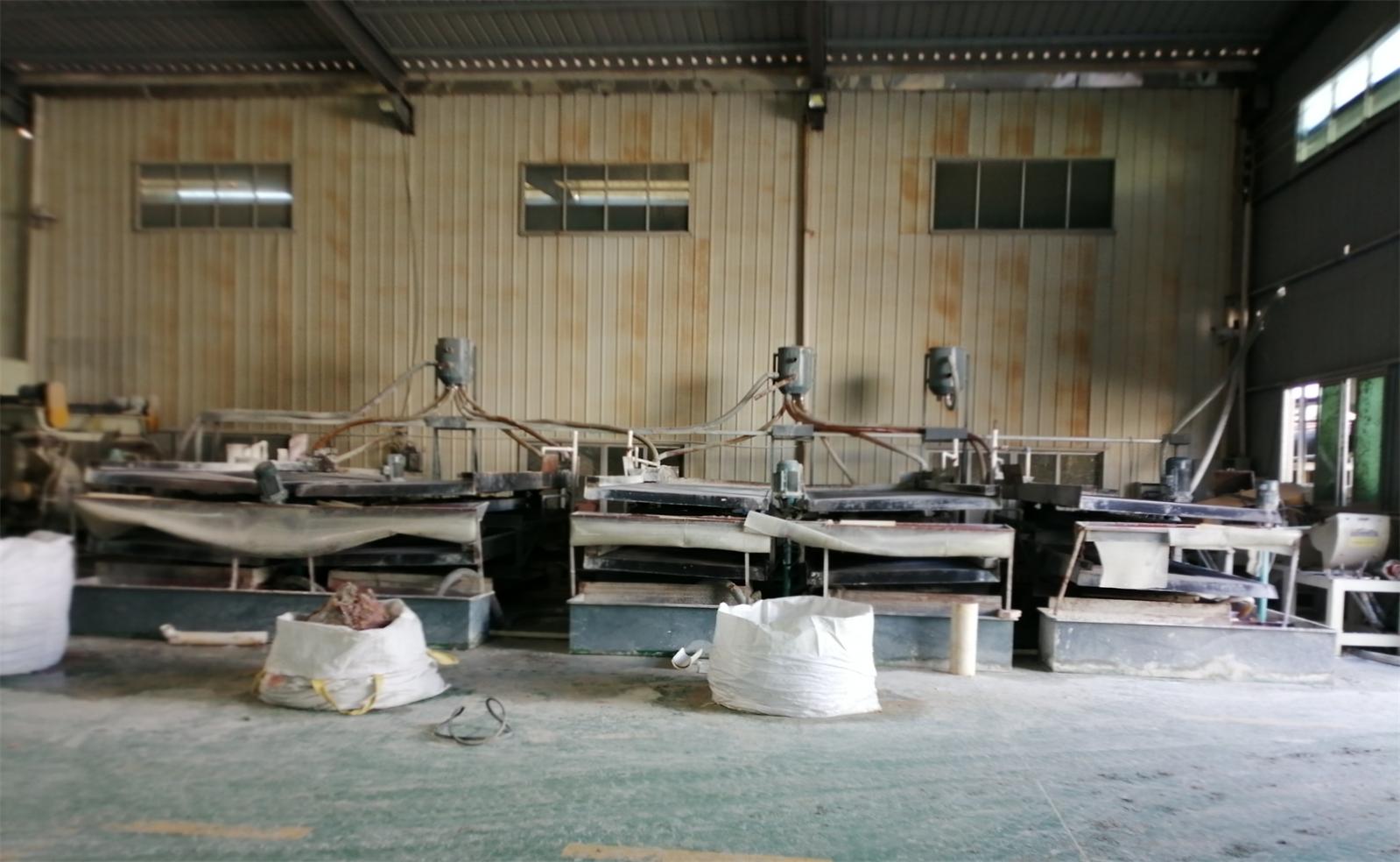
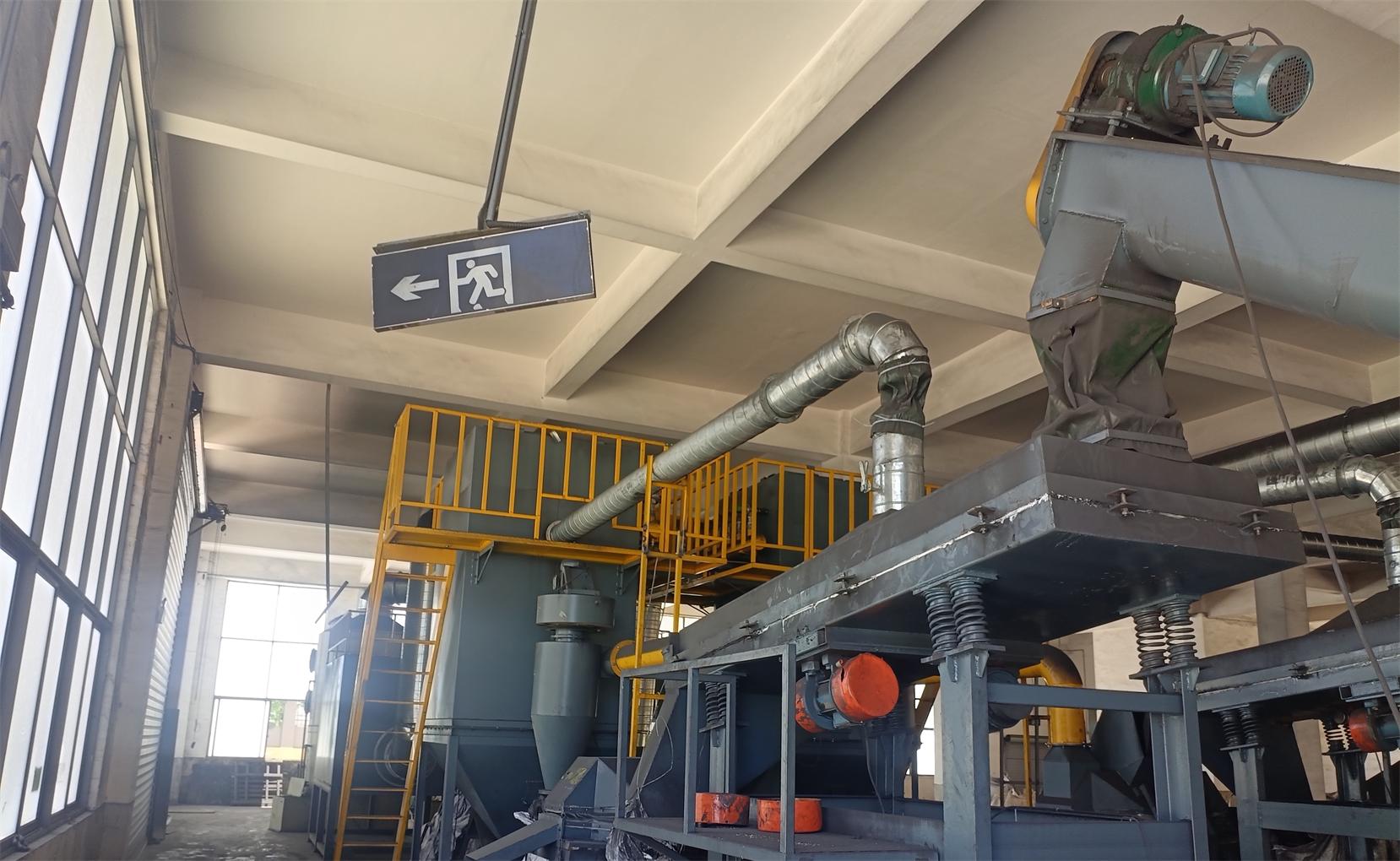
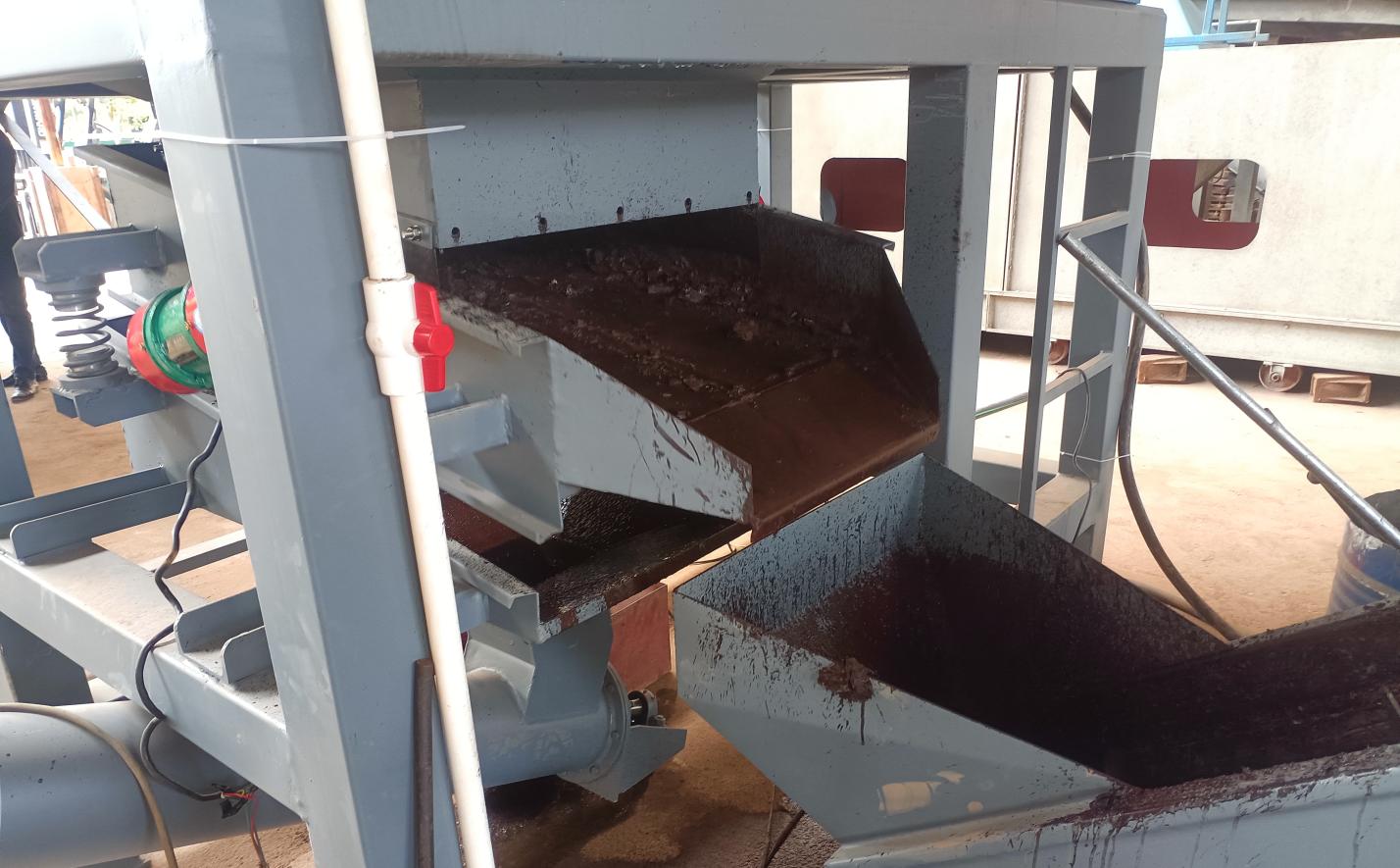
Printed circuit boards from computers, phones, and appliances contain concentrated precious metals. Circuit board recycling equipment uses either dry separation (air separators, electrostatic separators) or wet separation (water metal separators) to extract copper powder with purity levels of 96-98%. Capacities range from 300 kg/hour for smaller operations up to 2,000 kg/hour for industrial plants.
Cable and Wire Recycling
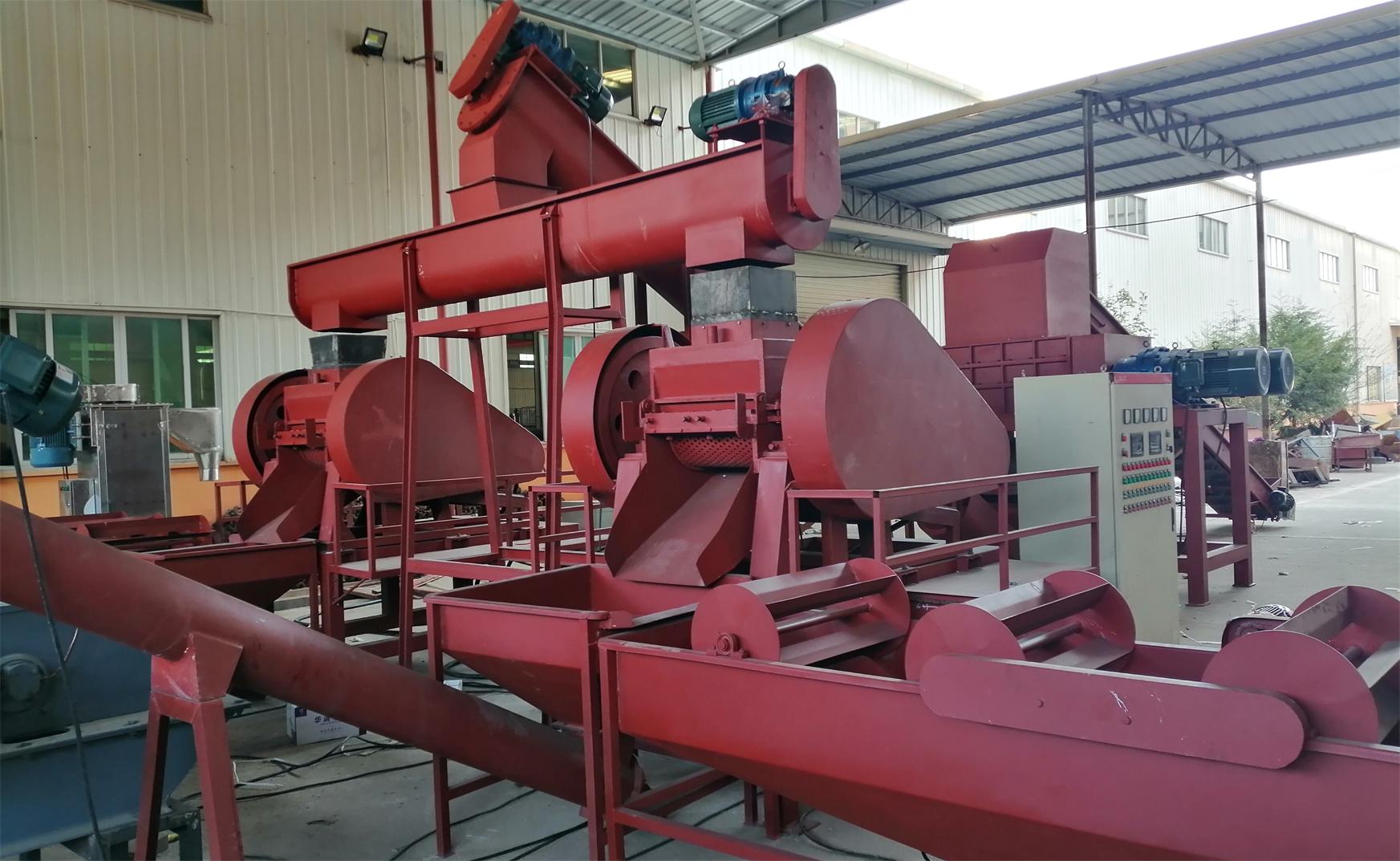
Scrap cables and wires contain valuable copper and aluminum that can be separated from plastic insulation through granulation and dry separation. Complete cable recycling lines include scrap cable strippers for large diameter wires and cable granulators for finer materials. These systems efficiently separate metal from insulation, producing clean copper rice ready for smelting.
Supporting Equipment for Complete Plants
Beyond the core recycling lines, a fully operational plant requires several categories of supporting equipment:
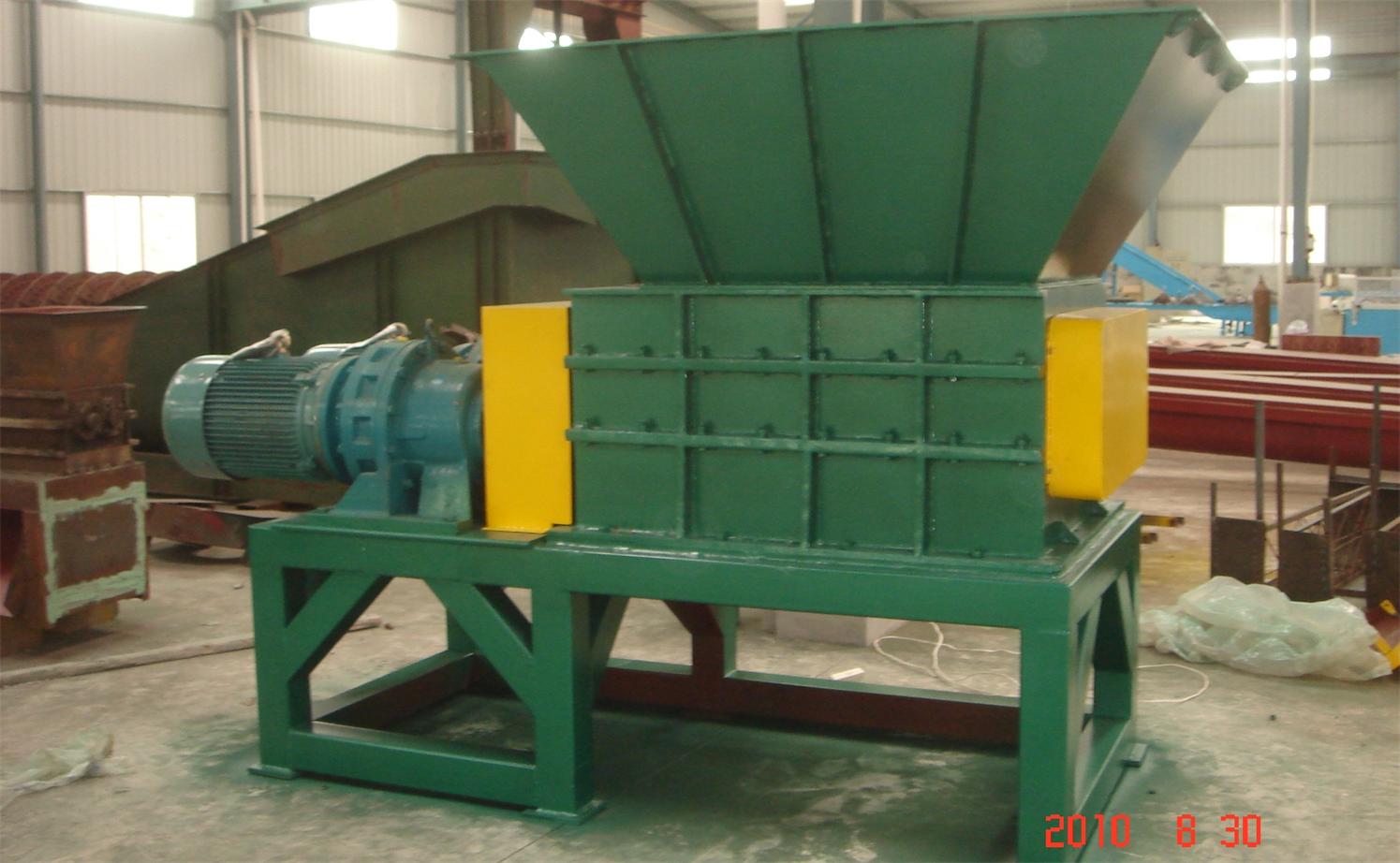
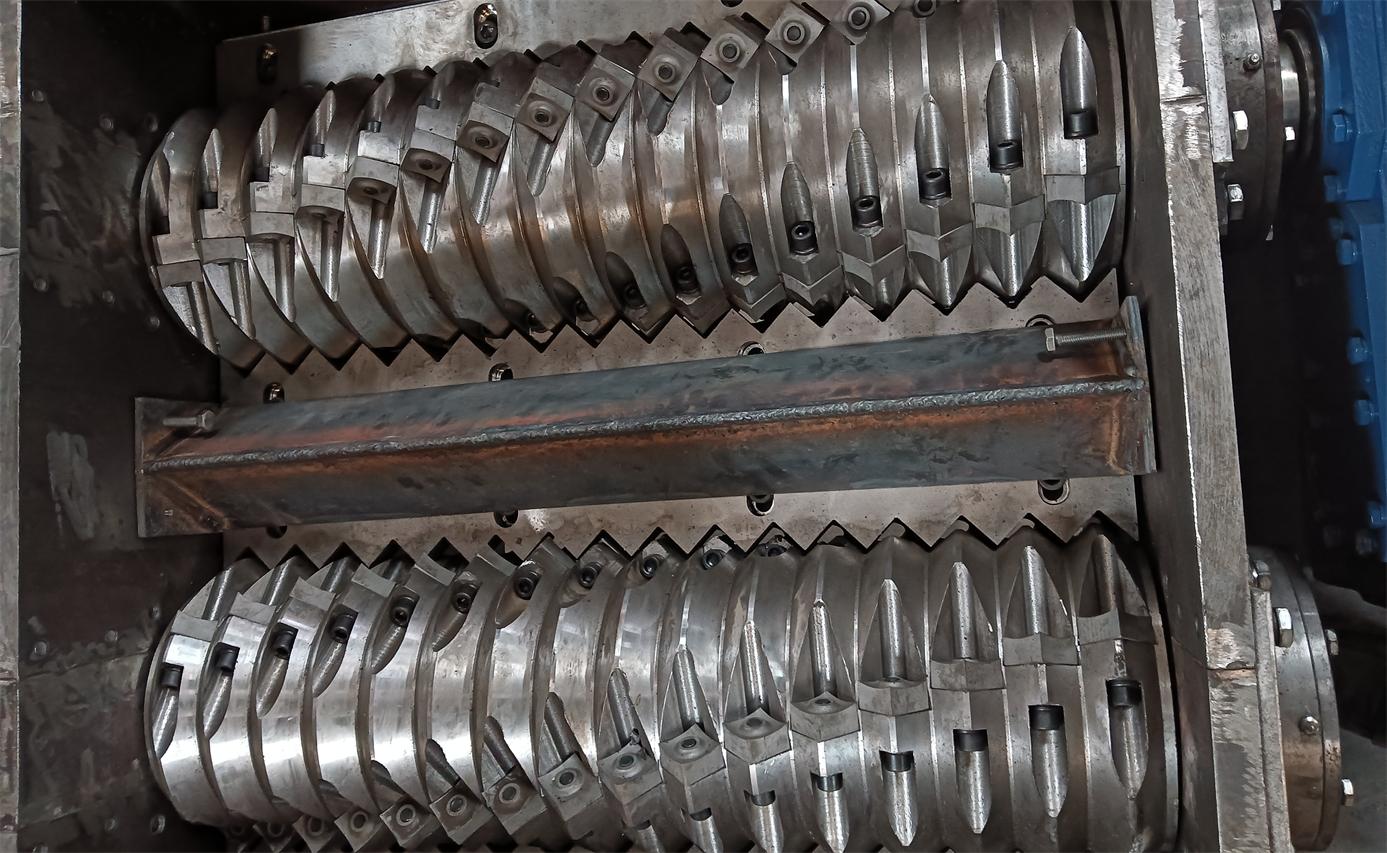
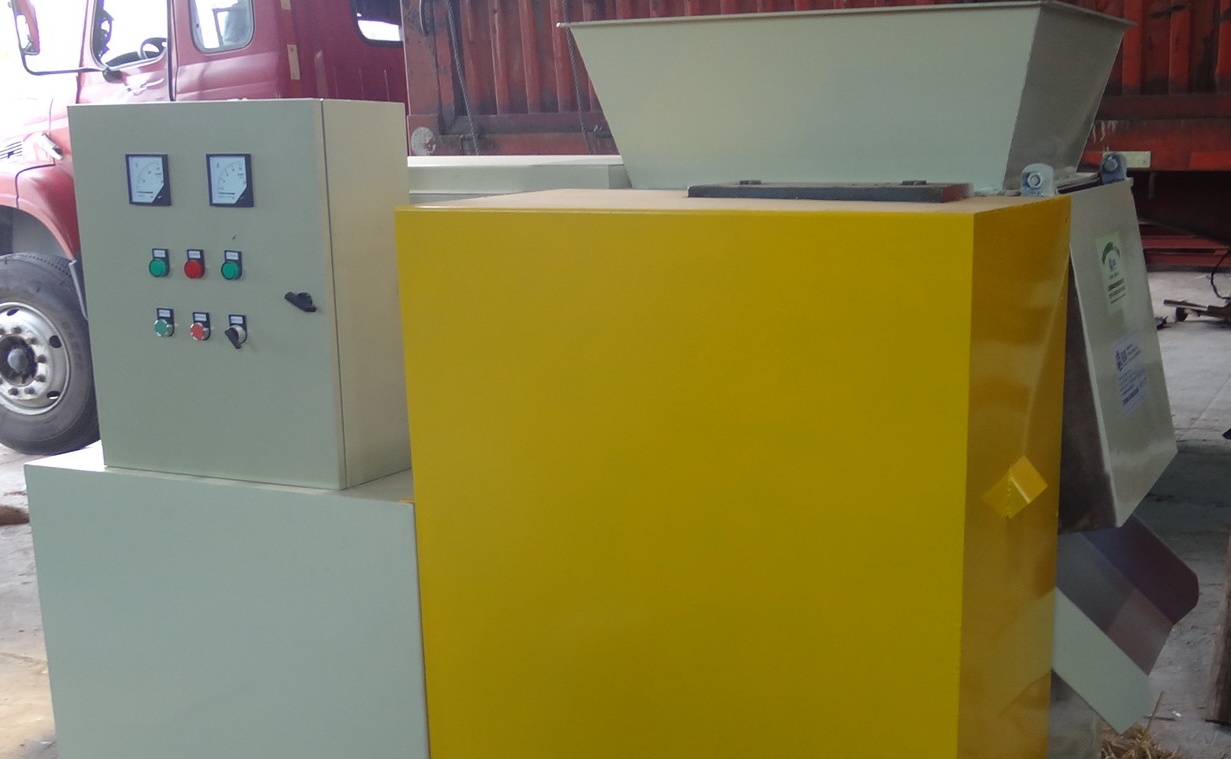
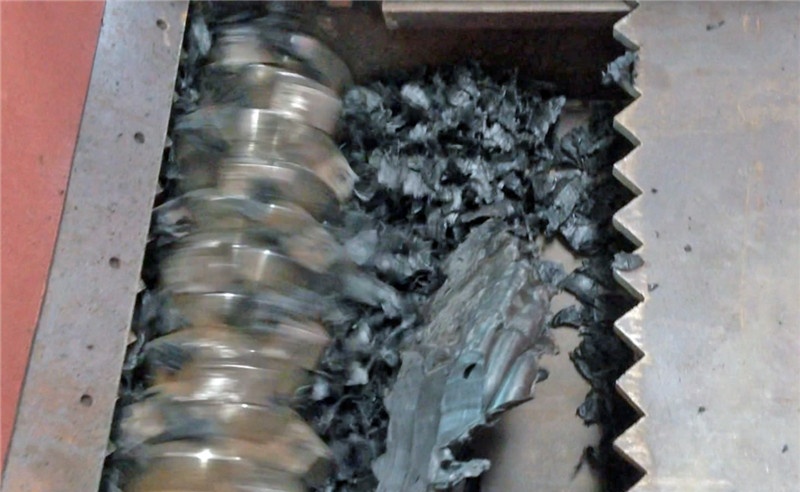
- Shredders and Pre-choppers — Multi-purpose shredders handle initial size reduction for PCBs, cables, refrigerators, batteries, and other e-waste before further processing.
- Refrigerator and AC Recycling Systems — Specialized lines extract refrigerants safely before shredding and separating metals, plastics, and polyurethane foam.
- Motor Recycling Machines — Dismantle electric motors to extract copper windings from stator cores efficiently.
- Metal Melting Furnaces — Medium frequency induction furnaces melt recovered metals into ingots for resale, handling iron, copper, aluminum, tin, and precious metals.
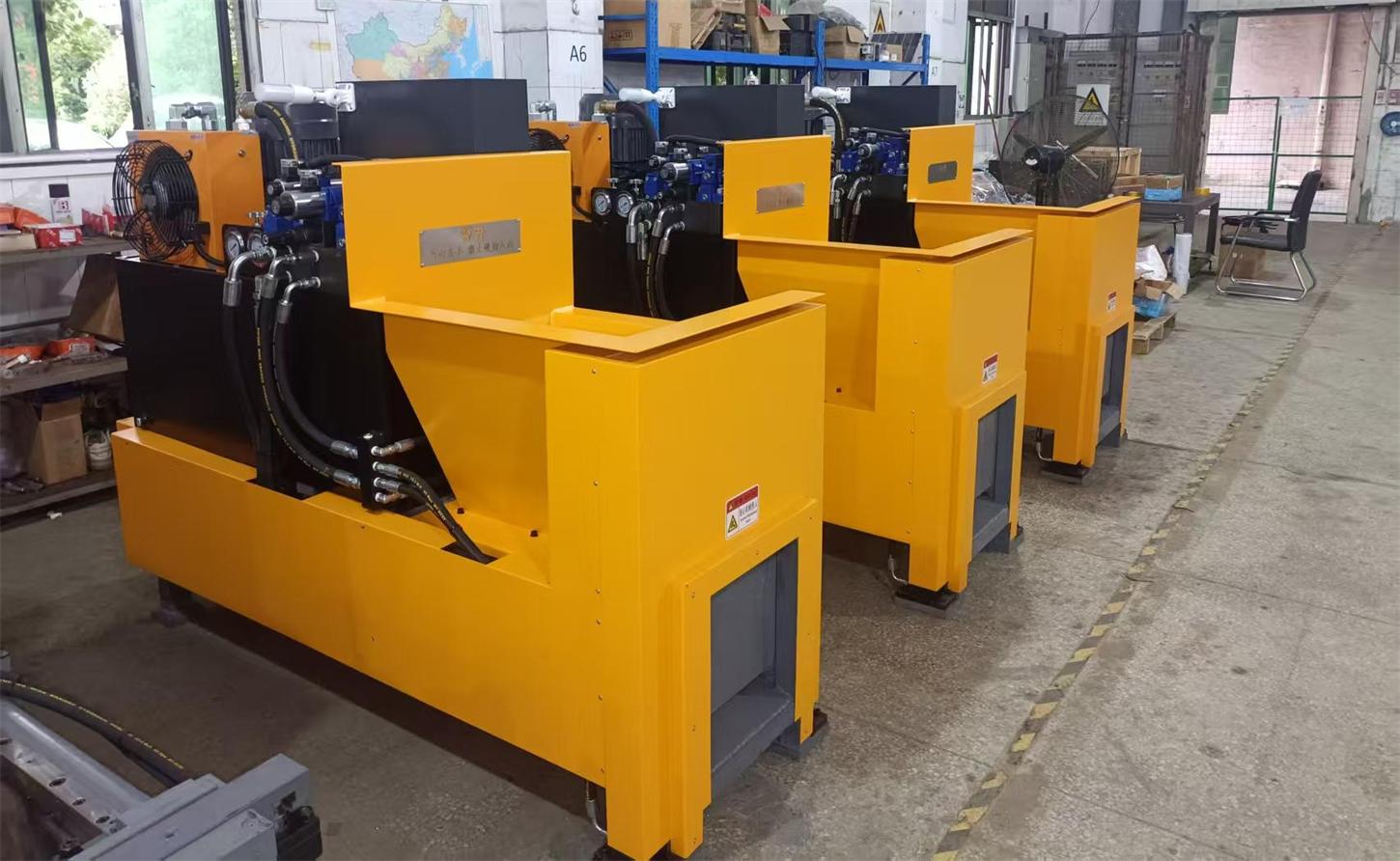
- Hydraulic Press Machines — Briquette metal chips and powders into dense blocks for easier transport and smelting.
Key Factors in Equipment Selection
When evaluating recycling equipment for your plant, consider these critical factors:
Recovery Rate: The percentage of valuable material recovered directly impacts profitability. Look for systems with documented recovery rates above 90%.
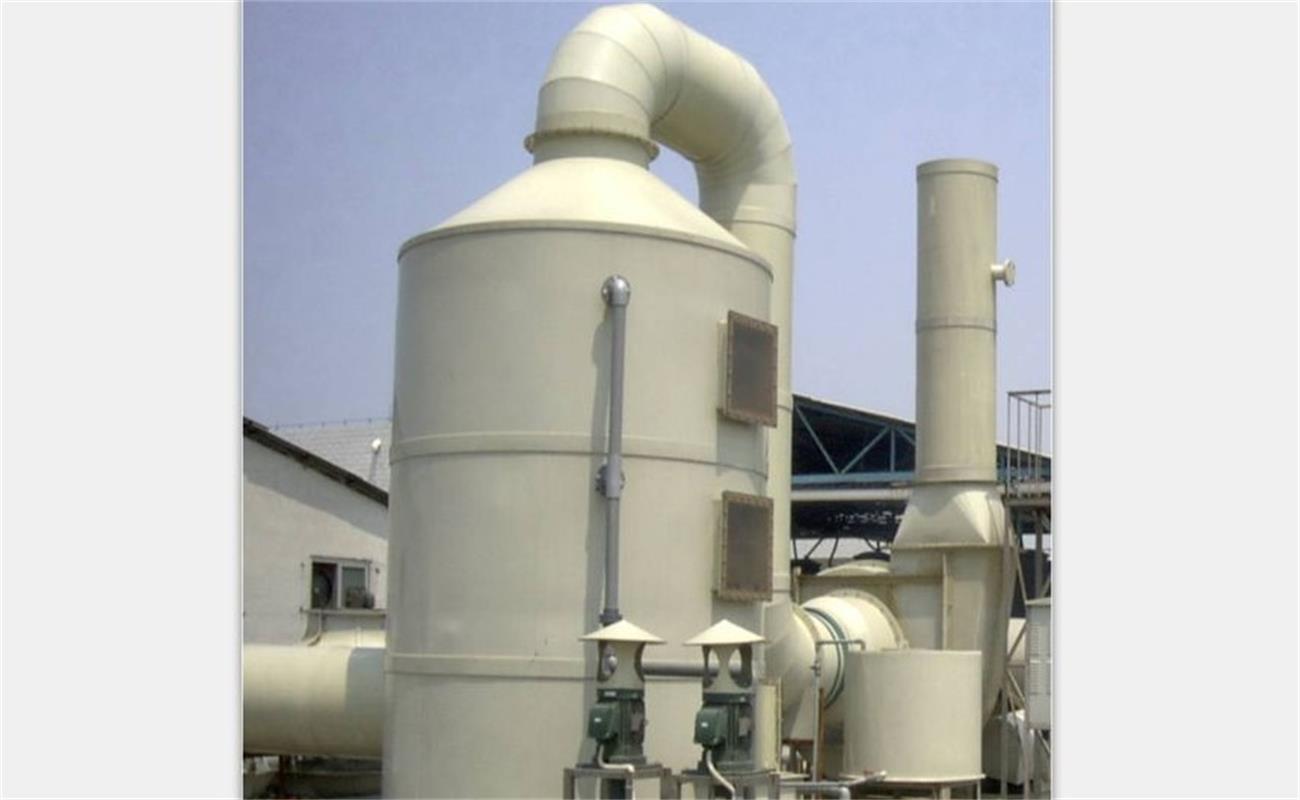
Environmental Compliance: Modern plants must meet strict emissions standards. Ensure equipment includes appropriate pollution control systems, effluent treatment, and dust collection.
Capacity Matching: Equipment capacity should align with your available feedstock. Oversized equipment wastes capital; undersized equipment limits growth.
Automation Level: Mechanical recycling plants generally require less regulatory approval than pyrometallurgical or hydrometallurgical setups, making them ideal for new entrants.
The Value of Experienced Manufacturing Partners
Building a recycling plant involves far more than purchasing equipment. An experienced manufacturer provides crucial support across the entire project lifecycle — from initial feasibility studies and custom plant design to installation, commissioning, and ongoing technical support.
Look for manufacturers with demonstrated experience in EPC (Engineering, Procurement, Construction) projects who can offer customized designs based on your specific feedstock, local regulations, and target output. The best partners also provide ancillary services such as helping source waste materials, connecting you with buyers for recovered metals, and even assisting with investor partnerships.
San Lan Technologies, established in 2007, has supplied e-waste recycling equipment to clients across more than 21 countries including Singapore, Colombia, Vietnam, Mexico, Argentina, Korea, Malaysia, and India. Their technical team combines master's-level mechanical engineering expertise with over 15 years of hands-on experience in e-waste recycling machine design and plant construction.
Conclusion
The e-waste recycling industry offers genuine opportunities for profitable, environmentally responsible business growth. Success starts with selecting the right equipment matched to your target materials and processing capacity. By partnering with an experienced manufacturer who provides comprehensive technical support and customized solutions, you can build a recycling plant that delivers strong returns while contributing to global sustainability goals.
Ready to explore e-waste recycling equipment for your project? San Lan Technologies offers complete recycling plant solutions including lead acid battery recycling lines, lithium battery recovery systems, circuit board processing plants, cable recycling equipment, and full supporting machinery. With over 15 years of experience and installations across 21+ countries, we provide customized plant design, installation, and commissioning services. Contact our team today to discuss your specific requirements.