Building a Profitable E-Waste Recycling Plant: A Complete Guide to Choosing the Right Equipment
The global surge in electronic waste presents both an environmental challenge and a significant business opportunity. With millions of tons of discarded electronics generated annually, establishing an efficient e-waste recycling plant has become a strategically vital venture. However, success depends heavily on selecting the right equipment and partnering with an experienced supplier who understands the complexities of material recovery.
Understanding Core Recycling Equipment Categories
Circuit Board Recycling
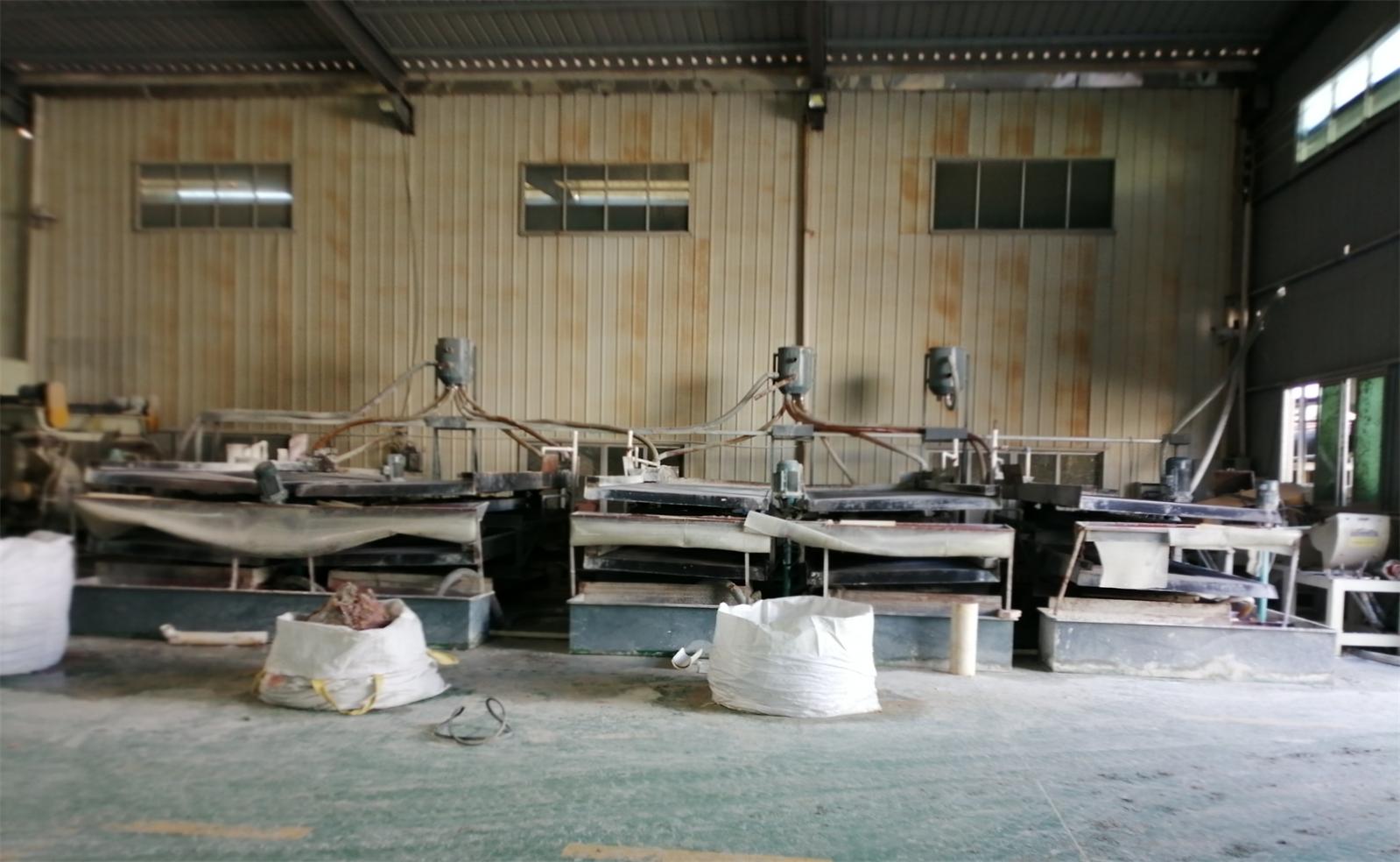
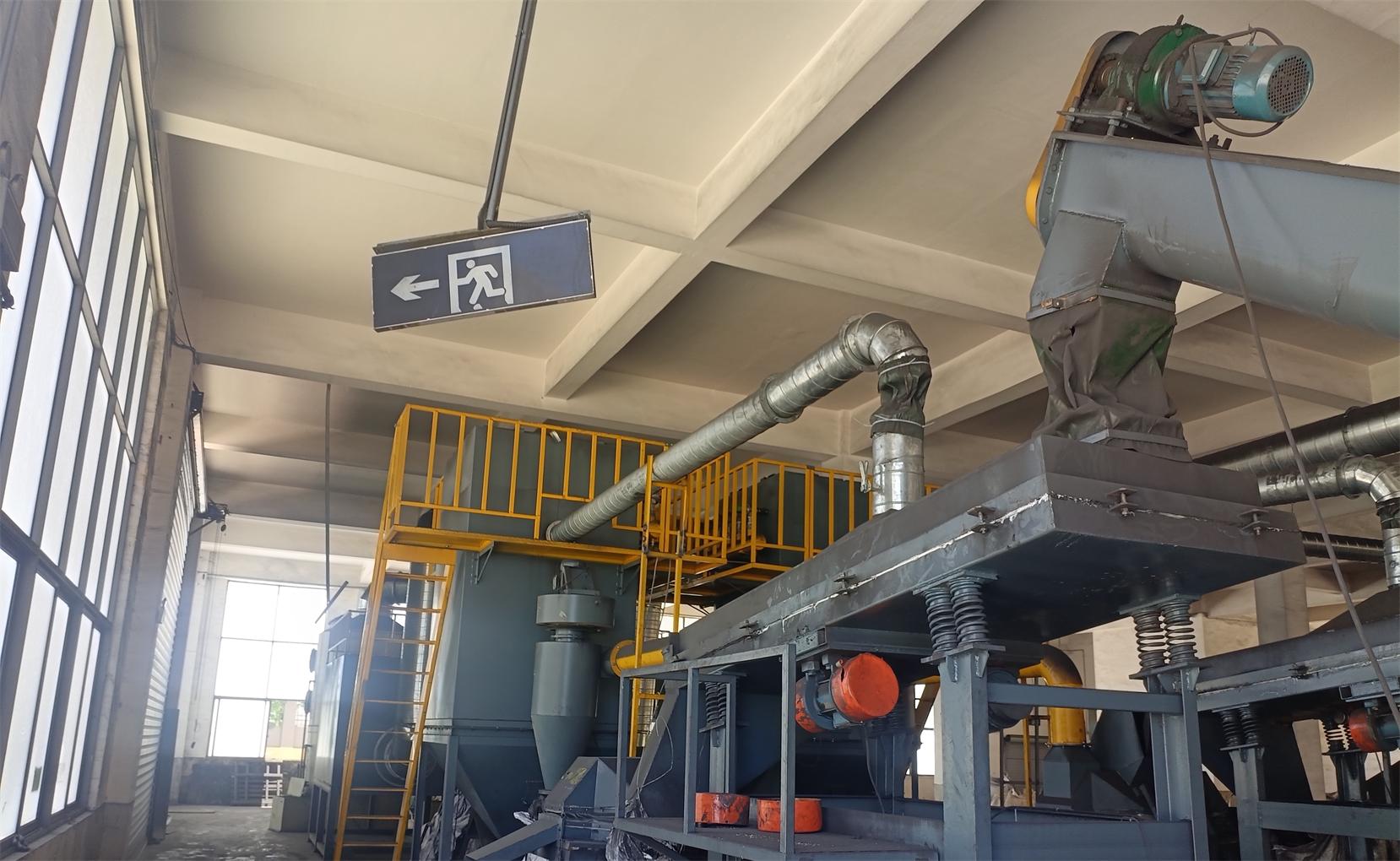
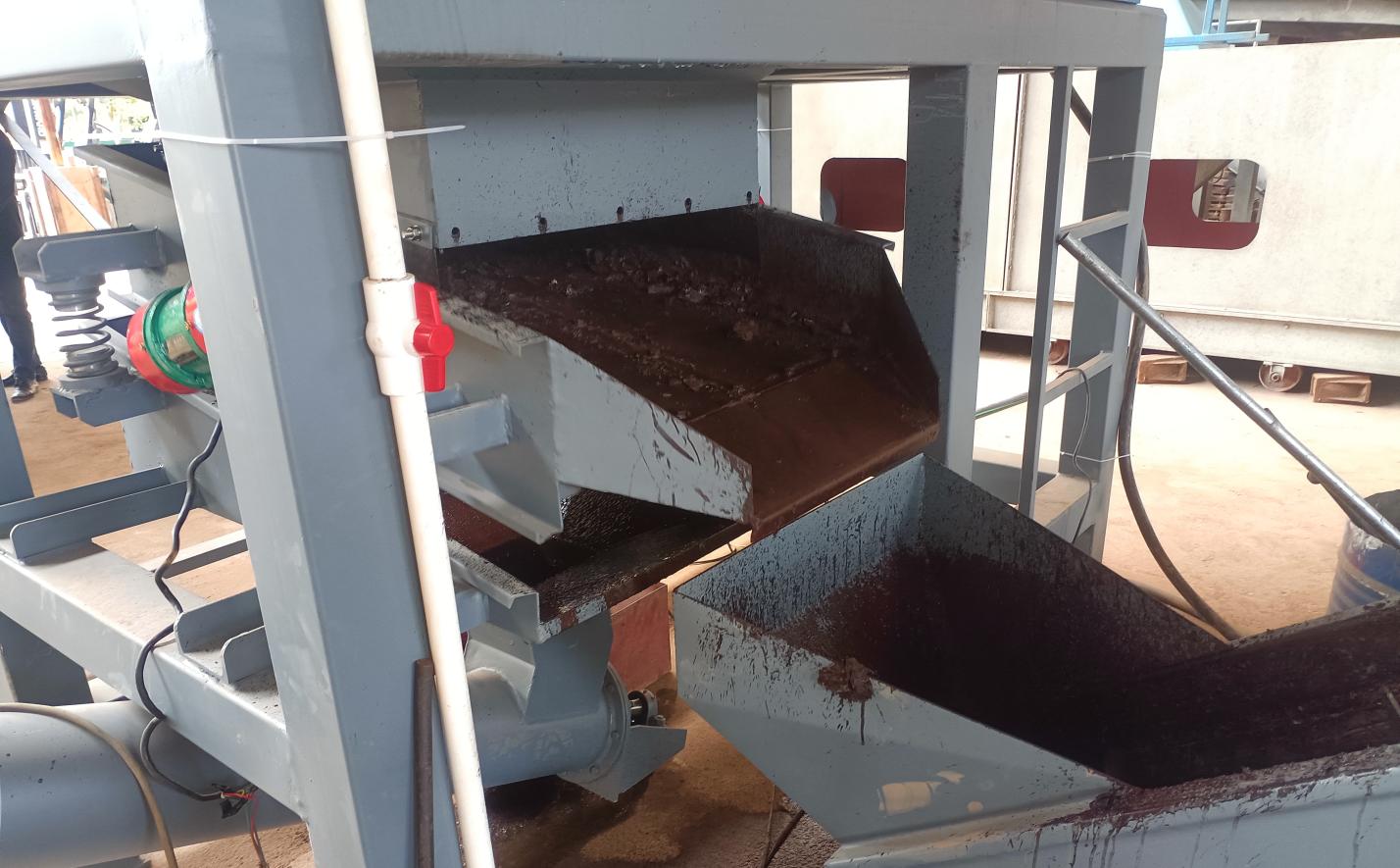
Printed circuit boards (PCBs) contain valuable metals including copper, gold, and silver, making them one of the most profitable materials to recycle. Modern circuit board recycling equipment employs advanced separation technologies—both dry and wet processes—to achieve recovery rates of 95% or higher. These systems typically include crushers, pulverizers, and high-precision separators that can process 300 kg to 2,000 kg per hour, depending on your operational scale. Copper powder purity from advanced air separation systems reaches 96-98%, creating a premium product for resale.
Battery Recycling Solutions
Batteries represent another high-value recycling stream, but they require specialized handling due to chemical hazards and environmental regulations.
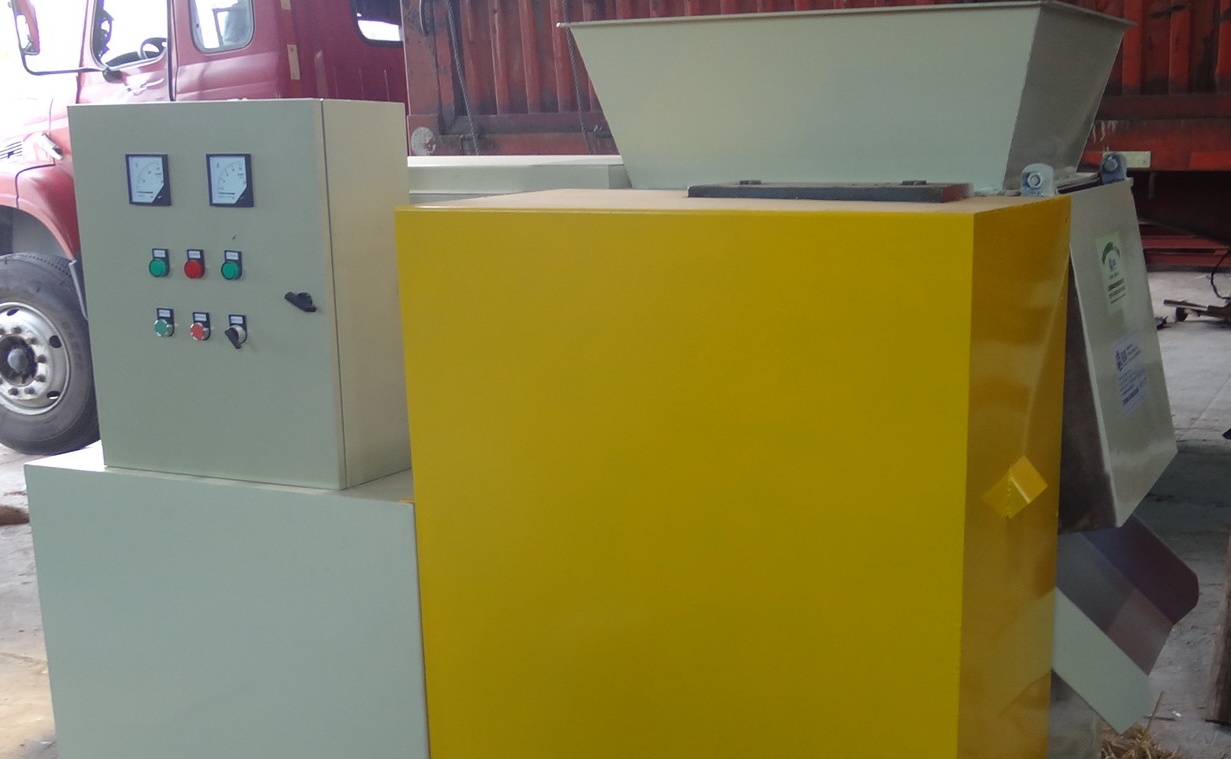
For used lead acid batteries, comprehensive lead acid battery recycling equipment integrates breaking and separation systems, smelting furnaces, and pollution control units. A complete plant can recover lead paste, lead grids, plastic casings, and even treat acidic wastewater—transforming hazardous waste into reusable raw materials with capacity ranging from 1 to 10 metric tons per hour. Lead recovery rates from blast furnaces reach 95%, while advanced rotary furnaces offer even higher efficiency for paste reduction.
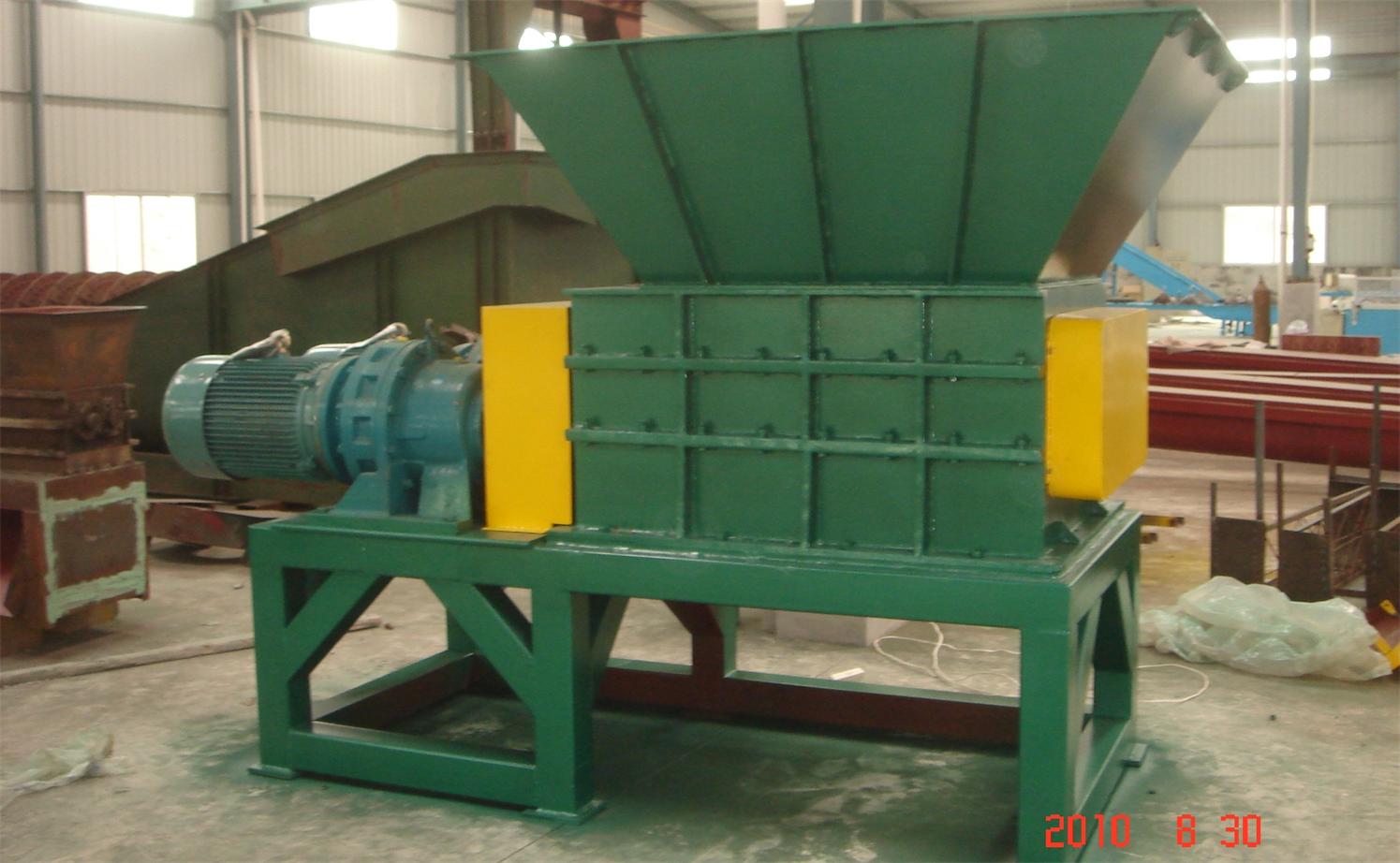
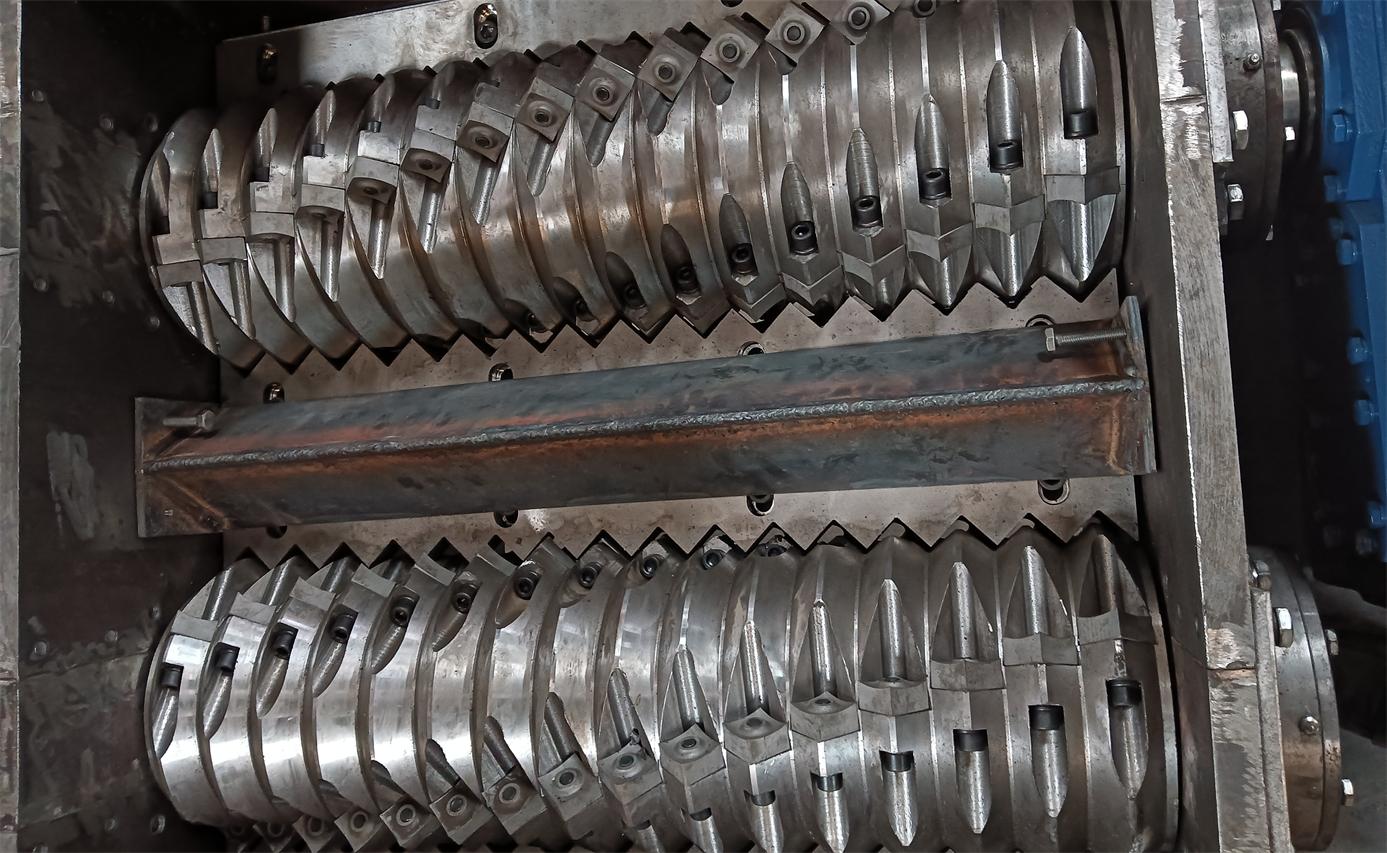
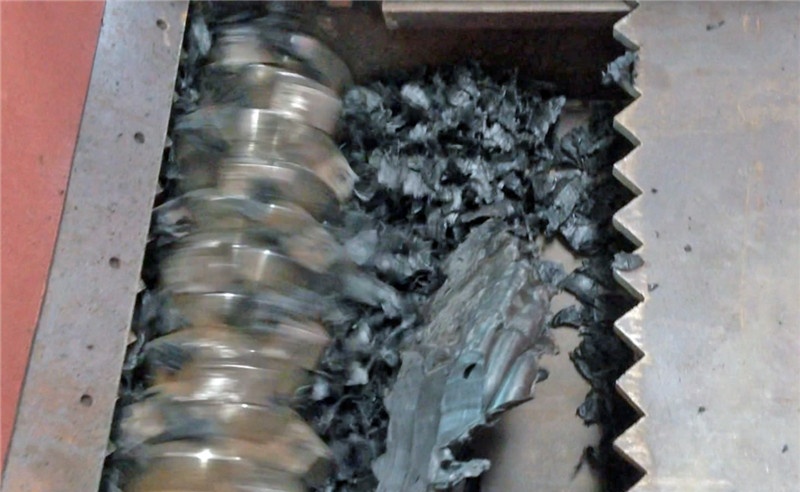
Lithium-ion batteries demand equally sophisticated solutions. Li battery recycling equipment uses mechanical crushing combined with multi-stage separation to recover black mass (containing nickel, cobalt, and graphite), copper, aluminum, and plastics. Capacities typically range from 500 to 2,500 kg per hour, with proper air pollution control systems ensuring environmental compliance. The recovered materials feed directly back into battery manufacturing supply chains, closing the loop on critical raw materials.
Cable and Wire Recycling
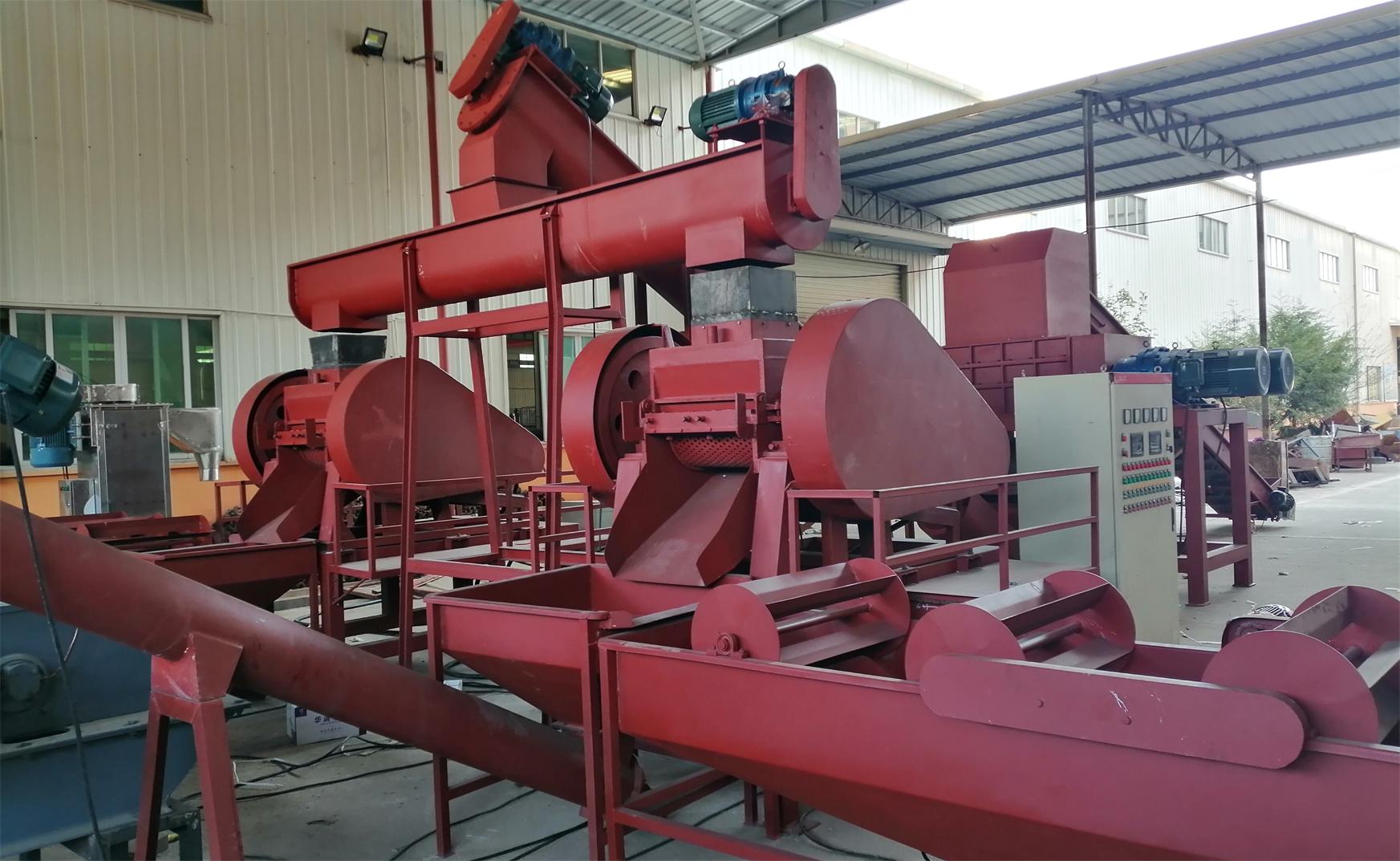
Scrap cables and wires are abundant in e-waste streams. Cable recycling equipment—including strippers and granulators—efficiently separates copper or aluminum from plastic insulation. Modern granulators with dry separators can achieve high purity copper powder, creating a valuable commodity from what would otherwise be discarded material. Processing capacities range from compact 100 kg/hour units to industrial-scale 1,200 kg/hour systems, accommodating operations of every size.
Key Considerations When Selecting Equipment
When investing in recycling machinery, look beyond the initial price tag. Consider these critical factors:
Technical Expertise and Experience
Recycling equipment involves complex mechanical and chemical processes. Partner with manufacturers whose engineering teams possess deep domain knowledge—ideally with advanced degrees in mechanical engineering and over 15 years of hands-on experience in e-waste recycling systems. This expertise ensures your plant operates at peak efficiency from day one.
Customization and Scalability
Every recycling operation has unique feedstock characteristics, capacity requirements, and local regulatory constraints. Opt for suppliers offering customizable designs rather than one-size-fits-all solutions. Whether you need a compact 300 kg/hour circuit board line or a 10 MT/hour battery processing plant, flexibility matters.
Environmental Compliance
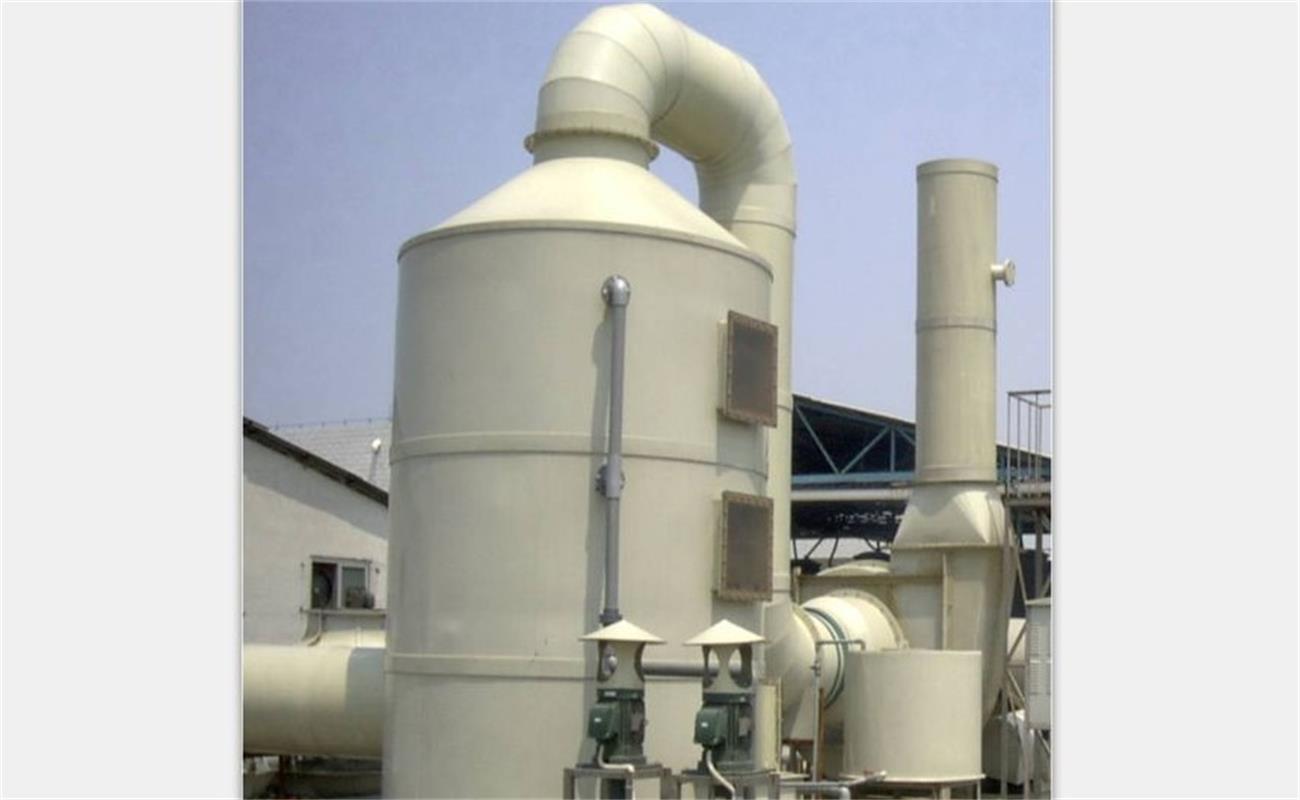
Modern recycling must meet stringent environmental standards. Ensure your equipment includes integrated pollution control systems—dust collectors, wastewater treatment, and gas purification units—to maintain regulatory compliance and protect your operating license.
After-Sales Support
Installation, commissioning, and ongoing technical support are crucial. Equipment downtime in recycling operations translates directly to lost revenue. Reliable suppliers provide comprehensive support from initial setup through long-term maintenance.
The Advantage of Comprehensive Solutions
Building a recycling plant involves far more than purchasing individual machines. The most successful projects are backed by suppliers who offer end-to-end support:
EPC Project Execution: Engineering, procurement, and construction expertise ensures your plant is designed and built efficiently from the ground up.
Raw Material Sourcing: Experienced suppliers can help you establish reliable channels for waste materials such as cable scrap, PCB scrap, and used batteries.
Product Offtake Support: Beyond equipment, look for partners who can help you sell recovered materials—copper rice, lead ingots, precious metal concentrates—to maximize your return on investment.
Investment Partnerships: Some suppliers can even connect you with investors or partners interested in recycling plant construction, accelerating your project timeline.
Real-World Impact
Established recycling equipment manufacturers have successfully deployed plants across more than 21 countries, serving markets in Asia, Africa, the Americas, and the Middle East. These global installations demonstrate that well-designed recycling equipment can operate profitably across diverse regulatory environments and feedstock conditions. From Singapore to Colombia, Vietnam to South Africa, proven recycling solutions are helping businesses turn waste into valuable resources.
Start Building Your Recycling Future Today
The e-waste recycling industry offers tremendous potential for environmentally conscious entrepreneurs and established waste management companies alike. By investing in high-quality circuit board recycling equipment, lead acid battery recycling equipment, and cable recycling equipment, you position your business to capture value from the growing waste stream while contributing to global sustainability goals.
Success starts with choosing the right partner—one who brings not just machinery, but decades of technical expertise, comprehensive project support, and a genuine commitment to your long-term profitability. Contact a qualified recycling equipment specialist today to discuss your specific requirements and take the first step toward building a successful recycling operation.
The e-waste recycling industry offers tremendous potential for environmentally conscious entrepreneurs and established waste management companies alike. By investing in high-quality circuit board recycling equipment, lead acid battery recycling equipment, and cable recycling equipment, you position your business to capture value from the growing waste stream while contributing to global sustainability goals.
Success starts with choosing the right partner—one who brings not just machinery, but decades of technical expertise, comprehensive project support, and a genuine commitment to your long-term profitability. Contact a qualified recycling equipment specialist today to discuss your specific requirements and take the first step toward building a successful recycling operation.