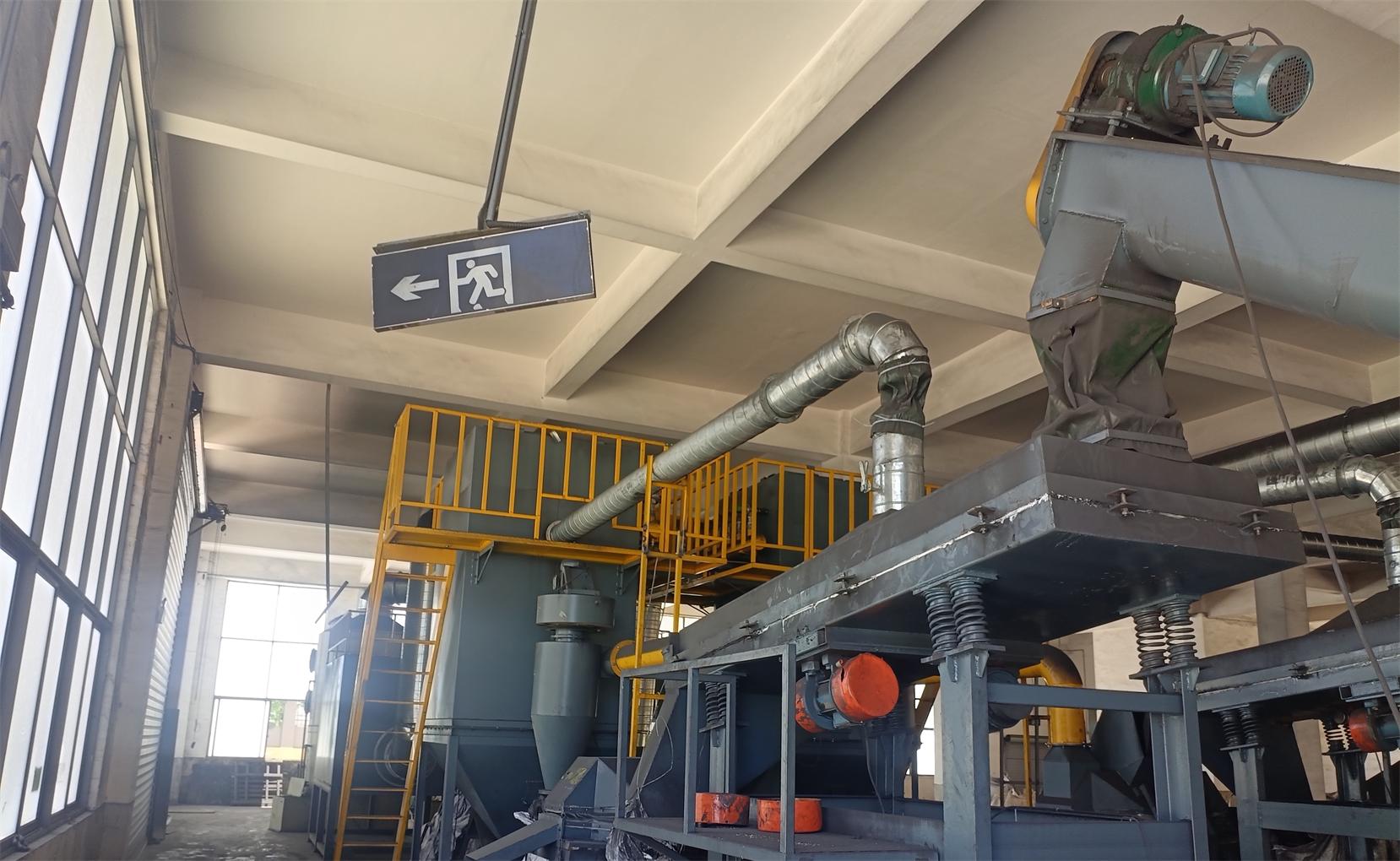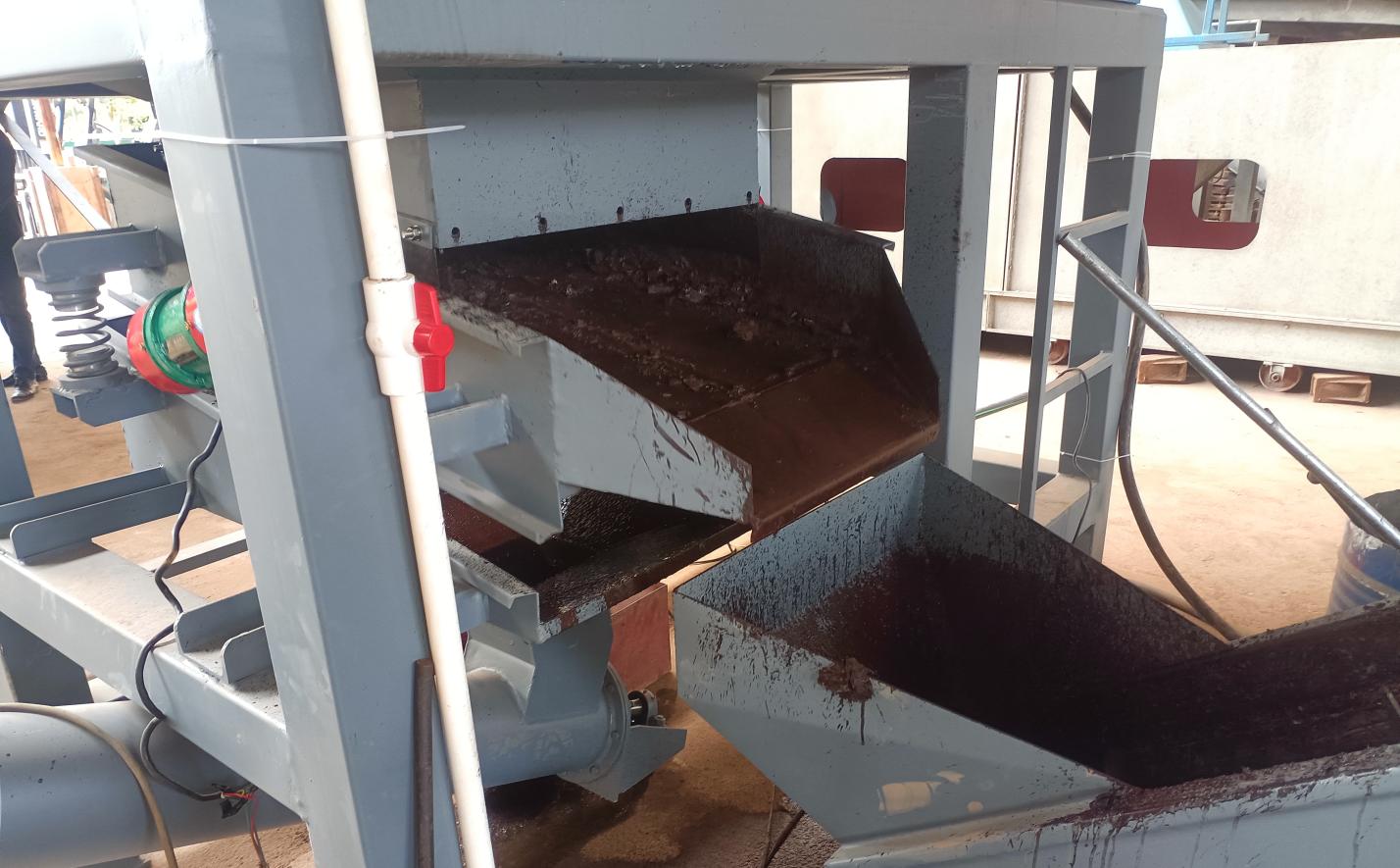
In the current recycling landscape, "performance" is no longer defined by a single machine. It is determined by how effectively an entire system synchronises to transform raw feedstock into high-purity, high-value output. As the world's fastest growing waste stream, e-waste presents both an environmental challenge and a remarkable business opportunity. For entrepreneurs and established recyclers alike, the transition from standalone units to fully integrated recycling plants is the only path to long-term profitability and regulatory compliance.
The E-Waste Opportunity: More Than Just Waste
Electronic waste represents one of the most valuable waste streams on the planet. A ton of discarded circuit boards contains up to 200 grams of gold — far richer than most gold ores. Used lead acid batteries hold recoverable lead and plastic. Scrap cables hide pure copper and aluminum. Lithium-ion batteries contain cobalt, nickel, and lithium that are critical for new battery production.
However, unlocking this value requires more than purchasing a shredder or a separator. It demands a complete, engineered system designed around the specific material stream you intend to process.
From Standalone Machines to Integrated Systems
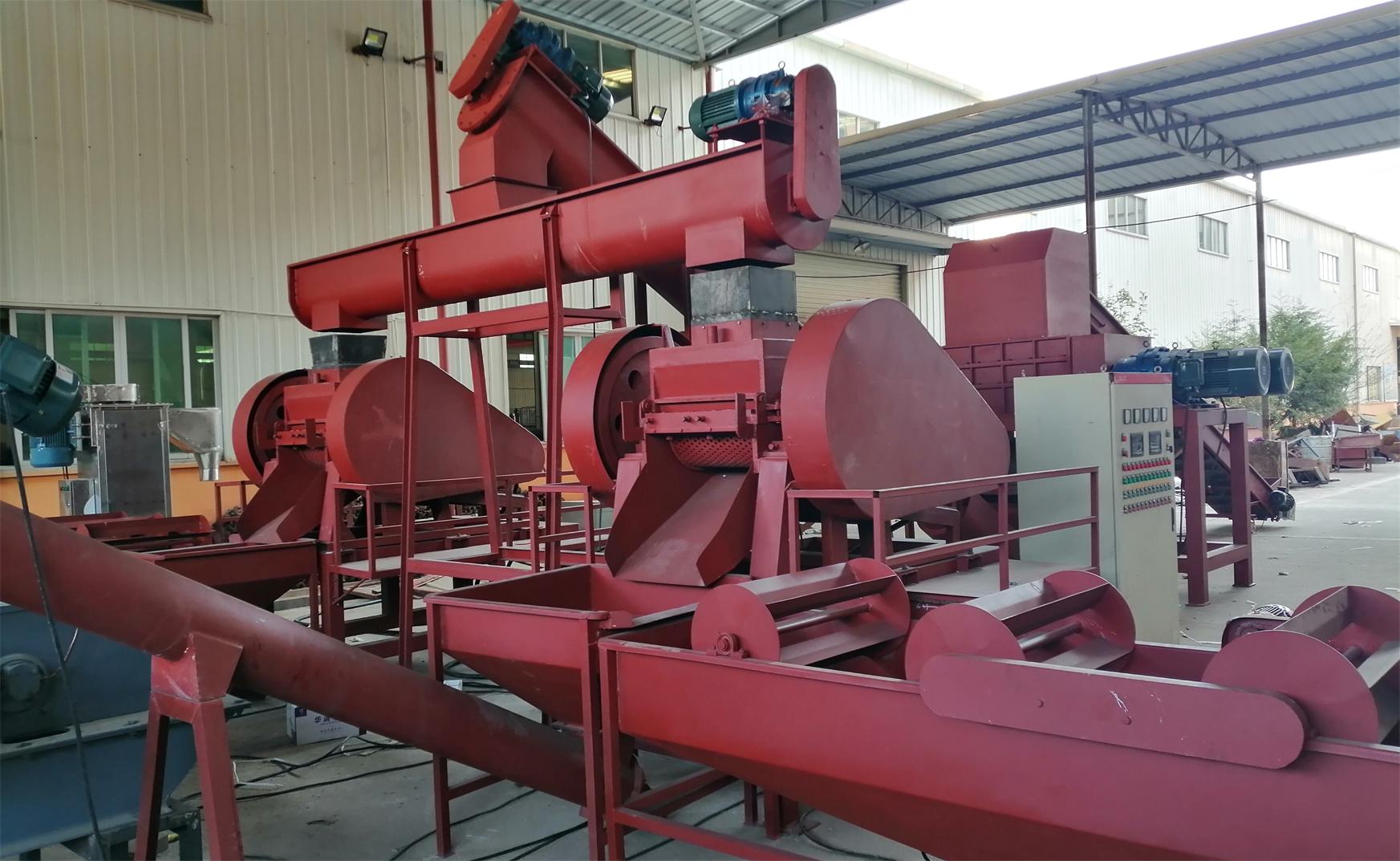
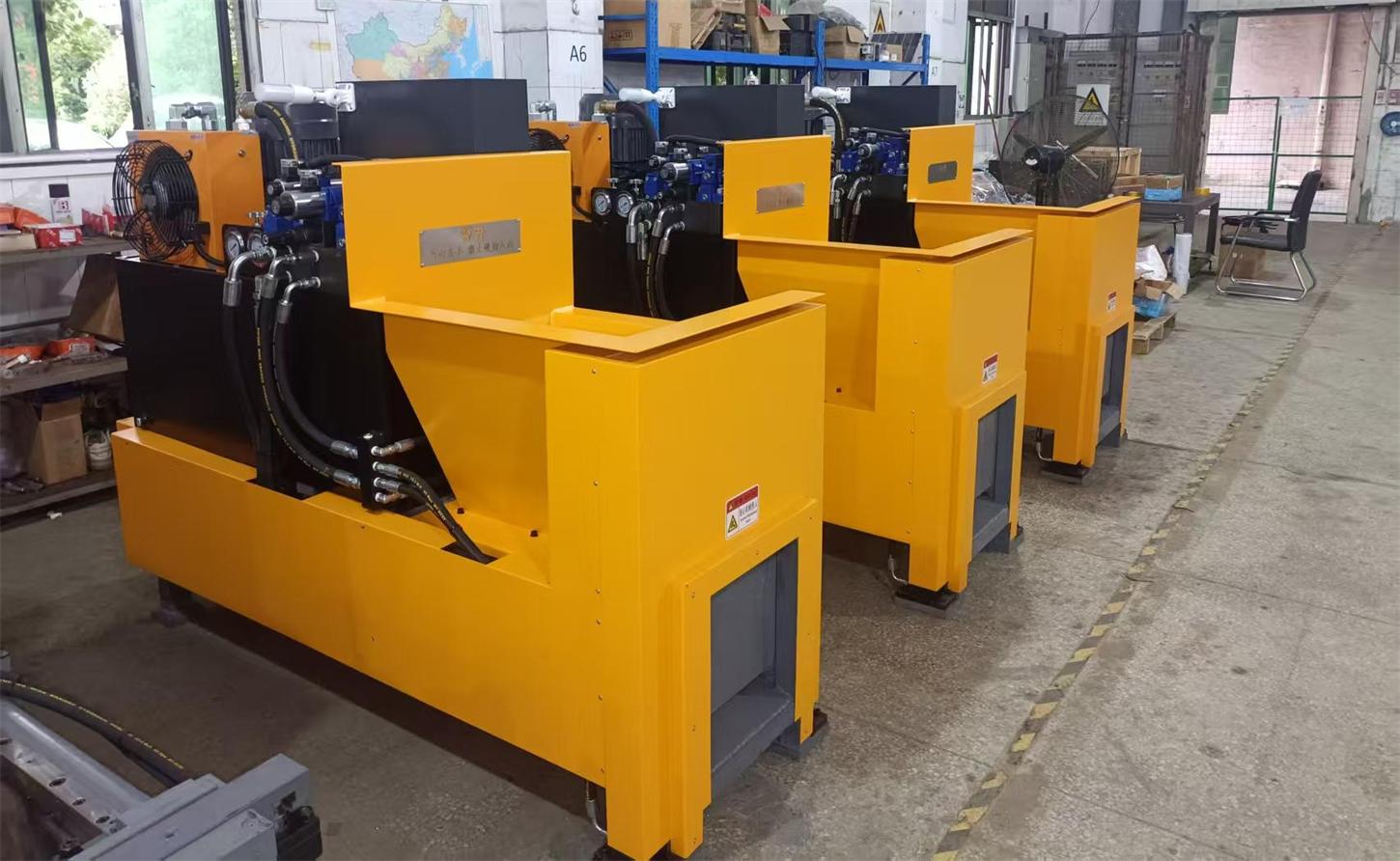
Many newcomers to the recycling industry make the mistake of buying individual machines — a crusher here, a separator there — hoping to assemble a functional line. The reality is far more complex. Material flow, particle size distribution, dust control, safety interlocks, and separation efficiency must be optimised as an integrated whole.
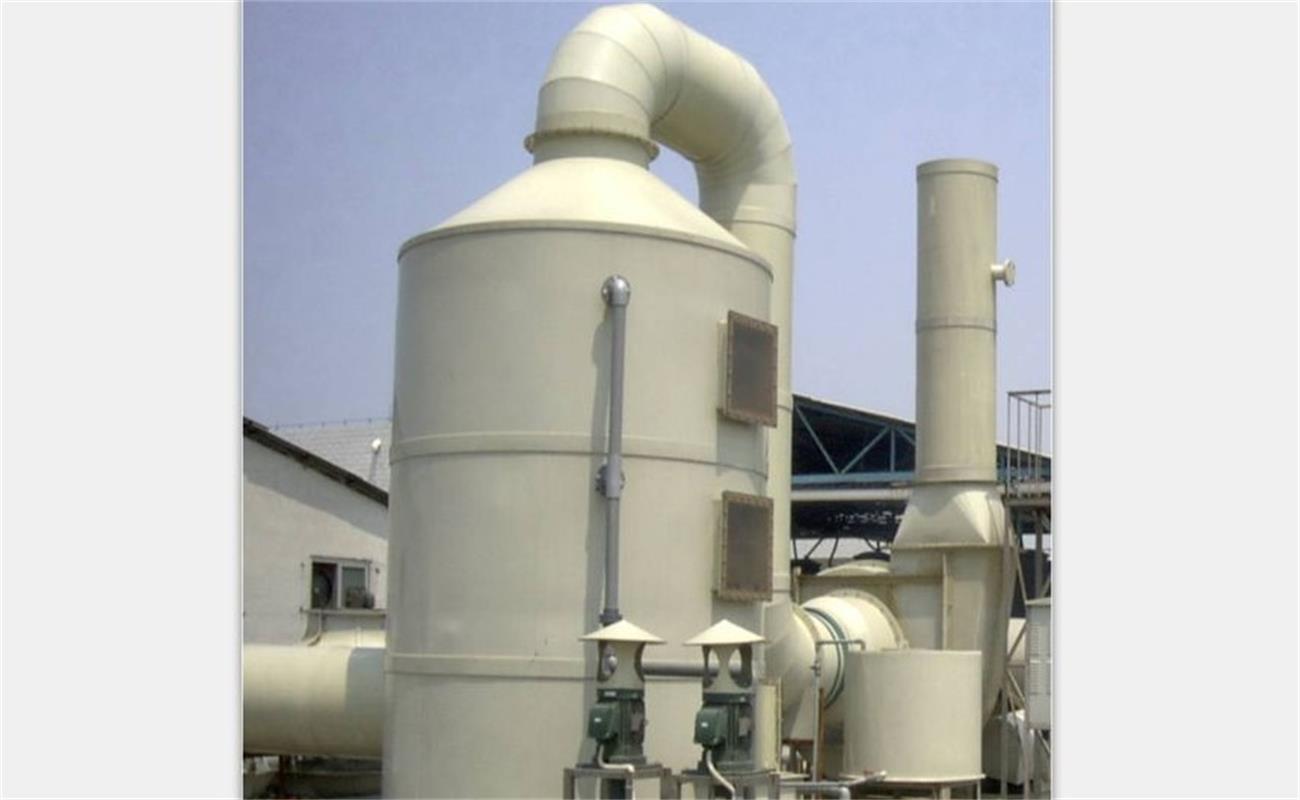
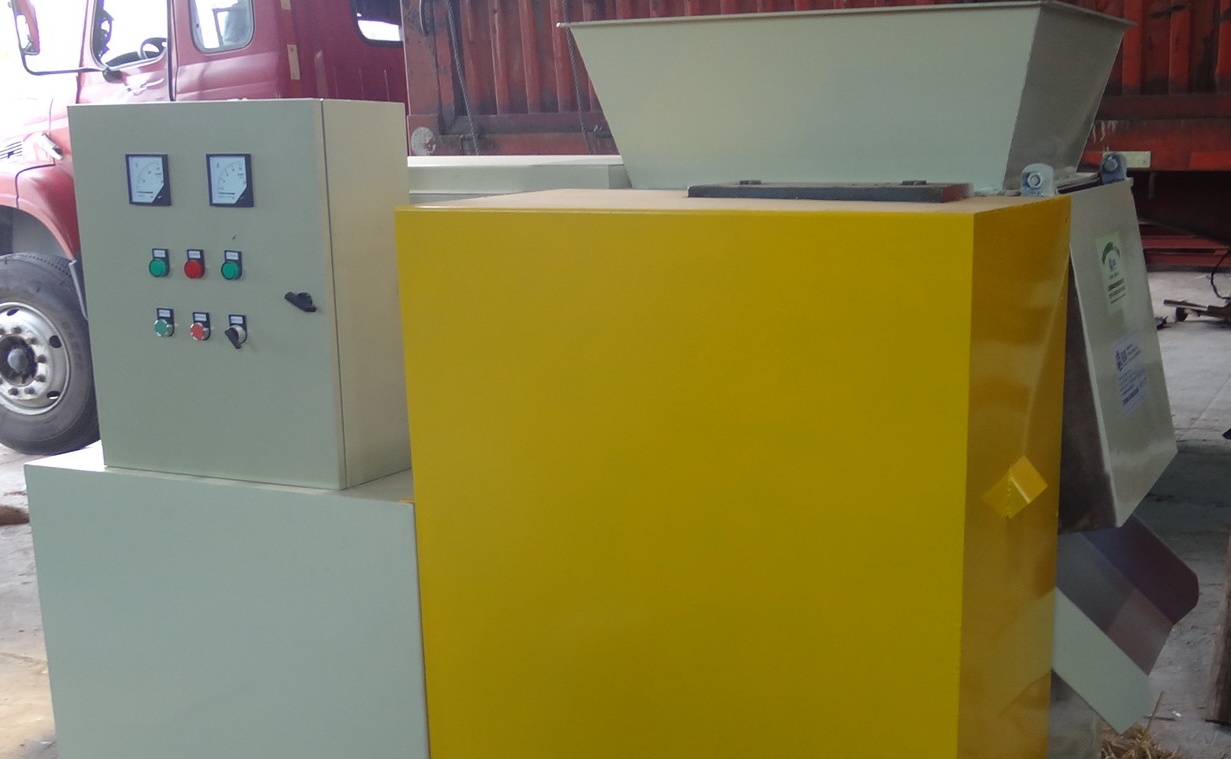
A professionally designed lead acid battery recycling equipment system, for example, must coordinate battery cutting, acid draining, crushing, paste separation, grid recovery, plastic sorting, smelting, and pollution control into one continuous process. Each stage affects the next. A bottleneck in separation reduces smelter efficiency. Inadequate dust collection creates compliance risks. Only system-level thinking delivers consistent, profitable results.
Key Recycling Streams and Their Requirements
Lead Acid Battery Recycling
Used lead acid batteries (ULAB) remain one of the most recycled products globally, with recovery rates exceeding 95% in well-designed facilities. A complete lead acid battery recycling plant typically includes battery breaking and separation systems, de-sulfurization units, rotary furnaces or blast furnaces for paste reduction, lead refinery kettles, water treatment plants, and air pollution control systems. San Lan Technologies offers fully integrated plants with capacities from 1 to 10 MT per hour, designed to recover acid, lead paste, lead grids, and plastic shells with maximum efficiency.
Lithium Battery Recycling
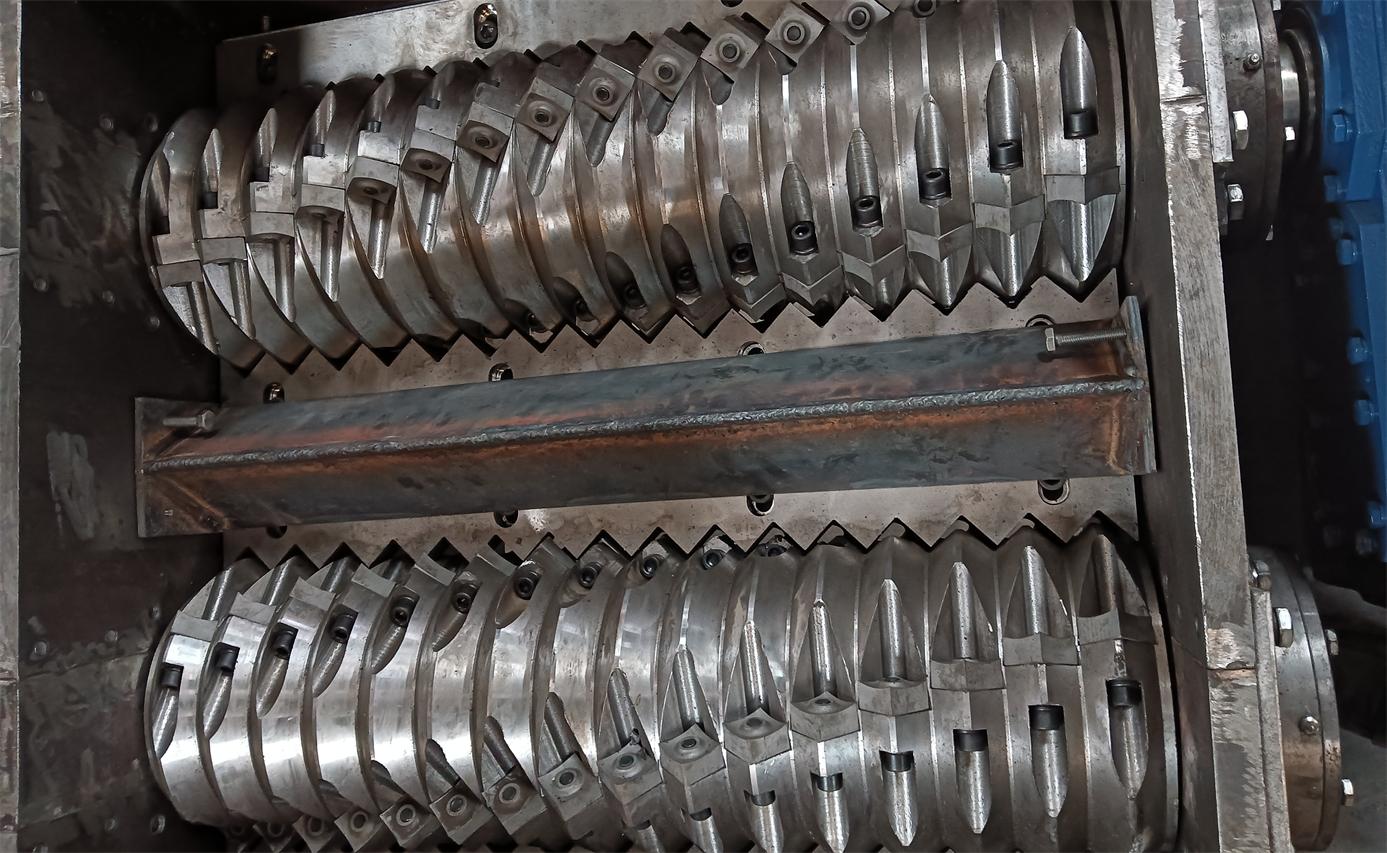
With the explosive growth of electric vehicles and energy storage, spent lithium-ion batteries have become a critical secondary resource. A modern lithium battery recycling plant must safely discharge, disassemble, crush, and separate batteries to recover black mass (containing nickel, cobalt, and graphite), copper, aluminum, and plastic. Capacity requirements range from 500 to 2,500 kg per hour, with stringent safety and environmental controls due to the flammable electrolytes and toxic materials involved.
Cable Recycling
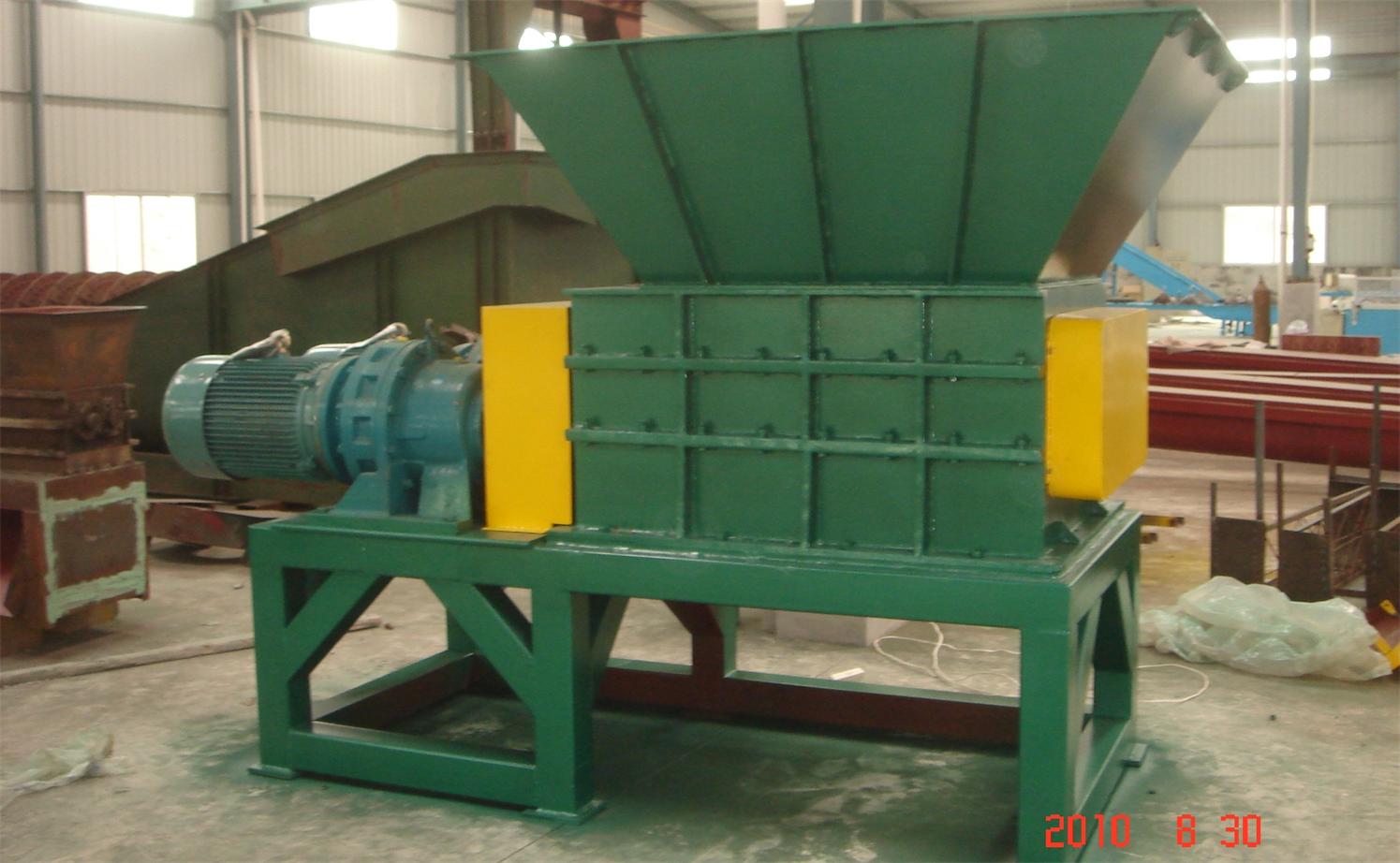
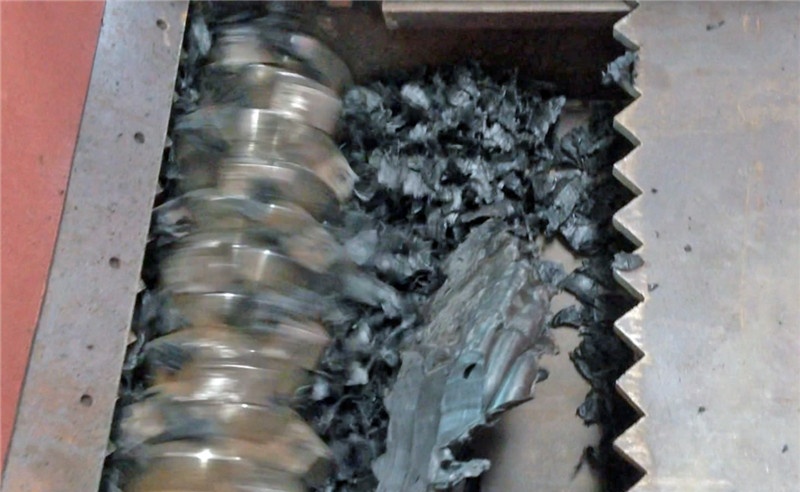
Scrap cables represent one of the most accessible entry points into the recycling business. Cable recycling equipment strips and granulates insulated wires to separate copper or aluminum from plastic insulation. Modern cable granulators achieve purity levels of 96-98% for copper powder, with both dry and wet separation options available depending on cable type and local environmental regulations.
Circuit Board Recycling
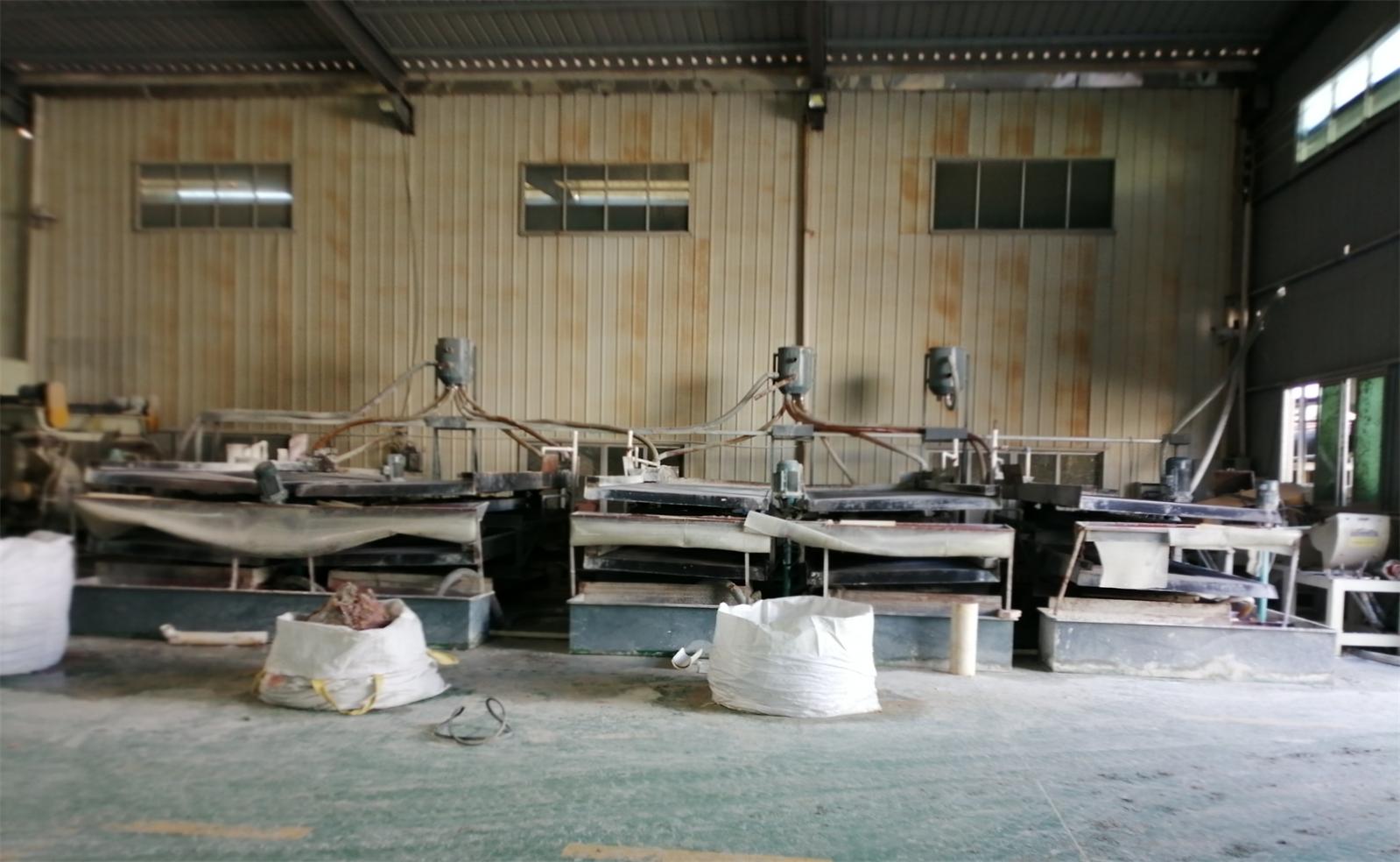
Printed circuit boards (PCBs) are among the most complex e-waste materials to process, containing a mixture of metals, ceramics, and hazardous substances. Circuit board recycling equipment uses mechanical crushing combined with air or wet separation to recover copper powder and precious metals. Advanced plants can process 300 to 2,000 kg per hour while maintaining environmental compliance through integrated dust and wastewater treatment.
The EPC Advantage: Design, Build, and Commission
Engineering, Procurement, and Construction (EPC) contracting has become the gold standard for recycling plant deployment. Rather than coordinating multiple vendors for equipment, installation, and commissioning, an EPC partner delivers a turnkey solution from concept to production.
San Lan Technologies brings over 15 years of EPC experience to e-waste recycling projects. Their technical team includes master's degree engineers with deep expertise in mechanical design and recycling processes. This expertise translates into plants that are not only efficiently designed but also optimised for the customer's specific feedstock, capacity targets, and local regulatory requirements.
The EPC approach eliminates the compatibility risks of multi-vendor projects. Conveyors match crusher outputs. Separation systems handle the exact particle distributions produced upstream. Control systems coordinate the entire line. The result is faster commissioning, higher initial recovery rates, and fewer costly modifications after startup.
Beyond Equipment: End-to-End Business Support
Truly successful recycling operations require more than quality machinery. They need reliable raw material supply, efficient product sales channels, and ongoing technical support.
Experienced equipment manufacturers can leverage their industry networks to help customers source waste materials such as cable scrap, PCB scrap, and used lead acid batteries. They can also assist in finding buyers for recovered products like copper rice, copper powder, and lead ingots. This business development support is particularly valuable for new market entrants who lack established supply chain relationships.
Additionally, some manufacturers offer investment partnership opportunities for recycling plant construction, allowing customers to scale operations with shared risk and expertise.
Global Experience, Local Understanding
The e-waste recycling industry spans diverse regulatory environments, material compositions, and market conditions. A plant design that succeeds in Europe may require significant adaptation for Southeast Asia or Latin America.
San Lan Technologies has supplied equipment to customers in over 21 countries, including Singapore, Colombia, Vietnam, Mexico, Argentina, Korea, Malaysia, Indonesia, South Africa, Tunisia, India, Kenya, Saudi Arabia, Philippines, Zambia, and Israel. This global footprint provides practical insights into regional differences in waste composition, environmental standards, and operational practices.
The company's bilingual English and Chinese capabilities further facilitate clear communication with international clients, reducing the misunderstandings that can derail complex technical projects.
Planning Your Recycling Plant Project
If you are considering entering the e-waste recycling business or expanding an existing operation, the design of your system will determine your long-term performance and profitability. Key planning considerations include:
- Feedstock analysis: What materials will you process, and in what volumes?
- Output specifications: What purity levels and product forms do your target buyers require?
- Regulatory compliance: What environmental and safety standards apply in your jurisdiction?
- Space and infrastructure: What building, power, water, and emissions control infrastructure are available?
- Growth planning: Can the initial design accommodate future capacity expansion or additional material streams?
Working with an experienced plant builder from the earliest planning stages ensures these questions are addressed systematically, avoiding costly redesigns or retrofitting later.
Conclusion
The e-waste recycling industry offers substantial opportunities for businesses that approach it with the right technology and partnerships. Standalone machines may handle isolated tasks, but integrated plant solutions deliver the efficiency, compliance, and profitability that sustainable recycling businesses require.
San Lan Technologies specialises in complete e-waste recycling plants, from initial engineering through installation and commissioning. With proven equipment designs, extensive international experience, and comprehensive business support services, they help customers transform waste streams into valuable resource recovery operations.
Contact San Lan Technologies today to discuss your recycling project requirements and discover how an integrated plant solution can accelerate your business success. Email: info@san-lan.com | WhatsApp: +86 139 2377 4083