Understanding the E-Waste Recycling Landscape
Electronic waste encompasses far more than old computers and smartphones. The most commercially significant streams include lead acid batteries from vehicles and industrial UPS systems, lithium-ion batteries from electric vehicles and consumer electronics, copper cables from construction and telecommunications, and printed circuit boards from virtually every electronic device ever manufactured. Each stream requires specialized processing technology to extract maximum value while maintaining environmental compliance.
Lead acid batteries remain one of the most recycled consumer products globally, with established markets for recovered lead, plastic, and acid. Meanwhile, lithium-ion battery recycling is experiencing explosive growth driven by the electric vehicle revolution. Cable recycling offers consistent demand for copper and aluminum, while circuit board processing yields copper powder and precious metals. A well-equipped recycling operation can tap into multiple revenue streams simultaneously.
Key Equipment for Different Recycling Streams
Lead Acid Battery Recycling Equipment
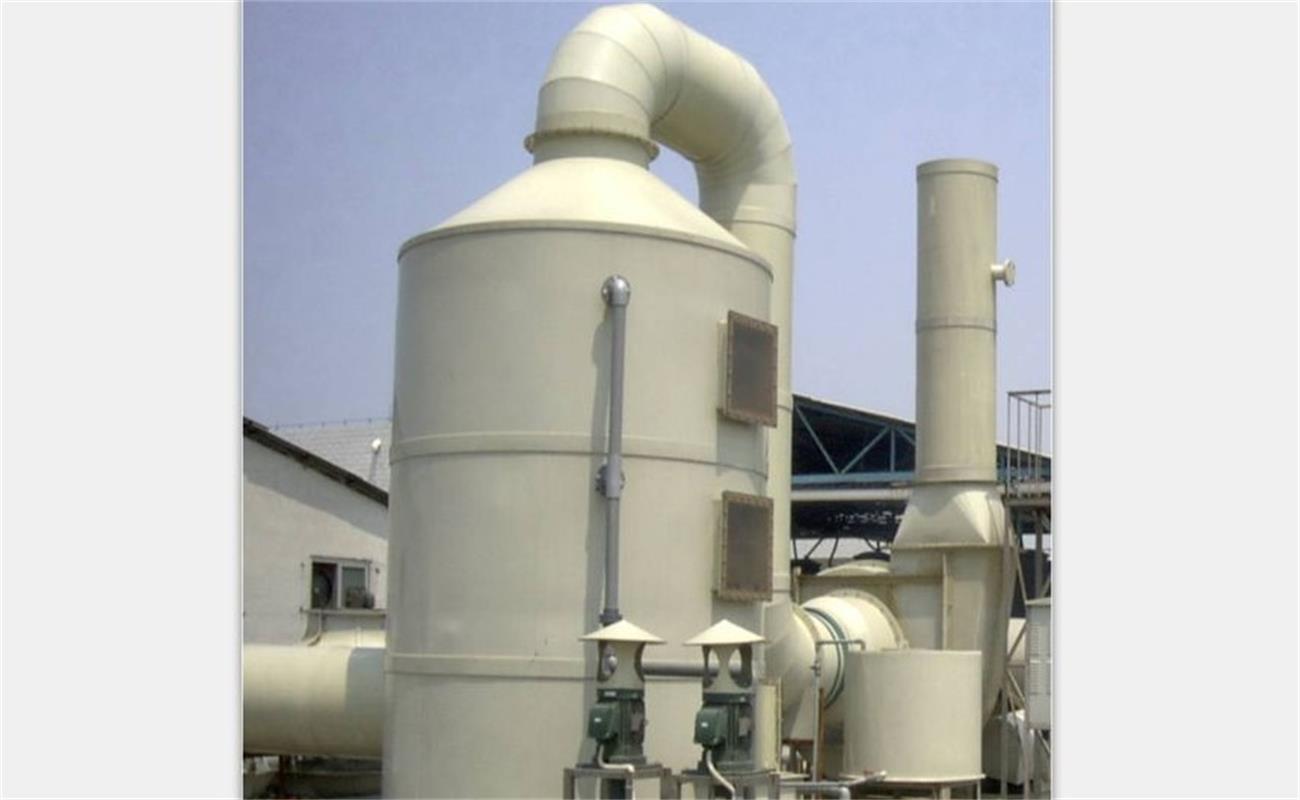
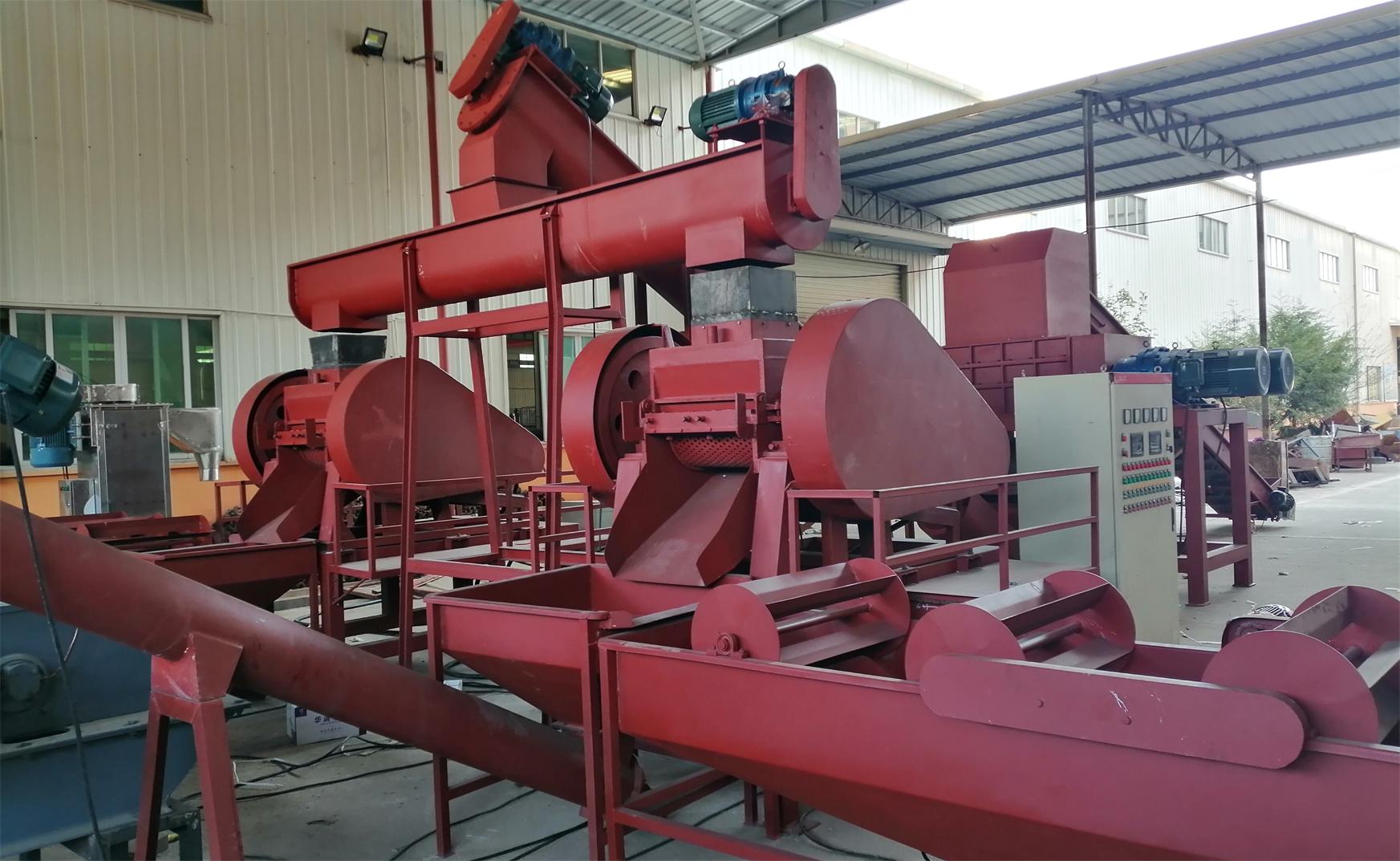
A complete lead acid battery recycling equipment setup typically includes breaking and separation systems, rotary furnaces for paste reduction, blast furnaces, lead refinery kettles, de-sulfurization units, and air pollution control systems. Modern plants can process 1 to 10 metric tons per hour, recovering lead grid, lead paste, plastic shells, and acid for reuse or safe disposal. The lead recovery rate from advanced systems exceeds 95%, making this one of the most economically attractive recycling segments.
Lithium Battery Recycling Equipment
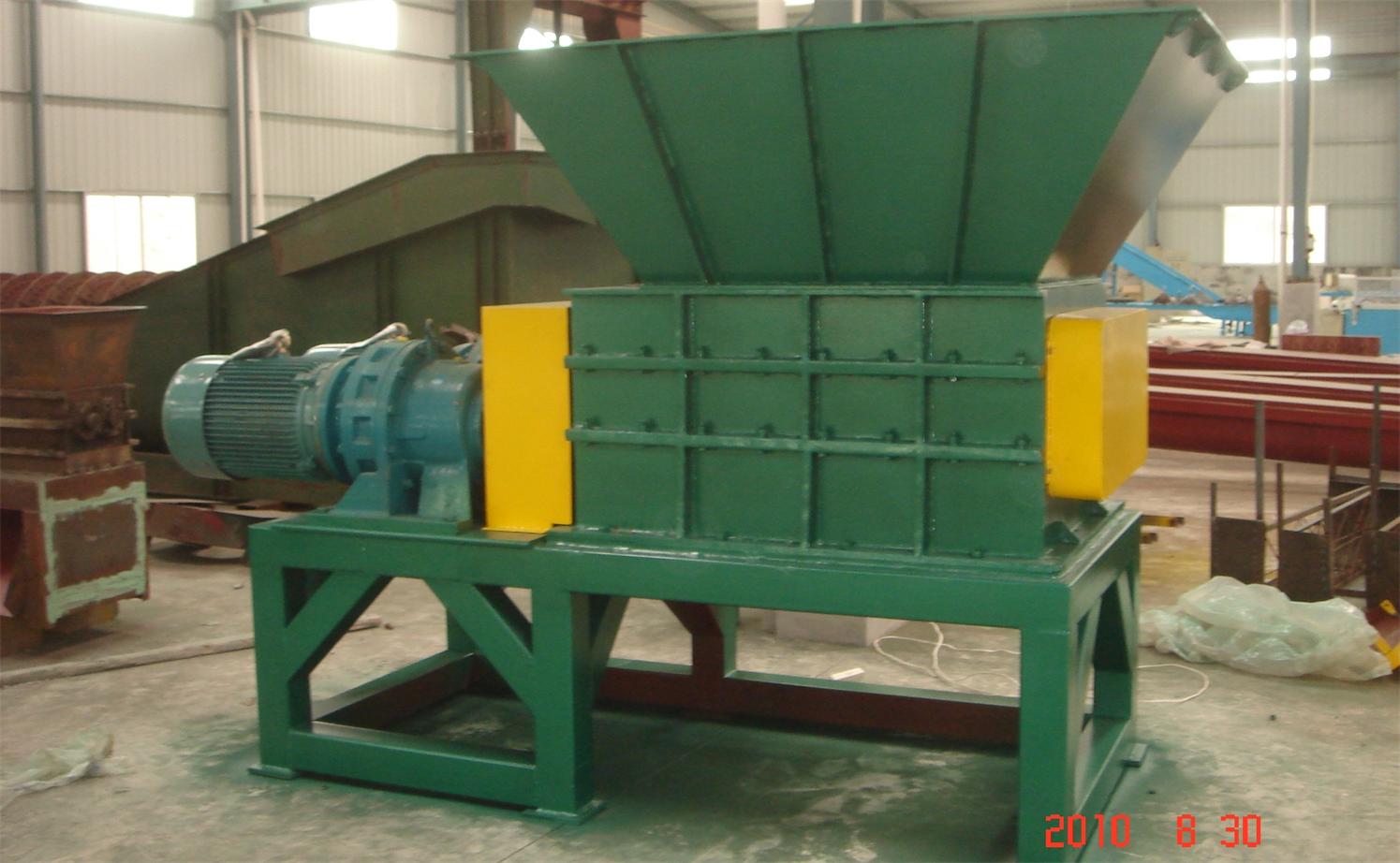
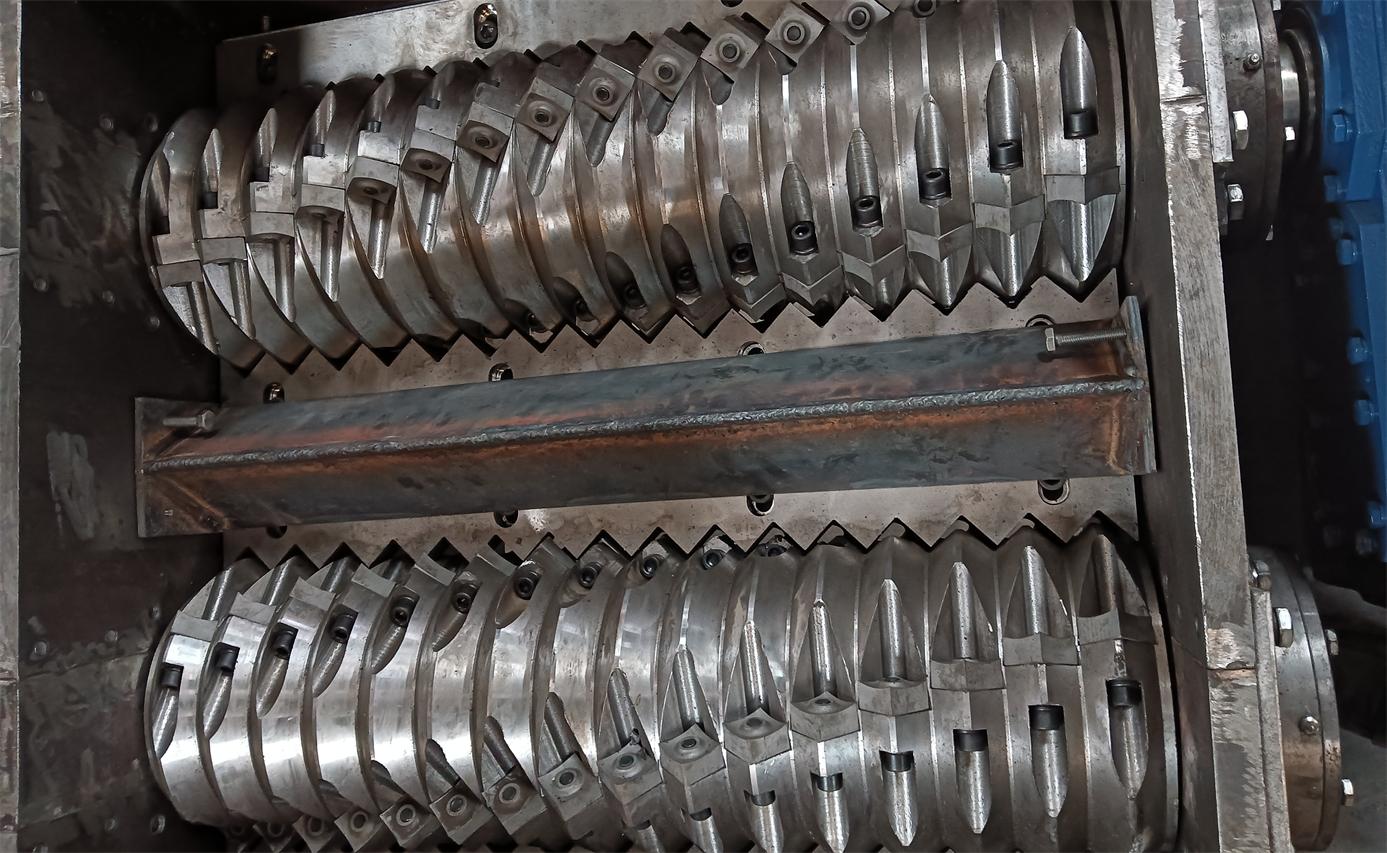
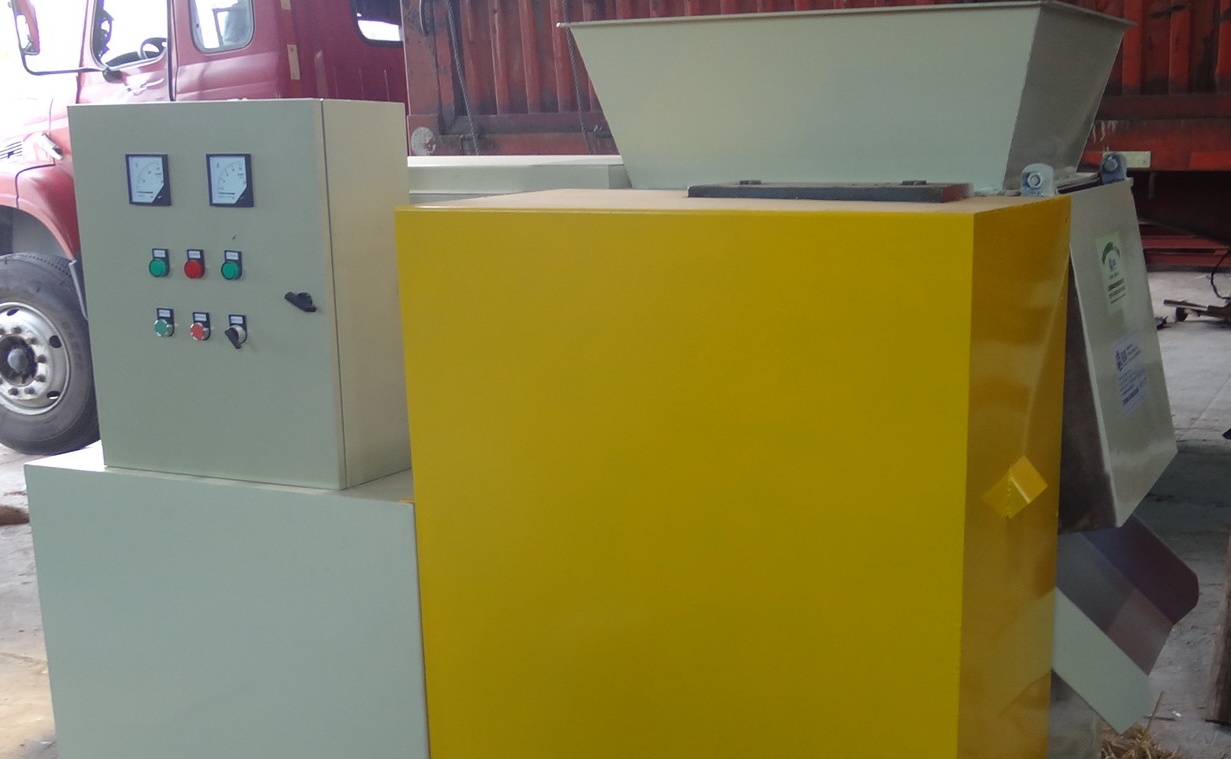
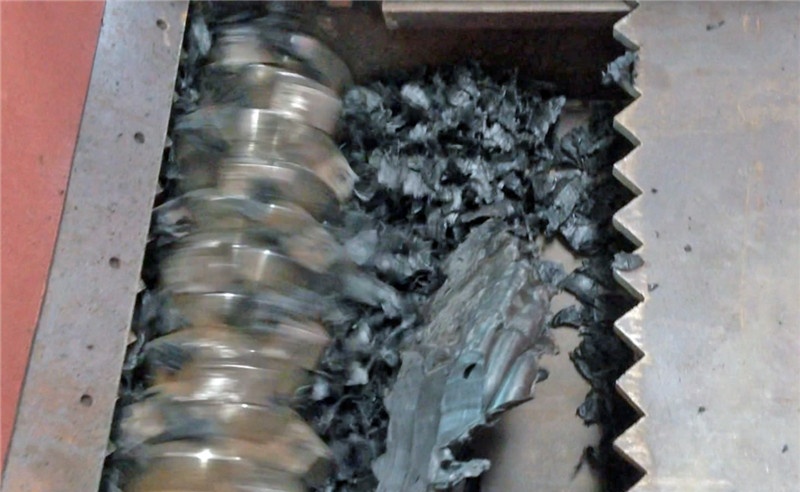
As the electric vehicle market expands, li battery recycling equipment has become essential for recovering black mass containing nickel, cobalt, and graphite, along with separated copper, aluminum, and plastic. A typical lithium battery recycling plant handles 500 to 2,500 kilograms per hour through a process that includes discharging, pre-crushing, secondary granulation, black powder separation, and magnetic separation of iron and steel. Air pollution control systems are critical given the volatile organic compounds released during processing.
Cable Recycling Equipment
Cable recycling equipment ranges from simple scrap cable strippers for large-diameter wires to sophisticated cable granulators with dry separators that process mixed cable waste. Granulators with air or wet separation systems can achieve copper purity of 96-98%, with processing capacities from 100 to 1,200 kilograms per hour. The choice between stripping and granulating depends on cable diameter, volume, and desired output purity.
Circuit Board Recycling Equipment
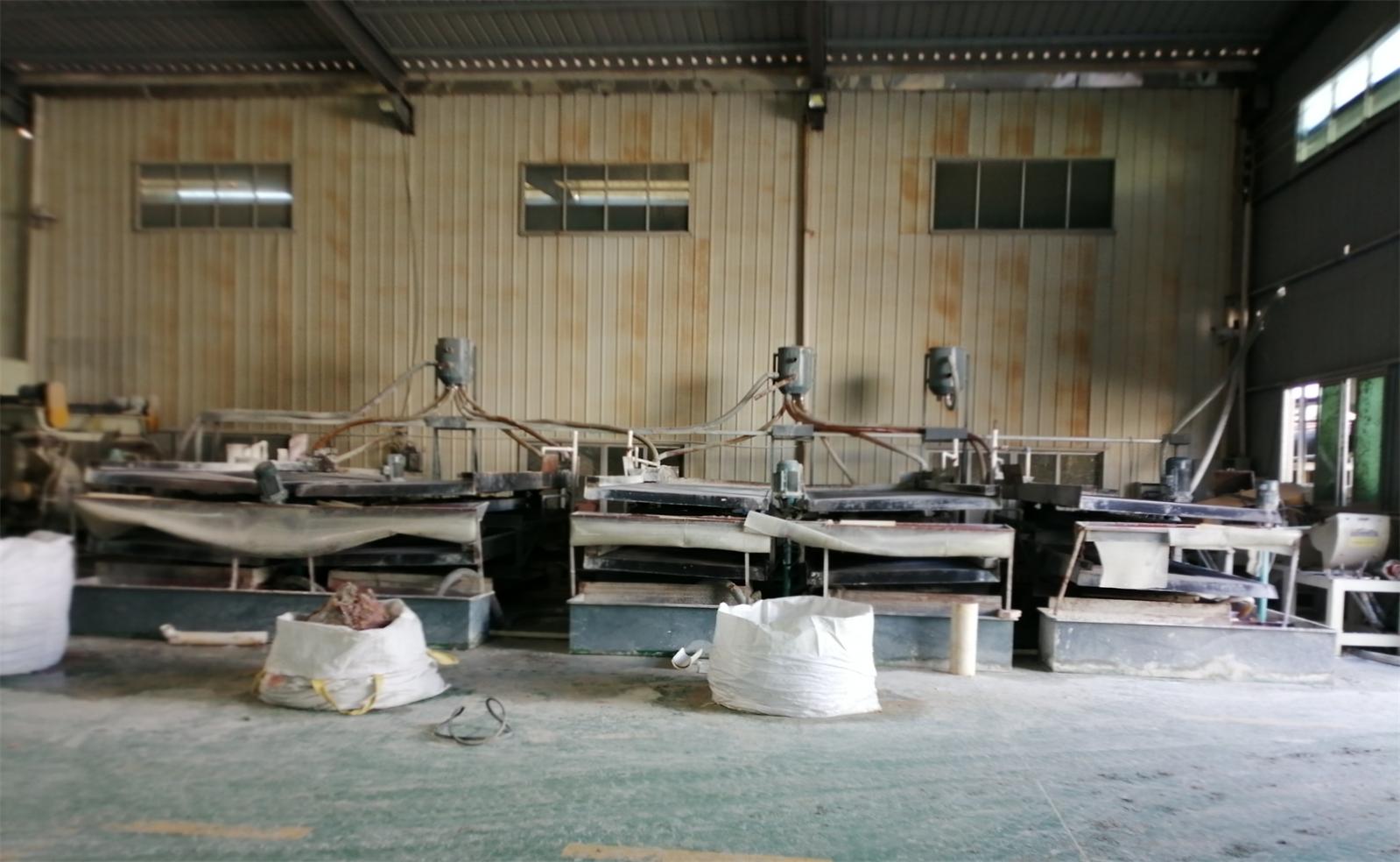
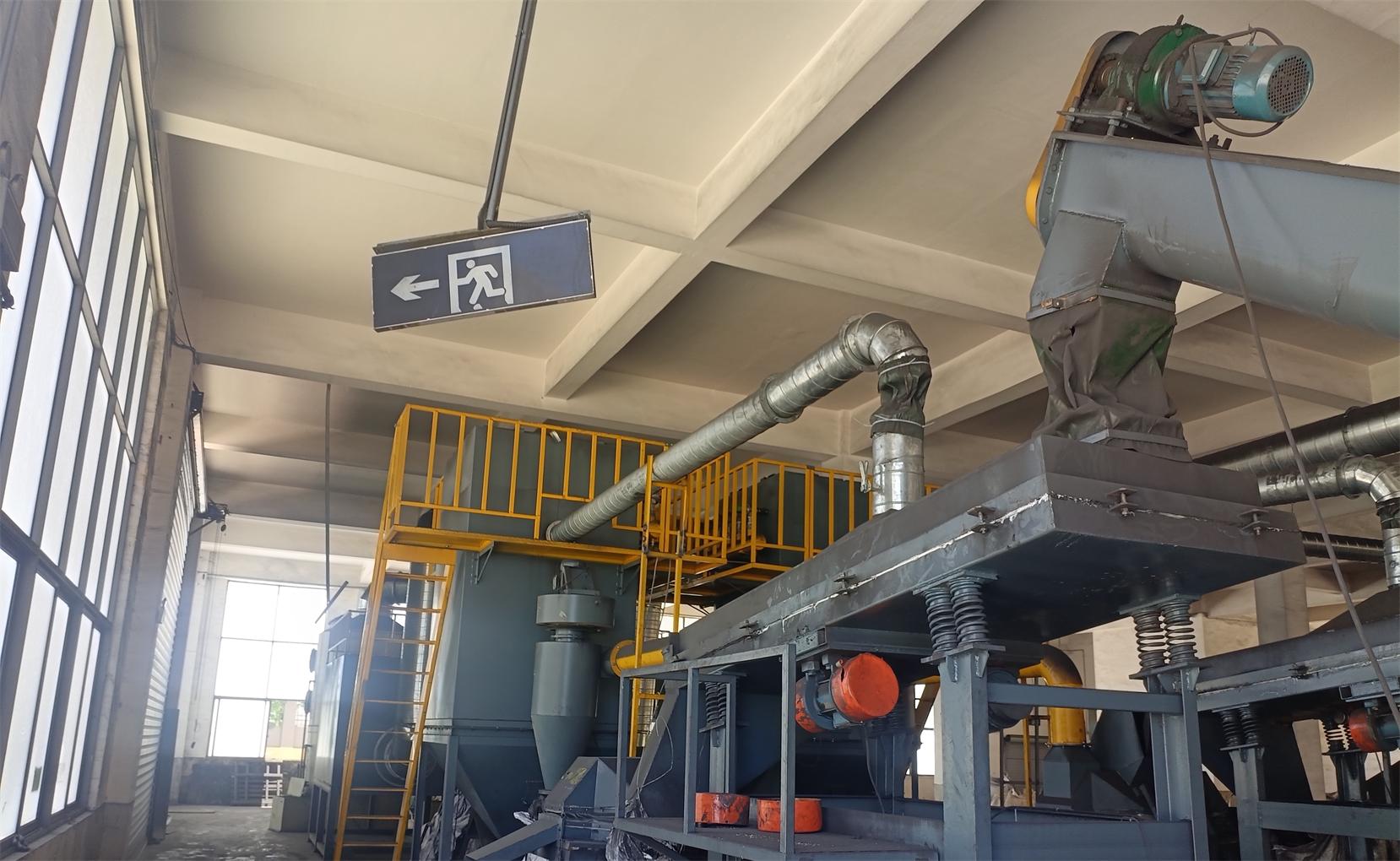
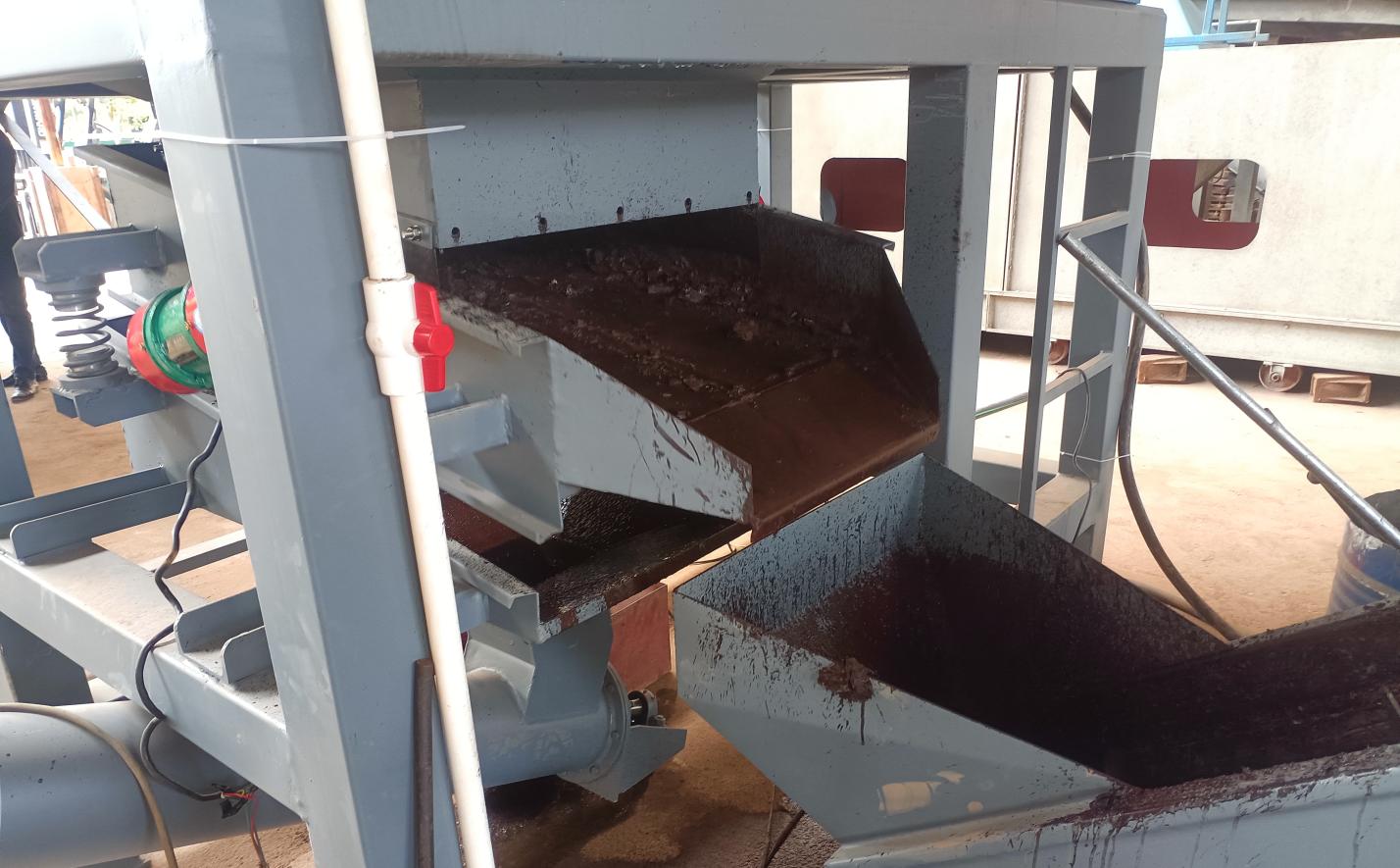
Circuit board recycling plants employ either dry separation with air classifiers, electrostatic separators, and dust collectors, or wet separation using water-based metal separation. Capacities range from 300 to 5,000 kilograms per hour, with copper powder purity reaching 96-98% in advanced systems. The dry process eliminates water treatment requirements, while wet separation can handle boards with components still attached.
Why Experience Matters in Equipment Selection
Recycling machinery is not a commodity purchase. The difference between a profitable operation and an expensive mistake often comes down to the expertise behind the equipment. San Lan Technologies, established in 2007, brings together a professional technical support team with master's degrees in mechanical engineering and over 15 years of hands-on experience in e-waste recycling machines. This depth of expertise ensures that equipment is not merely delivered, but optimized for your specific feedstock, capacity requirements, and local environmental regulations.
Beyond technical design, experienced suppliers understand the operational realities of recycling businesses. They know that downtime costs money, that maintenance access matters, and that operator safety cannot be compromised. They also understand that recycling economics depend on recovery rates, energy consumption, and labor efficiency — factors that should influence every equipment specification.
The Turnkey Advantage: From Concept to Commissioning
For new entrants and expanding operators alike, managing multiple vendors for equipment, installation, and commissioning creates unnecessary risk and complexity. A turnkey approach consolidates responsibility under a single experienced partner. San Lan Technologies offers comprehensive EPC (Engineering, Procurement, Construction) services for e-waste recycling plants, including customized design, one-stop equipment purchasing, installation, and commissioning.
What truly distinguishes a full-service partner, however, is support that extends beyond plant startup. San Lan assists customers with purchasing waste materials such as cable scrap, PCB scrap, and used lead acid batteries. They help connect operators with investors and partners for recycling plant construction. Perhaps most valuably, they assist customers in selling recovered products including copper rice, copper powder, and lead ingots — completing the circular economy loop and ensuring that production translates directly into revenue.
Core Services Include:
- Customized plant design and engineering
- Complete equipment supply across 13 product categories
- Installation, commissioning, and operator training
- Waste material sourcing assistance
- Recovered product sales support
- Investor and partnership connections
Global Reach, Local Understanding
Recycling is fundamentally a local business shaped by regional regulations, feedstock availability, and market demand for recovered materials. San Lan Technologies has supplied equipment to customers in more than 21 countries including Singapore, Colombia, Vietnam, Mexico, Argentina, Korea, Malaysia, Indonesia, South Africa, Tunisia, India, Kenya, Saudi Arabia, Philippines, and Zambia. This international experience translates into practical knowledge about adapting equipment configurations for different operational environments, from tropical humidity to desert dust, and from strict European environmental standards to emerging regulatory frameworks.
Effective cross-border collaboration also requires clear communication. With essentially bilingual capabilities in English and Chinese, combined with a good understanding of intercultural business environments, San Lan ensures that technical specifications, project timelines, and operational expectations are understood clearly from the first conversation through final commissioning.
Building Your Recycling Operation
Whether you are entering the recycling industry for the first time or expanding an existing operation, success begins with honest assessment of your feedstock, market conditions, and capital resources. Start by identifying which waste streams are most readily available in your region. Then match those streams with equipment that offers proven recovery rates and reliable operation. Finally, choose a partner who can support not just the initial installation, but the ongoing optimization of your plant as markets and regulations evolve.
The e-waste recycling industry will continue growing for decades to come. Equipment technology will advance, regulations will tighten, and market prices for recovered materials will fluctuate. With the right equipment partner, your operation can adapt and thrive through all of these changes — turning waste streams into profit streams while contributing to a more sustainable global economy.
Ready to explore your e-waste recycling opportunity? San Lan Technologies offers a complete range of recycling equipment and turnkey plant solutions backed by nearly two decades of manufacturing experience and international project delivery. From initial consultation through equipment commissioning and beyond, we provide the technical expertise and business support to help your recycling operation succeed.
Visit www.san-lan.com to explore our product range, or contact us directly at info@san-lan.com to discuss your specific project requirements.