Two entrepreneurs in the same industrial zone launched recycling ventures in the same year. Both secured waste supply agreements. Both hired local technicians. Both believed the money was in volume. Three years later, one operates a single shredder that breaks down occasionally and struggles to find consistent buyers for mixed output. The other runs a multi-line plant that processes lead-acid batteries, scrap cable, and printed circuit boards — each stream feeding the next, each product pre-sold to downstream refiners and smelters.
The difference was not capital. It was equipment selection. The first operator bought machines based on price per ton of rated capacity. The second chose a supplier that understood the full recovery chain — from breaking and separation through smelting and refining — and delivered an integrated plant with process guarantees.
This guide is for operators who want to be the second kind of recycler. Whether you are entering lead acid battery recycling equipment for the first time, expanding into cable processing, or evaluating circuit board recovery, the decisions you make at the equipment stage will define your margins for the next decade.
The global electronics waste stream continues to expand as device lifecycles shorten and electrification accelerates across transportation, energy storage, and consumer products. Formal recycling channels still capture only a fraction of this material in many regions, which means operators with the right technology and supply agreements face structurally favorable demand conditions.
However, entering the market with a single-purpose machine — a standalone shredder, a basic cable stripper, or an unconfigured breaker — leaves money on the floor. Mixed e-waste contains multiple value streams. A lead-acid battery yields lead paste, lead grids, plastic cases, and sulfuric acid. A ton of scrap communication cable contains copper, aluminum, and plastic insulation. A printed circuit board holds copper powder, precious metals, and fiberglass resin. Equipment that only extracts one fraction while discarding the rest destroys value before it can be captured.
Integrated plant design — where each unit operation feeds the next and separation efficiency is engineered into the flowsheet — is what separates profitable operators from volume aggregators who never reach positive unit economics.
Despite the attention given to lithium-ion growth, lead-acid batteries still represent the largest single category of waste battery tonnage worldwide. Automotive starter batteries, industrial UPS systems, telecommunications backup power, and two-wheeler applications generate a steady, predictable feedstock that matures into scrap on a well-understood timeline.
A complete lead acid battery recycling equipment line includes several linked unit operations. The process begins with breaking and separation, where whole batteries are crushed and classified into four output streams: lead paste, lead grids, polypropylene or PVC plastic, and hard rubber. From there, the lead paste moves to desulfurization — a critical step that converts lead sulfate into lead oxide, reduces melting temperature, lowers sulfur dioxide emissions, and decreases energy consumption and additive requirements.
Smelting follows. Modern plants use rotary furnaces for paste reduction, producing crude metallic lead with recovery rates higher than traditional blast furnace methods. Blast furnaces remain an option for specific capacity ranges, with some systems rated at 40 to 100 metric tons per 24-hour period and lead recovery rates reaching 95 percent. The final refining stage uses kettle furnaces to purify crude lead to 99.999 percent purity, available in natural gas, diesel, or electric heated configurations. Electric near-infrared heating variants can reduce energy consumption by 30 to 50 percent compared to conventional fuel-fired systems.
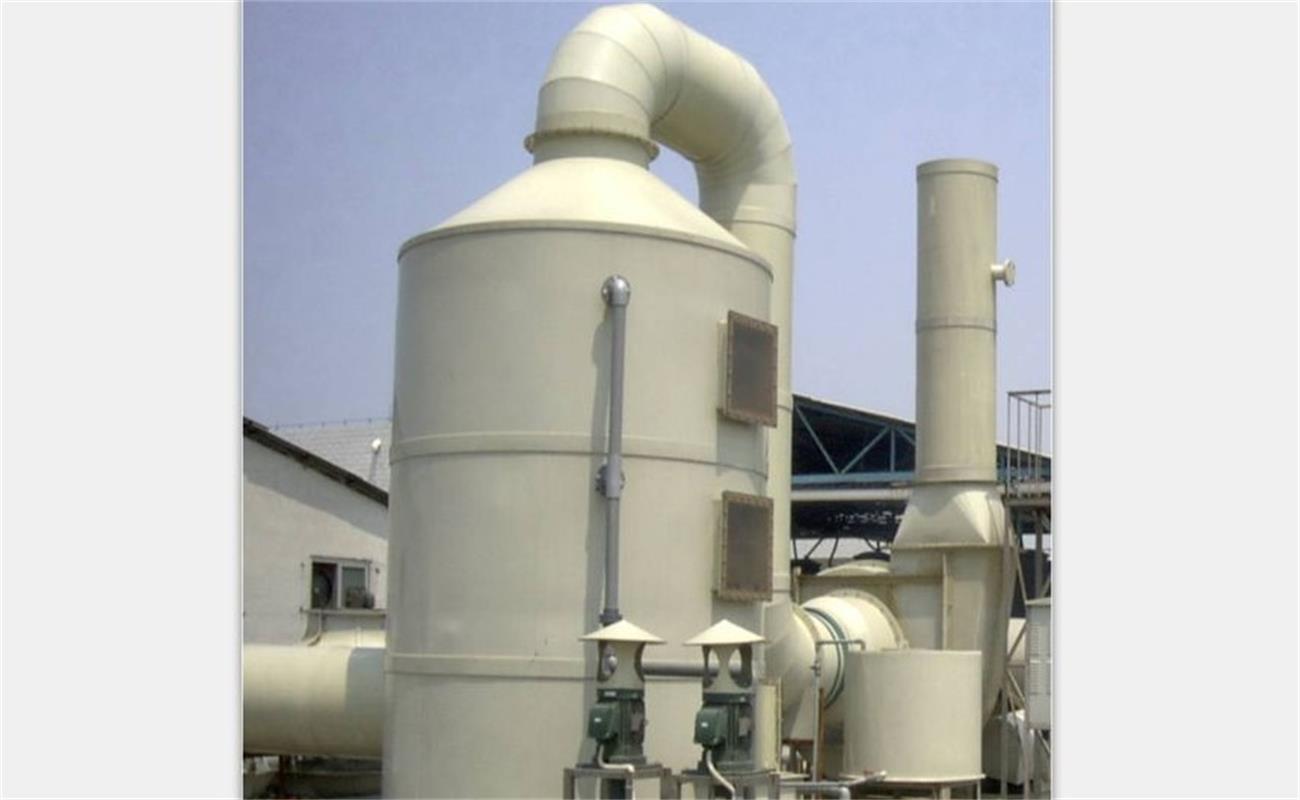
Supporting systems are not optional. Air pollution control equipment handles gases from the rotary furnace, blast furnace, and refinery kettle. Water treatment plants process acidic wastewater from the breaking-separation stage. Filter presses separate lead paste from slurry. Without these environmental controls, regulatory compliance becomes impossible and operating licences are at risk.
Capacity range for lead-acid breaking and separation systems typically runs from 1 to 10 metric tons per hour. A well-configured plant at 2 tons per day can turn working capital six times per year, with lead recovery yields between 92 and 96 percent of input weight.
Scrap cable and wire represent one of the most accessible entry points into metal recycling. The value proposition is simple: copper and aluminum sell at transparent, exchange-linked prices, and the separation technology is mechanically straightforward. The challenge is doing it efficiently at scale without creating dust emissions or losing fine metal particles to the plastic fraction.
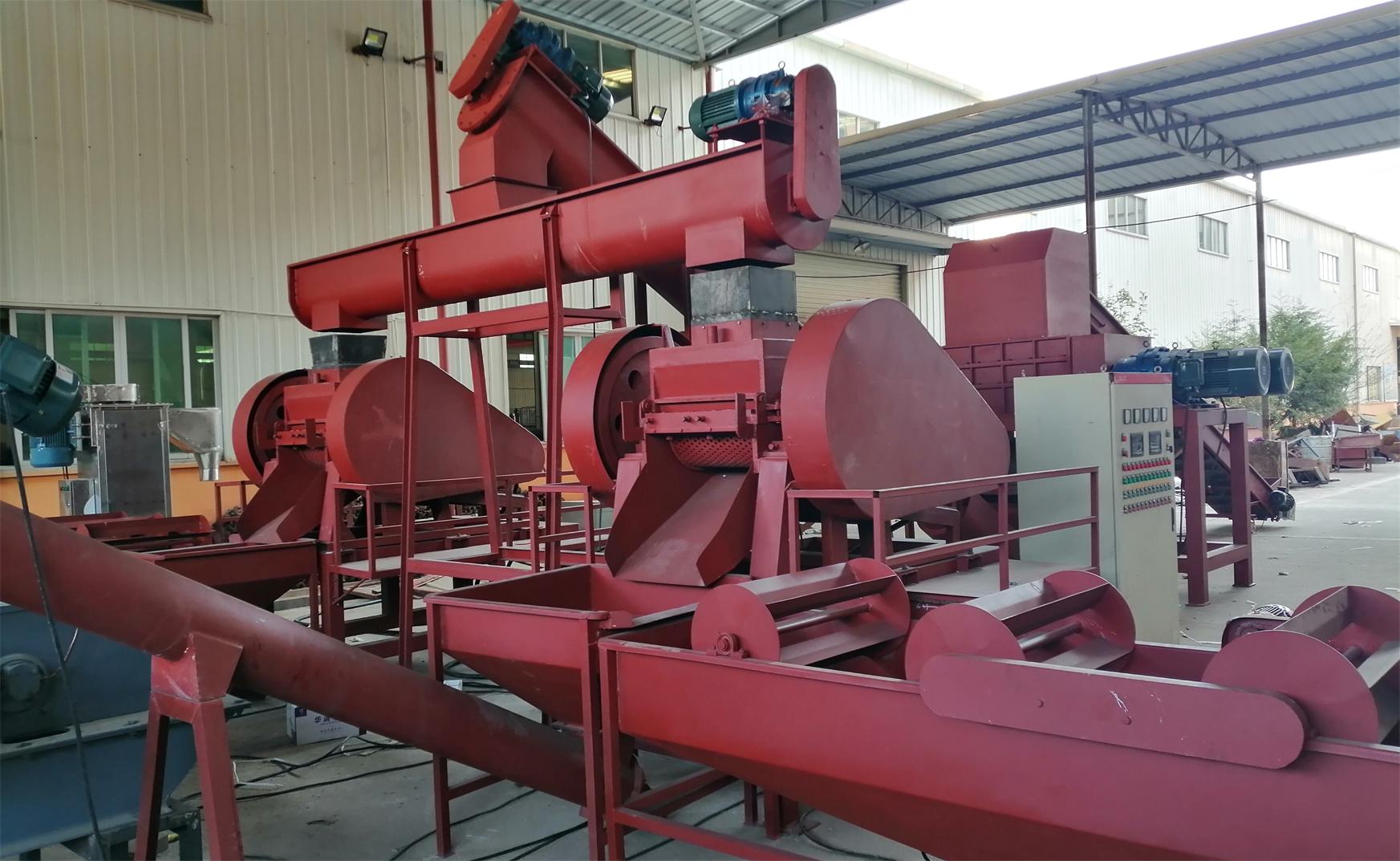
Modern cable recycling equipment falls into two categories. For thick, high-diameter cable, hydraulic scrap cable strippers remove insulation before granulation. These machines handle cable diameters from 1.5 millimeters to 150 millimeters, with throughput reaching 15,000 kilograms per ten-hour shift. For mixed and fine wire, cable granulators crush the material and separate copper or aluminum from plastic insulation through dry air separation, wet water separation, or electrostatic separation.
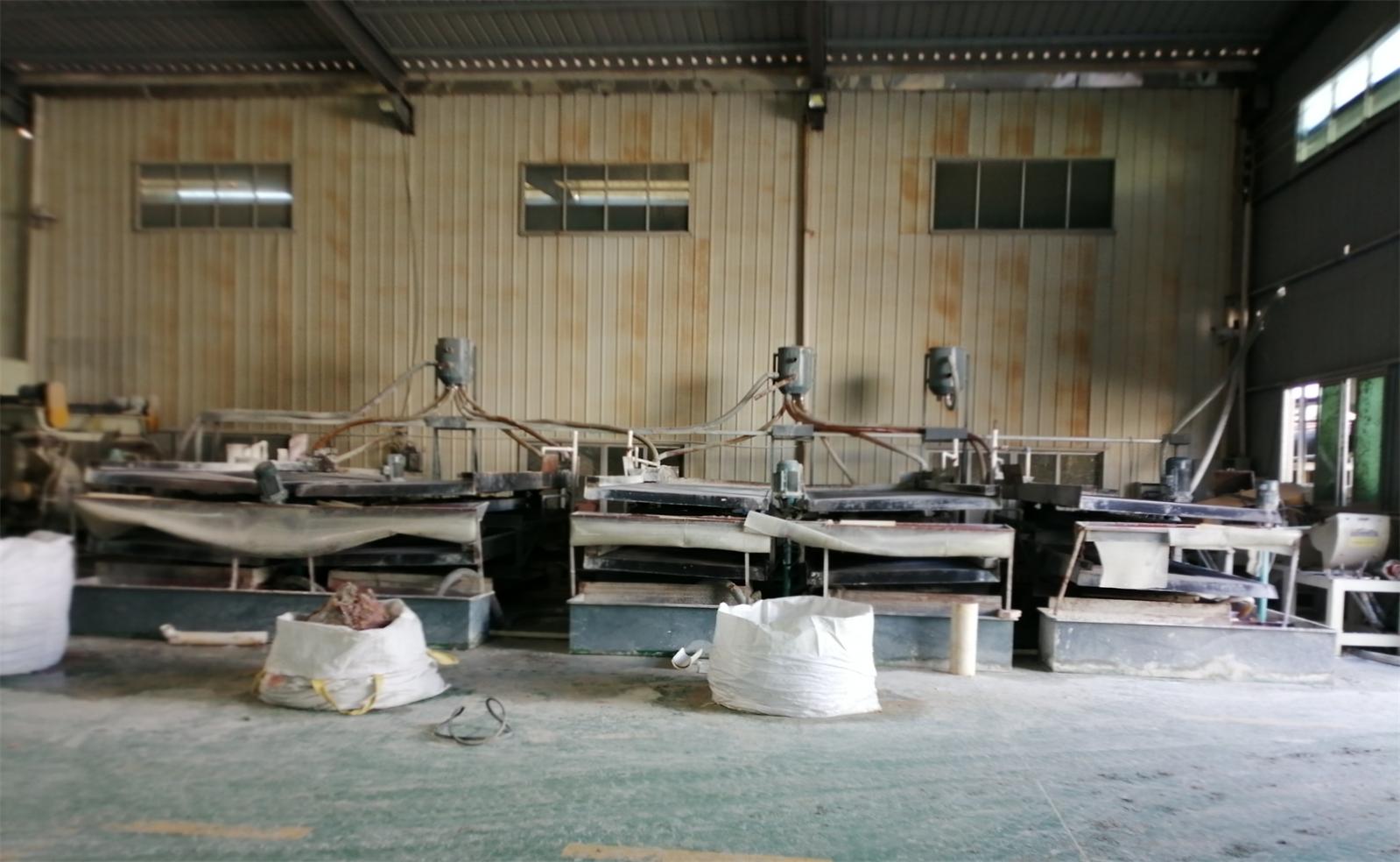
Dry separation systems using air classifiers achieve copper powder purity of 96 to 98 percent with recovery rates around 95 percent. Wet separation systems use water-based density separation and can process PCB waste that still contains electronic components. The choice between wet and dry depends on local water availability, environmental regulations, and the feedstock mix. Dry systems avoid wastewater treatment but may require dust collection infrastructure. Wet systems handle more complex material but need closed-loop water circuits to remain economically viable.
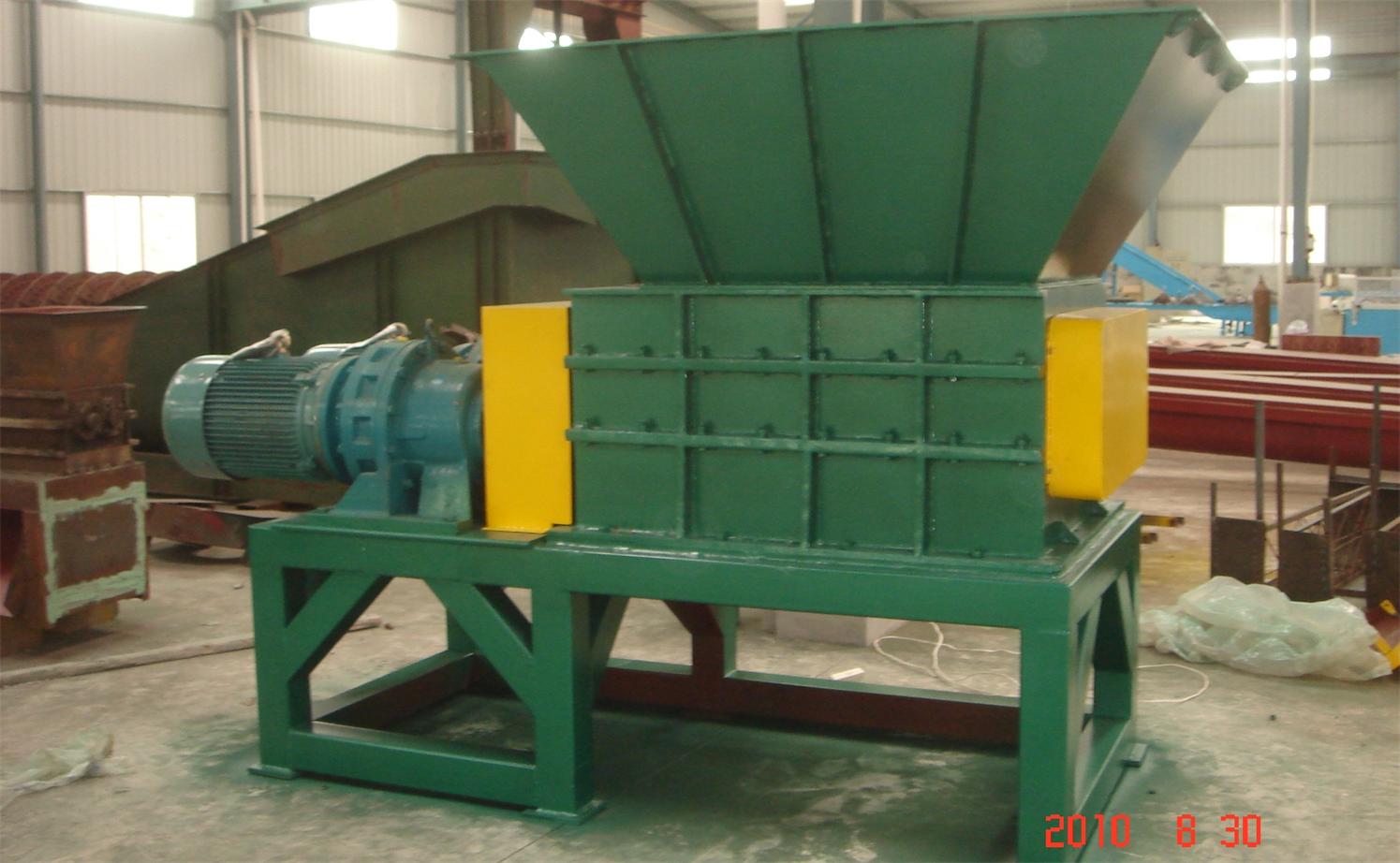
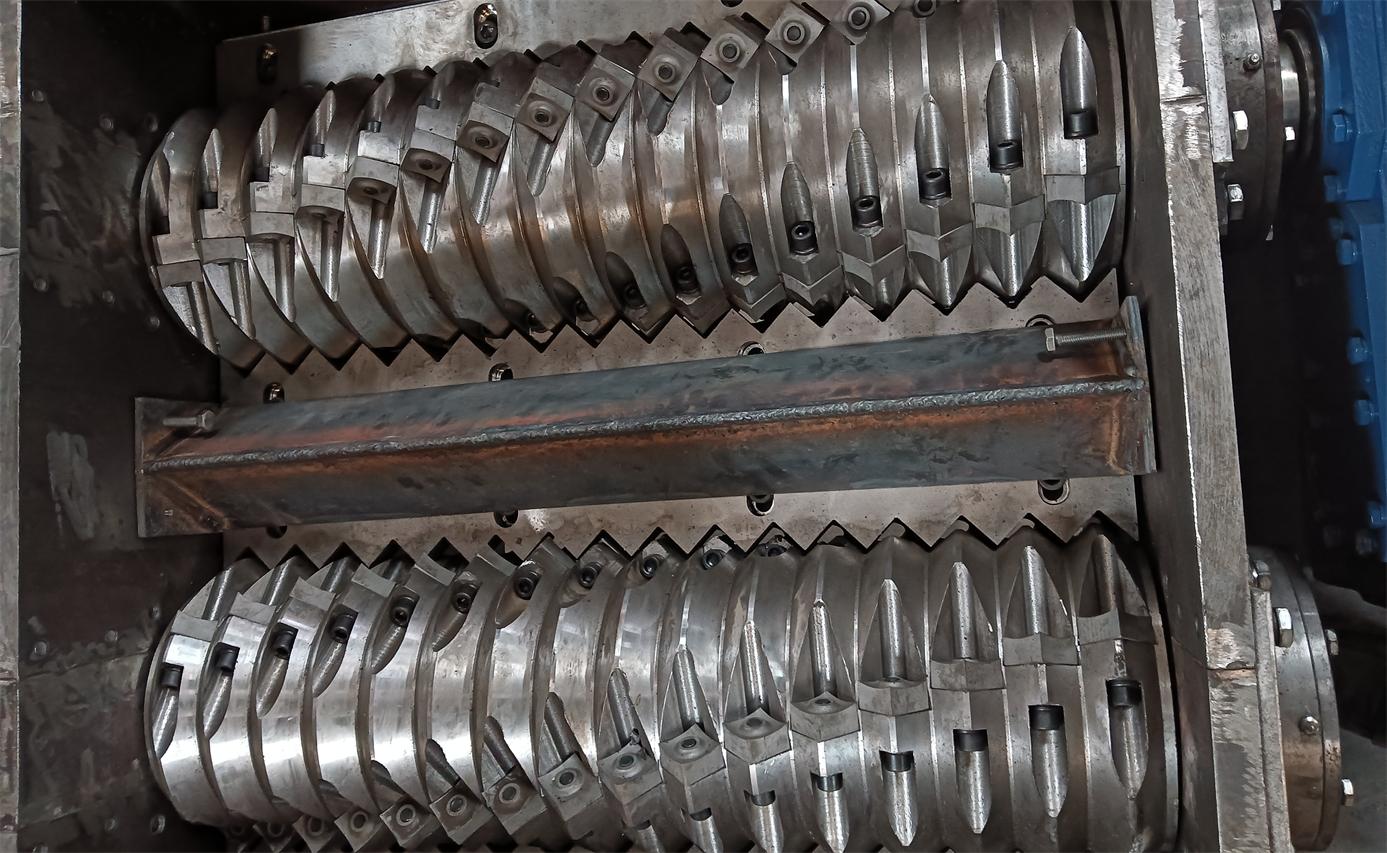
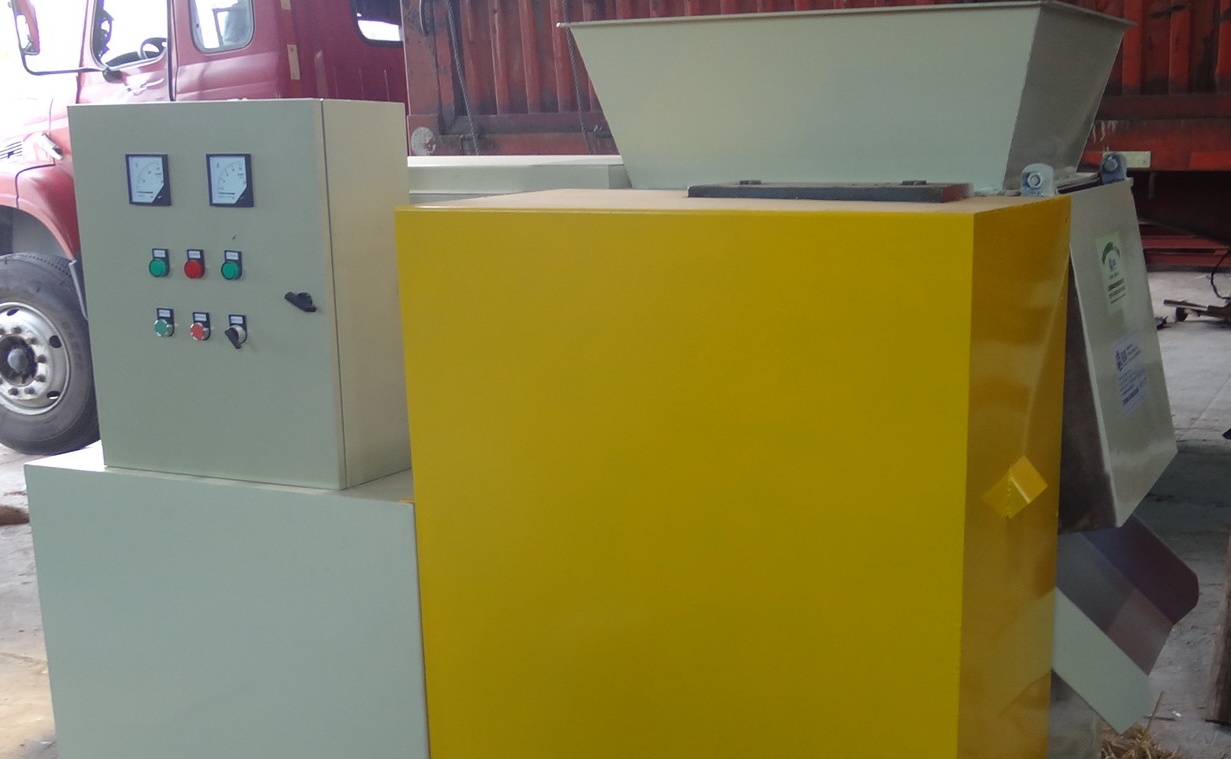
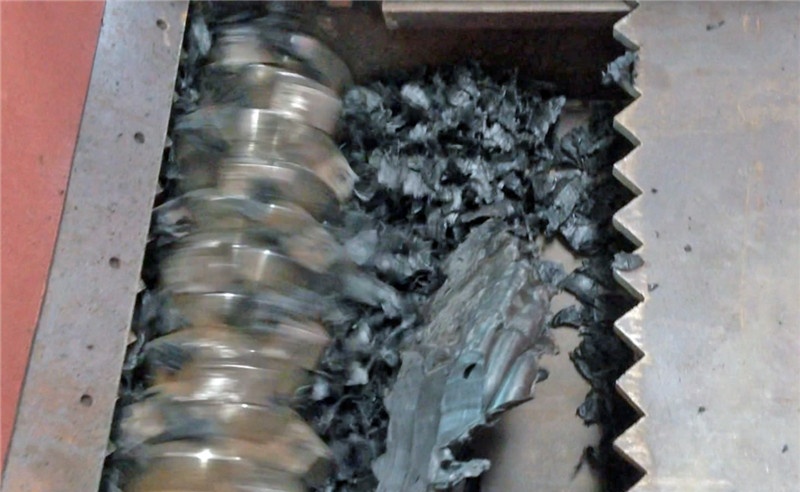
Pre-processing matters. Four-shaft shredders and dual single-shaft shredders handle armored cable, jelly-filled telecom cable, and mixed wire bales before they reach the granulator. Without proper pre-size reduction, granulator screens blind, throughput drops, and maintenance intervals shorten.
Lithium-ion battery recycling and printed circuit board recovery are where technology differentiation creates the widest margin spreads. These streams contain cobalt, nickel, manganese, lithium, and precious metals that command premium prices — but only if the separation process preserves their concentration and purity.
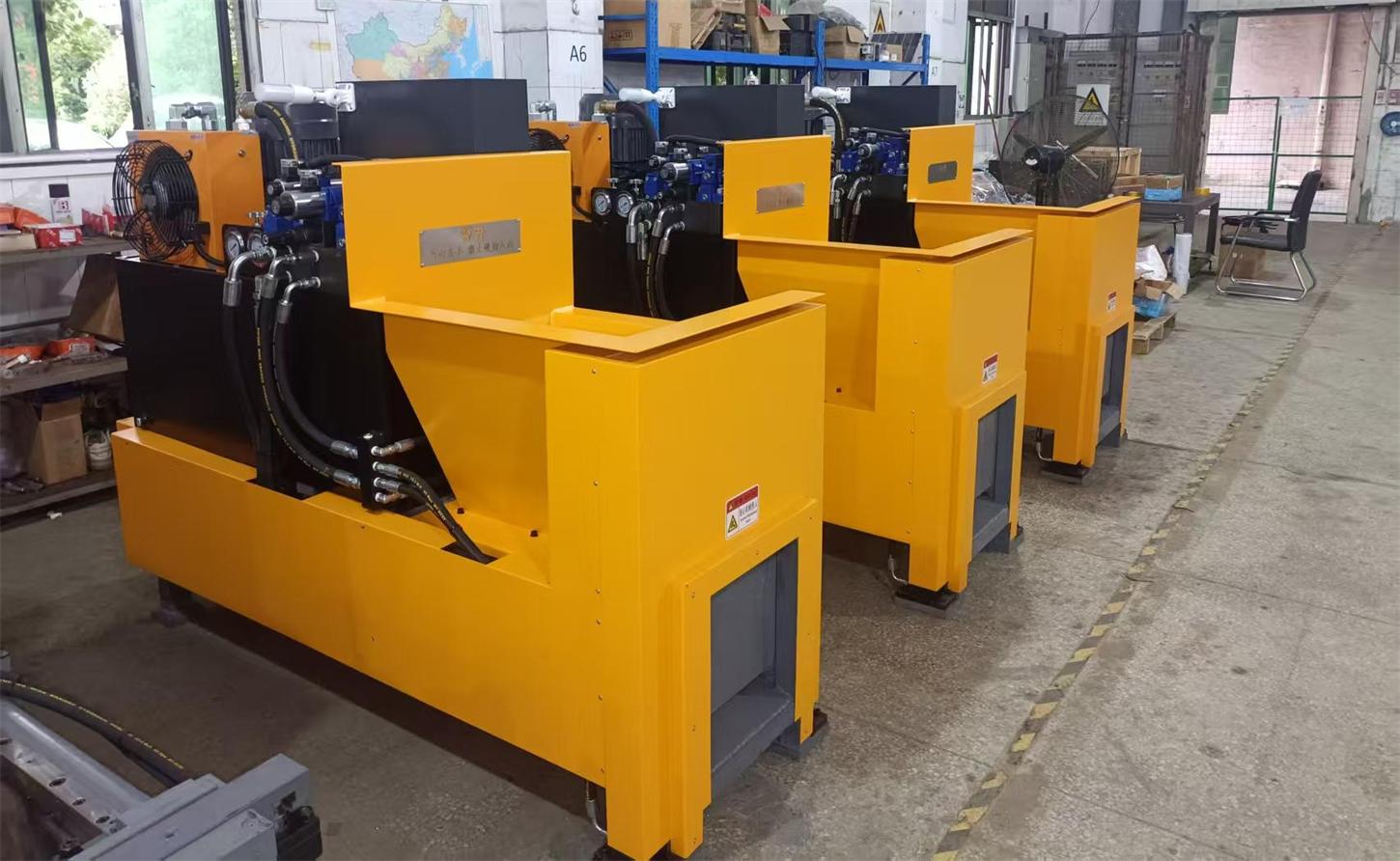
A complete lithium-ion battery recycling plant begins with controlled discharge, followed by pre-crushing and secondary granulation. The core separation stage recovers black mass — the powder containing nickel, cobalt, and graphite — along with plastic separator film, copper, and aluminum. Capacities range from 500 to 2,500 kilograms per hour. Supporting equipment includes plastic pneumatic conveying systems, hydraulic briquetters that compress separator film into blocks at volume compression ratios of 10 to 1, and air pollution control systems that absorb and neutralize harmful gases before atmospheric release.
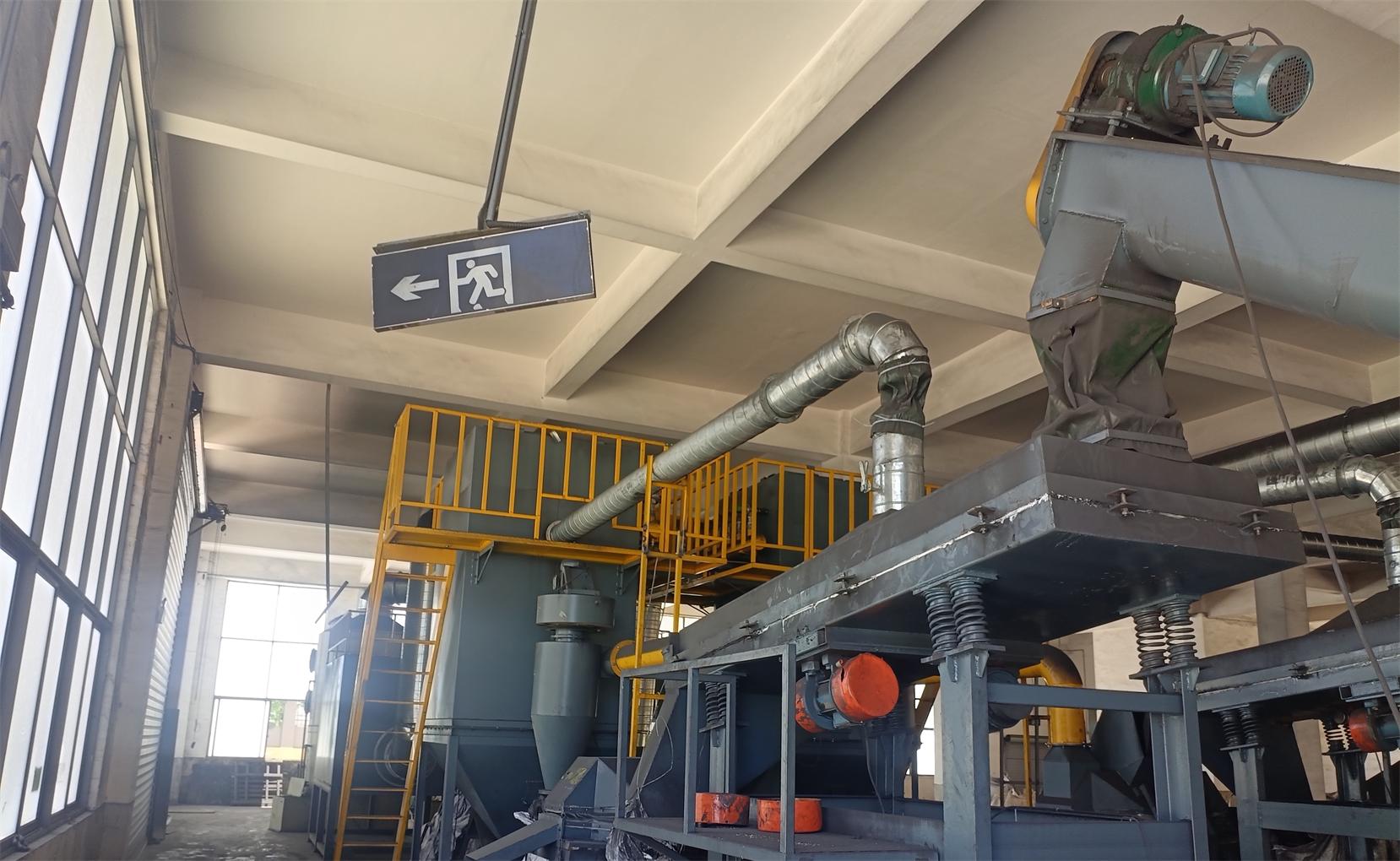
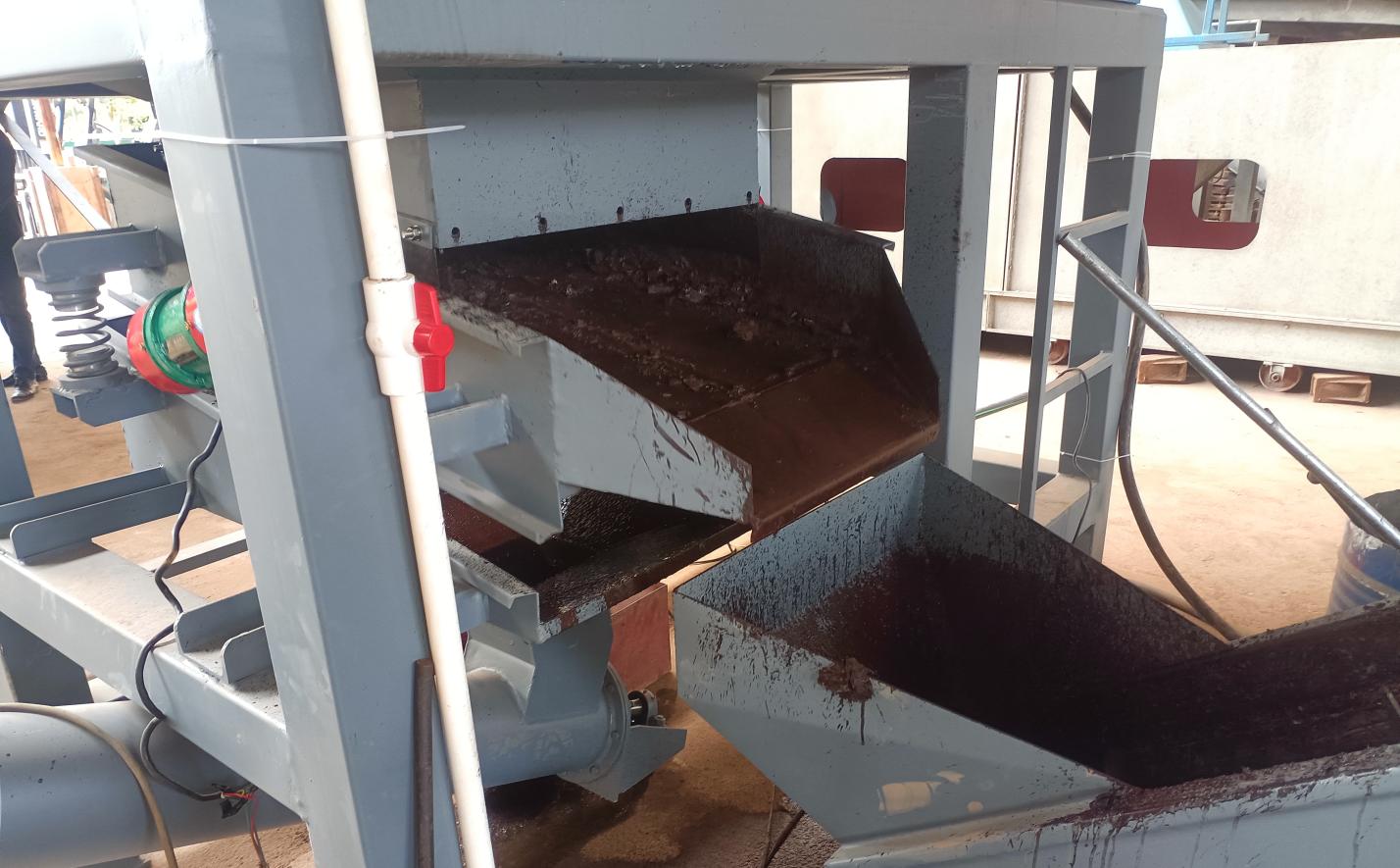
For circuit boards, circuit board recycling equipment uses either wet or dry separation. Wet systems with water metal separators can handle PCB waste with components still attached, producing copper powder and separating precious metals through density-based processes. Dry systems with air separators, vibrating screens, cyclone separators, and pulse bag dust collectors achieve copper powder purity of 96 to 98 percent without generating liquid effluent. Capacity ranges from 300 kilograms per hour to 2,000 kilograms per hour, with design flexibility up to 5,000 kilograms per hour for larger installations.
The environmental stakes are higher in these streams. Lithium-ion cells can enter thermal runaway if improperly handled. Circuit boards contain brominated flame retardants and heavy metals that require controlled processing. Equipment design must incorporate safety interlocks, inert gas protection, and dust containment as standard features — not aftermarket add-ons.
Equipment selection in recycling is not a commodity purchase. The same rated capacity on two different machines can produce radically different recovery yields, downtime profiles, and operating costs. Operators who evaluate suppliers on price per ton alone often discover hidden costs in blade wear, screen replacement, bearing failure, and poor separation efficiency that destroys margin.
Five factors distinguish suppliers that deliver long-term value:
- Process engineering depth. Can the supplier design the full flowsheet, or do they only sell individual machines? Integration errors between unit operations — mismatching crusher output size to separator feed requirements, for example — are the most common cause of underperforming plants.
- Material handling experience. Has the supplier built plants for your specific feedstock? Cable recycling for jelly-filled telecom cable requires different pre-treatment than dry building wire. Lead-acid batteries with hard rubber cases need different breaking parameters than polypropylene designs.
- Environmental system integration. Air pollution control, water treatment, and dust collection must be sized for the actual process, not added as generic afterthoughts. Regulatory compliance failures shut plants down.
- Commissioning and training. A machine that arrives on site but cannot be calibrated to target product specifications is expensive scrap metal. Commissioning support, operator training, and spare parts availability determine whether the plant reaches design capacity in weeks or in months.
- Downstream market access. The best equipment suppliers understand not just how to separate materials, but how to sell them. Connections to secondary lead smelters, copper refiners, and black mass buyers reduce offtake risk for new operators.
San Lan Technologies has manufactured WEEE recycling machines and mining equipment since 2007. The company operates from Ganzhou City, Jiangxi Province, China, and has delivered plants to customers in more than 21 countries including Singapore, Colombia, Vietnam, Mexico, Argentina, Korea, Malaysia, Indonesia, South Africa, Tunisia, India, Kenya, Saudi Arabia, Philippines, Zambia, and Israel.
The engineering team holds master's degrees in mechanical engineering and brings more than 15 years of direct experience in e-waste recycling machine design. This technical depth supports a full EPC model — engineering, procurement, and construction — with customized plant design, one-stop equipment purchasing, installation, and commissioning.
Beyond equipment supply, San Lan assists customers with waste material sourcing for cable scrap, PCB scrap, and used lead-acid batteries; connects operators with investors and construction partners for recycling plant projects; and helps sell downstream products including copper rice, copper powder, and lead ingot. The strategic focus is on building operational businesses from scratch, not simply shipping containers of machinery.
The product range covers the full recycling chain: lead-acid battery breaking and separation systems, rotary furnaces and blast furnaces for lead smelting, refining kettles, lithium-ion battery crushing and separation plants, circuit board recycling systems with wet and dry separation, cable granulators and strippers, hydraulic presses and balers, shredders and pre-choppers, refrigerator and air conditioner recycling lines, CRT cutters, motor recycling machines, lamp recycling equipment, and medium-frequency induction furnaces for metal melting.
Before committing to any recycling equipment purchase, operators should have clear answers to three questions:
What is my feedstock mix and volume forecast for the first 24 months? Equipment scaled for hypothetical future volumes ties up capital today. Equipment undersized for actual growth creates bottlenecks tomorrow. The right supplier designs for modular expansion — a lead-acid line that can add a second breaking unit, or a cable plant that can upgrade from dry to wet separation without replacing the entire line.
What are my local environmental and safety regulations? Every jurisdiction has different emissions limits, effluent standards, and hazardous material handling rules. Equipment that meets one country's standards may fail another's. A supplier with multi-country installation experience has already solved these compliance puzzles.
Who will buy my output? Separation efficiency is meaningless without offtake agreements. Operators who secure provisional purchase contracts for recovered lead, copper concentrate, or black mass before commissioning avoid the working capital trap of producing unsold inventory.
Ready to design your recycling plant? Whether you need a single cable granulator or a complete lead-acid battery recycling line with smelting and refining, San Lan Technologies provides integrated equipment solutions backed by engineering expertise and international project experience. Browse the full product range or contact the team directly to discuss your feedstock, capacity targets, and local regulatory requirements.
Contact: info@san-lan.com | WhatsApp: +86 139 2377 4083 | www.san-lan.com