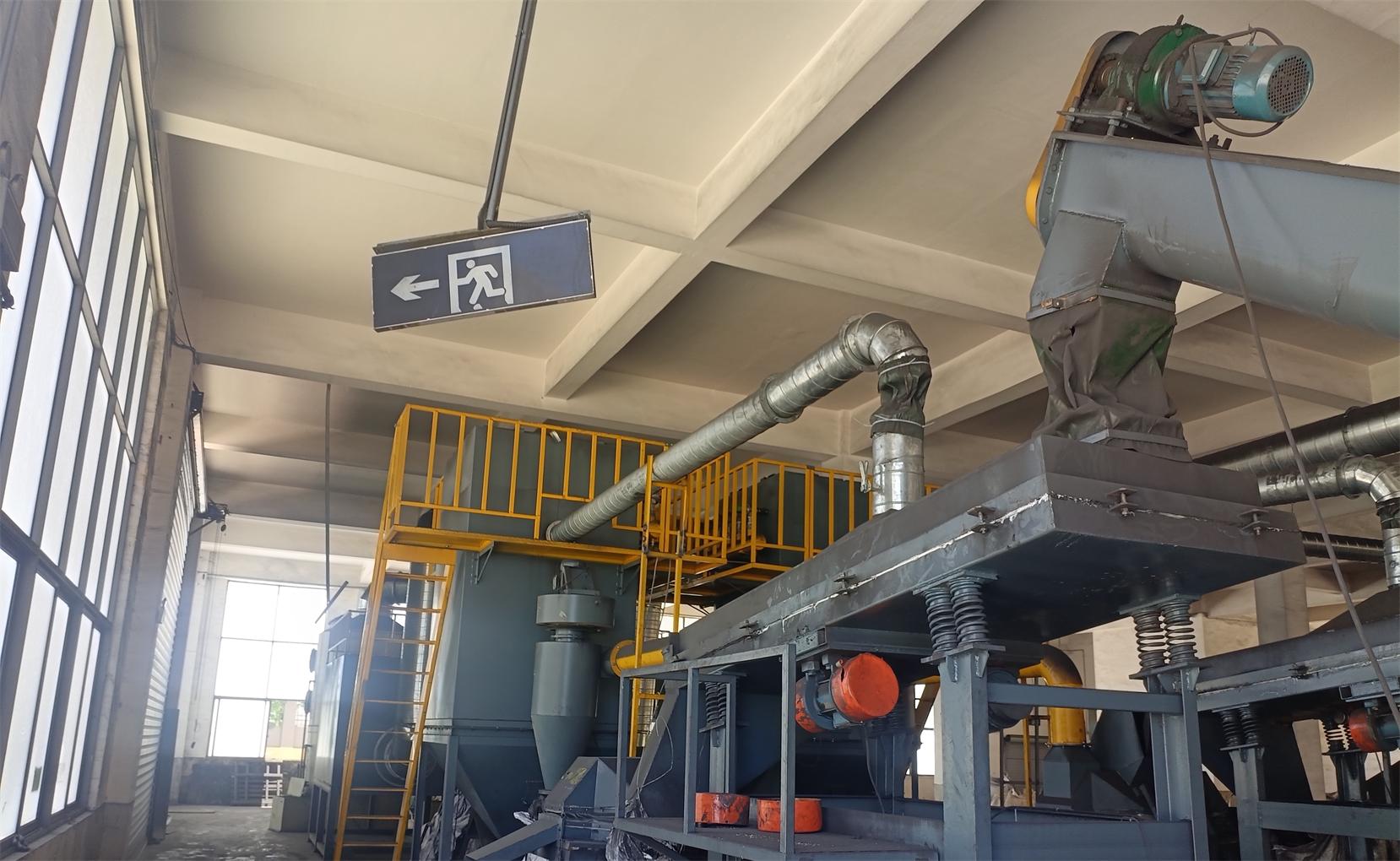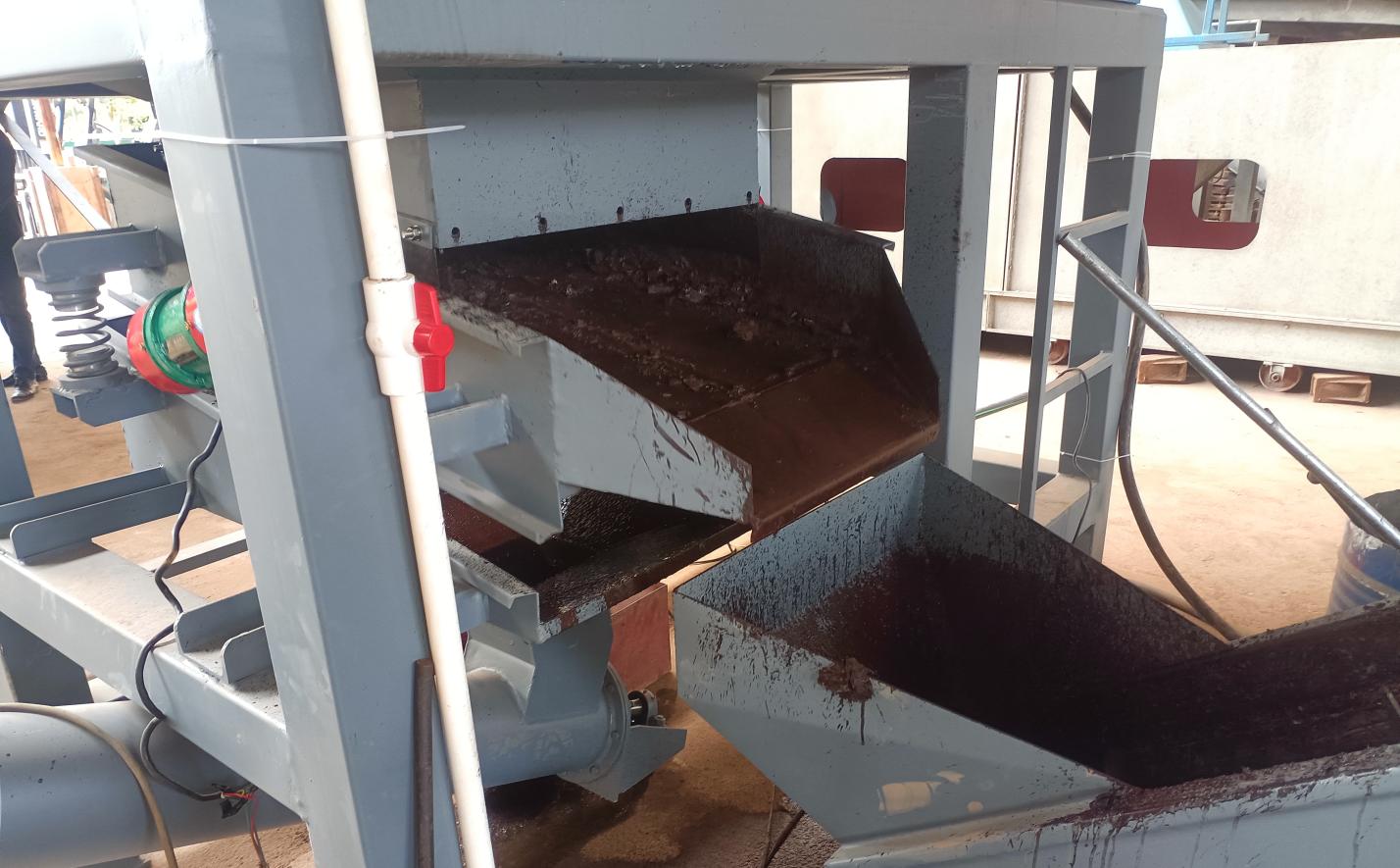
Let’s face it—navigating the world of wastewater treatment machines in 2025 can feel overwhelming. With stricter environmental regulations, rising operational costs, and a growing focus on sustainability, choosing the right equipment isn’t just about compliance anymore. It’s about finding solutions that balance efficiency, cost-effectiveness, and long-term reliability. Whether you’re running a small manufacturing plant, a large industrial facility, or a municipal wastewater treatment plant, this guide will walk you through everything you need to know to make an informed decision.
Why Wastewater Treatment Equipment Matters in Today’s World
First off—why should you care so much about picking the right wastewater treatment machine? Let’s break it down:
1. Tighter Environmental Rules: Governments worldwide are cracking down on water pollution. In 2025, the penalties for non-compliance aren’t just fines—they can include operational shutdowns or damage to your brand reputation.
2. Cost Savings: Modern wastewater treatment machines aren’t just about cleaning water—they’re about recovering resources . From recycling water for reuse in your facility to extracting valuable materials, the right equipment can turn a “waste problem” into a revenue stream.
3. Corporate Responsibility: Customers, investors, and employees are increasingly holding businesses accountable for their environmental impact. A robust wastewater treatment system shows you’re serious about sustainability.
But with so many options out there—from compact units for small businesses to industrial-scale systems—how do you narrow it down? Let’s start by exploring the most essential types of equipment you’ll encounter.
Key Types of Wastewater Treatment Equipment to Consider
Not all wastewater is created equal, and neither are the machines that treat it. Here’s a breakdown of the core equipment categories you’ll need to evaluate, including some industry-specific solutions that might surprise you.
1. Water Process Equipment: The Backbone of Treatment
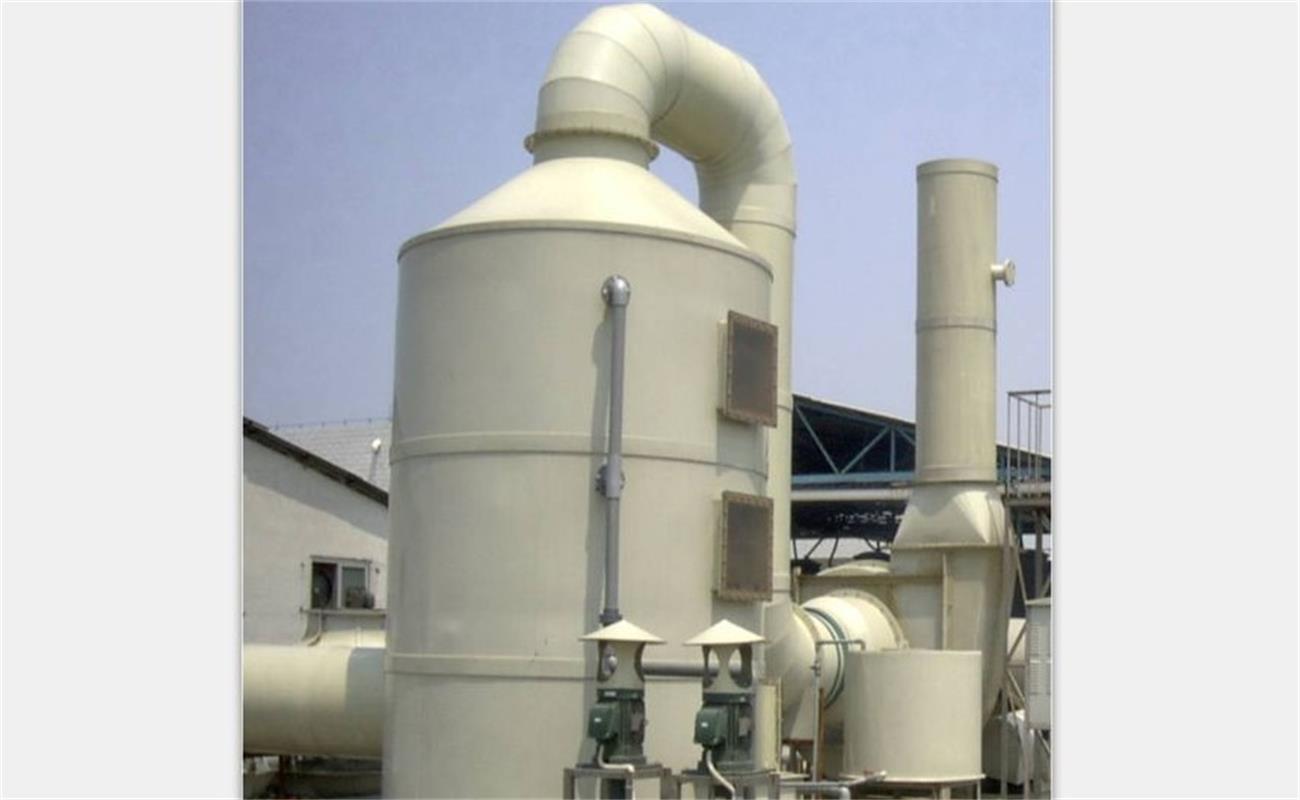
When people talk about wastewater treatment, they’re often referring to water process equipment —the broad category that includes everything from initial screening to final disinfection. Think of it as the “all-in-one” term for systems designed to purify water for discharge or reuse. These systems can be customized to handle different contaminants, from heavy metals to organic compounds, and are critical for industries like food processing, pharmaceuticals, and manufacturing.
What makes modern water process equipment stand out? Many now integrate smart technology, allowing you to monitor water quality in real time and adjust settings remotely. For example, some systems use sensors to detect pH levels or pollutant concentrations, automatically triggering adjustments to chemical dosages or filtration rates. This not only improves efficiency but also reduces the risk of human error.
2. Wet Process Equipment: When Water is Your Ally
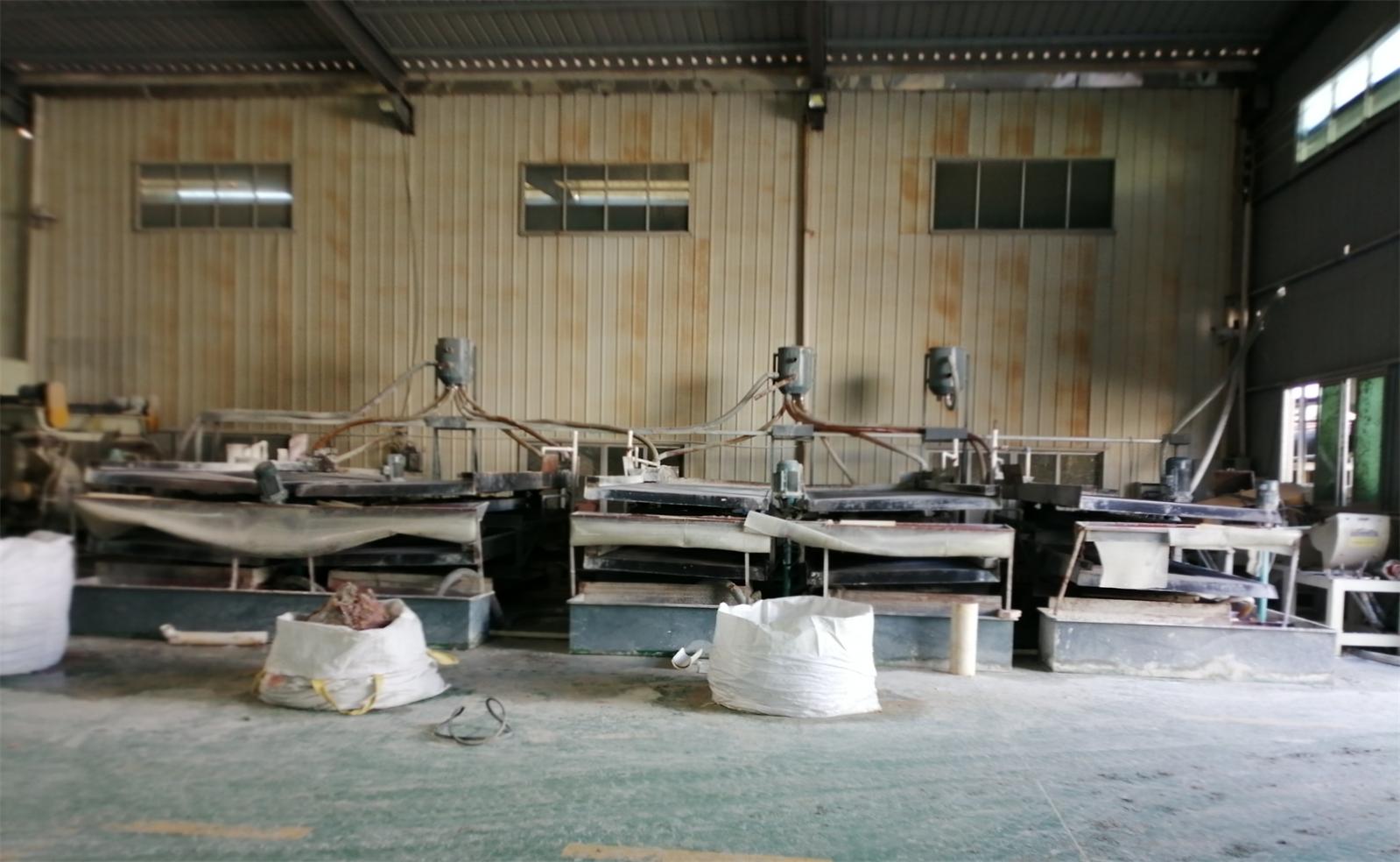
If your facility deals with high volumes of sludge or thick, viscous wastewater (looking at you, mining and chemical plants), wet process equipment is likely your best bet. These systems use water-based methods—like sedimentation, filtration, and chemical precipitation—to separate solids from liquids. Imagine a giant clarifier tank where gravity pulls heavy particles to the bottom, or a membrane filtration unit that traps contaminants as small as 0.1 microns.
The biggest advantage of wet process equipment? It’s highly effective at removing fine particles and dissolved pollutants. However, it does use a significant amount of water, so you’ll need to factor in water costs and plan for sludge disposal. That said, many modern wet process systems now include sludge dewatering features, turning that waste into manageable cakes that can be transported or even repurposed as fertilizer (if contaminants are minimal).
3. Dry Process Equipment: Water-Free Solutions for Sensitive Industries
On the flip side, dry process equipment is a game-changer for industries where water use is limited or where adding moisture could complicate treatment. Think electronics manufacturing, where water might damage components, or arid regions where water scarcity is a concern. These systems rely on physical or thermal methods—like evaporation, adsorption, or centrifugation—to separate pollutants without large water inputs.
One popular example is the dry separator, which uses air currents and vibration to separate lightweight contaminants from heavier solids. Another is thermal drying, which uses heat to evaporate water from sludge, leaving behind a dry residue that’s easier to handle. While dry process equipment often has a higher upfront cost, it can save money in the long run by reducing water and sludge disposal expenses.
4. Filter Press Equipment: The Unsung Hero of Solid-Liquid Separation
If you’ve ever wondered how factories turn thick sludge into dry cakes, meet filter press equipment —the workhorse of solid-liquid separation. These machines use pressure to squeeze water out of sludge, leaving behind a solid cake that’s up to 90% drier than untreated sludge. For industries like mining, construction, or wastewater treatment plants, this is a game-changer.
Modern filter presses come in various designs, from plate-and-frame models (ideal for small batches) to membrane presses (which use air or water pressure to squeeze out extra moisture). The key benefits? Reduced disposal costs (drier sludge means fewer truckloads to landfills) and faster processing times. Some models even include automatic cake discharge, cutting down on manual labor.
5. Effluent Treatment Machine Equipment: The Final Checkpoint
Before wastewater is discharged into public sewers or natural water bodies, it must pass through effluent treatment machine equipment —the last line of defense against pollutants. These systems are designed to meet strict local and national排放标准, removing any remaining contaminants that earlier treatment steps might have missed.
What sets effluent treatment machines apart? They’re often tailored to specific regulations. For example, a plant near a river might need equipment that removes nitrogen and phosphorus to prevent algal blooms, while a factory in an urban area might focus on reducing BOD (biochemical oxygen demand) to protect municipal wastewater systems. Many also include disinfection steps, like UV light or chlorine treatment, to kill harmful bacteria.
Wet vs. Dry Process Equipment: Which is Right for You?
One of the biggest debates in wastewater treatment is whether to go with wet or dry process equipment. To help you decide, let’s compare the two side by side.
| Factor | Wet Process Equipment | Dry Process Equipment |
|---|---|---|
| Water Usage | High (requires water for separation) | Low to none (uses air, heat, or mechanical force) |
| Sludge Production | High (wet sludge requires dewatering) | Low (produces dry, compact residue) |
| Energy Efficiency | Moderate (pumps and mixers use energy) | High (thermal drying can be energy-intensive) |
| Best For | Highly contaminated water, heavy industries | Water scarcity, electronics, light contaminants |
| Initial Cost | Lower upfront (simpler designs) | Higher upfront (advanced technology) |
| Operating Cost | Higher (water and chemical expenses) | Lower (reduced water and sludge disposal costs) |
So, which should you choose? If your facility has access to affordable water and produces large volumes of wet waste, wet process equipment might be the way to go. But if you’re in a water-scarce region or need to minimize sludge disposal, dry process equipment could save you money in the long run. Many facilities opt for a hybrid approach, using wet processes for initial treatment and dry processes for final polishing.
How to Choose the Right Wastewater Treatment Machine: 5 Critical Factors
Now that you know the basics, let’s dive into the nitty-gritty of selecting equipment. Here are the key questions to ask before making a purchase.
1. What’s Your Wastewater Profile?
Start by analyzing your wastewater. What contaminants are present? Is it high in oil and grease, heavy metals, or organic matter? How much wastewater do you produce daily? Answering these questions will narrow down your options. For example, a food processing plant with high organic loads might need anaerobic digesters, while a metal plating facility would prioritize heavy metal removal systems like ion exchange or chemical precipitation.
2. What Are the Local Regulations?
Never skip this step! Regulations vary widely by location. For instance, the EU’s Urban Wastewater Treatment Directive sets strict limits on BOD and nitrogen, while some U.S. states have additional requirements for specific industries. Your equipment must meet these standards to avoid penalties. Ask potential suppliers for case studies of similar facilities in your area—this will give you confidence they understand local rules.
3. What’s Your Budget (Really)?
It’s easy to focus on upfront costs, but don’t forget long-term expenses. A cheaper machine might have higher energy or maintenance costs, while a pricier, energy-efficient model could pay for itself in a few years. Consider factors like: initial purchase price, installation costs, energy consumption, chemical expenses, maintenance fees, and disposal costs for sludge or waste . Many suppliers offer financing or leasing options, so explore those if cash flow is a concern.
4. Do You Need Room to Grow?
Businesses expand, and so do their wastewater needs. Look for modular equipment that can be scaled up as your operation grows. For example, some water process equipment systems allow you to add extra filtration units or increase tank capacity without replacing the entire system. This flexibility can save you from costly upgrades down the line.
5. What’s the Supplier’s Reputation?
A machine is only as good as the company behind it. Research suppliers thoroughly: read reviews, ask for references, and check their track record with after-sales support. Do they offer training for your staff? How quickly can they respond to breakdowns? A reliable supplier will be with you long after the sale, helping you troubleshoot issues and optimize performance.
Top Features to Look for in 2025 Models
Wastewater treatment technology is evolving fast. Here are the cutting-edge features that set 2025 models apart from older equipment.
- Smart Automation: Look for machines with IoT connectivity, allowing you to monitor and control operations via a smartphone or computer. Some even send alerts if something goes wrong, like a clogged filter or low chemical levels.
- Energy Recovery: Advanced systems now capture energy from treatment processes—for example, using biogas from anaerobic digestion to power pumps or heaters. This can slash your utility bills.
- Sustainability Materials: Many manufacturers are using recycled or eco-friendly materials in construction, reducing the carbon footprint of the equipment itself.
- Modular Design: As mentioned earlier, modular systems let you start small and add components as needed, making them ideal for growing businesses.
- Low Maintenance: Features like self-cleaning filters, corrosion-resistant materials, and easy-access panels can reduce downtime and extend the machine’s lifespan.
FAQ: Your Most Pressing Questions Answered
Q: Is it better to rent or buy wastewater treatment equipment?
A: It depends on your situation. Renting is great for short-term projects or if you’re testing a new process, while buying makes sense for long-term operations. Many suppliers offer “rent-to-own” programs, which can be a happy medium.
Q: How do I know if a machine is energy-efficient?
A: Look for certifications like ENERGY STAR or ask for energy consumption data (kWh per cubic meter of treated water). Compare this across models—even small differences add up over time.
Q: Can wastewater treatment equipment help me recycle water?
A: Absolutely! Many modern systems are designed for water reuse. For example, treated wastewater can be used for irrigation, cooling towers, or even process water (with additional polishing). This not only reduces water bills but also helps with sustainability goals.
Q: What’s the average lifespan of wastewater treatment equipment?
A: Most systems last 10–20 years with proper maintenance. Components like filters or membranes may need replacement every 2–5 years, but the core machinery should have a long life. Choose durable materials like stainless steel or fiberglass to maximize lifespan.
Final Thoughts: Investing in the Future
Choosing wastewater treatment equipment isn’t just a purchase—it’s an investment in your business’s future. The right machine will keep you compliant, save you money, and position you as a leader in sustainability. By focusing on your specific needs, understanding the latest technology, and partnering with a reliable supplier, you’ll find a solution that works for you today and grows with you tomorrow.
Remember, there’s no one-size-fits-all answer. Take the time to analyze your wastewater, research your options, and ask questions. And when in doubt, consult with an expert—many suppliers offer free site assessments to help you design a custom system.
Here’s to cleaner water, lower costs, and a greener 2025!