Best Lithium Tailings Extraction Plants in China: Innovations, Efficiency, and Sustainable Resource Recovery
In recent years, the global demand for lithium has skyrocketed, driven by the booming electric vehicle (EV) industry, renewable energy storage systems, and portable electronics. As the "white gold" of the new energy era, lithium has become a critical resource for transitioning to a low-carbon future. However, traditional lithium extraction methods—often relying on hard rock mining or salt lake evaporation—face challenges like high energy consumption, long processing times, and environmental concerns. This is where lithium tailings extraction plants step in, turning what was once considered waste into a valuable resource. China, a leader in both lithium production and technological innovation, has emerged as a pioneer in developing advanced lithium tailings extraction plants that combine efficiency, sustainability, and cutting-edge technology. In this article, we'll explore why China's lithium tailings extraction plants stand out, the key technologies they employ, and how they're reshaping the global lithium supply chain.
Why Lithium Tailings Matter: A Hidden Resource Waiting to Be Unlocked
First, let's clarify what lithium tailings are. When mining companies extract lithium from hard rock (like spodumene) or process salt lake brines, they generate large amounts of waste material known as "tailings." These tailings often contain residual lithium—typically 0.1% to 0.5% lithium oxide (Li₂O)—that was not recovered during initial processing. For decades, this material was dumped in tailings ponds or landfills, posing environmental risks (like water contamination) and wasting precious resources. With lithium prices surging and global reserves finite, extracting lithium from tailings has become an economically viable and environmentally responsible solution.
China, home to some of the world's largest lithium mines and processing facilities, generates massive volumes of tailings annually. Recognizing the potential of this untapped resource, Chinese manufacturers and research institutions have invested heavily in developing specialized lithium tailing ore extraction equipment and integrated plants. These facilities not only reduce waste but also lower the carbon footprint of lithium production by utilizing existing tailings instead of expanding new mines.
Technical Insight: Tailings with Li₂O content above 0.2% are considered economically viable for extraction. China's advanced plants can efficiently process tailings with Li₂O as low as 0.15%, making previously unprofitable reserves a valuable asset.
Core Advantages of China's Lithium Tailings Extraction Plants
What sets China's lithium tailings extraction plants apart from global competitors? Three key strengths stand out: technological innovation, environmental compliance, and scalable production capacity.
1. Technological Innovation: Dry Process vs. Wet Process Excellence
Chinese plants leverage both dry process equipment and wet process equipment , tailoring the method to the tailings' characteristics. Dry processes, ideal for arid regions or tailings with low moisture content, use mechanical separation (like air classification and magnetic separation) to concentrate lithium minerals. This method consumes 30-50% less water than traditional wet processes, making it sustainable in water-scarce areas. Wet processes, on the other hand, use chemical leaching (with reagents like sulfuric acid or hydrochloric acid) to dissolve lithium from tailings, followed by precipitation and purification. Chinese engineers have optimized both methods, developing hybrid systems that combine the efficiency of wet leaching with the low water usage of dry separation.
2. Environmental Compliance: Meeting Global Green Standards
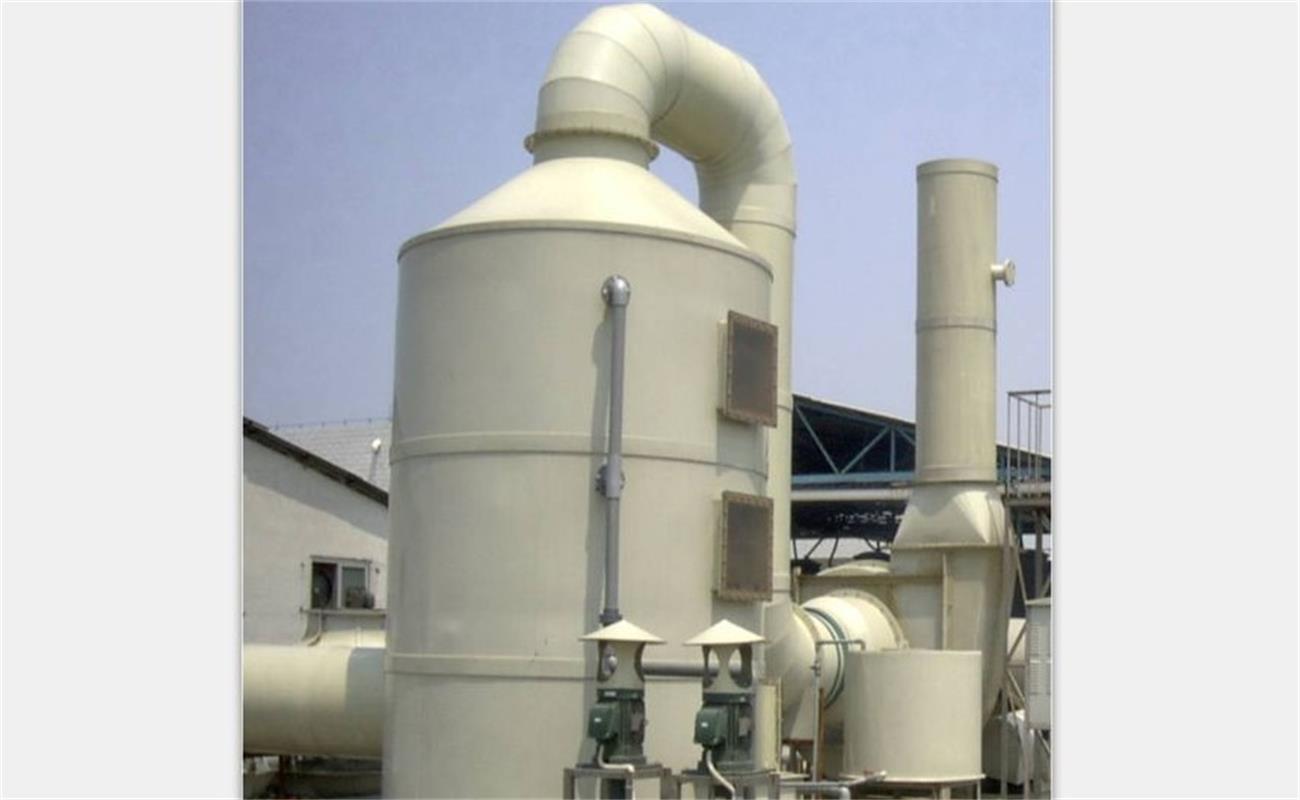
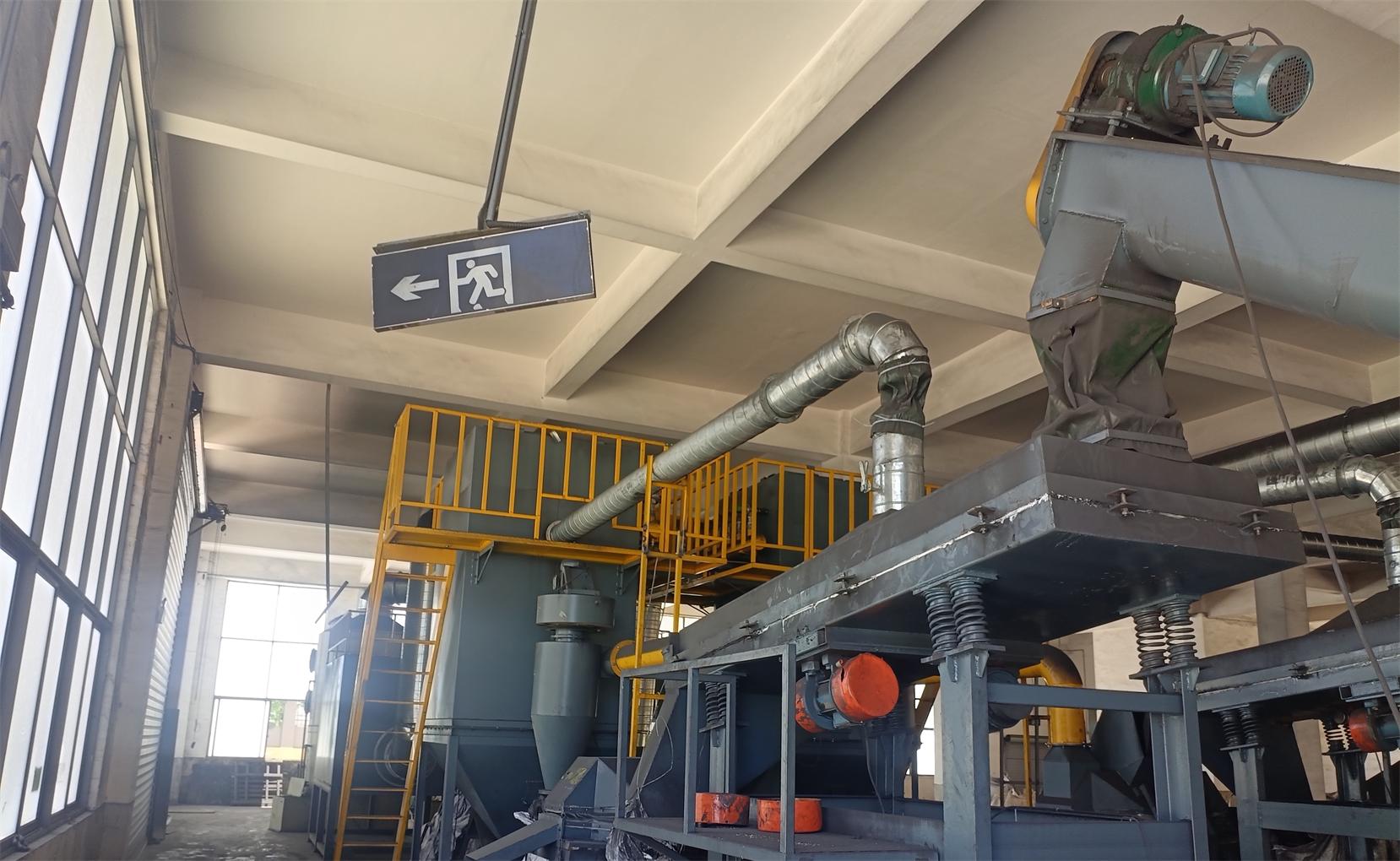
China's lithium tailings extraction plants prioritize environmental protection, integrating air pollution control system equipment and water treatment processes to minimize emissions and waste. For example, dust generated during dry processing is captured using high-efficiency cyclones and bag filters, while wastewater from wet processes is treated with ion exchange resins and reverse osmosis systems, ensuring zero discharge. Many plants also use hydraulic briquetter equipment to compact solid waste into briquettes, reducing landfill usage and enabling secondary resource recovery (like iron or aluminum from tailings).
3. Scalable Capacity: From Small-Scale Operations to Mega-Plants
Whether a mine needs a compact facility processing 500 kg/hour or a large-scale plant handling 2,500 kg/hour, Chinese manufacturers offer modular designs that scale to demand. This flexibility is critical for tailings projects, where resource quality and volume can vary widely. For instance, portable systems equipped with portable briquetter machine units (like the PHBM series) allow on-site processing, reducing transportation costs for remote mines. Meanwhile, fixed plants integrate advanced automation—including AI-driven ore sorting and real-time monitoring—to maximize recovery rates and minimize downtime.
Key Equipment in China's Lithium Tailings Extraction Plants
A successful lithium tailings extraction plant relies on a suite of specialized equipment, each playing a critical role in the recovery process. Below is an overview of the core machinery found in top Chinese plants:
| Equipment Type | Function | Technical Highlights | Typical Capacity |
|---|---|---|---|
| Lithium Tailing Ore Extraction Equipment | Primary separation of lithium minerals from tailings | Uses froth flotation or magnetic separation; adjustable reagent dosing for varying tailings composition | 500–2,500 kg/hour |
| Dry Process Equipment | Water-free concentration of lithium minerals | Air classification, electrostatic separation; low energy consumption (1.2–2.0 kWh/ton) | 300–1,500 kg/hour |
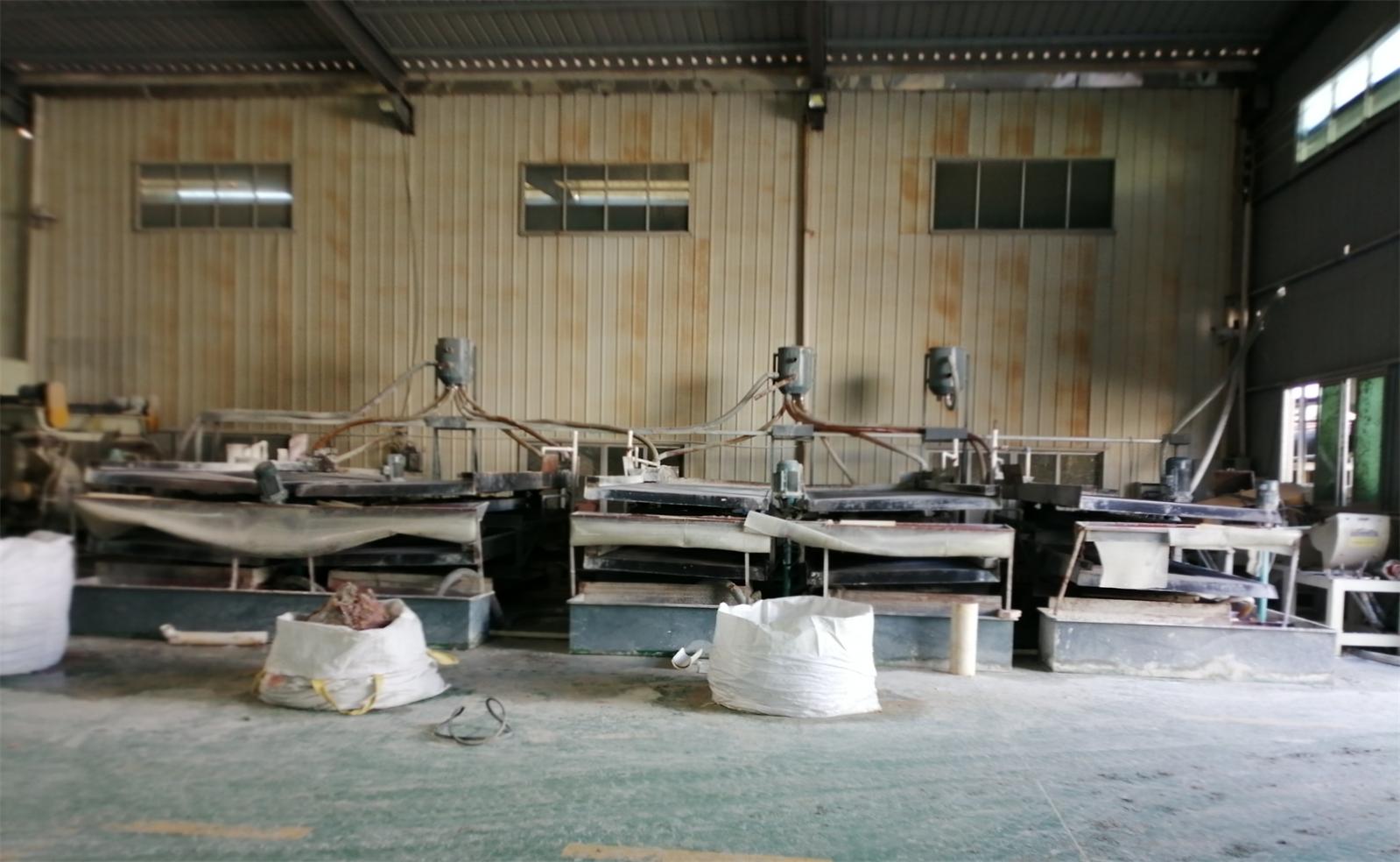
| Wet Process Equipment | Chemical leaching and lithium precipitation | Acid/alkaline leaching tanks; automated pH control; 90%+ lithium dissolution rate | 800–2,000 kg/hour |
| Air Pollution Control System Equipment | Dust and gas emission reduction | HEPA filters, activated carbon adsorption; 99.9% dust removal efficiency | N/A (integrated with processing lines) |
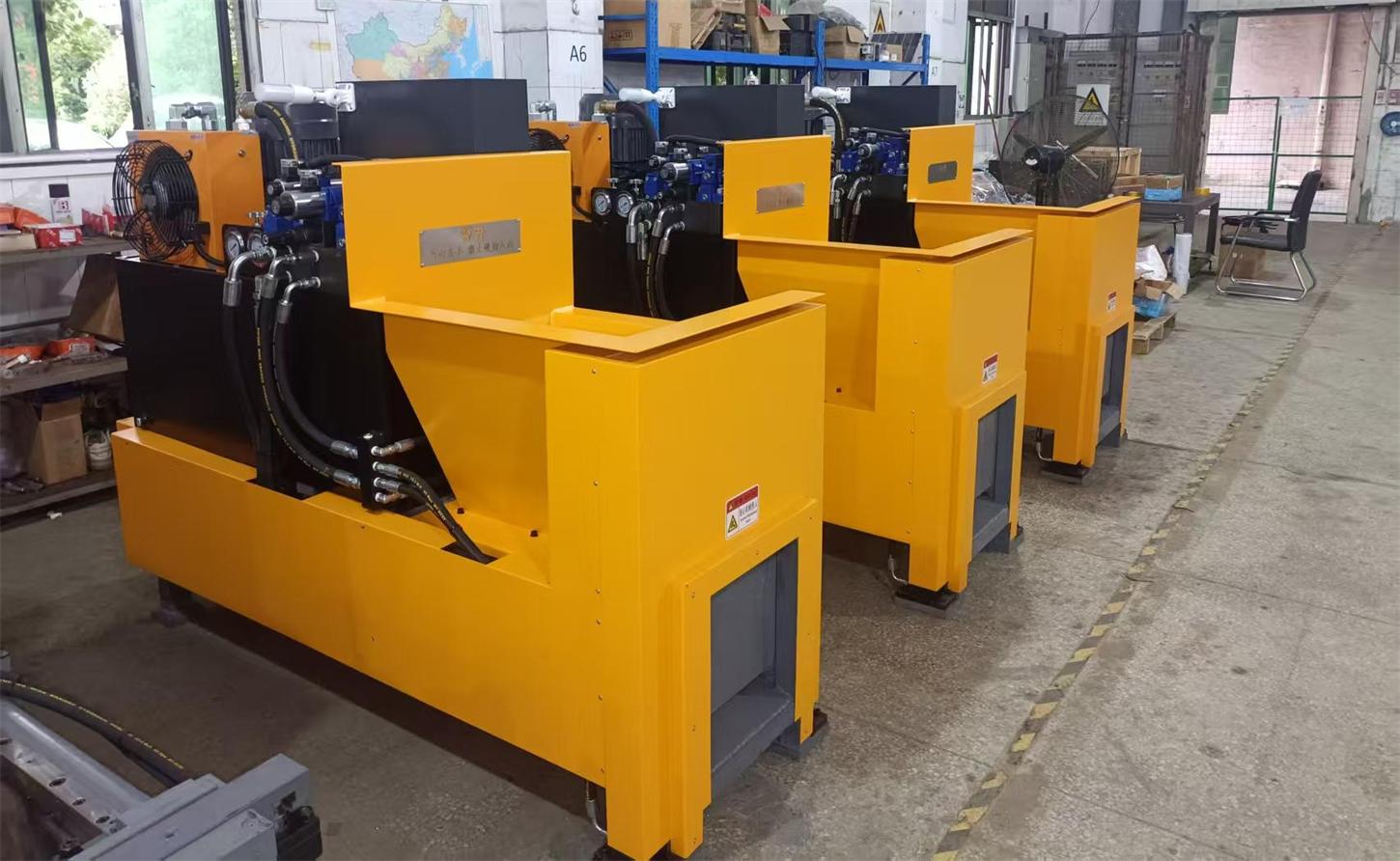
| Hydraulic Briquetter Equipment | Compacting waste residues into briquettes | High-pressure hydraulic system; briquette density up to 2.5 g/cm³ | 200–500 kg/hour |
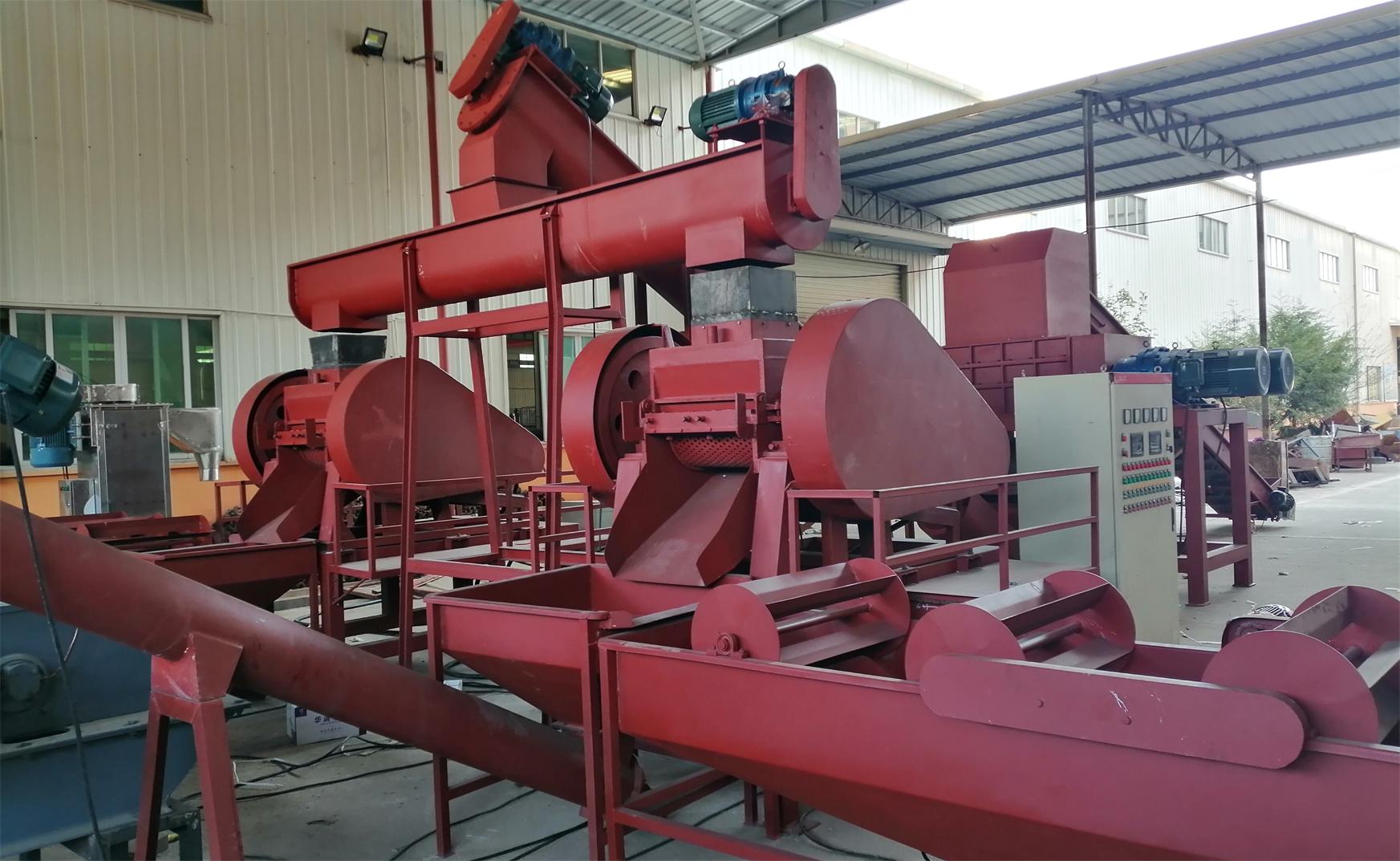
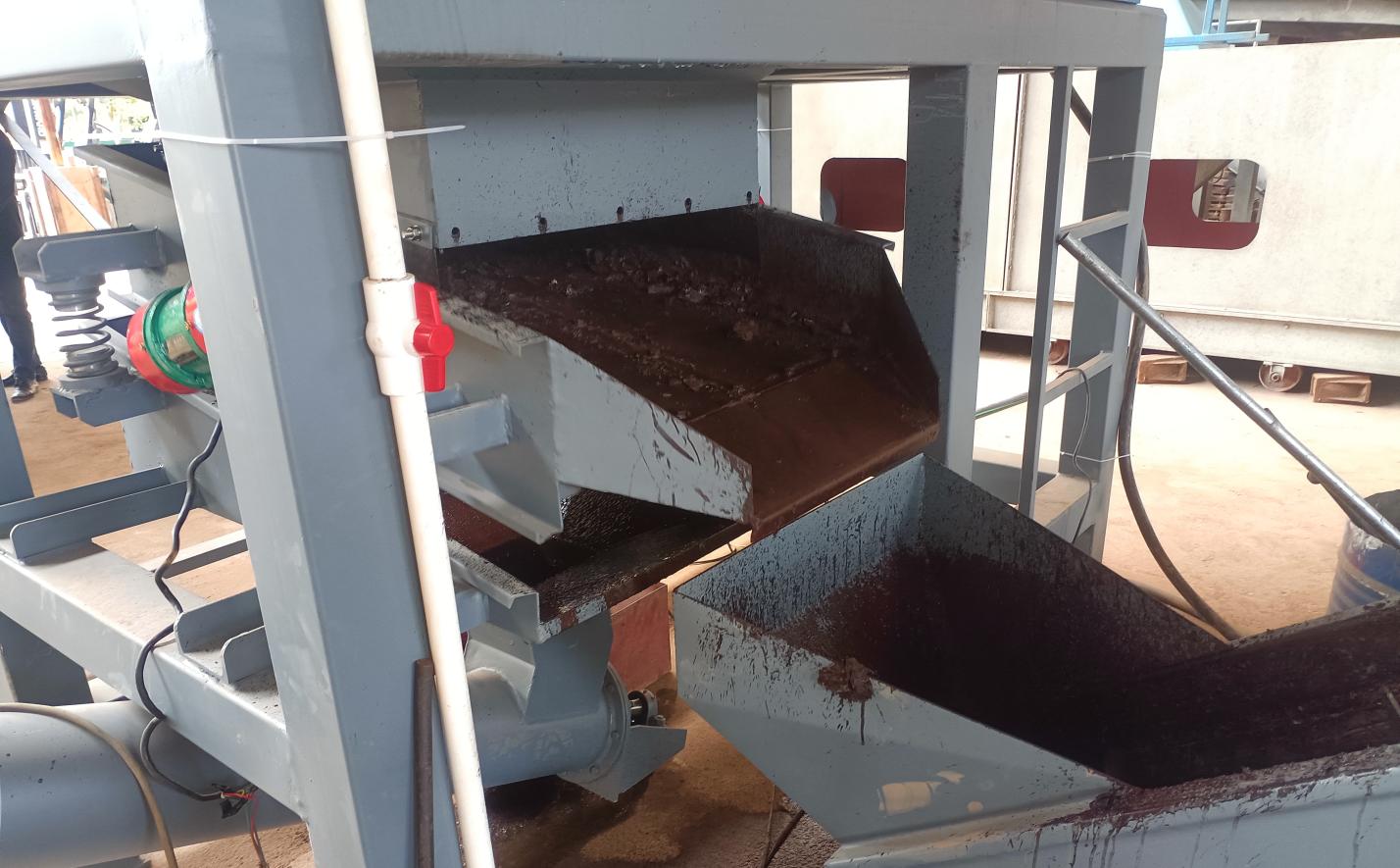
Each piece of equipment is designed to work in harmony, with upstream machinery (like crushers and grinders) preparing tailings for separation, and downstream systems (like filters and dryers) refining the lithium concentrate into battery-grade material. For example, after tailings are crushed and ground into fine particles, they pass through compact granulator with dry separator equipment , which removes gangue minerals (like quartz) and concentrates lithium-bearing minerals. The concentrate then undergoes leaching, purification, and drying to produce lithium carbonate or hydroxide—ready for use in EV batteries.
Case Study: Leading Lithium Tailings Extraction Plants in China
To illustrate the capabilities of China's lithium tailings extraction plants, let's examine three standout projects:
1. Qinghai Salt Lake Tailings Plant: High-Efficiency Wet Process
Located in China's lithium-rich Qinghai province, this plant processes tailings from a large salt lake brine operation. Using advanced wet process equipment , it recovers lithium from tailings with Li₂O content as low as 0.18%. The plant employs a two-stage leaching process: first, sulfuric acid leaching to dissolve lithium, followed by solvent extraction to remove impurities like magnesium and calcium. Key equipment includes automated leaching tanks, centrifugal separators, and a filter press equipment for solid-liquid separation. With a capacity of 2,000 kg/hour, the plant produces 6,000 tons of battery-grade lithium carbonate annually, reducing tailings waste by 40% and cutting the mine's carbon footprint by 25%.
2. Jiangxi Hard Rock Tailings Plant: Dry Process Innovation
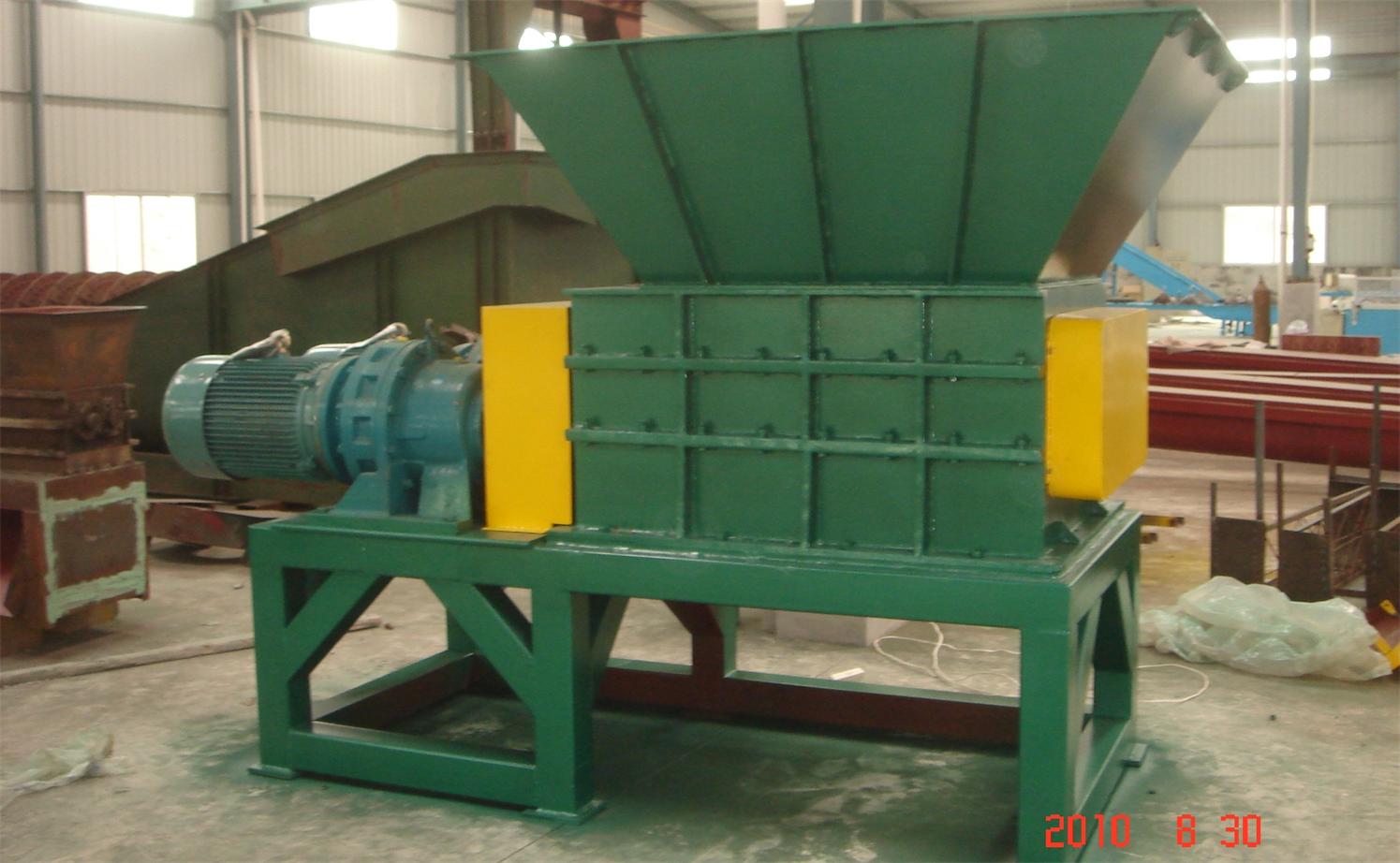
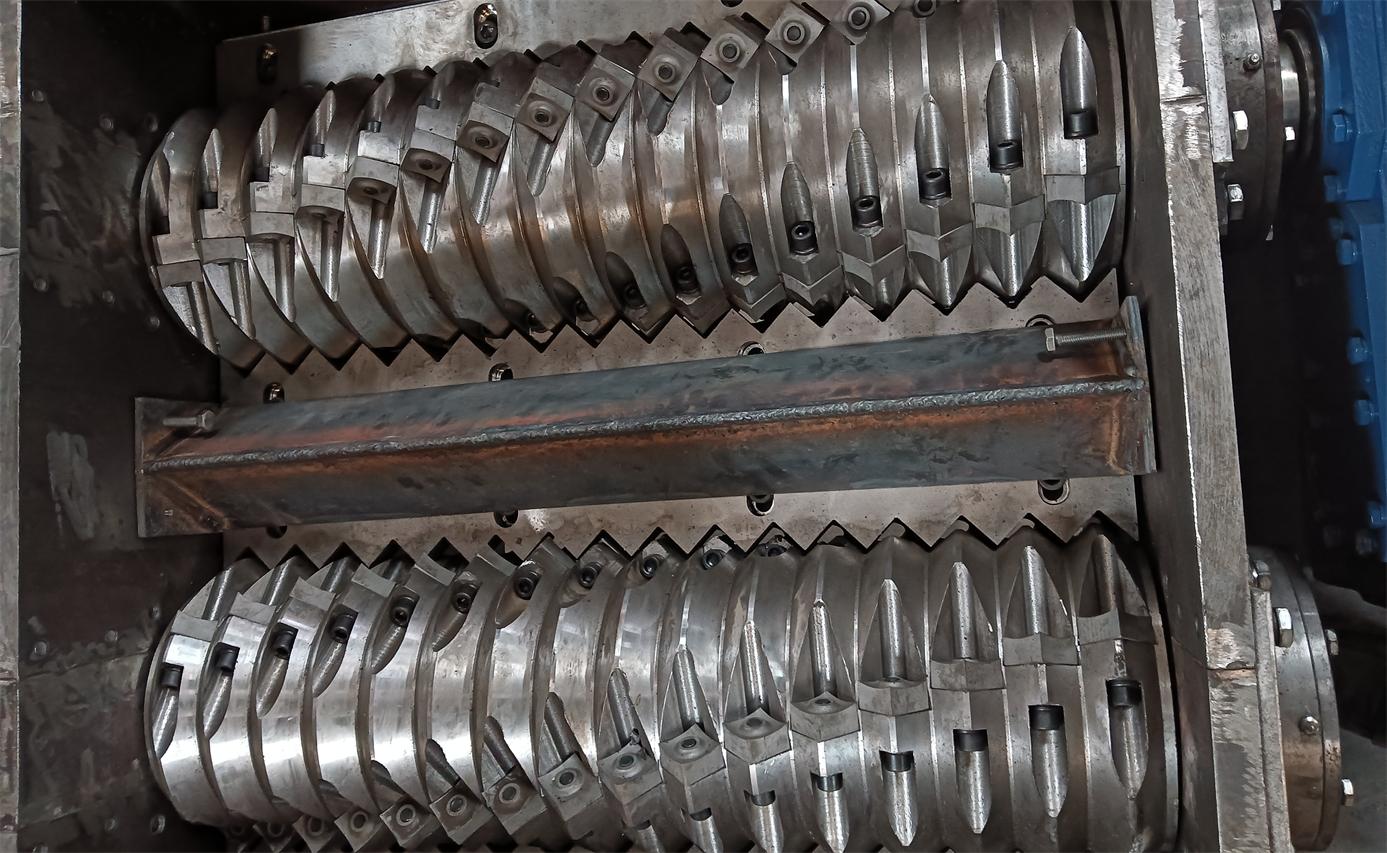
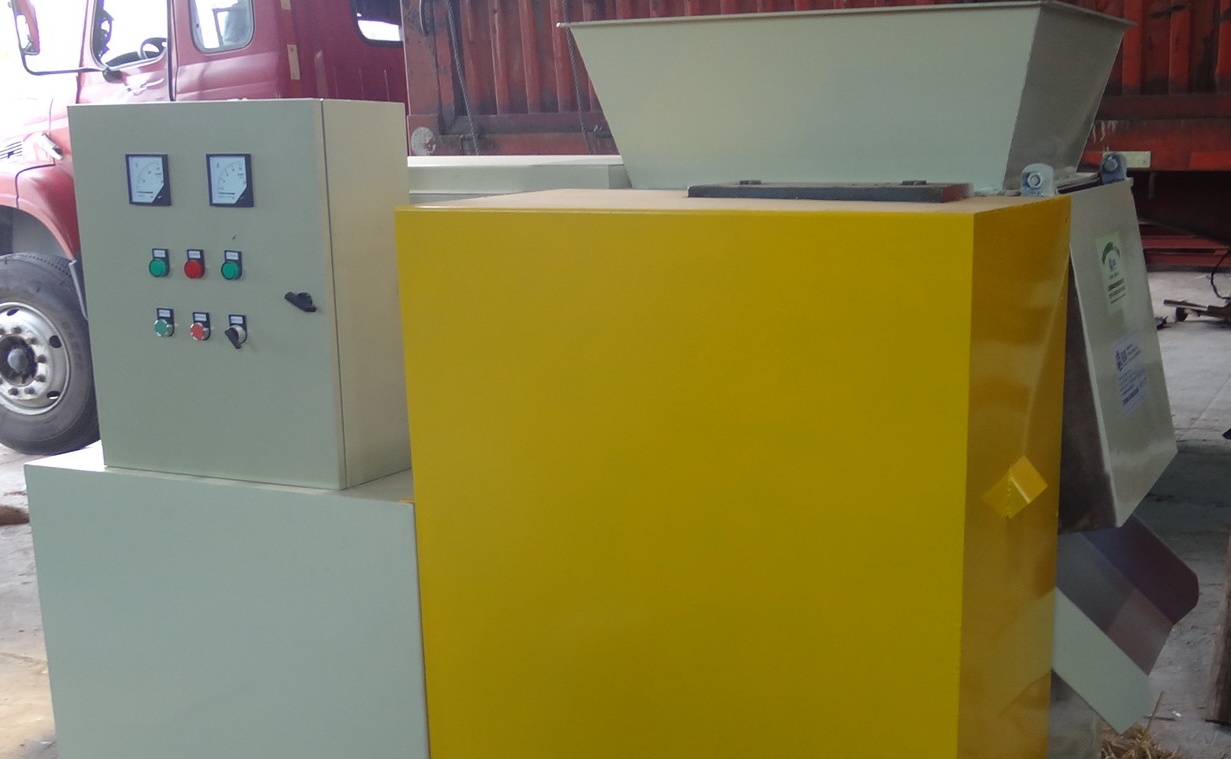
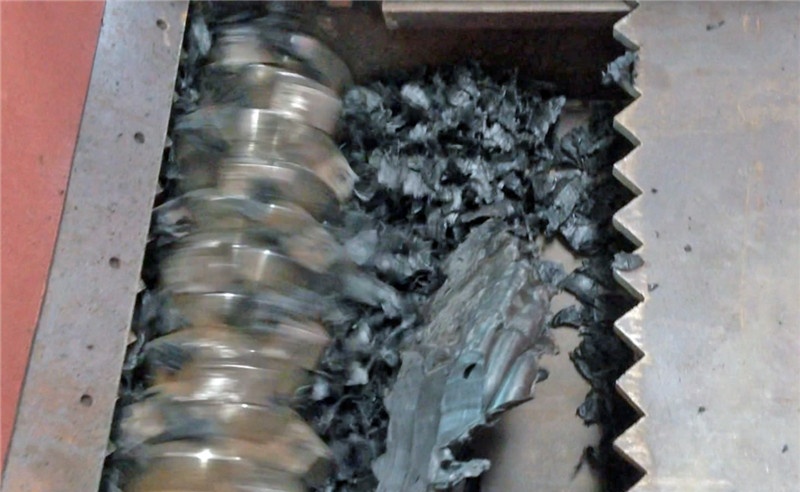
In Jiangxi, a province known for hard rock lithium mines, this plant specializes in processing spodumene tailings using dry process equipment . The tailings, which contain 0.25% Li₂O, are first crushed in a single shaft shredder and ground into fine powder. A dry separator then uses air classification and magnetic separation to concentrate lithium minerals, which are further purified using electrostatic separation. The plant integrates a plastic pneumatic conveying system to transport materials between stages, minimizing dust. With a compact design, it operates at 800 kg/hour and has been praised for its low water usage (less than 500 liters per ton of tailings processed), making it ideal for Jiangxi's water-scarce regions.
3. Sichuan Portable Tailings Processing Unit: On-Site Efficiency
For small-scale mines and remote tailings sites, Sichuan-based manufacturers have developed portable units like the PHBM-004 portable briquetter machine . This mobile system combines a crusher, dry separator, and briquetter into a single trailer-mounted unit, capable of processing 300 kg/hour of tailings. It's particularly popular with artisanal miners, who use it to recover lithium on-site and briquette waste for later disposal. One client in Sichuan reported a 35% increase in lithium recovery and a 60% reduction in transportation costs after adopting the PHBM-004.
Environmental and Economic Benefits of Lithium Tailings Extraction
Investing in a Chinese lithium tailings extraction plant delivers both environmental and economic returns. Environmentally, these plants reduce the need for new mining, lowering deforestation and habitat destruction. They also mitigate tailings pond risks—such as dam failures and water pollution—by converting waste into a resource. Economically, tailings extraction offers a lower cost alternative to traditional mining: studies show that tailings projects have 20–30% lower capital expenditure (CAPEX) and 15–25% lower operating expenditure (OPEX) than new hard rock mines. For example, a plant processing 1,000 kg/hour of tailings with 0.3% Li₂O can generate annual revenue of $5–8 million, with payback periods as short as 3–5 years.
Moreover, as governments worldwide tighten environmental regulations, mines that invest in tailings extraction gain a competitive edge. China's plants, certified to meet international standards like ISO 14001 (environmental management) and ISO 9001 (quality management), are well-positioned to serve global clients seeking sustainable lithium sources.
Future Trends: What's Next for China's Lithium Tailings Extraction Plants?
The future of lithium tailings extraction in China is marked by innovation and integration. Here are three trends to watch:
1. AI and Automation: Smart Plants for Maximum Recovery
Chinese manufacturers are integrating artificial intelligence (AI) into plant operations, using machine learning algorithms to optimize separation processes in real time. For example, AI-driven sensors can analyze tailings composition and adjust separator settings automatically, maximizing lithium recovery. Predictive maintenance systems—powered by IoT sensors—will also reduce downtime by identifying equipment issues before they cause failures.
2. Circular Economy Integration: Beyond Lithium Recovery
Next-generation plants will focus on recovering multiple metals from tailings, including rare earth elements (REEs), cobalt, and nickel. This "polymetallic recovery" approach increases profitability and reduces waste further. For instance, some plants are already using circuit board recycling equipment technology to extract valuable metals from tailings, blurring the line between mining and e-waste recycling.
3. Green Energy Integration: Solar-Powered Processing
To further reduce carbon footprints, Chinese plants are increasingly powered by renewable energy. Solar panels and wind turbines now supplement grid electricity in many facilities, with some remote plants operating entirely off-grid. This not only lowers OPEX (by reducing energy costs) but also aligns with the global push for carbon-neutral lithium production.
Conclusion: China's Role in Shaping the Future of Lithium Sustainability
As the world races to electrify transportation and transition to renewable energy, lithium will remain a cornerstone resource. China's lithium tailings extraction plants are leading the way in making lithium production more sustainable, efficient, and accessible. By turning waste into wealth, these facilities not only address environmental concerns but also strengthen global lithium supply chains—ensuring a steady flow of critical materials for the clean energy revolution.
Whether you're a mine operator looking to monetize tailings, an investor seeking sustainable opportunities, or a manufacturer in need of battery-grade lithium, China's lithium tailings extraction plants offer proven solutions. With ongoing innovation in technology, automation, and green energy integration, the future of lithium tailings extraction is bright—and China is at the forefront of this exciting frontier.