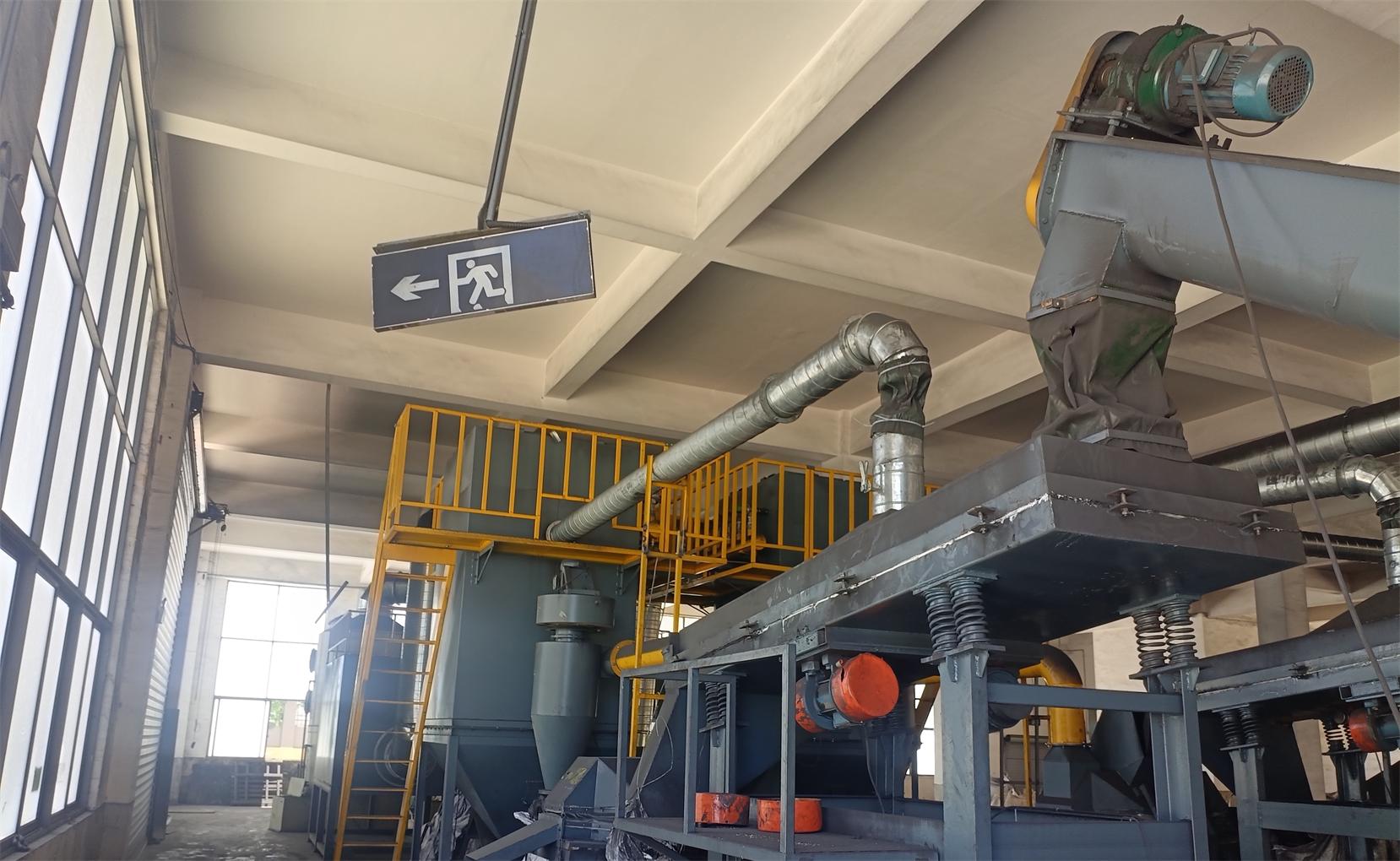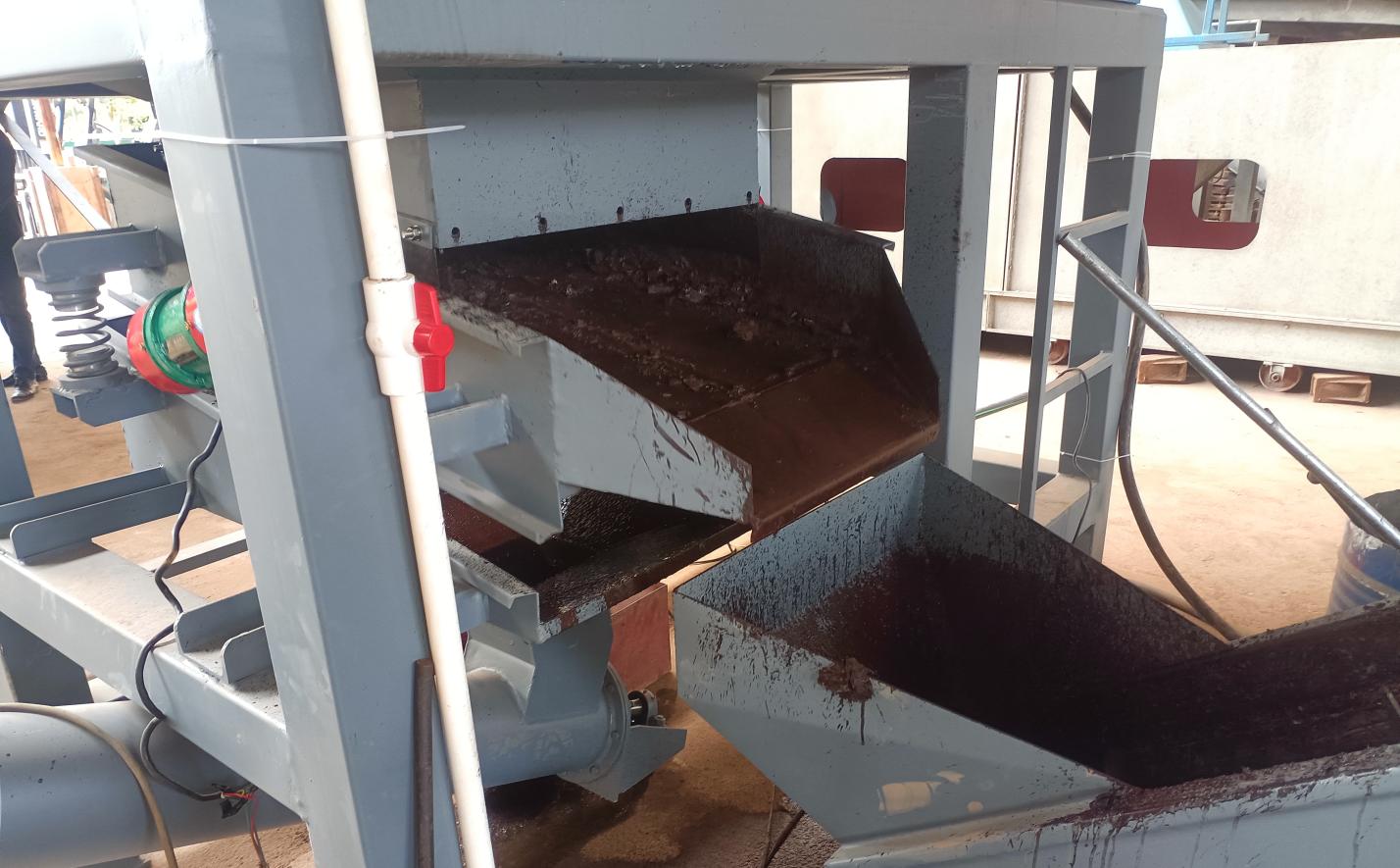
If you’ve been scrolling through industrial equipment catalogs or Googling terms like “filter press equipment” lately, you’re probably knee-deep in the process of finding the right machine for your operation. Maybe you’re expanding a wastewater treatment plant, upgrading a mining facility, or even setting up a new lead acid battery recycling line. Whatever the case, picking a filter press isn’t just about checking specs—it’s about finding a workhorse that fits your unique needs, budget, and long-term goals. Let’s cut through the jargon and break down everything you need to know to make the best choice in
What Even Is a Filter Press, Anyway?
First things first: Let’s make sure we’re all on the same page. A filter press is a machine that separates solids from liquids using pressure. Think of it like a super-powered coffee filter, but instead of brewing your morning joe, it’s handling anything from mining sludge to chemical byproducts. The basic idea is simple: slurry (that’s just a fancy word for a mix of solid particles and liquid) gets pumped into a series of chambers formed by stacked plates. As pressure builds, the liquid (called filtrate) squeezes through filter cloths, leaving behind a cake of dry solids.
But here’s the thing: Not all filter presses are created equal. Some are built for small-scale operations, like a local wastewater treatment plant, while others are industrial giants churning through tons of material every hour. And with 2025 bringing new tech and stricter environmental regulations, today’s models are smarter, more efficient, and more adaptable than ever.
How Does a Filter Press Actually Work? Let’s Keep It Simple
You don’t need an engineering degree to get this. Let’s walk through the process step by step, like we’re explaining it to a friend over coffee:
- Loading the Slurry: The machine starts by clamping a stack of filter plates together tightly—imagine closing a book with hundreds of pages, but each “page” is a plate with a hollow center. Then, your slurry gets pumped into these hollow centers under pressure.
- Filtration Magic: As the slurry fills the chambers, the liquid is forced through the filter cloths attached to each plate. The cloth acts like a sieve, catching solids and letting clean(er) liquid pass through. This liquid drains out through channels in the plates and gets collected.
- Drying the Cake: Once most of the liquid is gone, some presses crank up the pressure even more (using hydraulic rams or air blowers) to squeeze out extra moisture. The result? A solid “cake” that’s dry enough to handle—no messy drips here.
- Unloading: The plates unclamp, the cake falls out (usually onto a conveyor belt or into a bin), and the machine resets for the next cycle. Some models even do this automatically, so you don’t have to stand there flipping levers all day.
See? Not rocket science. But the details—like how much pressure, what kind of plates, and how fast it cycles—are what make one press better than another for your specific job.
The Main Types of Filter Presses: Which One Fits Your Workflow?
Walk into any equipment supplier’s showroom, and you’ll see three main types staring back at you. Let’s break down their pros, cons, and who they’re best for. (Spoiler: There’s no “one size fits all” here—your choice depends on what you’re filtering and how much of it.)
| Type | How It Works | Pros | Cons | Best For |
|---|---|---|---|---|
| Plate and Frame Filter Press | Alternating solid plates and hollow frames; slurry fills frames, filtrate exits through plates. | Super affordable; simple design; easy to repair; good for small batches. | Manual operation (tiring for big jobs); slower cycle times; cake can be wetter. | Small businesses, labs, or operations with low daily volume (under 500 gallons). |
| Chamber Filter Press | Each plate has a recessed “chamber” for slurry; no separate frames needed. | Faster than plate-and-frame; higher pressure options; semi-automatic models available. | More expensive than plate-and-frame; heavier plates (harder to handle manually). | Mid-sized operations (500–5,000 gallons/day), like food processing or chemical plants. |
| Membrane Filter Press | Chamber plates with flexible membranes (rubber or polypropylene) that inflate to squeeze extra moisture. | Driest cake (30–60% solids); fastest cycle times; fully automatic options; saves on drying costs. | Most expensive upfront; membranes need replacement every 1–3 years. | High-volume operations (5,000+ gallons/day), wastewater treatment, or industries where dry cake is critical (like lead acid battery recycling equipment lines). |
Pro tip: If you’re in a industry like mining or lead acid battery recycling—where you’re dealing with heavy, abrasive slurries—investing in a membrane press might save you money in the long run. The drier cake means less waste to haul, and the faster cycles mean you can process more material in a day.
Key Features to Look for in 2025: What’s New and What Matters Most
Gone are the days of buying a filter press based solely on price or brand name. Today’s buyers need to think about tech, sustainability, and how the machine will grow with their business. Here are the must-ask questions when comparing models:
1. What’s the Material of the Plates?
Plates take a beating—slurry can be acidic, alkaline, or full of sharp particles. The wrong material will corrode or wear out fast. Common options:
- Polypropylene (PP): Lightweight, corrosion-resistant, and affordable. Great for most non-abrasive slurries (like food or pharmaceuticals).
- Stainless Steel: Tough as nails, handles high temperatures and abrasives. Perfect for mining, metalworking, or lead acid battery recycling (where you’re dealing with lead sludge).
- Cast Iron: Super durable but heavy and prone to rust. Only use if you’re filtering neutral, non-corrosive materials (like clay).
2. Automation Level: How Much Do You Want to “Set It and Forget It”?
Manual presses are cheap, but if you’re running shifts around the clock, they’ll kill productivity. Here’s the spectrum:
- Manual: You clamp/unclamp plates by hand, scrape cake off manually. Best for tiny operations with 1–2 people.
- Semi-Automatic: Hydraulic clamping/unclamping, but you still scrape cake. Good for mid-sized teams.
- Fully Automatic: PLC controls, automatic cake discharge, and even remote monitoring (via app!). Worth the splurge if you have high volume—your workers will thank you.
3. Filter Cloth: The “Secret Sauce” of Filtration
Don’t sleep on the filter cloth—it’s what actually separates solids from liquids. The wrong cloth will clog fast, slow down cycles, and ruin your cake quality. Ask about:
- Material: Polyester (most common, affordable), polypropylene (chemical-resistant), or nylon (strong for abrasives).
- Weave: Tight weaves (for fine particles like clay) vs. loose weaves (for coarse solids like gravel).
- Washability: Can it be cleaned with water, chemicals, or steam? Reusable cloths save money long-term.
Real-World Applications: Where Do Filter Presses Shine in 2025?
Filter presses aren’t just for “big factories”—they’re everywhere, from your local wastewater plant to cutting-edge recycling facilities. Let’s look at a few industries where they’re absolute game-changers (and where you might be using one without even realizing it).
1. Lead Acid Battery Recycling Equipment: Turning Waste into Resources
Ever wondered what happens to your old car battery? It doesn’t just get tossed in a landfill—most are recycled, and filter presses are a critical part of that process. In lead acid battery recycling equipment lines, the press separates lead paste (the goopy stuff inside batteries) from sulfuric acid. The result? Clean lead paste that can be melted down and reused, and acid that’s neutralized before disposal. Without a good filter press, this process would be messy, slow, and environmentally risky.
2. Water Process Equipment: Keeping Our Water Clean
Municipal wastewater plants, breweries, and factories all use filter presses as key water process equipment. For example, in a brewery, presses filter out yeast and hops from beer wort, leaving clear liquid ready for fermentation. In wastewater treatment, they dewater sludge (the solid waste from sewage), turning it into dry cake that can be used as fertilizer or safely landfilled. With stricter environmental laws in 2025, plants are upgrading to membrane presses to get drier sludge and reduce disposal costs.
3. Mining and Mineral Processing: From Ore to Usable Material
Mines extract raw ore (like gold, copper, or lithium), but that ore is full of dirt and water. Filter presses separate the valuable minerals from the sludge, creating a dry concentrate that’s easy to transport to refineries. In lithium mining—critical for electric vehicle batteries—presses help extract lithium from brines or ores, ensuring high purity and minimal waste. (Pro tip: If you’re in mining, spring for a membrane press with stainless steel plates—you’ll save on replacement costs.)
4. Food and Pharma: Picky About Purity
In food processing, presses filter everything from fruit juices (removing pulp) to edible oils (separating solids from oil). In pharmaceuticals, they’re used to clarify药液 (medicine liquids) and ensure no contaminants make it into final products. For these industries, look for presses with FDA-approved materials (stainless steel, food-grade cloths) and easy-to-clean designs (no crevices where bacteria can hide).
2025 Buying Mistakes to Avoid: What I’ve Learned from 10+ Years in the Industry
I’ve seen too many businesses waste money on the wrong press. Here are the top pitfalls to steer clear of:
Mistake #1: Going Too Cheap (or Too Fancy)
Buying the cheapest press might save you $10k upfront, but if it breaks down every week or can’t handle your volume, you’ll lose more in downtime. On the flip side, don’t overbuy a fully automatic, 50-plate monster if you only filter 100 gallons a day—you’ll be paying for features you’ll never use. Do the math: Calculate your daily slurry volume, then pick a press rated for 1.5x that (to leave room for growth).
Mistake #2: Ignoring After-Sales Support
A press is only as good as the company behind it. If your supplier is based overseas and takes 3 weeks to send a replacement part, you’ll be stuck with a useless machine. Ask: “What’s your average response time for service calls?” “Do you stock parts locally?” “Can you train my team on maintenance?” A good supplier will act like a partner, not just a salesperson.
Mistake #3: Forgetting About Future Growth
Your business isn’t static—you might expand next year, or start filtering a new material. Choose a press that can grow with you: Can you add more plates later? Upgrade from semi-auto to fully auto? If the answer is “no,” keep shopping.
Mistake #4: Overlooking Energy Efficiency
Electricity isn’t cheap in 2025. A press with a high-efficiency motor or variable speed drive can save you hundreds on monthly bills. Look for models with ENERGY STAR ratings or suppliers who can show you energy consumption data (kWh per cycle).
Maintenance 101: Keep Your Press Running Like New (Without Breaking the Bank)
A well-maintained filter press can last 10–15 years. Skip maintenance, and you’ll be replacing it in 3–5. Here’s what you need to do (it’s easier than you think):
Daily Checks:
- Inspect filter cloths for tears or clogs—replace if you see holes (a $50 cloth beats a $5,000 repair).
- Lubricate hydraulic cylinders and hinges (use the oil recommended by the manufacturer—don’t cheap out on generic stuff).
- Check for leaks around plates or hoses—tighten connections or replace gaskets ASAP.
Weekly Tasks:
- Clean cloths thoroughly (use a pressure washer or chemical cleaner—follow the cloth maker’s instructions).
- Inspect plates for cracks or warping (if a plate is bent, it won’t seal properly—slurry will leak everywhere).
Annual Service:
- Have a technician check hydraulic systems (pumps, valves, hoses) for wear.
- Calibrate pressure gauges to ensure you’re getting accurate readings.
- replace worn parts (like gaskets or bearings) before they fail.
Pro tip: Keep a logbook of maintenance—note when you replaced cloths, lubed parts, or had repairs. It’ll help you spot patterns (e.g., “Cloths always clog on Wednesdays—maybe our slurry is thicker that day?”) and plan for replacements.
FAQ: Answers to the Questions I Get Asked Most
Still have questions? You’re not alone. Here are the ones I hear daily:
Q: How do I calculate the right size press for my needs?
A: Start with your slurry volume per day (in gallons) and solids concentration (e.g., 10% solids = 100 gallons of slurry has 10 gallons of solids). Then, use this formula: Filter area (sq. ft.) = (Gallons of slurry/day × % solids × 8.34 lbs/gallon) / (Cake solids % × Cycle time × 62.4 lbs/cu. ft.) . Or—easier—ask your supplier to run the numbers for you. They should have a calculator.
Q: Filter press vs. centrifuge: Which is better?
A: It depends. Centrifuges are faster for high volumes but use more energy and produce wetter cake. Filter presses are slower but produce drier cake, use less energy, and are cheaper to maintain. For most industrial applications (like lead acid battery recycling or wastewater), a press is better. Centrifuges are better for very fine particles (like bacteria in biotech).
Q: Can I use the same press for different materials?
A: Sometimes, but be careful. If you switch from filtering food to chemicals, you’ll need to deep-clean the press and change the cloth (to avoid contamination). If you switch from coarse to fine particles, you may need a different cloth weave. It’s doable, but factor in cleaning time between batches.
Q: How much does a good filter press cost?
A: Prices range from $5,000 (small manual plate-and-frame) to $250,000+ (large fully automatic membrane press). Most mid-sized businesses spend $20,000–$80,000. Remember: It’s an investment—focus on total cost of ownership (purchase + energy + maintenance) over upfront price.
2025 Trends: What’s New in Filter Press Tech?
The filter press industry isn’t stuck in the past—here’s what to watch for this year:
Smart Presses with IoT Integration
More presses now come with sensors that track cycle times, pressure, and cloth condition—sending alerts to your phone if something’s wrong. Some even predict when parts will fail (so you can replace them before downtime hits). It’s like having a crystal ball for your equipment.
Eco-Friendly Designs
Suppliers are using recycled materials for plates and cloths, and designing presses that use less water (for cloth cleaning) and energy. Some models even capture and reuse filtrate—great for water-scarce areas.
Modular Systems
Need to add capacity fast? Modular presses let you stack units side by side, so you can scale up without buying a whole new machine. Perfect for startups or businesses with seasonal demand spikes.
Final Thoughts: Your Press, Your Success
Choosing a filter press is about more than just specs—it’s about finding a tool that fits your workflow, budget, and goals. Whether you’re running a small wastewater plant or a massive lead acid battery recycling operation, the right press will save you time, money, and headaches.
Take your time, ask questions, and don’t be afraid to demo machines (most suppliers will let you test with your own slurry). And remember: A good supplier is a partner—they should be just as invested in your success as you are.
Here’s to cleaner filtrate, drier cake, and a press that runs like a dream for years to come. You’ve got this!