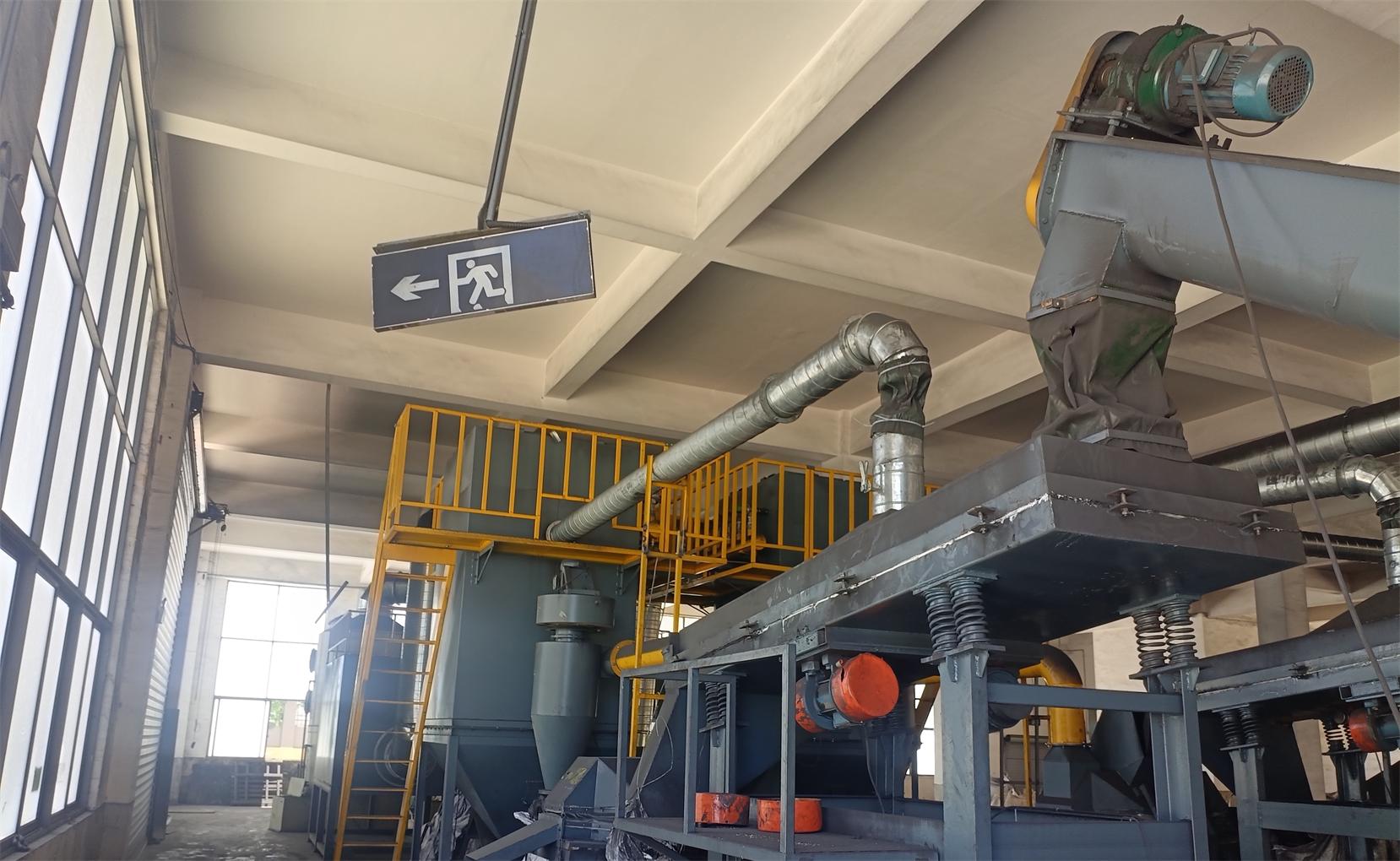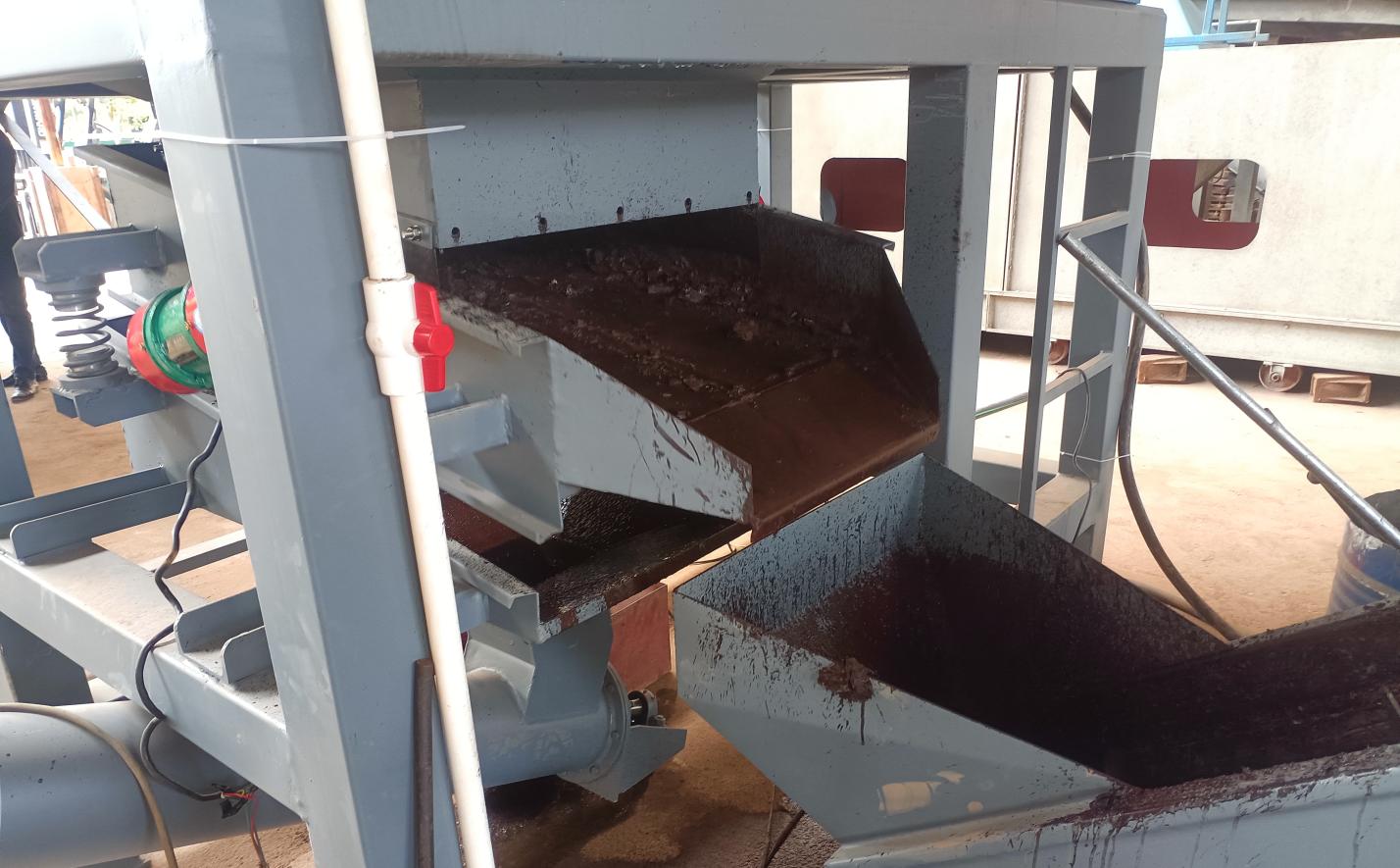
If you’ve ever walked through a lead acid battery recycling facility, you’ve probably heard the hum of heavy machinery and caught glimpses of glowing furnaces. At the center of all that activity is the lead refiner—a machine that turns scrap lead, like the grids and paste from old batteries, into pure, reusable metal. But how does this workhorse actually function? And more importantly, how do you keep it running efficiently for years? Let’s dive in, step by step.
Why Lead Refiners Matter in Battery Recycling
First, let’s get why lead refiners are non-negotiable. When we talk about lead acid battery recycling, we’re not just collecting old batteries and tossing them in a bin. The process involves breaking down the battery, separating the lead components (grids, paste, and terminals), and then purifying that lead to meet industry standards. That’s where the lead refiner comes in. It takes the “dirty” lead from the recycling line and cleans it up, removing impurities like sulfur, antimony, and dirt. Without a well-functioning refiner, the recycled lead would be too contaminated to reuse in new batteries, defeating the whole purpose of recycling.
Think of it like a coffee filter, but for metal. You wouldn’t drink coffee with grounds floating in it, right? Similarly, manufacturers can’t use impure lead in new batteries—it would weaken the battery’s performance and lifespan. So, the lead refiner isn’t just another machine in the lineup; it’s the quality control gatekeeper.
Key Components of a Lead Refiner
Now, let’s pop the hood and look at the parts that make a lead refiner work. While designs can vary slightly between models, most refiners share these core components. We’ll focus on the ones you’ll interact with most and need to maintain regularly.
1. Paste Reduction Furnace
If the lead refiner had a heart, this would be it. The paste reduction furnace (sometimes called a “reverb furnace” or “rotary furnace”) is where the magic starts. Remember that lead paste we mentioned earlier? It’s a mix of lead oxide, sulfate, and other compounds. The furnace uses high heat (around 1,000°C/1,832°F) and a reducing agent (like coke or charcoal) to break down those compounds, turning the paste into molten lead metal.
Here’s how it works in plain terms: The furnace has a large, tilted drum or hearth that rotates slowly. As the paste and reducing agent mix inside, the heat causes a chemical reaction—think of it like burning off the “bad stuff” and leaving the pure lead behind. The molten lead then flows out through a spout, ready for the next step.
Key parts to note: The furnace lining (made of heat-resistant bricks to withstand high temps), the burner system (which heats the furnace), and the temperature control panel (to keep the heat steady—too hot, and you’ll waste energy; too cold, and the reaction won’t complete).
2. Filter Press
After the furnace, the molten lead isn’t quite ready. It still has tiny impurities floating around—bits of dirt, leftover paste, or slag (the glassy byproduct of melting metal). That’s where the filter press comes in. Think of it as a super-powered strainer, but instead of using gravity, it uses hydraulic pressure to squeeze the molten lead through a series of cloth filters.
The filter press is a stack of rectangular plates, each with a porous filter cloth. The molten lead is pumped into the space between the plates, and the pressure pushes it through the cloth. The impurities get trapped in the cloth, while the clean lead flows out the other side. Over time, those filters get clogged, so they need regular checks—more on that later.
3. Air Pollution Control System
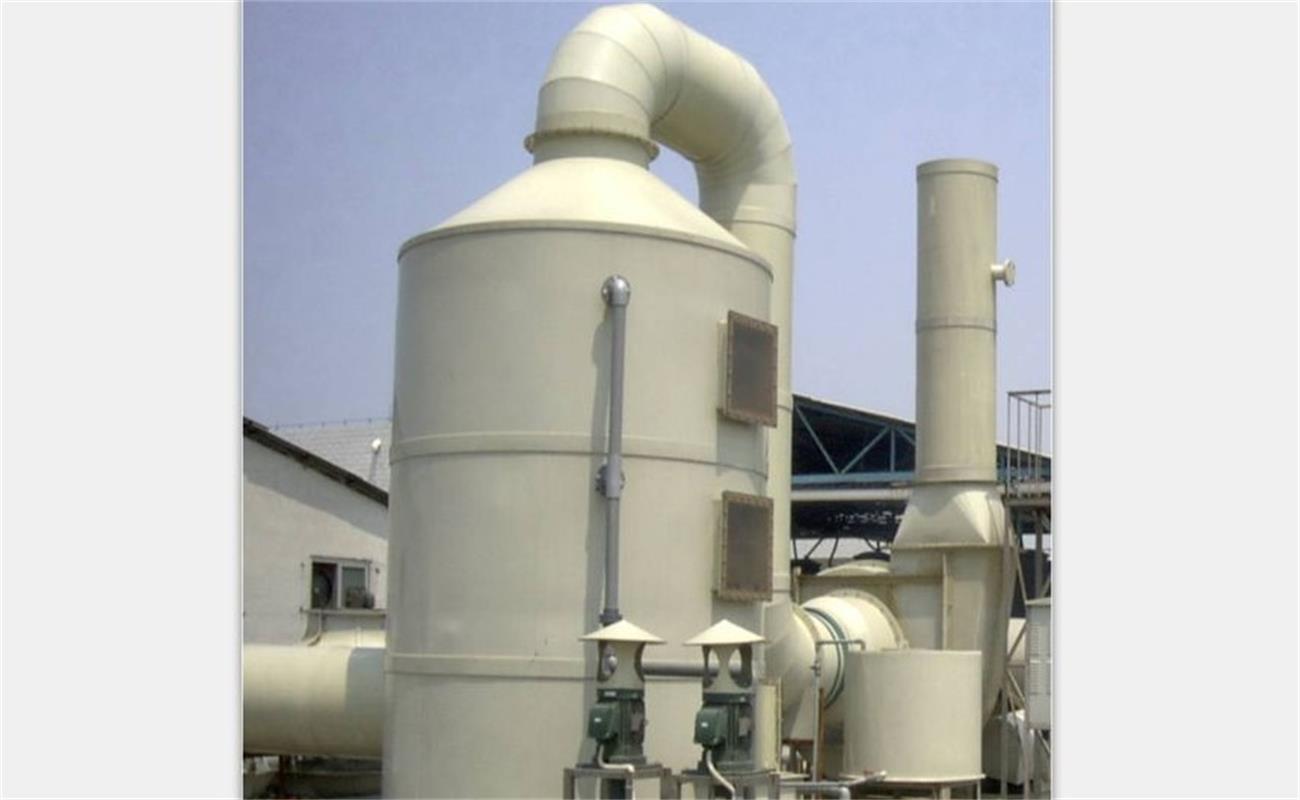
Let’s be real: Melting lead and burning reducing agents creates fumes—some of which aren’t great for the air or the people working nearby. That’s why every lead refiner worth its salt has an air pollution control system (APCS). This isn’t just a “nice-to-have”; it’s legally required in most places to meet environmental standards.
The APCS typically has three main parts: a hood that collects fumes right at the furnace, a dust collector (like a baghouse or cyclone) that traps solid particles, and a scrubber that uses water or chemicals to neutralize harmful gases (like sulfur dioxide). Some systems also have an activated carbon filter to catch any remaining volatile compounds. The goal? To make sure the air leaving the facility is clean enough to breathe.
4. Cooling and Casting Unit
Once the lead is filtered, it’s still molten—too hot to handle. The cooling and casting unit takes that liquid lead and turns it into solid ingots (those rectangular blocks you see stacked in warehouses). This unit usually has a water-cooled mold or conveyor belt that carries the molten lead, letting it cool and harden as it moves. Some systems even have a trimmer to smooth the edges of the ingots, making them easier to stack and transport.
How to Maintain Your Lead Refiner: A Practical Guide
Now that we know what makes the refiner tick, let’s talk about keeping it ticking. Maintenance isn’t just about fixing things when they break—it’s about preventing breakdowns in the first place. A well-maintained refiner runs more efficiently, produces purer lead, and lasts longer. Let’s break it down by component.
Maintaining the Paste Reduction Furnace
The furnace takes a beating—high heat, corrosive fumes, and constant rotation. Here’s how to keep it in shape:
- Daily Checks: Start by inspecting the furnace lining. Look for cracks or chips in the refractory bricks—if you see any, patch them immediately with high-temperature mortar. Cracks can let heat escape, making the furnace less efficient, and if they get worse, molten lead could leak out (not good!). Also, check the burner flames—they should be blue with a steady roar. Yellow or flickering flames mean incomplete combustion, which wastes fuel and creates more pollution.
- Weekly Tasks: Clean out the ash and slag from the furnace bottom. Over time, these byproducts build up and can insulate the furnace, making it harder to reach the right temperature. Use a long-handled scraper (wear heat-resistant gloves!) and dispose of the ash properly (check local regulations—some slags are hazardous). Also, test the temperature control panel: set it to a target temp and see if the furnace actually reaches it. If there’s a lag, the thermocouple (the sensor that measures temp) might need calibrating or replacing.
- Monthly Deep Dive: Inspect the drive system if your furnace rotates. Check the gears, belts, and bearings for wear or looseness. Add lubricant to moving parts—use a high-temperature grease, since regular oil will burn off. Also, check the refractory lining thickness with a depth gauge. Most linings last 6–12 months with heavy use; if they’re thinner than 5cm (2 inches), plan for a full replacement during a scheduled shutdown.
Taking Care of the Filter Press
The filter press is all about those filters—keep them clean, and it works like a charm. Ignore them, and you’ll get slow lead flow and dirty metal.
- Daily Quick-Clean: After each shift, open the filter press and brush off the filter cloths with a soft-bristled brush. This removes surface impurities before they harden. If you notice a cloth is torn or has holes, replace it right away—even a small hole can let impurities through.
- Weekly Inspection: Check the hydraulic system that closes the press plates. The pressure gauge should read between 8–12 bar (116–174 psi) during operation. If it drops below 8 bar, there might be a leak in the hoses or a worn seal. Tighten connections first; if that doesn’t work, replace the seal or hose. Also, inspect the cloths for wear—look for thinning areas or discoloration (stains that won’t brush off mean the cloth is clogged and needs cleaning with a mild detergent solution).
- Monthly Overhaul: replace all filter cloths every 3–6 months, even if they look okay. Over time, the cloth fibers break down, and they’ll start letting fine particles through. While you’re at it, clean the press plates with a wire brush to remove any dried lead residue—this ensures a tight seal when the plates are closed.
Keeping the Air Pollution Control System (APCS) Running Clean
A faulty APCS isn’t just an environmental risk—it can get your facility fined or shut down. Here’s how to keep it compliant:
- Daily Sound Check: Listen to the APCS fans. They should hum steadily—grinding or rattling noises mean a loose part or worn bearing. Also, check the dust collector hopper: if it’s overflowing with ash, empty it immediately. A full hopper can block airflow, reducing the system’s efficiency.
- Weekly Filter Check: If your APCS uses baghouse filters (the most common type), inspect them for tears or clogs. You can do a “light test”—hold a flashlight behind the filter; if you see light spots, the bag is torn. replace torn bags and use a reverse-air pulse to clean clogged ones (most systems have an automatic pulse cleaner, but manual cleaning might be needed if they’re really dirty).
- Monthly Scrubber Service: If your system has a wet scrubber (the part that uses water to clean gases), drain and refill the water tank. Over time, chemicals and solids build up in the water, making it less effective. Also, check the nozzles that spray water into the scrubber—clogged nozzles reduce water flow, so soak them in vinegar overnight to dissolve mineral deposits.
Cooling and Casting Unit Upkeep
This unit is simpler than the others, but still needs love to avoid ingot defects (like cracks or uneven cooling).
- Daily Water Check: If your mold is water-cooled, check the water flow rate. Low flow can cause the mold to overheat, leading to warped ingots. Clean the water filters to remove sediment—clogged filters reduce flow. Also, inspect the conveyor belt (if you have one) for fraying or loose bolts; tighten or replace as needed.
- Weekly Mold Cleaning: After the unit cools down, wipe the mold surfaces with a cloth dampened in mineral spirits. This removes lead residue that can stick to the next batch of ingots, causing rough edges. If the mold has scratches, sand them gently with fine-grit sandpaper to keep ingots smooth.
Maintenance Schedule at a Glance
| Component | Maintenance Frequency | Key Tasks | Why It Matters |
|---|---|---|---|
| Paste Reduction Furnace | Daily | Inspect refractory bricks, check burner flames | Prevents heat loss and leaks |
| Filter Press | Daily | Brush filter cloths, replace torn cloths | Ensures clean lead flow |
| Air Pollution Control System | Daily | Empty dust hopper, listen for fan issues | Keeps emissions compliant |
| Furnace Drive System | Monthly | Lubricate gears/bearings, check lining thickness | Extends furnace lifespan |
| Filter Press Hydraulics | Weekly | Check pressure, inspect hoses for leaks | Maintains proper filtration pressure |
| Cooling Water System | Daily | Check flow rate, clean filters | Prevents mold overheating |
Troubleshooting Common Issues
Even with great maintenance, problems pop up. Here’s how to fix the most common headaches:
Problem: Furnace won’t reach target temperature
Why: Dirty burner nozzles, cracked refractory, or a faulty thermocouple. Fix: Clean the burner nozzles with a wire brush, patch small brick cracks, or replace the thermocouple (they cost $20–$50 and take 10 minutes to swap).
Problem: Filter press takes too long to filter lead
Why: Clogged filter cloths or low hydraulic pressure. Fix: replace cloths (don’t just clean—if they’re 3+ months old, they’re worn out) or check the hydraulic pump for leaks (tighten connections or replace O-rings).
Problem: APCS emits visible smoke
Why: Clogged dust collector bags or empty scrubber chemicals. Fix: replace the bags or refill the scrubber with fresh absorbent (like activated carbon or lime).
Problem: Ingots have cracks
Why: Uneven cooling (water flow too low) or mold is dirty. Fix: Clean the water filter to increase flow, or polish the mold with sandpaper to remove residue.
Wrapping It Up: Maintenance = Money Saved
At the end of the day, maintaining your lead refiner isn’t just about avoiding breakdowns—it’s about keeping your recycling operation profitable. A well-maintained refiner uses less energy, produces higher-quality lead (which sells for more), and lasts longer, so you don’t have to buy a new one every few years. Plus, regular checks mean you catch small issues before they turn into big, expensive repairs (think: a $50 thermocouple vs. a $10,000 furnace rebuild).
And let’s not forget the human factor: A smoothly running machine is safer for your team. No one wants to deal with leaks, fumes, or unexpected shutdowns. So, grab that maintenance checklist, set calendar reminders for weekly tasks, and make it part of your team’s daily routine. Your refiner (and your bottom line) will thank you.
Now, go give that paste reduction furnace a quick once-over—we’ll wait.