How These Powerhouse Machines Are Shaping Modern Manufacturing
The Unsung Hero of Industrial Manufacturing
You probably don't give it much thought, but hydraulic presses are the quiet workhorses behind countless everyday products. From that shiny new car part to the frame of your smartphone, these machines apply crushing force with astonishing precision - all thanks to simple fluid dynamics. But don't let the basic principle fool you; today's hydraulic presses are sophisticated pieces of technology that have transformed manufacturing across industries.
The beauty of a hydraulic press lies in its simplicity: by harnessing Pascal's Law, it creates massive force multiplication. Give it a modest input force, and it outputs industrial-strength pressure capable of molding metals like clay. This isn't just about brute strength though - modern CNC-controlled systems deliver finesse down to micrometer precision.
What started as steam-powered punching machines in the 19th century has evolved into computer-guided marvels. Early manufacturers quickly realized that manually hammering metal was inefficient compared to the controlled power of hydraulics. When Joseph Bramah patented the hydraulic press in 1795, he couldn't have imagined that over two centuries later, we'd be using variations of his design to build everything from aircraft to smartphones.
Industrial Transformers: Applications Across Sectors
Automotive Manufacturing
Ever wondered how car hoods get that perfect curve? Hydraulic forming presses apply calculated pressure to shape sheet metal with consistent precision across thousands of parts. For engine components like connecting rods, specialized forging presses create incredibly strong parts by compressing heated metal ingots. What's especially valuable is how these systems handle modern lightweight materials - aluminum and carbon fiber composites need controlled, gradual pressure that hydraulic presses deliver flawlessly.
Aerospace Engineering
In an industry where every gram counts and failures are catastrophic, hydraulic presses produce mission-critical components from titanium blades to wing brackets. You'll find 50,000-ton giants molding entire aircraft wing sections, while smaller models craft turbine parts needing microscopic precision. What's remarkable is how these presses handle exotic aerospace alloys without cracking them - applying pressure in controlled sequences that manual methods couldn't dream of achieving.
Electronics Production
Your smartphone has likely kissed a hydraulic press. These machines assemble circuit boards with calibrated pressure that solders microcomponents without damaging them - something human hands couldn't dream of. For casings and frames, they stamp precisely dimensioned metal and plastic parts where a fraction of a millimeter makes all the difference. What's fascinating is how specialized compact models work under clean-room conditions, pressing components so tiny you'd need a microscope to see them properly.
Scrap Metal Recycling
Imagine turning a junkyard mountain into tidy bricks. Recycling plants use giant hydraulic compactors that squash cars, appliances, and metal debris into dense, stackable bundles. Why bother? Transporting loose scrap costs up to five times more than compressed blocks. These mega-presses also separate materials for efficient sorting - crushing car bodies while automatically ejecting non-metallic components like glass and plastics. It's messy work, but hydraulic power makes it orderly and economically viable.
The Technology Leap: Hydraulic Press Innovations
The hydraulic press hasn't stayed stuck in the Industrial Revolution. Modern versions have undergone quiet revolutions that make them more efficient and precise. Today's best models integrate servo-hydraulic technology that slashes energy use by matching output to need - no more running pumps at full throttle just to sit idle. You can practically feel the difference: traditional models constantly hum and whir, while new versions operate almost silently when not actively forming parts.
| Innovation | Impact | Industry Adoption |
|---|---|---|
| Smart Controls | Touchscreen interfaces with pressure profiling | Widespread across automotive and precision manufacturing |
| Hybrid Systems | 60% energy savings by optimizing pump operation | Growing in high-volume production facilities |
| Precision Feedback | Microsecond adjustments achieving 0.001mm precision | Aerospace and medical device manufacturing |
| Predictive Maintenance | AI-driven alerts before component failure | Top-tier automotive and consumer electronics plants |
These advances come with hidden benefits beyond just precision. Digital controls have turned complex recipes into one-button operations - operators now manage settings that once required engineering degrees. Meanwhile, modular designs let manufacturers swap press components like Lego blocks when upgrading, avoiding full replacements that once caused production downtime. When combined with IoT sensors tracking everything from hydraulic fluid purity to component stress, today's presses virtually maintain themselves.
Workhorses with Personality: Common Hydraulic Press Designs
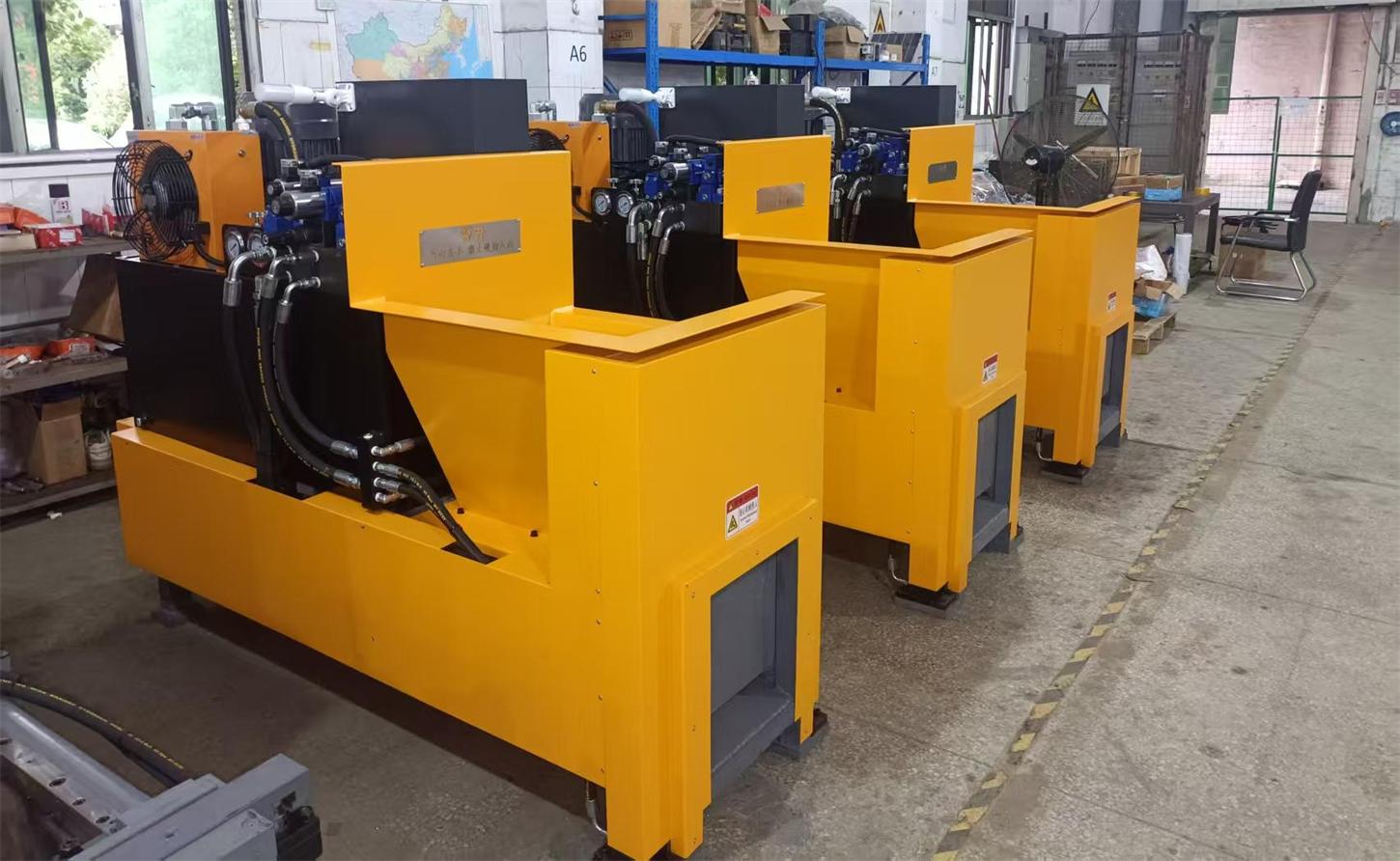
Not all presses look alike or act the same. Walk through any industrial plant and you'll encounter several distinctive personalities:
H-Frame Presses
The workshop favorite: their open front design makes material handling a breeze - no more awkward crane angles. You'll typically find them punching blanks or bending smaller parts where easy access matters. Operators love their simple controls and stable operation. Their only quirk? Limited tonnage means they can't handle giant jobs, but for light assembly work, they're perfect companions.
C-Frame Presses
Space savers with attitude: these lean machines fit where others can't, bringing hydraulic power to cramped assembly lines. Perfect for delicate electronics assembly tasks that require front access - think sliding circuit boards into position while the press gently applies pressure. Don't let their small footprint fool you - many pack surprising force into their compact frames.
Where Brute Strength Meets Precision
Looking ahead, hydraulic technology won't disappear - it's evolving. Emerging developments focus on minimizing environmental impact with biodegradable hydraulic fluids that perform as well as petroleum-based equivalents. We're also seeing smart material integration that could be revolutionary: Imagine self-monitoring presses where frame materials relay stress data instead of needing external sensors.
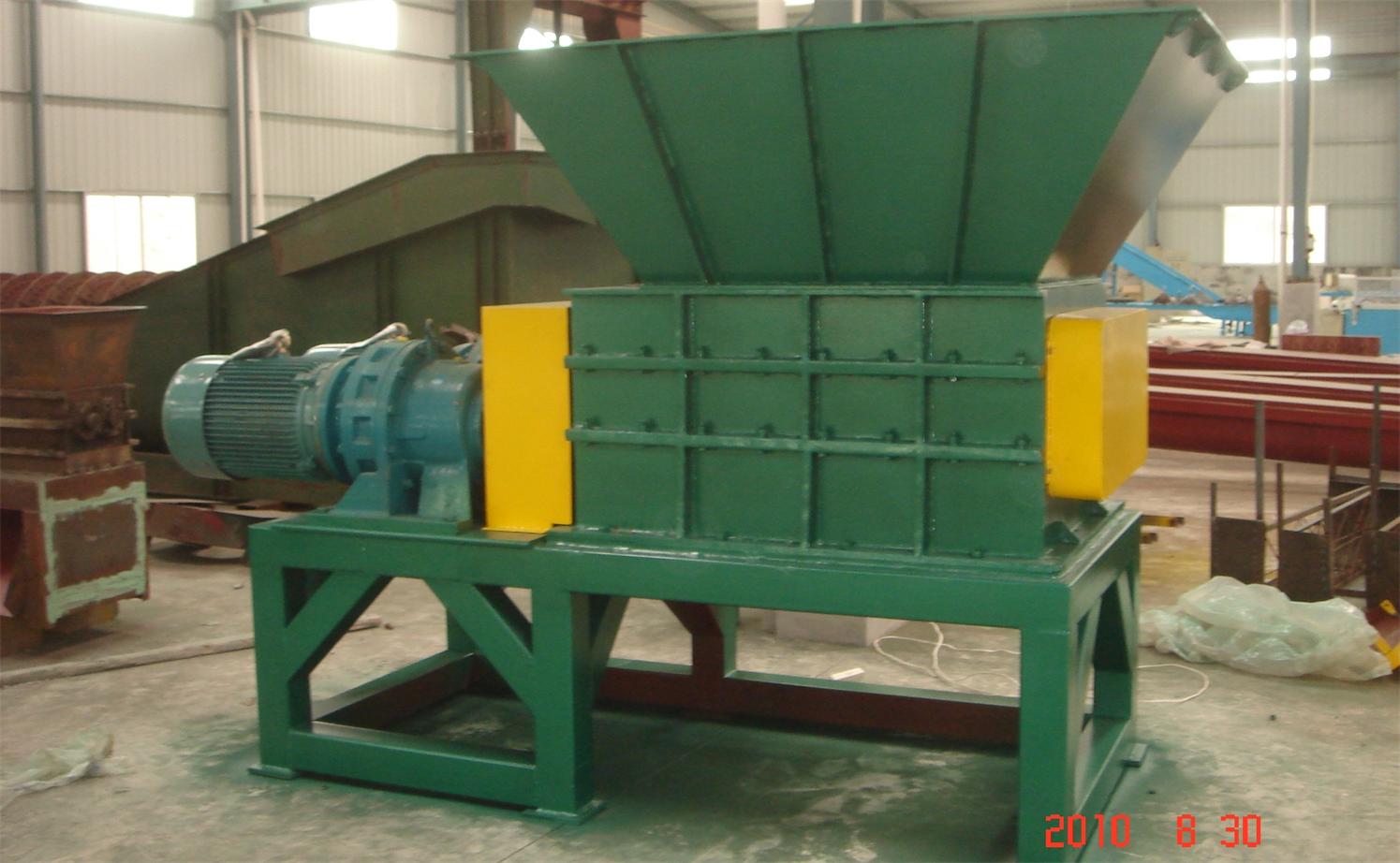
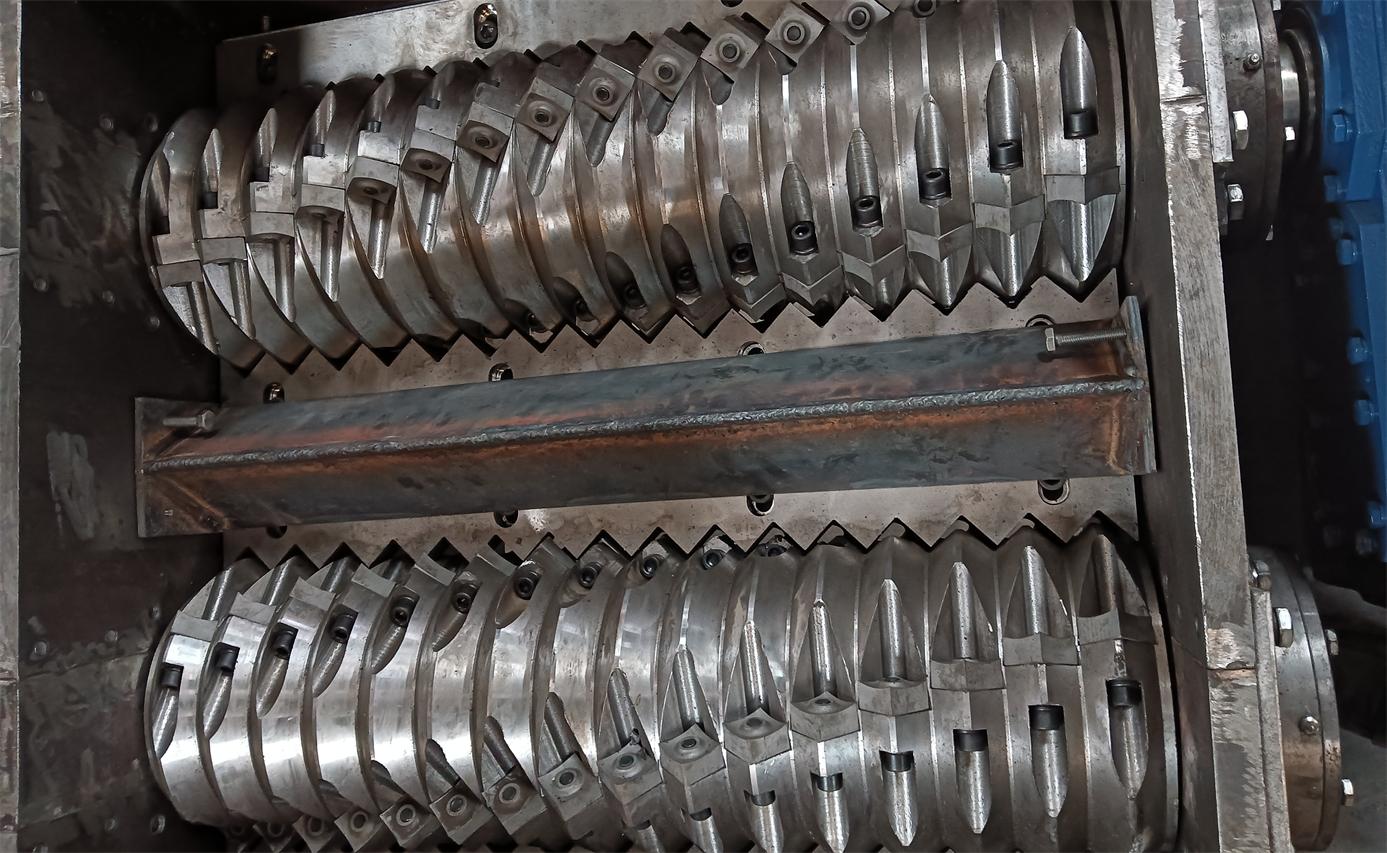
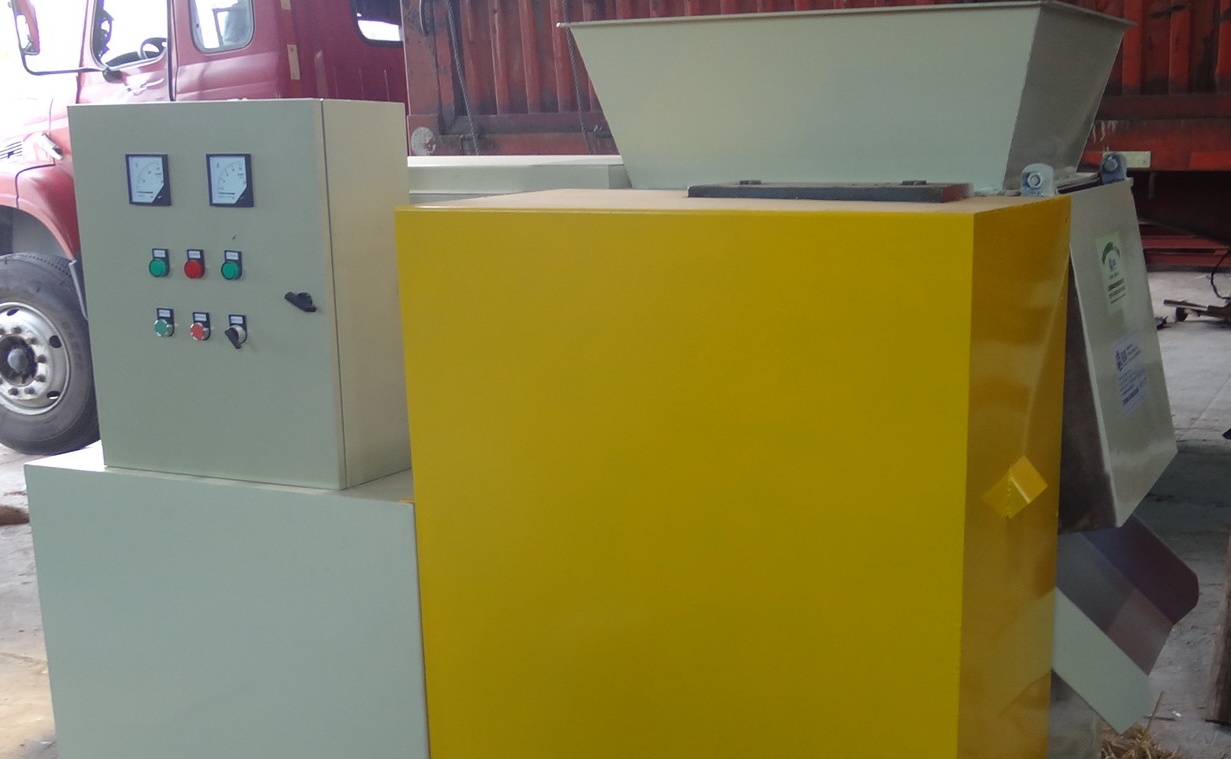
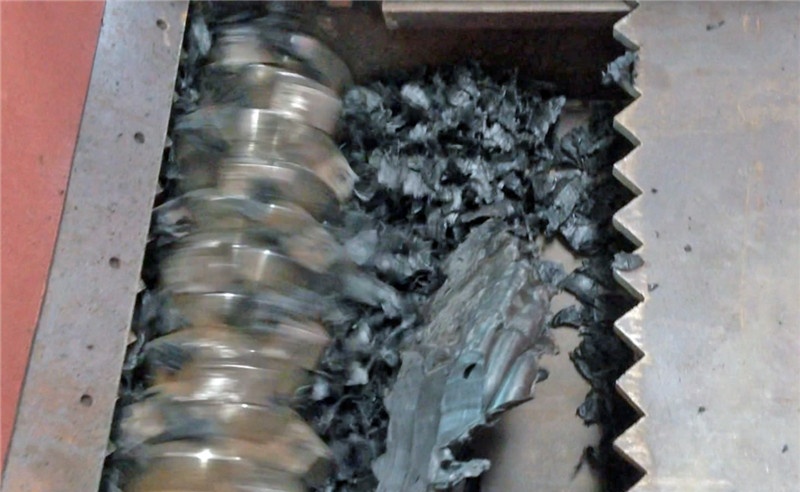
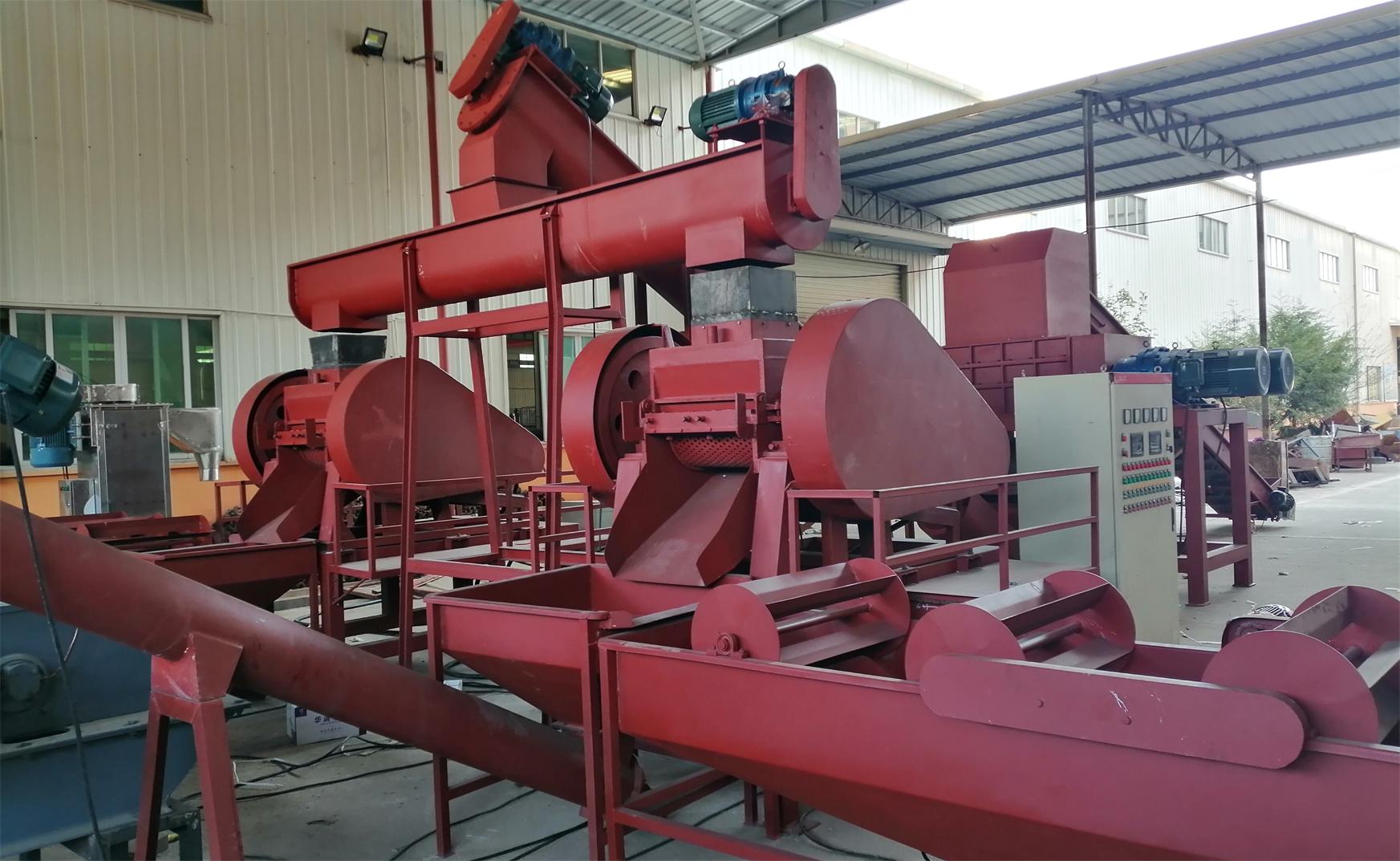
The future feels tactile too. Advanced models now give operators responsive physical feedback through controls - you literally feel the resistance change as pressure mounts. And for specialized tasks like battery recycling equipment, hydraulic shredding systems can precisely separate materials in ways crushers never could. This level of control makes shredder recycling equipment more efficient than ever.
What started as industrial muscle has become a precisely tuned artist - transforming raw materials with scientific finesse. The quiet chug of hydraulics in factories worldwide continues to reshape how we build everything from microchips to skyscrapers. As demands for both strength and precision keep growing, hydraulic presses won't just endure – they'll lead the way, one calculated compression at a time.