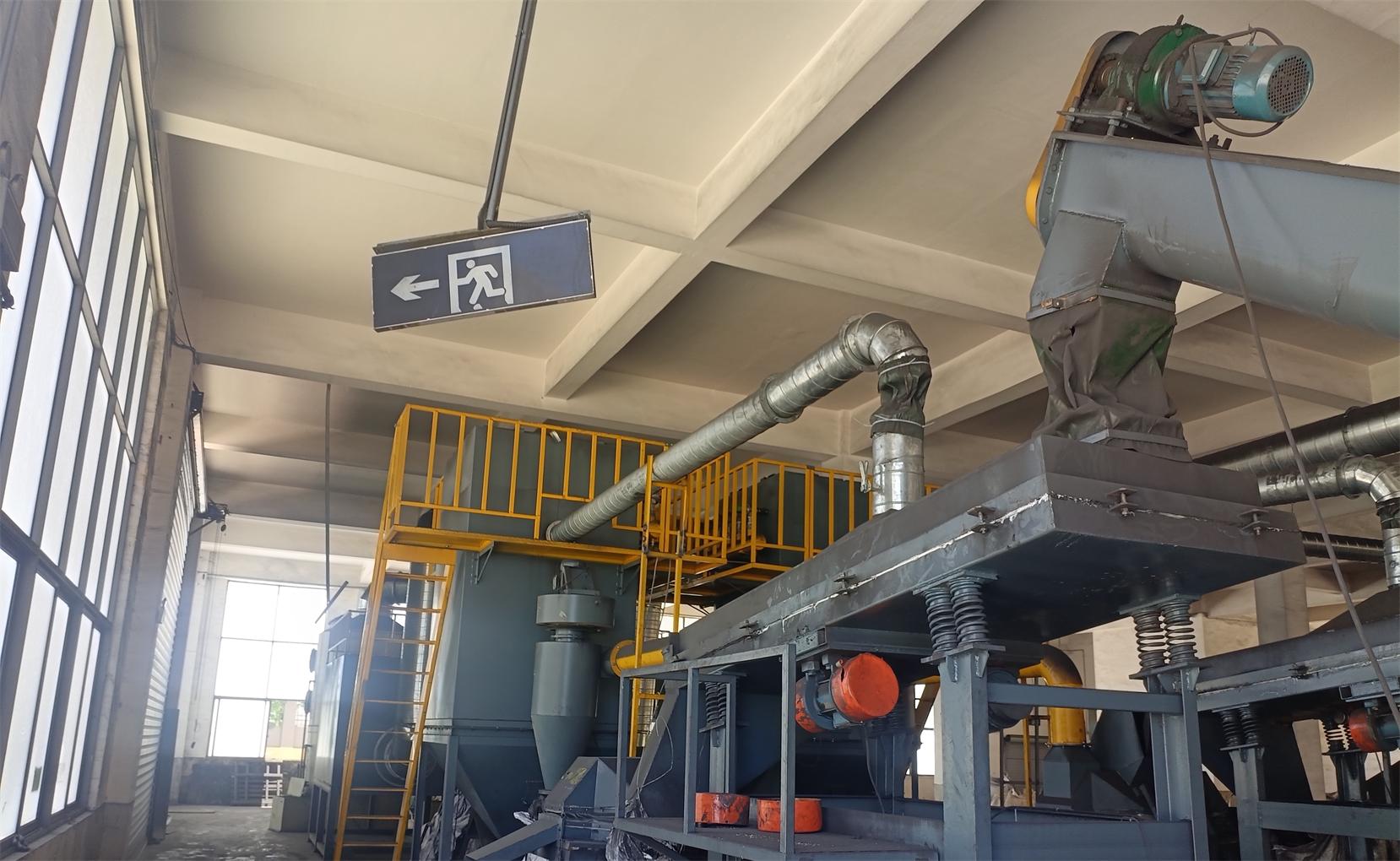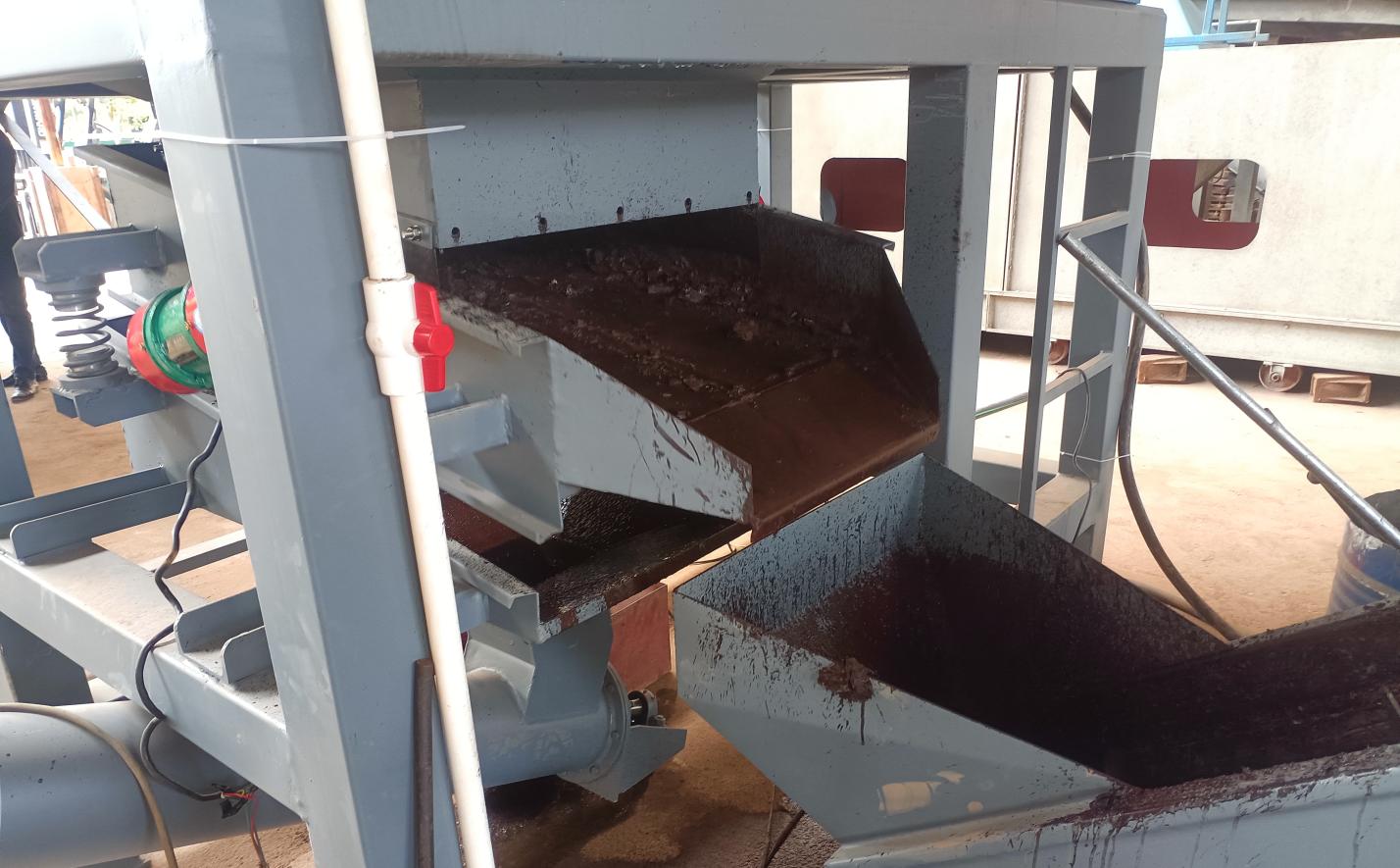
Walking through a metal foundry today feels like stepping between two worlds. In one corner, you've got workers carefully monitoring crucibles, squinting against the glare of molten metal, sweat glistening on their brows. In another, robotic arms are silently feeding furnaces with perfect precision, while digital dashboards display real-time analytics. This dance between human craftsmanship and machine intelligence defines our modern metal melting landscape – a journey we're going to explore together.
The Crossroads of Tradition and Technology
Metal melting isn't just about turning solids into liquids. It's a high-stakes balancing act that decides product quality, worker safety, and your bottom line. I've seen enough foundry operations to know that clinging to manual methods isn't just nostalgic – it's increasingly costly. But jumping blindly into automation isn't the answer either. That's why we need to map out this territory carefully.
Think back to traditional melting operations. Remember how operators had to judge temperature by color? How about that nerve-wracking moment pouring molten metal? Humans are amazingly adaptable, but we're inconsistent and vulnerable to harsh environments. Automation isn't replacing that human touch – it's protecting it by handling extreme conditions where humans shouldn't be.
The Robotic Revolution: More Than Just Metal Movers
Smart Robotic Applications
Robots in metal melting do more than lift and pour. They've evolved into intelligent components that actually improve your process:
• Load optimization systems that calculate exact charge weights using machine vision
• Melt monitoring bots that "taste" metal composition using spectroscopy
• AI prediction models that adjust melting profiles based on material inconsistencies
• Collaborative robots that work alongside human technicians
The game changer? Sensor integration. Imagine robotic arms with heat-sensitive "skin" that detects thermal inconsistencies humans would miss. Or laser probes scanning melt surfaces with millimeter precision. We're talking about systems that don't just automate tasks – they think about metal characteristics and make micro-decisions every second.
Flexibility has skyrocketed too. The same robotic cell that handles nickel-based superalloys at noon can switch to copper alloys at 2PM. Programming has become so intuitive that retooling for new jobs takes minutes instead of weeks. Your industrial melting furnace becomes a multi-talented performer rather than a one-trick pony.
Control Systems: The Digital Nervous System
Behind every advanced furnace is a command center that would impress NASA engineers. Modern control systems do more than turn knobs – they build digital twins of your entire melting operation. Picture this:
Real-time visualization of temperature gradients throughout the melt pool – seeing not just surface temperature, but variations four inches down. Smart algorithms that adjust power levels when material impurities exceed thresholds. Predictive maintenance features that identify failing components before they break.
Beyond Monitoring: Smart Optimization
The latest systems don't just watch – they optimize. Energy mapping tools identify thermal leaks you didn't know existed. Material tracking integrates with your ERP to calculate the most cost-effective melt recipes. Emissions monitoring automatically adjusts burners to stay within environmental compliance. This isn't automation for automation's sake – it's automation that pays its own way through smarter operations.
Energy & Sustainability: Greening the Foundry
This is where automation truly shines. We've moved beyond energy conservation to true energy intelligence. Consider the facts:
• Smart scheduling that aligns melt cycles with off-peak electricity rates can cut energy costs by 18-25%
• Precision control reduces fuel consumption by 15-30% compared to manual operations
• Closed-loop recovery systems capture waste heat for preheating charge materials
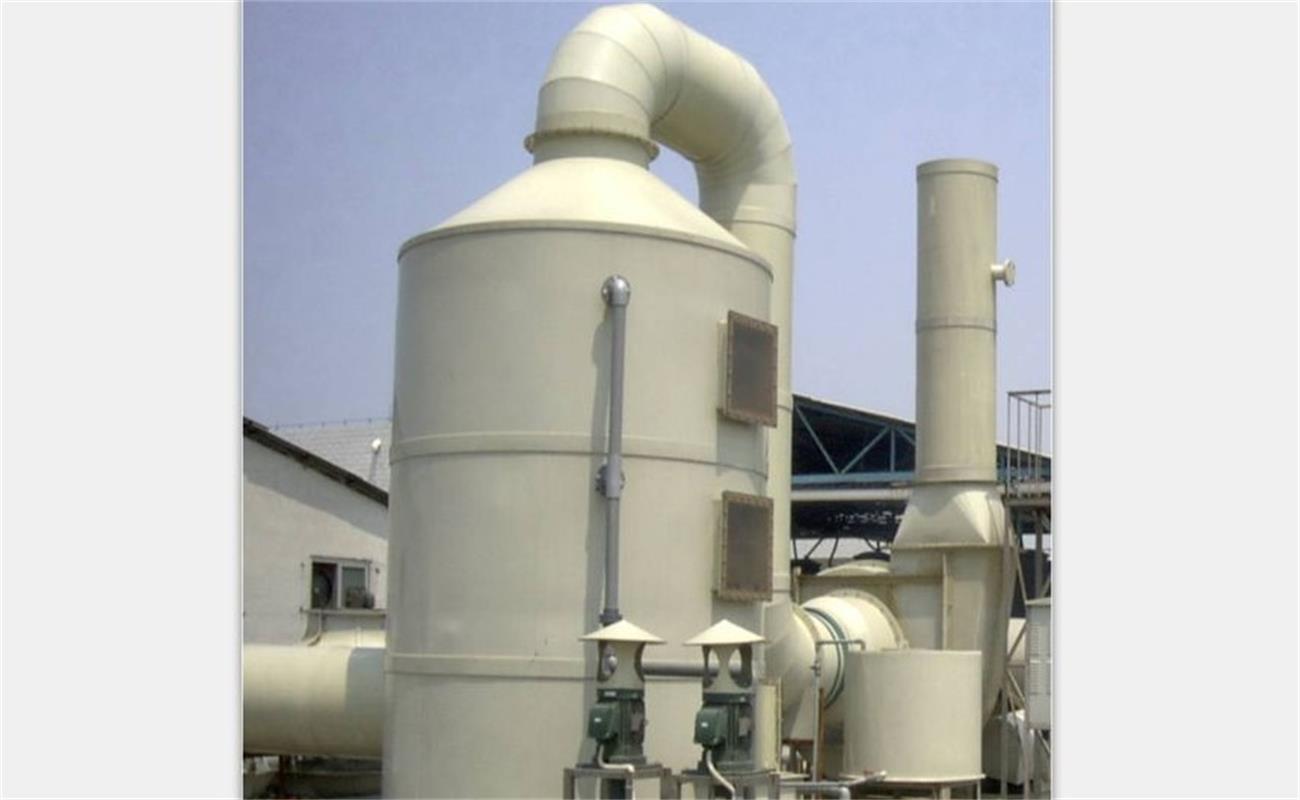
The environmental wins are just as impressive. Automated scrubbers maintain peak efficiency without operator intervention. Emissions mapping pinpoints problem areas for targeted reduction. Scrap sorting automation increases recycling rates by 40-60%. Automation doesn't just save money – it's the foundry's fastest path to carbon neutrality.
The Hidden Sustainability Perks
Beyond energy savings, automation delivers sustainability wins you might not expect. Precise melt control reduces oxidation losses, preserving valuable material. Accurate alloying minimizes expensive remelts. Even reduced physical footprints matter as automated systems require less floor space than manual operations. These integrated benefits make modern melting operations both economically and environmentally smarter.
Transforming Workplaces: Safer, Better Jobs
We've all seen those dramatic videos: sparks flying, molten metal pouring, workers in protective gear – the foundry's intense visual signature. Automation isn't sanitizing this environment; it's making human work within it smarter and safer.
The numbers speak volumes:
• Automated ladle systems reduce pouring accidents by 93%
• Robotic charging eliminates the #1 cause of furnace-related injuries
• Remote monitoring reduces heat stress exposure by 85%
But what I find more telling is how job roles are evolving. Instead of dangerous, repetitive tasks, workers now oversee complex systems, analyze performance data, and optimize processes. This shift isn't about replacing humans – it's about elevating their role to more valuable, less hazardous work.
The Automation Journey: Mapping Your Path
Transforming your melting operation doesn't happen overnight. Here's how smart foundries approach it:
Level 0 (Manual) : Humans doing all charging, temperature monitoring, alloying and pouring. Equipment is controlled by manual switches.
Level 1 (Assisted) : Sensors assist with measurements but humans still make adjustments. Mechanized loading assists manual operations. Temperature sensors send alerts but require human response.
Level 2 (Partial Automation) : Systems automate loading and set temperatures but need human supervision. Robotic arms handle specific hazardous tasks. Automated scales control charge inputs.
Level 3 (Conditional Automation) : Furnaces self-monitor and adjust within parameters. Automated material handling between stations. Operators remain for quality checks and exceptions.
Level 4 (High Automation) : Complete melt cycle automation with self-correction. Humans set parameters but intervention is rare. Integrated quality assurance systems.
Level 5 (Full Automation) : AI-driven "lights out" operation possible. Self-optimizing systems that learn from each melt. Predictive maintenance prevents unexpected downtime.
The Future is Melting... Smarter
The automated foundry of tomorrow isn't just faster – it's profoundly more intelligent. We're moving toward systems that remember past melts to optimize new ones, anticipate equipment failures before they occur, and automatically adjust for material variations. Smart sensors will evolve from monitors to active process participants. Integration between melting and downstream processes will become seamless.
But perhaps the most exciting development is the democratization of this technology. What once required massive industrial investments is now accessible to small and mid-sized foundries through modular, scalable systems. The automation journey isn't an all-or-nothing proposition – each step pays for the next through energy savings, quality improvements, and waste reduction.
The molten metal will keep flowing. The question is – what's flowing alongside it: perspiration, uncertainty and inconsistency, or data-driven intelligence? When your furnace doesn't just melt metal but thinks about how to do it better, you've reached the true promise of automation.