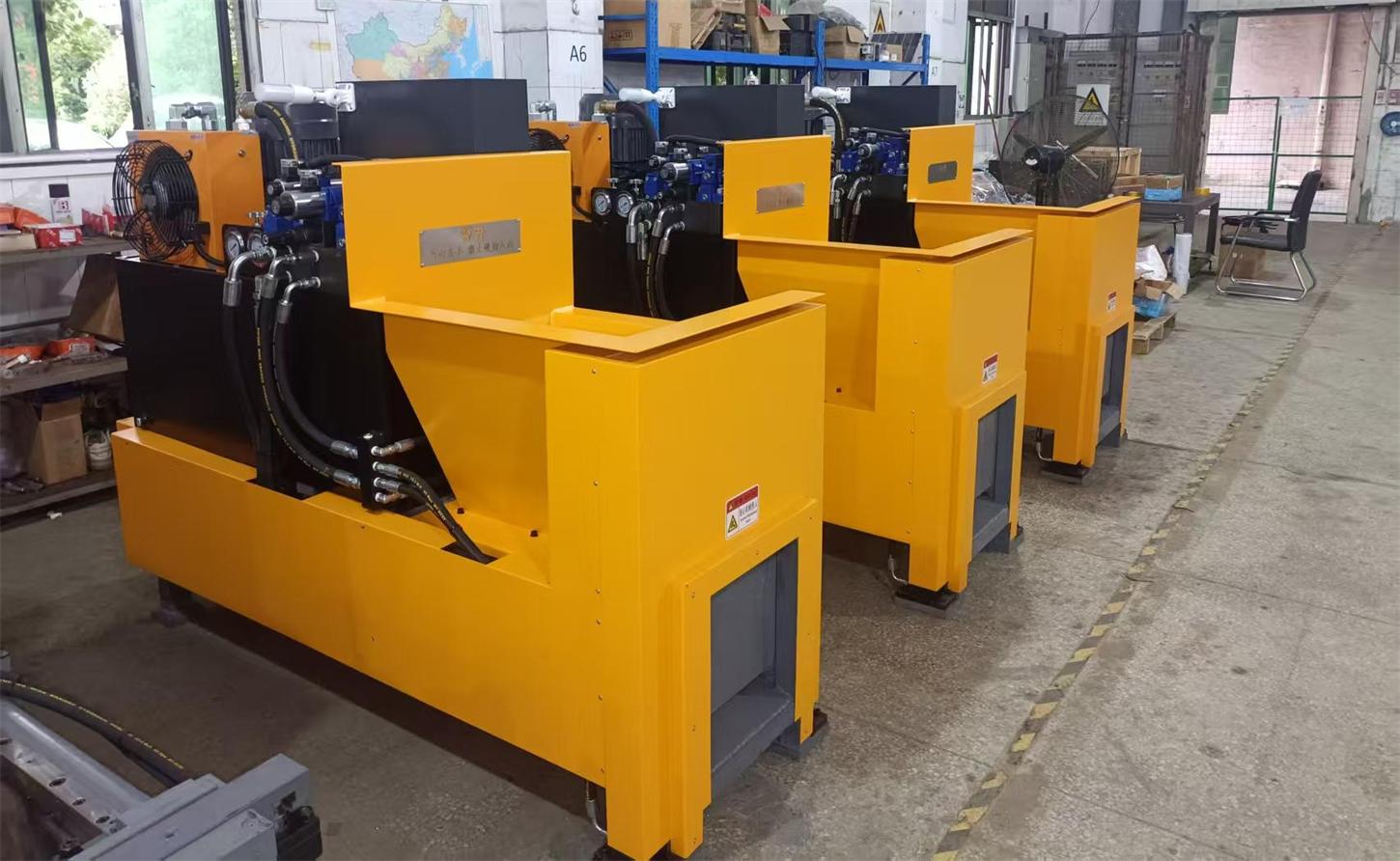
Ever wonder how complex metal shapes in your car, airplane, or smartphone are made? Meet hydraulic press forming, the unsung hero of modern manufacturing. Picture a giant press silently crunching metal like Play-Doh, but with surgeon-like precision. That's hydraulic forming in action.
What Makes Hydraulic Presses Tick
Let's start with the genius of Blaise Pascal, who figured out something amazing about liquids centuries ago. His discovery? Squeeze liquid in a small space, and it pushes back everywhere equally. That's Pascal's Law, and it's the secret sauce behind hydraulic presses.
It's like when you step on a balloon – the pressure shows up everywhere. But instead of popping, we get perfectly formed engine parts. Pretty neat trick, right?
The magic happens between two chambers:
• The Plunger:
Think of this as your thumb pressing a syringe
• The Ram:
The powerful piston that does the heavy lifting
Why Manufacturers Love Hydraulic Presses
Imagine trying to crush a soda can with your hands. Now imagine crushing it with the force of twenty cars stacked together. That's the muscle hydraulic presses bring to the table. Here's why factories can't get enough of them:
Weight-Watchers for Metal: These presses are the ultimate diet plan for car parts. A typical engine bracket sheds 20-40% of its weight – like swapping out a bowling ball for a tennis ball. Even better for complex parts where weight reductions hit 50%.
The Simplicity Advantage: Remember those matryoshka stacking dolls? Stamped parts often need 6 separate pieces and molds. Hydraulic presses? They're more like a single magic mold creating finished parts in one go. Less fuss, fewer moving parts.
Muscle Meets Grace: Hydraulic presses are like ballet dancers lifting weights. Need delicate curves on a car hood? Got it. Need massive force to shape turbine blades? They've got you covered. The controls respond like you're steering with your fingertips.
Where Hydraulic Presses Shine
From cars to coffee machines, hydraulic forming is everywhere you look:
On the Road: Open your car's hood – those precisely curved brackets holding your engine? Yup, hydraulic formed. Your radiator mounts? Made stronger while using less material. Smart stuff.
Up in the Air: Aircraft designers live by the "less weight, more flight" motto. Hydraulic forming creates feather-light airplane ribs and fuselage panels. And when your hydraulic forming press handles advanced alloys, you get parts that laugh at turbulence.
In Your Gadgets: That sleek aluminum laptop body? Credit hydraulic presses. That curved phone chassis? Press-formed to perfection. Even ceramic phone sensors get their shape from specialized hydraulic molds.
The Hidden Challenges
It's not all smooth sailing though. Hydraulic presses have their quirks:
Need Regular Checkups: Like a car needing oil changes, hydraulic systems must be babied. A leaky seal isn't just messy – it can mean production downtime. Vigilance is the price of power.
Strong but Slow: While hydraulic presses pack a huge punch, they're not speed demons. Creating complex shapes takes time – it's a gourmet kitchen, not a fast food joint. For simple items made by the thousands? Sometimes traditional stampers win the race.
Sticker Shock: Buying a top-of-the-line hydraulic press can dent a budget. But manufacturers quickly recoup costs through material savings, reduced defects, and eliminated welding steps.
The Future is Fluid
The next generation of presses will blow your mind. Imagine:
•
Smart Presses:
With IoT sensors that predict maintenance issues before they happen
•
Hybrid Systems:
Combining hydraulic muscle with electric speed
•
Greener Fluids:
Using eco-friendly liquids instead of oil
And here's the kicker – as recycling technology advances, hydraulic presses will help transform old car parts and electronic scrap into premium raw materials. Talk about sustainable power!
Why This Matters
In our hyper-efficient manufacturing world, hydraulic forming presses are quiet revolutionaries. They deliver designer curves without wasting materials, creating stunning complex shapes that would have been impossible just decades ago. Whether it's reducing your car's weight (saving you gas money) or ensuring your phone's durability, this technology touches your daily life in dozens of invisible ways.
The beauty of hydraulic forming is how it bridges brute force and delicate finesse. That combination is reshaping manufacturing as we know it – quite literally one fluid-powered stroke at a time.