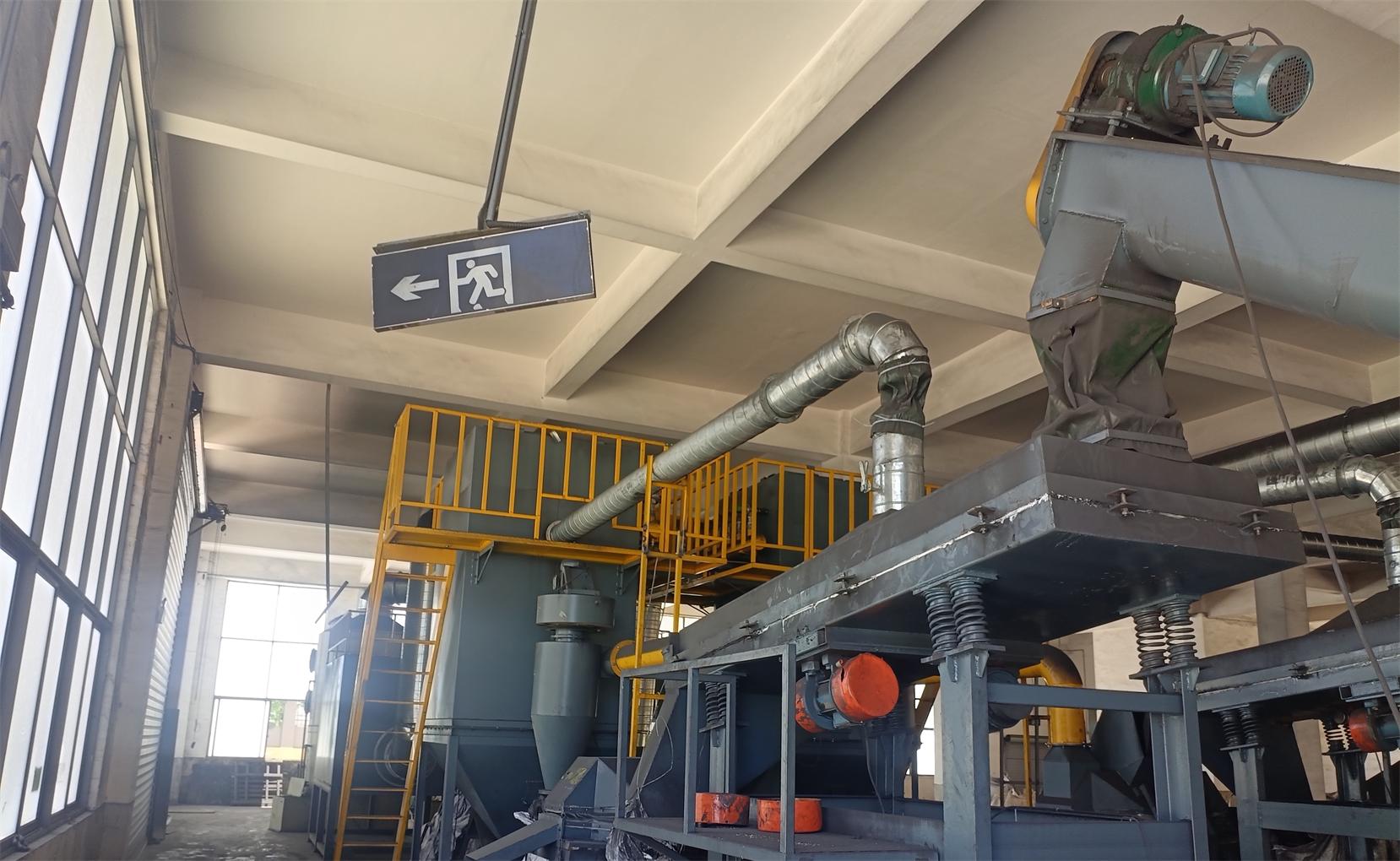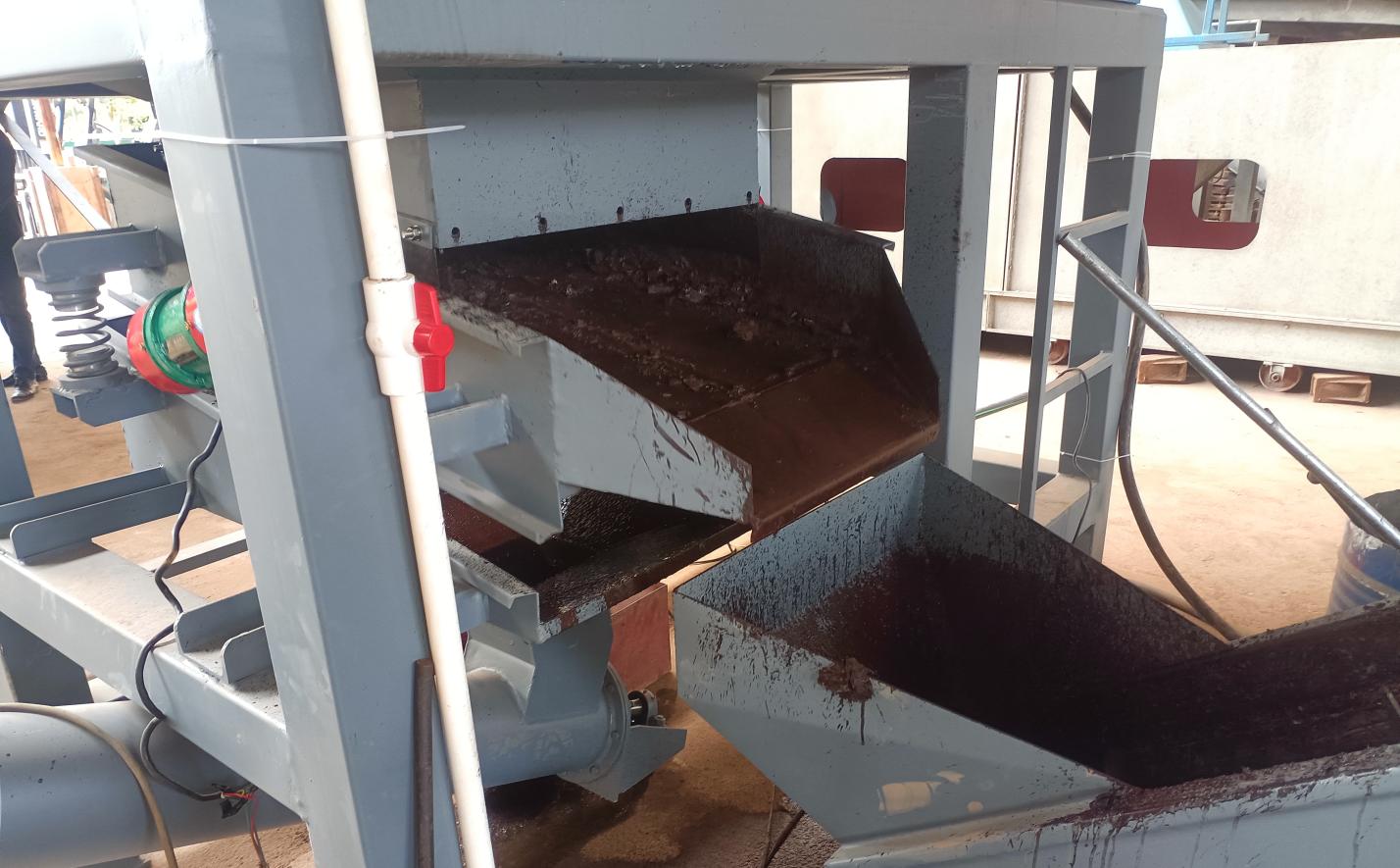
Electronic waste is one of the fastest-growing waste streams worldwide, and formal recycling facilities are under constant pressure to process larger volumes while meeting ever-stricter environmental regulations. Whether you are handling used lead-acid batteries, spent lithium-ion cells, discarded printed circuit boards, or scrap cables, investing in the right recycling equipment determines whether your operation remains compliant, profitable, and sustainable. This guide walks through the core equipment categories and explains what to look for when building or upgrading a recycling plant.
Why Professional Recycling Equipment Matters Now
Governments across Southeast Asia, Eastern Europe, the Middle East, and Latin America are tightening rules on electronic waste disposal. Traditional manual dismantling and open burning are being restricted or banned because they release toxic fumes and fail to capture valuable metals. Automated, enclosed recycling systems have become the only viable path for formal recycling plants that want to stay licensed and competitive.
The raw-material supply is abundant and stable. End-of-life vehicles, obsolete consumer electronics, industrial control panels, and telecommunications scrap all contain recoverable copper, aluminum, lead, nickel, cobalt, and precious metals. The challenge is extracting those materials safely and at high purity. That is where specialized machinery makes the difference.
Lead-Acid Battery Recycling: Closing the Lead Loop
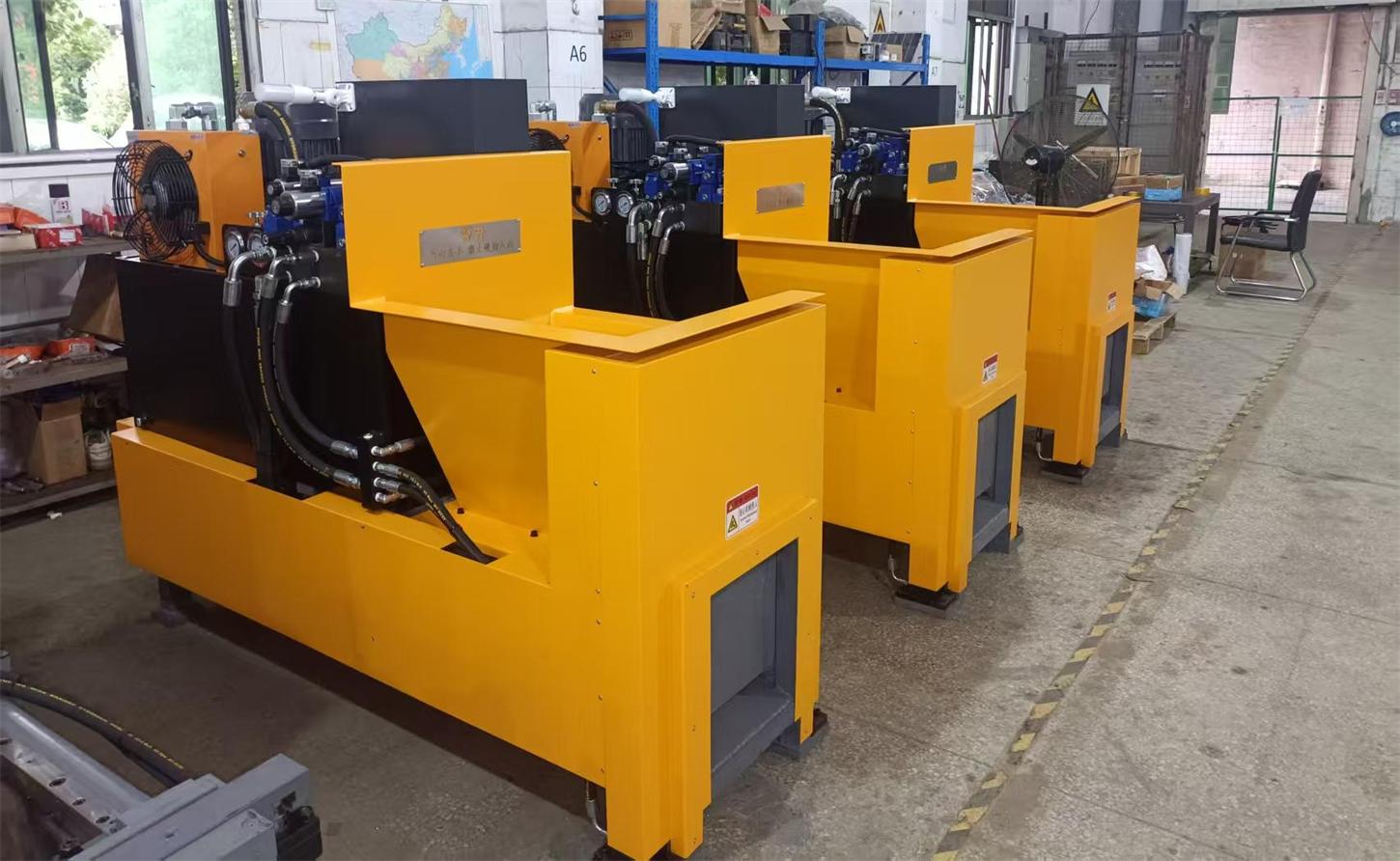
Used lead-acid batteries (ULAB) remain one of the most recycled consumer products globally because the lead and plastic they contain are highly reusable. A complete lead acid battery recycling equipment line typically starts with a hydraulic cutter that slices the battery open and drains the acid safely. The broken material then moves through a separation system that classifies lead paste, lead grids, PVC or PP plastic cases, and hard rubber.
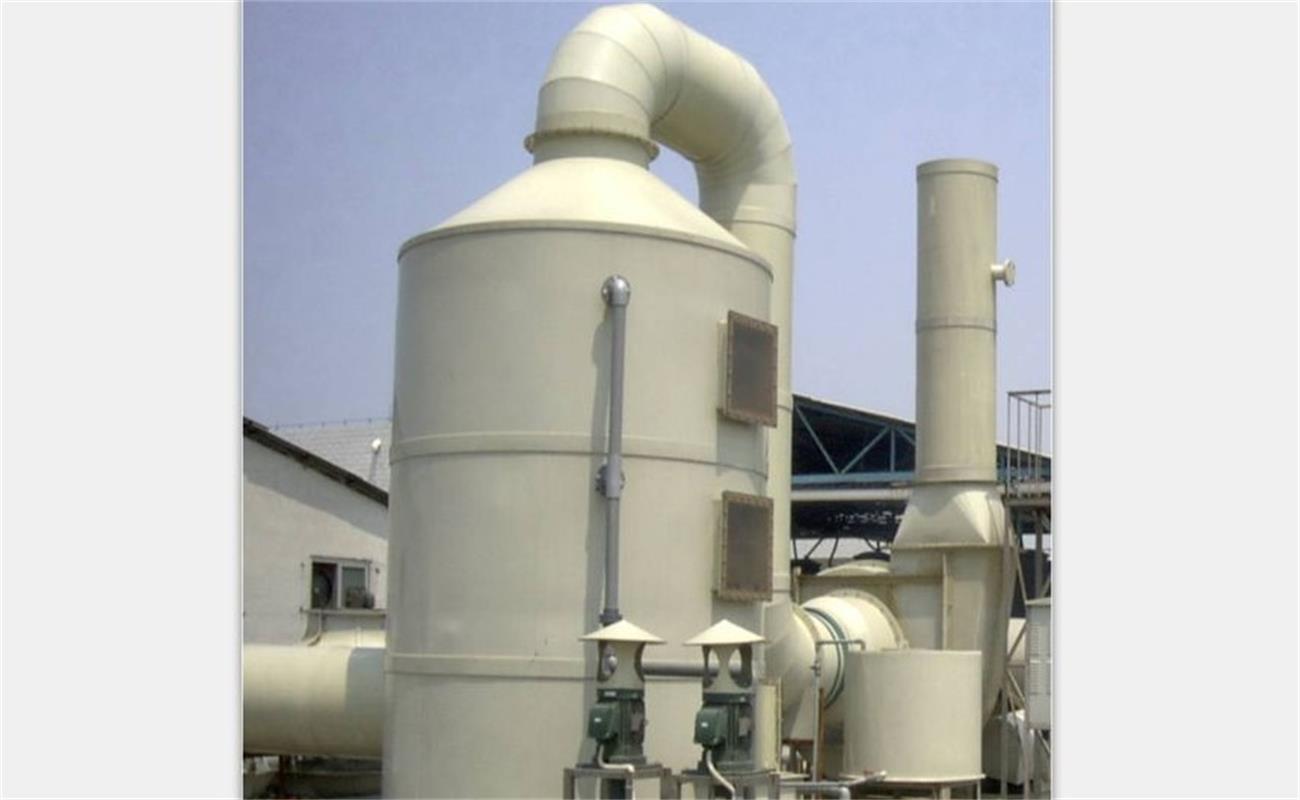
Modern breaking and separation plants handle between 1 and 10 metric tons per hour. After separation, the lead paste can be desulfurized to reduce melting temperature and sulfur-dioxide emissions, then smelted in a rotary furnace or blast furnace with recovery rates around 95 percent. Crude lead is subsequently refined in a kettle furnace to reach 99.999 percent purity, ready for resale to battery manufacturers or foundries. The entire line is normally paired with an air-pollution control system and a water-treatment plant so that exhaust gas and wastewater meet local environmental standards.
Lithium-Ion Battery Recycling: Capturing Critical Materials
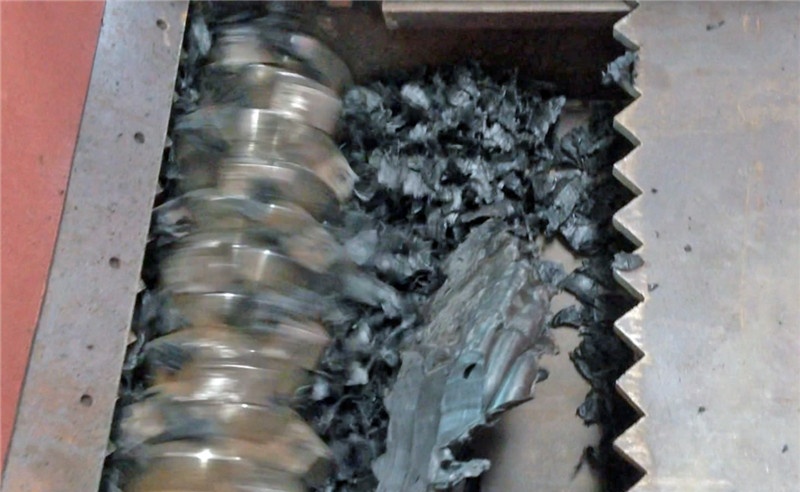
As electric vehicles and portable electronics proliferate, spent lithium-ion batteries represent both an environmental risk and a strategic resource. A well-designed li battery recycling equipment line discharges residual power, pre-crushes the cells, and then granulates them in an inert atmosphere to prevent thermal runaway. The resulting fractions include black mass containing nickel, cobalt, and graphite; copper foil; aluminum foil; and plastic separator film.
Capacities for commercial lithium battery recycling plants generally range from 500 to 2,500 kilograms per hour. Air-pollution control systems are essential because electrolyte decomposition can release fluorine-containing gases. Plastic film is often pneumatically conveyed to a hydraulic briquetter that compresses the material into dense blocks for easier transport. Because lithium battery chemistries vary widely, modular designs that allow capacity expansion or additional separation stages offer the greatest long-term flexibility.
Circuit Board Recycling: Recovering Copper and Precious Metals
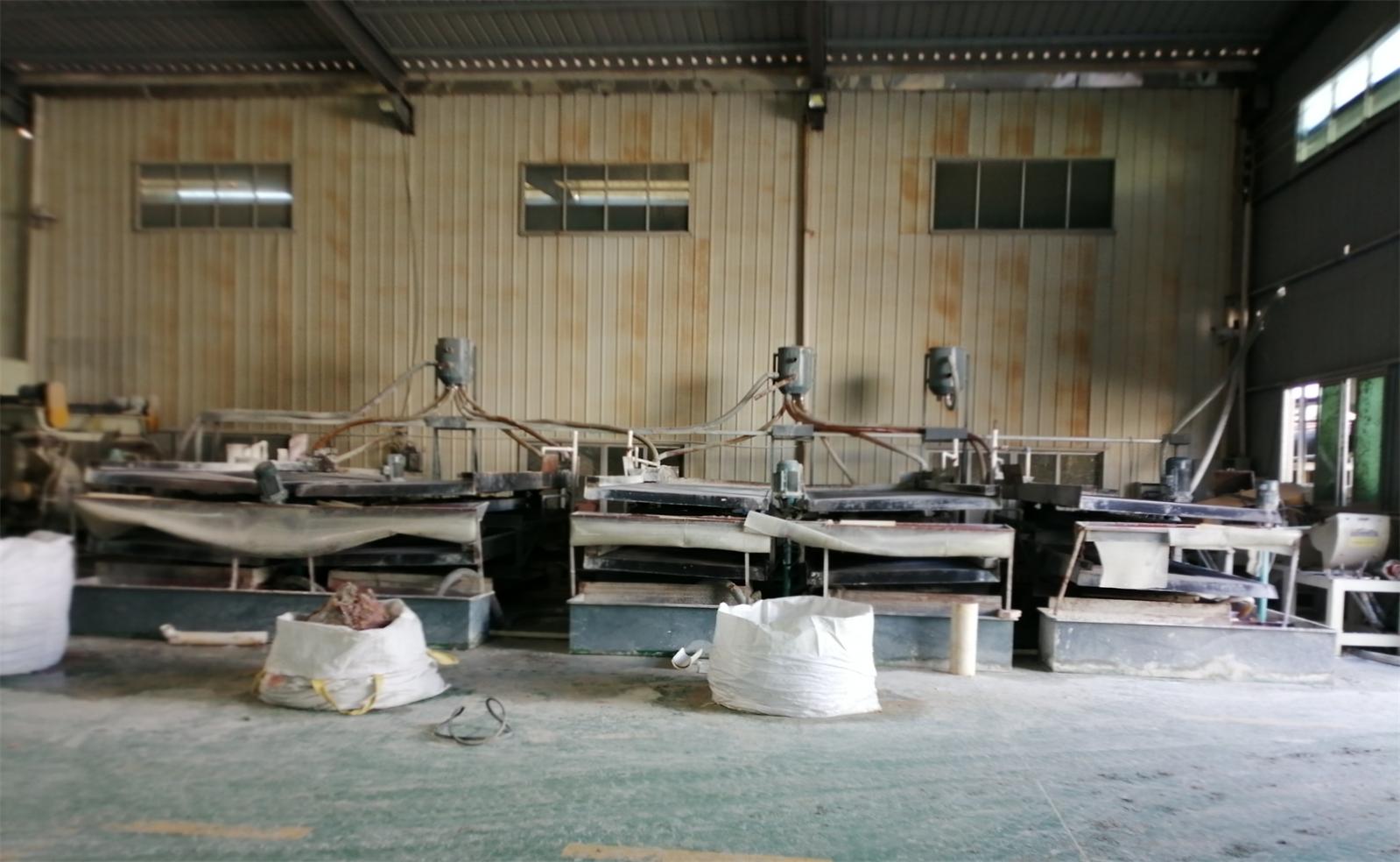
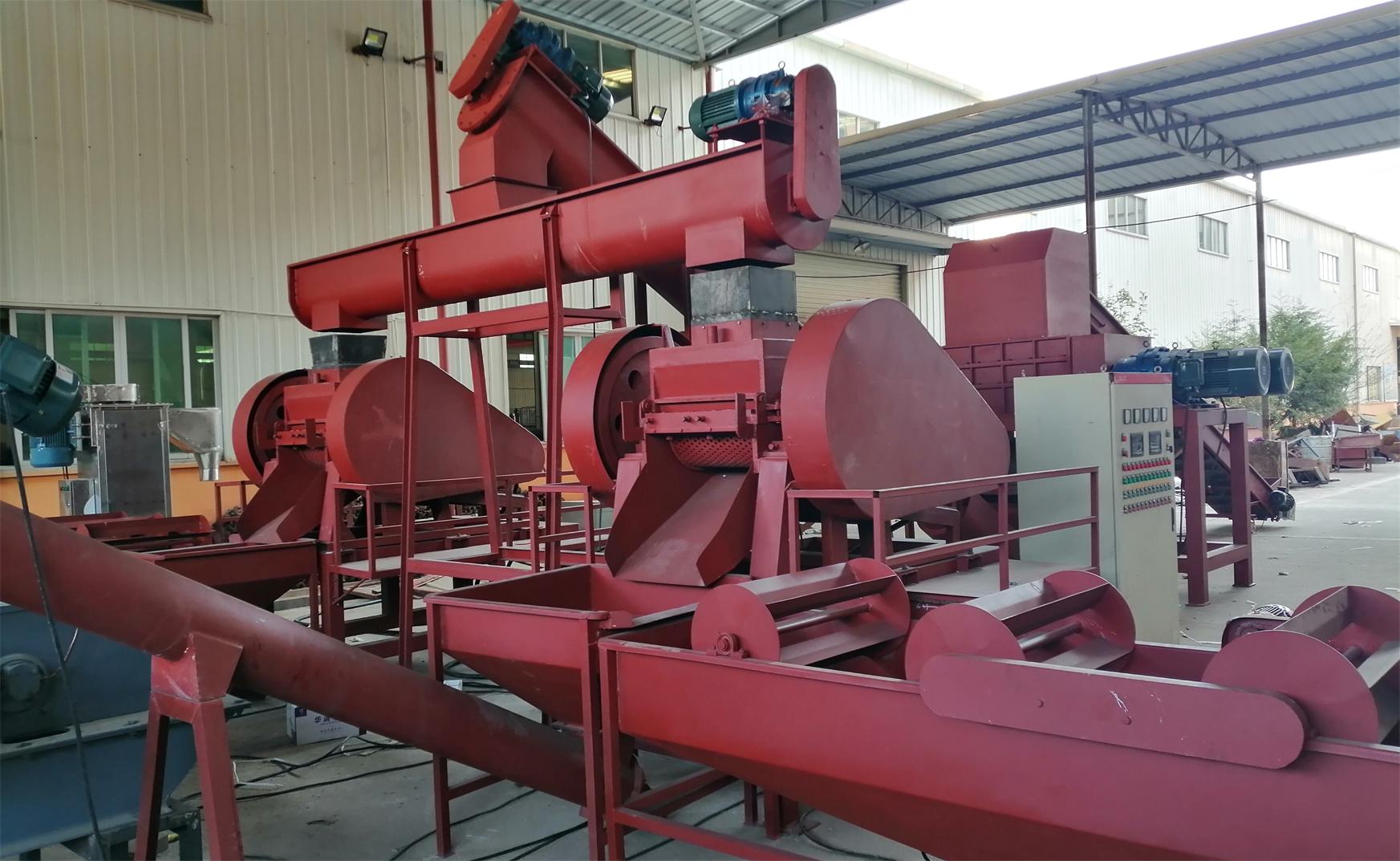
Printed circuit boards carry valuable copper laminates and trace amounts of gold, silver, and palladium. Circuit board recycling equipment uses either dry or wet physical separation to recover these metals without chemical leaching. Dry systems rely on shredding, air classification, electrostatic separation, and pulse-bag dust collection. Wet systems add water-based metal separation to achieve even higher purity.
Depending on the model, circuit board recycling plants process anywhere from 300 kilograms to 2,000 kilograms per hour. Copper powder purity typically reaches 96 to 98 percent, and overall recovery rates hover around 95 percent. Because dust control is critical, look for plants that include cyclone separators and pulse-jet dust collectors to keep the workplace clean and compliant.
Cable Recycling: Stripping and Granulating for Maximum Copper Yield
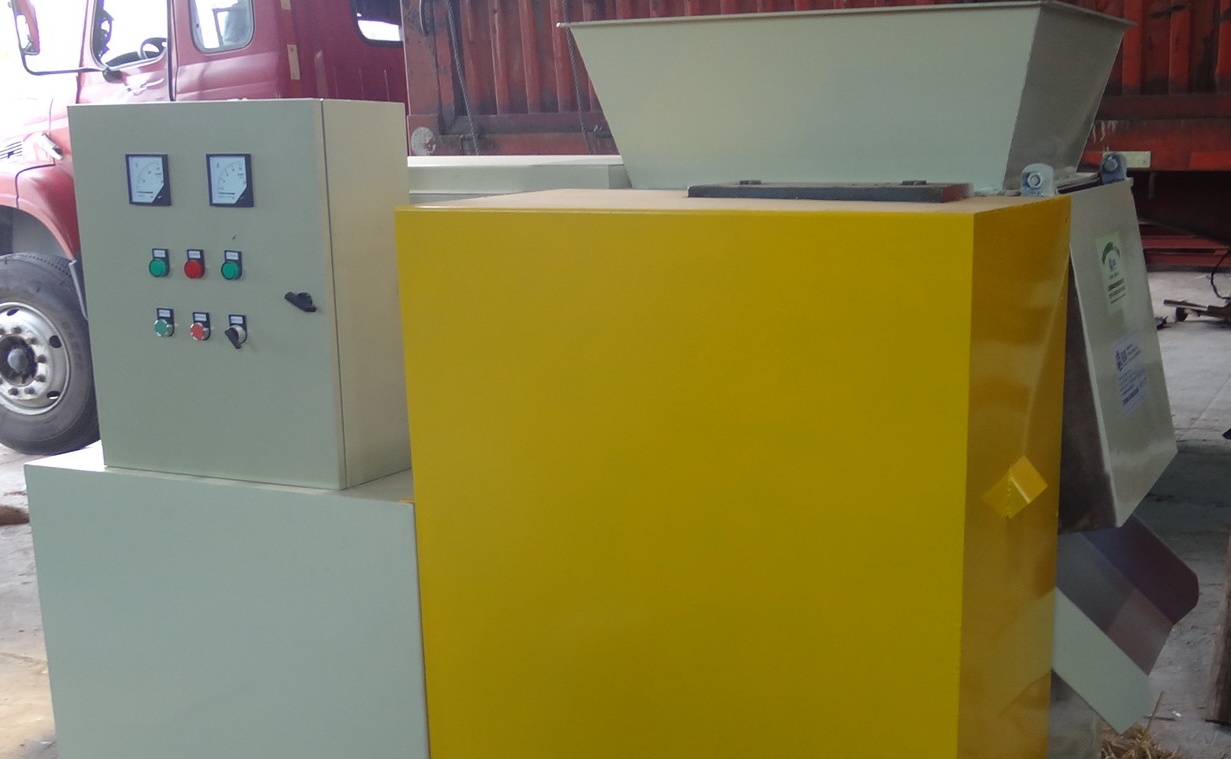
Scrap cables are among the simplest and most profitable e-waste fractions when the right equipment is used. For thick armored cables, a hydraulic scrap cable stripper removes the outer insulation before the material enters a granulator. For thinner wire, compact cable granulators with dry separators chop the cable and separate copper or aluminum from plastic in one pass.
Cable recycling lines are available in a wide capacity range, from small benchtop units suitable for scrap yards to large industrial plants processing thousands of kilograms per hour. The key performance indicators are separation purity and minimization of fine copper loss to the plastic fraction.
Key Insight: Many successful recycling businesses do not limit themselves to a single waste stream. A facility that handles both lithium batteries and circuit boards, for example, can balance seasonal fluctuations in feedstock and diversify revenue sources.
Beyond the Core: Shredders, Furnaces, and Auxiliary Systems
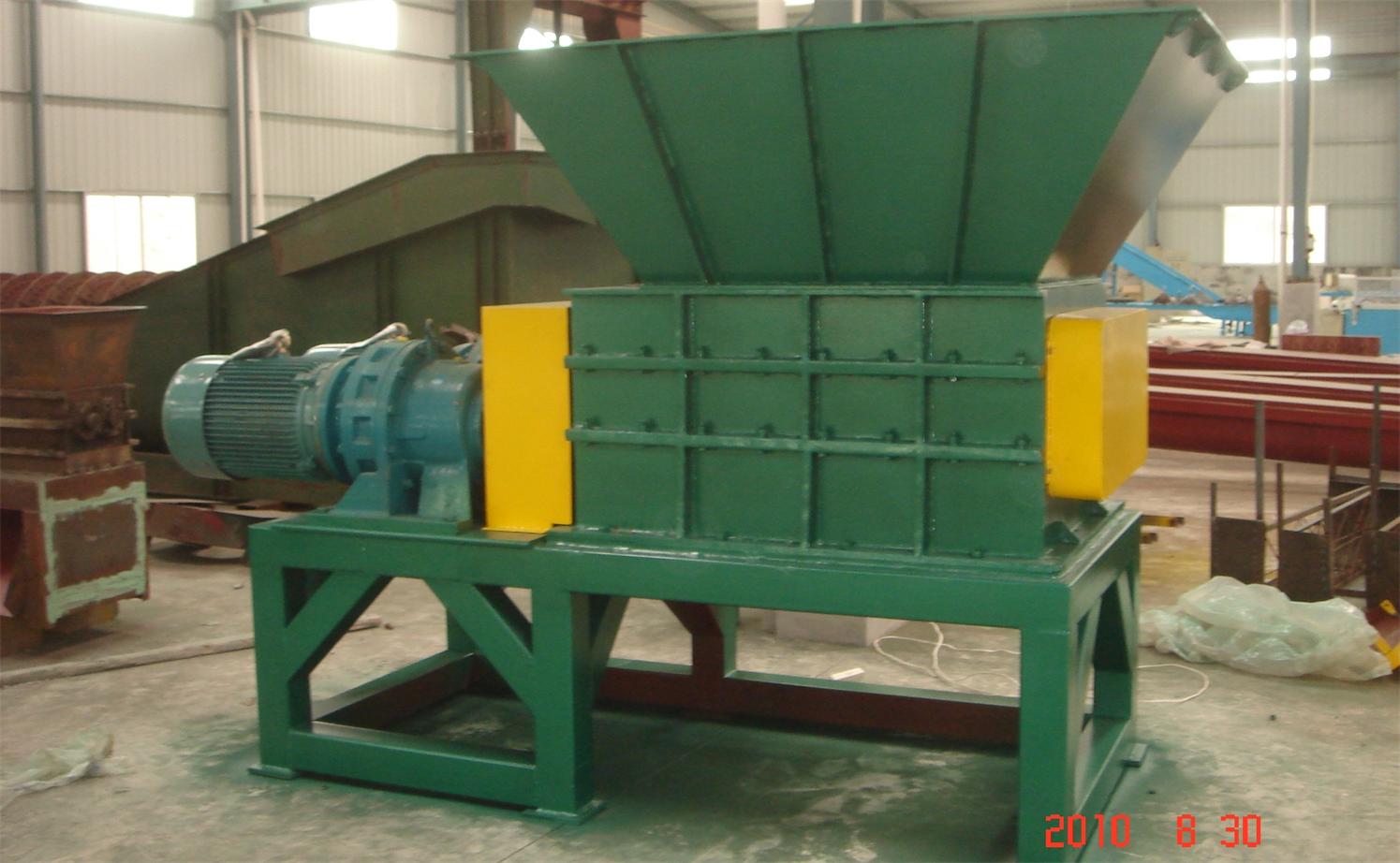
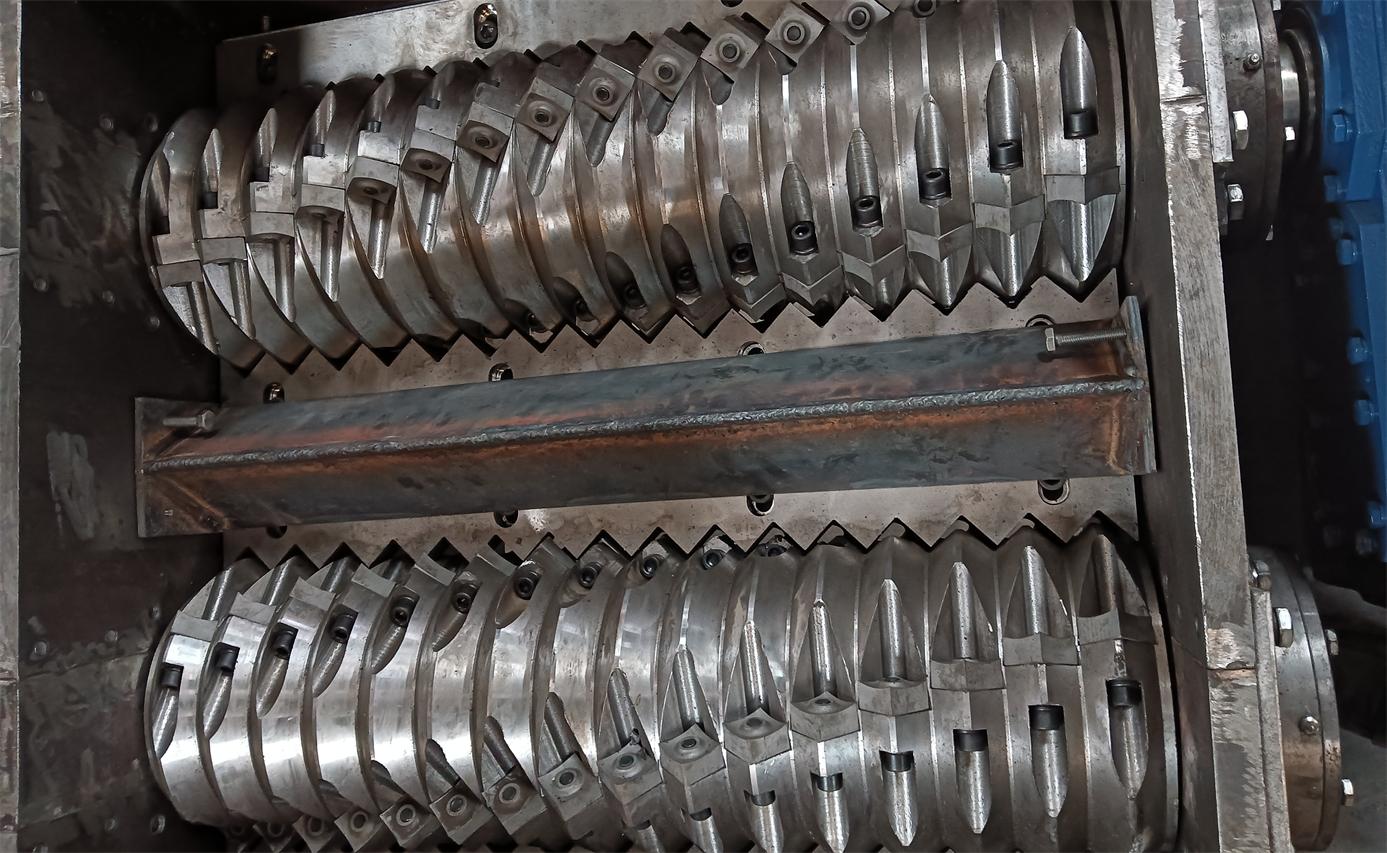
No recycling plant operates with a single machine. Pre-shredders and dual-shaft shredders break bulky items like refrigerators, air conditioners, and CRT monitors into manageable pieces before they reach specialized downstream equipment. A typical four-shaft shredder for multi-purpose e-waste processing handles 2 to 6 metric tons per hour and prepares material for subsequent sorting.
For operations that recover metal ingots rather than powders, a medium-frequency induction furnace melts recycled copper, aluminum, lead, or even precious metals into uniform ingots. Furnace capacities range from 4 kilograms to 250 kilograms per batch depending on power rating. Auxiliary equipment such as hydraulic balers, briquetting presses, and refrigerant extraction machines round out a complete plant.
What to Look for in an Equipment Supplier
Buying recycling machinery is not a simple transaction; it is the start of a multi-year partnership. The best suppliers offer more than steel and motors. They bring engineering expertise, installation support, and after-sales service. Here are practical criteria to evaluate:
- Turnkey capability: Can the supplier design the entire line, deliver civil-engineering guidance, and commission the plant on-site?
- Customization: Does the manufacturer adapt voltage, control language, and capacity to your local conditions?
- Environmental compliance: Are dust-collection, gas-scrubbing, and wastewater-treatment systems included and tested?
- Track record: Has the supplier installed plants in multiple countries with diverse regulatory environments?
- Post-sales support: Can you obtain spare parts and technical guidance quickly when a breakdown occurs?
San Lan Technologies: Experience Across 21 Countries
Founded in 2007, San Lan Technologies Co., Ltd has spent nearly two decades designing, manufacturing, and commissioning e-waste recycling plants and mining equipment from its base in Jiangxi Province, China. The company serves customers in more than 21 countries, including Singapore, Colombia, Vietnam, Mexico, Argentina, Korea, Malaysia, Indonesia, South Africa, Tunisia, India, Kenya, Saudi Arabia, and the Philippines.
San Lan's engineering team holds master's degrees in mechanical engineering and brings over 15 years of hands-on experience in recycling machine design. The company operates as an EPC contractor, offering customized plant design, one-stop equipment procurement, installation, and commissioning. Beyond hardware, San Lan assists customers with waste-material sourcing, investor partnerships for plant construction, and resale channels for recovered products such as copper rice, copper powder, and lead ingots.
All core product lines are developed in-house, giving San Lan direct control over quality, delivery schedules, and design modifications. The team is bilingual in English and Chinese, which simplifies communication during project development and after-sales service.
Ready to Build or Upgrade Your Recycling Plant?
Whether you need a single machine or a complete turn-key e-waste recycling line, San Lan Technologies can help you select the right configuration for your feedstock, capacity target, and budget. Contact the team today to discuss your project.
- Email: info@san-lan.com
- WhatsApp / Mobile: +86 139 2377 4083
- Website: www.san-lan.com