A Complete Guide to Selecting E-Waste Recycling Equipment: Key Factors for Global Buyers
As global e-waste generation continues to accelerate, recycling businesses across the world are investing in advanced machinery to recover valuable metals and minimize environmental impact. Whether you are entering the recycling industry or upgrading your existing facility, choosing the right equipment partner is one of the most critical decisions you will make. This guide outlines the essential factors every buyer should evaluate when sourcing lead acid battery recycling equipment, circuit board recycling systems, cable granulators, and other e-waste processing machinery.
1. Technology and Separation Efficiency
The core value of any recycling plant lies in its ability to separate valuable materials with maximum recovery rates. When evaluating equipment, focus on proven separation technology and measurable performance data rather than marketing claims alone.
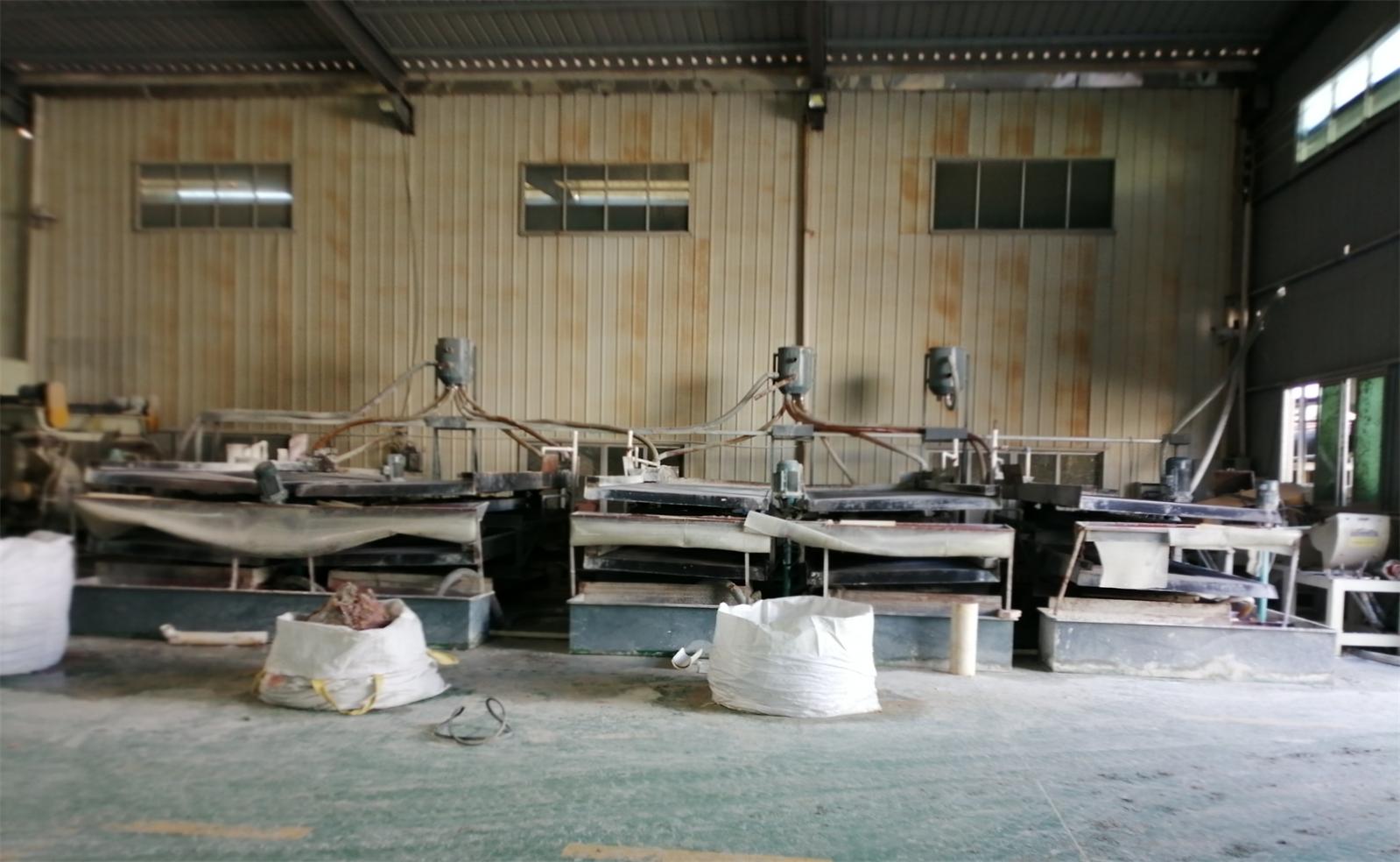
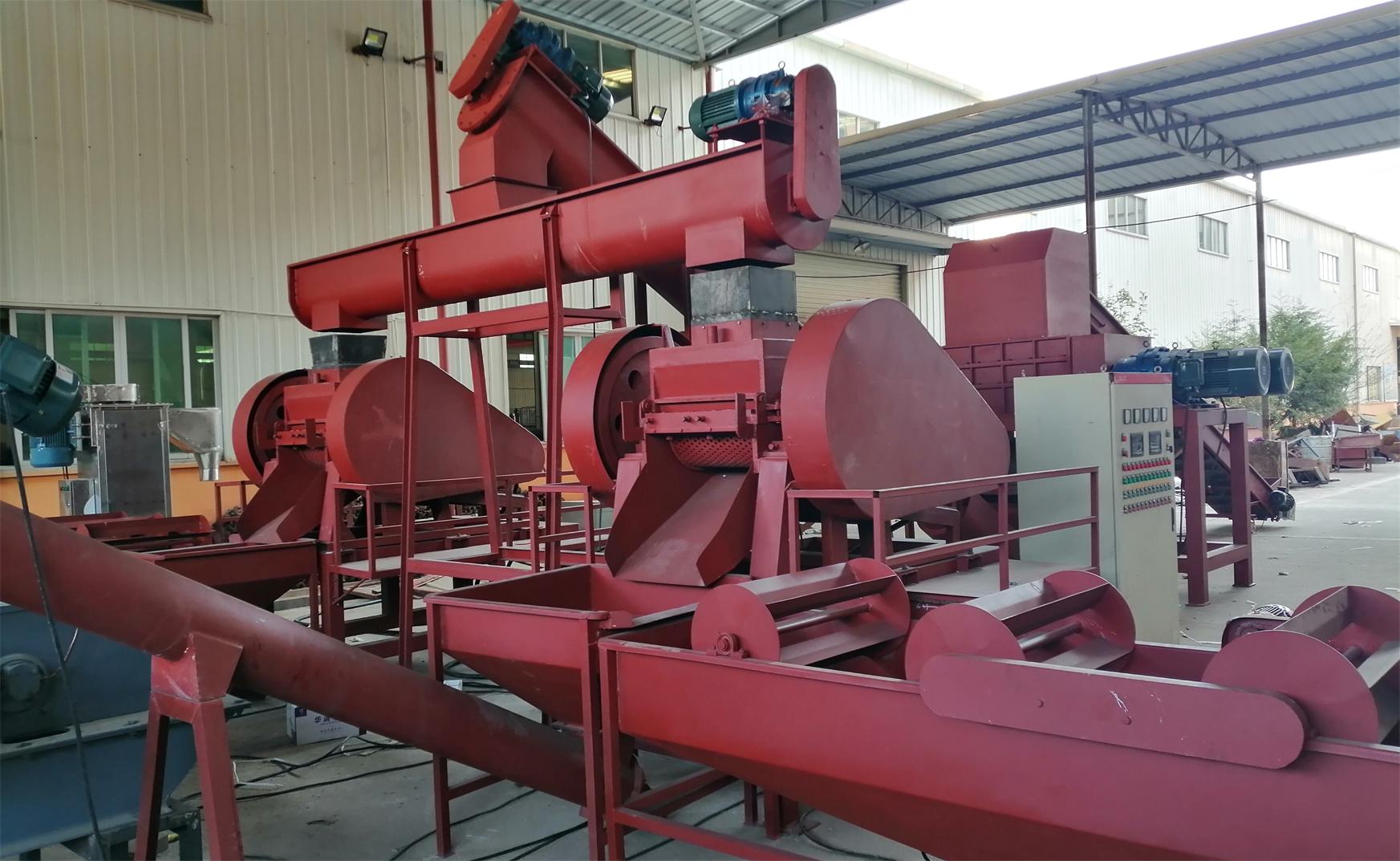
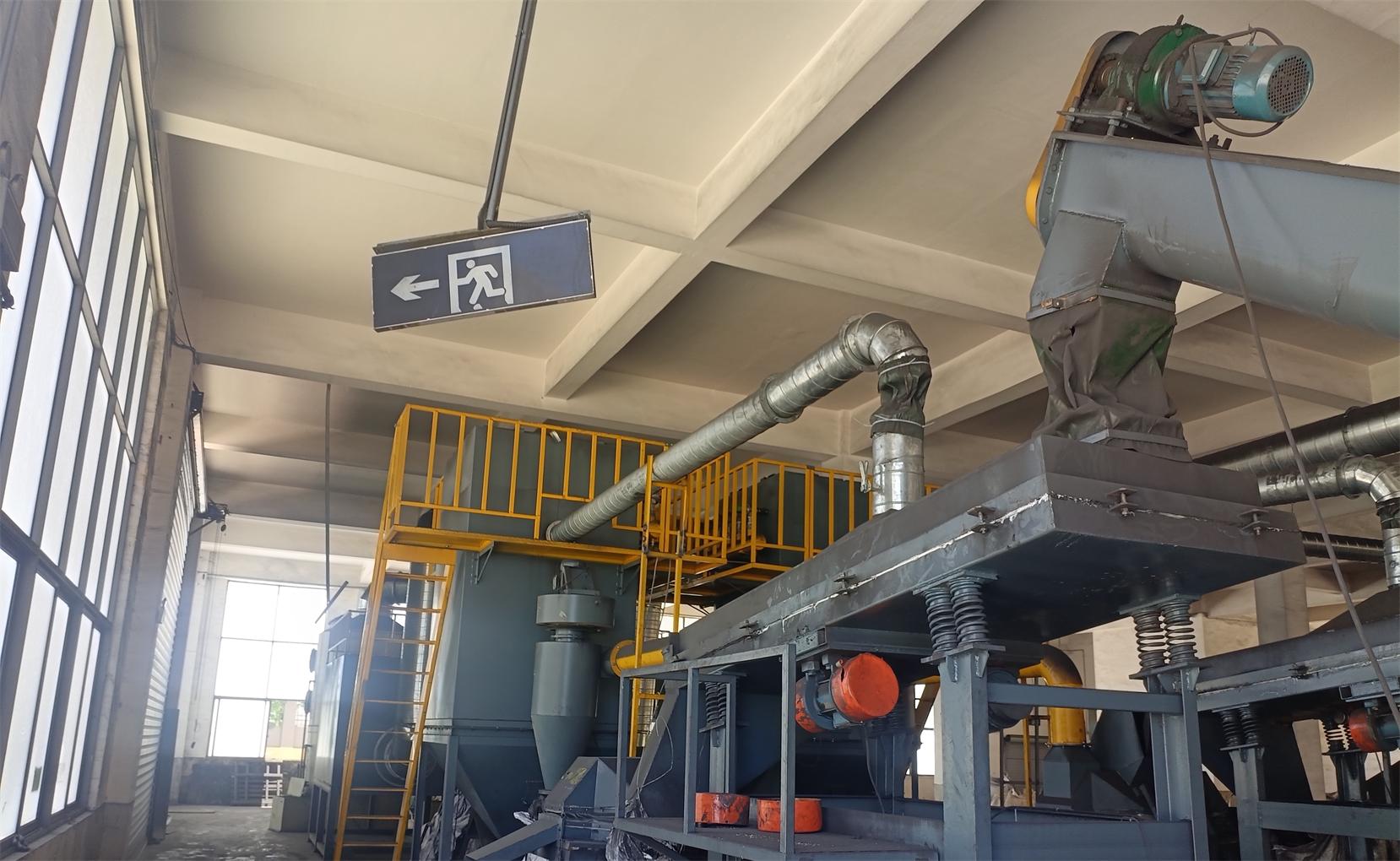
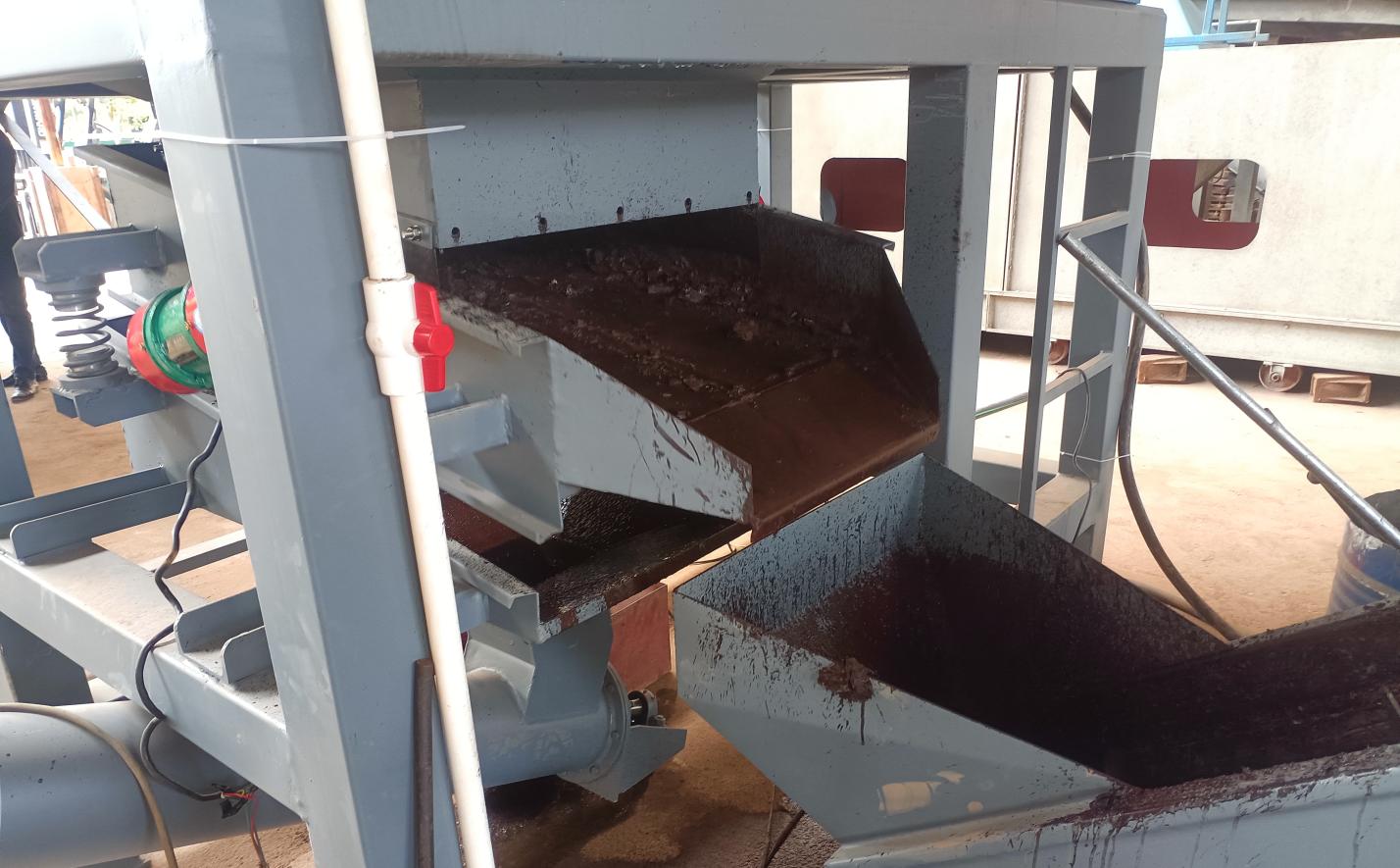
For circuit board recycling equipment, dry separation systems using air classifiers and electrostatic separators can achieve copper powder purity of 96-98% with recovery rates around 95%. Wet separation alternatives offer additional environmental advantages by eliminating dust emissions entirely. For cable recycling, granulators with integrated dry separators can process a wide range of cable diameters while maintaining high copper recovery.
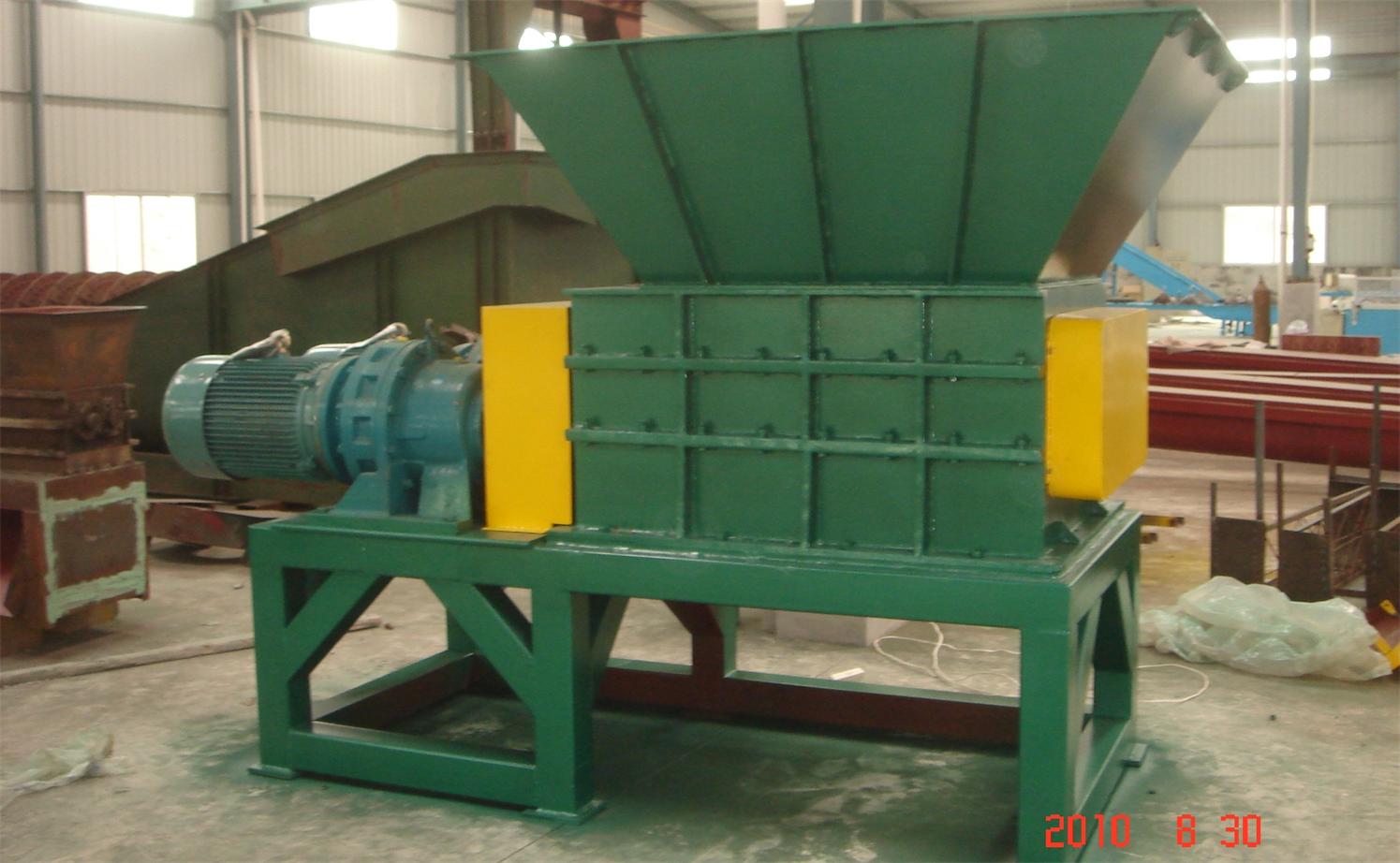
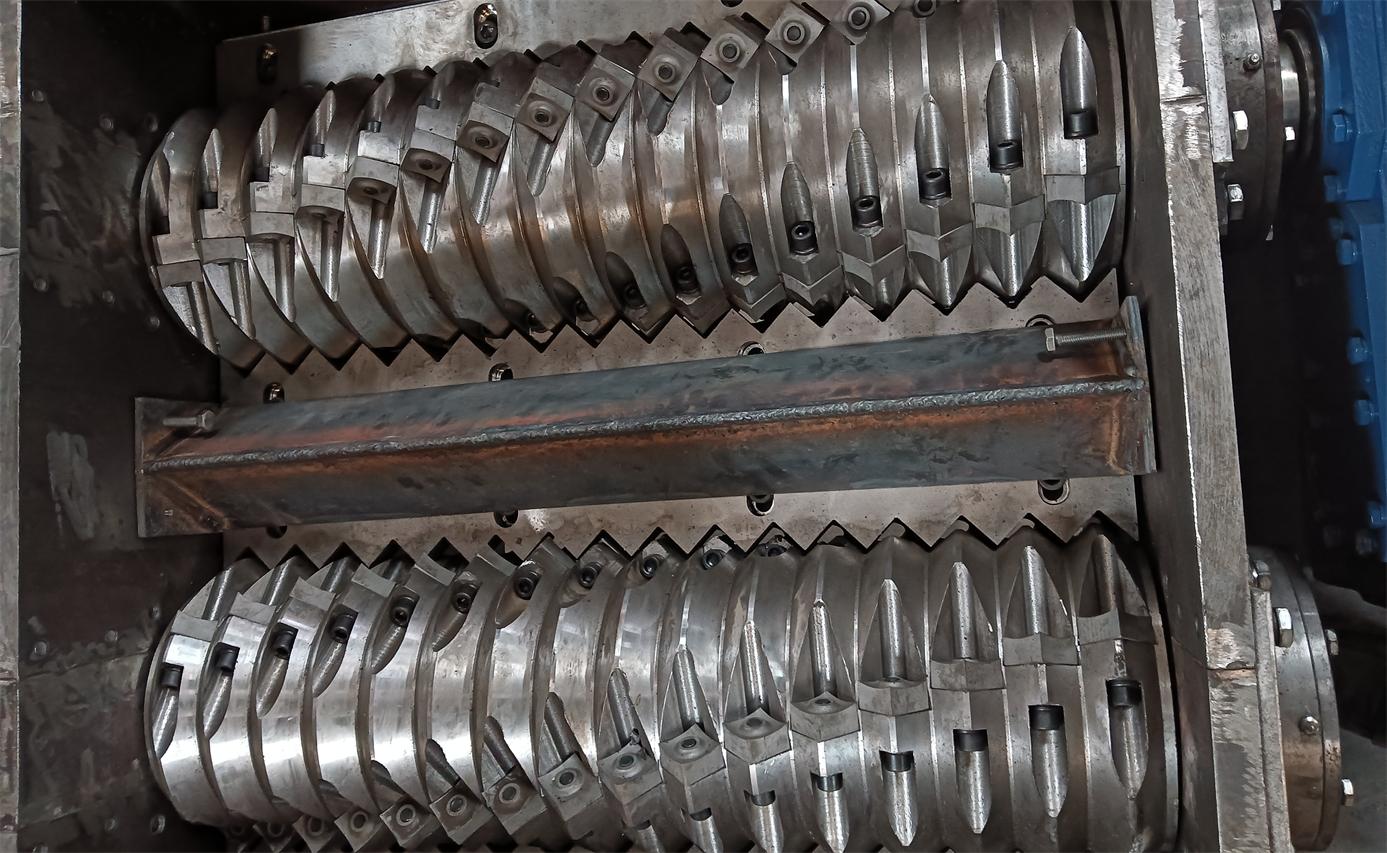
In lead acid battery recycling, the complete process should include breaking and separation systems that efficiently isolate lead paste, lead grids, plastic shells, and acid. Advanced plants further incorporate de-sulfurization units to reduce melting temperatures and SO2 emissions, followed by smelting furnaces with lead recovery rates up to 95%.
Key Performance Indicators to Request:
- Metal recovery rate and purity specifications
- Hourly processing capacity under continuous operation
- Power consumption per ton of material processed
- Dust and emission control efficiency
2. Environmental Compliance and Safety Systems
Modern recycling operations must meet increasingly strict environmental regulations in every market. Equipment that lacks proper pollution control systems can result in costly shutdowns, fines, or permit denials. A reliable supplier should engineer integrated solutions that address air quality, wastewater, and noise control from the outset.
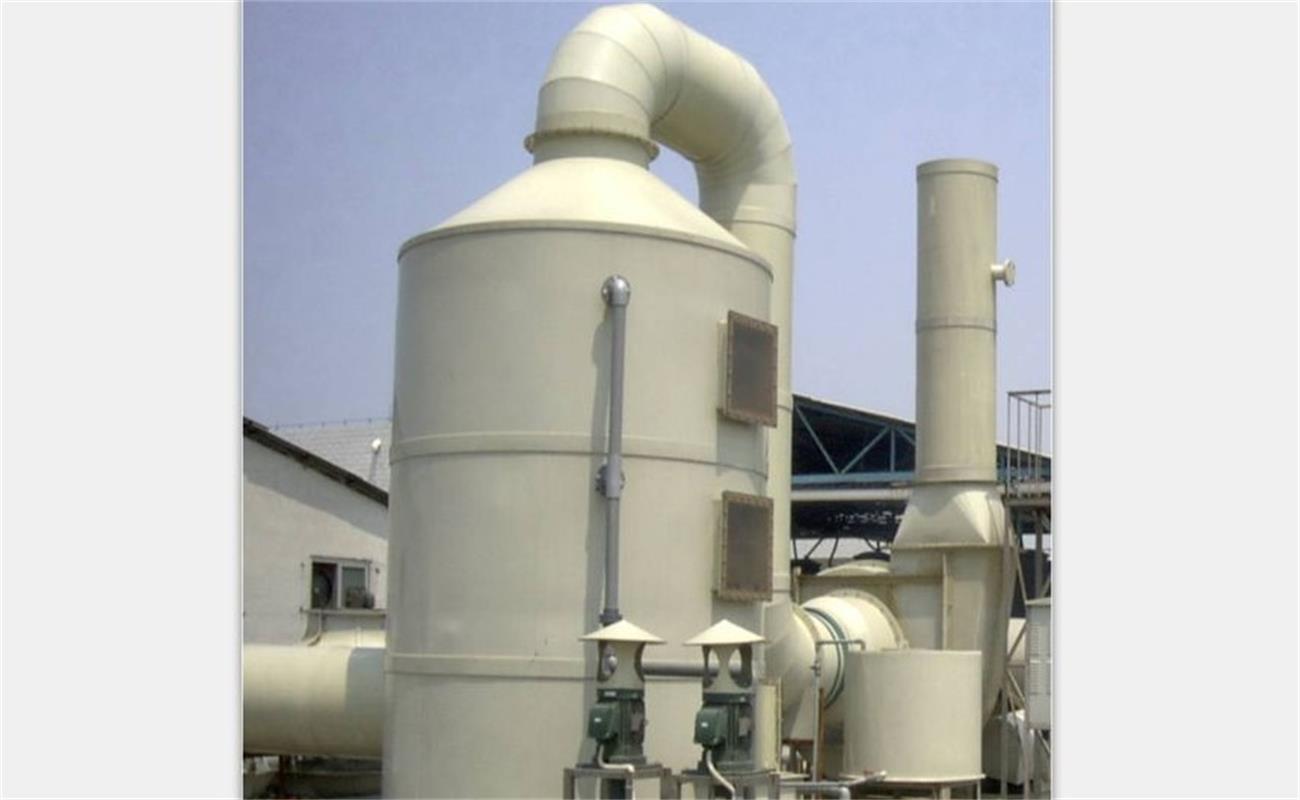
Look for systems that include pulse bag dust collectors, closed-loop water treatment for wet processes, and air pollution control systems designed specifically for the material being processed. For lithium battery recycling, specialized gas absorption and neutralization systems are essential due to the hazardous nature of electrolyte vapors and fluorine compounds released during crushing.
3. Full-Cycle Technical Support and Training
Purchasing equipment is only the beginning of a successful recycling operation. The real value emerges when your team can operate, maintain, and troubleshoot the plant effectively. Unfortunately, many buyers discover too late that their supplier offers limited post-sale support.
A trustworthy partner should provide onsite installation and commissioning, hands-on operator training for all staff, remote technical assistance, and a reliable spare parts supply chain. Some experienced manufacturers also offer deeper value-added services such as helping customers source raw material feedstock, recruiting technical personnel, and even facilitating the sale of recovered commodities like copper, lead ingots, and aluminum.
San Lan Technologies, established in 2007, has built its reputation not only on machinery quality but also on this comprehensive approach to customer success. With a technical team holding master's degrees in mechanical engineering and over 15 years of hands-on experience in e-waste recycling machines, the company has delivered turnkey projects across more than 21 countries including Singapore, Colombia, Mexico, India, South Africa, and Saudi Arabia.
4. Proven Global Experience and Customization Capability
Every recycling market has unique characteristics, from the types of feedstock available locally to the regulatory framework and labor cost structure. A supplier with broad international exposure is more likely to understand these nuances and adapt equipment configurations accordingly.
Customization capability matters. Standard models may not optimally handle your specific material mix, whether you are processing jelly-filled telecommunications cables, mixed circuit boards with components still attached, or spent lithium-ion batteries from electric vehicles. An equipment provider with in-house engineering and manufacturing control can modify crusher configurations, separation stages, and control systems to match your operational reality.
For buyers exploring cable recycling equipment, options range from compact scrap cable strippers handling diameters from 1.5mm to 150mm, to high-capacity cable granulator plants processing over 1000 kg per hour. Similarly, lithium battery recycling plant solutions are available in modular configurations from 500 kg/hour up to 2500 kg/hour, allowing businesses to scale capacity as their feedstock volumes grow.
5. Total Cost of Ownership and Return on Investment
Price comparisons based on initial quotations alone can be misleading. Smart buyers evaluate total cost of ownership over a 5 to 10-year horizon, factoring in energy consumption, spare parts replacement frequency, labor requirements, downtime costs, and the incremental revenue generated by higher recovery rates.
For example, a circuit board recycling line with a 3% higher metal recovery rate can generate substantially additional revenue over its lifetime, often justifying a moderately higher upfront investment. Similarly, energy-efficient motor designs and optimized process flows reduce operating costs every day the plant runs.
Calculate Your True ROI:
- Initial equipment and installation cost
- Annual electricity and consumables expense
- Expected maintenance and parts replacement
- Projected metal recovery value based on current commodity prices
- Estimated equipment lifespan and residual value
Building a Sustainable Recycling Business
The global transition toward circular economies is creating unprecedented opportunities in the e-waste recycling sector. Businesses that invest in reliable, efficient, and compliant equipment today will be positioned to capture market share as regulatory pressure increases and raw material prices remain volatile.
Success depends on choosing a partner that combines solid engineering, environmental responsibility, and genuine commitment to customer success. With nearly two decades of manufacturing experience and installations spanning four continents, San Lan Technologies continues to support recycling entrepreneurs and established operators alike in building profitable, sustainable operations.
Ready to Upgrade Your Recycling Operation?
Contact San Lan Technologies today to discuss your project requirements. Our team provides detailed technical proposals, customized plant designs, and comprehensive support from initial consultation through commissioning and beyond. Email us at info@san-lan.com or reach us via WhatsApp at +86 139 2377 4083 to start the conversation.