Electronic waste is the fastest growing waste stream on the planet. Every year, millions of tons of discarded batteries, circuit boards, cables, and appliances pile up in landfills, leaking hazardous materials into soil and water while burying valuable metals like copper, gold, lead, and lithium. For entrepreneurs and established recyclers alike, this represents both an environmental imperative and a significant business opportunity. The right e-waste recycling equipment can transform this growing problem into a steady revenue stream.
However, not all recycling machinery is created equal. The difference between a struggling operation and a profitable one often comes down to choosing equipment that matches your feedstock, capacity requirements, and long-term growth plans. This guide walks through the core categories of e-waste recycling equipment, what to look for when selecting machinery, and why partnering with an experienced manufacturer matters.
E-waste encompasses a wide range of discarded electrical and electronic equipment. From used lead acid batteries and lithium-ion power packs to printed circuit boards, copper cables, refrigerators, and CRT monitors, each material stream requires specialized processing technology. Attempting to process diverse e-waste through a single generic system typically results in poor recovery rates, contamination, and missed revenue.
A well-designed recycling operation segments its incoming waste and routes each category through dedicated equipment lines. This targeted approach maximizes material purity, minimizes environmental risk, and ensures compliance with increasingly strict regulations governing hazardous waste handling and air emissions.
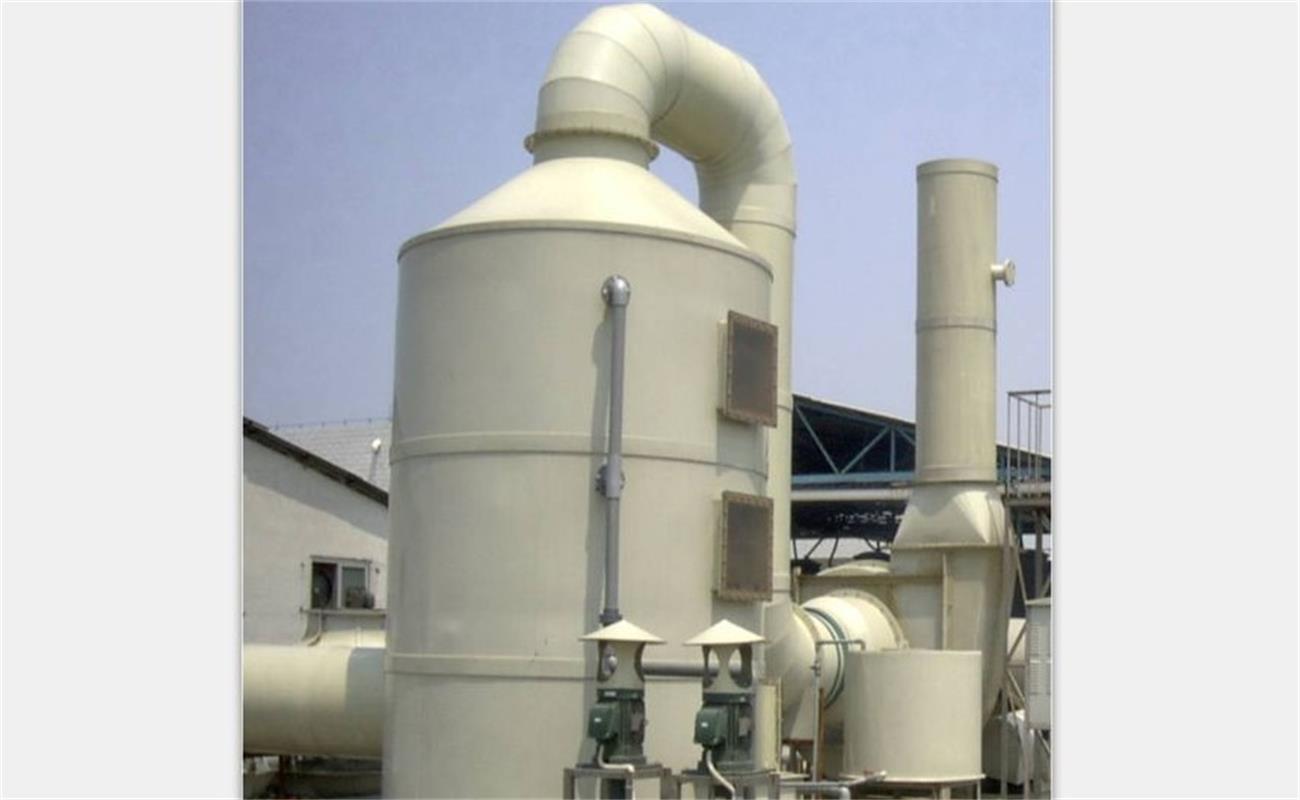
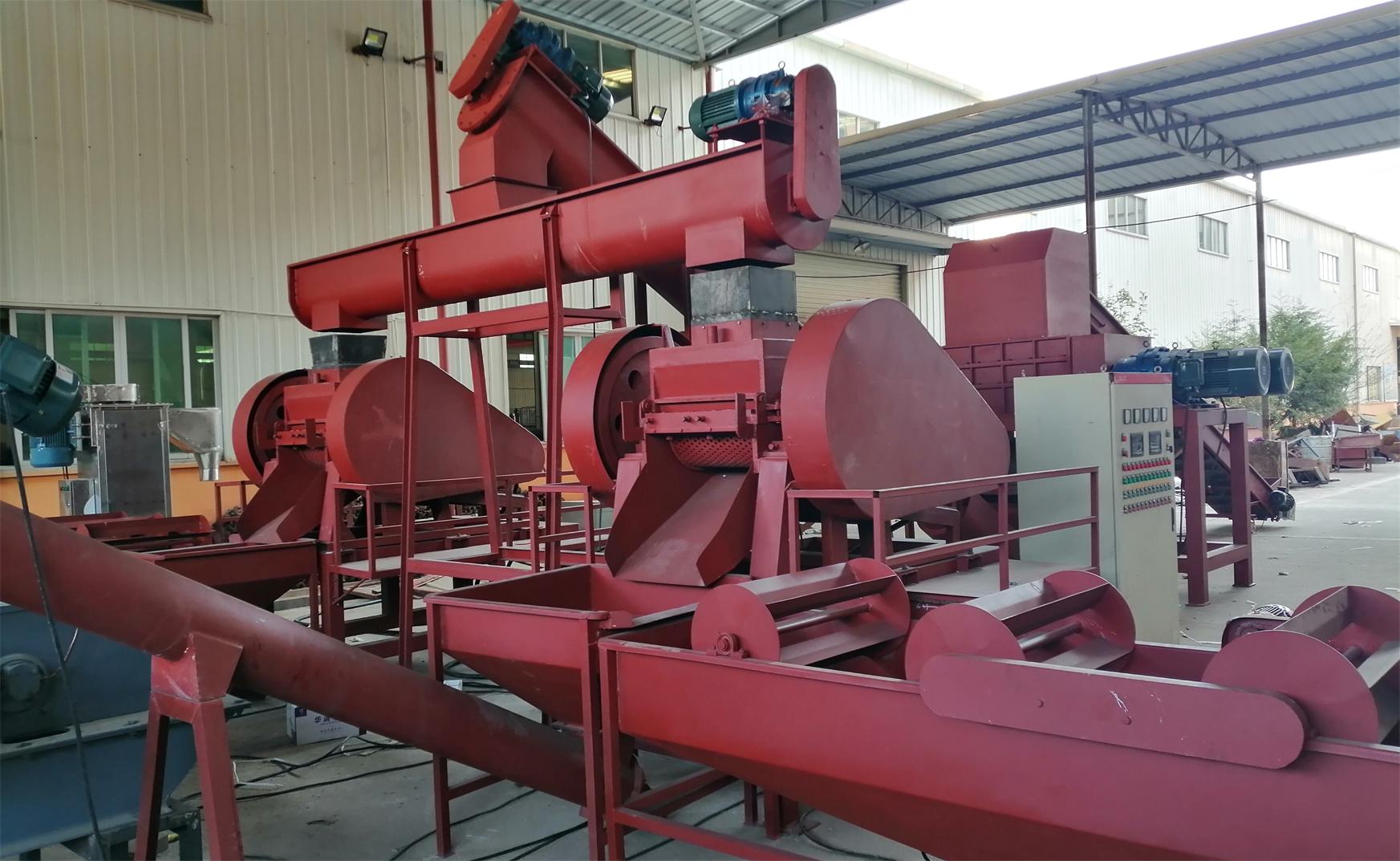
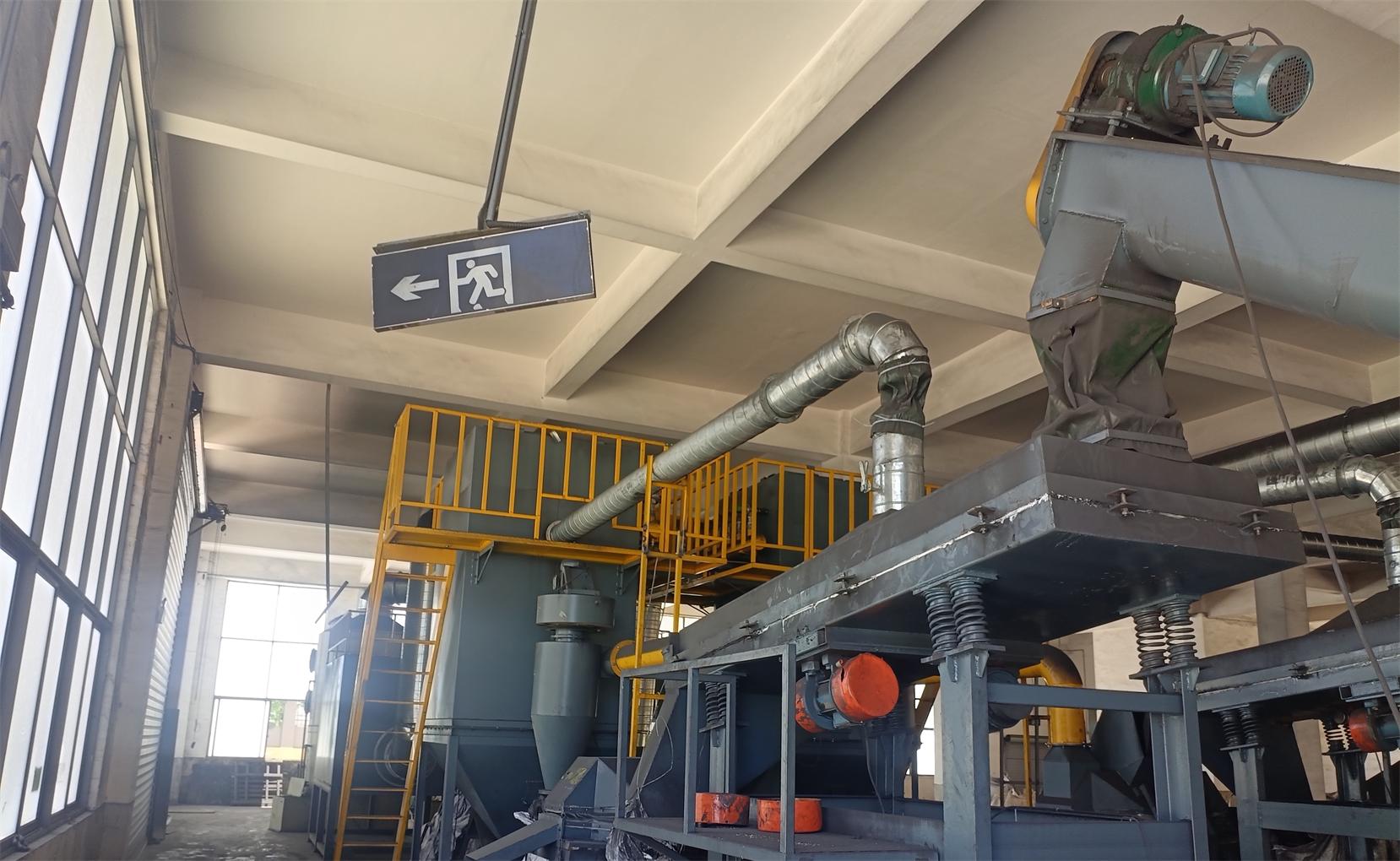
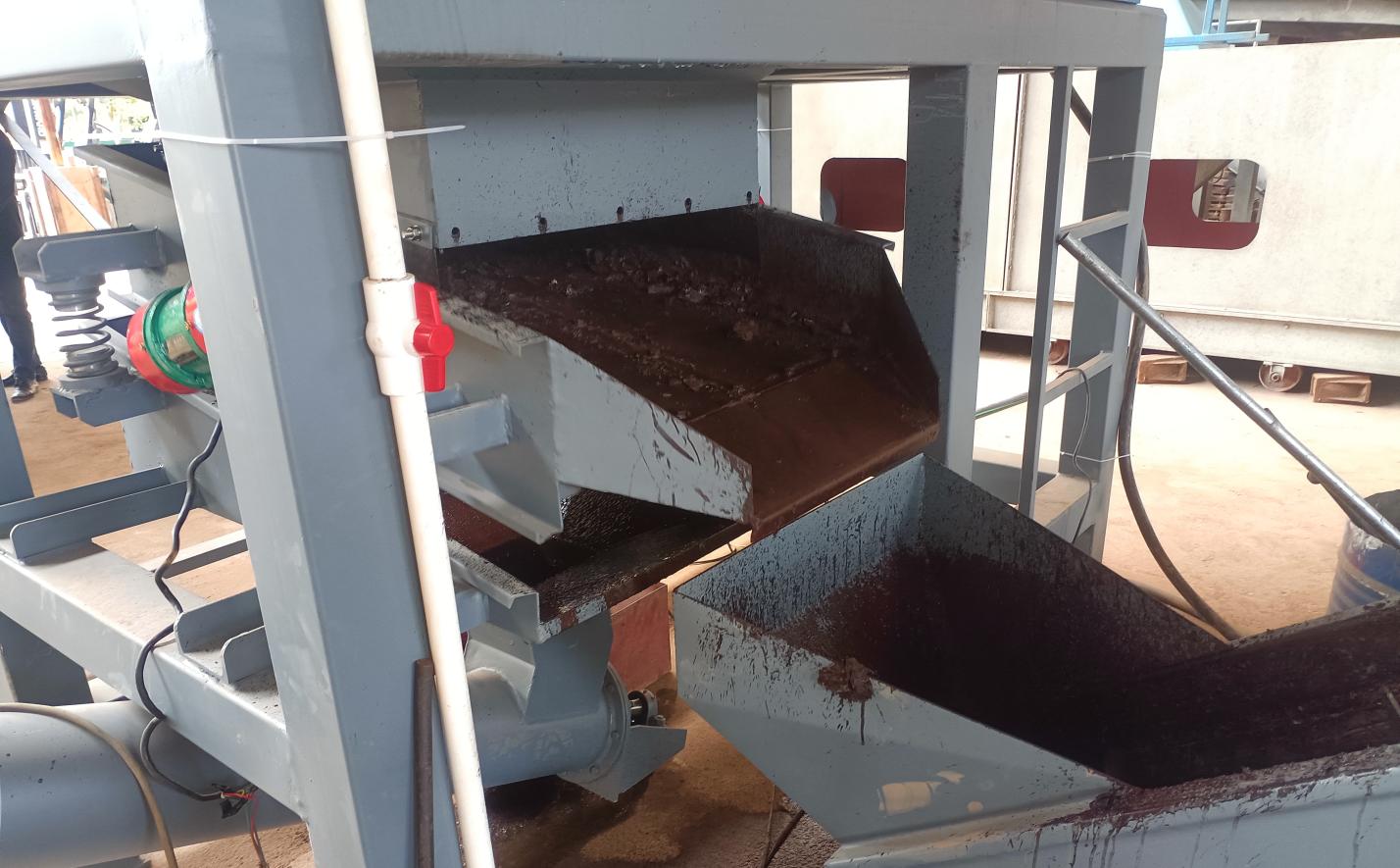
Used lead acid batteries remain one of the most recycled consumer products globally, and for good reason. The lead content holds significant value, while the plastic casings and sulfuric acid can also be recovered. A complete lead acid battery recycling equipment line typically includes a battery cutter, breaking and separation system, filter press, de-sulfurization unit, blast furnace or rotary furnace for paste reduction, lead refinery kettle, air pollution control system, and wastewater treatment plant. Capacities generally range from 1 to 10 metric tons per hour, with lead recovery rates reaching 95% when properly configured.
As electric vehicles and portable electronics proliferate, spent lithium-ion batteries have become a critical feedstock. Unlike lead acid batteries, lithium batteries require careful discharging and controlled breakdown to safely separate the black mass containing nickel, cobalt, and graphite from copper, aluminum, and plastic fractions. Li battery recycling equipment generally handles capacities from 500 to 2,500 kilograms per hour and must include robust air pollution control systems to manage the volatile electrolytes and fluorine compounds present in these cells.
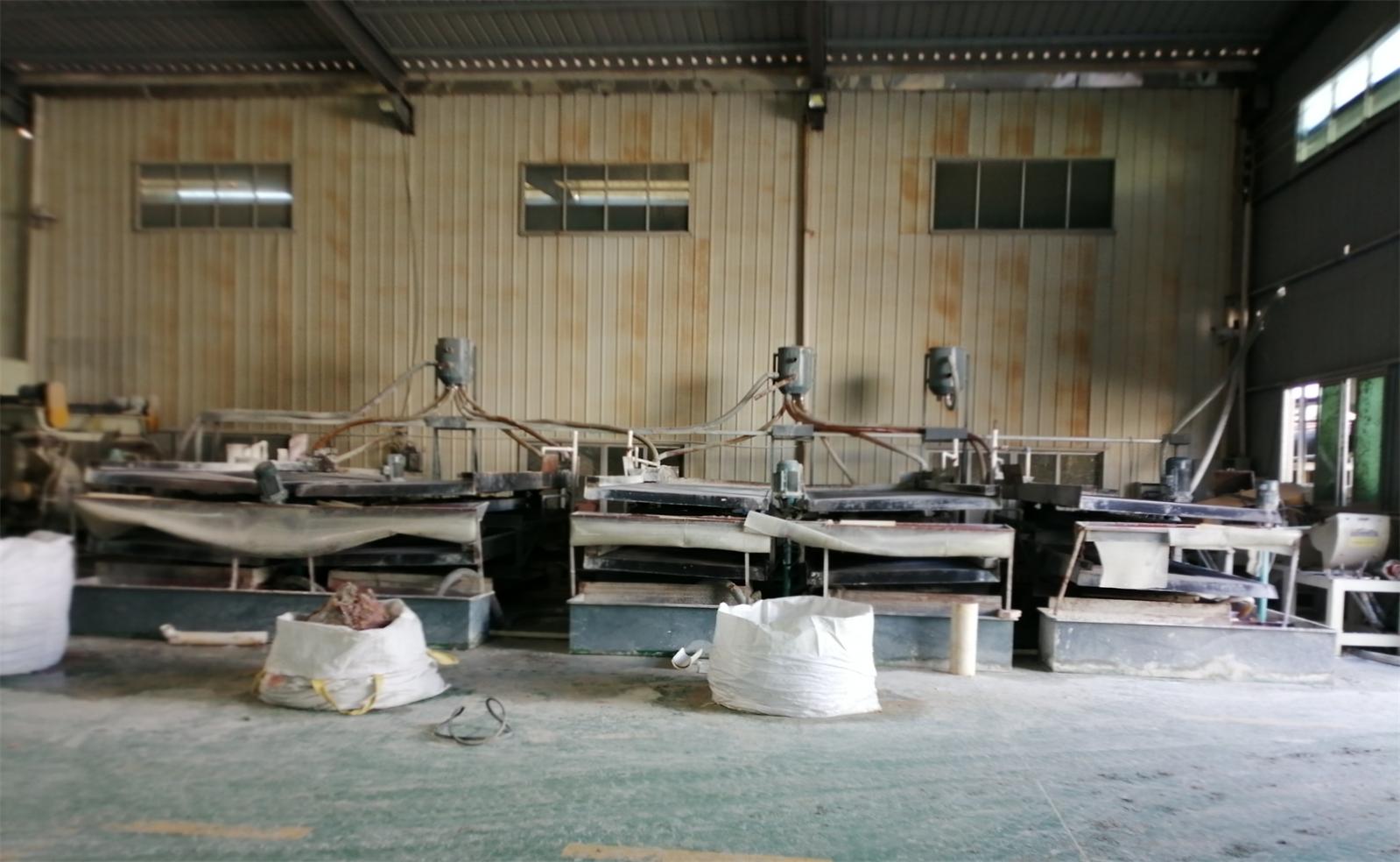
Printed circuit boards contain some of the highest concentrations of valuable metals found in e-waste, including copper, silver, gold, and palladium. Circuit board recycling equipment uses either dry separation with air classifiers and electrostatic separators or wet separation with water-based metal recovery systems. Depending on the model, processing capacities range from 300 kilograms to 2,000 kilograms per hour, with copper powder purity typically between 96% and 98%. The choice between dry and wet processing depends on local water availability, environmental regulations, and the specific composition of your PCB feedstock.
Scrap cables and wires represent a straightforward but profitable recycling stream when handled with the right machinery. Cable recycling equipment includes scrap cable strippers for larger diameter wire and cable granulators with dry separators for finer material. These systems separate copper or aluminum from plastic insulation, producing clean metal granules that command strong market prices. Granulators are available in compact sizes suitable for small yards, up to large industrial plants processing over a ton per hour.
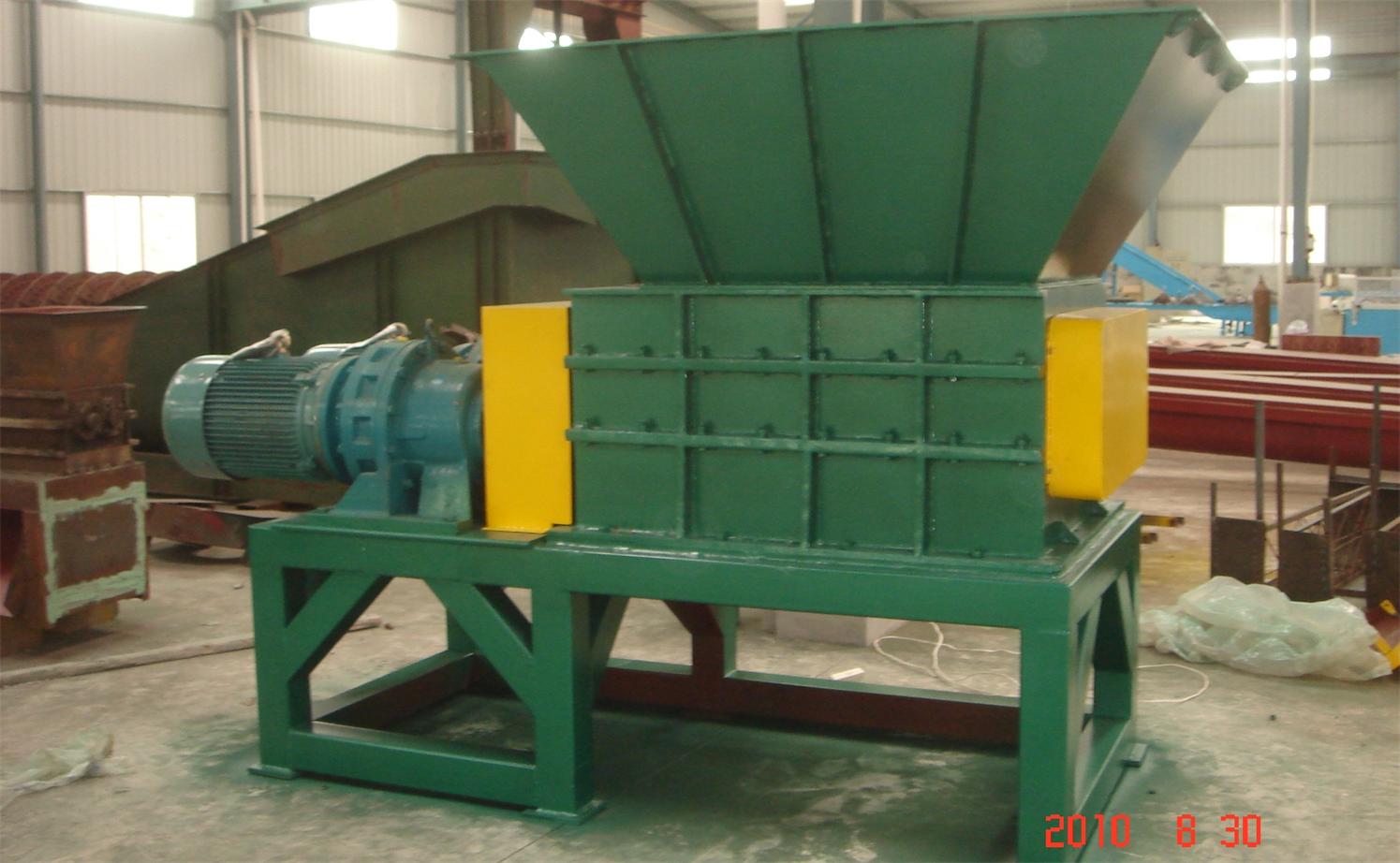
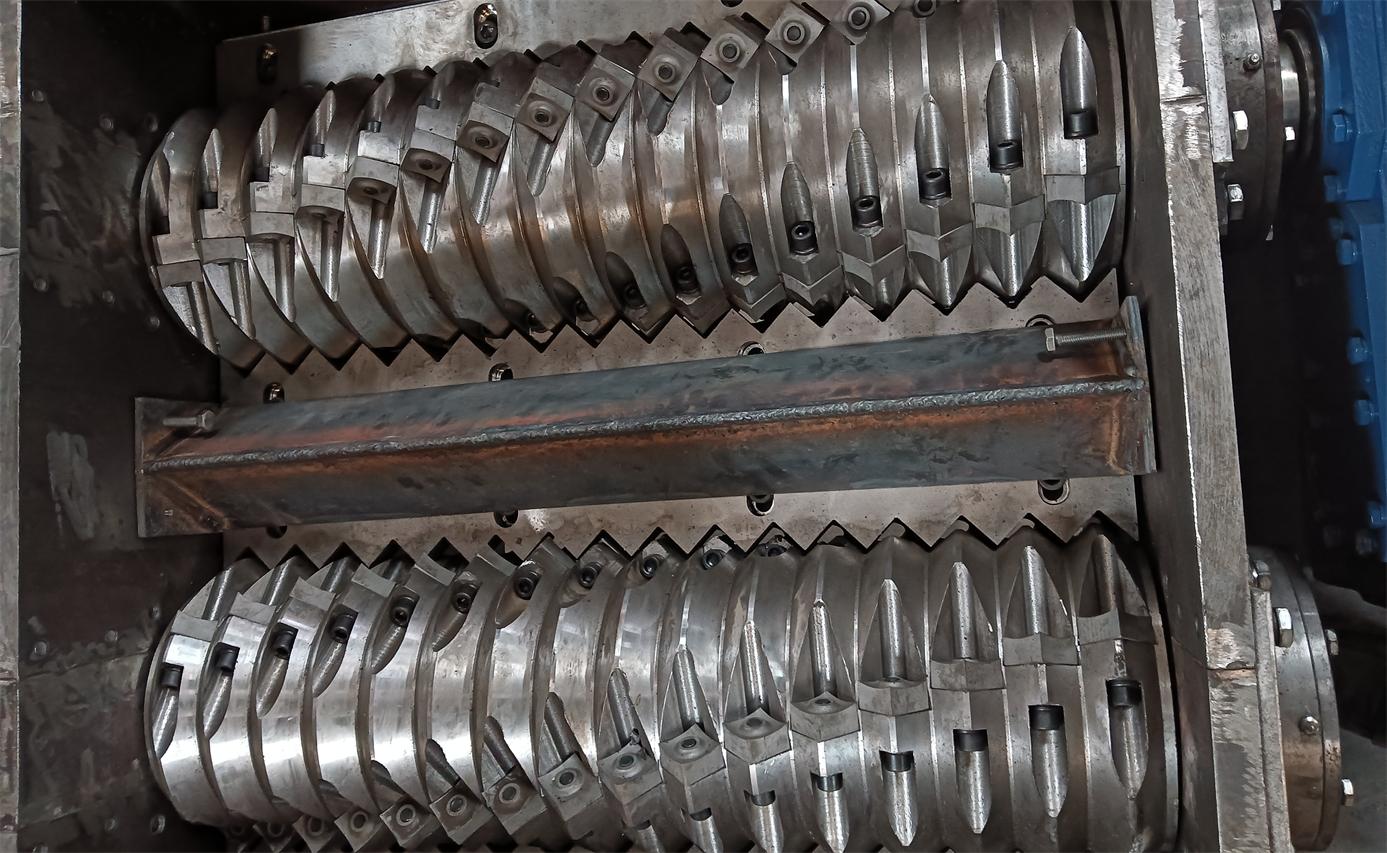
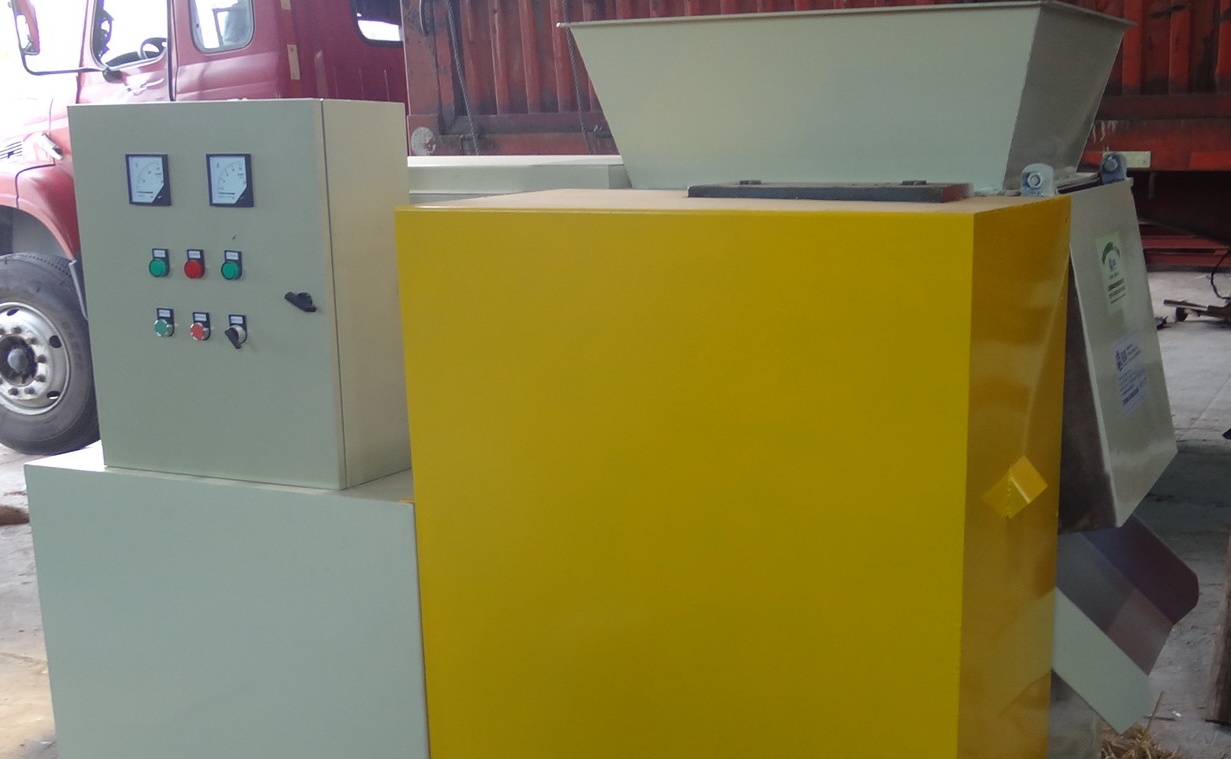
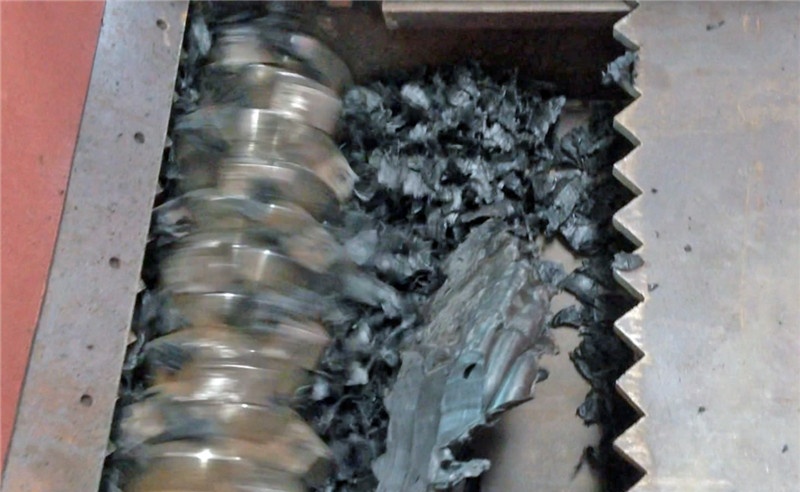
Beyond these core categories, comprehensive e-waste operations often incorporate CRT cutters for safe monitor and television disassembly, refrigerator and air conditioner recycling plants with refrigerant extraction systems, motor recycling machines for copper winding recovery, shredders and pre-choppers for size reduction, and metal melting furnaces to convert recovered materials into ingots for resale.
Selecting machinery is only part of the equation. The manufacturer you choose will influence your installation timeline, operator training, spare parts availability, and long-term profitability. Here are the factors that separate reliable suppliers from risky ones:
- Technical depth: Look for suppliers with engineering teams who understand both the mechanical and metallurgical aspects of recycling. A supplier with over 15 years of hands-on experience in e-waste machinery design can anticipate problems before they arise.
- EPC capability: Engineering, procurement, and construction expertise matters if you need a complete plant built from the ground up rather than individual machines.
- Customization: Your feedstock, local regulations, and site constraints are unique. Off-the-shelf solutions rarely optimize performance. A supplier willing to customize design and capacity will deliver better long-term returns.
- After-sales support: Installation, commissioning, operator training, and spare parts logistics determine how quickly you reach profitable operation.
- Business development support: Some suppliers go beyond equipment to help customers source waste feedstock or find buyers for recovered materials like copper rice, lead ingots, and aluminum granules.
San Lan Technologies Co., Ltd, established in 2007 and based in Jiangxi Province, China, has built a reputation as a specialist manufacturer of WEEE recycling machines and mining equipment. With customers in over 21 countries including Singapore, Colombia, Vietnam, Mexico, Argentina, Korea, Malaysia, and South Africa, the company has demonstrated its ability to deliver equipment that performs across diverse regulatory and operational environments.
The San Lan product portfolio covers the full spectrum of e-waste recycling needs: lead acid battery recycling plants, lithium battery recycling lines, circuit board recycling systems, cable granulators, CRT cutters, refrigerator and AC recycling equipment, motor dismantling machines, multi-purpose shredders, and metal melting furnaces. Capacities range from small-scale operations to industrial plants processing several tons per hour.
What distinguishes San Lan is not just the breadth of its catalog but the depth of its project experience. The technical team includes mechanical engineering professionals with over 15 years of direct experience in e-waste recycling machinery. The company offers EPC project delivery, customized plant design, one-stop purchasing, installation and commissioning, and even assistance with feedstock sourcing and product sales. For investors new to the recycling sector, this comprehensive support reduces both startup risk and time to profitability.
Bilingual communication in English and Chinese, combined with experience navigating intercultural business environments, further streamlines international project execution. Whether you are expanding an existing yard or launching a greenfield recycling plant, San Lan provides the machinery and partnership needed to turn e-waste into a sustainable business.
Ready to explore e-waste recycling equipment for your project? Visit www.san-lan.com to browse the complete product range, review technical specifications, and request a customized quotation. The San Lan team is available via WhatsApp at +86 139 2377 4083 or email at info@san-lan.com to discuss your specific requirements and help you select the right equipment configuration for your feedstock and capacity goals.