The global surge in electronic consumption has created an unprecedented challenge: what happens to devices when they reach end-of-life? With urban renewal projects, power grid upgrades, and rapid technology turnover generating massive volumes of discarded electronics, the e-waste recycling industry has evolved from an environmental necessity into a highly profitable business opportunity. However, success in this field depends heavily on selecting the right recycling equipment.
Understanding the Main Categories of E-Waste Recycling Equipment
Before making any investment, it is essential to understand the primary types of recycling equipment available and their specific applications.
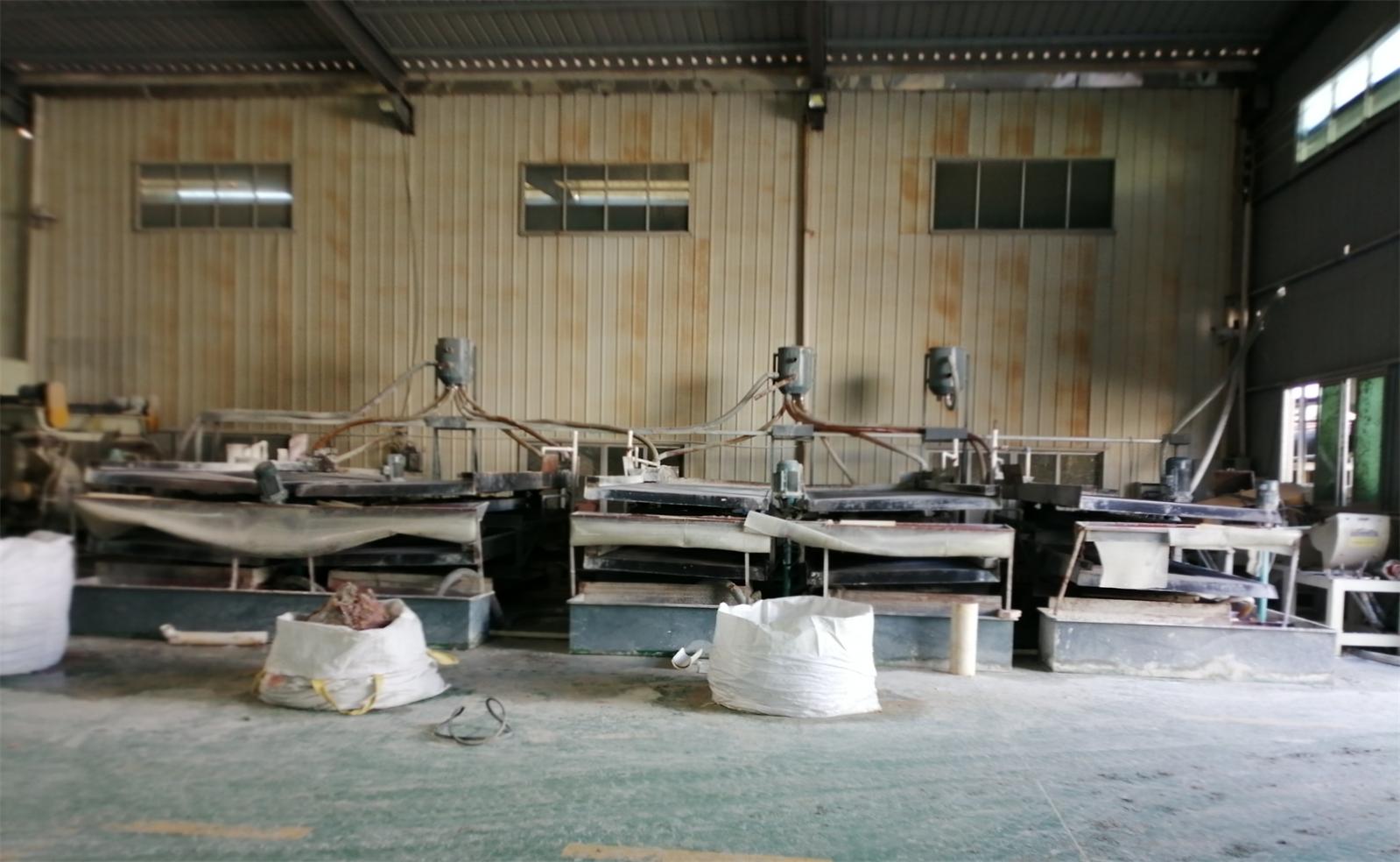
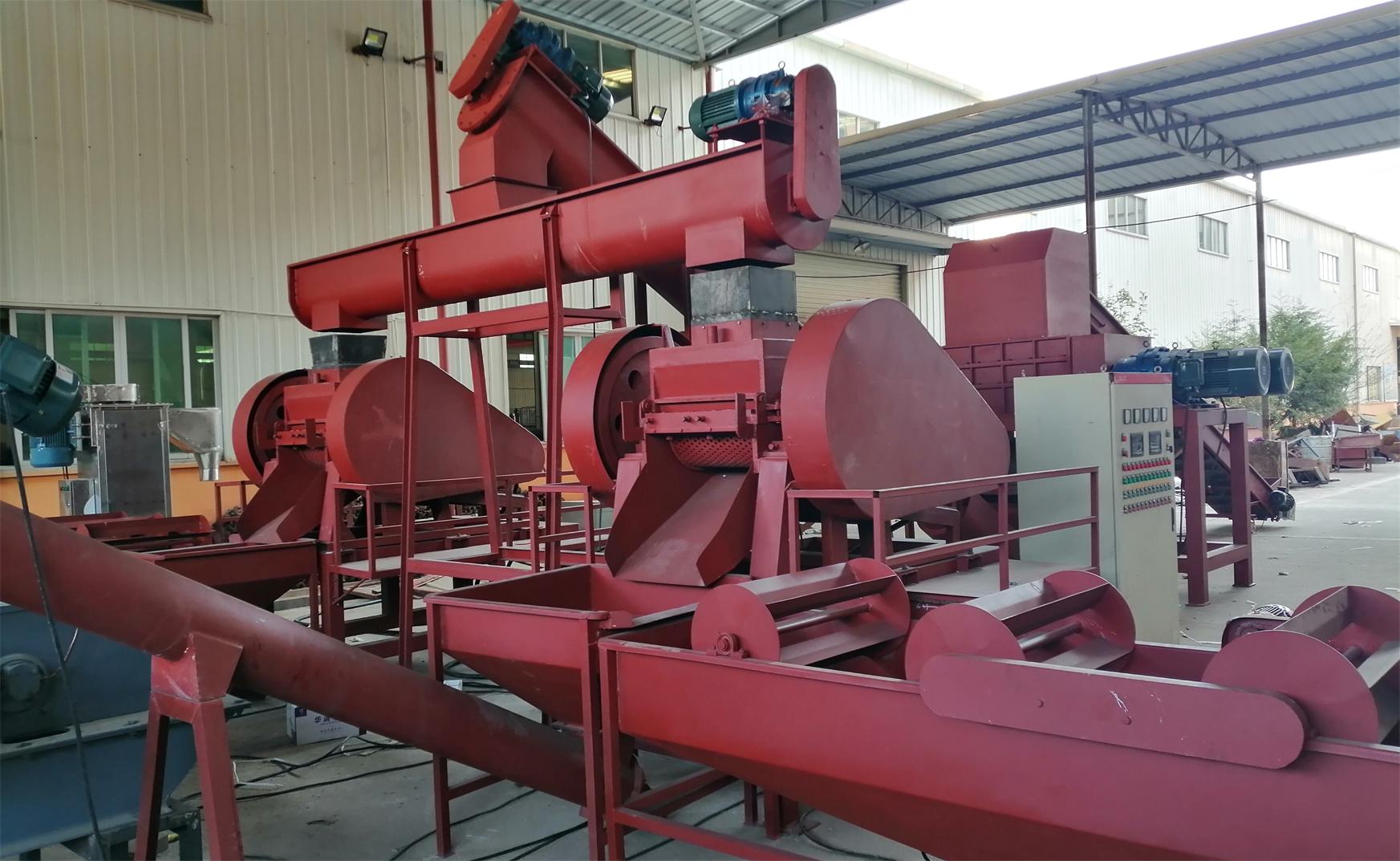
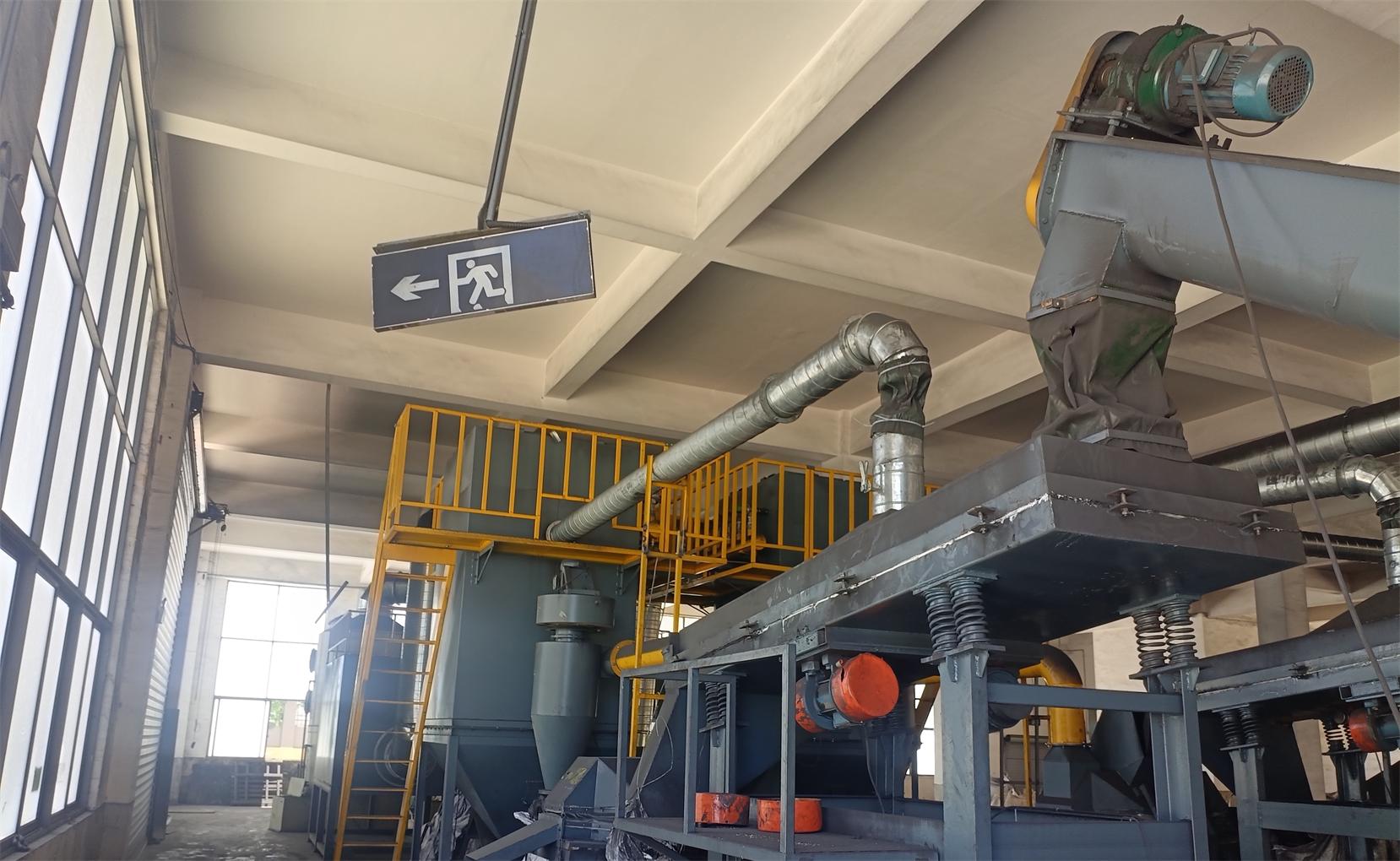
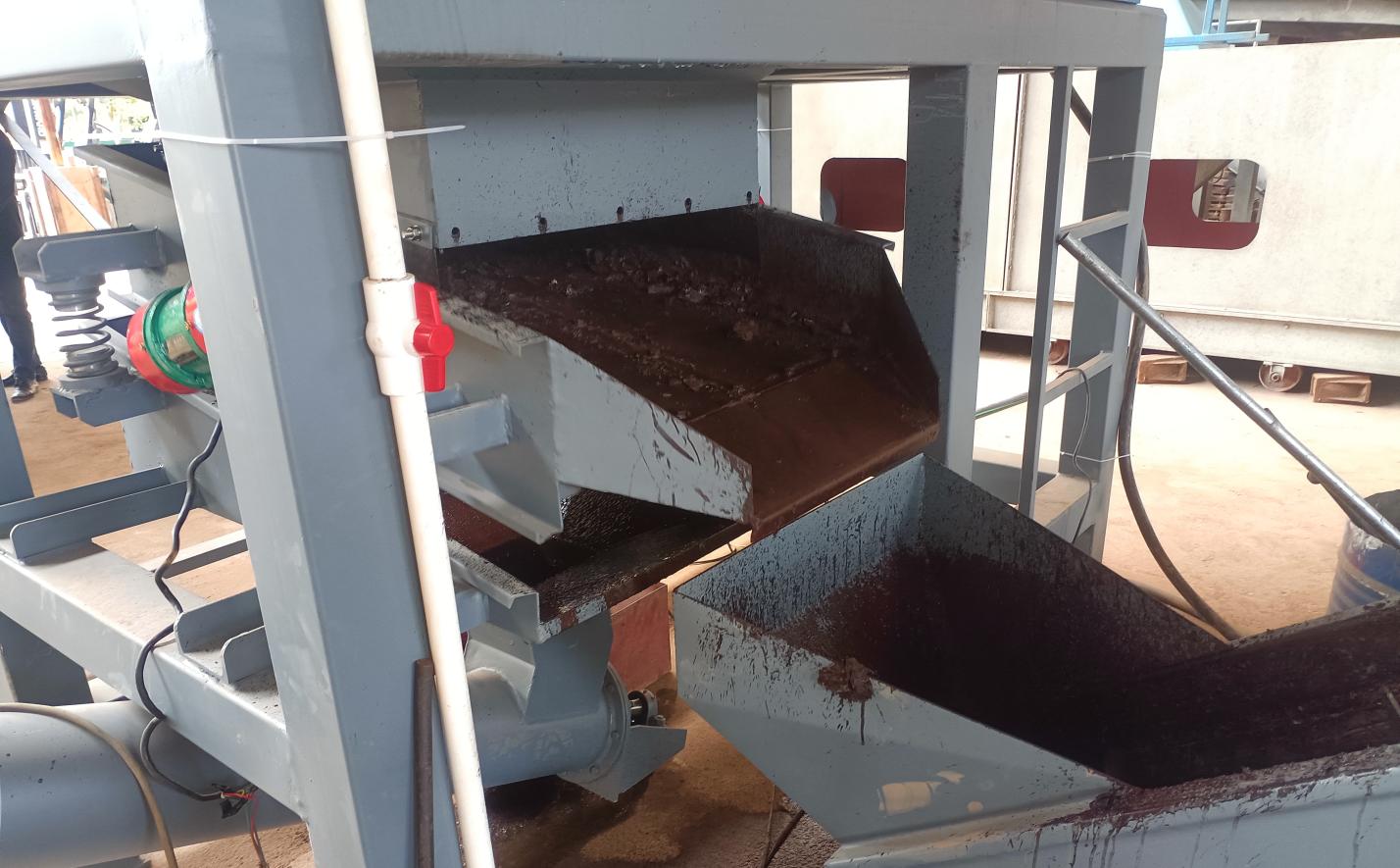
Circuit board recycling equipment handles one of the most valuable waste streams in the electronics sector. Printed circuit boards (PCBs) contain precious metals including copper, gold, and silver. Modern circuit board recycling equipment uses either dry or wet separation technology to crush and classify PCBs, achieving copper powder purity levels of 96–98% with recovery rates up to 95%. When evaluating PCB recycling systems, consider processing capacity (ranging from 300 kg/hour to 2,000 kg/hour), separation method, and dust control capabilities.
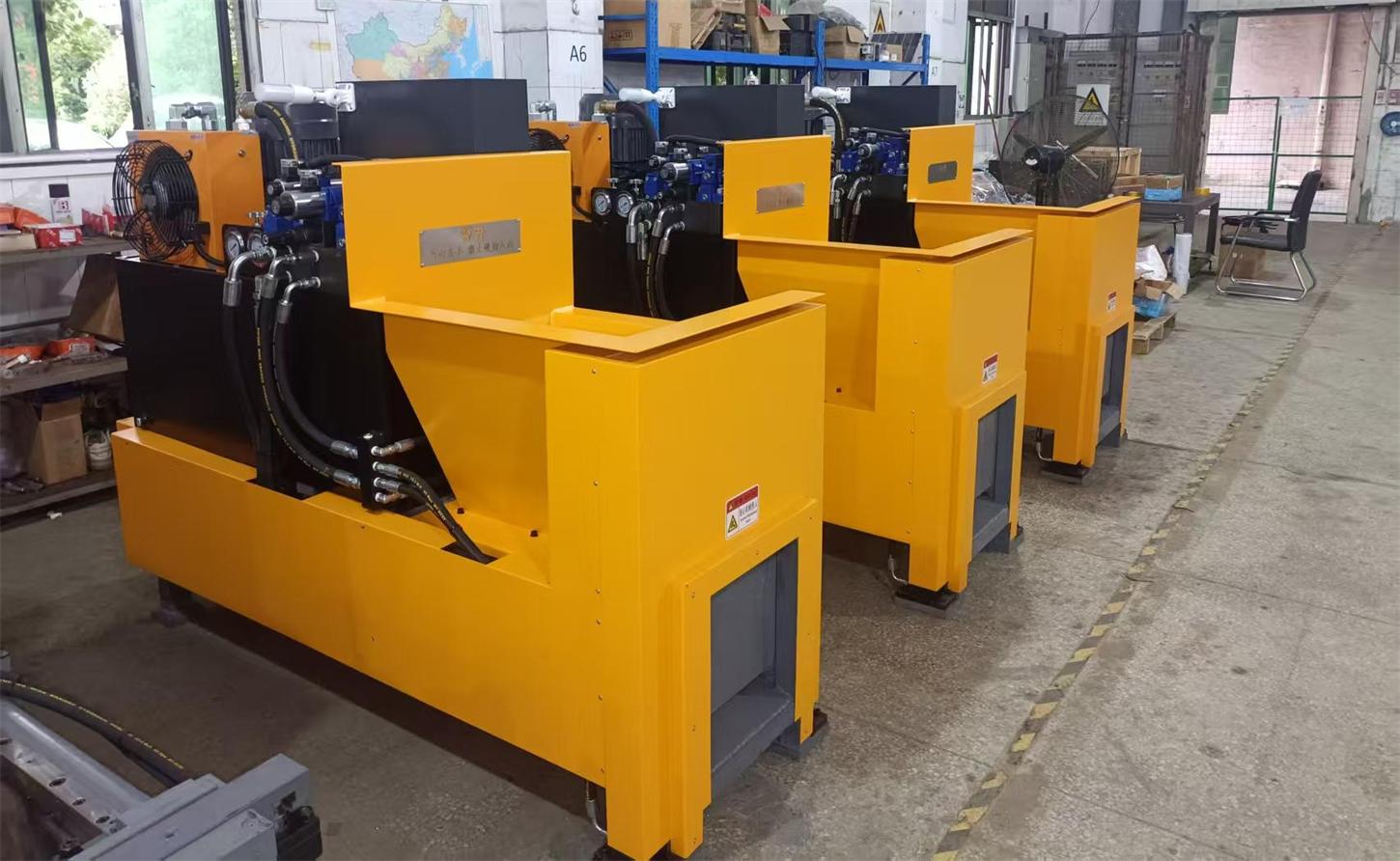
Battery recycling represents another high-growth segment. Lead acid battery recycling equipment breaks and separates used batteries to recover lead paste, lead grids, plastic shells, and acid. Advanced systems can process 1–10 metric tons per hour, with lead recovery rates reaching 95% through blast furnaces or rotary furnaces. For lithium-ion batteries, specialized li battery recycling equipment safely discharges, crushes, and separates cells to recover black mass (containing nickel, cobalt, and graphite), copper, aluminum, and plastic at capacities of 500–2,500 kg/hour.
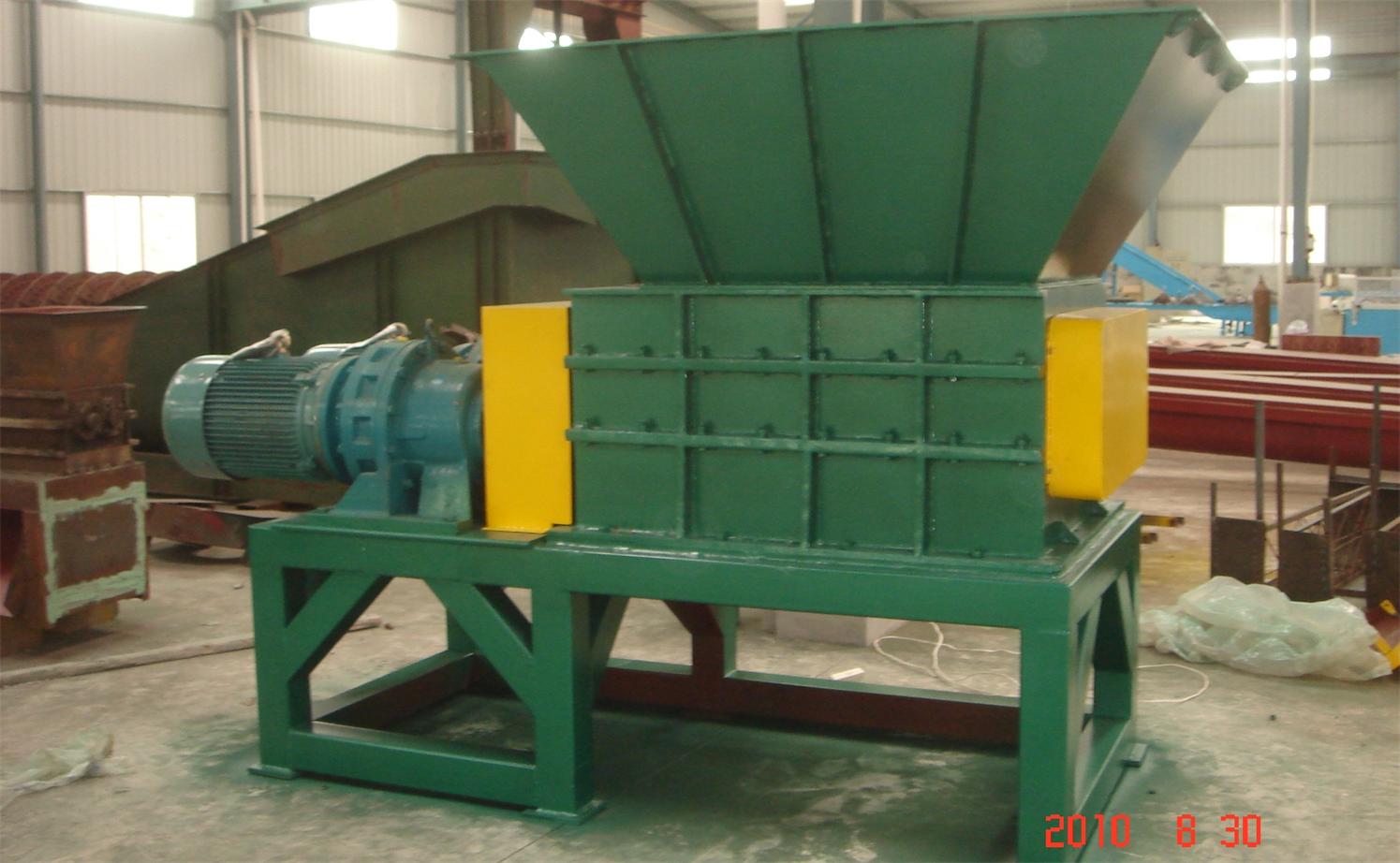
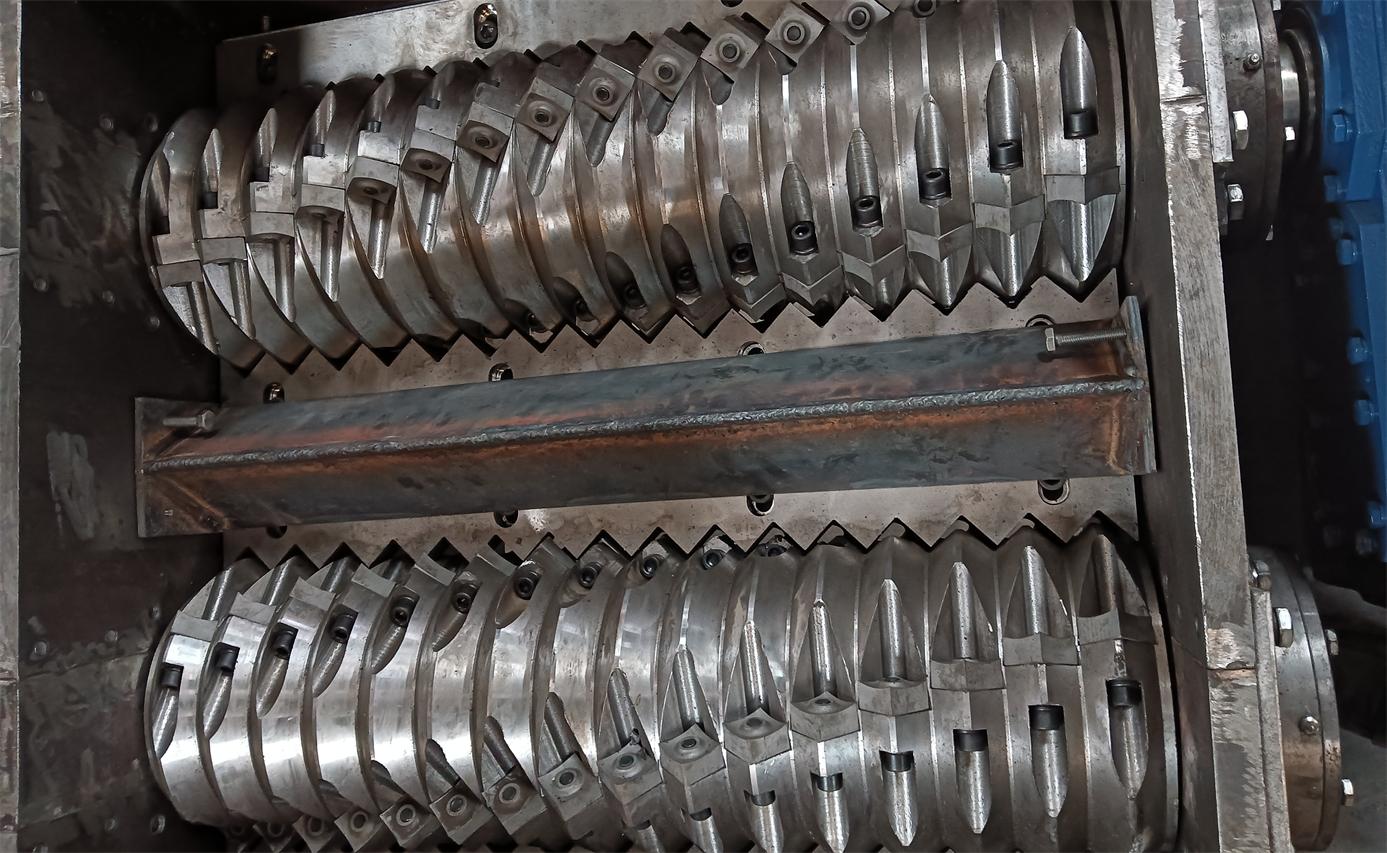
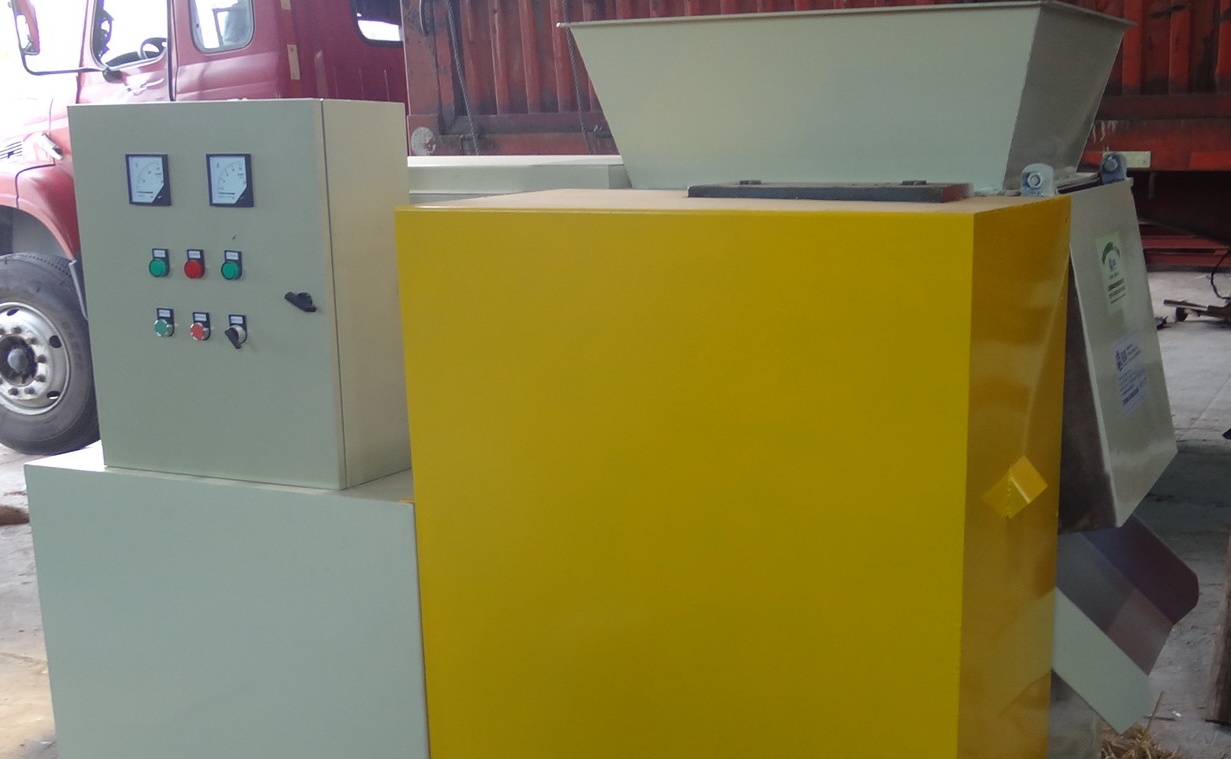
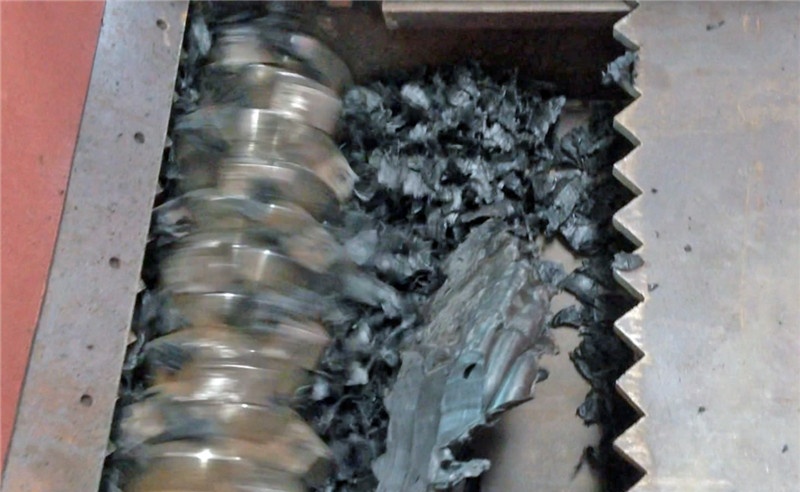
Cable recycling machines address the continuous stream of waste wires from construction, telecommunications, and consumer electronics. These systems strip or granulate cables to separate copper or aluminum from plastic insulation. Compact granulators with dry separators suit small-scale operations, while larger plants require high-throughput cable shredding and separation lines.
Key Factors to Evaluate When Selecting Equipment
Choosing the right equipment requires a systematic evaluation across several dimensions:
- Processing capacity must align with your raw material supply. A machine that is too small creates bottlenecks, while excessive capacity wastes capital. Analyze your monthly feedstock volume and choose equipment with 20–30% additional capacity to accommodate growth.
- Recovery rate directly impacts profitability. High-quality separation technology ensures minimal metal loss. Ask suppliers for documented recovery data and, if possible, arrange material testing before purchase.
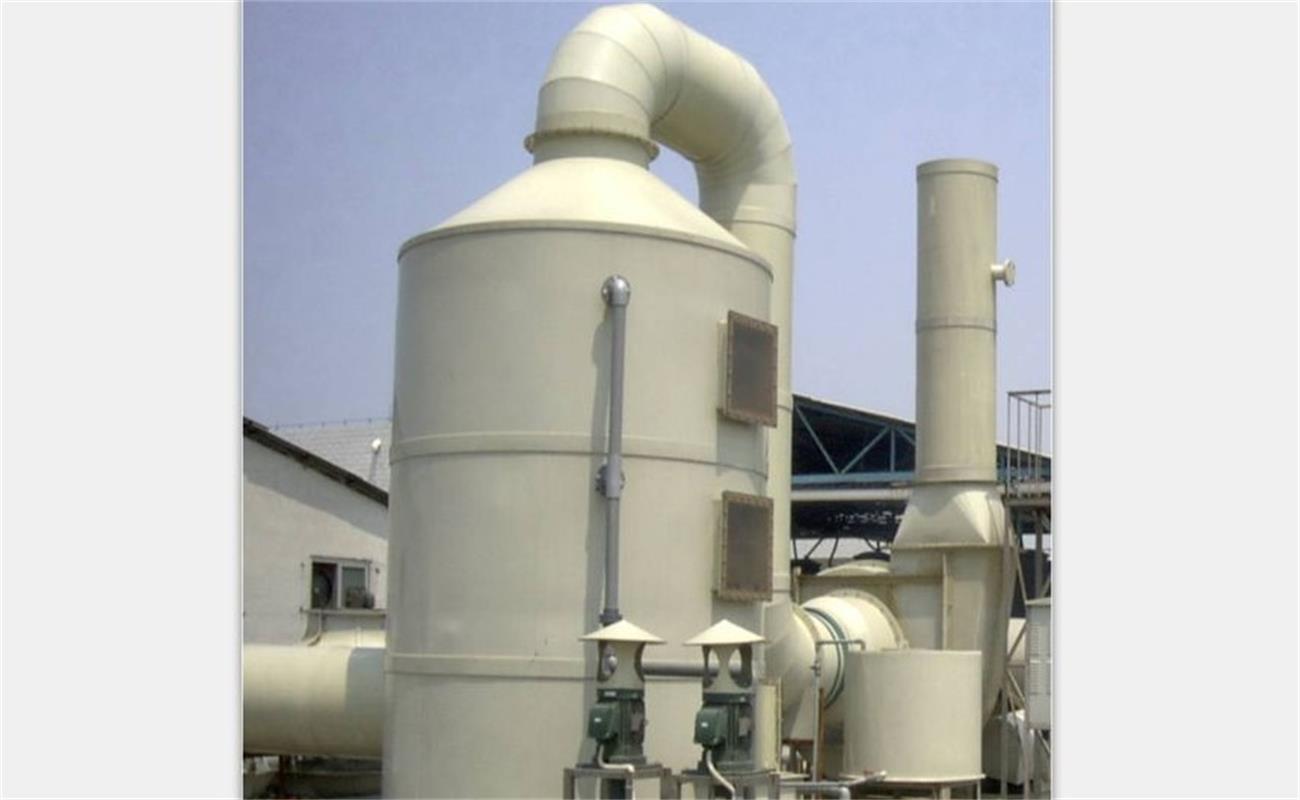
- Environmental compliance cannot be overlooked. Proper air pollution control systems, wastewater treatment plants, and dust collection equipment protect your operation from regulatory penalties and community opposition. Ensure the supplier includes these auxiliary systems in their plant design.
- Automation level affects both labor costs and operational consistency. Fully automated lines reduce manpower requirements and improve safety, particularly when handling hazardous materials like lead paste or lithium battery electrolytes. Semi-automatic systems offer lower upfront costs for smaller budgets.
Why Partnering with an Experienced Manufacturer Matters
Technical expertise separates reliable suppliers from mere traders. Look for manufacturers with engineering teams holding advanced degrees and over 15 years of hands-on experience in e-waste recycling machinery. Such depth ensures proper equipment design, installation, and commissioning.
EPC (Engineering, Procurement, Construction) capabilities provide significant advantages. A supplier that delivers turnkey solutions—from plant layout design to equipment installation and operator training—reduces project risk and accelerates startup timelines.
After-sales support determines long-term operational success. The best manufacturers assist with raw material sourcing, product sales channels (such as connecting you with buyers for copper rice or lead ingots), and ongoing technical troubleshooting. This comprehensive support transforms a simple equipment purchase into a sustainable business partnership.
Conclusion
Investing in e-waste recycling equipment requires careful analysis of your feedstock, target recovery rates, automation needs, and supplier capabilities. By choosing proven technology from experienced manufacturers and planning for environmental compliance from day one, recycling entrepreneurs can build profitable operations that contribute to global resource conservation.
Ready to start your recycling project? Explore our full range of recycling solutions and let our team help you design a customized plant that matches your specific requirements. With customers in over 21 countries and comprehensive EPC project experience, we provide the equipment and expertise you need to succeed in the e-waste recycling industry.